Schools across the country invest countless hours developing programs that inspire students to reach their full potential. Yet one of the most powerful motivators often gets overlooked or implemented inconsistently: systematic recognition of student achievement.
When a student earns straight A’s for the first time, breaks a school record, completes 100 hours of community service, or demonstrates exceptional character through a random act of kindness, that accomplishment deserves more than a brief mention in morning announcements. Recognition systems that make achievements visible, lasting, and meaningful create cultures where excellence becomes the norm rather than the exception.
This comprehensive guide explores how successful schools design and implement student achievement recognition programs that motivate continued excellence, strengthen school culture, and ensure every deserving student receives appropriate acknowledgment for their accomplishments.
The most effective recognition programs share common characteristics: they celebrate diverse achievement types, maintain visibility over time, accommodate growth alongside absolute achievement, and create systems sustainable enough to provide consistent acknowledgment year after year. Schools that master recognition transform institutional culture while providing the positive reinforcement that drives student success.
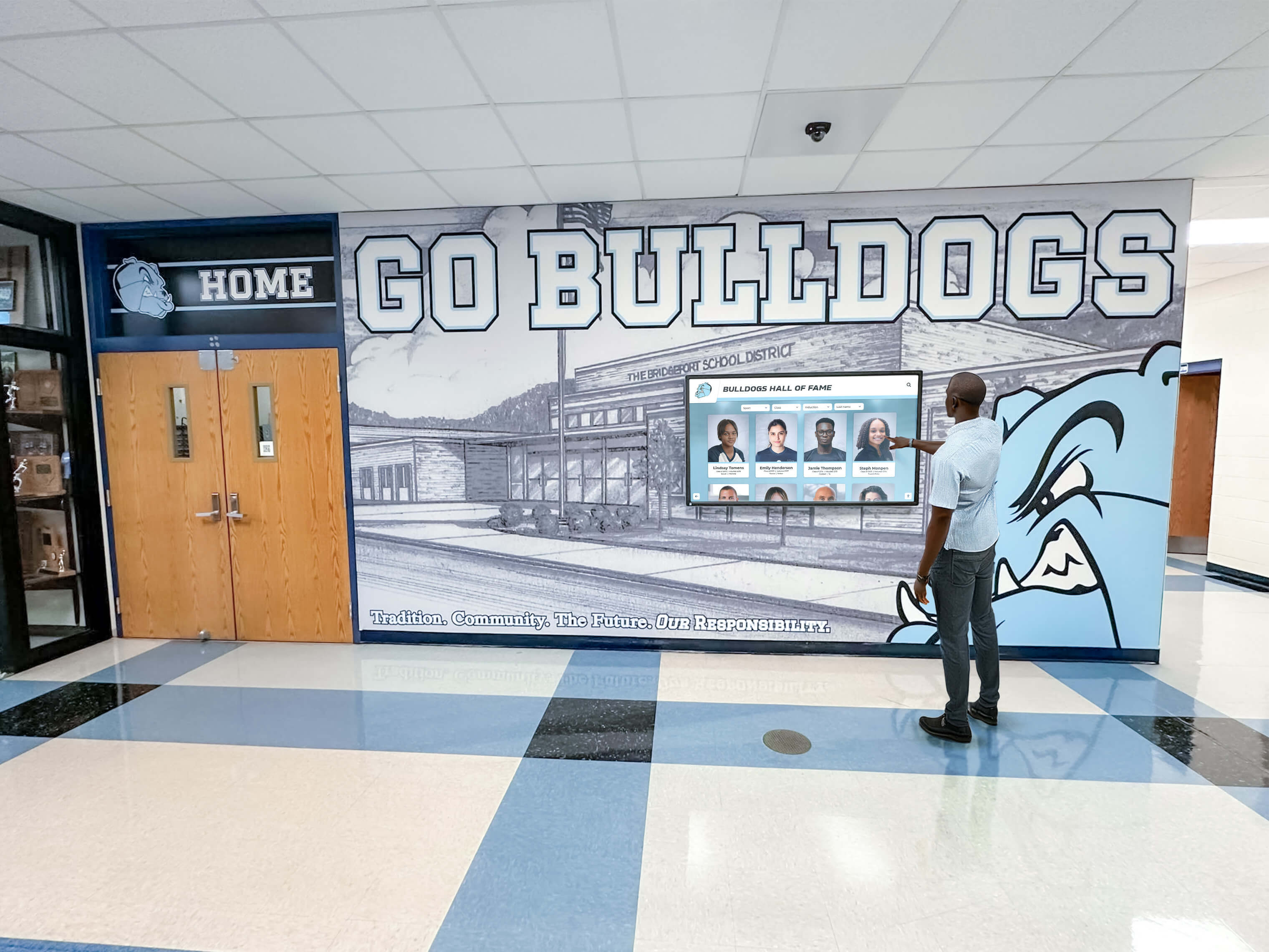
Modern recognition systems make student achievements visible and accessible throughout the school community
Why Student Achievement Recognition Matters
Before exploring specific recognition strategies, understanding the research-backed impact helps schools prioritize and invest in comprehensive programs.
The Motivation Science Behind Recognition
Educational psychology research consistently demonstrates that appropriate recognition significantly influences student behavior and achievement:
Performance Enhancement Effects
- Students receiving regular recognition show 18-25% higher sustained achievement compared to equally capable peers receiving minimal acknowledgment
- Public recognition creates positive peer influence that normalizes excellence across student populations
- Visible achievements communicate institutional values students internalize over time
- Recognition reinforces specific behaviors and efforts worth repeating
Engagement and Belonging Benefits
- Recognized students demonstrate stronger school connectedness and sense of belonging
- Recognition opportunities across multiple categories ensure diverse students find pathways to acknowledgment
- Students pursuing recognition participate more actively in academic programs and extracurricular activities
- Systematic recognition reduces achievement gaps by motivating underperforming students
Cultural and Community Impact
Recognition extends beyond individual students to transform entire school environments:
School Culture Development
- Strong recognition programs create achievement-oriented cultures where success feels attainable
- Balanced recognition across academics, athletics, arts, and character demonstrates comprehensive values
- Historical archives preserve institutional tradition connecting current students to legacy
- Comprehensive recognition reduces negative attention-seeking by providing positive pathways
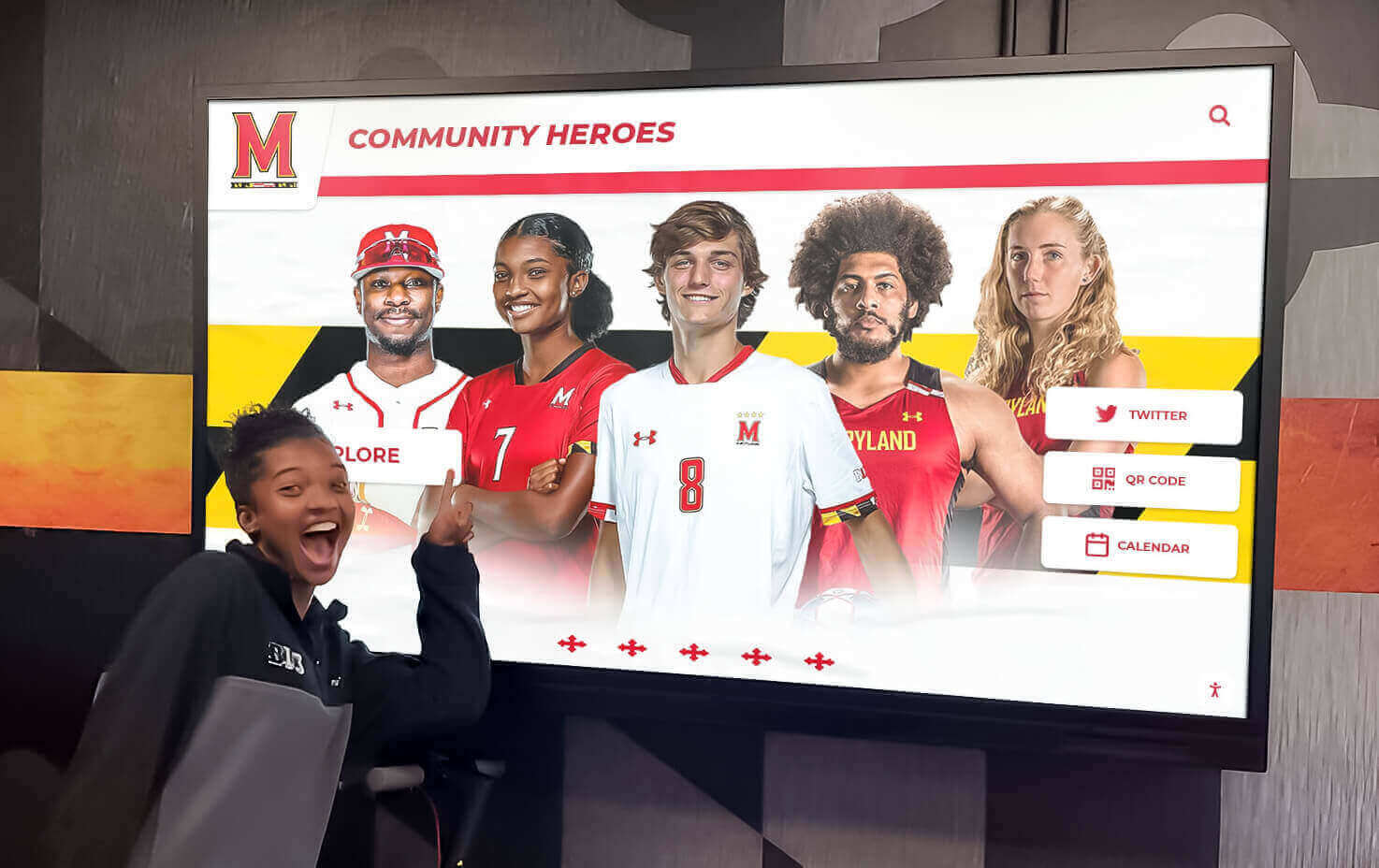
Recognition displays create natural gathering points that strengthen community connections
Family and Community Engagement
- Recognition provides concrete talking points for family conversations about achievement
- Visible accomplishments increase family involvement in education
- Community members gain insight into school quality through recognition displays
- Prospective families evaluate institutional priorities through visible recognition systems
Schools implementing systematic recognition report measurable improvements in school climate surveys, attendance rates, and academic performance metrics alongside increased family satisfaction and community support.
Traditional Recognition Approaches and Their Limitations
Most schools employ some form of student recognition, but traditional methods face significant constraints that limit effectiveness.
Bulletin Boards and Paper-Based Recognition
Printed honor roll lists and bulletin board displays represent the most common recognition approach:
Inherent Limitations
- Physical space constraints force difficult decisions about whose achievements receive visibility
- Static displays quickly become outdated and fade into background awareness
- Manual creation and installation require significant administrative time
- Damage, fading, and deterioration require frequent replacement
- Limited capacity restricts recognition to highest achievers only
When Traditional Approaches Work
- Temporary recognition during specific events or campaigns
- Supplementary displays in specific classrooms or departments
- Budget-limited situations requiring low-cost solutions
- Small student populations where comprehensive recognition remains manageable
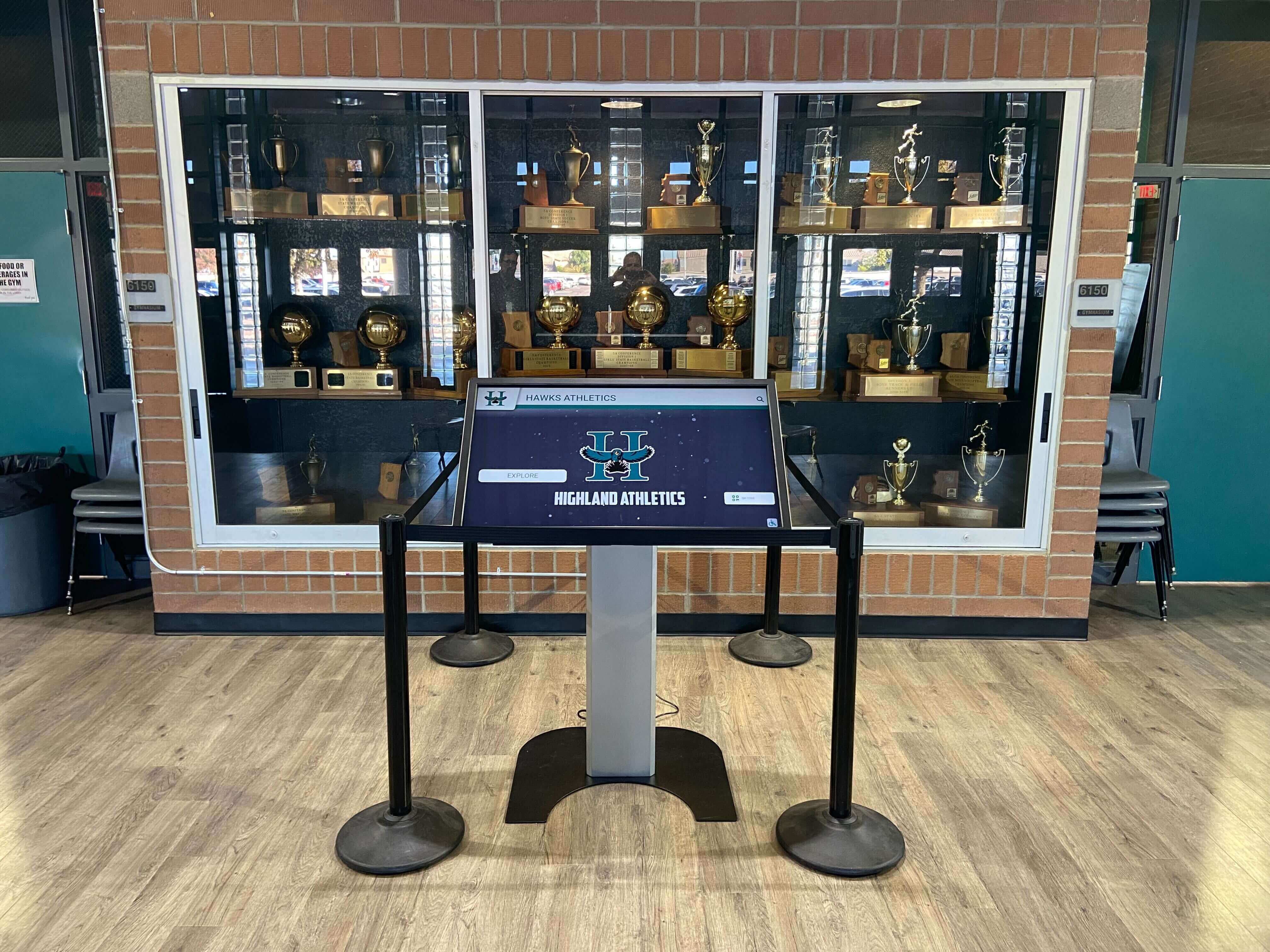
Many schools are enhancing traditional trophy cases with digital displays to overcome space limitations
Plaque Walls and Permanent Recognition
Engraved plaques provide lasting recognition but face their own challenges:
Plaque Wall Considerations
- High upfront costs for quality materials and professional engraving
- Fixed capacity requiring removal of past recognition to accommodate new achievements
- Inflexibility prevents content updates or corrections after installation
- Maintenance requirements for cleaning and repair
- Design limitations restricting multimedia content to names and dates
Appropriate Uses
- Pinnacle achievements deserving permanent commemoration like hall of fame inductions
- Historical preservation of institutional milestones and traditions
- Donor recognition requiring lasting physical presence
- Entrance or lobby displays creating impressive first impressions
While traditional approaches maintain value in specific contexts, their fundamental limitations drive schools toward solutions addressing capacity constraints, update challenges, and limited engagement capabilities.
Digital Recognition Systems: Transforming How Schools Celebrate Achievement
Modern technology fundamentally reimagines what’s possible in student achievement recognition by eliminating traditional constraints while adding powerful new capabilities.
Unlimited Recognition Capacity
Perhaps the most transformative advantage of digital systems: accommodating unlimited students across all achievement categories without physical space constraints:
Comprehensive Achievement Archives Solutions like Rocket Alumni Solutions enable schools to recognize every deserving student through:
- Single displays showcasing unlimited students across all achievement levels and categories
- Complete historical archives preserving recognition across decades without removing past honorees
- Equal display capacity for all achievement types from academics to athletics to community service
- Permanent documentation creating lasting records accessible years after achievement
This unlimited capacity enables fundamentally different recognition philosophies. Schools no longer choose whose accomplishments receive visibility—every deserving achievement gets acknowledged. Honor roll recipients from five years ago remain as accessible as current semester honorees. Students accumulating recognition across multiple years see complete achievement journeys documented visually.
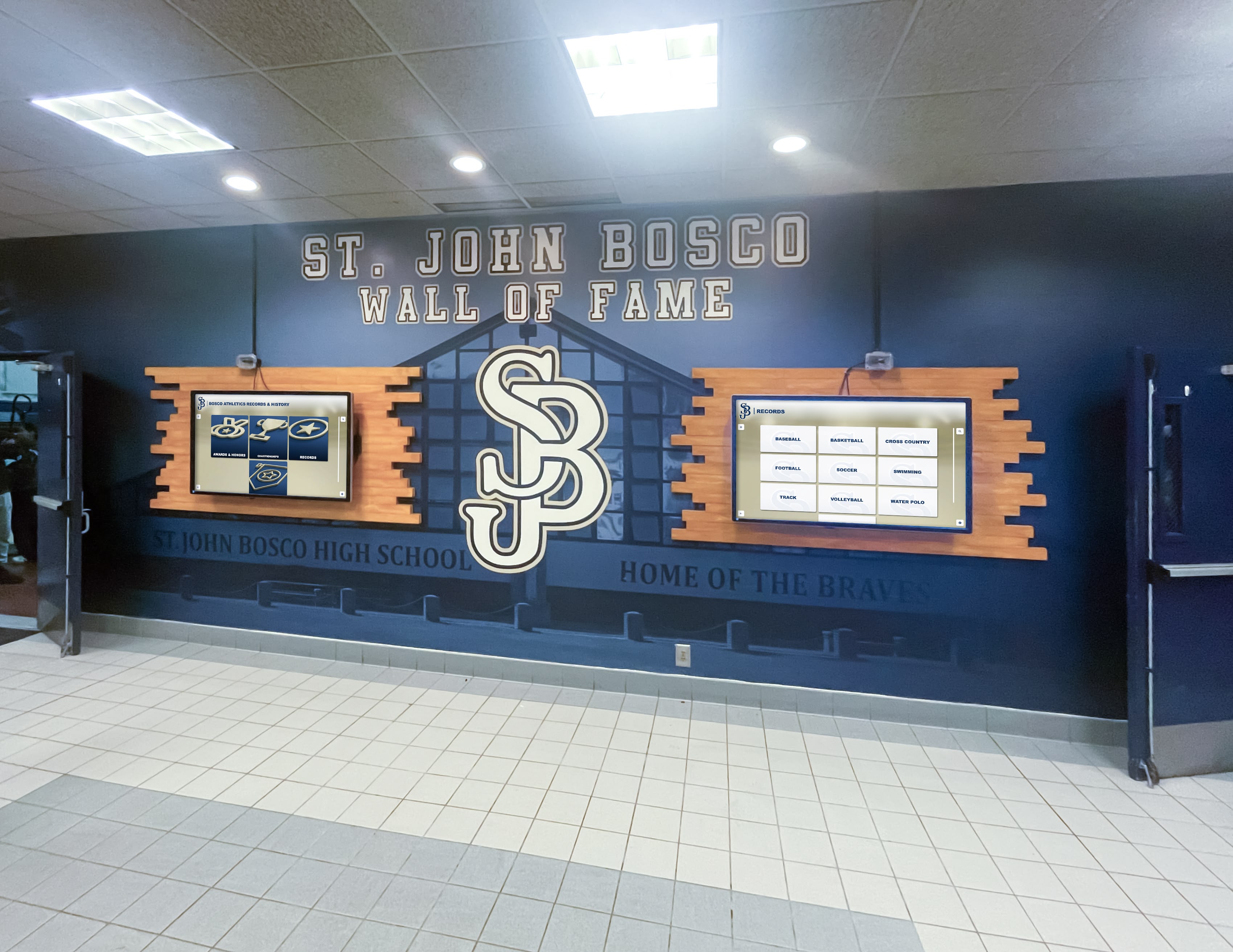
Digital displays accommodate unlimited recognition without forcing difficult selection decisions about whose achievements receive visibility
Rich Multimedia Recognition Profiles
Digital platforms transform recognition from simple name listings into compelling stories celebrating students comprehensively:
Enhanced Recognition Elements
Professional Photography and Video High-quality student photos create immediate visual connection demonstrating recognition significance. Advanced systems incorporate video interviews where students share achievement journeys, study strategies, or advice for peers pursuing similar goals.
Detailed Achievement Narratives Comprehensive descriptions explain specifically what students accomplished, providing context that makes achievements meaningful and inspiring. Rather than “Student of the Month - September,” detailed narratives might explain: “Jessica demonstrated exceptional character when she organized a peer tutoring program that helped 15 struggling classmates improve their math grades. Her initiative, patience, and dedication to helping others exemplifies the leadership qualities we celebrate.”
Achievement Statistics and Context Quantifiable metrics provide concrete evidence—GPA improvements, test score percentiles, competition rankings, records broken—helping viewers understand accomplishment magnitude while celebrating specific measurable success.
Timeline and Progress Documentation Recognition profiles can show achievement accumulation over time, illustrating how students build success through sustained effort. This progression demonstrates that excellence results from consistent work rather than innate ability alone.
Interactive Exploration Features
Modern touchscreen displays create active engagement rather than passive viewing, significantly increasing recognition impact:
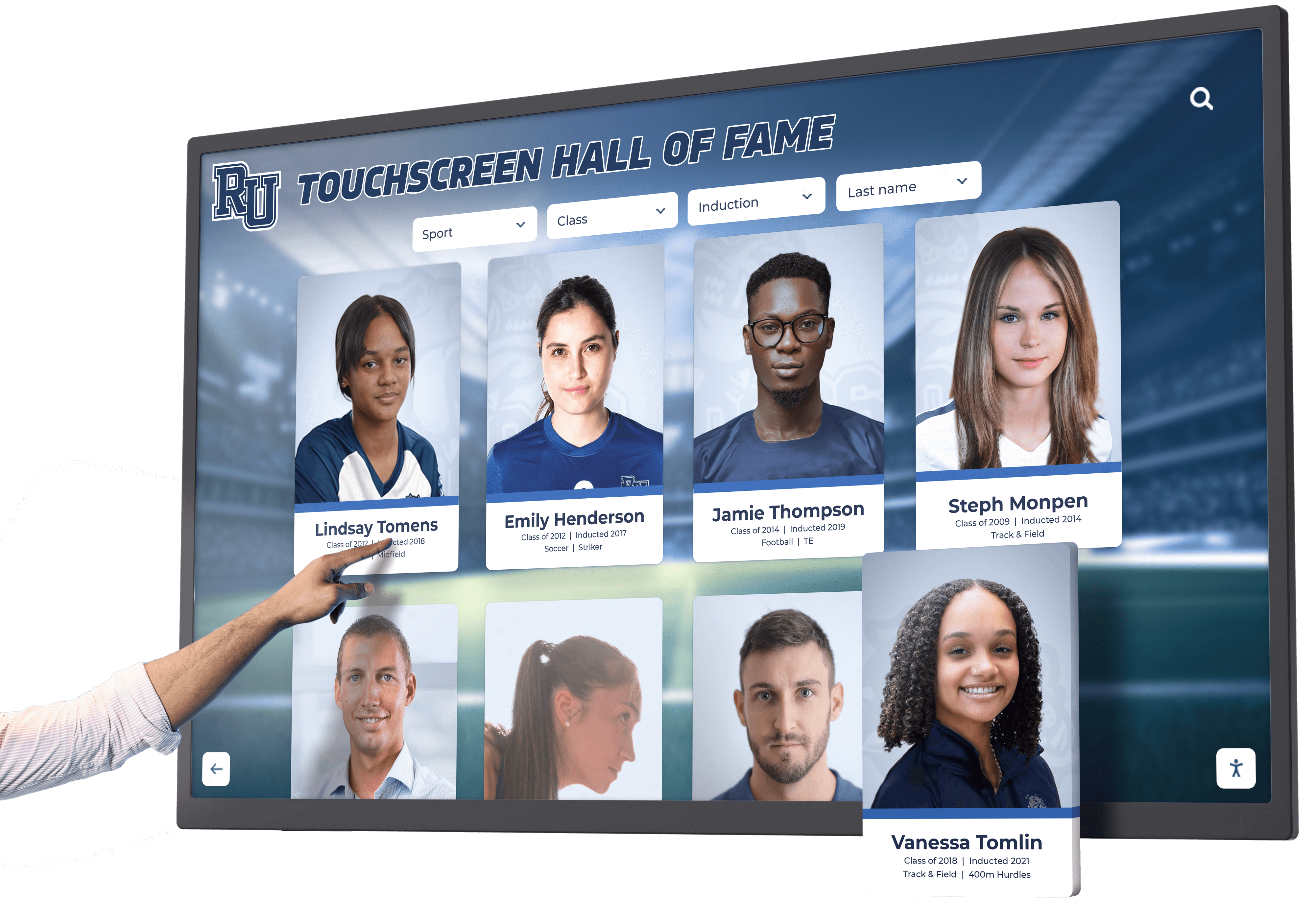
Interactive interfaces enable students to actively explore achievements rather than passively viewing static displays
Key Interactive Capabilities
Intuitive Search Functionality Students quickly find themselves, friends, siblings, or role models through name search, enabling personal connection with recognition content. This searchability ensures students actually discover their own recognition rather than hoping they encounter it while passing displays.
Sophisticated Filtering Options Browse recognition by achievement type (academics, athletics, service, arts), time period (current year, specific seasons, all-time), grade level, or other relevant categories. Filtering helps visitors discover content matching their interests while enabling comprehensive exploration.
Related Content Connections Systems can display multiple achievements by the same students, showing how individuals accumulate recognition across academic careers. Students discovering one achievement encounter related accomplishments, creating comprehensive achievement narratives demonstrating sustained excellence.
Social Sharing Capabilities Appropriate sharing features enable students and families to distribute recognition through personal social networks, extending visibility beyond physical campus while maintaining institutional oversight and privacy considerations.
Research demonstrates visitors spend 5-8 minutes actively exploring interactive achievement displays compared to less than one minute viewing static plaques—engagement that creates significantly deeper connection with achievement culture and institutional values.
Simple Cloud-Based Content Management
Sophisticated display capabilities mean little if content management requires extensive technical expertise or consumes excessive administrative time:
Management Features
- Intuitive web-based interfaces requiring no specialized technical knowledge
- Bulk import capabilities enabling efficient data entry from spreadsheets
- Templates for recognition entries ensuring consistent formatting
- Scheduled publishing automation for predictable update timing
- Remote updates from any internet-connected device
- Multi-user permissions enabling appropriate staff access
- Automatic backups protecting content from loss
Schools report 80-90% reduction in time spent maintaining recognition displays after implementing modern digital systems compared to traditional approaches requiring manual creation, printing, physical installation, and periodic replacement.
Comprehensive Achievement Categories Worth Celebrating
Effective recognition programs acknowledge excellence across all areas where students demonstrate achievement, ensuring diverse talents receive appropriate acknowledgment.
Academic Achievement Recognition
Academic excellence deserves celebration equal to any other accomplishment:
Grade-Based Recognition
- Honor roll and distinguished honor roll by semester or quarter
- Perfect attendance and consistent engagement
- Most improved GPA or subject-specific growth
- First-time honor roll achievement celebrating breakthrough success
- Sustained excellence across multiple grading periods
Standardized Achievement Recognition
- Exceptional ACT or SAT scores like the ACT 30+ club
- AP Scholar designations and AP exam excellence
- State assessment proficiency and growth
- Industry certification achievement in career-technical programs
- National Merit and other scholarship qualifications
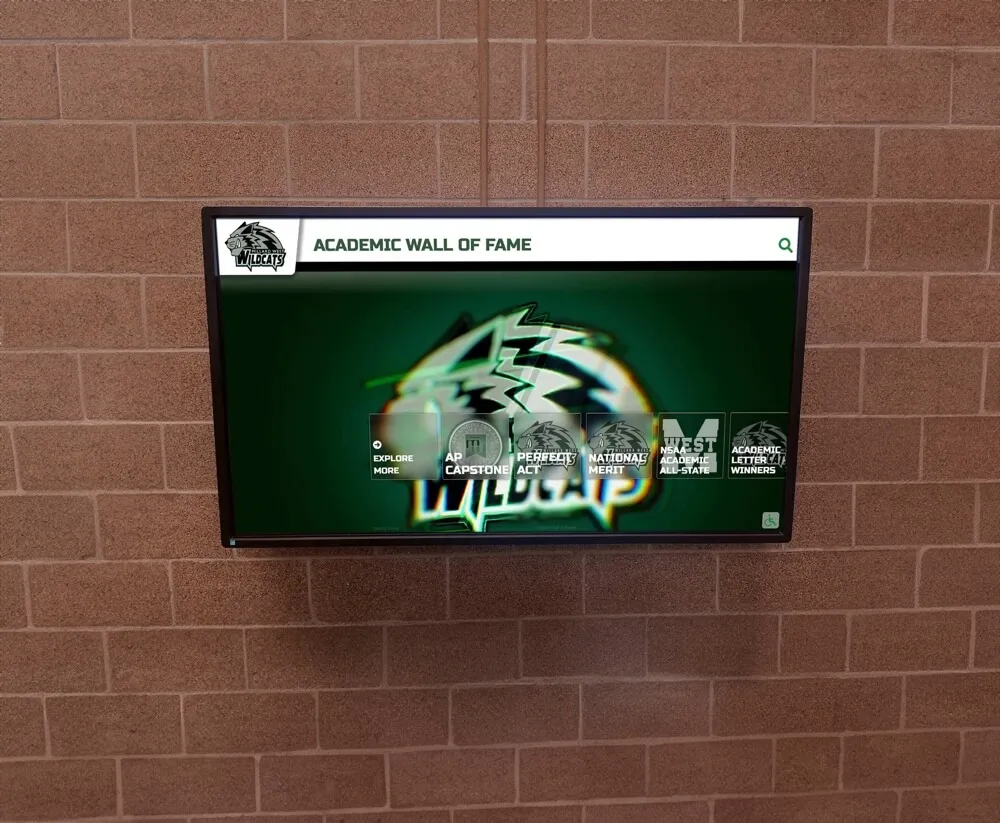
Academic recognition displays elevate intellectual achievement to visibility equal to athletic accomplishments
Subject-Specific Excellence
- Science fair participation and awards
- Math competition success and problem-solving excellence
- Writing contest achievements and publication recognition
- History competition participation
- Foreign language proficiency certifications
- STEM competition recognition
Learn more about comprehensive academic achievement displays that celebrate diverse intellectual accomplishments.
Athletic Achievement Recognition
Athletic accomplishments provide natural recognition opportunities deserving systematic celebration:
Team and Individual Athletic Excellence
- Championship teams across all sports programs
- Conference and state qualification achievements
- Individual statistical leaders and record-breaking performances
- All-conference, all-state, and all-American selections
- Signing day celebrations for college commitments
- Multi-sport athlete recognition
Supporting Athletic Recognition
- Sportsmanship and leadership awards
- Most improved athlete by sport
- Team captain and leadership position recognition
- Coaching milestone achievements
- Athletic department service and support recognition
- Manager and support staff acknowledgment
Explore comprehensive approaches to athletic recognition that ensure all sports receive appropriate celebration.
Fine Arts and Performance Recognition
Arts programs provide achievement opportunities equal to academics and athletics:
Visual Arts Achievement
- Art show participation and awards
- Juried exhibition selections
- Regional and state art competition recognition
- Portfolio development milestones
- Scholastic Art Awards and similar competitions
Performing Arts Excellence
- Solo and ensemble competition superior ratings
- All-state music selections and honor ensembles
- Lead role casting and exceptional performances
- Outstanding performances in concerts and recitals
- Dance competition achievements
- Technical theater contributions and stage crew recognition
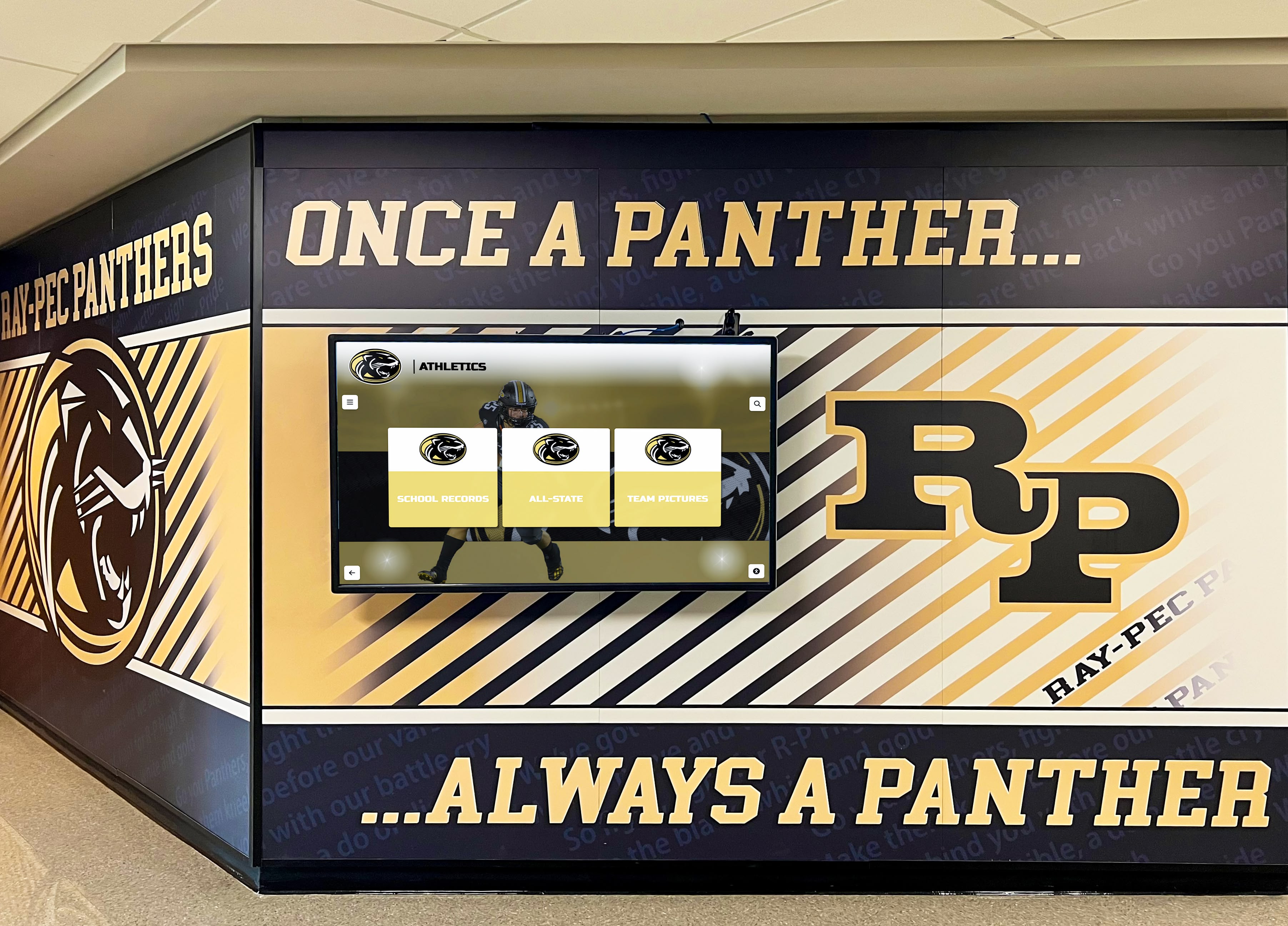
Comprehensive recognition ensures fine arts accomplishments receive visibility alongside athletics and academics
Character and Service Recognition
Character development and community contribution represent essential educational outcomes:
Service Achievement Recognition
- Total service hours milestones
- Service project leadership and organization
- Sustained community engagement
- Presidential Volunteer Service Awards
- Community partnership acknowledgment
- Service trip participation
Character and Citizenship Recognition
- Random acts of kindness acknowledgment
- Peer support and inclusion efforts
- Integrity and ethical behavior demonstrations
- Resilience and perseverance through challenges
- Positive leadership and influence
- Conflict resolution and peacemaking
Leadership and Extracurricular Achievement
Recognition beyond core academics and athletics:
Leadership Recognition
- Student government elected positions
- National Honor Society membership and leadership
- Club officer positions and organizational leadership
- Peer mentorship and tutoring programs
- Student ambassador roles
Competition and Academic Club Success
- FBLA and business competition achievements
- Debate team success and forensics recognition
- Quiz bowl and knowledge competition victories
- Robotics and engineering competition achievement
- Model United Nations participation
Recognition Program Implementation Strategies
Moving from concept to reality requires systematic planning addressing recognition criteria, display systems, communication approaches, and sustainable management.
Defining Recognition Criteria and Categories
Clear, transparent criteria ensure recognition feels fair and attainable:
Establishing Achievement Thresholds
- Set specific, measurable criteria for each recognition category
- Define different recognition levels (honor roll vs. high honor roll vs. principal’s list)
- Balance absolute achievement thresholds with growth-based recognition
- Create pathways for recognition at multiple performance levels
- Document criteria in student handbooks and websites
Ensuring Inclusive Recognition Opportunities
- Multiple achievement dimensions beyond single metrics like GPA
- Recognition categories accessible to students with different strengths
- Effort and improvement acknowledgment alongside absolute achievement
- Character and citizenship recognition opportunities for all students
- Regular review ensuring diverse students receive recognition
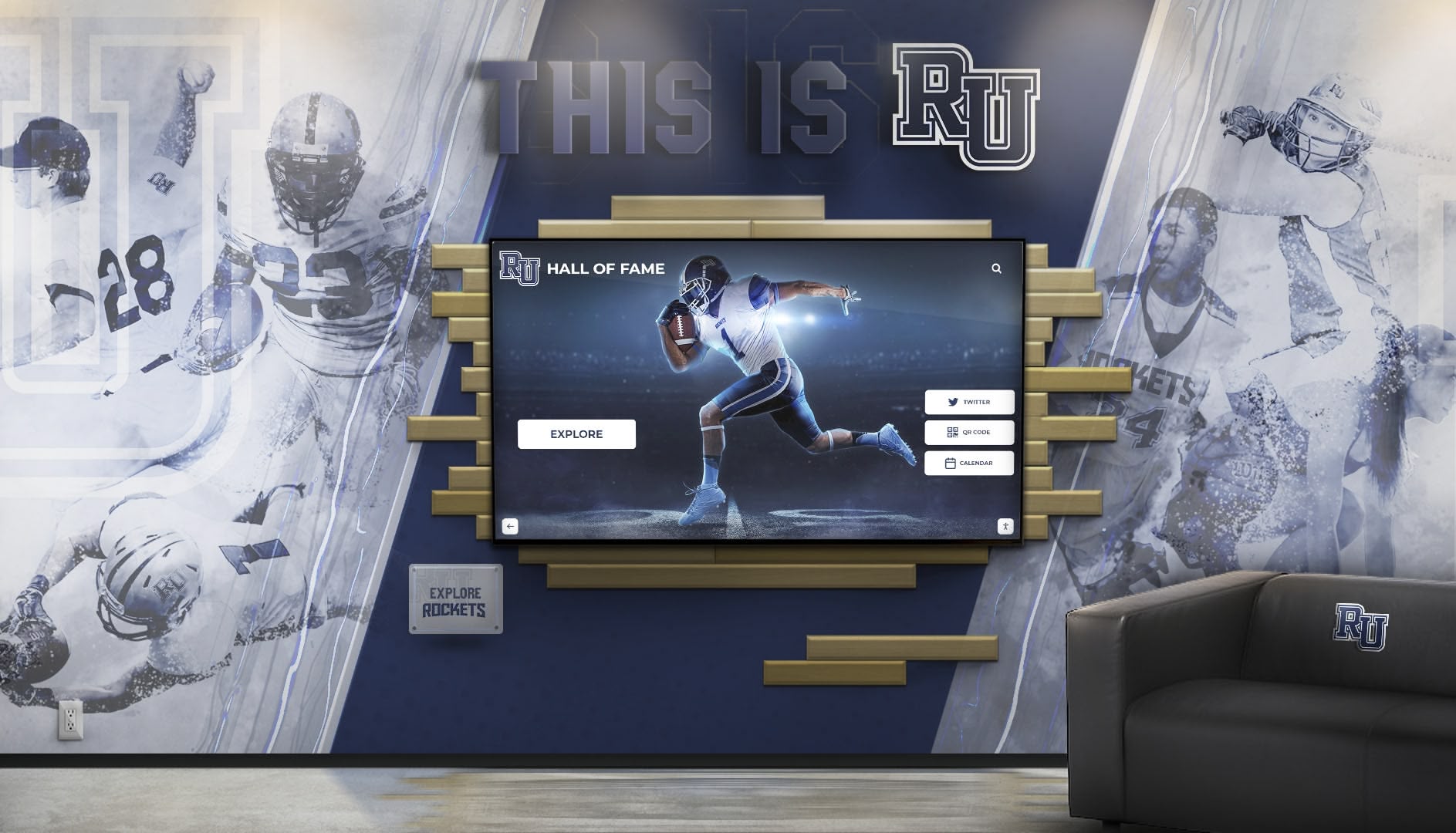
Strategic placement in high-traffic areas ensures recognition receives maximum visibility and engagement
Selecting Recognition Display Systems
Technology decisions significantly impact recognition program effectiveness:
Evaluating Display Options
- Physical capacity needs based on student population
- Budget considerations for hardware and software
- Content management complexity and staff technical capabilities
- Integration with existing school systems and websites
- Scalability to accommodate program growth
Digital Recognition Platform Features Modern solutions like Rocket Alumni Solutions provide purpose-built recognition capabilities:
- Unlimited student profiles across all achievement categories
- Intuitive content management requiring minimal training
- Interactive touchscreen displays engaging students actively
- Mobile-responsive web access extending recognition beyond campus
- Analytics showing engagement and program effectiveness
Learn about digital signage solutions designed specifically for educational recognition.
Physical Placement Strategy
- Main entrance and lobby locations providing maximum visibility
- Hallway positions with high student traffic
- Cafeteria and common area approaches where students naturally gather
- Library and media center locations supporting academic achievement
- Athletic facility displays for sports recognition
Communication and Visibility Strategies
Recognition generates motivational value through comprehensive visibility:
Multi-Channel Communication Approaches
- Morning announcements highlighting recent recognition additions
- Email notifications to families when students receive recognition
- Social media posts celebrating achievements
- School website recognition sections with searchable content
- Newsletter features profiling recognized students
- Community media partnerships extending recognition reach
Recognition Events and Ceremonies
- Quarterly honor roll recognition ceremonies
- Annual academic excellence celebrations
- Sports banquets and athletic recognition events
- Fine arts performances and exhibition openings celebrating achievements
- Senior recognition ceremonies honoring accumulated success
- Community recognition events involving families and partners
Sustainable Management Systems
Recognition programs require ongoing administration to maintain effectiveness:
Assigning Clear Responsibilities
- Designate specific staff members for recognition program coordination
- Provide adequate time allocation for program management
- Train multiple staff members ensuring continuity
- Create documented procedures for nomination and selection
- Establish backup systems when primary coordinators are unavailable
Establishing Update Schedules
- Regular update rhythms aligned with grading periods
- Deadline calendars ensuring timely recognition additions
- Automated reminders for recurring recognition cycles
- Quality control processes maintaining consistency
- Regular audits ensuring comprehensive coverage
Resource Planning
- Budget allocation for ongoing program needs
- Photography and content creation resources
- Staff training and professional development
- Technology maintenance and updates
- Recognition ceremony and event costs
Overcoming Common Recognition Challenges
Understanding predictable obstacles helps schools implement successful programs from the start:
Challenge: Limited Budget for Recognition Systems
Many schools want comprehensive recognition but face budget constraints:
Budget-Conscious Solutions
- Phased implementation starting with highest-priority categories
- Blended approaches combining digital displays in main locations with traditional approaches elsewhere
- Fundraising and donor support with naming opportunities
- Technology leasing arrangements spreading costs across fiscal years
- Grant applications targeting recognition and engagement programs
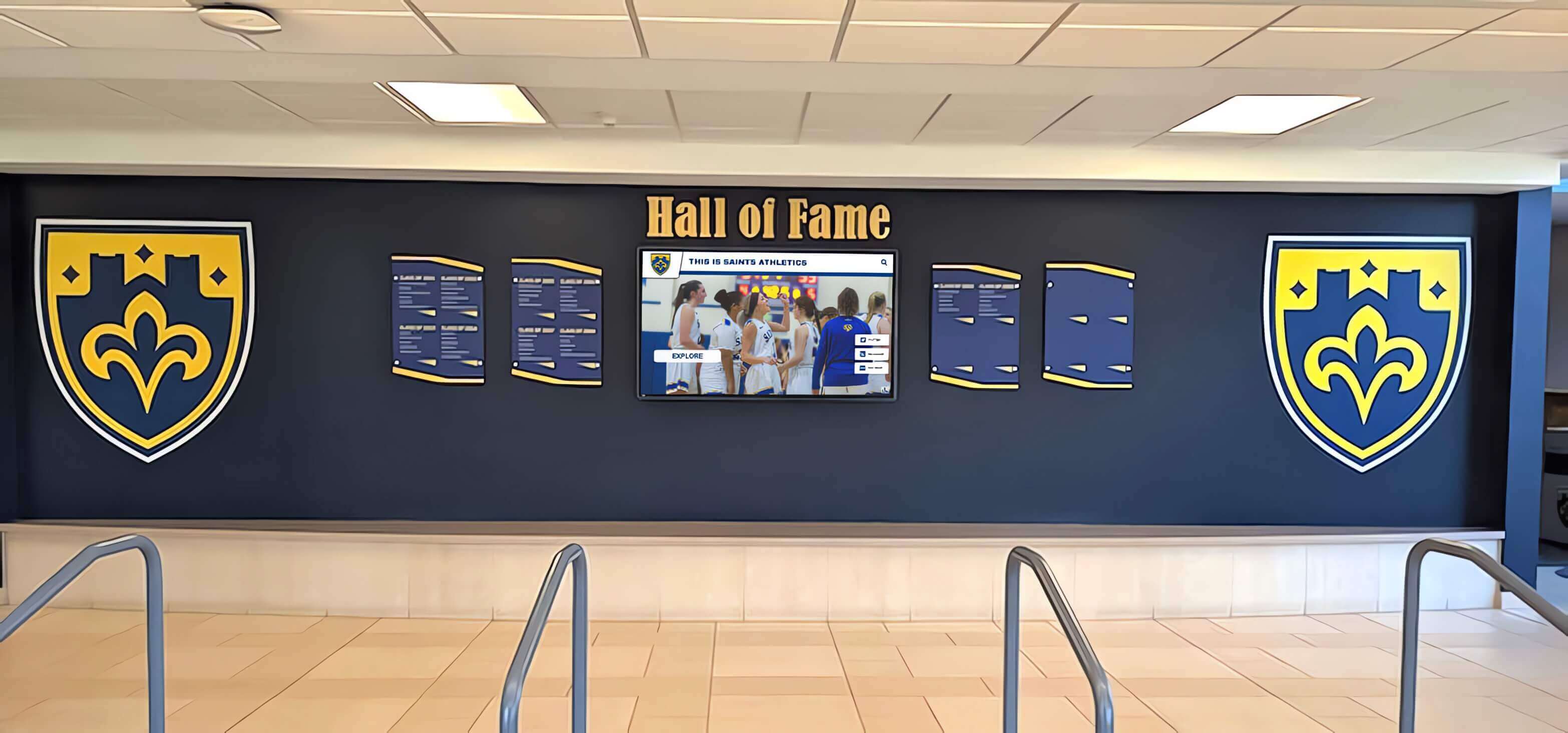
Budget-conscious approaches can combine traditional elements with targeted digital enhancements
Challenge: Maintaining Current Content
Even excellent displays lose effectiveness when content becomes outdated:
Sustainability Solutions
- Clear responsibility assignment with adequate time allocation
- Simplified update processes through intuitive platforms
- Student or volunteer support under staff oversight
- Bulk import capabilities from student information systems
- Automated publishing reducing manual work
Challenge: Ensuring Equitable Recognition Distribution
Recognition programs should inspire all students, not just repeated high achievers:
Equity-Focused Design
- Multiple recognition pathways at various performance levels
- Regular distribution analysis by demographics and grade levels
- First-time achievement emphasis celebrating breakthrough success
- Growth-oriented recognition valuing improvement from different starting points
- Rotation ensuring varied students receive acknowledgment
Challenge: Balancing Recognition Across Domains
Many schools struggle with perception that athletics receives disproportionate recognition:
Achieving Recognition Balance
- Comparable physical space and placement prominence for academics and athletics
- Similar update frequency across achievement domains
- Equivalent resource allocation for different recognition types
- Integrated recognition approaches celebrating well-rounded students
- Regular assessment ensuring balanced representation
Learn about comprehensive recognition strategies that extend beyond student achievement to create cultures of appreciation.
Advanced Recognition Features and Innovations
Technology continues expanding what’s possible in student achievement recognition:
Mobile Access and Social Connectivity
Modern recognition extends beyond physical displays:
Mobile-Optimized Recognition Platforms
- Smartphone and tablet access enabling anytime, anywhere viewing
- Responsive design ensuring optimal display on all devices
- Push notifications alerting families to new recognition
- Mobile-friendly sharing capabilities amplifying recognition reach
- QR code integration connecting physical displays to expanded digital content
Social Media Integration
- Automated posting to school social media channels
- Shareable graphics students proudly distribute
- Hashtag campaigns creating unified recognition identity
- Family tagging increasing engagement and visibility
- Analytics tracking social reach and engagement
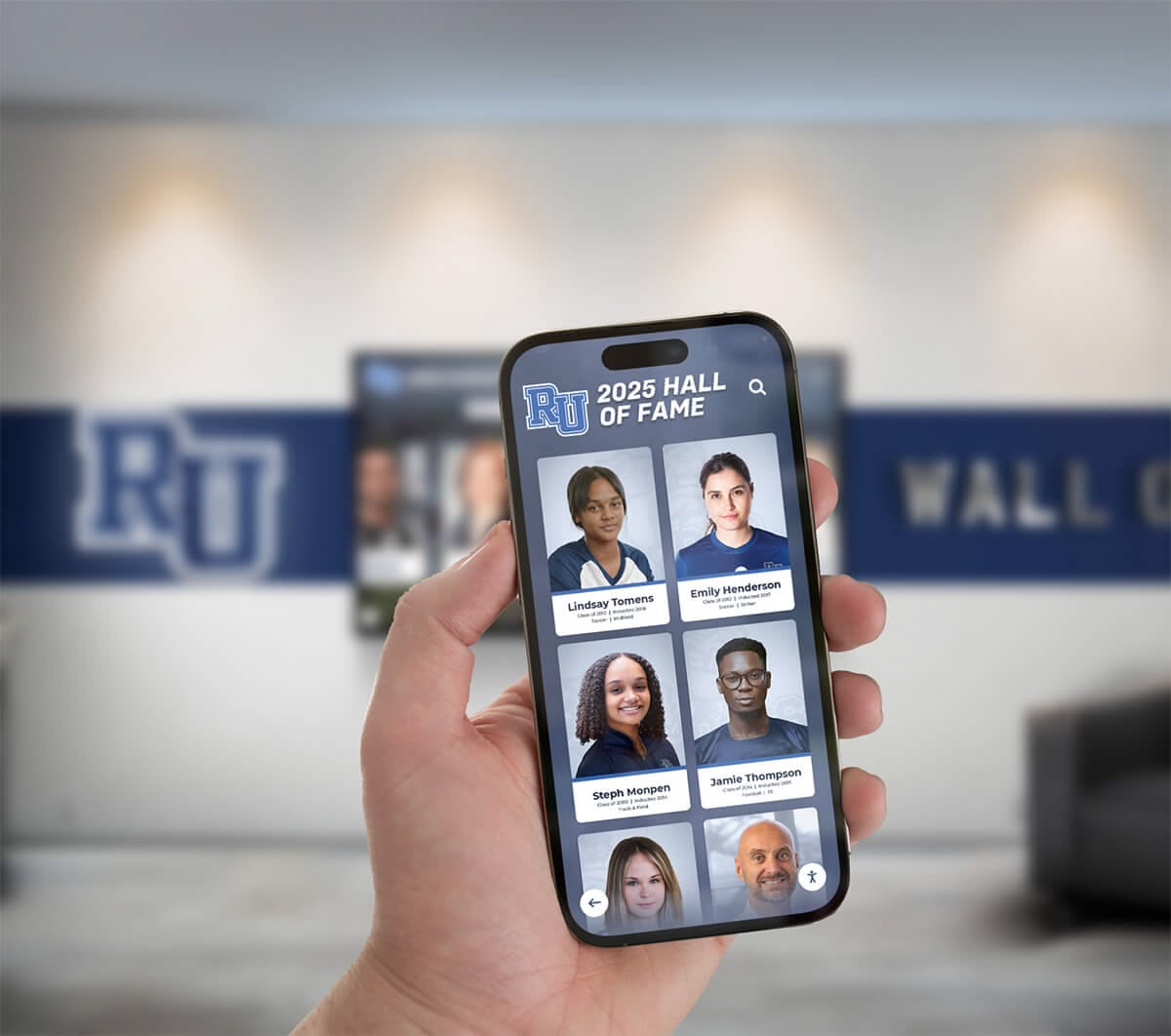
Mobile access ensures recognition reaches families and community members beyond physical campus visits
Data Analytics and Program Assessment
Advanced systems provide insights about recognition program effectiveness:
Engagement Analytics
- Touchscreen interaction duration and patterns
- Popular search terms and browsing behaviors
- Web platform usage statistics and traffic sources
- Recognition distribution reports across student populations
- Trend analysis showing program growth and participation
Outcome Correlation
- Achievement trends among recognized versus non-recognized students
- Recognition impact on subsequent course selection patterns
- Correlation between recognition and attendance or engagement
- Long-term success tracking connecting recognition to outcomes
- Program refinement based on quantitative assessment
Integrated Recognition Ecosystems
The most advanced schools create comprehensive recognition ecosystems:
Cross-Platform Recognition
- Physical displays in high-traffic locations
- Web-based platforms accessible remotely
- Mobile apps providing personalized recognition access
- Social media distribution amplifying visibility
- Digital signage throughout campus featuring rotating recognition
System Integration
- Connection with student information systems automating data transfer
- Gradebook integration identifying honor roll recipients automatically
- Athletic records database feeding achievement recognition
- Community service tracking systems documenting volunteer hours
- College and career outcome documentation celebrating post-graduation success
Measuring Recognition Program Effectiveness
Regular assessment ensures programs achieve intended goals while justifying resource investment:
Quantitative Metrics
Participation Data
- Percentage of students receiving some form of recognition annually
- Recognition distribution across grade levels and demographic groups
- Frequency of recognition per student
- Achievement category utilization and balance
- Year-over-year participation trends
Engagement Indicators
- Digital display interaction rates and session duration
- Web platform usage statistics and return visitor rates
- Social media engagement with recognition content
- Recognition event attendance rates
- Family response to recognition communications
Academic Outcome Correlation
- Achievement trajectory analysis for recognized students
- Course selection patterns following recognition
- Attendance and engagement metric changes
- Standardized test performance trends
- College acceptance and scholarship rates
Qualitative Assessment
Stakeholder Feedback
- Student surveys about recognition awareness and motivational impact
- Family perception of recognition fairness and effectiveness
- Staff assessment of recognition program manageability
- Alumni reflection on recognition’s influence
- Community perception of institutional priorities
Cultural Indicators
- School climate survey results and trends
- Observed changes in achievement-oriented culture
- Student motivation and engagement observations
- Behavioral data relating to positive culture
- Sense of belonging measures and trends
Regular assessment enables continuous improvement ensuring recognition programs remain effective, equitable, and aligned with educational goals.
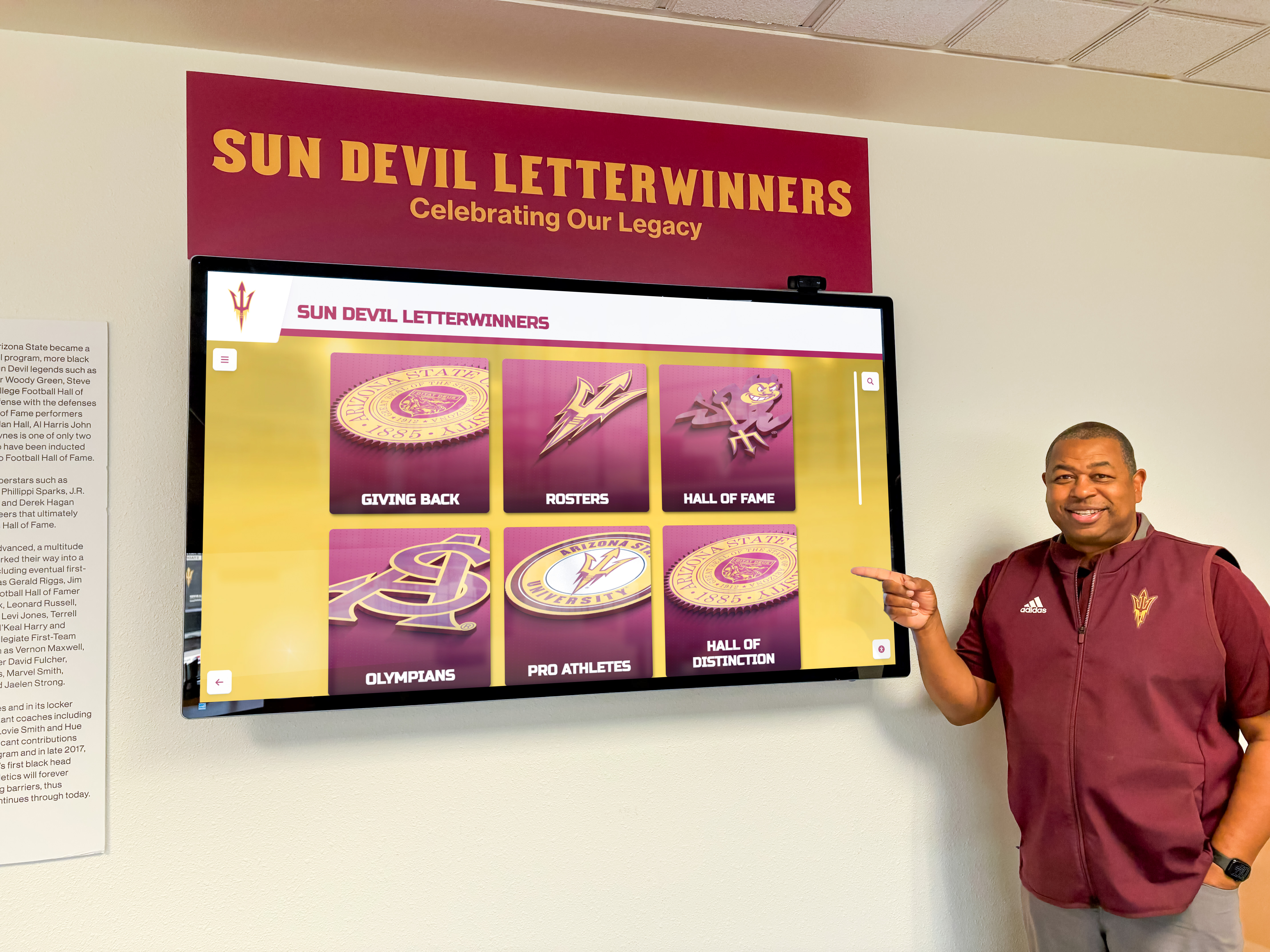
Successful recognition programs create lasting engagement with achievements across generations
Special Considerations for Different School Types
Recognition approaches should adapt to institutional characteristics:
Elementary School Recognition
Early education requires developmentally appropriate approaches:
Age-Appropriate Recognition
- Frequent, immediate acknowledgment of achievement
- Visual recognition systems young students understand
- Positive reinforcement of learning behaviors
- Reading milestone celebrations
- Growth mindset emphasis on improvement and effort
Inclusive Elementary Approaches
- Recognition opportunities for all students throughout the year
- Character-based recognition alongside academics
- Collaborative achievement celebration
- Parent partnership in recognition process
- Fun, engaging recognition formats
Middle School Recognition
Transitional years require careful recognition design:
Adolescent-Appropriate Recognition
- Balance between visibility and not singling out achievers
- Subject-specific recognition as interests develop
- Team and collaborative achievement recognition
- Growth emphasis during developmental changes
- Connection between recognition and future opportunity
High School Recognition
Secondary recognition prepares students for post-graduation success:
College and Career Connection
- Recognition aligned with college application enhancement
- National recognition program participation
- Advanced coursework achievement acknowledgment
- Scholarship opportunity connection
- Senior recognition honoring accumulated achievement
Higher Education Recognition
College and university programs serve different needs:
Academic Excellence Recognition
- Dean’s List recognition and honors program acknowledgment
- Research achievement and publication celebration
- Departmental award recognition
- Graduate program acceptance acknowledgment
- Academic competition success
Alumni Connection
- Current recognition connecting to alumni engagement
- Post-graduation achievement documentation
- Career success celebration
- Alumni giving recognition
- Lifetime achievement acknowledgment
The Future of Student Achievement Recognition
Emerging technologies and approaches continue expanding recognition possibilities:
Artificial Intelligence Integration
- Automated achievement identification from data systems
- Natural language processing for achievement narrative creation
- Predictive analytics identifying students approaching milestones
- Intelligent content recommendations based on viewer behavior
- Personalized recognition experiences
Enhanced Interactivity
- Augmented reality overlays providing expanded content
- Voice-activated search and navigation
- Gesture-based interaction options
- Virtual reality achievement exploration experiences
- Gamification elements encouraging exploration
Blockchain and Digital Credentials
- Verifiable achievement credentials students control
- Portable recognition following students beyond institutions
- Micro-credentialing for specific skills and achievements
- Integration with college applications and employment portfolios
- Permanent, tamper-proof achievement documentation
Schools investing in flexible, modern recognition platforms position themselves to adopt these emerging capabilities as they mature.
Conclusion: Building Cultures of Achievement Through Recognition
Student achievement recognition represents far more than ceremonial acknowledgment—it’s a strategic investment in motivation, culture, and institutional mission fulfillment. When schools systematically celebrate accomplishments across all domains from academics to athletics to character, they create environments where excellence becomes aspirational, celebrated, and central to student identity.
The comprehensive approaches explored in this guide provide frameworks for recognition programs that honor diverse achievements while remaining sustainable, equitable, and impactful. From unlimited-capacity digital displays accommodating every deserving student to multi-tiered programs ensuring recognition opportunities at all achievement levels, schools have powerful tools available for transforming how they celebrate success.
Transform Your Student Recognition Program
Discover how modern digital recognition solutions can help you celebrate every student's achievements while building a thriving culture of excellence across academics, athletics, and extracurriculars.
Explore Recognition SolutionsMost importantly, remember that recognition serves purposes beyond decoration or perfunctory acknowledgment. Effective recognition systems motivate future excellence by making success visible and aspirational, validate student effort demonstrating that dedication produces recognized results, communicate institutional values showing genuine commitment to comprehensive development, inspire positive peer influence normalizing achievement, and preserve institutional legacy documenting tradition across generations.
Your students’ achievements deserve celebration reflecting their significance. Whether implementing comprehensive digital recognition platforms that eliminate traditional limitations or strategically enhancing existing approaches through improved criteria and placement, schools can create recognition experiences that genuinely honor achievement while inspiring the positive, achievement-oriented culture where all students thrive.
Ready to explore recognition solutions that work? Learn about building positive school culture or discover comprehensive display options designed specifically for celebrating student achievement at every level.































