Student athletes who achieve high honors represent the pinnacle of dual excellence—individuals who demonstrate exceptional performance both in the classroom and on the playing field. When student athletes earn Dean’s List recognition, maintain impressive GPAs while competing at high levels, or achieve academic all-state honors alongside athletic accolades, they embody the ideal of the complete scholar-athlete that educational institutions strive to cultivate.
Yet recognizing these dual achievements presents unique challenges for schools. Athletic accomplishments often receive prominent celebration through team recognition, trophy cases, and public ceremonies, while academic honors may receive less visible acknowledgment. Student athletes who excel in both domains deserve recognition that celebrates their complete achievement profile—honoring not just what they accomplish on game day, but also what they achieve in the classroom semester after semester.
This comprehensive guide explores effective strategies for implementing student athlete high honors recognition programs that celebrate academic excellence alongside athletic achievement, creating visibility for scholar-athletes who represent the best of what high school and college programs aim to develop.
The complete student athlete—excelling academically while performing athletically—represents an increasingly important ideal in competitive scholastics. As of 2025, according to Columbia University Athletics, 496 student-athletes earned Dean’s List recognition with 273 achieving perfect 4.0 term GPAs, demonstrating that elite athletic performance and academic excellence are not mutually exclusive pursuits.
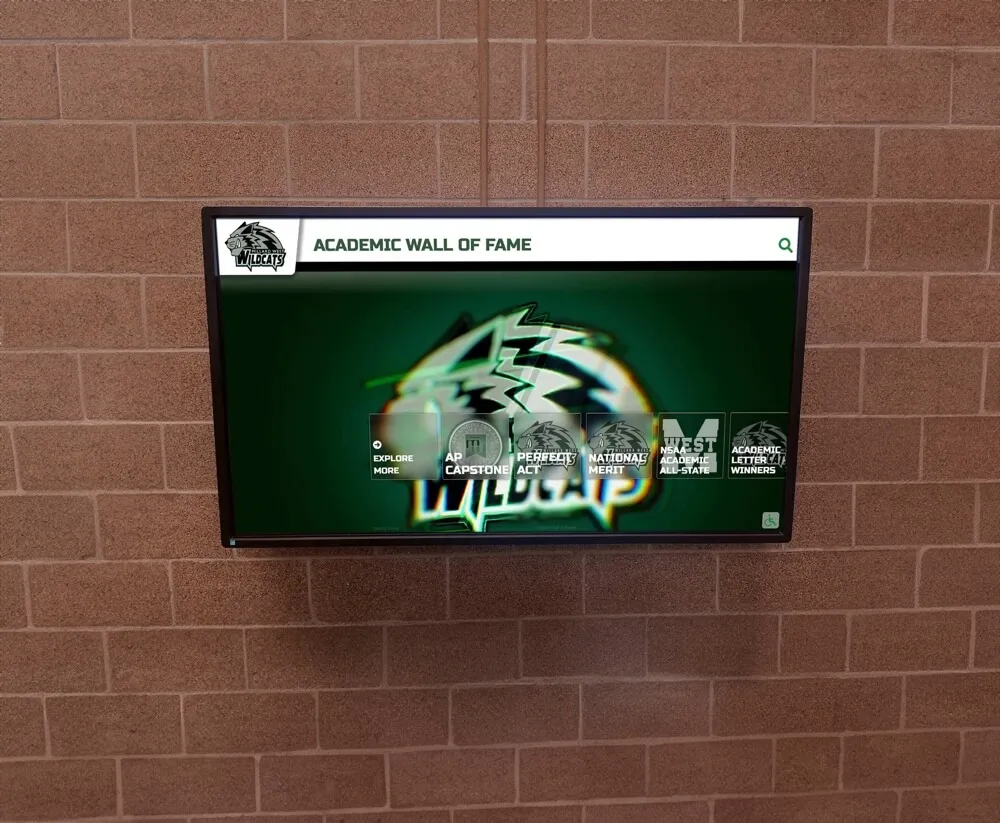
Modern recognition displays celebrate student athletes who excel in both academics and athletics
Understanding Student Athlete Academic Achievement
Before implementing recognition programs, schools benefit from understanding the various levels of academic distinction that student athletes can achieve and why these accomplishments deserve prominent celebration.
Academic Recognition Standards for Student Athletes
Multiple levels of academic achievement merit recognition within athletic programs:
High School Academic Honors
High school student athletes can earn various academic distinctions:
- High Honors/Principal’s List: Typically 3.7-4.0 GPA for the semester or academic year
- Honor Roll: Generally 3.0-3.6 GPA demonstrating consistent academic performance
- Academic All-Conference: Selection by conference athletic directors recognizing academic and athletic excellence combined
- Academic All-State: State-level recognition for student athletes with exceptional GPAs (typically 3.6-3.75 minimum)
- Scholar-Athlete Awards: Team-based recognition where entire programs achieve minimum aggregate GPA thresholds
According to the National High School Coaches Association, student athletes must maintain at least a 3.6 GPA on a 4.0 scale to earn Academic All-America consideration, while NISCA Academic All America requires a minimum 3.75 GPA.
Collegiate Academic Distinctions
College student athletes pursue similar academic recognitions:
- Dean’s List: Semester GPA typically above 3.5-3.7 depending on institution
- President’s List: Higher distinction often requiring 3.8-4.0 semester GPA
- Academic All-Conference: Conference recognition combining athletic participation with minimum GPA requirements
- Academic All-America: National recognition requiring 3.50 cumulative GPA with starting or significant reserve status
- NCAA Honor Roll: Recognition for student athletes achieving specified GPA thresholds
Learn more about comprehensive academic recognition programs that celebrate diverse achievement levels.
The Challenge of Dual Excellence
Achieving academic honors while competing athletically requires exceptional time management and dedication:
Time Commitment Reality
Student athletes face unique scheduling pressures:
- 20+ hours weekly in practice, competition, and team activities
- Travel time for away competitions disrupting study schedules
- Physical exhaustion affecting study stamina and concentration
- Early morning workouts before classes begin
- Evening practices after full academic days
- Weekend tournaments requiring homework completion during travel
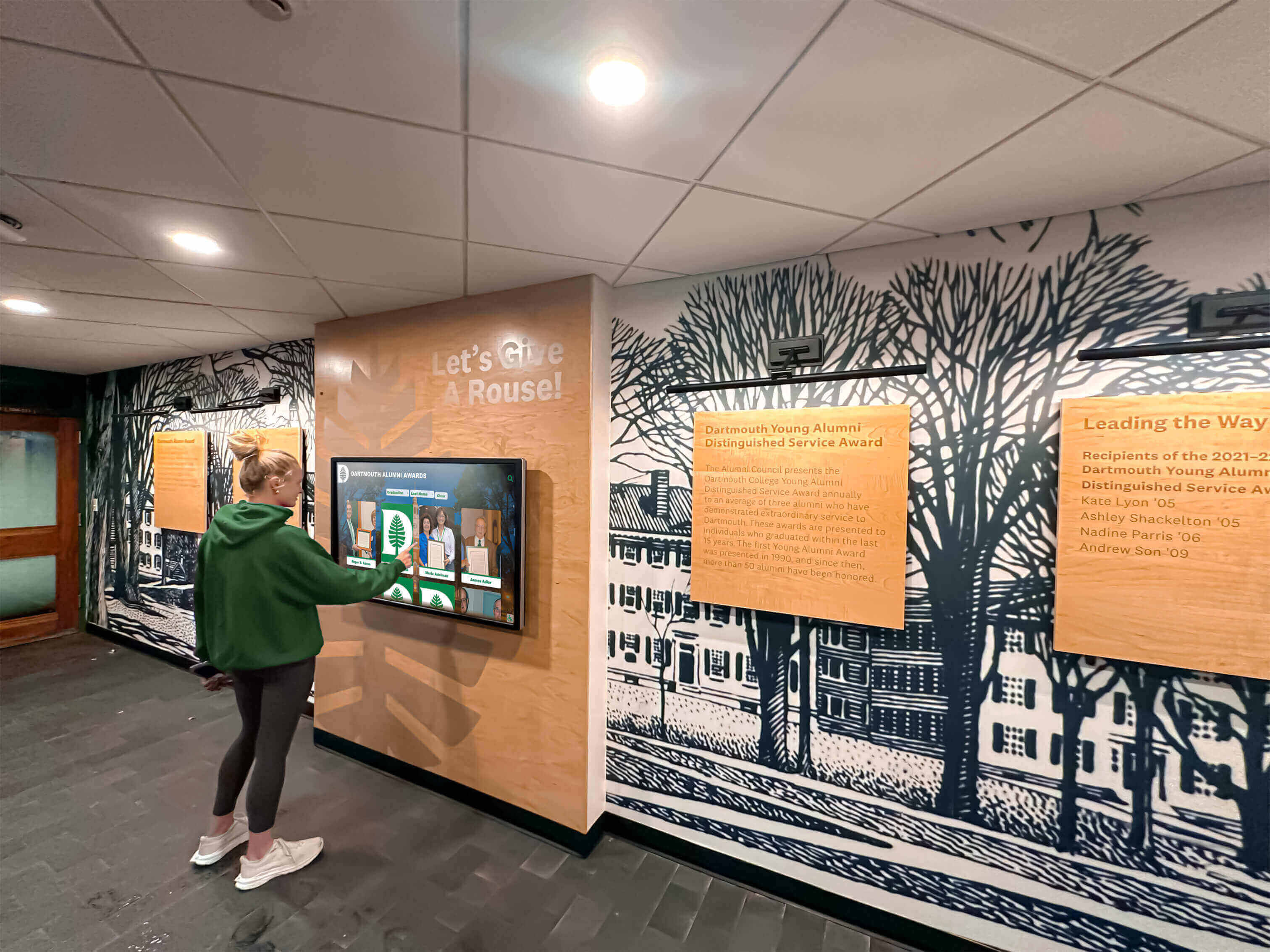
Student athletes balance rigorous academic and athletic schedules requiring exceptional time management
Academic Challenges Athletes Face
Beyond time constraints, student athletes encounter specific academic obstacles:
- Missing classes for competitions and travel
- Limited access to instructor office hours due to practice conflicts
- Reduced study group participation opportunities
- Physical demands affecting cognitive energy
- Pressure to maintain eligibility through minimum GPA requirements
- Stereotype threats regarding athlete academic capabilities
When student athletes overcome these challenges to achieve high honors, they demonstrate resilience, discipline, and commitment worthy of special recognition that acknowledges both what they’ve achieved and what they’ve overcome.
Why Recognizing Academic Excellence in Athletes Matters
Systematic recognition of student athlete academic achievement serves multiple critical purposes within educational institutions.
Challenging Athletic Stereotypes
Prominent academic recognition for student athletes actively challenges persistent stereotypes suggesting athletics and academics exist in opposition:
Changing Cultural Narratives
Visible celebration of scholar-athletes communicates important messages:
- Athletic participation enhances rather than detracts from academic success
- Intelligence and physical excellence complement each other
- Student athletes bring valuable discipline and time management skills to academics
- Schools value students as complete individuals, not just athletic performers
- Academic achievement matters as much as athletic performance
When schools create recognition systems that celebrate 4.0 GPAs alongside championship seasons, they actively reshape institutional culture around what success means for student athletes.
Motivating Academic Excellence
Recognition influences behavior and aspirations:
- Younger athletes see academic achievement modeled by athletic role models
- Parents understand academic expectations remain high despite athletic commitments
- Coaches reinforce academic priorities knowing achievement receives celebration
- Athletes internalize that identity as “smart athlete” deserves pride
- Academic resources receive engagement from athletes seeking recognition
Resources on school achievement recognition programs demonstrate comprehensive approaches to celebrating diverse forms of student excellence.
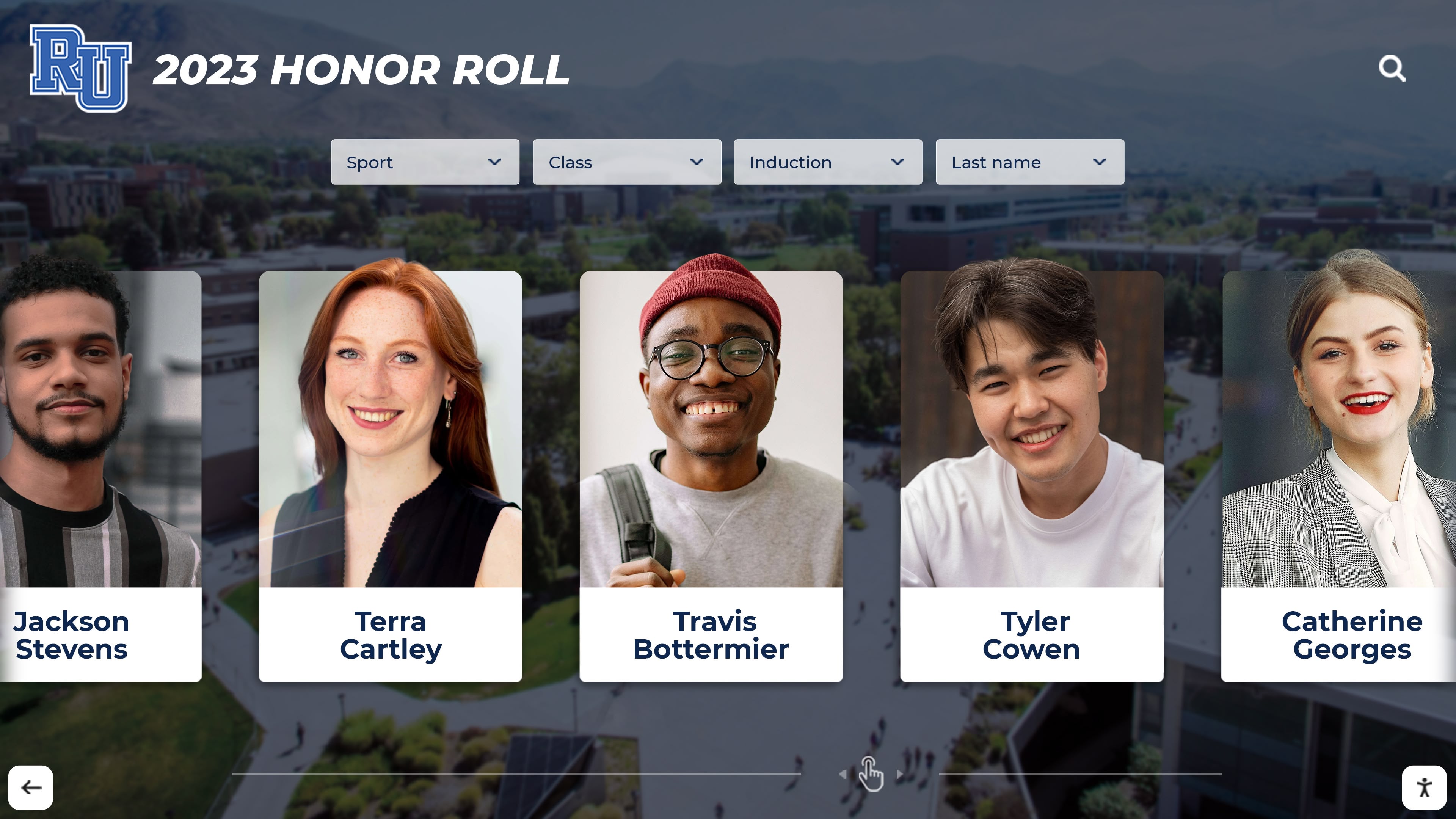
Individual recognition profiles celebrate specific academic and athletic achievements of scholar-athletes
Supporting College Recruiting and Opportunities
Academic recognition enhances student athlete prospects beyond high school:
Recruiting Advantages
College coaches actively seek scholar-athletes:
- Academic records determine eligibility for selective institutions
- Strong GPAs expand scholarship opportunities including academic aid
- Academic All-State and similar honors strengthen applications
- Demonstrated time management predicts college success
- Scholar-athlete profiles appeal to academically rigorous programs
NCAA Eligibility Requirements
Core GPA requirements make academic performance non-negotiable:
- Division I requires 2.3 core GPA minimum for initial eligibility
- Division II requires 2.2 core GPA minimum
- Sliding scale increases required test scores as GPA decreases
- Academic progress rules require continued GPA maintenance
High honors achievement well exceeds minimums, positioning student athletes for maximum opportunities.
Scholarship Competitiveness
Academic excellence enhances scholarship prospects:
- Academic scholarships supplement or replace athletic aid
- Combined academic-athletic packages increase total funding
- Academic record demonstrates commitment beyond sport
- Backup options exist if athletic career ends due to injury
- Graduate program options expand for academically accomplished athletes
Implementing Comprehensive Recognition Programs
Effective recognition programs systematically celebrate student athlete academic achievement across multiple platforms and timeframes.
Immediate Semester Recognition
Timely recognition following grade releases maximizes impact and relevance:
Dean’s List Announcements
Create prominent visibility for semester academic achievements:
- Morning announcements specifically highlighting athlete Dean’s List earners
- Social media posts featuring student athlete academic honorees
- School website news features celebrating scholar-athletes
- Email communications to families acknowledging dual achievement
- Athletic department newsletters prominently featuring academic success
Team-Based Celebration
Integrate academic recognition into athletic program culture:
- Coaches announcing academic achievements at practice
- Team meetings highlighting members’ academic accomplishments
- Locker room displays showing team GPA and honor roll members
- Team awards for highest GPA alongside athletic performance awards
- End-of-season banquets including academic achievement recognition
Strategies for students of the month recognition programs can be adapted for regular academic recognition cycles.
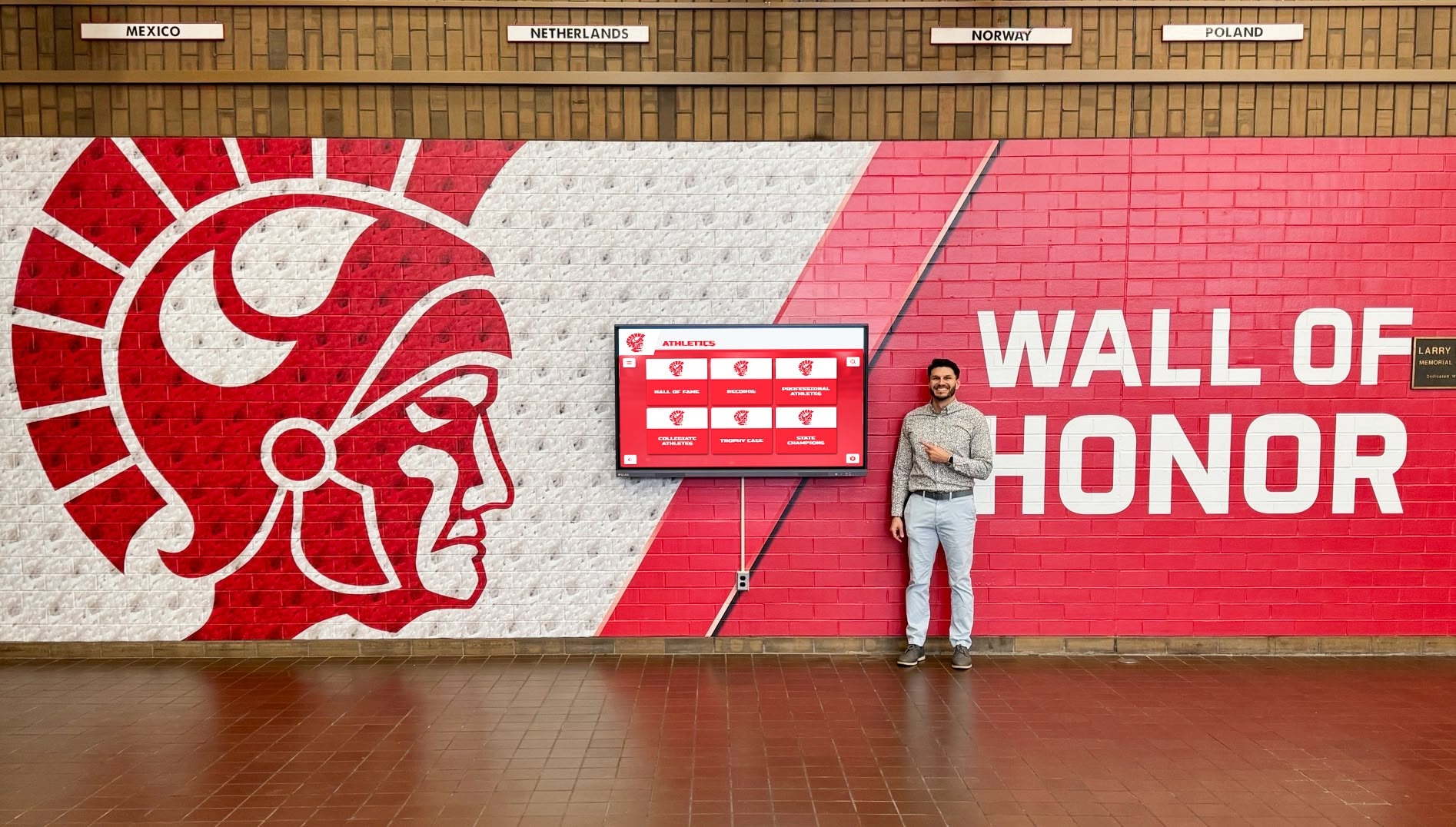
High-traffic hallway displays ensure maximum visibility for student athlete academic achievements
Cumulative Academic Recognition
Beyond semester honors, recognize sustained academic excellence:
Multi-Year Achievement
Celebrate consistency across athletic careers:
- Four-year honor roll recognition for sustained performance
- Career GPA milestones (3.5+, 3.7+, 4.0 cumulative)
- Academic improvement recognition showing growth
- Perfect attendance in study halls or tutoring
- Graduation with honors while competing all four years
Academic All-State and National Recognition
Systematically celebrate highest distinctions:
- Academic All-Conference selections in each sport
- Academic All-State honorees across all athletic programs
- National Merit Scholars who also compete athletically
- College Board Recognition Program award winners
- Presidential Scholar Program candidates from athletic programs
Comprehensive approaches to all-state athlete recognition can incorporate academic dimensions celebrating dual excellence.
Modern Digital Recognition for Scholar-Athletes
Traditional recognition methods—printed honor rolls, static plaques, or occasional announcements—struggle to provide visibility matching the significance of dual academic-athletic excellence. Digital recognition solutions transform how schools celebrate scholar-athletes.
Interactive Academic-Athletic Profiles
Solutions like Rocket Alumni Solutions enable comprehensive scholar-athlete recognition through interactive digital displays:
Integrated Achievement Profiles
Digital platforms showcase complete student success stories:
- Side-by-side display of athletic achievements and academic honors
- Semester-by-semester Dean’s List recognition alongside season statistics
- GPA progression charts showing academic trajectory
- Academic awards received (National Honor Society, subject awards)
- College commitments highlighting both athletic and academic factors
- Post-graduation updates showing continued success in both domains
Rich Multimedia Content
Digital recognition supports engaging presentation:
- Professional photos in both athletic uniforms and academic contexts
- Video interviews where athletes discuss balancing dual commitments
- Infographics visualizing time management strategies
- Before-and-after academic improvement stories
- Testimonials from coaches, teachers, and athletes themselves
- Statistics comparing athletic performance and GPA across seasons
Explore digital trophy case approaches that integrate academic and athletic achievements in unified recognition systems.
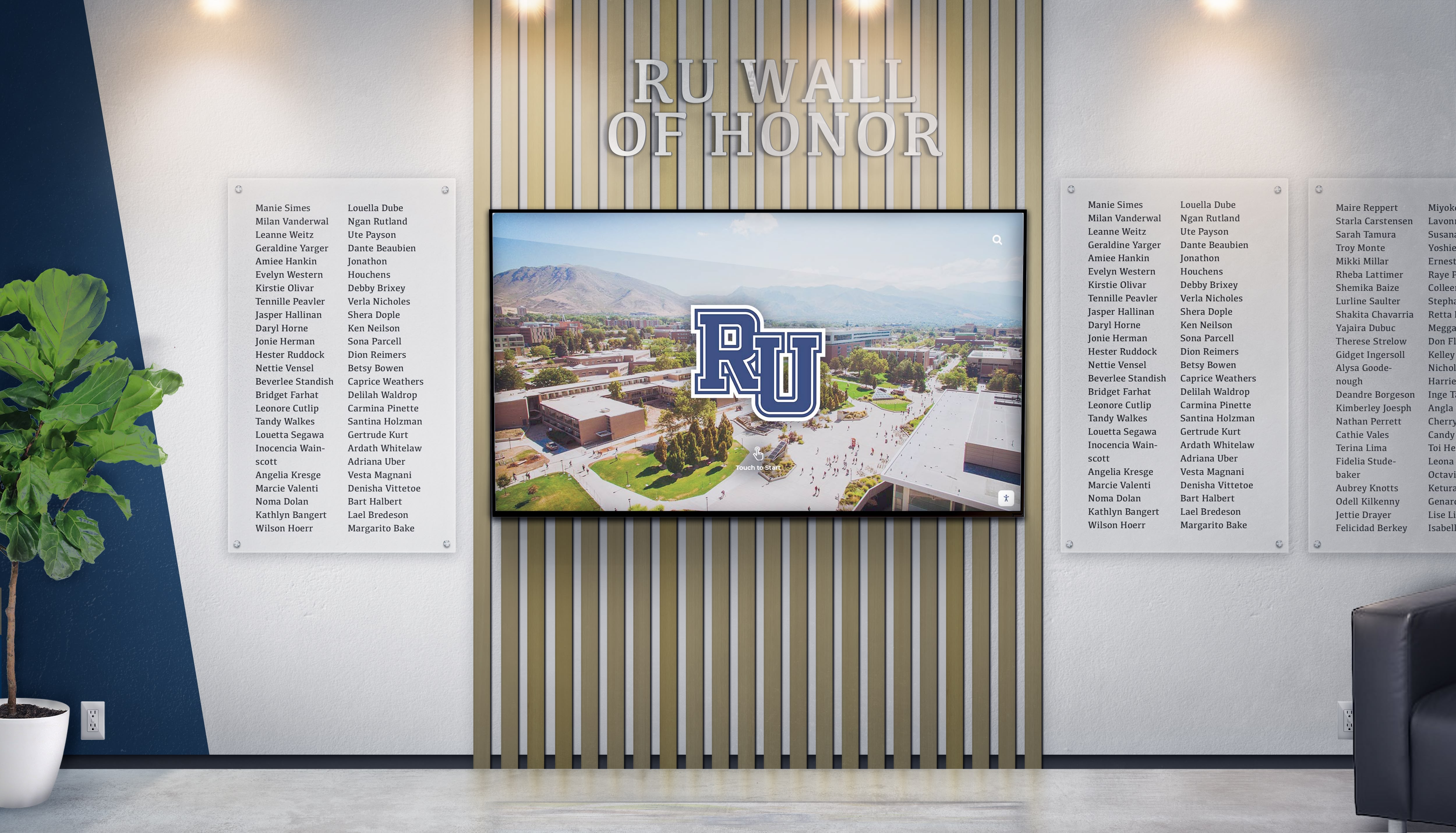
Digital displays provide unlimited capacity for recognizing scholar-athletes across all programs and years
Real-Time Updates and Accessibility
Digital systems enable immediate recognition impossible with traditional methods:
Instant Recognition Publication
Update recognition within hours of achievement:
- Dean’s List recognition published same day grades release
- Semester honor roll updates immediately following marking periods
- No waiting for plaque production or physical installation
- Remote updates from any internet-connected device
- Scheduled publishing automation for predictable release dates
Extended Accessibility
Recognition reaches beyond physical campus:
- Web-based access enables families to view from anywhere
- Social sharing capabilities amplify recognition reach
- Mobile-responsive displays work on all devices
- Alumni can revisit their own recognition years later
- College recruiters access comprehensive athlete profiles remotely
Search and Discovery
Interactive features enable personalized exploration:
- Search by athlete name to find specific individuals
- Filter by sport to view program-specific scholar-athletes
- Sort by GPA or academic honors to highlight top performers
- Browse by graduation year to explore historical achievements
- Discover multi-sport athletes who earned academic recognition
Learn about showcasing college commitments through digital platforms that integrate academic profiles with athletic signing information.
Creating Meaningful Scholar-Athlete Recognition Content
Effective recognition extends beyond simply listing names and GPAs to telling complete stories that inspire and inform.
Comprehensive Profile Elements
Rich profiles celebrate whole student-athletes:
Academic Achievement Details
Document specific accomplishments:
- Cumulative GPA and semester GPAs showing consistency or improvement
- Specific honor roll levels achieved (Honor Roll, High Honors, Principal’s List)
- Academic awards received (departmental honors, subject-specific recognition)
- Advanced course participation (AP, IB, dual enrollment, honors courses)
- Academic competition achievements (Science Olympiad, math competitions)
- National recognition programs (National Merit, College Board Recognition)
- Class ranking and percentile if provided
Athletic Achievement Context
Connect academic success to athletic participation:
- Sports played and positions held
- Years of athletic participation and varsity status
- All-conference, all-state, or other athletic honors
- Team championships or playoff participation during academic achievement
- Statistical achievements in sport
- Leadership roles (team captain, elected positions)
- Multi-sport participation demonstrating time management complexity
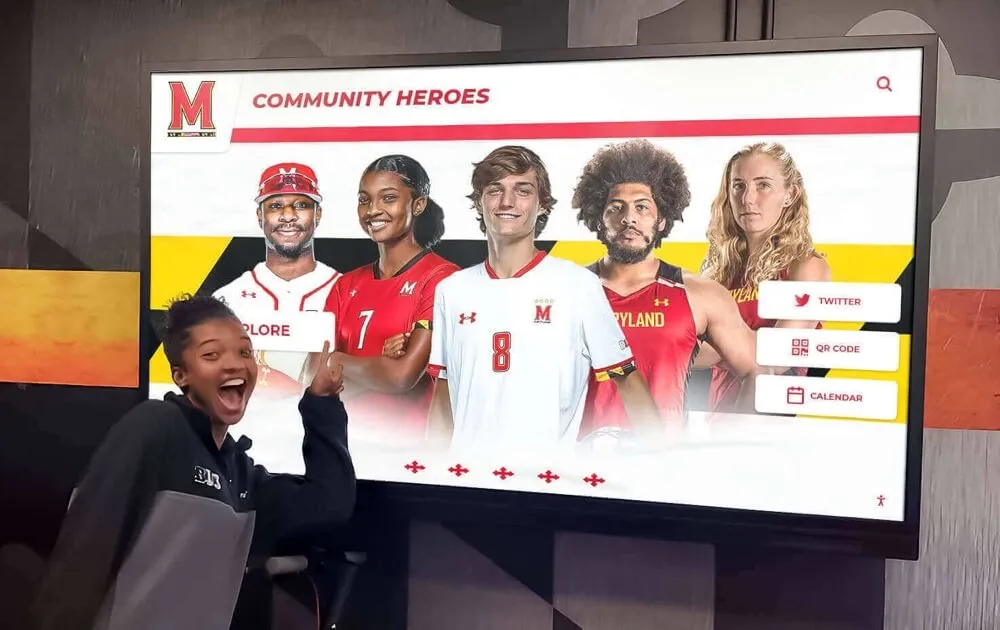
Interactive displays engage students in exploring scholar-athlete achievements and personal stories
Personal Narrative and Context
Humanize achievement through storytelling:
- Student reflections on balancing academics and athletics
- Time management strategies and daily schedules
- Support systems (teachers, coaches, families, tutors) that enabled success
- Challenges overcome (injuries, schedule conflicts, academic struggles)
- Future goals combining academic and athletic aspirations
- Advice for younger student athletes pursuing similar paths
- What dual excellence means personally to the athlete
Post-High School Trajectories
Update profiles showing continued success:
- College selection process balancing academic and athletic factors
- Collegiate academic honors (Dean’s List, academic scholarships)
- Continued athletic participation at college level
- Major selection and career path development
- Graduation achievements and advanced degree pursuits
- Professional success in chosen fields
- Connections between high school dual excellence and later life success
Sport-Specific Scholar-Athlete Recognition
Different sports present unique scheduling challenges and academic contexts affecting how schools recognize scholar-athletes.
Fall Sports Academic Recognition
Fall sport athletes face unique timing considerations:
Football Scholar-Athletes
Football presents particular academic challenges:
- Time-intensive practice and film study requirements
- Friday night games requiring game-day energy management
- Physical demands affecting Monday recovery and focus
- Large roster sizes creating varied academic achievement levels
- Playoff runs extending season into December exam periods
Recognition should acknowledge football-specific challenges while celebrating those who excel academically despite intensive demands.
Soccer, Volleyball, and Cross Country
These sports involve different scheduling patterns:
- Midweek competitions disrupting homework completion
- Weekend tournaments requiring travel and overnight stays
- Weather dependencies affecting schedule predictability
- Club sport conflicts for many athletes
- Conditioning demands extending beyond practice hours
Scholar-athletes in these programs demonstrate flexibility and adaptability worthy of specific recognition.
Winter and Spring Sports Recognition
Seasonal timing affects academic recognition approaches:
Winter Sports Considerations
Basketball, wrestling, swimming, and winter track face:
- Recognition falling at semester break or immediately after
- First semester grades directly following season
- Holiday tournament travel during exam preparation
- Indoor conditioning affecting study environment access
- Early morning or late evening practice times
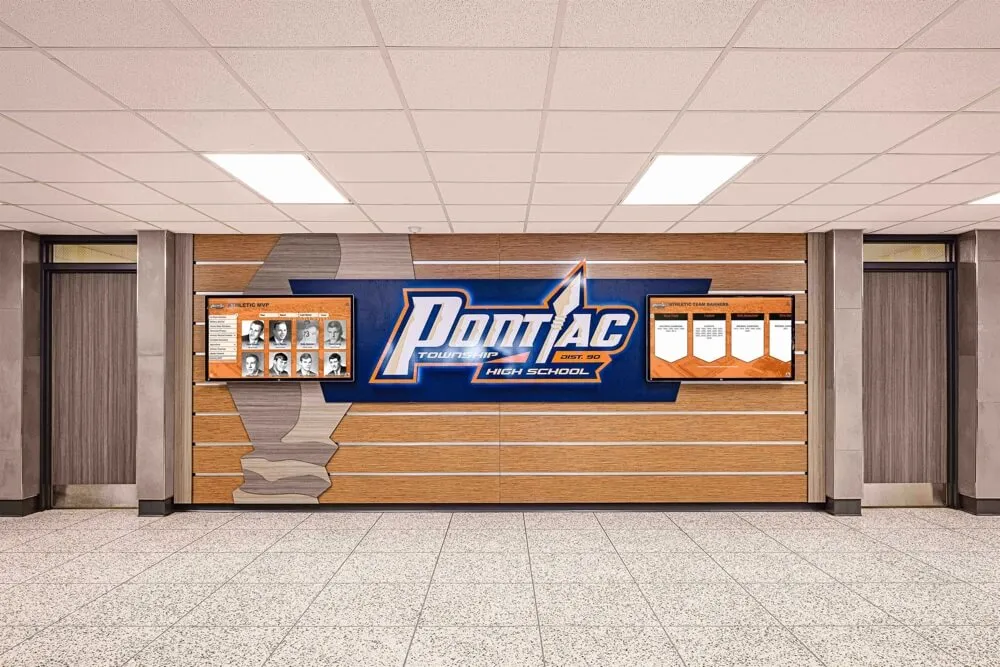
Strategic placement in athletic facilities ensures athletes regularly encounter scholar-athlete recognition
Spring Sports Scholar-Athletes
Baseball, softball, lacrosse, tennis, and track athletes experience:
- Season overlapping with Advanced Placement exam periods
- End-of-year academic pressures compounding athletic demands
- Outdoor weather creating unpredictable schedule challenges
- Graduation preparation concurrent with final competitions
- Summer conditioning beginning immediately after school concludes
Recognizing spring sport scholar-athletes acknowledges completing academic years strong despite mounting end-of-year pressures.
Integrating Academic and Athletic Recognition Systems
The most effective programs create unified recognition ecosystems celebrating complete student achievement.
Unified Recognition Displays
Create integrated systems showcasing multidimensional excellence:
Digital Platform Integration
Single platforms can display diverse achievements:
- Athletic performance statistics alongside academic achievements
- Team championship recognition adjacent to academic all-state honors
- Individual sport records connected to honor roll status
- Historical achievement archives spanning both domains
- Searchable databases enabling exploration across achievement types
Rocket Alumni Solutions provides platforms specifically designed for comprehensive student recognition integrating athletics, academics, arts, and leadership into cohesive recognition systems that celebrate complete students rather than isolated achievements.
Visual Design Consistency
Unified presentation reinforces value parity:
- Comparable profile layouts for athletic and academic achievements
- Equal visual prominence for both achievement types
- Consistent photo quality and biographical depth
- Parallel language describing excellence across domains
- Integrated timelines showing concurrent achievements
Cross-Referencing Connections
Link related achievements creating complete pictures:
- Click athlete name to see both athletic and academic profiles
- Academic achievement pages linking to related athletic accomplishments
- Multi-sport athletes showing academic consistency across seasons
- Team pages displaying collective academic achievements
- Family legacies showing multi-generational dual excellence
Approaches to recognizing famous alumni demonstrate how comprehensive profiles connect diverse achievements into meaningful recognition.

Modern recognition systems celebrate students as complete individuals with diverse achievements
Ceremony and Event Integration
Formal recognition events honor scholar-athletes publicly:
Athletic Award Ceremonies
Integrate academic recognition into traditional athletic celebrations:
- Academic achievement awards presented alongside athletic honors
- Scholar-athlete of the year recognition in each sport
- Team academic achievement awards for collective success
- Highest GPA athletes recognized at sports banquets
- Academic improvement awards celebrating growth
- Special recognition for multi-year honor roll athletes
Academic Honor Ceremonies
Ensure athletes receive recognition in academic contexts:
- Honor roll assemblies highlighting athlete representation
- Academic awards nights including athletic context in profiles
- National Honor Society inductions celebrating athlete members
- Graduation ceremonies noting athletic participation alongside honors
- Academic competition recognition connecting to athletic involvement
Specialized Scholar-Athlete Events
Create dedicated celebrations for dual excellence:
- Annual scholar-athlete recognition breakfast or dinner
- Spring scholar-athlete award ceremony across all sports
- National Student-Athlete Day (April 6) celebrations
- Academic signing day for scholarship recipients
- End-of-year comprehensive achievement recognition
Learn about best athletic facility additions that include recognition spaces for celebrating scholar-athletes.
Measuring Program Effectiveness
Successful recognition programs include assessment mechanisms ensuring objectives are met and identifying improvement opportunities.
Quantitative Success Metrics
Track concrete indicators of program impact:
Participation Rates
Monitor academic achievement trends:
- Percentage of athletes earning honor roll recognition
- Dean’s List representation compared to general student body
- Year-over-year trends in athlete GPA averages
- Academic All-Conference selection rates by sport
- Advanced course enrollment among athletes
- AP exam participation and pass rates
Academic Outcomes
Assess tangible results:
- Athlete graduation rates compared to non-athlete peers
- College acceptance rates to selective institutions
- Academic scholarship dollars awarded to athletes
- NCAA academic eligibility compliance rates
- College persistence and graduation for former athletes
- Advanced degree pursuit rates among alumni athletes
Recognition Engagement
For digital systems, measure interaction:
- Views of scholar-athlete profiles
- Search frequency for academic achievements
- Social sharing of academic recognition content
- Time spent exploring scholar-athlete content
- Return visitors accessing recognition repeatedly
Qualitative Impact Assessment
Gather stakeholder perspectives revealing program influence beyond numbers:
Athlete Feedback
Understand recognition meaning to those honored:
- Surveys about motivation and pride from recognition
- Interviews exploring how recognition affected self-perception
- Alumni reflections on long-term impact of scholar-athlete identity
- Testimonials about recognition influencing college choices
- Student athlete advocacy for program continuation or enhancement
Coach Observations
Coaches provide valuable perspective:
- Perceived changes in athlete attitude toward academics
- Anecdotal evidence of recognition motivating performance
- Team culture shifts regarding academic expectations
- Recruiting conversations highlighting recognition programs
- Parent comments about academic recognition during athletic participation
Institutional Culture
Assess broader organizational impacts:
- Faculty perceptions of athlete academic engagement
- Administrative observations about athlete-teacher relationships
- Community understanding of student athlete academic achievement
- Media coverage highlighting scholar-athlete accomplishments
- Prospective family questions about academic support for athletes
Frameworks for basketball hall of fame programs demonstrate comprehensive recognition approaches applicable across achievement domains.
Best Practices for Sustained Success
Long-term program effectiveness requires ongoing attention and systematic management.
Regular Content Updates and Maintenance
Establish predictable rhythms for recognition updates:
Semester Recognition Cycle
Create systematic processes:
- Week 1 after grades: Collect Dean’s List and honor roll rosters
- Week 2: Gather athlete photos and biographical information
- Week 3: Create or update individual recognition profiles
- Week 4: Publish updated recognition and announce through multiple channels
- Ongoing: Schedule social media features throughout semester
Annual Comprehensive Updates
Yearly maintenance ensures accuracy:
- End-of-year review of all athlete academic profiles
- Addition of graduation honors and college destinations
- Photo updates with current images
- Statistics verification against official records
- Link checking for digital platforms
- Format consistency review across all profiles
Multi-Year Milestone Recognition
Celebrate sustained excellence:
- Four-year honor roll achievement recognition at graduation
- Career GPA milestones reached across athletic participation
- Academic improvement trajectories across high school
- Multi-sport academic achievement consistency
- Legacy updates as alumni accomplish post-graduation success
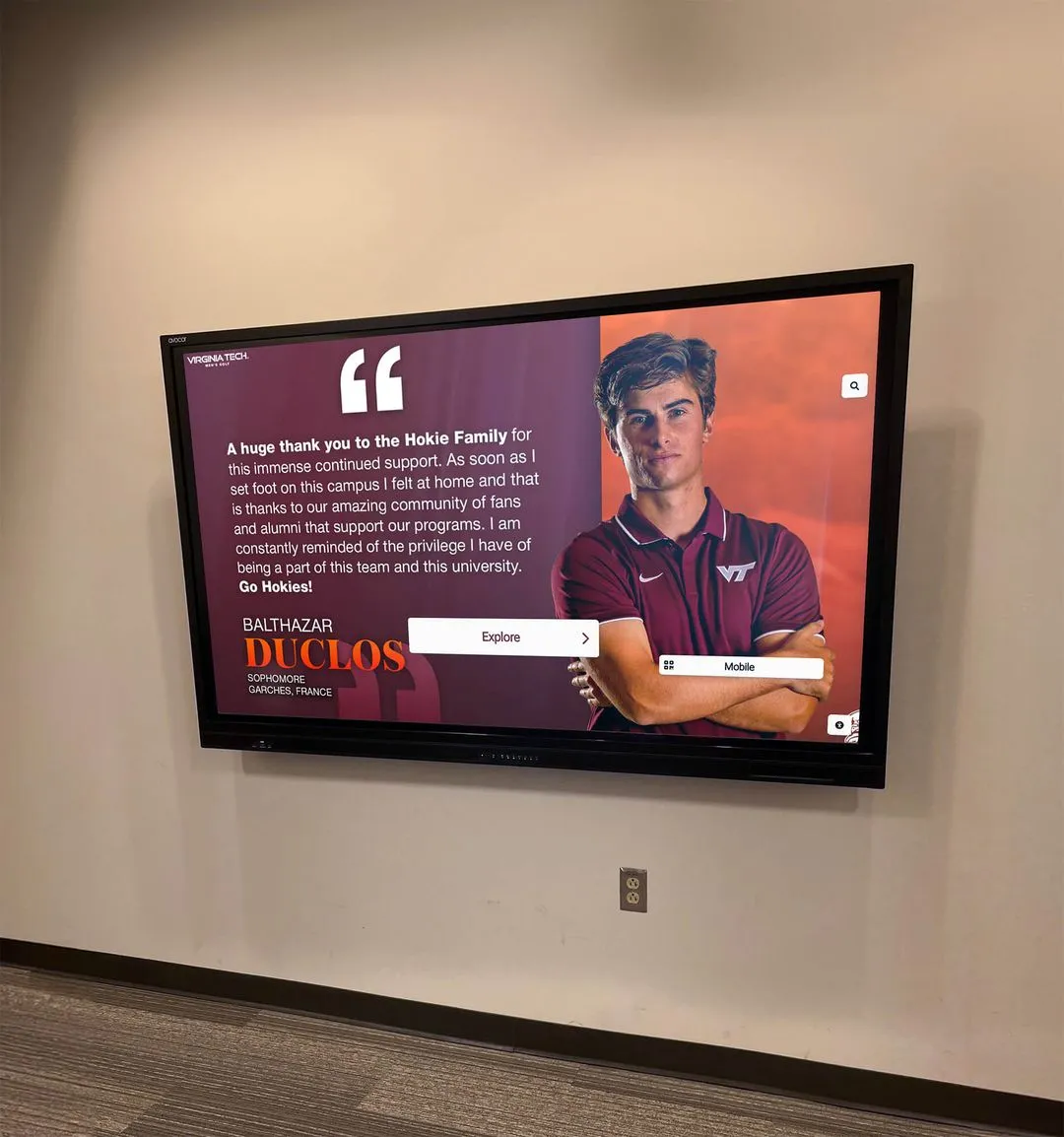
Systematic content management ensures recognition remains current, accurate, and meaningful
Staff Training and Resource Allocation
Program sustainability requires appropriate support:
Designated Responsibility
Clear ownership prevents neglect:
- Identify primary administrator for academic recognition
- Assign backup personnel ensuring continuity
- Define sport-specific liaisons collecting athlete information
- Establish communication protocols with registrar/academic offices
- Create accountability through regular reporting expectations
Technology Training
Ensure staff can manage systems effectively:
- Initial training for all users on digital platforms
- Regular refresher sessions for existing users
- Documentation of common tasks and procedures
- Access to technical support for troubleshooting
- Succession planning for role transitions
Budget Sustainability
Allocate resources appropriately:
- Annual budget for recognition program maintenance
- Technology licensing renewals and upgrades
- Professional development for staff managing recognition
- Contingency funds for unexpected needs
- Long-term planning for system replacement cycles
Conclusion: Honoring Complete Excellence
Student athletes who achieve high honors and Dean’s List recognition while competing at elite athletic levels represent the ideal of complete student excellence that educational institutions aspire to develop. These scholar-athletes demonstrate that academic and athletic excellence are not mutually exclusive but rather complementary pursuits that, when combined, develop exceptional discipline, time management, resilience, and achievement capacity that serves students throughout their lives.
Recognizing student athlete academic achievement appropriately requires moving beyond occasional honor roll announcements to creating comprehensive, visible, and engaging recognition programs that celebrate dual excellence with the prominence it deserves. High school alumni hall of fame displays and digital recognition solutions enable schools to honor scholar-athletes systematically while inspiring future students to pursue similar excellence.
Celebrate Scholar-Athletes with Modern Recognition
Discover how Rocket Alumni Solutions can help you create comprehensive digital recognition systems that honor student athletes achieving academic excellence alongside athletic achievement.
Explore Recognition SolutionsWhether implementing new scholar-athlete recognition programs or enhancing existing systems, schools that systematically celebrate dual academic-athletic excellence create cultures where student athletes understand they are valued as complete individuals—not just for what they achieve on the field, but for everything they accomplish in classrooms, in their communities, and in their lives. Digital recognition platforms make this comprehensive celebration achievable, affordable, and sustainable across unlimited students, sports, and years.
Every student athlete who maintains high honors while competing athletically demonstrates remarkable dedication worthy of recognition that honors both dimensions of their achievement. With thoughtful planning, appropriate technology, and sustained commitment, schools can create recognition programs that celebrate these complete scholar-athletes appropriately—inspiring current students while building institutional cultures where academic excellence and athletic achievement receive equal celebration and respect.
Ready to transform your scholar-athlete recognition? Explore academic excellence solutions or contact Rocket Alumni Solutions to learn how comprehensive digital platforms can celebrate every dimension of student achievement in your school.































