Every student brings unique strengths to school communities—some excel academically, others demonstrate athletic prowess, while many shine through leadership, service, or consistent effort that often goes unnoticed. Yet traditional recognition programs frequently celebrate only the most visible achievements, leaving countless deserving students without acknowledgment for their genuine contributions and growth.
The most effective schools understand that comprehensive student awards programs do more than distribute certificates at year-end ceremonies. Thoughtfully designed recognition systems motivate diverse learners, reinforce institutional values, build positive school culture, and provide validation that sustains students through challenging developmental years. When students see peers celebrated across multiple dimensions—academic performance, athletic achievement, character excellence, and personal growth—they understand that every path toward success receives genuine acknowledgment.
This comprehensive guide explores the essential student awards categories every school should offer, providing practical frameworks for building recognition programs that celebrate the full spectrum of student excellence while inspiring continued growth across all achievement dimensions.
Research from the American Educational Research Association demonstrates that students receiving regular recognition for accomplishments show 18-25% higher sustained achievement compared to equally capable peers without systematic acknowledgment. Recognition impact extends beyond individual recipients, creating cultural shifts that elevate expectations and normalize excellence across student populations.
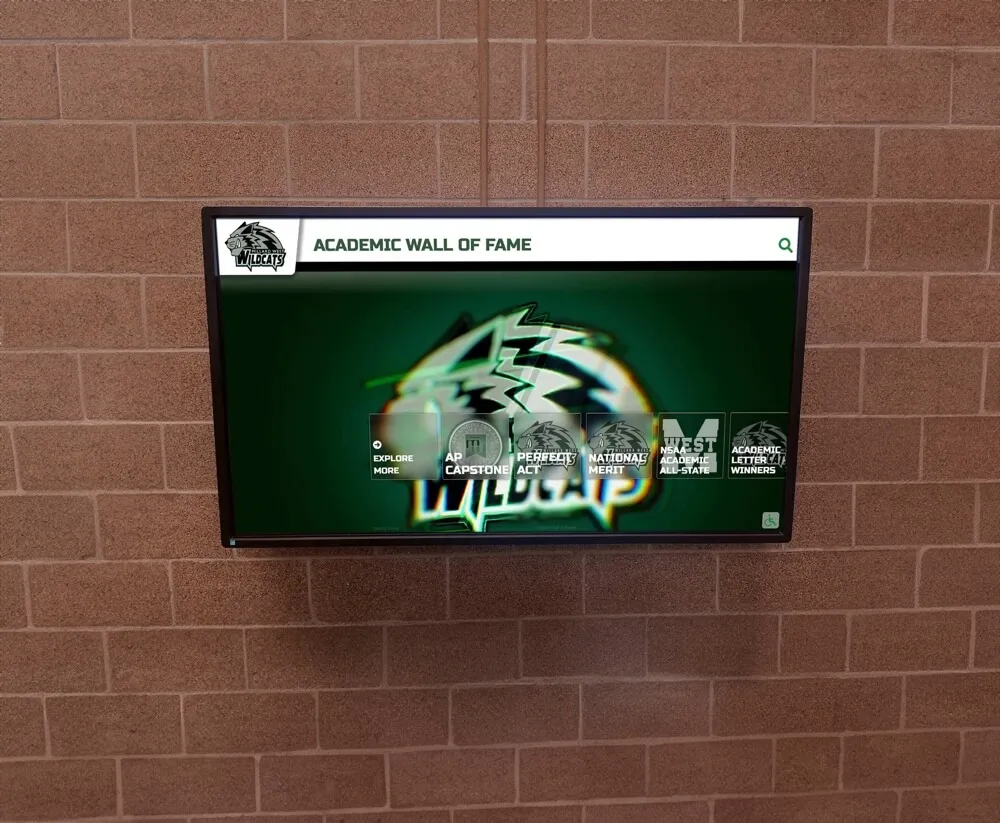
Modern recognition systems celebrate the full spectrum of student excellence across academic, athletic, and character dimensions
Academic Excellence Awards
Academic achievement recognition forms the foundation of comprehensive student awards programs, validating intellectual effort while motivating continued scholarly growth.
Grade Point Average and Honor Roll Recognition
GPA-based awards provide systematic acknowledgment for consistent academic performance across all subject areas.
Tiered Honor Roll Structures:
Most effective programs implement multi-level recognition ensuring opportunities at various achievement levels:
High Honor Roll or Principal’s List
- Typically requires 3.8-4.0 GPA on 4.0 scale
- Represents exceptional academic achievement
- Often limited to approximately 10-15% of students
- Provides significant distinction on transcripts and applications
Honor Roll
- Usually requires 3.5-3.79 GPA range
- Recognizes strong consistent performance
- Includes broader student population
- Demonstrates sustained commitment to academics
Academic Achievement Recognition
- Often requires 3.0-3.49 GPA threshold
- Acknowledges solid academic standing
- Provides recognition for students showing improvement
- Communicates accessibility of academic recognition
Schools implementing tiered structures ensure recognition opportunities exist at multiple performance levels while maintaining meaningful distinctions between achievement categories. Learn more about comprehensive academic recognition programs that celebrate diverse achievement levels.
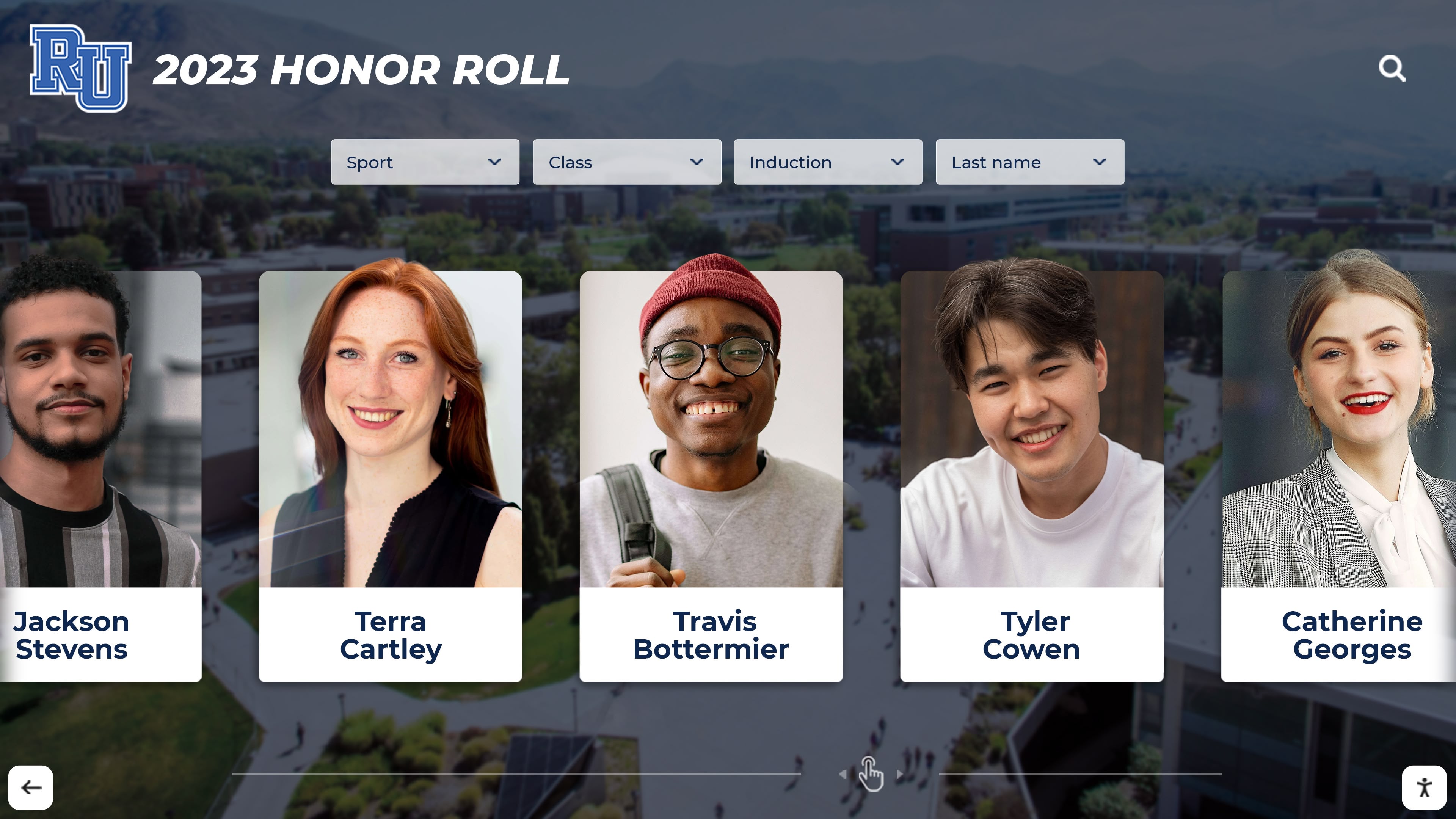
Individual recognition profiles celebrate specific academic achievements with photos and detailed accomplishments
Recognition Frequency Considerations:
- Quarterly Recognition: Provides frequent feedback motivating short-term effort while celebrating incremental achievement
- Semester-Based Awards: Balance meaningful timeframes with manageable update schedules
- Annual Recognition: Emphasizes sustained excellence across complete academic years
- Cumulative Recognition: Acknowledges students maintaining honor roll across multiple consecutive periods
Many schools implement multiple recognition frequencies—quarterly honor roll plus special annual acknowledgment for students maintaining high achievement throughout entire years.
Subject-Specific Academic Awards
Comprehensive recognition extends beyond overall GPA to celebrate excellence in individual disciplines, ensuring specialized talents receive acknowledgment.
STEM Subject Awards:
Mathematics Excellence
- Achievement in specific courses (Algebra, Geometry, Calculus, Statistics)
- Math competition participation and recognition
- Problem-solving and mathematical reasoning awards
- State and national mathematics examination recognition
Science Achievement Recognition
- Subject-specific excellence (Biology, Chemistry, Physics, Environmental Science)
- Laboratory skill proficiency and safety demonstration
- Science fair participation and awards at school, regional, state, and national levels
- Science Olympiad team and individual achievements
- Research project excellence and presentation awards
Technology and Engineering Recognition
- Computer science and programming excellence
- Robotics competition achievements at various levels
- Engineering design challenge success
- Technical certification completion
- Applied technology project awards
Humanities and Social Sciences Awards:
English and Language Arts
- Literary analysis and essay writing excellence
- Creative writing recognition and publication
- Speech and debate competition success
- Drama and theater arts achievement
- Reading comprehension milestones
History and Social Studies
- Historical research project awards
- History Day competition participation and recognition
- Geography bee achievement
- Model United Nations success
- Social science research awards
World Languages
- Foreign language proficiency certifications
- Language competition success
- Study abroad program participation
- Multilingual communication demonstration
- Cultural competency recognition
Fine Arts Recognition
- All-state music honors and ensemble participation
- Art competition achievements and portfolio excellence
- Theater performance awards
- Dance recognition
- Visual and performing arts scholarships
Advanced Coursework and Standardized Test Recognition
Students challenging themselves with rigorous coursework and achieving exceptional standardized test results deserve systematic acknowledgment.
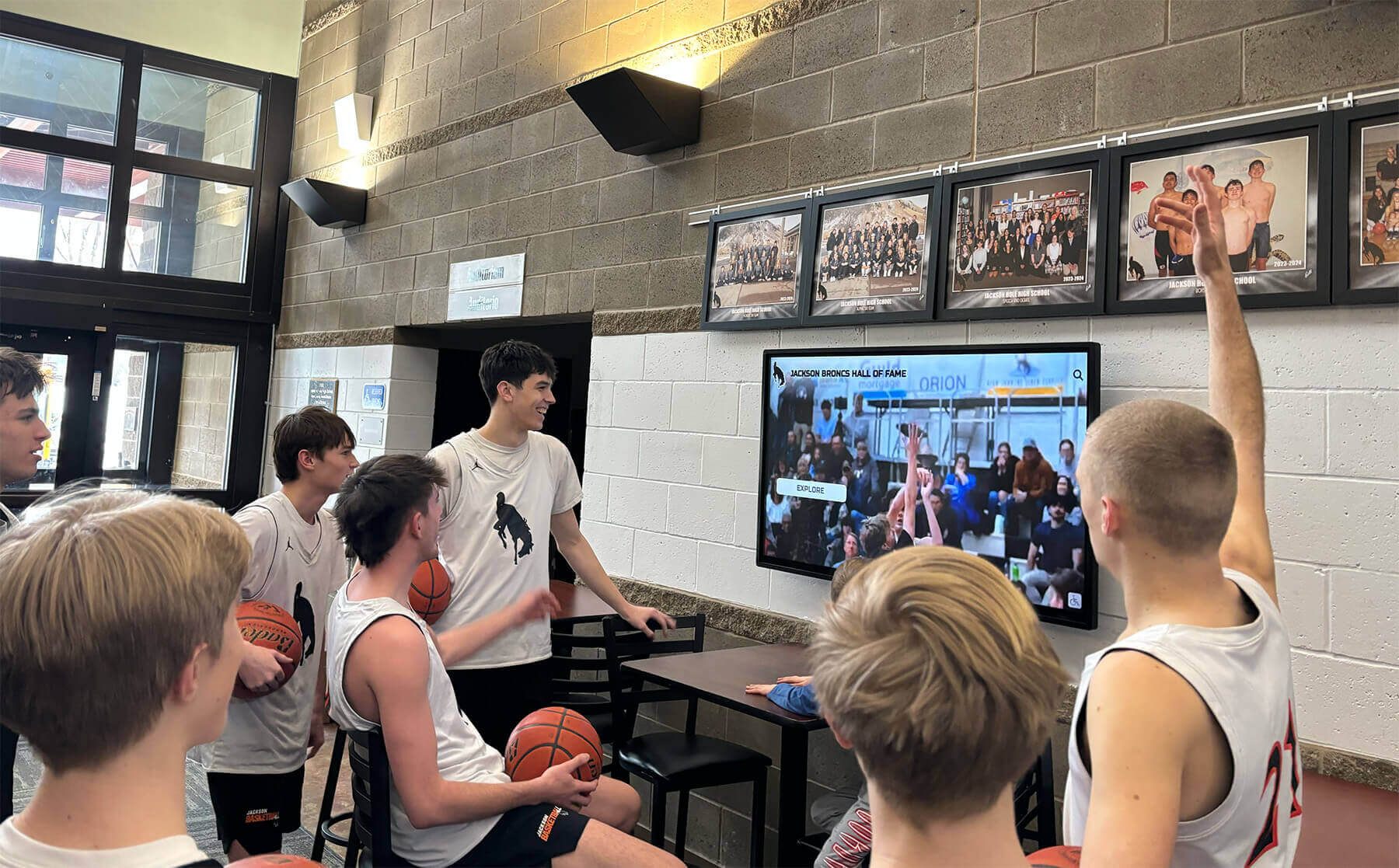
Interactive displays create engagement opportunities where students explore achievements across multiple categories
AP Scholar Awards Recognition:
The College Board administers AP Scholar designations recognizing exceptional AP examination performance:
- AP Scholar: Students scoring 3 or higher on three or more AP Exams
- AP Scholar with Honor: Average score of at least 3.25 on all AP Exams taken, with 3+ on four or more exams
- AP Scholar with Distinction: Average score of at least 3.5 on all AP Exams taken, with 3+ on five or more exams
- National AP Scholar: Students earning average of 4+ on all AP Exams taken, with 4+ on eight or more exams
Schools should actively promote these designations, celebrate recipients prominently, and help students understand how AP Scholar recognition enhances college applications.
ACT and SAT Recognition:
ACT Achievement Levels:
- ACT 30+ Club for students scoring 30 or above (approximately top 7% nationally)
- ACT 34+ recognition (approximately top 1% of test takers)
- Perfect ACT score (36) celebration
- Significant score improvement recognition (5+ point increases)
Discover approaches for ACT 30 recognition displays that celebrate exceptional standardized test achievement.
SAT Achievement Recognition:
- 1400+ SAT scores (approximately top 10% nationally)
- 1500+ recognition (approximately top 3% of test takers)
- Perfect section scores (800 Math or Evidence-Based Reading/Writing)
- Score improvement milestones
PSAT/NMSQT Recognition:
Students achieving qualifying PSAT/NMSQT scores become eligible for prestigious National Merit recognition including Commended Students (approximately 34,000 annually), Semifinalists (about 16,000 highest scorers), Finalists (approximately 15,000), and Scholars (about 7,500 receiving National Merit Scholarships).
National Academic Recognition Programs
National Honor Society
NHS membership represents one of the most prestigious high school honors, recognizing excellence in scholarship, leadership, service, and character. While specific requirements vary by chapter, typical standards include minimum cumulative GPA (commonly 3.5), demonstrated voluntary service, evidence of leadership, and faculty recommendations confirming integrity and character.
College Board National Recognition Programs
These programs honor academically exceptional students helping colleges identify diverse high-achieving populations:
- National African American Recognition Award
- National Hispanic Recognition Award
- National Indigenous Recognition Award
- National Rural and Small Town Award
- First-Generation College Celebration Award
Students must meet cumulative GPA of 3.3+ and achieve top 10% of PSAT/NMSQT, PSAT 10, or AP scores in their category, or earn 3+ on two or more distinct AP Exams in 9th or 10th grade.
Athletic Awards and Recognition
Athletic achievement represents another critical dimension of comprehensive student recognition, celebrating physical excellence, teamwork, and competitive success.
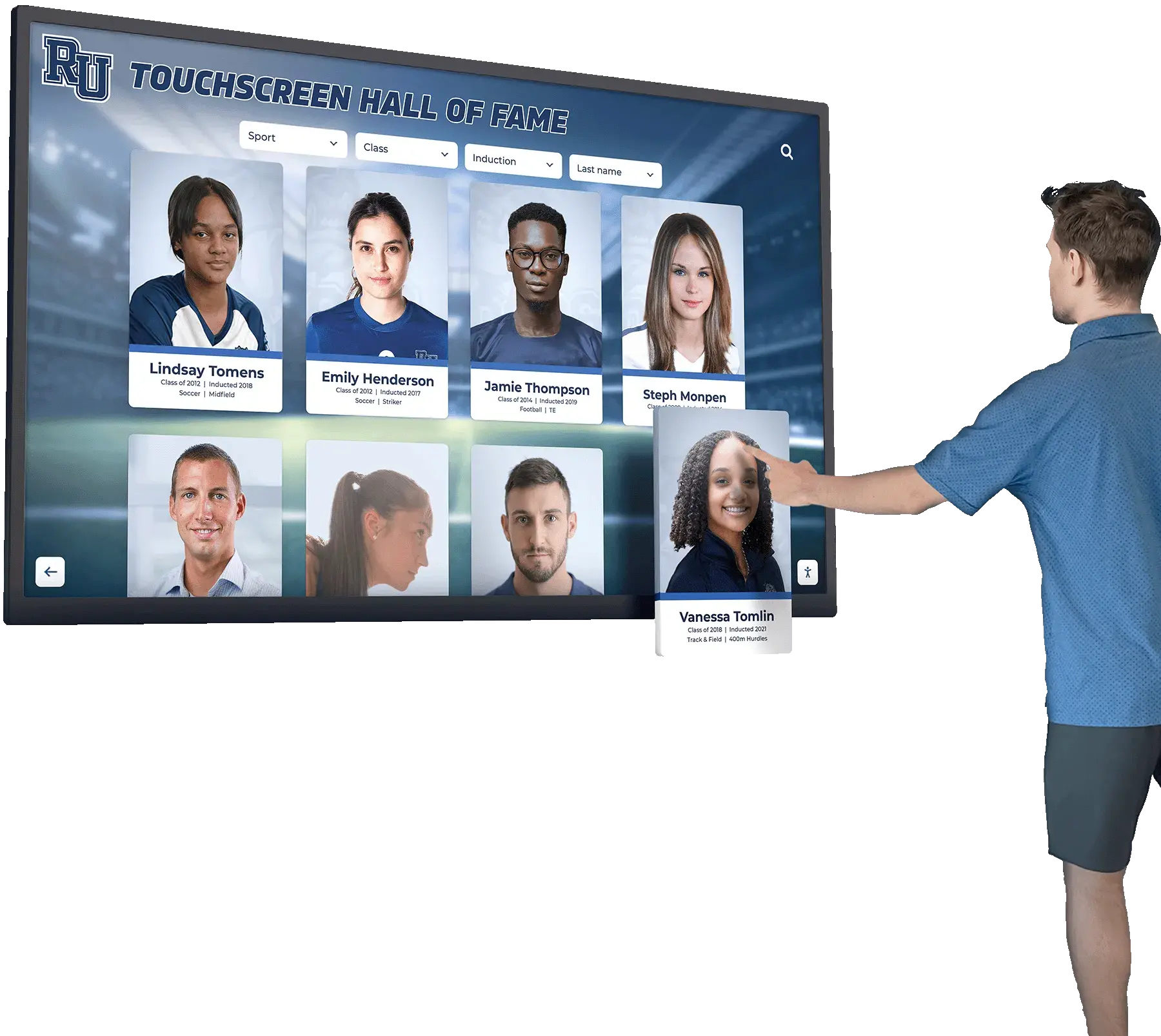
Digital hall of fame systems enable comprehensive athletic recognition alongside academic achievements
Team-Based Athletic Awards
Championship and Team Success Recognition:
Conference and League Championships
- Regular season conference titles
- Conference tournament championships
- Record-setting team performances
- Team achievement milestones
State Playoff and Championship Recognition
- State tournament qualification
- Regional and sectional championships
- State championship victories and runner-up acknowledgment
- Undefeated season recognition
Season-End Team Awards:
Most Valuable Player (MVP)
- Recognizes most impactful team member
- Considers performance, leadership, and team contribution
- Typically determined by coaches with player input
Most Improved Player
- Celebrates significant skill development and growth
- Motivates work ethic and commitment to improvement
- Recognizes progress regardless of starting skill level
- Learn about most improved player recognition approaches
Coaches Award
- Honors intangible contributions like leadership and work ethic
- Recognizes players embodying team values
- Celebrates character beyond statistics
Offensive and Defensive Player Awards
- Sport-specific recognition for specialized excellence
- Acknowledges different skill sets and contributions
- Ensures diverse talents receive recognition
Explore comprehensive approaches for football awards and basketball youth awards that celebrate diverse contributions.
Individual Athletic Excellence Awards
All-Conference Recognition:
Conference coaches typically select all-conference teams honoring top performers:
- First Team All-Conference (top players at each position)
- Second Team All-Conference (additional excellent performers)
- Honorable Mention (strong contributors worthy of recognition)
All-State and All-Region Recognition:
State-level athletic associations select all-state teams recognizing exceptional athletes statewide based on statistics, team success, and coach recommendations. Recognition varies by state and sport with different classification systems but provides significant visibility enhancing college recruiting profiles.
All-American Recognition:
National organizations select All-American teams in various sports including McDonald’s All-American (Basketball), Under Armour All-American (Football, Baseball, Lacrosse), and Gatorade Player of the Year designations at state and national levels.
Athletic Academic Excellence Awards
Athletic Academic Honor Roll:
Many conferences and state associations offer academic recognition for athletes maintaining minimum GPA requirements (commonly 3.5+) with recognition by sport and season, cumulative acknowledgment for multi-sport athletes, and special recognition for 4.0 student-athletes.
Scholar-Athlete Awards:
These awards combine significant athletic and academic achievement, requiring strong GPA alongside athletic contribution, providing scholarship opportunities for balanced excellence, and celebrating comprehensive student-athlete ideals.
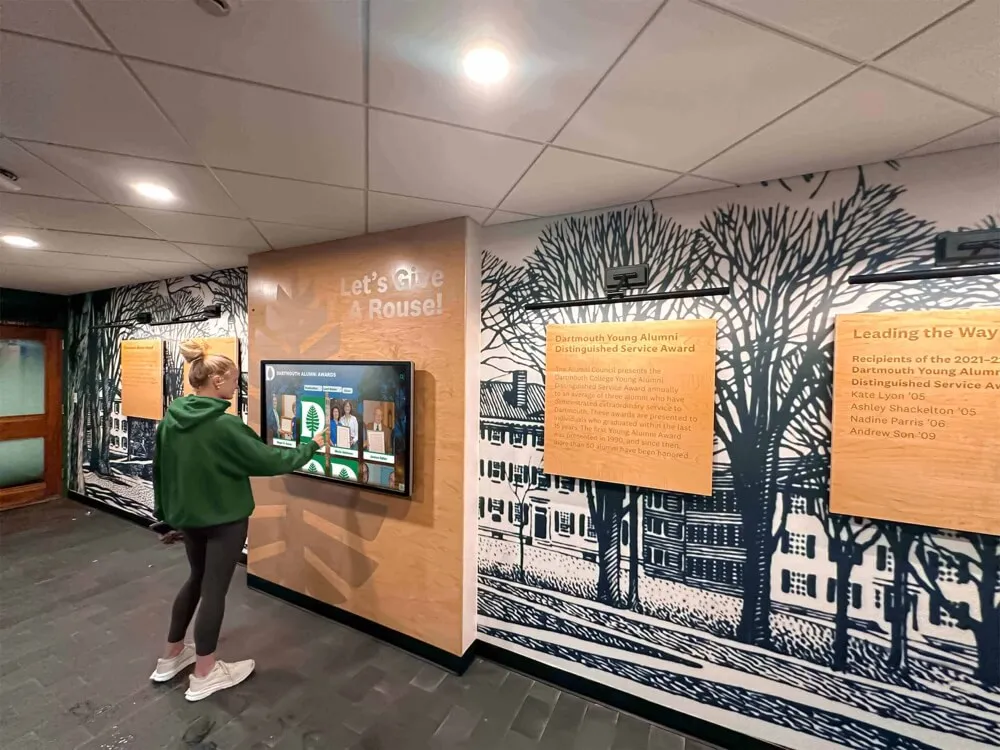
Strategic hallway placement ensures athletic and academic achievements receive equal visibility
Athletic Records and Milestone Recognition
School Record Recognition:
- Single-game, season, and career record achievements
- Record-setting performances in track, swimming, and measured sports
- Point scoring milestones (1,000-point scorers, 100 wins in wrestling)
- Statistical achievement thresholds
Special Recognition Programs:
- Student athletes of the week
- Monthly athlete recognition
- Senior night celebrations honoring graduating athletes
- Athletic hall of fame induction
Character and Leadership Awards
Comprehensive student recognition extends beyond academic and athletic achievements to honor character development, leadership excellence, and service contributions.
Leadership Recognition Awards
Students demonstrating leadership through formal positions and informal influence deserve systematic acknowledgment.
Student Government Leadership:
- Student body president, vice president, and officers
- Class officers (president, vice president, secretary, treasurer)
- Student council representatives
- Committee chair responsibilities
Club and Organization Leadership:
- Club president and officer positions across school organizations
- Event coordination leadership
- Organization founding and development
- Committee chair responsibilities
Peer Leadership Recognition:
- Peer tutoring and mentoring programs
- New student orientation leadership
- Student ambassador programs
- Conflict resolution and mediation participation
Service and Community Engagement Awards
Students contributing time and energy to community service deserve recognition valuing civic engagement and altruism.
Service Hour Milestones:
- Recognition thresholds at 25, 50, 100, 200+ hours
- Annual service hour acknowledgment
- Career cumulative service tracking
- Special recognition for exceptional commitment
Service Project Leadership:
- Student-initiated service projects
- Community partnership development
- Fundraising campaign leadership for charitable causes
- Sustained commitment to specific organizations
Community Impact Recognition:
- Local government or community organization awards
- Youth volunteer of the year designations
- Service organization recognition
- Community partner acknowledgment
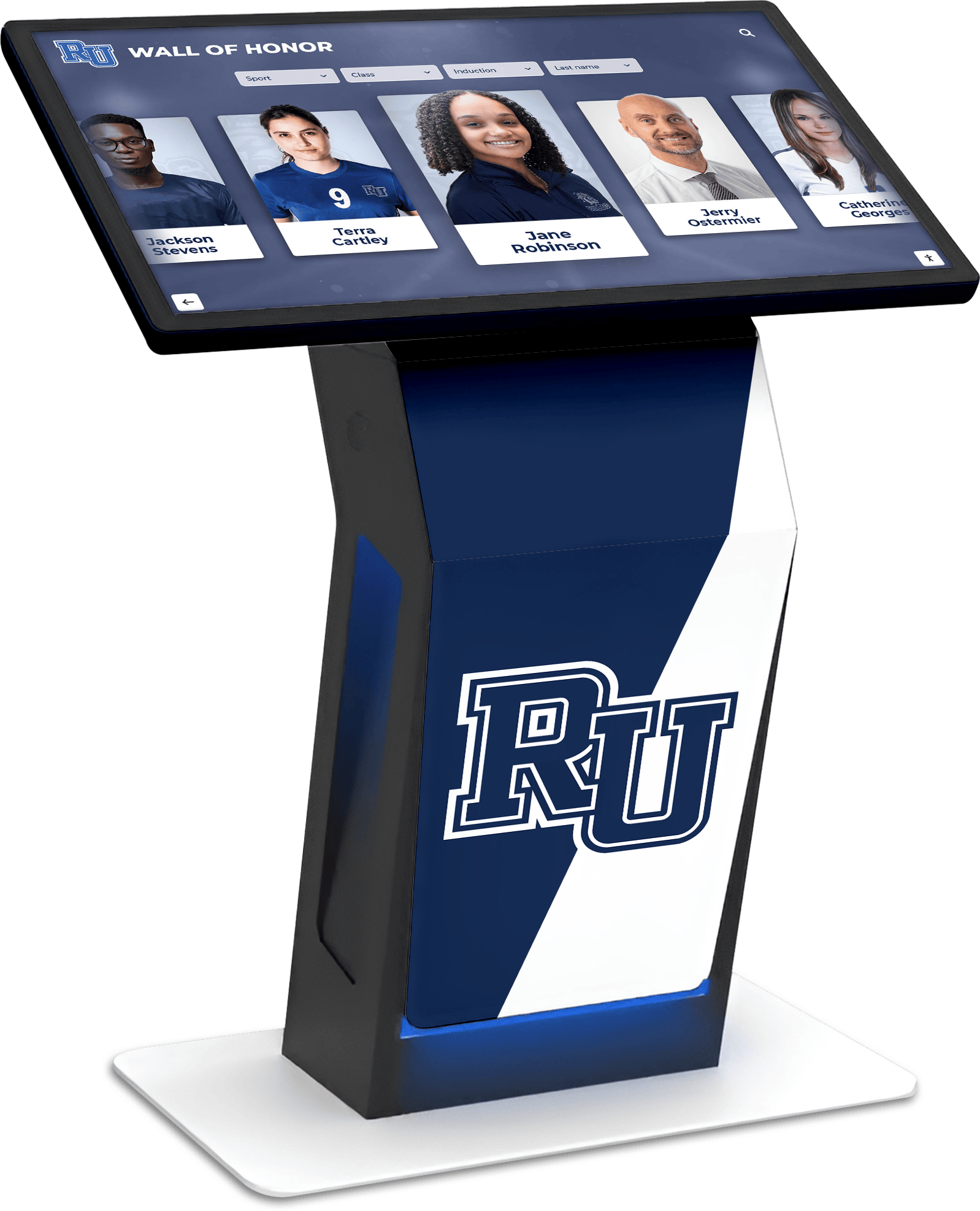
Modern touchscreen kiosks enable schools to showcase unlimited achievements across all award categories
Character Excellence Awards
Some of the most meaningful recognition honors character qualities and positive influence beyond measurable achievements.
Character Quality Recognition:
- Integrity and honesty awards
- Kindness and compassion recognition
- Perseverance and resilience acknowledgment
- Respect and responsibility honors
- Courage and determination awards
Positive Influence Awards:
- Positive attitude and school spirit recognition
- Peer impact and friendship awards
- Classroom contribution acknowledgment
- School climate improvement recognition
Special Circumstance Recognition:
- Overcoming significant challenges or adversity
- Supporting peers through difficulties
- Demonstrating exceptional courage
- Representing school values exemplarily
Specialized and Unique Award Categories
Beyond traditional academic, athletic, and character recognition, comprehensive programs celebrate specialized achievements and unique contributions.
Arts and Creative Excellence Awards
Visual Arts Recognition:
- Art competition participation and awards
- Portfolio development excellence
- Student art exhibition participation
- Public art project contributions
- Digital art and design achievement
Performing Arts Awards:
- Theater performance excellence
- Dance recognition and achievement
- Musical performance awards
- Technical theater contributions (lighting, sound, stage crew)
- Arts leadership positions
Career and Technical Education Awards
CTE Program Excellence:
- Industry certification completion across various trades
- Skills competition success at regional, state, and national levels
- FFA awards and recognition
- DECA competition achievements
- SkillsUSA awards
Workplace Readiness Recognition:
- Internship program participation and success
- Apprenticeship completion
- Work-based learning excellence
- Professional skill demonstration
- Career preparation milestone achievement
Attendance and Engagement Awards
Perfect Attendance Recognition:
- Annual perfect attendance awards
- Consecutive semester recognition
- Multi-year perfect attendance acknowledgment
- Improved attendance recognition
Participation and Engagement Awards:
- Club and activity participation milestones
- Event attendance and involvement
- School spirit demonstration
- Community engagement participation
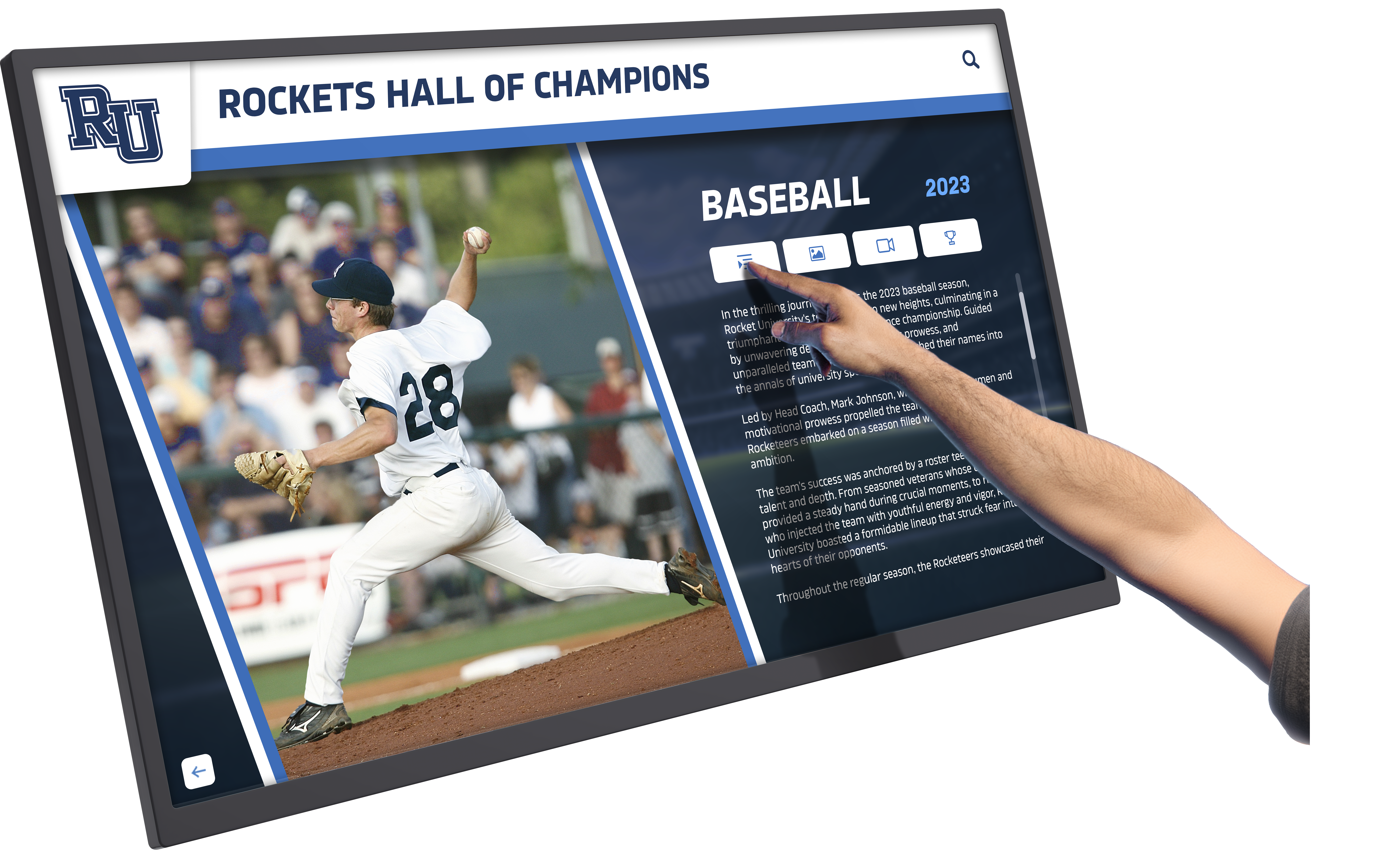
Touchscreen interfaces make exploring student achievements across all categories intuitive and engaging
Implementing Comprehensive Student Awards Programs
Creating meaningful, sustainable recognition programs requires strategic planning, equitable design, and effective management practices.
Designing Balanced Recognition Systems
Effective programs ensure recognition opportunities exist for diverse students across multiple achievement dimensions.
Multi-Category Recognition:
Comprehensive programs include:
- Academic excellence and improvement
- Athletic achievement at multiple levels
- Leadership in various contexts
- Service and community engagement
- Character and values demonstration
- Specialized talents (arts, technology, career skills)
- Effort and persistence recognition
Tiered Recognition Structures:
Create multiple recognition levels ensuring appropriate acknowledgment:
Pinnacle Recognition: Reserved for truly exceptional, rare achievements deserving permanent commemoration and special ceremony
Regular Recognition: Acknowledging strong performance and significant accomplishments across various categories with systematic celebration
Improvement Recognition: Celebrating progress and growth regardless of absolute achievement level, emphasizing personal development
Participation Recognition: Valuing engagement and effort as foundation for future success
Equity Considerations:
Design awards avoiding systematic disadvantages for certain student populations:
- Recognition accessible to students from all socioeconomic backgrounds
- Multiple pathways ensuring diverse learning styles find opportunities
- Growth-oriented awards ensuring students starting at different levels receive acknowledgment
- Transparent criteria and nomination processes
- Regular distribution analysis identifying underrepresented groups
Award Selection and Nomination Processes
Fair, transparent processes ensure recognition maintains credibility while identifying truly deserving students.
Objective Criteria Awards:
- GPA thresholds for honor roll recognition
- Standardized test scores for testing awards
- Athletic statistics and records
- Service hour totals
Committee-Based Selection:
Selection Committee Composition:
- Multiple staff members representing different school areas
- Student representatives providing peer perspective (when appropriate)
- Clear conflict-of-interest policies
- Diverse committee membership reflecting school demographics
Evaluation Criteria:
- Specific written criteria applied consistently
- Rubrics or scoring systems reducing subjective bias
- Multiple committee members reviewing each candidate
- Documentation of selection rationale
Nomination Processes:
- Clear nomination procedures communicated widely
- Multiple nomination pathways (teacher, self-nomination, peer nomination)
- Deadline transparency ensuring equal opportunity
- Support for students developing nomination materials
Recognition Delivery and Celebration
How schools present awards significantly impacts their motivational value and meaningfulness to recipients.
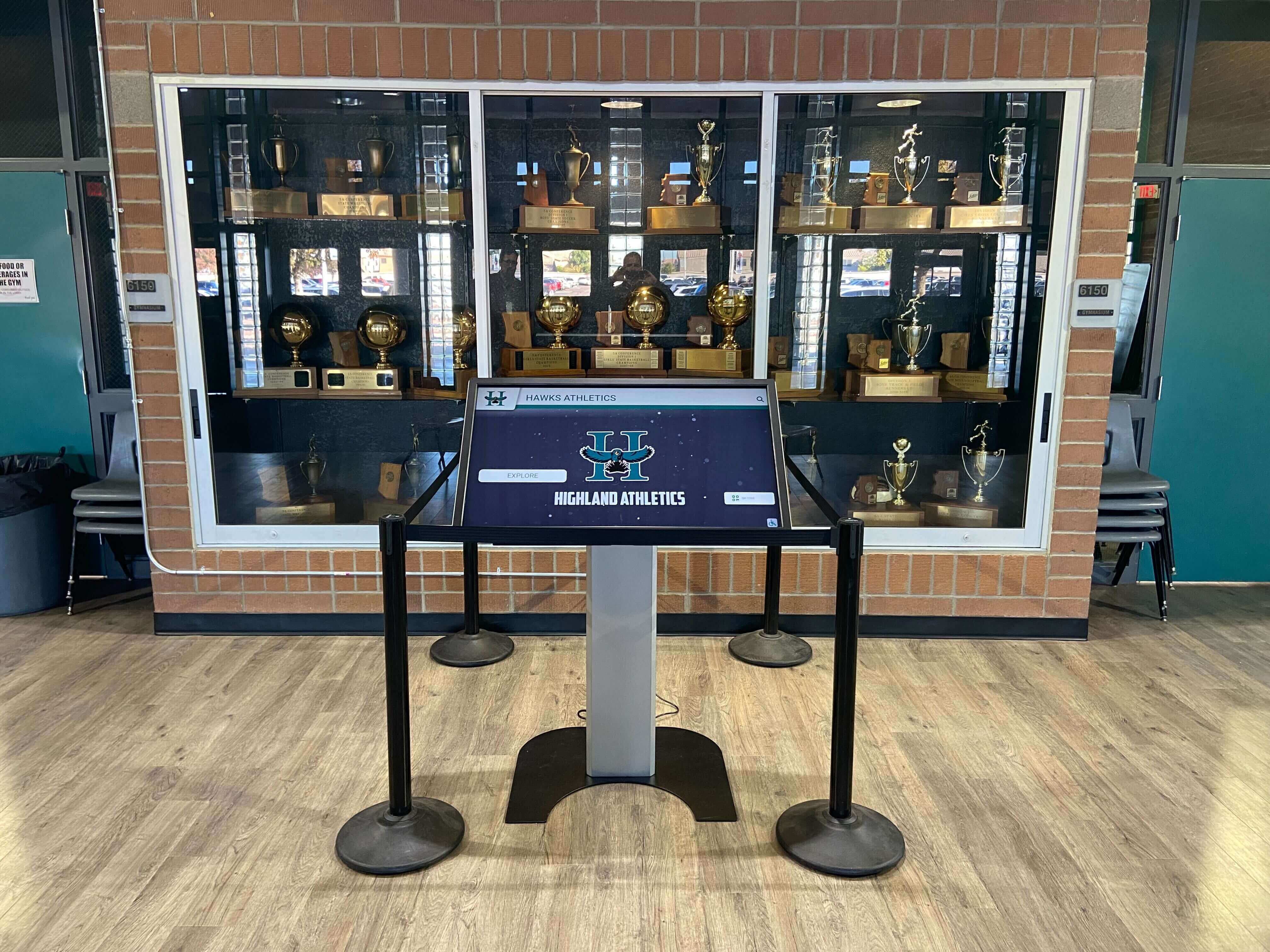
Blending digital displays with traditional trophy cases creates comprehensive recognition showcasing diverse achievements
Award Ceremony Planning:
Quarterly Recognition Events:
- Academic honor roll ceremonies each marking period
- Athletic team banquet planning approaches
- Character and service recognition assemblies
- Family invitation and participation
Annual Excellence Celebrations:
- Comprehensive year-end recognition for accumulated achievements
- Special acknowledgment for graduating seniors
- Department-specific award presentations
- Community and family engagement opportunities
All-School Recognition Assemblies:
- Whole-school gatherings celebrating achievements across categories
- Peer recognition and celebration
- School culture reinforcement
- Balance between ceremony formality and engaging presentation
Digital Recognition Display Systems
Modern technology enables recognition visibility extending far beyond ceremony announcements and printed certificates.
Interactive Digital Recognition Displays:
Solutions like Rocket Alumni Solutions transform student recognition through:
Unlimited Recognition Capacity
- Single displays showcase unlimited students across all award categories
- No space constraints forcing difficult selection decisions
- Complete historical archives preserving institutional recognition history
- Scalable systems growing with expanding programs
Rich Multimedia Profiles
- Professional student photography creating visual connection
- Detailed achievement narratives providing context and inspiration
- Award categories, dates, and specific accomplishments documented
- Multiple achievements by same students shown comprehensively
Engaging Interactive Features
- Intuitive search functionality enabling students to find themselves and peers
- Filtering by award type, year, achievement category, and criteria
- QR code integration enabling mobile access and social sharing
- Analytics showing engagement and popular content
Simple Cloud-Based Management
- Remote updates from any internet-connected device
- Bulk import capabilities for efficient data entry
- Template systems ensuring consistent formatting
- Scheduled publishing for predictable update timing
- Multi-user permissions enabling appropriate staff access
Schools report 80-90% reduction in time spent maintaining recognition programs after implementing modern digital systems compared to traditional bulletin boards and static displays.
Strategic Display Placement:
Maximize visibility through:
- Main entrance and lobby locations where all visitors pass
- Cafeteria approaches ensuring daily student exposure
- Main hallway high-traffic areas
- Athletic facility entrances balancing academic and athletic prominence
- Library and media center locations reinforcing achievement culture
Web-Based Recognition Extensions:
Physical displays should complement web-accessible recognition:
- School website recognition sections searchable by current and prospective families
- Mobile-responsive design ensuring accessibility across devices
- Social media integration extending recognition reach
- Family notification systems when students receive awards
- Alumni access enabling graduates to view institutional recognition history
Measuring Award Program Effectiveness
Regular assessment ensures recognition programs achieve intended goals while remaining equitable and meaningful.
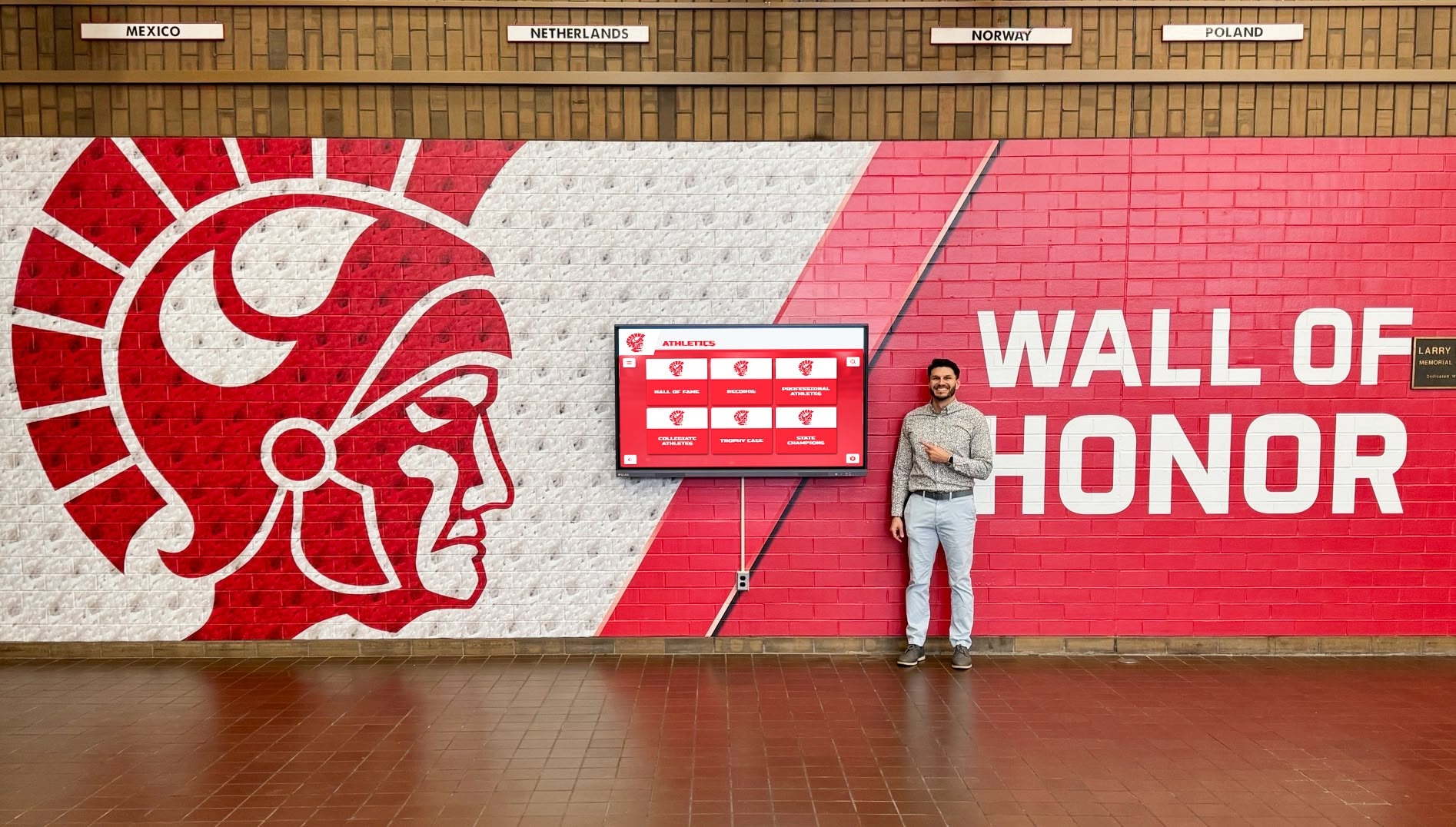
Prominent recognition displays communicate institutional values while preserving achievement history
Quantitative Assessment Metrics
Participation and Distribution Analysis:
- Percentage of students receiving recognition across all categories
- Recognition distribution across grade levels, demographics, and student populations
- Multiple recognition rates showing students achieving diverse awards
- Year-over-year participation trends
Achievement Correlation Studies:
- Academic performance trends among recognized versus non-recognized students
- College acceptance and scholarship rates for award recipients
- Retention and graduation rate correlations
- Long-term outcome tracking for recognized students
Engagement Metrics:
- Digital display interaction rates and session duration
- Website recognition page traffic and search behavior
- Award ceremony attendance rates
- Family satisfaction with recognition communication
Qualitative Assessment Approaches
Stakeholder Feedback:
- Student surveys about recognition awareness, fairness, and motivational impact
- Family perception of program comprehensiveness and effectiveness
- Staff assessment of program manageability and educational value
- Alumni perspective on how recognition influenced their experience
Cultural Indicators:
- Observed changes in achievement orientation and school culture
- Student motivation and goal-setting related to recognition opportunities
- Peer attitudes toward achievement and recognition
- External stakeholder perception of school culture
Regular assessment enables continuous improvement ensuring award programs remain relevant, equitable, and impactful rather than continuing unchanged approaches losing effectiveness over time.
Best Practices for Student Award Programs
Schools with most effective recognition systems implement these proven practices consistently.
Transparent Communication
Award Criteria Clarity:
- Published criteria for all recognition programs
- Clear eligibility requirements communicated early
- Timeline transparency for nominations and selections
- Appeals or questions processes defined
Proactive Information Sharing:
- Beginning-of-year recognition overview for students and families
- Regular reminders about upcoming award deadlines
- Information sessions about national award opportunities
- Guidance for nomination material development
Comprehensive Category Coverage
Ensure recognition opportunities exist across:
- All academic subjects and achievement types
- Multiple athletic sports and achievement levels
- Leadership in diverse contexts and organizations
- Service recognizing various commitment levels
- Character acknowledging different positive qualities
- Specialized talents beyond traditional categories
Balanced Absolute and Growth Recognition
Absolute Achievement Awards: Honor exceptional performance meeting high standards regardless of starting points—honor roll, competition championships, record-breaking performances.
Growth and Improvement Awards: Celebrate significant progress from individual baselines—most improved GPA, skill development milestones, attendance improvements, attitude transformations.
This balance ensures recognition opportunities exist for students starting at all levels while maintaining meaningful standards for pinnacle achievements.
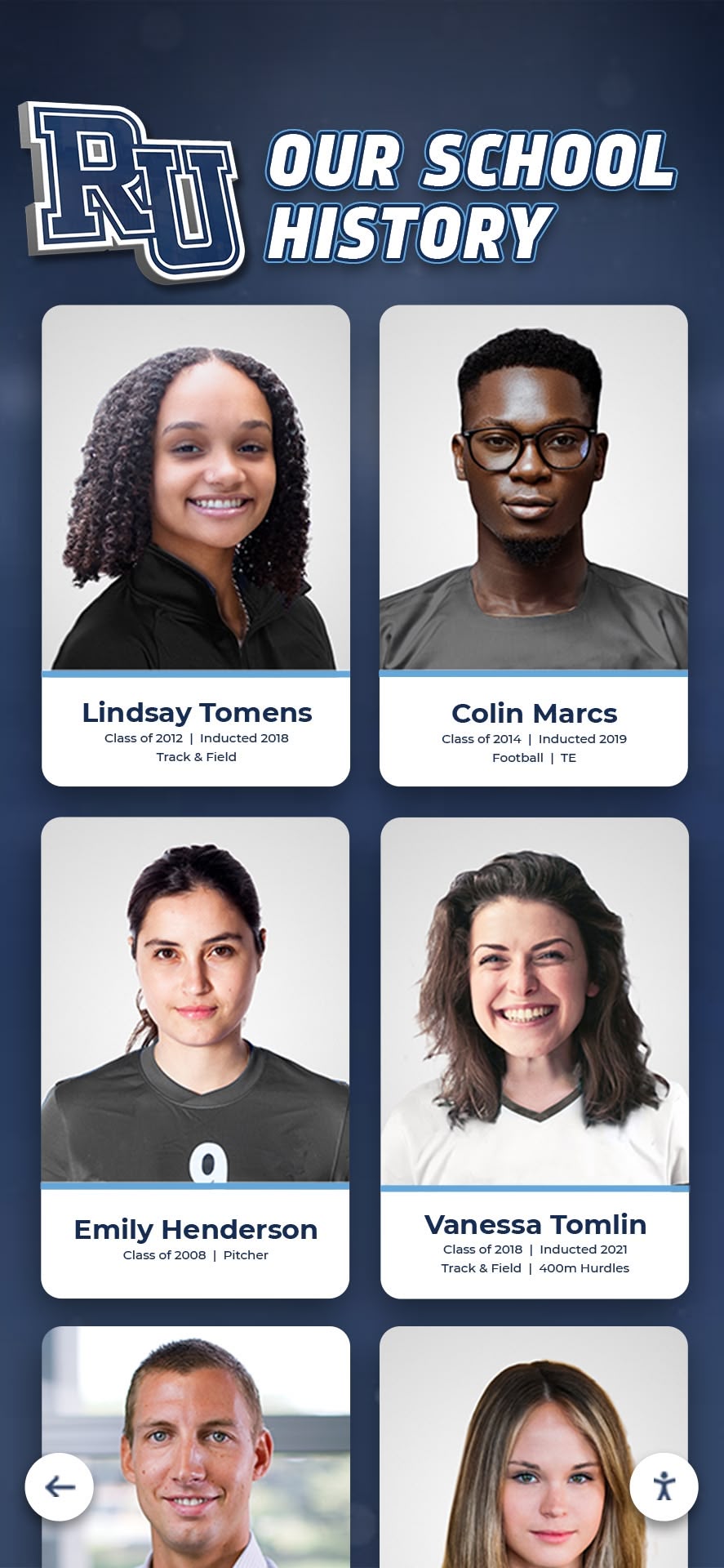
Digital systems document complete recognition journeys showing achievements accumulated throughout academic careers
Regular Recognition Rhythm
Multiple Recognition Timeframes:
- Daily acknowledgments through announcements and casual recognition
- Weekly highlights of recent achievements
- Monthly or quarterly formal recognition for grading period achievements
- Semester celebrations for sustained excellence
- Annual comprehensive recognition and senior legacy acknowledgment
Frequent recognition maintains visibility and motivation more effectively than infrequent major events.
Professional Recognition Presentation
Quality Standards:
- Professional-quality certificates and awards worthy of framing
- High-quality photography for digital and print recognition
- Consistent design standards across recognition categories
- Meaningful presentation context explaining achievement significance
- Appropriate ceremony formality demonstrating institutional respect
Recognition presentation quality signals how much schools value acknowledged achievements.
Overcoming Common Implementation Challenges
Understanding predictable obstacles helps schools implement successful recognition programs while avoiding preventable difficulties.
Challenge: Limited Recognition Capacity
Traditional displays force difficult decisions about whose achievements receive visibility.
Solution: Modern Digital Platforms
Digital recognition systems eliminate capacity constraints through unlimited display capability, comprehensive historical archives, equal representation across all categories, and no need to remove past honorees for current recognition.
Challenge: Inconsistent Updates
Even excellent displays lose effectiveness when content becomes outdated, yet staff time limitations make consistent updates challenging.
Solution: Simplified Management Systems
Select platforms minimizing update complexity through bulk import capabilities, content templates, scheduled publishing automation, remote management eliminating physical access requirements, and integration with student information systems.
Challenge: Maintaining Equity
Recognition programs should inspire all students, yet improperly designed systems may repeatedly acknowledge the same high achievers while others never receive recognition.
Solution: Equity-Focused Design
Create diverse achievement categories ensuring opportunities at various performance levels, regularly analyze recognition distribution by demographics, emphasize first-time achievements, and balance absolute performance with improvement recognition.
Challenge: Administrative Burden
Traditional recognition approaches consume excessive staff time through manual creation, printing, installation, and updates.
Solution: Efficient Technology
Modern platforms provide intuitive interfaces requiring minimal training, bulk data import from spreadsheets, automated scheduling for predictable updates, and remote access enabling updates from anywhere. Schools report 80-90% time reduction after implementing digital recognition systems.
Conclusion: Building Comprehensive Recognition Culture
Effective student awards programs represent strategic investments in motivation, achievement, and positive school culture. When schools systematically celebrate accomplishments across academic, athletic, leadership, character, and specialized achievement dimensions—from local recognition to prestigious national honors—they create environments where excellence becomes aspirational and attainable for diverse student populations.
The strategies explored in this guide provide comprehensive frameworks for building recognition systems honoring diverse achievements while remaining equitable, sustainable, and aligned with educational missions. From digital recognition displays eliminating space constraints to balanced award structures ensuring opportunities at all levels, schools have proven approaches for transforming student acknowledgment from occasional gestures to systematic celebration woven throughout institutional culture.
Transform Your Student Recognition Program
Discover how modern digital recognition solutions help you celebrate every student achievement across academics, athletics, leadership, and character while building thriving culture where all students find opportunities for success.
Explore Recognition SolutionsBuilding comprehensive recognition programs requires moving beyond limiting assumptions about who deserves acknowledgment and how recognition should appear. Modern platforms like Rocket Alumni Solutions make unlimited recognition achievable across all student populations and achievement categories, while systematic approaches ensure consistent implementation reaching every deserving student.
Start by auditing current award programs identifying gaps and improvement opportunities, then systematically expand to create comprehensive approaches your students deserve. Every student receiving meaningful recognition for genuine accomplishments develops stronger connection to school community and greater motivation to continue growing across academic, athletic, leadership, and character dimensions.
Your students’ achievements—whether earning first honor roll recognition, reaching national acclaim, demonstrating leadership, or showing daily character excellence—deserve celebration reflecting their significance. With thoughtful planning, appropriate technology, and consistent implementation, schools create recognition systems that honor every worthy achievement while building positive, motivating culture where all students thrive.































