One of the most powerful yet underutilized resources at educational institutions exists within alumni networks—professionals who once walked the same hallways, faced similar challenges, and successfully navigated career paths that current students aspire to follow. Yet connecting these willing mentors with students who need guidance remains frustratingly difficult at many schools. Traditional mentorship programs struggle with limited visibility, manual matching processes, and geographic barriers that prevent meaningful connections from forming.
Student mentorship alumni discovery boards represent a transformative solution to this challenge, leveraging interactive digital technology to create accessible, searchable platforms where students can discover, explore, and connect with alumni mentors whose experiences, industries, and career paths align with their aspirations. These innovative systems bridge the gap between student needs and alumni willingness to help, creating pathways for professional development, career exploration, and lifelong institutional connections.
The transition from student to professional life represents one of the most significant challenges young adults face. Students navigating this journey need more than coursework and career services appointments—they need authentic insights from people who have successfully made similar transitions. They need answers to questions that textbooks don’t address: What does a typical day look like in this profession? How did you land your first job? What skills matter most? How do you balance work and life? What do you wish you had known earlier?
Alumni represent ideal sources for these insights, combining real-world experience with authentic understanding of the institution’s culture and educational approach. Research consistently demonstrates that students with access to mentorship achieve better career outcomes, higher confidence levels, stronger professional networks, and clearer career direction compared to peers navigating independently. Creating engaging hallway displays that showcase these alumni connections helps reinforce the value of mentorship programs across campus.
Yet despite this proven value and alumni willingness to help, most institutions struggle to facilitate these connections effectively. Directory spreadsheets sit unused, email introductions go unreturned, and potential mentorship relationships fail to materialize because students don’t know which alumni to contact and alumni don’t understand how to engage meaningfully.
This comprehensive guide explores how interactive alumni discovery boards solve these challenges by creating intuitive, accessible platforms that empower students to discover relevant mentors, understand alumni expertise and experiences, and initiate connections that develop into meaningful mentorship relationships supporting both immediate career questions and long-term professional development.
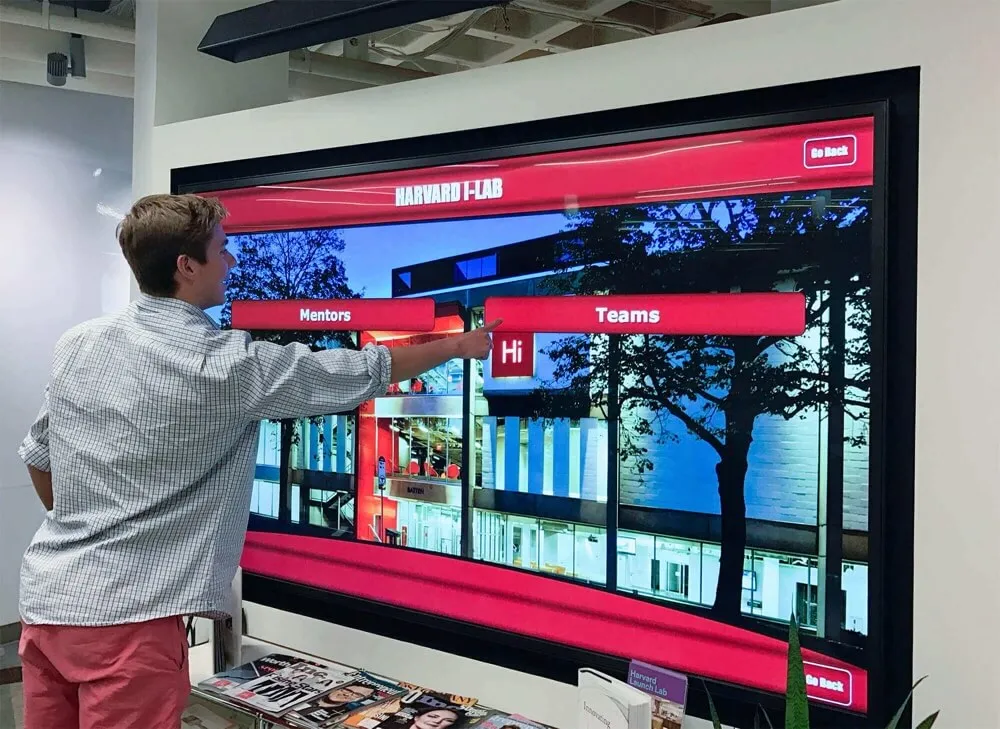
Interactive touchscreen displays enable students to easily explore alumni mentor profiles and discover connections based on career interests and professional fields
The Evolution of Student-Alumni Mentorship: From Limited Access to Universal Discovery
Traditional approaches to connecting students with alumni mentors have evolved significantly, yet many institutions still rely on outdated methods that limit participation and effectiveness.
Traditional Mentorship Program Limitations
Conventional mentorship initiatives typically face several persistent challenges:
Manual Matching Processes: Career services staff attempting to match students with appropriate alumni mentors manually creates unsustainable administrative burden. With hundreds or thousands of students seeking guidance and limited staff resources, only small percentages of interested students receive mentor connections. This scarcity model means mentorship becomes a privilege for select students rather than a resource available to all.
Limited Alumni Visibility: When alumni profiles exist only in administrative databases or restricted portals, students cannot independently discover potential mentors whose backgrounds and careers might inspire them. This lack of visibility means students don’t know what mentorship opportunities exist, leading to low program participation even when willing mentors are available.
Geographic Constraints: Traditional mentorship models often emphasize in-person meetings, automatically excluding geographically dispersed alumni who could provide valuable guidance through virtual connections. This geographic limitation unnecessarily restricts mentorship networks to local alumni populations while overlooking professionals across the country and internationally.
Unclear Value Propositions: Students uncertain about mentorship benefits or unsure how to approach alumni professionals often avoid programs altogether. Without clear understanding of what mentorship relationships provide and how to initiate them appropriately, potential participants remain disengaged despite genuine interest in career guidance.
Static Information: Printed directories or basic website listings quickly become outdated as alumni change employers, relocate, or develop new expertise. Students accessing stale information encounter frustration when contact details fail or alumni profiles don’t reflect current professional realities.
One-Dimensional Profiles: Basic biographical listings—name, graduation year, employer—provide insufficient information for students to assess whether particular alumni offer relevant guidance for their specific questions and career interests. This lack of context makes mentor selection feel arbitrary rather than strategic.
The Digital Transformation of Alumni Discovery
Modern interactive platforms fundamentally reimagine how students discover and connect with alumni mentors by addressing traditional program limitations through technology-enabled solutions.
Self-Service Exploration: Rather than waiting for staff to make matches, students independently browse comprehensive alumni databases, exploring profiles based on industries, job titles, geographic locations, academic backgrounds, or specific skills and expertise areas. This self-directed discovery empowers students to identify multiple potential mentors whose experiences align with their unique interests and questions.
Rich Multimedia Profiles: Interactive recognition displays showcase alumni through comprehensive profiles incorporating professional photography, career journey narratives, video introductions, current role descriptions, and personal advice for students. This depth helps students understand alumni backgrounds, personalities, and mentorship approaches before initiating contact, leading to better mentor-mentee matches.
Always-Accessible Platforms: Digital discovery boards installed in high-traffic campus locations—student centers, career services offices, libraries, residence halls—ensure students encounter alumni profiles during daily routines rather than requiring them to seek out obscure websites or navigate complex portals. Physical touchscreen accessibility combined with mobile-optimized web platforms creates multiple engagement pathways accommodating diverse student preferences.
Dynamic Search and Filtering: Sophisticated search capabilities enable students to quickly identify alumni working in specific industries, living in particular cities, possessing certain skills, or willing to provide specific types of guidance. These filtering tools transform overwhelming alumni databases into manageable sets of highly relevant potential mentors.
Connection Facilitation Tools: Integrated messaging systems, contact request workflows, and introduction templates reduce friction in initial outreach. Rather than students struggling to compose cold emails to strangers, platforms provide structured connection mechanisms that feel less intimidating while giving alumni clear context about student interests and questions.
Regular Content Updates: Cloud-based management systems enable alumni to update their own profiles as careers evolve, ensuring students access current, accurate information. Automated reminders prompt alumni to refresh their availability status, expertise areas, and mentorship preferences periodically, maintaining data relevancy.
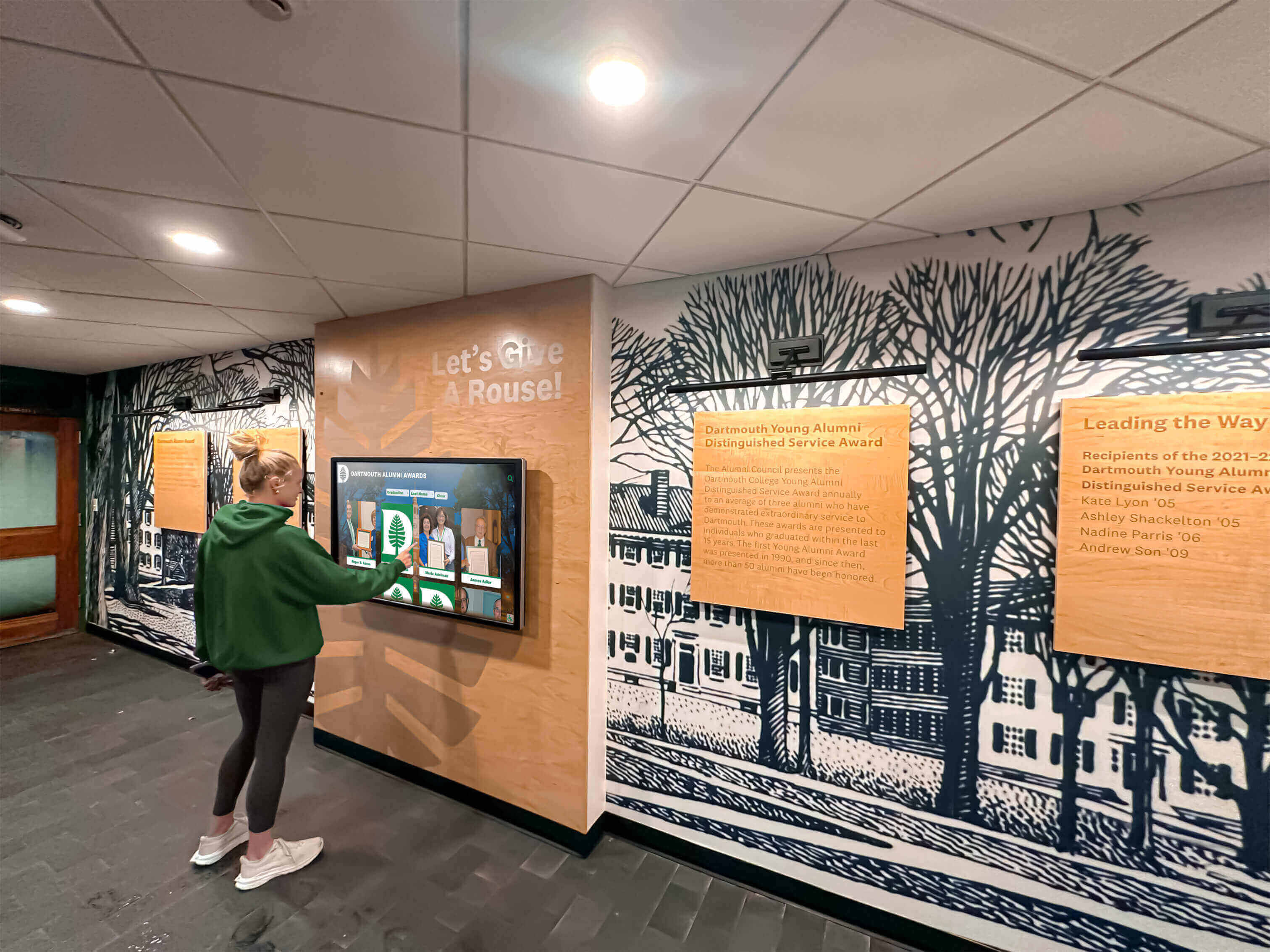
Students independently explore alumni profiles at their convenience, discovering mentors whose careers align with their aspirations
Core Components of Effective Alumni Discovery Boards
Successful mentorship discovery platforms integrate several essential elements that collectively create engaging, useful experiences for both students and alumni.
Comprehensive Alumni Profile Information
The foundation of any discovery platform lies in the depth and quality of alumni profile content. Effective profiles go far beyond basic contact listings to provide rich context that helps students understand whether particular alumni can address their specific needs.
Professional Journey Narratives: Rather than simple job title listings, compelling profiles describe career trajectories—how alumni progressed from graduation through current positions, including unexpected turns, career changes, challenges overcome, and pivotal decisions that shaped their paths. These narratives help students understand that careers rarely follow straight lines while providing realistic expectations about professional development.
Current Role Details: Clear descriptions of what alumni actually do in their current positions—daily responsibilities, projects they lead, problems they solve, people they work with—demystify job titles that students might not fully understand. A “Product Manager” might sound intriguing, but detailed descriptions of managing product roadmaps, coordinating with engineering teams, and analyzing user data make the role tangible.
Industry and Company Context: Information about the industries, company sizes, and organizational cultures where alumni work helps students assess whether those environments might suit their preferences and personalities. Students interested in startups benefit from different mentors than those drawn to corporate environments or nonprofit organizations.
Mentorship Offerings and Availability: Clear statements about what guidance alumni can provide—resume reviews, informational interviews, career path discussions, technical skill advice, graduate school guidance—set appropriate expectations. Indicating availability frequency (monthly video calls, quarterly coffee meetings, email responses within a week) prevents mismatched expectations.
Contact and Connection Preferences: Specifying preferred contact methods (email, LinkedIn, platform messaging) and optimal outreach approaches (formal requests with specific questions versus casual introductions) reduces student anxiety about initiating contact while respecting alumni communication preferences.
Personal Insights and Advice: Including favorite memories from their time as students, advice they wish they’d received earlier, or what they value about their alma mater creates personal connections that transform distant professionals into relatable mentors who once faced similar uncertainties.
Skills and Expertise Tags: Searchable attributes indicating specific skills (data analysis, public speaking, grant writing, coding languages), knowledge areas (healthcare policy, digital marketing, mechanical engineering), or experiences (international work, career changes, entrepreneurship) enable targeted discovery based on student interests.
Intuitive Search and Discovery Features
Powerful search capabilities transform large alumni databases from overwhelming directories into curated sets of highly relevant potential mentors.
Multi-Criteria Filtering: Students should be able to combine multiple search parameters—industry AND location AND graduation decade AND mentorship topic—to narrow results effectively. A student interested in environmental law careers in the Pacific Northwest can quickly identify relevant alumni rather than manually reviewing every lawyer or every West Coast professional.
Visual Profile Browsing: Beyond search results lists, visual interfaces displaying profile photos, current employers, and headline summaries enable quick scanning that helps students identify intriguing profiles worth exploring in depth. Visual browsing accommodates the discovery process where students might not know exactly whom they’re seeking until something catches their interest.
Recommended Connections: Algorithm-driven recommendations based on students’ academic majors, career interests, geographic preferences, or previous profile views provide starting points for exploration while surfacing potentially relevant mentors students might not discover through manual searches alone.
Save and Compare Features: Allowing students to save interesting profiles for later review, compare multiple alumni side-by-side, or maintain shortlists of potential mentors supports thoughtful decision-making rather than forcing immediate choices during initial exploration sessions.
Related Alumni Suggestions: When students view specific profiles, presenting similar alumni working in related industries, holding comparable positions, or sharing relevant expertise encourages expanded discovery beyond initial search parameters. Students exploring one software engineer’s profile benefit from seeing others working at different company types or specializing in different technical areas.
Engagement and Connection Mechanisms
Discovery platforms must facilitate actual connections rather than just providing information. Effective systems include features that encourage and enable student-alumni interaction.
Structured Contact Requests: Rather than providing email addresses requiring students to compose messages from scratch, integrated request forms prompt students to introduce themselves, explain their interests, specify what guidance they seek, and suggest potential meeting formats. This structure reduces student anxiety while giving alumni clear context enabling productive responses.
Platform Messaging Systems: Secure messaging within the discovery platform protects alumni privacy while facilitating communication. Messages remain accessible within students’ accounts, creating organized conversation histories rather than scattered email threads across personal accounts.
Virtual Meeting Scheduling: Calendar integration enabling students to see available meeting times and schedule video calls or phone conversations directly through the platform eliminates the back-and-forth scheduling friction that often prevents connections from materializing. When alumni indicate availability and students can immediately claim time slots, meetings happen.
Connection Tracking and Reminders: Systems tracking student-alumni connections enable career services staff to monitor program participation, identify successful matches worth celebrating, and follow up with students who expressed interest but haven’t initiated contact. Gentle automated reminders prompt students to reach out to saved profiles while encouraging alumni to respond to pending requests.
Group Mentorship Options: Beyond one-on-one connections, platforms can facilitate group sessions where multiple students meet with alumni panels, participate in industry discussions, or attend virtual networking events. These lower-commitment formats appeal to time-constrained alumni while giving students exposure to diverse perspectives.
Feedback and Success Tracking: Enabling students to rate mentorship interactions, share success stories, or provide testimonials creates accountability while generating social proof that encourages additional participation. Visible evidence that mentorship relationships provide real value motivates broader program engagement.
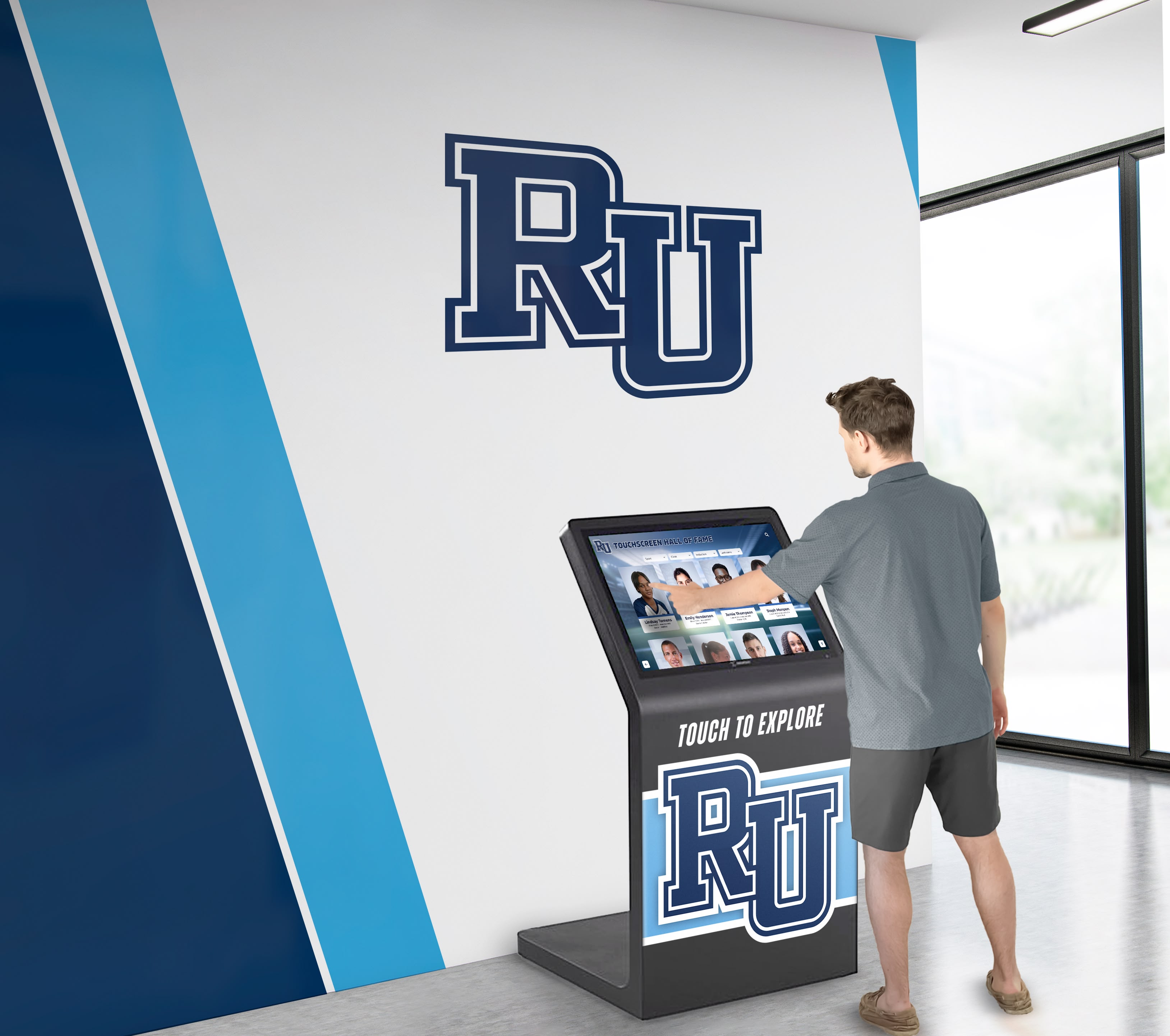
Strategically placed interactive displays in high-traffic campus locations ensure students regularly encounter alumni discovery opportunities
Implementation Strategies for Student-Facing Discovery Programs
Creating effective alumni discovery boards requires thoughtful planning across content development, platform selection, physical installation, and program promotion.
Content Development and Alumni Recruitment
The quality and comprehensiveness of alumni profiles directly determines platform value. Strategic approaches maximize participation and profile depth.
Phased Recruitment Approach: Rather than attempting to profile thousands of alumni simultaneously, successful programs begin with core groups representing diverse industries, graduation decades, and geographic regions. Initial cohorts of 50-100 well-developed profiles provide immediate student value while creating manageable content development workloads. Programs can expand systematically by adding alumni cohorts quarterly or annually.
Alumni Outreach and Education: Clear communication explaining discovery board purposes, potential student impact, and participation expectations increases alumni willingness to contribute. Emphasizing how participation enables giving back, requires minimal ongoing time commitment, and provides professional networking benefits addresses common concerns while clarifying value propositions.
Profile Creation Workflows: Providing alumni with simple forms, guiding questions, and examples streamlines profile creation. Rather than asking alumni to write extensive biographies from scratch, structured prompts about career highlights, mentorship interests, and student advice generate rich content efficiently. Optional video profile recording where alumni answer prepared questions creates engaging multimedia content while accommodating alumni who find speaking easier than writing.
Student-Generated Content: Enlisting student workers, career services interns, or communications majors to interview alumni, write profile narratives, and gather photos extends content development capacity while providing students valuable experience. These staff members often ask insightful questions that produce authentic, relatable profile content.
Continuous Refresh Cycles: Establishing annual or biannual profile update processes ensures information remains current. Automated reminders prompting alumni to review their profiles, update employment information, or confirm mentorship availability prevents database staleness that undermines student trust and engagement.
Recognition and Appreciation: Publicly acknowledging participating mentors through recognition programs, featured spotlights, or appreciation events demonstrates institutional gratitude while motivating continued engagement. Alumni who feel valued and appreciated maintain active participation more reliably than those who receive only automated communication.
Platform Selection and Technology Integration
Choosing appropriate technology platforms fundamentally impacts program usability, scalability, and long-term sustainability.
Physical Touchscreen Displays: Interactive kiosks installed in strategic campus locations provide accessible, engaging interfaces for student exploration. Commercial-grade touchscreen systems offer intuitive navigation, attractive visual presentation, and sufficient screen size for comfortable browsing. Solutions like those from Rocket Alumni Solutions combine durable hardware with purpose-built mentorship discovery software optimized for touchscreen interaction.
Web-Based Accessibility: Companion websites extending discovery board access to any internet-connected device ensure students can explore alumni profiles from dorm rooms, during classes, or while researching from home during breaks. Mobile-optimized responsive design accommodates smartphone and tablet access, meeting students on devices they use most frequently.
Integration with Existing Systems: Platforms that connect with student information systems, alumni databases, career services platforms, and learning management systems reduce administrative burden through data synchronization while creating seamless experiences. Single sign-on integration using institutional credentials eliminates separate account creation barriers.
Content Management Simplicity: Non-technical staff must be able to add alumni profiles, update information, moderate messaging, and generate reports through intuitive administrative interfaces. Cloud-based platforms requiring no local IT infrastructure reduce technical dependencies while enabling remote administration from any location.
Analytics and Insights: Comprehensive tracking of student search patterns, profile views, connection requests, and mentorship outcomes provides data-driven insights for program refinement. Understanding which industries students explore most frequently, which alumni receive highest engagement, and what time periods see peak platform usage informs strategic decisions about recruitment priorities and promotional timing.
Scalability and Performance: Platforms must accommodate growth from initial pilot programs through comprehensive implementations featuring thousands of alumni profiles and hundreds of concurrent student users without performance degradation. Cloud-based infrastructure providing automatic scaling ensures consistent experiences regardless of usage volume.
Physical Installation and Campus Integration
Strategic placement of interactive discovery displays maximizes student exposure and utilization while creating prominent alumni recognition.
High-Traffic Location Selection: Installing displays where students naturally congregate—student union buildings, career services waiting areas, academic building lobbies, library entrances, dining hall adjacent corridors—ensures regular exposure without requiring students to seek out obscure locations. High visibility communicates program importance while facilitating casual browsing during transitions between classes or activities. Similar to how institutions showcase outstanding students through honor walls, mentorship boards benefit from strategic placement in high-visibility areas.
Career Services Partnership: Positioning discovery boards near or within career services offices creates natural connections between self-directed alumni exploration and professional staff advising. Career counselors can reference displays during appointments, suggesting students explore specific alumni profiles relevant to discussed interests or questions.
Academic Department Installations: Discipline-specific installations featuring alumni from particular fields—engineering building displays highlighting engineering alumni, business school boards showcasing business professionals, arts facilities presenting creative career paths—provide targeted inspiration while demonstrating how education translates into diverse professional opportunities within fields. These specialized displays complement broader digital hall of fame initiatives by providing focused, discipline-specific mentorship connections.
Accessibility Considerations: Ensuring displays meet ADA compliance standards through appropriate mounting heights, adequate clearance space, and accessible touch targets accommodates diverse student abilities. Audio capabilities, screen reader compatibility, and adjustable text sizes create inclusive experiences supporting all students regardless of physical limitations.
Visual Integration with Campus Aesthetics: Custom housing, branding elements, and design choices that complement surrounding architecture and institutional visual identity create polished, permanent installations communicating long-term commitment rather than temporary experiments. Professional appearances enhance credibility while demonstrating investment in student success.
Multi-Display Networks: Institutions with multiple campus locations or extensive facilities benefit from distributed displays networked to share content. Students can explore the same comprehensive alumni database regardless of which campus building they occupy, while centralized content management enables efficient administration across multiple hardware installations.
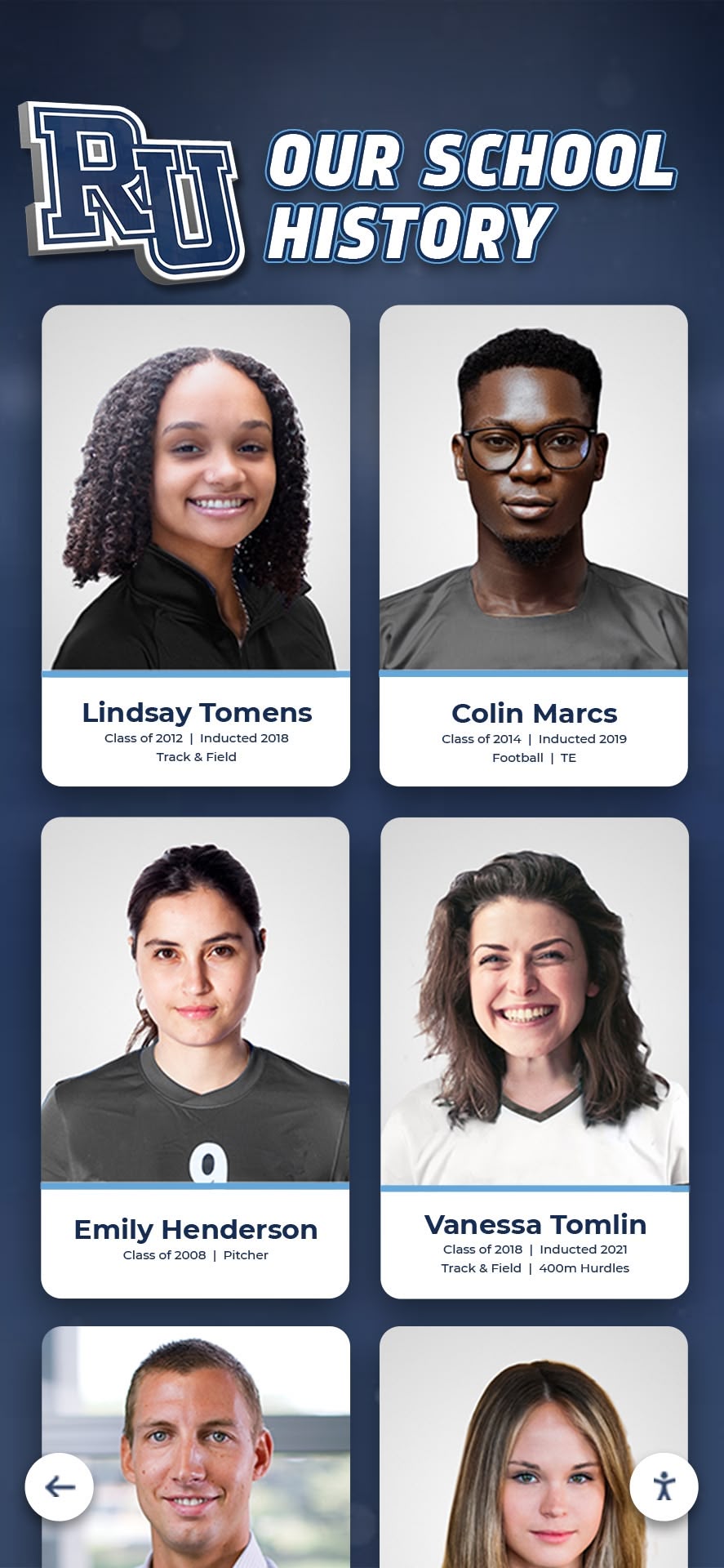
Comprehensive alumni profile databases showcase diverse career paths and professional achievements that inspire student exploration
Program Models: Matching Student Needs with Alumni Resources
Effective mentorship discovery platforms support various interaction models accommodating different student needs and alumni availability levels.
Informational Interview Programs
Perhaps the most accessible mentorship format involves brief conversations where students learn about specific careers, industries, or roles through alumni experiences.
Low-Commitment Format: Twenty to thirty-minute video calls or phone conversations provide valuable career insights without requiring ongoing relationship maintenance. This format appeals to busy alumni willing to share experiences occasionally but unable to commit to extended mentorship relationships.
Specific Question Focus: Students approach informational interviews with prepared questions about daily work life, industry trends, necessary skills, educational requirements, or career entry strategies. This focused format ensures productive conversations while respecting alumni time constraints.
Discovery Board Integration: Alumni profiles indicating willingness to conduct informational interviews enable students to identify appropriate contacts independently. Search filters highlighting alumni available for this format streamline discovery while setting clear expectation that these represent one-time conversations rather than ongoing mentorship.
Multiple Perspective Gathering: Encouraging students to conduct informational interviews with several alumni working in target industries or roles provides diverse perspectives rather than single viewpoints. Discovery boards facilitating easy identification of multiple relevant alumni support comprehensive exploration.
Ongoing Mentorship Relationships
More intensive programs pair students with alumni mentors for sustained guidance throughout academic years or professional transitions.
Structured Matching Process: While discovery boards enable self-directed exploration, ongoing mentorship programs often benefit from career services facilitation matching students with compatible mentors based on detailed interest surveys, personality assessments, and availability alignment. Discovery boards complement formal matching by enabling students to review potential matches before committing.
Clear Relationship Frameworks: Successful ongoing mentorships operate within defined structures specifying meeting frequency (monthly video calls, quarterly in-person meetings), relationship duration (single semester, academic year, indefinite), and expected interaction types (career advice, resume reviews, networking introductions, skill development).
Mutual Commitment Expectations: Both students and alumni commit to relationship responsibilities—students preparing questions and following through on advice, alumni responding promptly and providing thoughtful guidance. Written agreements clarifying these expectations prevent mismatched commitment levels that undermine relationships.
Program Support and Resources: Providing conversation starter guides, mentorship best practice resources, and relationship troubleshooting assistance through career services staff ensures participants navigate challenges successfully rather than abandoning relationships when difficulties arise.
Industry-Specific Advisory Networks
Some programs organize alumni into industry or career-focused cohorts providing collective guidance to student groups sharing interests.
Panel Discussions and Forums: Multiple alumni from specific industries participating in panel discussions, Q&A sessions, or virtual forums give students exposure to diverse perspectives within fields. Discovery boards promoting upcoming sessions while featuring participating alumni profiles build engagement and attendance. These programs can be enhanced through classroom project recognition initiatives that showcase student-alumni collaborative work.
Specialty Focus Groups: Creating sub-networks around specific interests—sustainability careers, healthcare professions, technology entrepreneurship, creative industries—enables targeted programming addressing shared student questions while efficiently leveraging alumni expertise across multiple students simultaneously.
Career Trek Programs: Organized visits to alumni workplaces in major metropolitan areas combine professional site tours with panel discussions and networking receptions. Discovery boards featuring participating alumni and promoting upcoming treks build awareness while enabling interested students to research participants before attending.
Virtual Industry Nights: Online events featuring alumni panels, breakout networking sessions, and career exploration resources accommodate geographic diversity while reducing logistical barriers. Recording sessions extends value beyond live participants through on-demand viewing accessible via discovery platforms.
Peer-to-Peer Young Alumni Connections
Recent graduates often provide particularly relatable guidance to current students navigating similar transitions.
Recency Advantage: Alumni within five years of graduation remember student experiences vividly, face fresh career challenges students will soon encounter, and relate easily to current campus culture and academic programs. This proximity creates authentic connections and highly relevant advice. Programs supporting young alumni connections complement broader alumni gathering area designs that facilitate intergenerational networking.
Entry-Level Expertise: Young alumni provide credible guidance about job search strategies, early career decisions, graduate school application processes, and professional skill development—precisely the topics occupying current student concerns. More senior alumni offering strategic career advice sometimes overlook entry-level details that matter most to students.
Digital Native Fluency: Younger alumni comfortable with virtual communication, social media networking, and digital collaboration tools model professional skill sets students need while utilizing communication preferences that feel natural to current students.
Discovery Board Graduation Cohort Filters: Search capabilities enabling students to filter alumni by graduation decade or year facilitate easy identification of recent graduates available for peer mentorship. Highlighting young alumni as featured mentors signals program inclusivity welcoming professionals at all career stages.
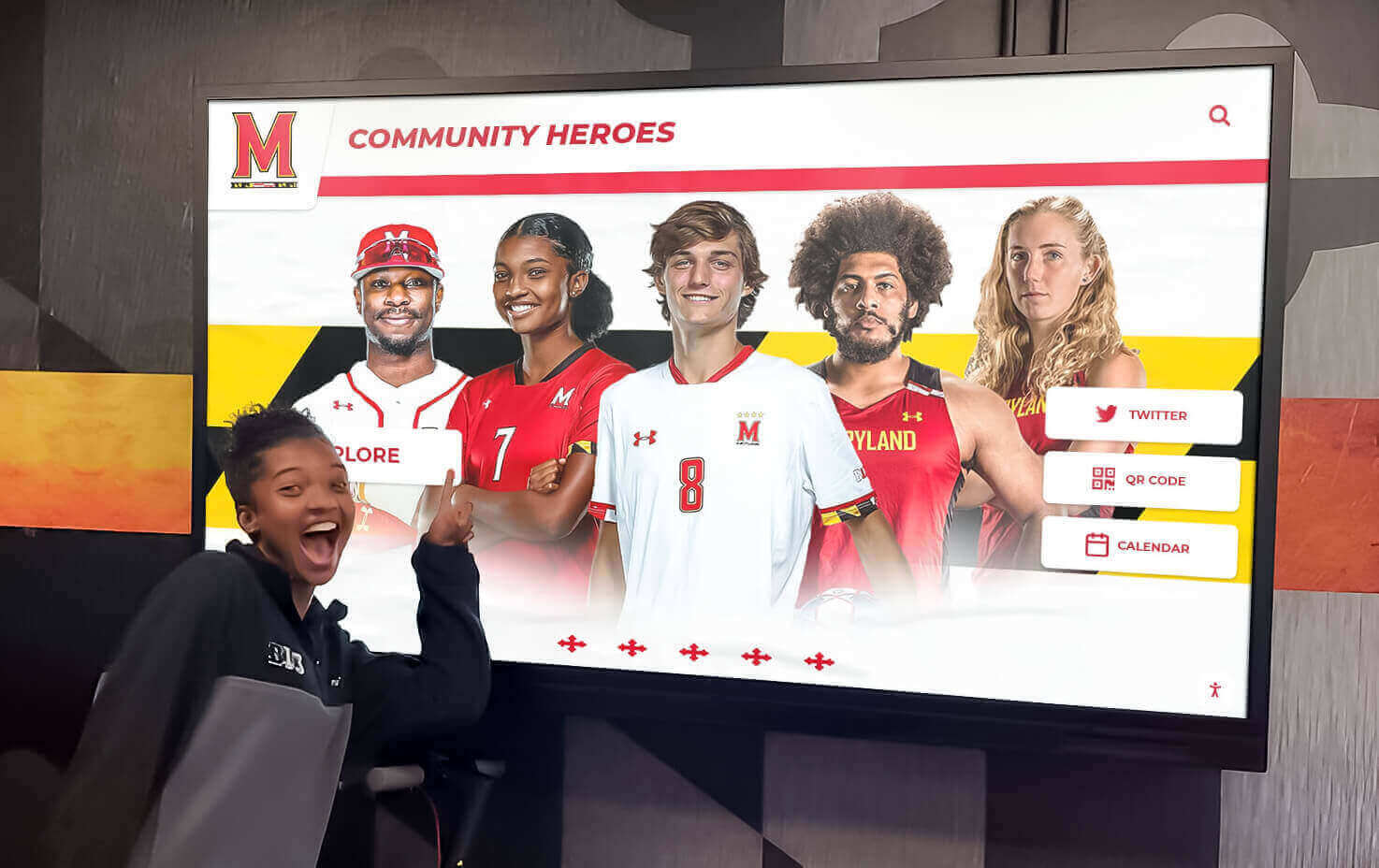
Interactive displays inspire students by showcasing relatable success stories and diverse career pathways pursued by recent alumni
Measuring Success: Metrics and Outcomes for Mentorship Discovery Programs
Demonstrating program value requires tracking quantifiable metrics alongside qualitative feedback revealing impact on student career development and alumni engagement.
Student Participation Metrics
Platform Usage Statistics: Monitoring unique student users, session frequency, average exploration duration, profiles viewed per session, and return visitor rates reveals engagement breadth and depth. High usage indicates students find platforms valuable while low numbers suggest visibility or usability improvements needed.
Connection Initiation Rates: Tracking how many students move from passive browsing to active mentor outreach demonstrates platform effectiveness converting interest into action. Low connection rates despite high browsing might indicate intimidation about initiating contact, suggesting need for simplified outreach mechanisms or additional guidance.
Demographic Participation Patterns: Analyzing which student populations utilize discovery platforms reveals equity considerations. Disproportionately low usage among specific demographic groups might indicate cultural barriers, awareness gaps, or accessibility issues requiring targeted interventions ensuring all students benefit equally.
Career Stage Distribution: Understanding whether first-year students, upperclassmen, graduate students, or recent alumni access platforms most frequently informs promotional strategies and content development priorities. Programs primarily serving seniors might benefit from earlier student engagement initiatives, while those attracting primarily freshmen might need career-focused content appealing to students nearer graduation.
Search Pattern Analysis: Examining what industries, locations, expertise areas, or graduation cohorts students search most frequently reveals career interest trends informing alumni recruitment priorities. If students frequently search for technology industry mentors but available alumni profiles skew toward education and healthcare, recruitment efforts should emphasize technology professionals.
Alumni Engagement Indicators
Profile Completion Rates: Tracking what percentage of invited alumni complete comprehensive profiles versus minimal listings indicates program appeal and process efficiency. Low completion might suggest overly burdensome submission processes, unclear value propositions, or insufficient alumni motivation requiring outreach strategy adjustments.
Response and Connection Rates: Monitoring how consistently alumni respond to student contact requests and what percentage of outreach generates successful connections reveals program health. Poor response rates might indicate alumni receiving inadequate notification, unclear expectations about engagement requirements, or contact from students whose requests lack sufficient context.
Ongoing Participation Sustainability: Assessing whether alumni remain active mentors across multiple semesters and years versus quickly becoming inactive indicates whether programs successfully maintain engagement beyond initial enthusiasm. High attrition suggests need for improved recognition, appreciation, or ongoing communication keeping mentors engaged long-term.
Satisfaction and Renewal: Surveying participating alumni about mentorship experiences, asking whether they would continue participation, and measuring actual renewal rates when programs require annual recommitment provides direct feedback about alumni perception of program value and effectiveness.
Career Outcomes and Impact Evidence
Student Career Development Indicators: Tracking whether students engaging with mentorship programs demonstrate improved career outcomes—higher job placement rates, faster employment acquisition, increased graduate school acceptances, stronger professional network development—compared to non-participating peers demonstrates tangible program impact justifying investment. These outcomes complement other academic recognition programs that celebrate student achievement.
Self-Reported Value Assessment: Surveying students about how mentorship relationships influenced career decisions, increased confidence, clarified career directions, or provided valuable guidance reveals perceived impact from student perspectives. Collecting specific examples and testimonials illustrating concrete ways mentorship helped builds compelling qualitative evidence.
Alumni Relationship Strengthening: Measuring whether alumni mentors increase broader institutional engagement—attending more events, making financial contributions, volunteering for additional programs—demonstrates that mentorship programs benefit institutions by deepening alumni connections beyond mentoring itself.
Employer Partnership Development: Tracking whether mentorship programs facilitate recruiting relationships with alumni employers, expand internship pipelines, or create job placement opportunities illustrates extended value beyond individual student-alumni pairs to institutional employer partnership development.
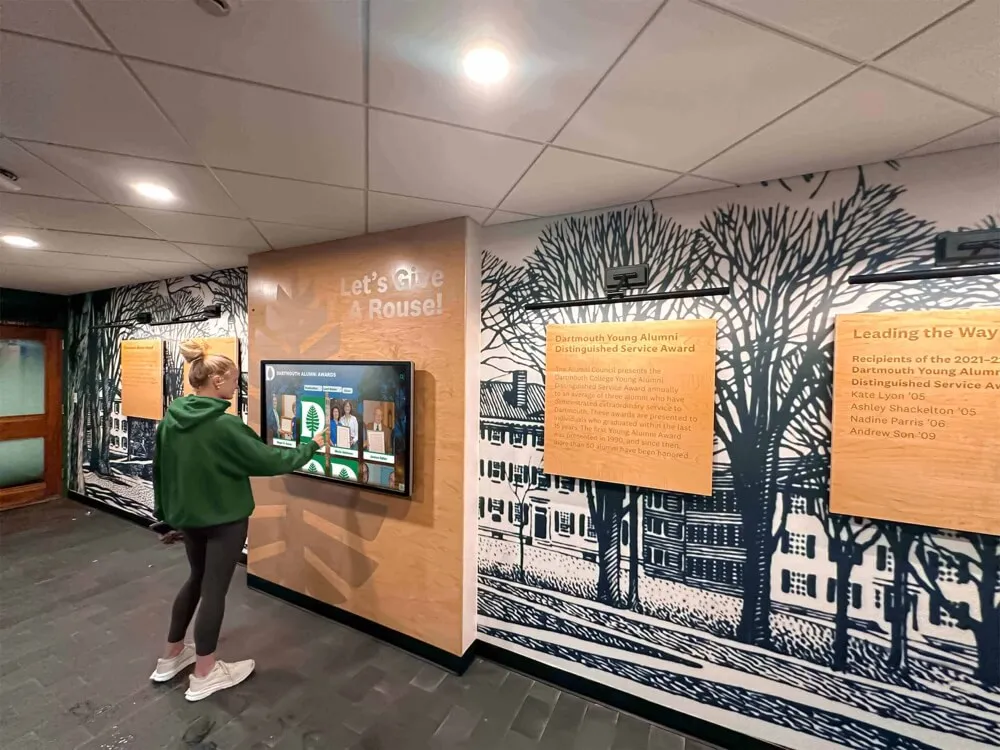
Comprehensive tracking systems demonstrate program impact while identifying opportunities for continuous improvement and expansion
Best Practices for Sustainable Mentorship Discovery Programs
Long-term program success requires strategic approaches ensuring ongoing relevance, participation, and institutional support.
Continuous Content Development and Refresh
Regular Alumni Addition Cycles: Establishing predictable schedules for adding new alumni cohorts—perhaps 25-50 new profiles quarterly—maintains fresh content while creating sustainable workload distribution. Consistent additions demonstrate active program growth while providing students with expanding discovery options.
Profile Update Campaigns: Annual outreach prompting existing alumni to review and update profiles, refresh career information, and confirm mentorship availability prevents database deterioration. Framing updates as opportunities to share recent accomplishments or career changes emphasizes positive aspects rather than administrative burdens. This approach mirrors how institutions maintain alumni recognition programs to keep content current and engaging.
Graduated Student Conversion: Systematically inviting recent graduates to join mentorship networks as young alumni creates natural program growth while maintaining strong young professional representation. Graduating seniors transitioning from program beneficiaries to potential mentors understand program value firsthand, often becoming enthusiastic participants.
Strategic Gap Filling: Analyzing student search patterns and connection requests reveals which industries, geographic regions, or expertise areas students seek but find limited representation. Targeted recruitment addressing these gaps ensures discovery boards comprehensively serve student interests rather than skewing toward easily accessible alumni populations.
Integration with Career Development Curriculum
Career Counseling Incorporation: Training career services staff to reference discovery boards during advising appointments, suggest specific alumni relevant to discussed student interests, and assign alumni exploration as homework between sessions integrates platforms into core career development services rather than treating them as supplementary resources.
Academic Course Integration: Partnering with faculty to incorporate alumni informational interviews into career-focused courses, capstone projects, or internship preparation programs embeds mentorship discovery into required academic experiences reaching all students rather than only self-motivated career services office visitors.
First-Year Orientation Introduction: Prominently featuring mentorship discovery boards during new student orientation, freshman seminars, and welcome week activities ensures all incoming students learn about resources early when they’re establishing institutional connection patterns and discovering campus resources. These early interventions align with broader strategies for developing college history timelines that connect students with institutional legacy.
Pre-Professional Program Requirements: Making alumni connections required components of pre-professional programs—nursing, education, business, engineering—leverages existing program structures to drive consistent platform usage while demonstrating institutional commitment to career preparation.
Alumni Recognition and Appreciation
Public Acknowledgment: Featuring participating mentors through digital recognition displays, website spotlights, social media appreciation posts, and institutional communications demonstrates gratitude while inspiring additional alumni to volunteer when they see peers receiving recognition for their contributions.
Impact Communication: Regularly sharing program success metrics, student testimonials, and mentorship outcome stories with participating alumni illustrates concrete impact their involvement creates. Seeing evidence that their guidance meaningfully affected student lives provides intrinsic satisfaction motivating continued participation.
Exclusive Mentor Benefits: Offering participating mentors perks such as professional development resources, networking event invitations, campus facility access, or lifetime career services provides tangible value exchange demonstrating institutional investment in mutually beneficial relationships rather than one-sided volunteer extraction.
Annual Mentor Celebration Events: Hosting appreciation receptions, mentor recognition ceremonies, or thank-you dinners creates community among participating alumni while providing institutions opportunities to personally express gratitude and celebrate collective impact.
Technology Evolution and Enhancement
Regular Platform Updates: Continuously improving discovery board software through user interface enhancements, new feature additions based on student feedback, and performance optimizations maintains modern user experience meeting evolving expectations. Stagnant platforms feel dated while regular improvements demonstrate ongoing investment.
Mobile-First Development: Prioritizing mobile experience optimization acknowledges that most students primarily access digital resources through smartphones. Mobile-optimized platforms ensure excellent experiences regardless of device while accommodating how students actually behave rather than how institutions wish they would.
AI-Enhanced Matching: Incorporating artificial intelligence to provide personalized alumni recommendations based on student academic programs, stated career interests, previous profile views, and successful connection patterns creates increasingly relevant suggestions over time while reducing search friction.
Video Integration Expansion: Adding video introduction capabilities where alumni record brief personal messages, describe their careers, or offer student advice creates more engaging, personal profile experiences than text and photos alone. Video content helps students assess mentor personalities and communication styles before initiating contact.
Conclusion: Transforming Alumni Networks into Accessible Career Development Resources
Student mentorship alumni discovery boards represent far more than digital directories—they embody fundamental reimagining of how educational institutions leverage alumni networks to support student success. By removing traditional barriers preventing student-alumni connections and creating intuitive platforms where career guidance becomes accessible to all students rather than privileged few, these systems democratize mentorship while activating alumni desire to give back.
The most successful implementations share common characteristics: comprehensive alumni profiles providing genuine career insights beyond basic biographical facts, intuitive technology interfaces that students instinctively understand and enjoy using, strategic campus placements ensuring regular student exposure, clear connection mechanisms removing intimidation from initial outreach, and sustained institutional commitment through ongoing content development and program promotion.
Technology platforms like those from Rocket Alumni Solutions enable these capabilities by combining sophisticated database functionality with engaging user experiences accessible through physical touchscreen installations and mobile-optimized web platforms. Yet technology alone never suffices—successful programs require thoughtful content development, active alumni recruitment, deliberate career services integration, and continuous program refinement based on usage patterns and participant feedback.
For students navigating uncertain career decisions and professional transitions, access to authentic alumni guidance can profoundly impact confidence, direction, and ultimately career success. Alumni who once received guidance naturally want to provide similar support to next generations, yet busy professional lives and uncertain engagement pathways often prevent these willing mentors from connecting with students who need their expertise.
Interactive discovery boards solve this problem by creating always-accessible platforms where students independently discover relevant mentors whose experiences address their specific questions and interests, while alumni contribute expertise on their own schedules through flexible engagement models accommodating varying availability and commitment levels.
Educational institutions investing in comprehensive mentorship discovery systems benefit through enhanced student career outcomes strengthening institutional reputation, deepened alumni engagement creating sustainable relationship patterns supporting broader advancement objectives, and demonstrated commitment to student success that resonates with prospective students, families, and supporters.
The gap between alumni willingness to mentor and student access to guidance need not persist. With strategic implementation of interactive discovery technology, thoughtful program design, and sustained institutional commitment, every student can benefit from alumni wisdom, every willing mentor can meaningfully contribute, and educational communities can realize the full potential of their alumni networks as powerful resources supporting student success and institutional mission.
Ready to Connect Your Students with Alumni Mentors?
Discover how Rocket Alumni Solutions can help you create an interactive alumni discovery board that connects students with career guidance through searchable profiles, multimedia content, and intuitive technology designed specifically for student mentorship programs.
Schedule Your Discovery Board Consultation






























