Planning a successful swim meet requires coordinating dozens of moving parts simultaneously—timing systems, lane assignments, official certifications, volunteer staffing, facility preparation, and competitor management. Whether you’re an aquatics director hosting your first invitational or an experienced swim coach managing a championship event, the logistical complexity of competition swimming creates challenges that can overwhelm even seasoned organizers.
Poorly planned swim meets create frustrating experiences for everyone involved. Swimmers wait hours between events due to inefficient heat scheduling. Coaches struggle to track their athletes across multiple sessions. Parents can’t find accurate results or event orders. Officials work with inadequate equipment or unclear procedures. What should be an exciting celebration of athletic achievement becomes a exhausting ordeal that discourages future participation.
This comprehensive guide provides the operational framework you need to plan, execute, and manage successful swim meets that swimmers, coaches, and families genuinely enjoy attending. From pre-meet planning timelines through post-competition evaluation, you’ll find practical strategies and proven systems that experienced meet directors use to eliminate chaos while creating positive competitive experiences.
Before You Start: Essential Pre-Planning Decisions
Successful swim meet execution begins weeks or months before the first heat, when key decisions establish foundations that determine everything that follows. Athletic directors and swim coaches should address these fundamental questions during initial planning phases.
Defining Meet Purpose and Competition Level
Different meet types require vastly different planning approaches and resource allocation:
Dual Meets: Head-to-head competitions between two teams represent the simplest format. These typically require 2-3 hours, minimal volunteer staffing beyond officials, and straightforward scoring. Most high school and club programs conduct dual meets on weekday evenings during regular seasons.
Invitational Meets: Multi-team competitions bringing together 4-12 programs for timed finals or preliminary/finals formats. These require substantial volunteer coordination, extended pool time (typically 4-8 hours), sophisticated timing systems, and comprehensive planning. Invitational meets often serve as important mid-season benchmarks or fundraising opportunities for host programs.
Championship Meets: Conference, league, regional, or state championship competitions demand the highest operational standards. These typically feature preliminary and finals sessions across multiple days, extensive volunteer staffing, professional timing systems, certified officials, comprehensive awards presentations, and significant facility preparation. Championship meets create lasting memories while determining advancement to higher competition levels.
Understanding your meet’s purpose shapes every subsequent planning decision. A developmental meet for young swimmers emphasizes participation and positive experience over competitive intensity. A championship qualifier prioritizes accuracy, fairness, and adherence to competitive standards that determine advancement opportunities.
Establishing Timeline and Key Dates
Create detailed planning timelines working backward from competition date. Most successful invitational meets require 8-12 weeks of preparation:
12 weeks before: Confirm facility reservation, establish meet format, determine entry fees and limits, identify meet director and key volunteer positions, and begin recruiting officials.
8-10 weeks before: Release meet announcement and entry information, open online registration systems, finalize volunteer role descriptions, order awards and supplies, and coordinate facility requirements with pool management.
6 weeks before: Close team entries, seed preliminary heats, publish psych sheets (entry lists), coordinate hospitality plans, confirm volunteer commitments, and finalize heat sheets.
2-4 weeks before: Conduct volunteer training sessions, test timing systems, prepare facility signage, organize official stations, coordinate food service if applicable, and communicate final details to participating teams.
Week of competition: Final facility preparation, official briefings, volunteer assignments, equipment testing, and problem resolution.
Compressed timelines create preventable problems. Rush planning forces organizers to accept whatever volunteers, officials, or equipment availability exists rather than securing optimal resources. Comprehensive athletic event planning approaches emphasize adequate preparation time as essential for successful execution.
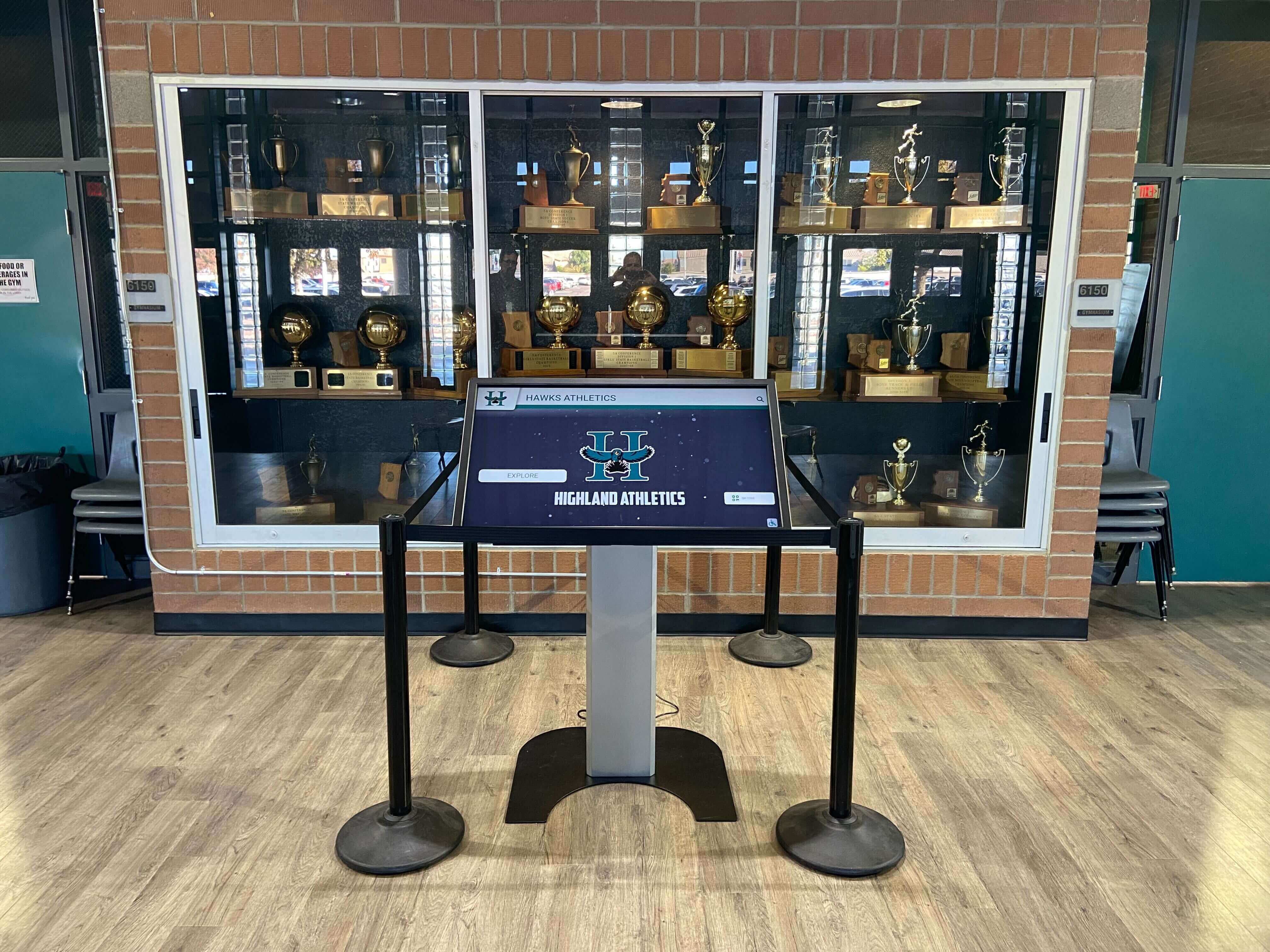
Modern aquatics facilities integrate digital recognition displays showcasing swimming program achievements and records
Budget Development and Financial Planning
Swim meet budgeting requires accounting for numerous expense categories while projecting realistic revenue:
Facility costs: Pool rental fees vary dramatically based on facility type and rental duration. Municipal pools may charge $100-300 per hour. School facilities hosting home meets typically waive rental but may charge for additional staff, utilities, or extended hours. Private club facilities can command premium rates of $500+ per hour for quality competitive venues.
Timing system expenses: Professional electronic timing systems rental typically costs $500-1,500 depending on system sophistication and meet duration. Some programs invest in timing system purchases ($10,000-25,000) when hosting frequent competitions justifies ownership versus rental expenses.
Official compensation: Certified swim officials typically receive $75-150 per session depending on position, certification level, and meet importance. Championship meets require more officials (8-12) than dual meets (3-4), substantially impacting official budgets.
Awards and recognition: Medals, ribbons, and trophies for top finishers typically cost $3-8 per award. A 200-swimmer invitational awarding top 8 finishers in each event might spend $600-1,200 on awards depending on quality and recognition depth.
Supplies and hospitality: Programs, heat sheets, official supplies, volunteer meals, and hospitality for visiting teams add $300-800 depending on meet size.
Revenue sources balance expenses through entry fees (typically $5-15 per individual event or $50-150 per swimmer for unlimited entries), team entry fees for dual meets ($100-300 per team), concession sales when facilities permit food service, program advertising from local business sponsors, and general donations from booster organizations or parent groups supporting aquatics programs.
Calculate break-even entry numbers ensuring you can cover fixed costs even if participation falls short of projections. Experienced meet directors recommend conservative attendance estimates during initial planning, expanding capacity if early registrations exceed expectations rather than planning optimistically and facing budget shortfalls.
Facility Preparation and Equipment Logistics
The physical environment where competition occurs fundamentally impacts swimmer experience and operational efficiency. Comprehensive facility preparation eliminates problems before they disrupt competition flow.
Pool Configuration and Competition Setup
Most competitive swimming occurs in standard 25-yard short course or 50-meter long course configurations, though some programs utilize 25-meter pools. Verify your facility’s official measured distance—this determines legal records and qualifying times validity.
Lane assignments: Championship and invitational meets typically require 6-8 competitive lanes plus 1-2 warm-up/cool-down lanes if facility design permits. Competitive lanes need lane lines in good condition (no missing or damaged floats), properly tensioned to prevent excessive wave action that disadvantages swimmers in outside lanes.
Starting blocks: Certified competition starting blocks must be securely anchored with non-slip surfaces. Some facilities use older blocks lacking FINA-approved designs; verify that equipment meets governing body standards if meet results determine championship qualification. Backstroke start wedges, increasingly standard for competitive swimming, should be available for all lanes.
Turn end configuration: Proper installation of backstroke turn flags at 5 yards/meters from wall, clear visibility of pace clocks if wall-mounted, and sufficient deck space for timers and officials at turn end.
Depth verification: Competitive diving starts require minimum pool depths—USA Swimming mandates 4 feet minimum at 6 feet from wall extending to turn end for racing starts from blocks. Facilities not meeting depth requirements must conduct water starts for safety, significantly impacting competition pacing.
Timing Systems and Technology Setup
Electronic timing systems represent the most critical equipment investment for competitive meets. While manual timing with stopwatches suffices for developmental competitions, any meet producing qualifying times should utilize electronic timing backed up by manual timing.
Primary timing: Touchpad systems at lane turn ends connected to central timing console provide most accurate results. These pads detect swimmer touch, calculating official times to hundredths-of-a-second precision. Proper touchpad installation requires specific electrical connectivity and calibration procedures—conduct system testing several hours before competition begins, not minutes before first heat.
Backup timing: USA Swimming and most governing bodies require manual backup timing even with electronic systems. Each lane needs 2-3 button timers or stopwatch operators recording times independently. If electronic systems fail, manual times determine official results following prescribed averaging procedures.
Scoreboard displays: Large-format scoreboards visible to swimmers, coaches, and spectators display current heat information, lane assignments, and results. Modern systems integrate with timing consoles for automatic updates, though manual backup procedures should exist for technology failures.
Meet management software: Programs like Meet Manager, Hy-Tek, or similar platforms generate heat sheets, process entries, calculate team scores, and produce results. Designate specific volunteers with software expertise, ensuring critical competition data doesn’t become inaccessible if the primary operator faces emergencies.
Test all technology thoroughly before competition begins. Murphy’s Law applies universally to swim meet technology—whatever can malfunction typically does so at the most inconvenient moment. Having tested backup systems prevents complete meet disruption when primary equipment fails.
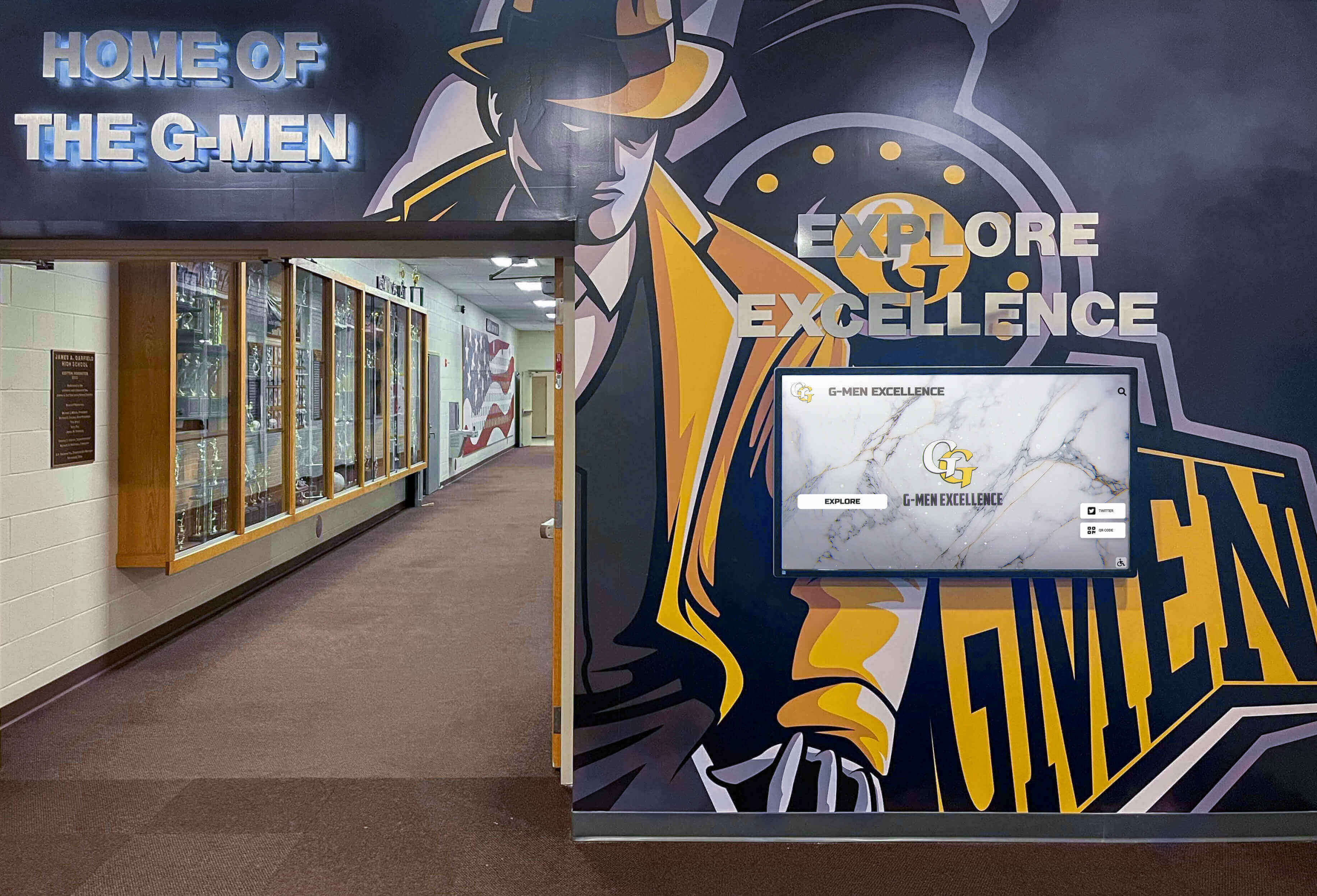
Successful aquatics programs prominently display swimming achievements, records, and championship recognition
Venue Layout and Traffic Flow
Efficient facility layout minimizes congestion while ensuring swimmers, coaches, and officials can navigate spaces without confusion:
Team areas: Designate specific deck areas or adjacent spaces for each team, clearly marked with team names or numbers. Teams need sufficient space for equipment bags, warmup gear, and athletes between events without creating hazardous congestion. Calculate approximately 20-30 square feet per athlete when planning team area allocation.
Warm-up/cool-down space: Dedicated warm-up lanes or separate warm-up pool space prevents competition lane interference while allowing athletes to prepare adequately. If your facility lacks separate warm-up areas, schedule dedicated warm-up periods before sessions with clear protocols preventing interference with competition lanes.
Official stations: Timing table location requires clear sightlines to all lanes, sufficient space for timing equipment and officials, protection from weather if outdoor facility, and acoustic isolation from excessive spectator noise interfering with communication.
Spectator seating: Permanent bleachers or temporary seating should provide clear pool viewing angles without obstructing official sightlines or creating safety hazards. Estimate 1.5-2 spectators per swimmer for typical meets; championship competitions may draw larger audiences requiring expanded seating or standing room.
Concessions and restrooms: Clearly mark locations with signage, ensuring adequate capacity for anticipated attendance. Long restroom lines create swimmer stress; inadequate facilities should prompt consideration of temporary restroom trailers for large meets.
Emergency access: Maintain clear pathways for emergency medical access to all pool areas. Emergency equipment (backboards, AED, first aid supplies) should be readily accessible with designated personnel trained in emergency response protocols.
Volunteer Coordination and Staffing Strategy
Even relatively small swim meets require 20-40 volunteers filling diverse roles with varying skill requirements. Comprehensive volunteer recruitment, training, and management prevents operational failures caused by insufficient or unprepared staff.
Essential Volunteer Positions
Successful meet operations depend on filling key positions with capable, trained volunteers:
Meet Director: Overall responsibility for competition execution, problem resolution, and final decision-making authority. This role requires swimming competition knowledge, strong organizational skills, and ability to make quick decisions under pressure. Meet directors should arrive hours before competition begins and remain until facility secures after competition concludes.
Clerk of Course: Manages swimmer check-in, assembles heats behind starting blocks, ensures proper lane assignments, and coordinates heat flow with starter and officials. This position requires attention to detail and swimmer-friendly demeanor since clerk interactions significantly impact young athlete anxiety.
Announcer: Provides clear, timely information about current and upcoming events, heat numbers, special instructions, and recognition of notable performances. Quality announcers balance professionalism with enthusiasm, keeping competition moving while entertaining spectators during inevitable delays.
Timing judges: Each lane requires 2-3 timing volunteers when using manual backup systems or facilities lacking electronic timing. Training timing judges on proper stopwatch operation, false start protocols, and result recording prevents timing controversies.
Hospitality coordinators: Manage concessions, coordinate official and volunteer meals, and ensure comfortable environments for extended volunteer shifts. Quality hospitality reduces volunteer attrition during long competition days.
Computer operators: Handle meet management software, process heat assignments, input timing data, generate results, and manage scoreboard displays. These roles require technology comfort and swimming scoring knowledge.
Marshals: Direct traffic flow, enforce deck safety rules, manage spectator boundaries, and provide general assistance. Marshals particularly important at large meets where crowd management prevents access issues.
Many programs implement volunteer requirements where participating families must provide specified volunteer hours or pay alternative fees. This approach ensures adequate staffing while distributing workload across program families rather than overburdening the same committed volunteers repeatedly.
Volunteer Training and Preparation
Even experienced volunteers benefit from meet-specific training addressing your facility’s unique characteristics and competition format. Schedule volunteer training sessions 1-2 weeks before competition covering position-specific responsibilities, facility layout and key locations, emergency procedures and communication protocols, timing system operation for timing judges, software demonstrations for computer operators, and meet schedule overview helping volunteers anticipate workflow.
Consider creating position-specific instruction sheets volunteers can reference during competition without seeking supervision for every question. These reference materials reduce meet director interruptions while ensuring consistent procedures across volunteer shifts.
Record training sessions or create video tutorials for volunteers unable to attend in-person training. Remote training options particularly help parents who enthusiastically volunteer but face scheduling constraints preventing attendance at all preparation activities. Programs recognizing academic and athletic achievement equally often find that volunteer coordination skills transfer effectively between different recognition and event contexts.

Digital recognition displays allow swim programs to showcase state qualifiers, record holders, and all-time greats permanently
Competition Day Operations and Workflow Management
The most thorough planning proves worthless without disciplined execution during actual competition. Experienced meet directors implement structured workflows preventing chaos while maintaining flexibility for inevitable unexpected situations.
Pre-Competition Preparation Checklist
Arrive at facilities several hours before scheduled warm-ups begin, working through systematic preparation ensuring everything functions properly before swimmers arrive:
Timing system verification (3-4 hours before): Test all touchpads, verify button timer functionality, confirm scoreboard display accuracy, test backup systems, and ensure computer systems communicate properly with timing equipment. Document any equipment issues immediately, determining whether problems can be resolved before competition or require operational workarounds.
Facility inspection (2-3 hours before): Verify water chemistry meets safe competitive standards, confirm adequate water temperature (ideally 77-82°F for competitive swimming), check lane line tension and condition, test starting block stability and backstroke wedges, verify turn end flag placement, ensure adequate lighting, and confirm all safety equipment accessibility.
Volunteer briefing (90 minutes before): Conduct final walkthrough with key volunteers, confirming position assignments, reviewing emergency procedures, addressing any last-minute questions, and ensuring everyone understands their roles. This final briefing opportunity catches potential miscommunications before they impact operations.
Coach meeting (60 minutes before): Assemble head coaches from all participating teams, reviewing meet rules and procedures, clarifying any format questions, establishing official protest procedures, setting expectations for team conduct and deck behavior, and providing any last-minute operational updates. Coach meetings establish cooperative tone while ensuring everyone understands expectations.
Facility opening and warm-ups (45-60 minutes before): Open facilities to teams following predetermined schedule. Structured warm-up periods with clear lane assignments prevent chaos—consider implementing staggered team warm-ups for large meets where simultaneous team access creates dangerous congestion.
Heat and Event Management
Efficient heat progression represents the difference between meets that conclude on schedule versus competitions that run hours late, exhausting everyone involved:
Maintain target pace: Most competitive meets target 1.5-2.5 minute intervals between heats depending on event distance and facility changeover requirements. Longer events (200+ yards) naturally require additional time; shorter sprints can maintain faster pace. Calculate total meet duration by multiplying number of heats by target interval plus additional time for event transitions, warm-ups, and breaks.
Proactive heat calling: Clerk of Course should assemble heats 3-4 heats ahead of current competition, ensuring swimmers are ready behind blocks when previous heat completes. Delays finding missing swimmers create cascading timeline problems—establish clear missed heat policies rather than stopping competition to locate athletes.
Efficient event transitions: Moving between events requires clearing previous event swimmers, announcing next event, allowing brief preparation time, and beginning new competition. Streamline transitions by having next event’s first heat assembled behind blocks before prior event concludes when feasible.
Managing delays and problems: Despite thorough planning, equipment malfunctions, medical situations, or other issues inevitably cause delays. Communicate proactively with coaches and families about any significant timeline changes. Most frustration stems from uncertainty, not delay itself—clear communication maintains goodwill even when problems disrupt schedules.
Awards Presentations and Recognition
Quality awards presentations celebrate athletic achievement while maintaining meet momentum. Championship meets often conduct finals with immediate awards presentations; invitational meets may award top finishers after each event or present awards in batches during breaks.
Consider implementing tiered recognition approaches honoring different achievement levels:
Event winners: Medals or ribbons for top 3, 6, or 8 finishers depending on meet prestige and budget. Championship meets typically recognize top 8 across all events; developmental meets might honor top 3 to manage costs.
Age group champions: Overall high point awards for swimmers earning most points in their age groups across all individual events create season-long motivation beyond individual event success.
Team awards: Team championship trophies or plaques for overall team scoring recognizes collective program success, fostering team unity alongside individual recognition.
Special recognition: Consider highlighting qualifying times for championship meets, new facility records, or other notable achievements during announcements even if they don’t determine awards.
Many programs now complement traditional awards with permanent recognition through digital athletic displays that showcase state qualifiers, record holders, and all-time program achievements. Solutions like Rocket Alumni Solutions enable swim programs to create interactive displays where athletes, families, and visitors can explore swimming history, view record progressions, and celebrate current achievements alongside historical context. This approach ensures recognition extends beyond single competition days, creating lasting celebration of swimming excellence that inspires current athletes while honoring past achievements.
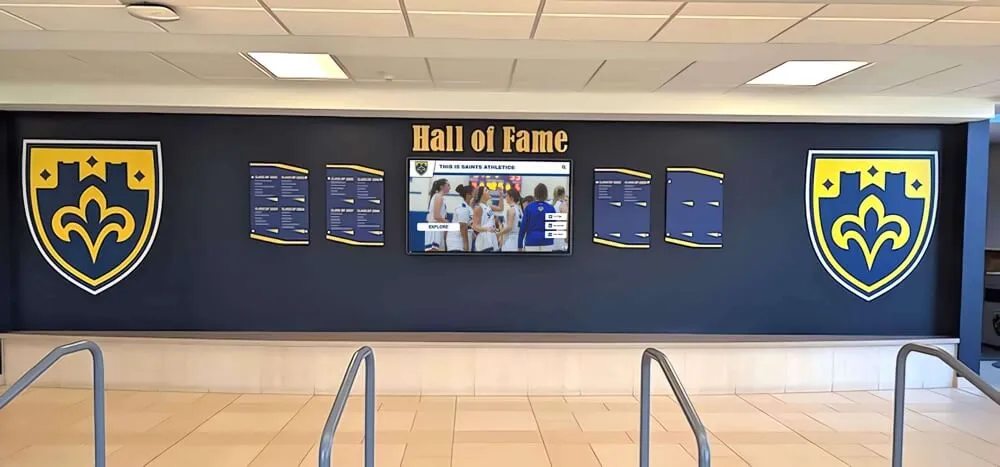
Integrated recognition displays combining traditional and digital elements create comprehensive celebration of swimming program excellence
Post-Competition Follow-Up and Evaluation
Competition conclusion doesn’t complete meet director responsibilities. Thorough post-meet activities ensure proper record-keeping, financial settlement, and continuous improvement for future competitions.
Results Processing and Distribution
Timely, accurate results distribution serves coaches analyzing performances, swimmers tracking improvement, and governing bodies recording qualifying times:
Results verification: Confirm all times were properly recorded, verify manual timing calculations if backup systems were activated, check team and individual scoring accuracy, and resolve any timing discrepancies or protests before finalizing results.
Results publication: Distribute final results to participating coaches within 24-48 hours after competition through email distribution and website posting. Many governing bodies require results submission through official channels for record-keeping and qualifying time verification.
Meet records and qualifying times: Submit new facility, meet, or program records to appropriate governing bodies following their verification procedures. Process qualifying time reports for championship competitions, ensuring swimmers receive proper credit for advancement qualifications.
Historical documentation: Archive meet results, heat sheets, and operational notes for future reference. These records prove valuable when resolving future questions about program history, facility records, or operational practices that succeeded or need improvement.
Financial Reconciliation and Reporting
Complete accounting ensures financial sustainability while meeting transparency expectations from administrators and program boosters:
Revenue accounting: Calculate actual entry fee revenue, concession sales, donation income, and any other revenue sources. Compare projections to actuals, analyzing variances that might inform future budget planning.
Expense documentation: Compile all meet expenses including facility rental, official compensation, timing system rental, awards costs, supply purchases, and hospitality expenses. Retain receipts and payment documentation for financial record-keeping.
Profit/loss analysis: Calculate net financial results, comparing to budget projections. Profitable meets can support program operations or fund facility improvements; deficit situations require analysis determining whether operational efficiencies, entry fee adjustments, or expense reductions can improve future financial results.
Stakeholder reporting: Share financial summaries with program administrators, booster organizations, or other stakeholders who provided funding or support. Transparent financial reporting builds confidence while securing future support.
Improvement Analysis and Future Planning
The most valuable post-meet activity involves critically evaluating what worked well versus what needs improvement:
Volunteer feedback: Survey volunteers about their experiences, what training would have helped, what operational challenges emerged, and whether they would volunteer for future meets. Volunteer retention depends on positive experiences—address concerns volunteers identify before they become reasons people decline future involvement.
Coach feedback: Solicit input from visiting coaches about competition flow, communication effectiveness, facility conditions, and overall meet quality. Coaches provide valuable operational perspectives since they attend numerous competitions and recognize effective versus problematic practices.
Staff debrief: Conduct meeting with meet director, key volunteer coordinators, and officials reviewing operational successes and challenges. Document specific improvements to implement for future competitions before memories fade and lessons are lost.
Timeline review: Analyze whether competition concluded on schedule versus experiencing delays. Identify specific bottlenecks that slowed progression, determining whether procedural changes, additional volunteers, or equipment upgrades could improve future efficiency.
Continuous improvement transforms adequate meet operations into exceptional competitive experiences. Programs that systematically evaluate and enhance operations after each competition gradually build reputations as premier meet hosts, attracting quality competition while building program prestige. Many successful programs apply similar improvement mindsets when developing comprehensive athletic recognition programs that celebrate achievement across all sports.
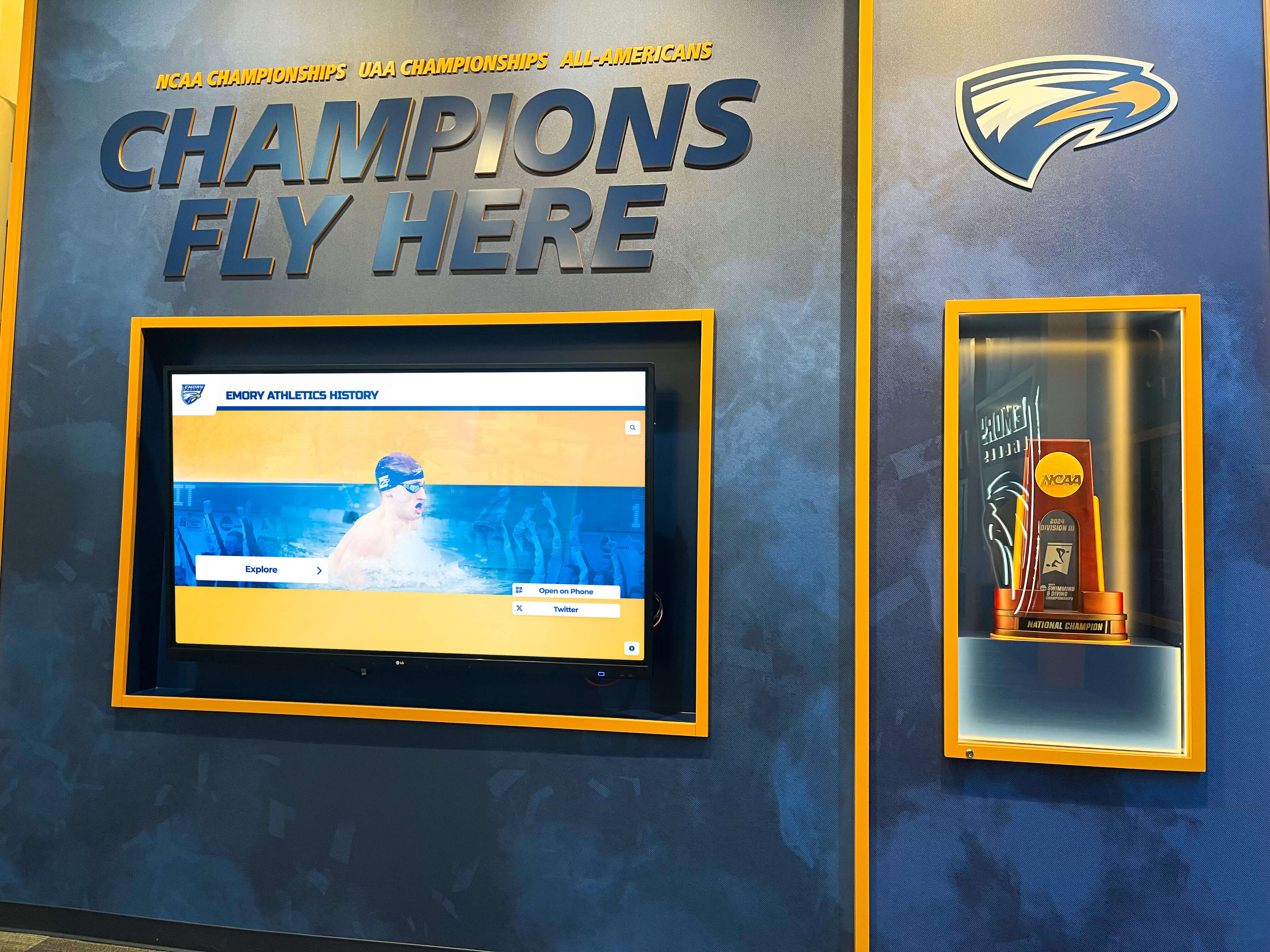
Championship swimming programs create inspiring facility environments through professional recognition displays
Advanced Topics for Championship and Large-Scale Competitions
Programs hosting conference championships, state qualifiers, or other high-stakes competitions face additional complexity beyond typical invitational meet requirements. These advanced considerations ensure championship-caliber operational standards.
Official Certification and Meet Sanctioning
Championship meets typically require USA Swimming or YMCA sanctioning plus minimum official certification levels:
Sanctioning requirements: Submit meet sanction applications 6-8 weeks before competition, including meet information, facility certifications, planned official staffing, and required fees. Sanctioned meets must follow governing body rules, insurance requirements, and reporting procedures.
Official certification levels: Championship competitions require certified officials at prescribed levels—typically including at least one Referee, one Starter, sufficient Stroke and Turn Judges for all lanes (minimum 1 per 2-3 lanes), Administrative Officials managing timing and scoring, and Chief Judges overseeing overall official operations. Verify well in advance that you can recruit sufficient certified officials meeting championship standards.
Background screening: USA Swimming and many governing bodies require background screening for all adults with direct athlete contact including officials, volunteers, and coaches. Verify screening compliance during volunteer recruitment, not days before competition when problems cannot be resolved.
Technology Integration and Live Results
Modern competitive swimming increasingly incorporates technology enhancing competitor, coach, and spectator experiences:
Live results streaming: Web-based platforms display real-time results accessible via smartphones, tablets, and computers. Services like Meet Mobile, SwimPhone, or website-integrated results systems enable remote followers to track competition progress. Many championship meets now expect live results as standard rather than optional enhancement.
Video streaming: Live video streaming through platforms like YouTube or Facebook Live extends competition access to families unable to attend in person. Quality streaming requires reliable high-bandwidth internet connectivity, competent camera operators, and streaming equipment—evaluate whether your facility infrastructure and volunteer capacity support this enhancement before committing to streaming.
Timing system integration: Advanced timing systems integrate directly with meet management software, automatically recording times, updating scoreboards, and generating results without manual data entry. This integration reduces errors while accelerating results processing. Facility investments in integrated timing infrastructure pay dividends through improved operational efficiency across all hosted competitions.
Digital heat sheets: Mobile-accessible heat sheets through apps or responsive websites reduce printing costs while providing more convenient access for coaches and families. QR codes at facility entrances can direct visitors to digital heat sheet access, particularly valuable when last-minute scratches or changes make printed materials instantly outdated.
Creating Modern Recognition Experiences
Swimming programs hosting competitive meets have unique opportunities to showcase program excellence through comprehensive recognition displays that inspire current athletes while celebrating historical achievements. Traditional approaches—photo collages, painted record boards, and static plaques—severely limit recognition capacity, requiring difficult choices about which swimmers and accomplishments receive visibility versus remaining unrecognized due to physical space constraints.
Modern digital recognition solutions like Rocket Alumni Solutions eliminate these limitations by providing unlimited recognition capacity in single displays. Touchscreen systems installed in pool facilities enable visitors to explore comprehensive swimming program history—every state qualifier, conference champion, record holder, and team achievement across decades of competition. Interactive features allow searching by athlete name, filtering by event type, browsing by year, or exploring record progressions over time.
The visual impact of seeing comprehensive recognition transforms facility environments from generic competition venues into inspiring celebrations of swimming excellence. Current athletes competing in facilities showcasing generations of program achievement understand they’re part of something larger than individual competitions. Visiting teams, officials, and families develop respect for program tradition and competitive culture that permanent, professional recognition communicates powerfully.
Beyond competition day inspiration, web-accessible versions of recognition displays extend reach to alumni networks, prospective swimmers evaluating programs, and community members supporting aquatics. Swimming program recognition becomes recruitment tool demonstrating competitive success, tradition of excellence, and commitment to honoring achievement that distinguishes premier programs from those providing only basic competition opportunities.
Content management simplicity ensures recognition stays current despite demanding coaching schedules. Cloud-based systems enable updating recognition from any device within minutes—adding new state qualifiers after championship meets, updating records when athletes achieve new marks, or showcasing current season highlights throughout competition years. Remote management eliminates technical barriers that make maintaining traditional physical recognition displays so time-consuming that updates lag years behind current achievements.
Showcase Your Swimming Program's Excellence
Transform your aquatics facility with modern recognition displays that celebrate every state qualifier, record holder, and championship achievement. Rocket Alumni Solutions provides comprehensive digital recognition specifically designed for swimming programs—combining unlimited content capacity with intuitive touchscreen interaction and remote management simplicity that busy coaches and aquatics directors need.
Whether you're recognizing decades of program history or beginning to build competition tradition, professional recognition displays inspire current athletes while honoring past excellence. Create facility environments where swimming achievement receives the permanent, prominent celebration it deserves.
Conclusion: Building Sustainable Competition Excellence
Hosting successful swim meets requires balancing numerous operational demands—facility preparation, volunteer coordination, technology management, and competition administration—while maintaining focus on core purpose: creating positive competitive experiences that celebrate athletic achievement and foster swimming excellence. The complexity overwhelms organizers attempting to address everything simultaneously without systematic planning frameworks guiding preparations.
This guide provides operational structure that experienced meet directors use to transform abstract competition ambitions into concrete execution plans. From establishing timelines and budgets through facility preparation, volunteer management, competition day operations, and post-meet evaluation, these proven practices help programs develop sustainable hosting capabilities rather than approaching each competition as crisis requiring extraordinary effort.
The most successful aquatics programs view competition hosting not as isolated events but as integrated components of comprehensive swimming cultures. Quality meet operations attract visiting teams and families who appreciate well-run competitions. Positive experiences build program reputations that ease future recruiting, volunteer coordination, and community support development. Professional athletic recognition throughout facilities communicates program values and tradition that competitive hosting reinforces through operational excellence.
Beyond operational execution, thoughtful aquatics directors recognize that competition days create opportunities to inspire current and future swimmers through visible celebration of achievement. Swimming programs that prominently showcase state qualifiers, record holders, championship teams, and individual excellence communicate clear messages about what programs value while providing role models demonstrating attainable excellence for developing athletes.
Whether your program hosts weekly dual meets or prestigious championship competitions, systematic planning, comprehensive preparation, and continuous improvement create operational frameworks supporting positive competitive experiences. Your swimmers, coaches, families, and officials deserve competitions that honor athletic excellence through professional organization and genuine celebration of achievement.
Start with foundational elements—clear planning timelines, adequate volunteer recruitment, thorough facility preparation, and disciplined execution. Build systematic processes that transform chaos into smooth operations. Evaluate critically after each competition, implementing improvements that gradually elevate operational quality. These practices, consistently applied, develop hosting excellence that distinguishes your program while creating competitive experiences that swimmers remember positively long after final results.
The combination of operational excellence and comprehensive recognition creates swimming program environments where achievement receives proper celebration, tradition inspires current athletes, and facilities communicate the pride that swimming communities feel about their programs. That cultural foundation, far more than any single competition result, determines long-term program success and sustainability.
Additional Planning Resources
Aquatics directors and swim coaches developing hosting capabilities may find value in related planning resources:
- Athletic Recognition Programs Guide - Comprehensive approaches applicable to swimming recognition
- Digital Record Boards Complete Guide - Technical specifications for recognition display implementation
- Interactive Digital Boards for Track Meets - Related competition hosting strategies for aquatics sports
- Senior Night Ideas for Athletes - Swimmer recognition approaches beyond regular competitions
- Building School Pride Through Recognition - Broader athletic culture development strategies
These resources provide complementary frameworks that swim coaches and aquatics directors can adapt to their specific program needs, facility contexts, and competitive ambitions.































