When teachers dedicate countless hours to shaping young minds, inspiring curiosity, and supporting students through challenges both academic and personal, they deserve recognition that matches the magnitude of their contribution. Yet many parents, students, and school administrators struggle to find words that adequately express gratitude for the profound impact educators have on individual lives and entire communities.
The most meaningful teacher appreciation doesn’t require expensive gifts or elaborate gestures. What resonates most deeply are authentic, specific messages that acknowledge the unique ways individual teachers have made differences in students’ educational journeys. Whether you’re a parent witnessing your child’s growth under a teacher’s guidance, a student experiencing transformative instruction, or an administrator recognizing exceptional educational practice, the right words can convey appreciation that educators treasure for years.
This comprehensive guide provides practical teacher appreciation letter ideas, templates, and strategies for crafting messages that authentically honor the educators who invest so much in student success. From understanding what makes appreciation meaningful to teachers, to specific examples for different relationships and occasions, you’ll discover approaches that help you express gratitude effectively.
Teachers shape futures through daily interactions that extend far beyond curriculum delivery. They recognize when students struggle with concepts or personal challenges, adapt instruction to meet diverse learning needs, celebrate small victories that build confidence, and invest emotional energy in hundreds of students annually. This work—often invisible to those outside education—deserves recognition that acknowledges its depth and significance.
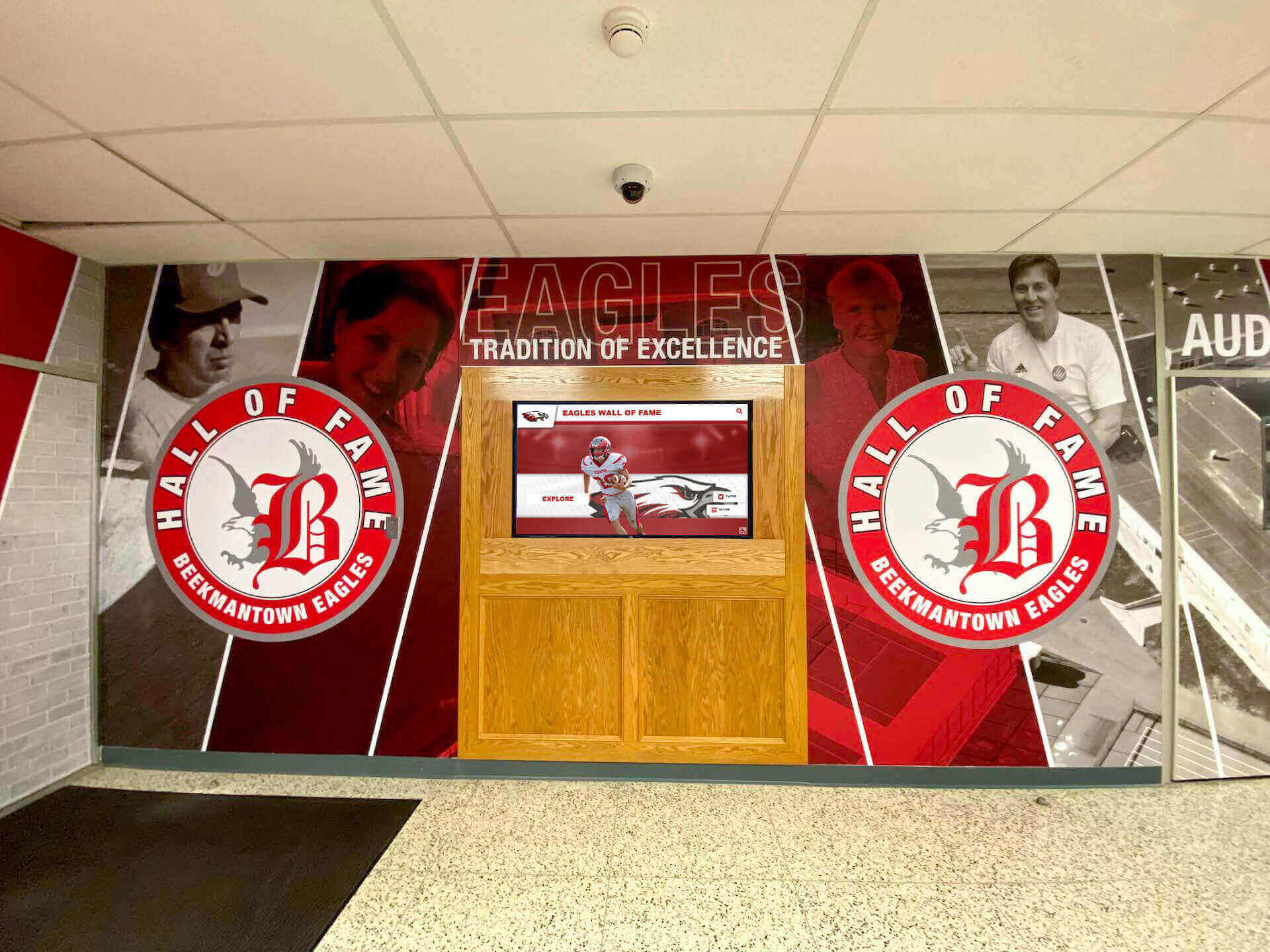
Schools honor dedicated educators through comprehensive recognition systems that celebrate their lasting impact on students and communities
Why Teacher Appreciation Letters Matter
Before exploring specific letter ideas and templates, understanding the impact of written appreciation helps you craft messages that truly resonate with educators.
The Lasting Power of Written Recognition
Unlike verbal thank-yous that occur in passing moments, written appreciation letters provide tangible evidence of impact that teachers can revisit during challenging days. Many educators keep meaningful letters in desk drawers, bulletin boards, or personal files, returning to them when they question whether their work matters or feel overwhelmed by professional demands.
Written messages create permanent records that:
Document Specific Impact: Letters capturing particular moments, lessons, or interactions help teachers understand precisely which aspects of their practice make meaningful differences. This specificity enables professional reflection and validates pedagogical choices.
Provide Emotional Sustenance: Teaching can be emotionally exhausting work. Appreciation letters offer emotional refueling that sustains educators through difficult periods, reminding them why they chose this profession and confirming that their efforts create real value.
Affirm Professional Identity: Beyond individual appreciation, thoughtful letters reinforce teachers’ professional identities as skilled practitioners making important contributions. This affirmation matters particularly during moments when external pressures or criticism make teachers question their capabilities.
Create Shareable Recognition: Teachers can share written appreciation with families, include excerpts in professional portfolios, or reference specific feedback when reflecting on their growth. This shareability extends appreciation’s impact beyond the initial message.
What Teachers Value Most in Appreciation Messages
Effective teacher appreciation letters share common characteristics that distinguish meaningful recognition from generic praise:
Specificity Over Generality: Rather than vague statements like “you’re a great teacher,” impactful letters identify specific actions, moments, lessons, or qualities that made particular differences. Teachers value concrete examples demonstrating that you’ve genuinely noticed their work.
Personal Connection: Generic appreciation feels hollow. Messages that reference personal interactions, individual teaching approaches, or specific classroom experiences demonstrate authentic observation rather than formulaic praise.
Recognition of Challenges: Acknowledging the real difficulties teachers navigate—diverse student needs, resource limitations, external pressures, emotional demands—validates their professional experience more powerfully than praise that ignores these realities.
Student Growth Emphasis: Teachers fundamentally care about student learning and development. Appreciation highlighting specific ways students grew academically, socially, or emotionally under their instruction affirms that their core purpose succeeds.
Many schools extend teacher appreciation beyond individual letters through permanent recognition programs. Solutions like digital recognition displays enable schools to showcase educator achievements alongside student successes, creating comprehensive celebration systems that honor the entire school community.

Modern recognition technology allows schools to celebrate educator excellence through permanent, visible appreciation systems
Teacher Appreciation Letter Ideas for Parents
Parents occupy unique positions to observe how teachers impact their children’s educational experiences, emotional growth, and developing confidence. Effective parent appreciation letters leverage this distinctive perspective.
Letters Recognizing Academic Progress
When teachers help students achieve academic breakthroughs or maintain consistent progress, parents witness transformation that deserves specific acknowledgment.
Example: Recognizing Subject Mastery
Dear Mrs. Thompson,
I’m writing to express gratitude for the remarkable difference you’ve made in Michael’s relationship with mathematics this year. Last year, he approached math homework with anxiety and frequent tears, convinced he “wasn’t a math person.” Your patient instruction and creative teaching methods have completely transformed his attitude.
Last night, Michael voluntarily worked ahead in his math workbook—something I never imagined witnessing. When I asked what changed, he explained that you taught him that making mistakes is how learning happens, not evidence of failure. That single mindset shift has revolutionized not just his math performance but his entire approach to academic challenges.
Beyond improved test scores, you’ve given Michael confidence that will serve him throughout his educational journey. Thank you for seeing potential he couldn’t yet see in himself and for investing the time to help him discover capabilities he doubted.
With sincere appreciation, Sarah Martinez
Key Elements: This letter identifies specific behavioral change (voluntary practice), quotes the student’s perspective, acknowledges both academic and emotional growth, and explains lasting impact beyond immediate subject mastery.
Letters Acknowledging Social-Emotional Support
Teachers who recognize when students struggle emotionally and provide supportive guidance deserve recognition for this often-invisible dimension of their work.
Example: Supporting a Struggling Student
Dear Mr. Chen,
I want to thank you for the compassion and wisdom you’ve shown Emma during what has been a tremendously difficult year for our family. When my father passed away in October, Emma struggled to maintain focus on schoolwork while processing grief that felt overwhelming.
Your response demonstrated extraordinary sensitivity. Rather than simply offering condolences and moving on, you created space for Emma to talk when she needed to, modified assignment deadlines during the most difficult weeks, and gently encouraged her return to normal routines when that became healthy rather than pushing prematurely.
Most meaningfully, you checked in regularly through brief conversations that let Emma know someone at school understood what she was experiencing. These small gestures—which I’m certain required time you didn’t easily have—provided stability during chaos. Emma has told me multiple times that you made school feel like a safe place when little else felt safe.
Thank you for being not just an exceptional English teacher, but a genuinely caring adult who recognized a student in crisis and responded with both professionalism and humanity.
Gratefully, David and Jennifer Park
Key Elements: This letter describes specific supportive actions, explains their impact during difficult circumstances, acknowledges the teacher’s professional judgment in balancing compassion with expectations, and recognizes the extra effort required.
Letters Celebrating Teaching Innovation
When teachers use creative approaches that engage students in distinctive ways, parents notice the enthusiasm their children bring to learning.
Example: Innovative Teaching Methods
Dear Ms. Rodriguez,
I’m writing to tell you how much Jayden’s enthusiasm for science has grown under your instruction this year. Your hands-on approach to teaching scientific concepts has transformed what had been his least favorite subject into something he genuinely looks forward to.
The egg drop project in particular sparked excitement I’ve rarely seen. Jayden spent hours designing protective structures, researching physics principles, and refining his approach. More impressively, when his first design failed, he immediately wanted to try again rather than becoming discouraged. Your framework encouraging experimentation and treating “failure” as valuable data completely changed his perspective on what learning means.
Beyond specific projects, your practice of connecting scientific concepts to real-world applications has helped Jayden understand why science matters. He now points out examples of friction, momentum, and other principles during daily activities, demonstrating genuine understanding rather than mere memorization.
Thank you for bringing creativity and passion to science instruction that has ignited similar passion in your students. The confidence and curiosity you’ve cultivated will serve Jayden far beyond this academic year.
With appreciation, Marcus Johnson
Key Elements: This letter identifies innovative teaching methods, describes their impact on student engagement and learning approach, provides specific examples demonstrating genuine understanding, and acknowledges lasting benefits beyond immediate curriculum.
Schools can complement individual teacher appreciation through comprehensive recognition approaches. Many institutions implement employee celebration programs that honor educators alongside other dedicated staff members who contribute to positive school cultures.
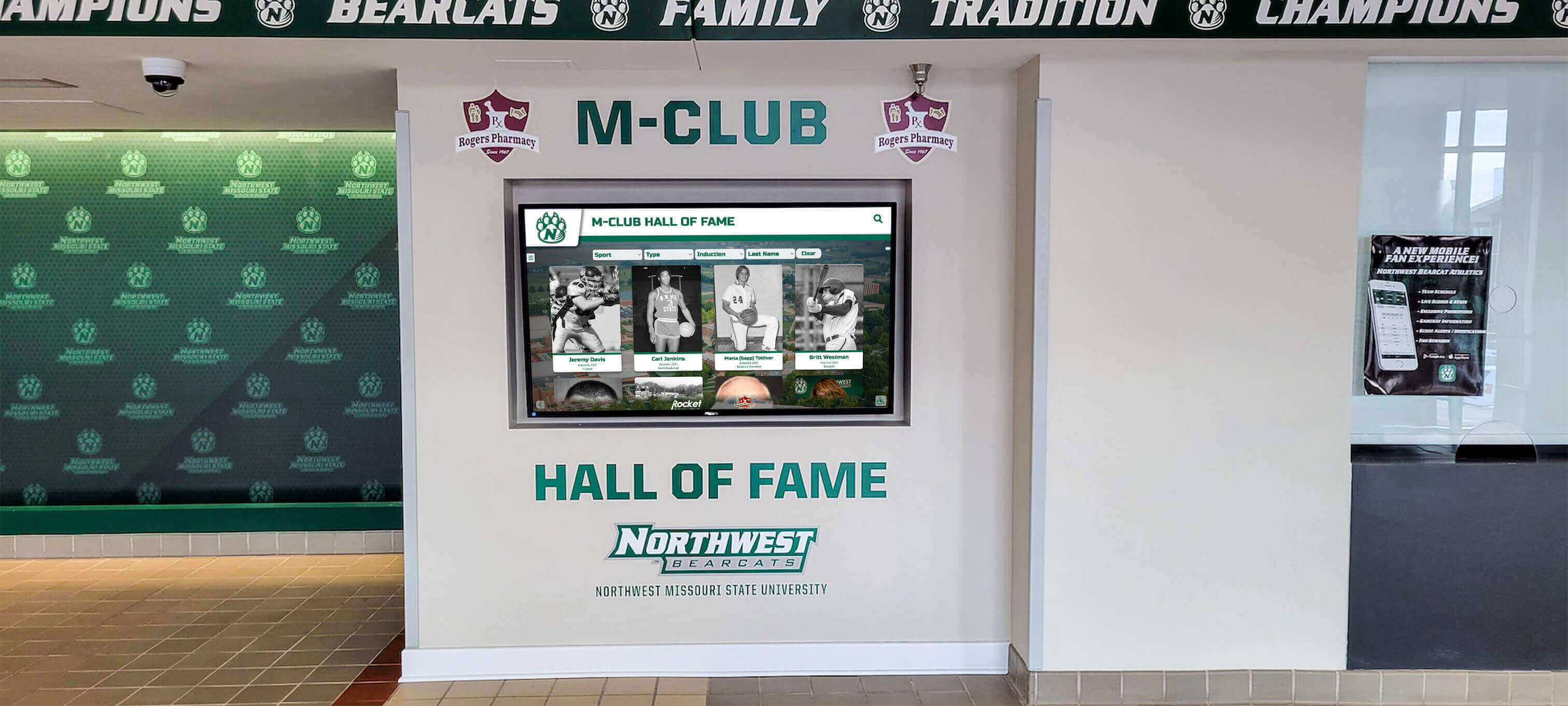
Comprehensive recognition systems celebrate educators' contributions alongside student achievements, fostering cultures of appreciation
Teacher Appreciation Letter Ideas for Students
Student-written appreciation letters carry unique weight because they come from those directly experiencing teachers’ daily impact. Effective student letters balance authenticity with appropriate respect.
Letters from Elementary Students
Younger students’ letters gain power through honest simplicity rather than sophisticated language. Parents can help structure thoughts while preserving children’s authentic voices.
Example: Elementary Student Letter
Dear Mr. Garcia,
Thank you for being the best teacher I ever had. You make learning fun even when the subjects are hard. I like how you let us work with partners and how you use funny voices when you read stories.
Before your class, I didn’t like reading very much. But you helped me find books about space that I really like. Now I want to read all the time! My mom says I’ve read 15 chapter books this year.
You are always nice even when students make mistakes. You say mistakes help our brains grow. That makes me feel better when I get wrong answers.
Thank you for teaching me and for being a really good teacher.
From, Daniel (age 8)
Key Elements: Simple, honest language appropriate to age; specific examples of teaching methods; personal impact statement; sincere tone without adult vocabulary that would feel inauthentic.
Letters from Middle School Students
Middle schoolers can craft more sophisticated appreciation while maintaining authentic adolescent perspective. These letters gain impact through specific reflection on growth.
Example: Middle School Student Letter
Dear Mrs. Patterson,
I wanted to write to tell you that your English class has been my favorite part of 7th grade. At the beginning of the year, I hated writing and thought I was terrible at it. You’ve helped me realize that I actually like writing when I get to choose topics I care about.
The personal narrative assignment where we wrote about meaningful experiences let me write about my grandmother’s immigration story. Your feedback helped me understand how to make my writing more detailed and emotional without just telling readers what to feel. That assignment is the first piece of writing I’ve actually been proud of.
I also appreciate that you treat us like we’re capable of understanding complex ideas. A lot of teachers talk down to middle schoolers, but you discuss books and writing techniques like we’re intelligent enough to grasp sophisticated concepts. That makes me want to work harder to prove you’re right to respect our capabilities.
Thank you for being a teacher who challenges us while also supporting us. You’ve made me think I might actually be good at something I thought I couldn’t do.
Sincerely, Sophia Martinez
Key Elements: Acknowledges personal growth trajectory; identifies specific teaching practices and their impact; demonstrates genuine reflection; maintains respectful but authentic adolescent voice; explains changed self-perception.
Letters from High School Students
Older students can craft nuanced appreciation that demonstrates sophisticated understanding of teachers’ impact on their development and future paths.
Example: High School Senior Letter
Dear Coach Williams,
As I prepare to graduate and head to college, I wanted to express my gratitude for the profound impact you’ve had on my development as both an athlete and a person over the past four years.
When I joined the cross country team as a freshman, I was physically capable but mentally weak. I quit when training became difficult and made excuses rather than pushing through discomfort. Your coaching philosophy—that mental resilience matters more than physical talent—fundamentally changed my approach not just to running but to all challenges.
You taught me that discomfort signals growth rather than inadequacy. You showed me that comparing myself to teammates’ performances was less valuable than competing against my own previous limits. And you modeled consistency, showing up every day with positive energy regardless of your personal circumstances, demonstrating the professionalism I now try to emulate.
Beyond athletic development, you’ve been a mentor who offered guidance about academic choices, college decisions, and life challenges whenever I needed advice. The conversations we had during cooldown runs after practice provided perspective and wisdom I couldn’t get from peers or family members too close to my situations.
I’m running at college next year because you helped me discover capabilities I didn’t know I possessed. More importantly, I’m approaching college and adult life with confidence that I can handle difficult challenges because you taught me that growth requires embracing discomfort rather than avoiding it.
Thank you for being an exceptional coach, teacher, and mentor. Your impact will stay with me far beyond high school.
With deep appreciation, Jordan Chen
Key Elements: Reflects on multi-year relationship; identifies specific lessons beyond subject content; demonstrates sophisticated understanding of teacher’s influence on development; explains lasting impact on future choices; balances personal growth acknowledgment with professional appreciation.
Students can see their own growth celebrated through modern recognition systems. Schools implementing academic achievement displays create visible acknowledgment of student success that simultaneously honors the educators who made that achievement possible.

Recognition displays that celebrate student achievement also acknowledge the dedicated educators who guide students to success
Teacher Appreciation Letter Ideas for Administrators
School leaders bring institutional perspective to teacher appreciation, recognizing both classroom excellence and professional contributions that strengthen entire school communities.
Letters Recognizing Exceptional Classroom Practice
Administrators who regularly observe instruction can offer specific feedback about effective teaching practices that deserve recognition.
Example: Principal Letter Recognizing Instructional Excellence
Dear Ms. Kowalski,
I want to formally recognize the exceptional mathematics instruction you provide that I’ve observed throughout this academic year. Your teaching demonstrates pedagogical excellence that serves as a model for our entire faculty.
During my recent classroom observation, I was particularly impressed by your differentiated instruction approach. You seamlessly moved between whole-group instruction, small-group targeted intervention, and independent practice while ensuring every student received appropriate challenge levels. The learning stations you designed allowed advanced students to explore extension activities while you provided intensive support to students struggling with foundational concepts—all within a single class period that never felt chaotic or disorganized.
Your assessment practices reflect sophisticated understanding of how to measure genuine learning rather than mere memorization. The problem-solving rubrics you’ve developed require students to explain their mathematical thinking, identify multiple solution strategies, and reflect on their learning processes. These assessments provide you with actionable data about student understanding while helping students develop metacognitive skills that will serve them throughout their educational careers.
Beyond technical teaching excellence, you’ve created a classroom culture where mistakes are valued as learning opportunities and students support one another’s growth rather than competing. Multiple students have told me that your class is their favorite because they feel safe asking questions and trying challenging problems without fear of judgment.
Your dedication to continuous improvement—regularly attending professional development, piloting new instructional strategies, and seeking feedback on your practice—exemplifies the growth mindset we hope all educators embrace. You make our school stronger through both your direct work with students and your willingness to share effective practices with colleagues.
Thank you for bringing expertise, passion, and genuine care for student learning to your work every day. Our school community is fortunate to have you.
With appreciation and respect, Dr. Michael Torres, Principal Jefferson Middle School
Key Elements: Identifies specific observed practices; explains their pedagogical value; acknowledges both classroom excellence and professional contributions; recognizes impact on school culture; demonstrates administrative understanding of effective instruction.
Letters Acknowledging Professional Leadership
Beyond classroom teaching, many educators contribute to school improvement through committee service, mentoring, curriculum development, or other leadership roles deserving recognition.
Example: Recognizing Professional Leadership Beyond the Classroom
Dear Mr. Patel,
I’m writing to express my appreciation for the exceptional leadership you’ve provided our school’s literacy initiative over the past two years. Your contributions have significantly strengthened our instructional practices and measurably improved student reading outcomes.
When you volunteered to chair the literacy committee, we were struggling with inconsistent reading instruction across grade levels and concerning proficiency gaps. You approached this challenge with both strategic thinking and collaborative spirit. Rather than implementing top-down mandates, you facilitated collaborative processes that enabled teachers to examine data together, identify effective practices, and develop shared instructional approaches while respecting individual teaching styles.
The professional development sessions you designed and facilitated demonstrated impressive pedagogical knowledge and presentation skills. Teachers consistently reported that your workshops provided practical strategies they could immediately implement rather than theoretical concepts disconnected from classroom realities. The literacy coaching model you established—where teachers observe one another and provide constructive feedback—has created professional learning opportunities that traditional workshops can’t match.
Most impressively, your leadership has produced measurable results. Our school-wide reading proficiency rates have increased 12 percentage points over two years, with particularly strong gains among students who previously struggled most. These outcomes reflect the effectiveness of your strategic vision and the collaborative culture you’ve cultivated.
Beyond metrics, you’ve strengthened our faculty community by creating structures where teachers learn from one another and celebrate collective successes rather than working in isolation. The collegial relationships and shared commitment to literacy improvement represent cultural shifts that will benefit our school long after the formal initiative concludes.
Thank you for investing time, expertise, and leadership energy in work that extends far beyond your own classroom. Your contributions have made our entire school more effective in serving students.
With sincere gratitude, Jennifer Adams, Assistant Principal Lincoln Elementary School
Key Elements: Acknowledges extra work beyond job requirements; describes specific leadership actions and their strategic value; provides evidence of measurable impact; recognizes both immediate outcomes and lasting cultural effects; expresses institutional-level appreciation.
Letters for Teacher Appreciation Week or Special Occasions
School leaders can craft appreciation messages for formal recognition events that honor teachers while inspiring continued excellence.
Example: Teacher Appreciation Week Letter
Dear Faculty and Staff,
As we celebrate Teacher Appreciation Week, I want to express my deep gratitude for the extraordinary dedication you demonstrate every day in service of our students and school community.
This year has presented challenges that would have overwhelmed less committed professionals. You’ve adapted to changing health protocols, integrated new technologies into your instruction, supported students through disruptions to their normal routines, and maintained high expectations while demonstrating compassionate flexibility. Your resilience and adaptability have ensured that students continued learning and growing even when circumstances were far from ideal.
What impresses me most is not just your professional competence—though your teaching expertise is evident throughout our school—but your genuine care for students as whole people. You notice when students struggle emotionally, you celebrate small victories that might seem insignificant to others, you invest time in building relationships that make students feel valued, and you maintain belief in students’ potential even when they doubt themselves.
I see teachers staying after school to provide extra help, arriving early to prepare engaging lessons, communicating regularly with families, collaborating with colleagues to solve instructional challenges, and investing emotional energy that can’t be captured in job descriptions or measured on evaluations. This work—the invisible labor of truly dedicated educators—makes profound differences in students’ lives.
Beyond your direct work with students, you’ve built a faculty community characterized by mutual support, shared purpose, and collective commitment to excellence. You celebrate one another’s successes, offer assistance during difficult moments, share effective practices, and approach challenges as collaborative opportunities rather than individual burdens. This collegial culture makes our school a place where both students and adults thrive.
Thank you for choosing education as your profession and for choosing our school as the place where you invest your considerable talents. Thank you for the countless small actions that collectively create transformative educational experiences. Thank you for believing in students, supporting families, and strengthening our community.
You are valued, you are appreciated, and you make differences that matter profoundly.
With deep gratitude, Dr. Susan Martinez, Principal Roosevelt High School
Key Elements: Acknowledges collective effort while honoring individual contributions; recognizes both visible and invisible labor; identifies specific challenges navigated; celebrates professional community; expresses genuine institutional appreciation; inspires continued dedication.
Administrators can extend appreciation through permanent recognition systems that honor educator excellence. Schools implementing digital recognition solutions create lasting tributes that acknowledge dedicated educators alongside student achievements, preserving institutional memory and inspiring future teachers.
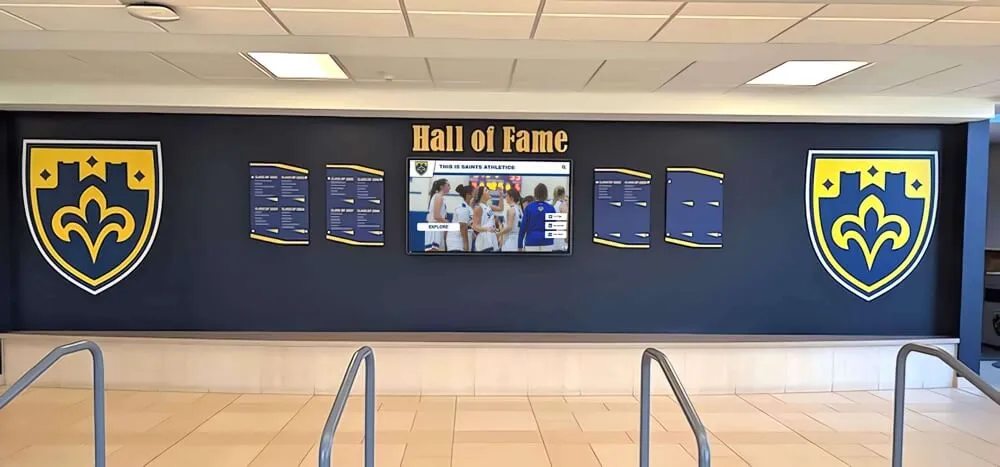
Permanent recognition displays enable schools to honor exceptional educators year after year, creating visible appreciation that reinforces institutional values
Essential Elements of Effective Teacher Appreciation Letters
Regardless of who’s writing or the specific occasion, the most impactful teacher appreciation letters share common characteristics that distinguish meaningful recognition from generic praise.
Specificity: The Power of Concrete Examples
Generic appreciation—“you’re a great teacher,” “thanks for everything you do”—feels hollow because it could apply to anyone. Effective letters include specific details that demonstrate genuine observation and thoughtful reflection.
Instead of: “Thank you for being a great teacher this year.”
Write: “Thank you for the weekly ‘wonder questions’ that started each science class. Questions like ‘Why is the sky blue?’ and ‘How do birds know where to migrate?’ made me curious about scientific concepts I’d never thought about before. Those questions made science feel like discovery rather than memorization.”
Specific examples prove that your appreciation stems from actual observation rather than obligatory politeness. They also help teachers understand precisely which aspects of their practice make meaningful differences, enabling professional reflection and growth.
Personal Connection: Beyond Professional Roles
Teachers are human beings whose professional identities connect to personal values, experiences, and relationships. Letters acknowledging this full humanity resonate more deeply than purely professional recognition.
Include Personal Elements:
- References to teachers’ personal interests or characteristics you’ve observed
- Acknowledgment of challenges you know they’ve navigated
- Recognition of sacrifices they’ve made
- Appreciation for qualities beyond teaching skills
Example: “I know you coach cross country in addition to teaching full-time, which means you invest significant personal time in students. Your willingness to make that commitment demonstrates dedication that goes far beyond job requirements.”
Growth-Focused: Emphasizing Student Development
Teachers fundamentally care about student learning and development. Appreciation highlighting specific ways students grew under their instruction affirms that their core professional purpose succeeds.
Effective Growth Acknowledgment:
- Describe specific skills or knowledge students developed
- Explain changed attitudes, behaviors, or self-perceptions
- Connect classroom learning to broader life applications
- Acknowledge both academic and social-emotional growth
Example: “At the beginning of the year, Emma struggled to contribute during class discussions because she was anxious about saying something wrong. Your practice of validating all contributions and building on partial answers helped her gradually gain confidence. Now she volunteers ideas regularly, demonstrating understanding that she couldn’t previously articulate. That confidence will serve her throughout her educational journey.”
Authentic Voice: Writing in Your True Style
Appreciation letters gain power from authentic voice rather than formal language that doesn’t reflect how you actually communicate. Write in a style that feels natural to you.
For Parents: Conversational, warm language reflecting parent-teacher relationship dynamics works better than overly formal writing that creates emotional distance.
For Students: Age-appropriate language that sounds like actual student communication resonates more than vocabulary or sentence structures that feel adult-written.
For Administrators: Professional but warm tone that balances institutional authority with genuine personal appreciation proves most effective.
Avoid mimicking someone else’s writing style or using vocabulary that doesn’t feel natural to you. Teachers appreciate authentic communication far more than artificially sophisticated language.
Appropriate Length: Saying Enough Without Overwhelming
Effective appreciation letters need not be lengthy to be meaningful. The appropriate length depends on your relationship with the teacher and the recognition’s purpose.
Brief Notes (3-5 sentences): Appropriate for quick appreciation acknowledging specific recent moments or expressing gratitude for particular actions. Brief notes work well for:
- Thanking teachers for specific help or accommodations
- Acknowledging recent positive interactions
- Adding personal messages to Teacher Appreciation Week cards
- Following up after parent-teacher conferences
Moderate Letters (1-2 paragraphs): Most common format for thoughtful appreciation balancing specificity with readability. This length allows:
- Identifying 2-3 specific examples of impactful teaching
- Explaining observable student growth or development
- Expressing both professional and personal appreciation
- Creating meaningful recognition without overwhelming readers
Extended Letters (3+ paragraphs): Appropriate for significant milestones, major impact, or formal recognition occasions. Extended length works when:
- Reflecting on multi-year relationships
- Documenting substantial student transformation
- Providing formal administrative recognition
- Marking retirement, major awards, or career milestones
Quality matters far more than quantity. A brief but specific, authentic note impacts teachers more powerfully than lengthy generic praise.
Schools extending recognition beyond individual letters create comprehensive appreciation cultures. Implementing recognition programs for various achievements demonstrates institutional commitment to honoring all contributors to school success.
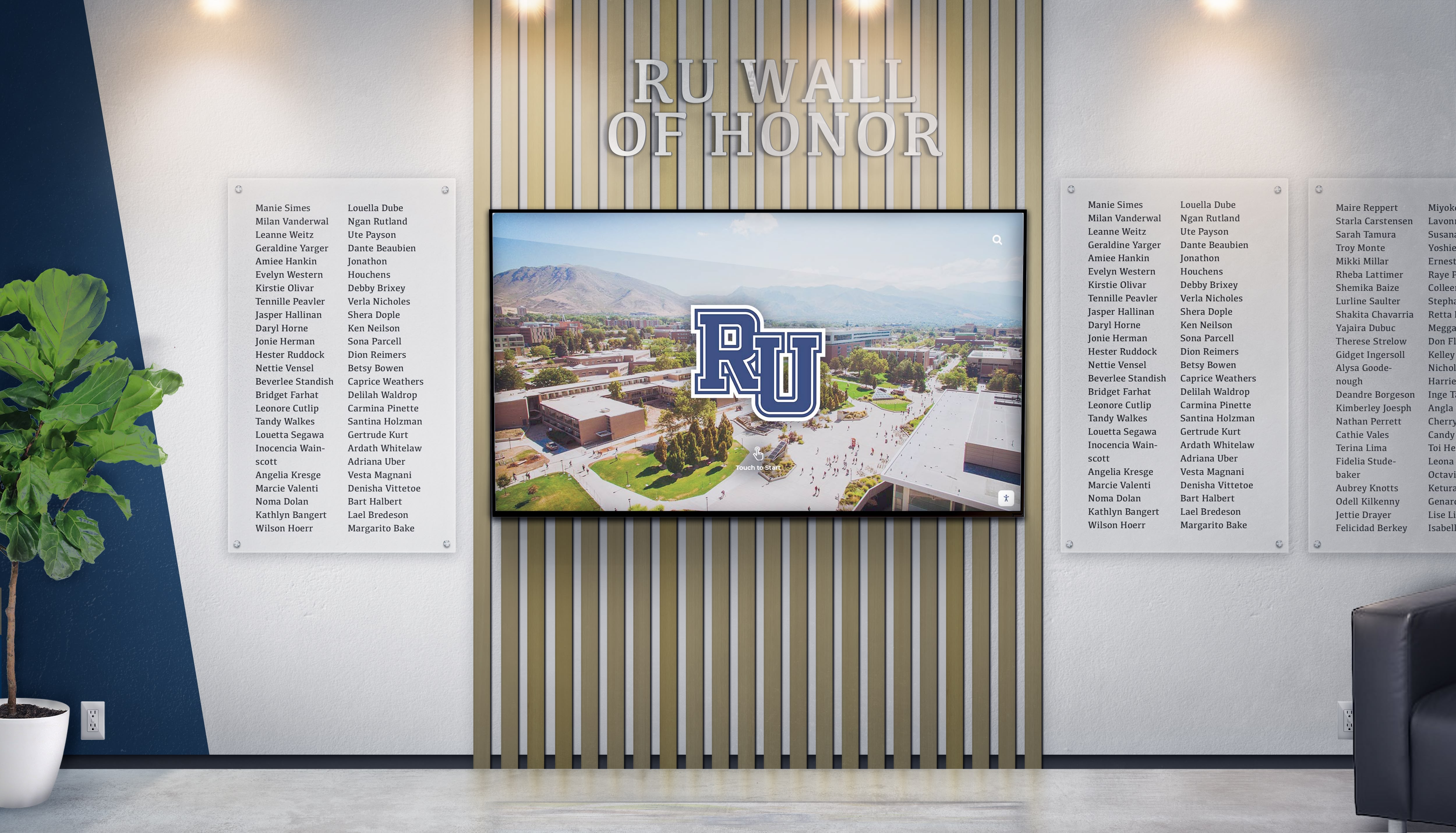
Comprehensive recognition systems celebrate entire school communities, acknowledging educators, students, and supporters who contribute to collective success
When and How to Deliver Teacher Appreciation Letters
The timing and delivery method of appreciation letters can enhance their impact and demonstrate thoughtful consideration.
Optimal Timing for Appreciation Letters
While genuine appreciation is always welcome, certain occasions provide particularly meaningful contexts for recognition:
End of School Year: Year-end appreciation allows reflection on complete academic trajectories, acknowledging sustained effort and cumulative impact. Teachers often save end-of-year letters as career keepsakes.
Teacher Appreciation Week (First Full Week of May): Formal recognition week provides natural occasion for appreciation that teachers expect and value. However, ensure your message stands out through specificity rather than generic seasonal greetings.
After Significant Student Achievements: When students achieve important milestones—mastering difficult concepts, overcoming learning obstacles, earning competitive recognition—thank teachers whose instruction made these achievements possible.
Following Exceptional Efforts: When teachers invest extraordinary time or energy—staying late to help struggling students, organizing special events, providing support during crises—timely acknowledgment demonstrates that you noticed and value their extra efforts.
Mid-Year Encouragement: Appreciation during challenging periods (January-February particularly) when teachers face fatigue and burnout provides meaningful encouragement when most needed.
Random Moments: Unexpected appreciation—unconnected to holidays or formal occasions—often impacts teachers most profoundly because it feels purely genuine rather than socially obligatory.
Delivery Methods That Enhance Impact
How you deliver appreciation influences its reception and preservation:
Handwritten Letters: Physical letters teachers can hold, display, and revisit carry special weight in digital age. Handwritten notes demonstrate time investment and feel more personal than typed messages.
Email Messages: Appropriate for timely appreciation, professional communication, or situations where physical delivery proves difficult. Include specific subject lines (“Thank you for your exceptional teaching this year”) rather than generic greetings.
Cards with Personal Messages: Combining commercial appreciation cards with handwritten personal notes balances aesthetic presentation with authentic voice. Avoid relying solely on printed card messages without adding personal content.
Public Recognition Opportunities: Sharing appreciation during parent-teacher organization meetings, school board sessions, or faculty gatherings amplifies recognition’s impact. Always confirm teachers’ comfort with public acknowledgment before sharing.
Combined with Modest Gifts: Small thoughtful gifts (bookstore gift cards, classroom supplies, favorite coffee) paired with heartfelt letters create memorable appreciation. The written message matters more than gift value.
Cultural Considerations and Sensitivity
Effective appreciation respects cultural norms and individual preferences:
Physical Touch: Avoid hugs or physical contact unless you have established relationships where such gestures are clearly welcome. Written appreciation never risks unwanted physical interaction.
Public vs. Private Preference: Some teachers love public recognition; others find it uncomfortable. When uncertain, ask or provide appreciation privately with option to share publicly if they prefer.
Professional Boundaries: Maintain appropriate teacher-family boundaries even in appreciation contexts. Focus recognition on professional impact rather than personal characteristics unrelated to teaching.
Inclusive Language: Ensure appreciation language doesn’t inadvertently exclude or marginalize. Reference “families” rather than assuming traditional family structures, use inclusive pronouns when appropriate, and avoid assumptions about personal circumstances.
Teacher Appreciation Letter Templates and Starting Points
While authentic letters reflecting your genuine experiences and voice prove most meaningful, templates provide helpful starting structures you can personalize.
Parent Template: Academic Progress Recognition
Dear [Teacher Name],
I want to express my gratitude for the remarkable difference you’ve made in [student name]’s [subject area] learning this year.
[Specific observation about student’s previous struggle or attitude]: At the beginning of the year, [he/she/they] [specific behavior demonstrating difficulty or negative attitude].
[Specific teaching practice you’ve observed or heard about]: Your [teaching method, approach, or practice] has [specific impact on student].
[Concrete evidence of growth]: [Student name] now [specific new behavior, achievement, or attitude]. [Specific example demonstrating change].
Beyond improved [grades/test scores/performance], you’ve given [student name] [lasting benefit: confidence, skills, changed perspective] that will serve [him/her/them] throughout [his/her/their] educational journey.
Thank you for [specific teacher quality: patience, creativity, dedication] and for believing in [student name]’s potential.
With sincere appreciation, [Your name]
Student Template: Personal Impact Letter
Dear [Teacher Name],
I wanted to write to tell you how much [your class/your teaching/this year] has meant to me.
[Opening acknowledgment]: When I [started your class/began the year/first met you], I [initial feeling, attitude, or situation].
[Specific teaching practice and its impact]: You [specific thing teacher did] which helped me [specific result or realization]. [Additional specific example if relevant].
[Growth acknowledgment]: Because of [your teaching/your support/your class], I’ve [specific change in ability, attitude, or self-perception]. This matters because [explanation of significance].
Thank you for being [specific teacher quality] and for [specific action or consistent practice]. You’ve [lasting impact statement].
[Appropriate closing], [Your name]
Administrator Template: Professional Excellence Recognition
Dear [Teacher Name],
I want to formally recognize [the exceptional work you’ve done with/your outstanding contributions to/your exemplary practice in] [specific area] [this year/throughout your tenure/during recent project].
[Specific observation]: During [observation/interaction/project], I observed [specific practice, behavior, or outcome] that demonstrated [professional quality or pedagogical principle].
[Impact statement]: This work has [specific positive result for students/school/colleagues]. [Quantifiable evidence if available, such as student growth data, participation rates, or survey results].
[Professional contribution beyond classroom if relevant]: Beyond your excellent classroom instruction, you’ve contributed to our school community through [committee work/mentoring/curriculum development/other leadership]. [Specific impact of this contribution].
[Institutional appreciation]: [Our school/Our students/Our community] benefits enormously from your [expertise/dedication/leadership]. Your work exemplifies [school values or professional standards].
Thank you for [specific actions or qualities]. We are fortunate to have you as [a teacher/a colleague/a member of our faculty].
With appreciation and respect, [Your name and title]
Beyond Letters: Creating Comprehensive Teacher Appreciation Cultures
While individual appreciation letters provide meaningful recognition, the most impactful appreciation occurs within broader cultures that value educators consistently rather than exclusively during designated appreciation periods.
Building Sustainable Recognition Systems
Schools genuinely committed to teacher appreciation implement systems ensuring consistent recognition throughout academic years:
Regular Acknowledgment Structures: Monthly staff recognition, quarterly excellence awards, or weekly shout-outs during faculty meetings create ongoing appreciation rather than once-yearly gestures.
Peer Recognition Programs: Enable teachers to recognize colleagues’ excellence through nomination systems, peer awards, or collaborative appreciation opportunities. Peer acknowledgment often means as much as administrative recognition.
Student Voice Integration: Create structures where students regularly express appreciation—gratitude walls, appreciation boards, video messages, or facilitated letter-writing activities that normalize thanking teachers.
Family Engagement: Regular communication channels encouraging families to share positive feedback rather than only contacting teachers about problems or concerns.
Visible Recognition: Display systems showcasing teacher achievements, innovative practices, professional accomplishments, and years of service demonstrate institutional commitment to honoring educators.
Many forward-thinking schools implement modern recognition technologies that celebrate both student and teacher achievements, creating comprehensive appreciation ecosystems where excellence receives consistent acknowledgment.
Professional Support as Appreciation
Beyond verbal or written recognition, genuine appreciation manifests through institutional support enabling teachers to do their best work:
Professional Development Investment: Funding meaningful growth opportunities demonstrates belief in teachers’ professionalism and commitment to their continuous improvement.
Reasonable Workload Expectations: Respecting teachers’ time and energy by limiting meetings to essential purposes, minimizing bureaucratic requirements, and protecting instructional planning time.
Resource Provision: Supplying adequate classroom materials, technology, and instructional resources so teachers don’t purchase supplies from personal funds.
Autonomy and Trust: Granting professional discretion in instructional decisions rather than micromanaging pedagogical choices demonstrates respect for teachers’ expertise.
Mental Health and Wellness Support: Providing counseling services, reasonable sick leave, mental health days, and wellness initiatives that acknowledge teaching’s emotional demands.
Creating Appreciation Traditions
Sustainable appreciation cultures develop traditions that become expected, valued elements of school identity:
Opening Day Celebrations: Begin school years with celebrations honoring returning teachers and welcoming new faculty, setting appreciative tones for coming academic years.
Milestone Recognition: Acknowledge career milestones—5, 10, 15, 20+ year anniversaries—through formal recognition, special events, or lasting tributes.
Retirement Honors: Create meaningful farewell celebrations for retiring educators that acknowledge their full career contributions and impact on generations of students.
Teacher Spotlight Features: Regular profiles highlighting individual teachers’ backgrounds, teaching philosophies, classroom innovations, or personal interests help school communities know educators as complete people.
Legacy Projects: Enable retiring or departing teachers to leave lasting contributions—endowed awards, named programs, physical improvements, or other permanent elements bearing their names.
Schools exploring comprehensive approaches to recognition can benefit from digital platforms designed specifically for educational institutions, creating scalable systems that grow with institutional needs while honoring all community contributors.
Common Mistakes to Avoid in Teacher Appreciation Letters
Even well-intentioned appreciation can miss the mark when letters include common pitfalls that diminish their impact or create unintended awkwardness.
Generic Praise Without Specificity
Avoid: “Thank you for being such a great teacher this year. You’re the best!”
Better: “Thank you for the ‘wonder wall’ where you posted our questions about scientific phenomena each week. Seeing my question about why leaves change color lead to our entire unit on photosynthesis made me feel like my curiosity mattered and science could answer real questions I had.”
Generic praise feels obligatory rather than genuine. Teachers receive countless “best teacher ever” messages that blend together indistinguishably. Specific details prove authentic observation and thoughtful reflection.
Backhanded Compliments or Comparisons
Avoid: “You’re so much better than my child’s previous teacher who never explained anything clearly.”
Better: “Your clear explanations and willingness to reteach concepts using different approaches have helped my child finally understand math concepts that previously felt confusing.”
Complimenting one teacher by criticizing others creates awkwardness and unprofessionalism. Focus appreciation exclusively on the teacher you’re recognizing without dragging other educators into comparison.
Overly Personal or Inappropriate Comments
Avoid: Comments about physical appearance, personal relationships, or private circumstances unrelated to professional work.
Better: Focus exclusively on professional qualities, teaching practices, student impact, and work-related characteristics.
Maintain appropriate professional boundaries even in appreciation contexts. Comments about teachers’ attractiveness, dating status, family situations, or other personal dimensions unrelated to teaching cross professional lines.
Empty Flattery Without Evidence
Avoid: “You must be the best teacher in the entire state! Every student loves you and everyone says you’re amazing!”
Better: “Your teaching has made calculus—a subject I feared—actually understandable and even interesting. The real-world applications you incorporate help me see why mathematical concepts matter beyond just passing tests.”
Excessive hyperbole without supporting evidence feels insincere. Teachers value authentic appreciation grounded in observable reality more than inflated praise lacking substance.
Appreciation Tied to Requests
Avoid: “Thank you so much for your excellent teaching this year. I was wondering if you’d be willing to write a college recommendation letter for my child?”
Better: Send appreciation as standalone recognition without immediately following with requests for favors or special treatment.
Appreciation loses authenticity when it appears designed to butter teachers up before asking for something. If you need to request something, do so separately from genuine recognition.
Ignoring Cultural or Individual Preferences
Avoid: Public recognition for teachers who prefer privacy, physical gifts for those with religious restrictions, or appreciation approaches that assume cultural norms not shared by recipients.
Better: When uncertain about preferences, ask directly or default to universally appropriate appreciation approaches like thoughtful written messages.
Different people have varying comfort levels with recognition styles. Respect individual and cultural preferences even when your intentions are positive.
Encouraging Student-Written Appreciation Throughout the Year
While parents and administrators write powerful appreciation letters, student-generated recognition often impacts teachers most profoundly because it comes from those directly experiencing their teaching.
Age-Appropriate Appreciation Activities
Elementary Students: Guided letter-writing activities where teachers help structure thoughts without dictating content. Simple templates with prompts like “My favorite thing about this class is…” or “You helped me learn…” provide structure while preserving authentic voice.
Middle School Students: Reflection activities encouraging students to identify specific teaching practices that supported their learning, then translating observations into appreciation messages. This age group can craft thoughtful recognition with minimal scaffolding.
High School Students: Independent letter-writing opportunities, potentially tied to end-of-year reflections, senior transitions, or formal appreciation occasions. Older students can produce sophisticated appreciation demonstrating nuanced understanding of teachers’ impact.
Facilitating Meaningful Student Recognition
Create Dedicated Time: Build appreciation letter writing into class time rather than assigning as homework, ensuring all students participate regardless of home support.
Provide Examples: Show models of effective appreciation letters without requiring students to copy templates. Examples help students understand expectations while leaving room for individual expression.
Emphasize Specificity: Teach students that specific examples and personal observations create more meaningful appreciation than generic praise. Guide them to identify particular moments, lessons, or interactions that mattered.
Optional Sharing: Allow students to choose whether to share appreciation publicly or privately. Some students prefer personal communication while others enjoy public recognition opportunities.
Extend Beyond Teachers: Include appreciation for support staff—custodians, cafeteria workers, librarians, counselors, administrative staff—whose work often goes unrecognized but contributes vitally to positive school experiences.
Preserving Student Appreciation
Teachers who receive meaningful student letters often save them throughout careers as reminders of why their work matters. Encourage preservation through:
Physical Presentation: Deliver letters in formats teachers can easily save—nice paper, folders, or bound collections.
Digital Archives: Create digital collections of student appreciation that teachers can access throughout careers, particularly valuable when physical letters might be lost.
Public Display Options: With student permission, display portions of appreciation letters on classroom walls, hallway boards, or school websites, amplifying recognition’s impact.
Conclusion: The Lasting Impact of Authentic Appreciation
Teachers enter education because they care about student learning, development, and future success. They stay in this demanding profession when they feel valued, when they see evidence that their work matters, and when their communities recognize the profound contributions they make to individual lives and collective futures.
Thoughtful teacher appreciation letters—specific, authentic, and grounded in observable impact—provide powerful fuel that sustains educators through challenging days and difficult periods. These messages remind teachers why they chose this profession, validate that their efforts create meaningful differences, and demonstrate that students, families, and colleagues notice and value their dedication.
Whether you’re a parent witnessing your child’s growth, a student experiencing transformative instruction, or an administrator recognizing exceptional practice, your words carry weight. Taking time to craft genuine appreciation that identifies specific impacts and expresses authentic gratitude creates recognition that teachers treasure throughout careers.
Beyond individual letters, building comprehensive appreciation cultures that honor educators consistently rather than exclusively during designated appreciation weeks demonstrates institutional commitment to valuing those who make education possible. When appreciation becomes woven into school culture rather than relegated to occasional gestures, it creates environments where teachers thrive professionally while knowing their contributions receive consistent recognition.
The teachers who’ve made differences in your life or your children’s lives deserve to hear specifically how their work mattered. Don’t wait for formal appreciation occasions—express gratitude when you feel it, while specific examples remain fresh in memory. Your authentic words have power to encourage, inspire, and sustain educators who invest so much in shaping futures.
Honor Dedicated Educators Year-Round
Discover how modern recognition solutions help schools celebrate teacher excellence alongside student achievements, creating comprehensive appreciation systems that inspire educators, students, and entire communities while building lasting institutional pride.
Explore Recognition SolutionsWhile individual appreciation letters provide meaningful recognition, schools can extend teacher celebration through permanent systems that honor educator excellence year after year. Rocket Alumni Solutions provides interactive touchscreen displays and cloud-based platforms specifically designed for educational institutions, enabling schools to showcase teacher achievements, years of service milestones, innovative practices, and professional accomplishments alongside student recognition. These comprehensive systems ensure that educator dedication receives consistent, visible appreciation that inspires current faculty while attracting talented educators who seek schools genuinely committed to honoring those who make learning possible.
Whether you’re writing a quick thank-you note or crafting an extensive appreciation letter, remember that your authentic words carry power. Teachers remember specific appreciation they receive, often keeping meaningful letters throughout their careers as tangible evidence that their work creates real impact. Take time to express gratitude thoughtfully, specifically, and genuinely—your recognition matters more than you might realize.































