Great teachers shape futures. They inspire curiosity, nurture potential, build confidence, and create lasting impact extending far beyond classroom walls. Yet the daily dedication educators invest—extra hours spent planning engaging lessons, personal funds purchasing classroom supplies, emotional energy supporting struggling students, weekends grading assignments—often goes unrecognized in the relentless pace of academic calendars.
The right words, thoughtfully chosen and prominently displayed, provide meaningful recognition that validates educator commitment while inspiring continued excellence. Teacher appreciation quotes serve purposes beyond decoration—they communicate institutional values, model gratitude for students, create positive school culture, and remind educators that their work matters profoundly.
This comprehensive guide explores powerful teacher appreciation quotes suitable for diverse recognition purposes, from digital displays rotating inspiration throughout school buildings to recognition ceremonies honoring career milestones, alongside practical strategies for displaying these meaningful words where they create maximum impact.
Teachers deserve recognition matching the significance of their contributions to student lives and community futures. When schools systematically celebrate teaching excellence through visible appreciation—whether inspiring quotes displayed prominently, personalized recognition highlighting specific educator achievements, or comprehensive programs honoring career dedication—they create cultures where excellent teaching feels valued, celebrated, and worth sustaining despite inevitable challenges.

Strategic display placement ensures teacher appreciation messages reach educators, students, and families throughout daily school routines
Why Teacher Appreciation Quotes Matter
Before exploring specific quotes, understanding the psychological and cultural impact of systematic teacher recognition helps schools implement appreciation strategies that genuinely influence morale, retention, and educational quality.
The Recognition Gap in Education
Educational research consistently reveals significant recognition deficits affecting teacher satisfaction and retention:
Appreciation Scarcity: Unlike many professions providing regular performance feedback and recognition, teachers often work in isolation with limited acknowledgment beyond annual evaluations. Daily contributions—transformative moments with struggling students, innovative lesson adaptations, after-school mentoring, parent communication—rarely receive immediate recognition.
Student-Focused Culture: School culture naturally centers on student achievement, sometimes leaving educator contributions invisible. While student success represents the ultimate goal, the teaching excellence enabling that success deserves explicit celebration creating balanced recognition culture.
Budget Constraints Limiting Tangible Recognition: Financial limitations prevent meaningful compensation increases or substantial professional development funding, making low-cost recognition strategies like thoughtful appreciation quotes increasingly valuable for demonstrating institutional gratitude.
Burnout and Retention Challenges: Teacher burnout rates continue climbing while retention challenges intensify across many districts. Recognition programs providing regular appreciation contribute to supportive environments helping educators sustain commitment despite challenges.
Impact on School Climate: When teachers feel underappreciated, morale declines affect classroom energy, colleague relationships, and overall school culture. Conversely, systematic appreciation creates positive environments benefiting everyone.
How Appreciation Influences Educators
Research from educational psychology and organizational behavior reveals clear patterns in how recognition affects teacher motivation, satisfaction, and retention:
Validation of Professional Identity: Meaningful appreciation reinforces educators’ sense of purpose and professional value. When teachers regularly encounter messages acknowledging their importance—whether through displayed quotes, colleague recognition, or formal appreciation programs—they internalize that their work matters beyond personal satisfaction.
Sustained Motivation During Challenges: Teaching inevitably involves difficult periods—challenging student behaviors, disappointing assessment results, policy frustrations, resource constraints. Visible reminders of teaching’s noble purpose help educators maintain perspective and motivation when facing temporary setbacks.
Modeling Gratitude for Students: When students regularly observe adults expressing genuine appreciation for educators through quotes, recognition ceremonies, or digital appreciation displays, they learn gratitude as a cultural value worth emulating in their own relationships.
Community Connection: Public appreciation—quotes displayed where families visit, recognition shared through school communications, ceremonies honoring excellence—strengthens community perception of teaching as valued profession deserving respect and support.
Retention and Recruitment Benefits: Schools known for genuine teacher appreciation gain competitive advantages recruiting talented candidates and retaining experienced educators who could choose alternative career paths or transfer to different districts.
The most effective teacher appreciation strategies combine inspiring words with tangible actions, creating comprehensive cultures where educators feel genuinely valued through both symbolic recognition and substantive support.
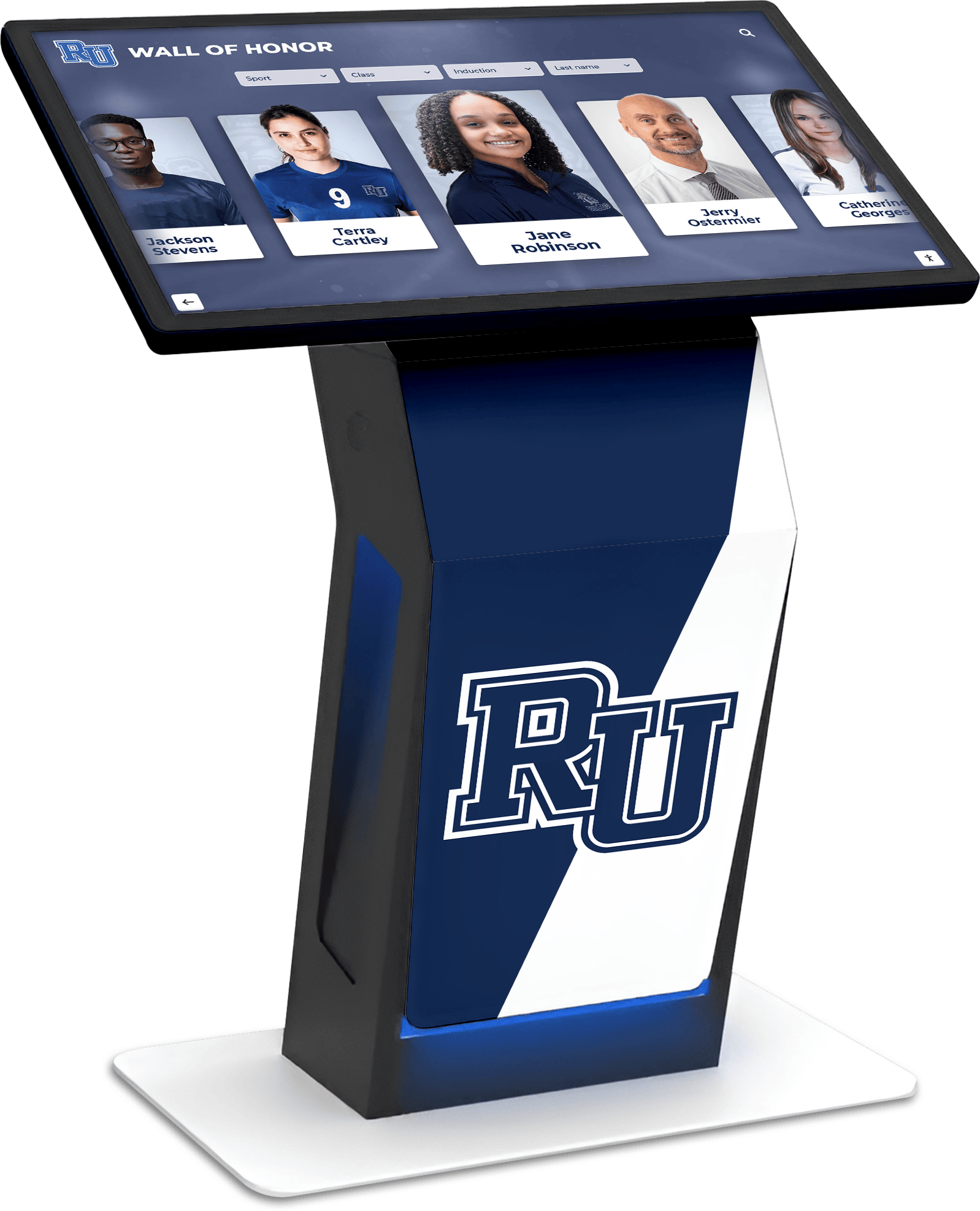
Modern recognition kiosks enable schools to showcase teacher appreciation quotes alongside specific educator achievements and contributions
Classic Teacher Appreciation Quotes: Timeless Words of Gratitude
Certain quotes have endured across generations because they capture essential truths about teaching’s transformative power. These classic expressions work beautifully in formal recognition contexts, permanent displays, or traditional appreciation settings.
Quotes Celebrating Teaching’s Lasting Impact
“A teacher affects eternity; he can never tell where his influence stops.” — Henry Adams
This profound observation reminds educators that their impact extends far beyond visible, immediate results. Students carry lessons, confidence, curiosity, and values instilled by great teachers throughout entire lives, often in ways teachers themselves never discover. The quote validates that even when teachers can’t see outcomes, their influence continues rippling through students’ futures indefinitely.
“The mediocre teacher tells. The good teacher explains. The superior teacher demonstrates. The great teacher inspires.” — William Arthur Ward
Ward’s progressive framework distinguishes teaching excellence levels while honoring the highest achievement: inspiring students toward self-motivated learning and personal growth. This quote works particularly well in professional development contexts, recognition ceremonies honoring teaching excellence, or displays celebrating educators who transform student trajectories through inspirational approaches.
“Education is the most powerful weapon which you can use to change the world.” — Nelson Mandela
Mandela’s words position education—and by extension, teachers—as agents of transformational social change. This quote resonates in schools serving challenging communities, recognition programs honoring educators committed to educational equity, or contexts emphasizing teaching’s broader societal importance beyond individual student achievement.
“Teaching is the profession that teaches all the other professions.” — Unknown
This elegant observation acknowledges education as foundational profession enabling all others. Every doctor, engineer, attorney, business leader, artist, and professional began their journey with teachers who taught fundamental skills and knowledge. The quote validates teaching’s essential position in human progress and professional development.
“The best teachers are those who show you where to look but don’t tell you what to see.” — Alexandra K. Trenfor
Trenfor’s insight captures teaching at its finest—not transferring predetermined conclusions but developing students’ capacity for independent observation, analysis, and interpretation. This quote particularly honors educators who cultivate critical thinking, intellectual curiosity, and autonomous learning rather than simple content delivery.
Quotes Honoring Teacher Dedication
“It is the supreme art of the teacher to awaken joy in creative expression and knowledge.” — Albert Einstein
Einstein’s perspective emphasizes that excellent teaching transcends content transmission to awaken intrinsic motivation—the joy of discovery, creative expression, and intellectual engagement that sustains lifelong learning. This quote honors teachers who make learning genuinely enjoyable and personally meaningful for students.
“Teachers can change lives with just the right mix of chalk and challenges.” — Joyce Meyer
Meyer’s simple yet powerful observation acknowledges both the humble tools teachers often work with (symbolized by chalk) and the professional artistry required to combine support with appropriate challenge creating optimal growth conditions. The quote validates that teaching excellence involves far more than resource abundance—it requires skillful judgment balancing encouragement with productive struggle.
“In teaching you cannot see the fruit of a day’s work. It is invisible and remains so, maybe for twenty years.” — Jacques Barzun
Barzun’s observation acknowledges a unique challenge of teaching: the significant delay between effort investment and outcome visibility. Unlike many professions providing immediate feedback, teachers often invest enormous energy with limited ability to assess long-term impact. This quote validates the faith required to teach excellently despite outcome uncertainty.
“Teaching is the one profession that creates all other professions.” — Unknown
Similar to an earlier quote but phrased differently, this variation emphasizes teaching’s generative role—not just supporting existing professions but literally creating the foundation enabling all professional fields to exist and continue across generations.
“The art of teaching is the art of assisting discovery.” — Mark Van Doren
Van Doren positions teachers as guides facilitating students’ own discovery processes rather than authorities dispensing predetermined knowledge. This constructivist perspective honors educators who skillfully scaffold student learning while allowing authentic intellectual exploration and personal meaning-making.
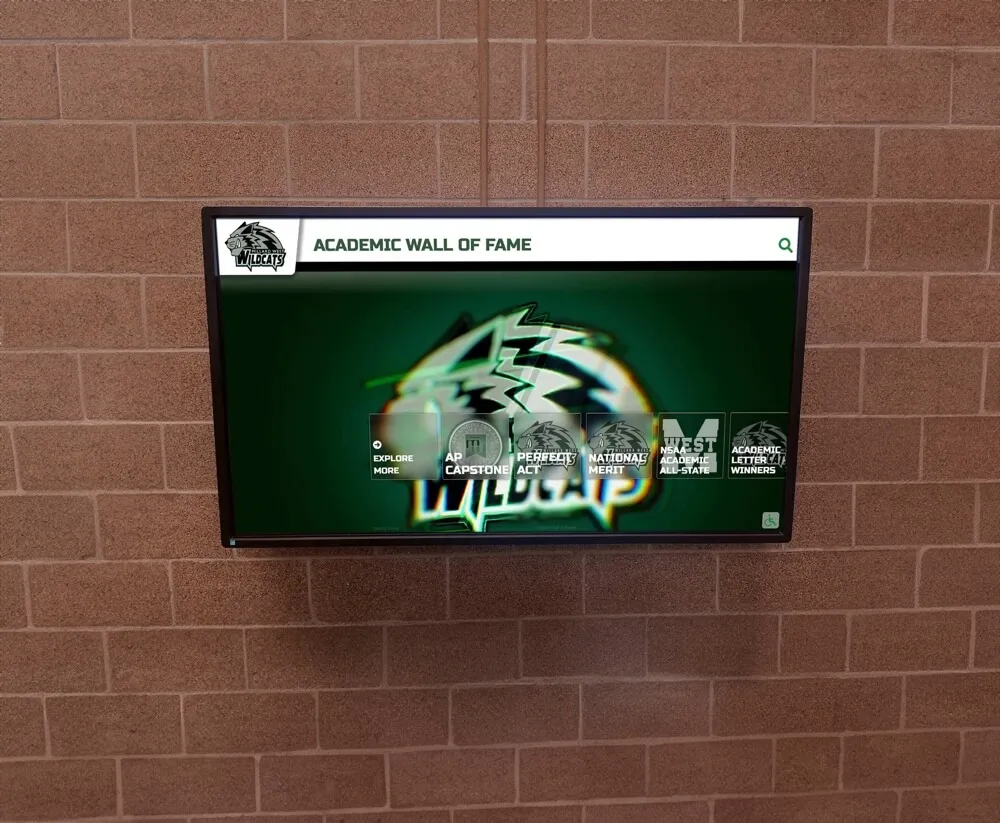
Permanent recognition displays featuring inspiring teacher quotes create lasting appreciation visible to entire school community
Contemporary Teacher Appreciation Quotes: Modern Perspectives on Educational Excellence
While classic quotes maintain enduring relevance, contemporary expressions often resonate particularly with current educators facing 21st-century challenges. These modern quotes acknowledge technology integration, diverse learners, social-emotional learning emphasis, and evolving educational contexts.
Quotes for Today’s Educational Landscape
“Technology is just a tool. In terms of getting the kids working together and motivating them, the teacher is most important.” — Bill Gates
Gates’s perspective, particularly significant coming from a technology pioneer, validates that despite revolutionary technological advances, excellent teaching remains fundamentally about human connection, motivation, and relationship. This quote honors educators navigating digital integration while maintaining focus on core teaching artistry.
“Education is not the filling of a pail, but the lighting of a fire.” — William Butler Yeats
Yeats’s metaphor captures the distinction between passive content reception and active intellectual engagement. Great teachers ignite curiosity, passion, and intrinsic motivation that burns independently long after formal instruction ends. This quote celebrates educators who inspire rather than simply inform.
“Teachers have three loves: love of learning, love of learners, and the love of bringing the first two loves together.” — Scott Hayden
Hayden’s formulation beautifully articulates the compound passion driving excellent educators—not just content mastery or child affection individually, but the synthesis connecting students with subject matter in ways that transform both. This quote honors teachers who find deep fulfillment in facilitating meaningful student-content relationships.
“The dream begins with a teacher who believes in you, who tugs and pushes and leads you to the next plateau, sometimes poking you with a sharp stick called ’truth.’” — Dan Rather
Rather’s quote acknowledges that excellent teaching involves more than gentle encouragement—it sometimes requires uncomfortable honesty, high expectations, and persistent challenge pushing students beyond comfortable limitations. This perspective honors educators who combine caring with demanding standards that ultimately serve students well.
“A good teacher can inspire hope, ignite the imagination, and instill a love of learning.” — Brad Henry
Henry’s comprehensive formulation captures teaching’s multidimensional impact: emotional (inspiring hope), creative (igniting imagination), and intellectual (instilling learning love). The quote validates that excellent teaching addresses students holistically rather than focusing narrowly on academic content alone.
Quotes Celebrating Diverse Teaching Approaches
“Tell me and I forget, teach me and I may remember, involve me and I learn.” — Benjamin Franklin
Franklin’s progressive learning hierarchy emphasizes active engagement over passive reception—a principle increasingly validated by learning science and embraced through project-based learning, hands-on instruction, and student-centered pedagogies. This quote honors teachers who prioritize authentic student involvement over traditional lecture-based instruction.
“What the teacher is, is more important than what he teaches.” — Karl Menninger
Menninger’s observation emphasizes that teachers influence students through character, values, relationships, and modeling as much as explicit content instruction. Students remember teachers who demonstrated integrity, kindness, passion, and authenticity long after forgetting specific curriculum content. This quote validates teaching as fundamentally relational profession requiring personal authenticity.
“Teaching is not a lost art, but the regard for it is a lost tradition.” — Jacques Barzun
Barzun’s lament acknowledges that while excellent teaching continues, cultural appreciation for educators has diminished compared to previous generations. This quote can prompt reflection about community responsibility to honor, support, and appropriately compensate teaching professionals.
“Good teaching is more a giving of right questions than a giving of right answers.” — Josef Albers
Albers emphasizes that excellent instruction cultivates inquiry, critical thinking, and intellectual curiosity rather than simply transferring predetermined conclusions. This quote celebrates teachers who develop students’ questioning capacity—an essential skill for lifelong learning and adaptive thinking in rapidly changing world.
“The mediocre teacher tells. The good teacher explains. The superior teacher demonstrates. The great teacher inspires.” — William Arthur Ward
This framework distinguishes teaching quality levels while positioning inspiration as pinnacle achievement—the ability to awaken intrinsic motivation, passion for subject matter, and commitment to personal growth that transcends external incentives or requirements.

Individual teacher profiles with appreciation quotes create personalized recognition celebrating specific educator contributions
Subject-Specific Teacher Appreciation Quotes
Different academic disciplines require distinct skill sets, face unique challenges, and create varied forms of student impact. Subject-specific appreciation quotes honor the particular excellence demonstrated by teachers in specific fields.
STEM Teacher Appreciation
“In science, there are no shortcuts to truth.” — Karl Popper
This quote honors science teachers who cultivate rigorous thinking, evidence-based reasoning, and intellectual honesty—essential scientific habits of mind extending beyond content memorization to shape how students approach problems throughout life.
“Mathematics is not about numbers, equations, computations, or algorithms: it is about understanding.” — William Paul Thurston
Thurston’s insight validates mathematics teachers who prioritize conceptual understanding over procedural fluency alone, helping students develop genuine mathematical thinking rather than just calculation skills.
“The scientist is not a person who gives the right answers, he’s one who asks the right questions.” — Claude Lévi-Strauss
This quote celebrates science educators who develop students’ capacity for scientific inquiry, hypothesis formation, and experimental design—the foundational questioning skills enabling scientific advancement.
“Technology is best when it brings people together.” — Matt Mullenweg
For technology and computer science teachers, this quote emphasizes that technical skills serve human purposes. It honors educators who help students understand technology as tool for connection, communication, and positive impact rather than isolated technical competency.
Humanities and Social Studies Teacher Appreciation
“History is not a burden on the memory but an illumination of the soul.” — Lord Acton
This quote validates history teachers who help students understand past events not as memorization requirements but as sources of wisdom, perspective, and insight illuminating present circumstances and future possibilities.
“One language sets you in a corridor for life. Two languages open every door along the way.” — Frank Smith
For world language teachers, Smith’s observation acknowledges the transformational power of linguistic competency—not just communication utility but expanded cultural understanding, cognitive benefits, and opportunities multilingualism provides throughout life.
“The purpose of literature is to turn blood into ink.” — T.S. Eliot
Eliot’s striking image honors English and literature teachers who help students transform lived experience into articulate expression—the fundamental skill of converting thought, emotion, and observation into coherent communication.
“Geography is the study of earth as the home of people.” — Yi-Fu Tuan
This definition validates geography teachers who connect spatial understanding to human experience, helping students understand how physical environments shape cultures, economies, politics, and daily life.
Arts and Physical Education Teacher Appreciation
“Art is not what you see, but what you make others see.” — Edgar Degas
Degas’s insight honors art teachers who develop students’ capacity not just for technical skill but for visual communication, creative expression, and ability to convey meaning through artistic media.
“Music gives a soul to the universe, wings to the mind, flight to the imagination, and life to everything.” — Plato
Plato’s lyrical description validates music teachers who understand their subject as far more than technical instruction—music shapes emotional life, cognitive development, cultural participation, and human experience in profound ways.
“Take care of your body. It’s the only place you have to live.” — Jim Rohn
For physical education teachers, this quote emphasizes lifelong wellness, physical literacy, and healthy habit development rather than just athletic skill or competitive success during school years.
“Theater is a mirror, a sharp reflection of society.” — Yasmina Reza
This perspective honors drama and theater teachers who use performance as vehicle for empathy development, social understanding, communication skill, and creative expression extending beyond entertainment to serve important educational purposes.
Special Education and Support Services Teacher Appreciation
“What we want is to see the child in pursuit of knowledge, and not knowledge in pursuit of the child.” — George Bernard Shaw
Shaw’s observation particularly resonates for special education teachers who skillfully adapt instruction, materials, and approaches ensuring diverse learners can actively pursue understanding rather than passively receiving predetermined content inappropriate for their needs.
“Every student can learn, just not on the same day, or in the same way.” — George Evans
This fundamental principle honors special education teachers, intervention specialists, and support service providers who understand learning differences, adapt instructional approaches, provide individualized support, and maintain conviction that all students possess learning capacity regardless of challenges.
“The beautiful thing about learning is that no one can take it away from you.” — B.B. King
For teachers working with struggling learners, students with disabilities, or those facing significant challenges, this quote emphasizes that educational achievement, once gained, becomes permanent asset no circumstance can remove—validating persistence through difficulty.

Strategically placed recognition displays ensure teachers regularly encounter appreciation during daily routines
Displaying Teacher Appreciation Quotes Effectively
Even the most inspiring quotes provide limited impact if poorly displayed, positioned where few encounter them, or presented without thoughtful design. Strategic display approaches maximize appreciation message reach and influence.
Digital Display Solutions for Rotating Appreciation
Modern digital signage solutions transform teacher appreciation from static, one-time displays into dynamic, ongoing recognition programs reaching educators throughout school years.
Solutions like Rocket Alumni Solutions enable schools to create rotating appreciation quote displays that showcase diverse quotes, feature specific teacher accomplishments alongside relevant quotes, update content easily throughout the year, maintain year-round appreciation rather than one-week emphasis, and integrate with comprehensive recognition programs celebrating teaching excellence.
Key Digital Display Advantages:
Content Rotation and Variety: Digital systems display different quotes daily, weekly, or through automated rotation schedules, ensuring fresh content maintains attention and engagement rather than fading into invisible background like static displays.
Personalization Capabilities: Advanced platforms can pair individual teachers with quotes particularly relevant to their teaching philosophy, subject area, or career stage, creating personalized appreciation feeling more meaningful than generic messages.
Multimedia Integration: Digital displays can combine quotes with teacher photos, video testimonials from students or families, career achievement highlights, or other content creating richer appreciation experiences than text alone.
Strategic Timing: Schools can schedule specific quotes for relevant moments—back-to-school inspiration, challenging mid-year periods, testing season encouragement, end-of-year celebration—ensuring timely, contextually appropriate appreciation.
Multiple Location Presence: Digital content management enables simultaneous display across multiple school locations—main entrance, faculty lounge, main office, cafeteria—maximizing exposure without creating and maintaining separate physical displays for each location.
Easy Updates: Adding new quotes, correcting errors, or refreshing content requires minutes through web-based interfaces rather than physical printing, mounting, and installation associated with traditional displays.
Analytics Capabilities: Some systems track engagement metrics showing which quotes generate most attention, helping schools understand what appreciation messages resonate most effectively with their specific community.
Traditional Display Approaches
While digital solutions offer significant advantages, traditional display methods maintain value, particularly in budget-conscious schools or as complements to technology-based approaches.
Bulletin Board Displays: Dedicated bulletin boards in faculty lounges, main offices, or staff mailroom areas create teacher-specific spaces where educators regularly encounter appreciation. Rotating quotes monthly or quarterly maintains freshness while managing update workload.
Framed Quote Displays: Professional framing elevates appreciation quote importance, communicating institutional seriousness about teacher recognition. Framed displays work particularly well in main entrances, administrative areas, or locations where families frequently visit.
Classroom Door Quotes: Providing individual teachers with personalized appreciation quotes for classroom door displays creates visible recognition throughout hallways while allowing educators to select quotes resonating personally with their teaching philosophy.
Recognition Wall Integration: Schools with dedicated recognition walls or halls of honor can incorporate teacher appreciation quotes alongside other institutional values, historical information, or achievement celebration, positioning teacher recognition within broader school culture.
Yearbook and Publication Features: Including select teacher appreciation quotes in yearbooks, school newsletters, or other publications extends recognition reach beyond physical displays to families and community members not regularly visiting campus.
Strategic Location Selection
Display location significantly impacts appreciation effectiveness. High-visibility, high-traffic areas ensure maximum educator exposure to recognition messages.
Faculty Lounge and Staff Areas: Teachers congregate in faculty lounges, staff workrooms, and mailroom areas—spaces where appreciation displays directly reach intended audiences without competing for attention with student-focused messaging dominating other school areas.
Main Entrance and Office Areas: Recognition visible to families, visitors, and community members communicates institutional priorities while indirectly honoring teachers through public acknowledgment that their contributions deserve prominent celebration.
Hallways and Corridors: Main hallways receive continuous traffic from students, teachers, and visitors throughout school days. Wall-mounted displays in these corridors provide sustained visibility while modeling appreciation as cultural value for students observing adult interactions.
Near Administrative Offices: Teachers visiting administrative areas for meetings, supplies, copies, or other business regularly encounter displays positioned near these functional spaces, ensuring appreciation reaches even educators who might avoid dedicated recognition areas feeling uncomfortable with public praise.
Professional Development Spaces: Meeting rooms, conference areas, and professional development spaces used for faculty gatherings provide natural contexts for teacher appreciation quotes relevant to professional growth, teaching excellence, and educational mission.

Public recognition displays visible to families and visitors communicate that schools genuinely value teaching excellence
Creating Comprehensive Teacher Appreciation Programs
While meaningful quotes provide valuable recognition, the most impactful appreciation programs combine inspiring words with substantive actions creating comprehensive cultures where educators feel genuinely valued.
Beyond Quotes: Systematic Teacher Recognition
Personalized Appreciation: Generic recognition feels less meaningful than specific acknowledgment. Effective programs identify individual teacher contributions—innovative instructional approaches, exceptional student relationships, professional leadership, community engagement—and recognize these specific accomplishments alongside general teaching appreciation.
Peer Recognition Systems: Teacher-to-teacher appreciation often feels particularly meaningful because colleagues understand daily challenges and can recognize excellence fellow educators might not see. Structured peer recognition programs encouraging teachers to nominate colleagues for specific acknowledgments create supportive cultures.
Student and Family Testimonials: Authentic appreciation from students and families affected by excellent teaching provides powerful validation. Programs collecting and sharing these testimonials—through letters, videos, social media posts, or recognition ceremonies—create deeply meaningful recognition.
Career Milestone Celebrations: Systematic recognition of teaching career milestones—first year completion, five-year anniversary, decade marks, retirement transitions—acknowledges sustained commitment while creating regular recognition opportunities throughout educators’ careers.
Excellence Award Programs: Formal recognition programs like Teacher of the Year, department-specific excellence awards, or innovation in teaching awards create prestigious acknowledgment honoring exceptional educators while modeling excellence standards for colleagues.
Integrating Recognition with Professional Support
The most authentic teacher appreciation combines symbolic recognition with tangible support addressing real educator needs:
Professional Development Investment: Funding high-quality professional learning opportunities demonstrates institutional commitment to teaching excellence beyond verbal appreciation alone.
Adequate Resources and Materials: Ensuring teachers have necessary instructional materials, technology access, and classroom supplies removes frustrations undermining appreciation’s impact.
Reasonable Workload and Planning Time: Protecting adequate planning time, limiting meeting burdens, and maintaining reasonable workloads demonstrates respect for teachers’ professional expertise and work-life balance.
Competitive Compensation: While most schools face salary constraints, advocating for competitive teacher compensation and exploring creative benefit enhancements demonstrates commitment translating appreciation into tangible support.
Voice in Decision-Making: Involving teachers meaningfully in curriculum decisions, policy development, and school planning honors their professional expertise while demonstrating genuine institutional respect.
Administrative Support: Backing teachers in student discipline situations, family conflicts, and challenging circumstances communicates that appreciation extends beyond recognition to substantive support when educators face difficulties.
Year-Round Appreciation Culture
Rather than concentrating recognition during designated Teacher Appreciation Week annually, effective programs embed ongoing appreciation into institutional culture:
Regular Communication: Consistent recognition through emails, newsletters, staff meetings, and informal conversations maintains appreciation as continuous practice rather than annual event.
Spontaneous Acknowledgment: Encouraging administrators, colleagues, students, and families to express appreciation spontaneously when observing excellent teaching creates authentic, timely recognition more meaningful than scheduled acknowledgments.
Appreciation Rituals: Small regular practices—morning announcements highlighting teacher contributions, staff meeting gratitude circles, monthly recognition spotlights—build appreciation into routine institutional rhythms.
Student-Led Appreciation: Teaching students to recognize, articulate, and express genuine appreciation for educators develops gratitude habits while providing teachers meaningful affirmation from those they serve daily.
Community Partnership: Engaging local businesses, community organizations, and families in teacher appreciation programs extends recognition beyond internal school community to broader public acknowledgment.

Integrated recognition systems combine inspiring quotes with specific achievement celebration creating comprehensive teacher appreciation
Measuring Teacher Appreciation Impact
Systematic recognition programs should demonstrate measurable positive effects on teacher morale, retention, school culture, and ultimately, educational quality.
Key Metrics for Appreciation Program Effectiveness
Teacher Satisfaction and Climate Surveys: Regular climate surveys tracking teacher perceptions about feeling valued, appreciated, and supported provide direct feedback about recognition program effectiveness. Longitudinal data reveal whether appreciation initiatives improve educator satisfaction over time.
Retention Rates: Monitoring teacher retention rates—particularly for excellent educators schools especially want to keep—helps assess whether appreciation programs contribute to retention alongside other factors like compensation and working conditions.
Application and Recruitment Quality: Strong appreciation cultures enhance school reputation, potentially attracting higher-quality teaching candidates and increasing applicant pools for open positions.
Professional Engagement Indicators: Tracking metrics like professional development participation, committee volunteer rates, or extra-curricular activity sponsorship suggests whether appreciated teachers engage more deeply in school community beyond minimum requirements.
Classroom Culture and Performance: While many variables influence student achievement, research suggests teacher morale positively correlates with instructional quality. Assessing whether appreciation programs associate with improved student outcomes provides ultimate validation.
Program Participation Rates: For recognition programs requiring nominations or applications, monitoring participation breadth helps ensure appreciation reaches diverse educators rather than repeatedly honoring the same individuals.
Gathering Qualitative Feedback
Numbers alone cannot capture appreciation’s full impact. Qualitative feedback provides essential context:
Teacher Focus Groups: Periodic discussions with representative teacher groups about appreciation program effectiveness, desired improvements, and recognition meaningfulness generate insights surveys cannot capture.
Exit Interviews: Departing teachers provide valuable perspectives about whether recognition programs influenced their decisions to leave or might have increased retention likelihood if implemented differently.
Anecdotal Evidence Collection: Creating systems for capturing and sharing teacher stories about meaningful appreciation moments generates qualitative evidence complementing quantitative metrics.
Student and Family Perspectives: Gathering student and family observations about whether they perceive teachers as valued and supported provides external validation of appreciation culture visibility.
Implementing Effective Teacher Appreciation Quote Programs
Moving from inspiration to implementation requires systematic planning addressing selection, design, display, and sustainability considerations.
Quote Selection Strategies
Diversity and Inclusivity: Select quotes from diverse sources—various genders, cultural backgrounds, historical periods, professional perspectives—ensuring appreciation messages resonate with diverse teaching staff.
Subject Area Representation: Balance general teaching appreciation with subject-specific quotes honoring unique contributions of teachers across all disciplines from mathematics to music.
Length and Complexity: Mix concise, memorable quotes suitable for quick reading with longer, more substantive reflections supporting deeper engagement depending on display context and intended purpose.
Authentic Language: Prioritize quotes using accessible, genuine language over overly formal or academic phrasing that may feel disconnected from daily teaching realities.
Teacher Input: Surveying teachers about favorite quotes, most meaningful appreciation messages, or desired recognition themes ensures program reflects educator preferences rather than administrator assumptions.
Design and Presentation Standards
Visual Quality: Professional design, quality printing, appropriate fonts, and thoughtful layout signal that teacher appreciation matters institutionally. Amateur presentations undermine message importance.
Readability Requirements: Ensure fonts, colors, and contrast provide excellent readability from typical viewing distances. Text too small, color combinations with insufficient contrast, or decorative fonts sacrificing legibility reduce effectiveness.
Consistent Branding: Integrate appreciation displays with school colors, logos, and design standards creating visual cohesion while positioning teacher recognition within broader institutional identity.
Contextual Appropriateness: Match display formality, tone, and style to location context—elegant framed displays in main entrance, more casual designs in faculty lounge, student-friendly presentations in hallways.
Sustainability Planning
Update Schedules: Establish predictable rotation or refresh schedules ensuring content remains fresh without overwhelming staff responsible for maintenance.
Responsibility Assignment: Designate specific individuals or committees responsible for appreciation program coordination with adequate time allocation ensuring sustainability.
Budget Allocation: Secure ongoing funding for materials, printing, technology subscriptions, or other costs associated with maintaining recognition programs rather than relying on one-time resources.
Technology Leverage: Where possible, utilize digital solutions simplifying content updates, reducing physical material needs, and enabling one-person management of comprehensive programs impossible through traditional approaches alone.
Program Evaluation: Regular assessment of participation, feedback, and outcomes enables continuous improvement while demonstrating accountability for resources invested in appreciation programming.

Web-accessible recognition platforms extend teacher appreciation beyond physical campus to online communities where families and alumni access school information
The Role of Modern Recognition Technology
While traditional appreciation approaches maintain value, modern digital recognition solutions provide capabilities fundamentally transforming what schools can achieve with systematic teacher appreciation.
Rocket Alumni Solutions offers comprehensive recognition platforms specifically designed for educational institutions, enabling schools to create professional teacher appreciation programs through unlimited recognition capacity accommodating all deserving educators, rotating quote displays maintaining fresh, engaging content, personalized appreciation combining quotes with individual achievement celebration, integrated systems connecting physical displays with web accessibility, simple content management requiring minimal technical expertise, and ongoing platform updates ensuring long-term functionality.
Schools implementing comprehensive digital recognition platforms report transformative benefits including 80-90% reduction in administrative time managing recognition programs compared to traditional approaches, significantly higher community engagement with teacher appreciation content through interactive exploration, improved teacher satisfaction metrics from climate surveys, enhanced family perception of school culture and teacher support, and preserved institutional history through permanent digital archives celebrating teaching excellence across decades.
Modern platforms combine the inspirational power of meaningful quotes with robust recognition systems creating appreciation cultures impossible through fragmented, manual approaches alone.
Conclusion: Building Cultures That Truly Value Educators
Teacher appreciation quotes provide meaningful recognition validating educators’ commitment, expertise, and impact. When thoughtfully selected, professionally displayed, and strategically positioned throughout schools—whether through rotating digital displays, permanent installations, or integrated recognition programs—inspiring words create environments where excellent teaching feels celebrated and valued.
Yet quotes alone, however eloquent, never suffice. Authentic teacher appreciation requires comprehensive approaches combining inspiring words with tangible support, symbolic recognition with substantive resources, public celebration with private advocacy, and one-time events with sustained cultural commitment. The schools genuinely honoring educators demonstrate appreciation through competitive compensation, professional development investment, adequate resources, reasonable workloads, meaningful decision-making roles, administrative support during challenges, and systematic recognition programs celebrating teaching excellence visibly and consistently.
Create Lasting Teacher Recognition
Discover how modern digital recognition solutions can help you celebrate teaching excellence year-round through rotating appreciation quotes, personalized educator profiles, and comprehensive recognition programs that build positive school culture.
Explore Recognition SolutionsThe quotes explored throughout this guide—from timeless classics celebrating teaching’s lasting impact to contemporary perspectives acknowledging modern educational challenges, from general appreciation to subject-specific recognition—provide starting points for schools seeking meaningful appreciation language. Select quotes resonating with your community, faculty preferences, and institutional values. Display them prominently where teachers regularly encounter inspiration and families observe your commitment to educator support.
Most importantly, remember that teacher appreciation quotes represent one component of comprehensive recognition cultures where educators feel genuinely valued. Combine inspiring words with authentic actions demonstrating institutional commitment to teaching excellence. The result: schools where talented teachers want to work, excellent educators choose to stay despite challenges, and teaching excellence receives the celebration it deserves.
Your teachers shape student futures daily through countless decisions, interactions, and lessons whose full impact may not become visible for years or decades. They deserve appreciation matching the significance of their contributions. Whether implementing comprehensive digital recognition systems enabling sophisticated appreciation programs or strategically enhancing existing approaches through improved quote selection and placement, schools can create recognition experiences that genuinely honor teaching excellence while inspiring continued commitment to educational mission.
Ready to transform teacher appreciation in your school? Explore how modern recognition platforms enable comprehensive celebration of teaching excellence through integrated digital and traditional recognition approaches that create lasting appreciation cultures where every educator feels valued, supported, and celebrated for contributions shaping student lives and community futures.































