Teacher Appreciation Week arrives each May, presenting school administrators with an opportunity that extends far beyond token gestures and coffee mugs. While teachers certainly deserve recognition during this designated week, the most effective administrators understand that meaningful appreciation requires thoughtful planning, genuine acknowledgment, and strategies that create lasting cultural impact rather than fleeting moments.
The challenge many administrators face isn’t recognizing that teachers deserve appreciation—it’s determining how to honor educators in ways that feel authentic, sustainable, and proportionate to the extraordinary commitment teaching demands. Surface-level gestures rarely resonate with teachers who manage lesson planning, differentiated instruction, behavioral challenges, family communication, and endless administrative requirements while making profound differences in students’ lives.
This comprehensive guide explores teacher appreciation week ideas specifically designed for administrators who want to create recognition that truly matters. From building permanent recognition systems to designing daily appreciation touchpoints, these strategies help you honor your teaching staff in ways that strengthen school culture, boost morale, and demonstrate genuine understanding of educators’ contributions.
Effective teacher appreciation from administrators combines immediate celebration during appreciation week with systemic approaches that recognize excellence year-round. Schools that excel at educator recognition create environments where teaching staff feel valued, respected, and celebrated as the educational professionals they are.
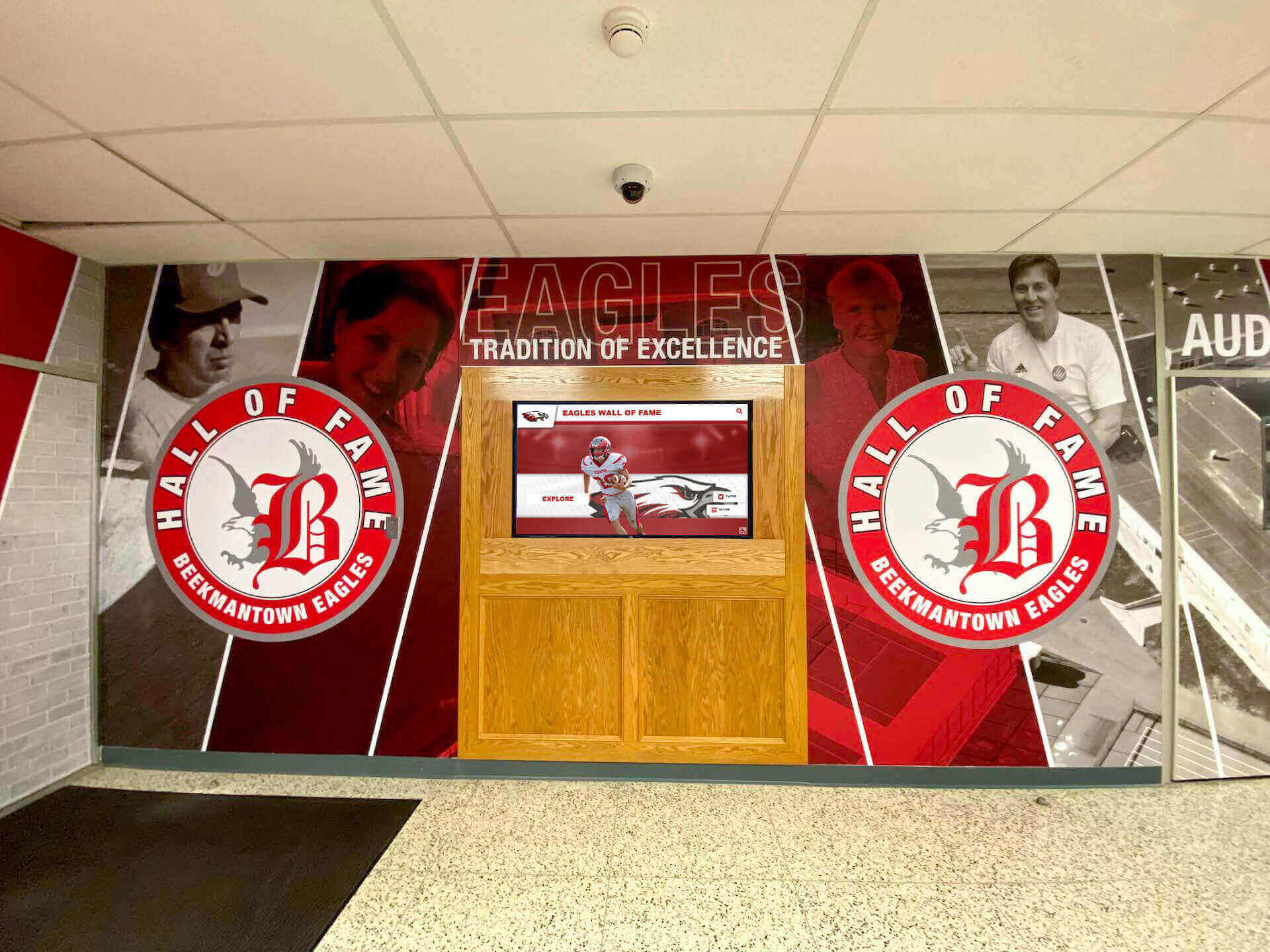
Creating visible recognition spaces in your school demonstrates institutional commitment to celebrating those who make your community thrive
Understanding What Teachers Actually Value
Before planning Teacher Appreciation Week activities, administrators benefit from understanding what educators genuinely appreciate versus gestures that miss the mark.
What Research Reveals About Teacher Recognition
Educational leadership research consistently identifies recognition elements that create meaningful impact for teachers:
Professional Respect and Autonomy
- Acknowledgment of teachers’ professional expertise and judgment
- Trust in instructional decision-making and classroom management
- Recognition of specialized knowledge and continuous learning
- Respect for work-life boundaries and personal time
- Validation of the intellectual and emotional demands of teaching
Specific, Personal Acknowledgment
- Recognition that identifies particular contributions rather than generic praise
- Personal messages acknowledging individual teaching styles and strengths
- Celebration of specific student successes teachers facilitated
- Recognition from administrators who actually know teachers’ work
Teachers consistently report that specific recognition from administrators who understand their daily work creates far more meaningful impact than generic appreciation gestures or expensive gifts that feel disconnected from their actual contributions.
Recognition Approaches Teachers Find Most Meaningful
Surveys of educators reveal appreciation priorities:
Time-Related Gifts
- Coverage enabling uninterrupted planning periods
- Relief from non-instructional duties during appreciation week
- Flexibility in scheduling and meeting requirements
- Protected collaboration time with teaching colleagues
- Earlier dismissal or late arrival opportunities
Professional Growth Support
- Conference attendance funding and time
- Professional development aligned with teachers’ interests
- Resources supporting teaching passions and innovations
- Mentorship opportunities and leadership pathways
- Classroom materials budgets with teacher discretion

Modern recognition technology enables administrators to celebrate educators with detailed, searchable profiles showcasing their contributions
Genuine Communication and Feedback
- Handwritten notes from administrators identifying specific observations
- Public recognition detailing particular teaching excellence
- Parent testimonials shared with teachers and celebrated
- Student impact stories acknowledging teachers’ influence
- Peer recognition facilitated by administrative structures
Understanding these preferences enables administrators to design Teacher Appreciation Week that resonates authentically with teaching staff rather than simply checking boxes.
Daily Themed Recognition Throughout Appreciation Week
Structuring appreciation week with daily themes creates sustained celebration while distributing planning requirements across different stakeholders.
Monday: Student Recognition of Teachers
Launch appreciation week by amplifying student voices celebrating their teachers:
Student Letter and Video Projects
- Elementary students create appreciation cards with specific memories
- Middle school students record video messages highlighting favorite lessons
- High school students write detailed reflections on teachers’ impact
- Compile materials into presentation showcased throughout the week
- Deliver student messages to teachers through creative reveals
Student-Led Morning Announcements Students share appreciation messages and teacher shout-outs over announcements, creating visible celebration from those who benefit most directly from educators’ work.
Hallway Recognition Displays Create bulletin boards where students post sticky notes thanking specific teachers, building visible appreciation throughout campus that teachers encounter all week.
Explore student-driven recognition approaches in award ceremony planning for memorable recognition events.
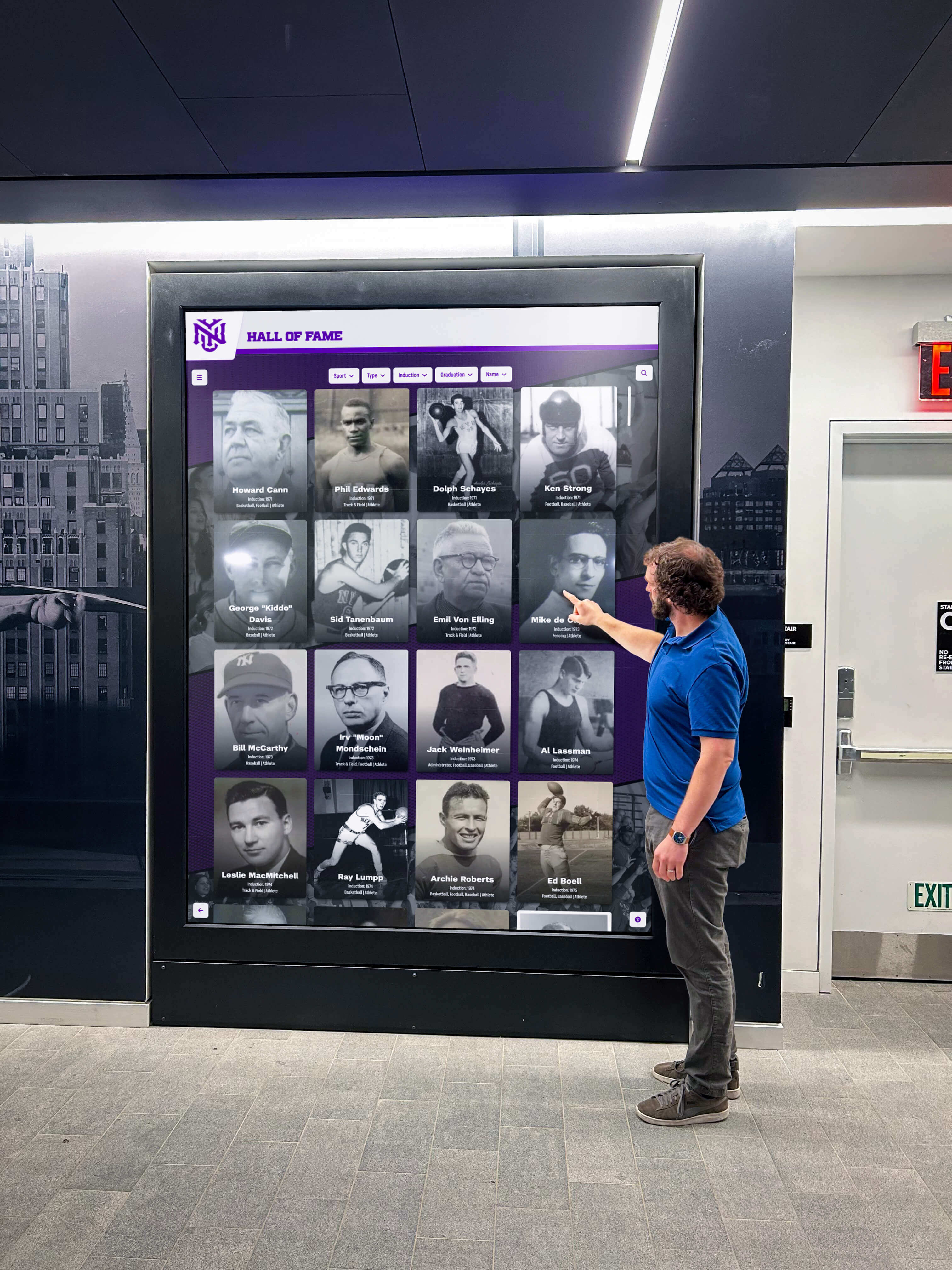
Interactive displays enable students, families, and community members to explore teacher achievements and contributions
Tuesday: Parent and Family Appreciation
Engage families in teacher recognition efforts:
Parent Testimonial Collection
- Email families requesting specific appreciation messages for teachers
- Compile responses into booklets or digital presentations for each teacher
- Share selected testimonials on school social media and newsletters
- Create video montages of parent appreciation messages
- Display family messages in staff lounges and common areas
Family Breakfast or Social Hour Host morning event where families can thank teachers personally, providing informal appreciation opportunities while demonstrating community support for educators.
Parent-Funded Appreciation If your PTA or parent organization contributes funds, ensure they support what teachers actually want—classroom supplies budgets, professional development resources, or service-based gifts like classroom coverage rather than generic merchandise.
Wednesday: Administrator Recognition Day
This mid-week milestone focuses on principal and administrative team’s direct appreciation:
Personal Note Campaign Every administrator writes handwritten notes to assigned teachers, identifying specific observations, contributions, and appreciation for individual teaching approaches. Generic templates undermine impact—specificity demonstrates genuine awareness.
Classroom Visit Appreciation Administrators conduct brief classroom visits specifically to deliver appreciation messages, observe teaching in action, and provide immediate specific positive feedback to teachers during their work.
Time Gift Provision Administrative team covers duties, monitors, or other responsibilities, giving teachers gift of time—consistently cited as most valued appreciation form.
Thursday: Colleague Recognition and Peer Appreciation
Facilitate teachers appreciating one another:
Peer Shout-Out Activities
- Provide forms for teachers to nominate colleagues for specific recognition
- Share peer nominations during staff meetings or via email
- Create appreciation walls where teachers post colleague recognition
- Facilitate department-specific team appreciation activities
- Encourage mentors and mentees to exchange appreciation
Collaboration Celebration Recognize teaching teams, grade-level groups, and cross-curricular collaborations, acknowledging that excellent teaching increasingly depends on collective work.
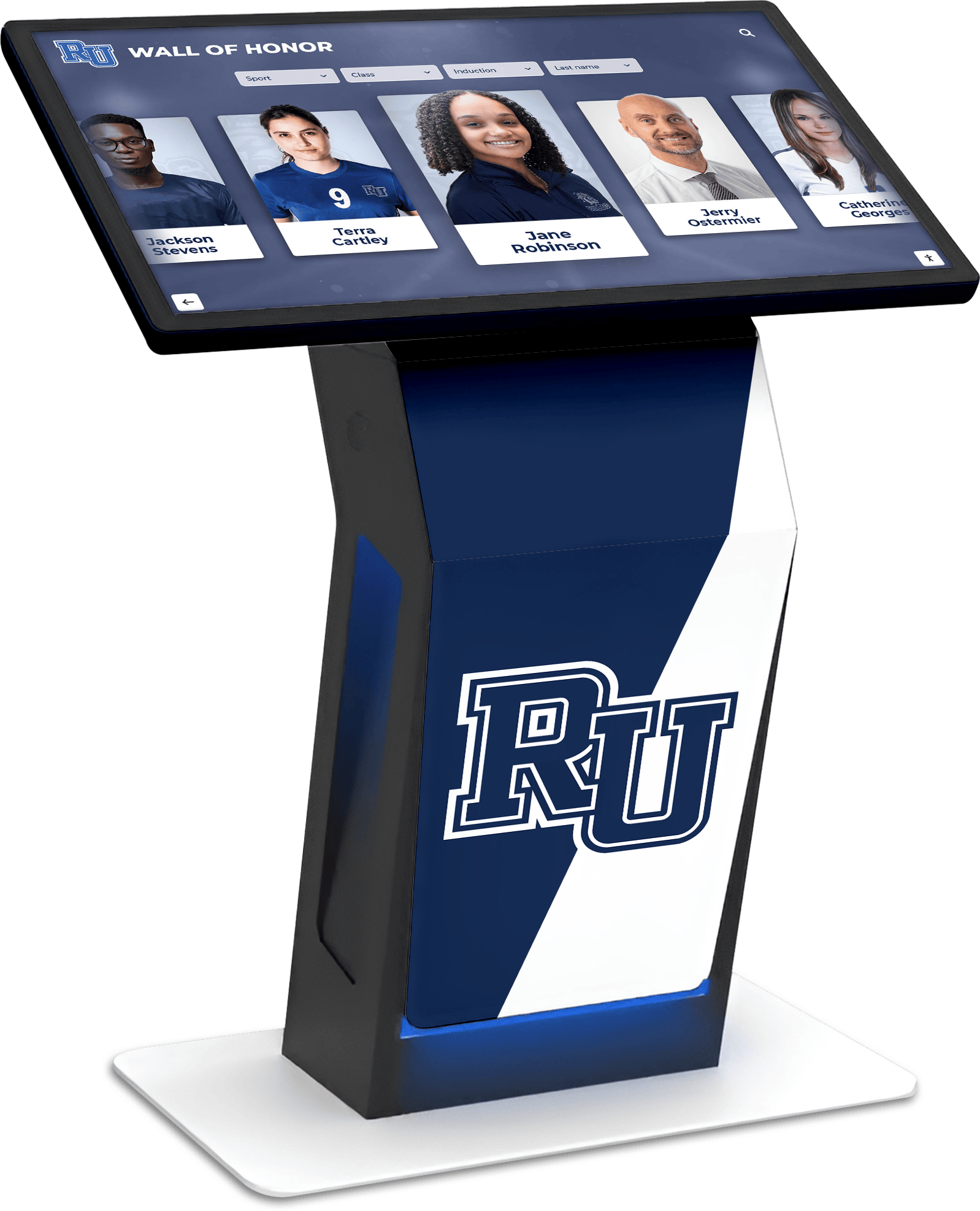
Permanent digital recognition systems provide year-round celebration of teacher excellence and contributions
Friday: Community and Celebration Day
Conclude appreciation week with broader community engagement:
Local Business Partnership Recognition Partner with local businesses to provide teacher discounts, donations, or recognition throughout the week, extending appreciation beyond school walls.
Staff Celebration Event Host end-of-week gathering featuring student performances, parent appreciation presentations, and community recognition. Keep events during contract hours respecting teachers’ time.
Social Media Campaign Culmination Conclude week-long social media campaign celebrating teachers with final posts thanking entire staff, sharing appreciation week highlights, and reinforcing institutional commitment to educator recognition.
Learn about creating recognition cultures in highlighting donor recognition strategies that apply equally to educator appreciation.
Building Permanent Teacher Recognition Systems
While appreciation week creates focused celebration, the most impactful administrator recognition establishes year-round systems honoring teacher excellence.
Digital Teacher Recognition Walls
Modern recognition technology transforms how schools celebrate educators:
Permanent Staff Recognition Displays Solutions like Rocket Alumni Solutions enable administrators to create permanent digital recognition celebrating teaching staff through interactive displays featuring:
- Individual teacher profiles showcasing education, experience, and teaching philosophy
- Student testimonials and parent appreciation messages
- Photos documenting classroom experiences and teaching moments
- Recognition of years of service, certifications, and professional accomplishments
- Awards, honors, and special recognition received throughout careers
Unlike traditional static displays limited by physical space, digital systems accommodate unlimited teachers across all departments and years, creating comprehensive celebration of your entire teaching community past and present.
Interactive Exploration Features Touchscreen capabilities enable students, families, and visitors to:
- Search for specific teachers and explore their profiles
- Filter by department, grade level, or years of service
- Read student and family testimonials about teachers’ impact
- View photo galleries showing teachers in their educational element
- Discover teacher backgrounds, interests, and specializations
This permanent visibility demonstrates institutional commitment to educator recognition while providing meaningful content students and families genuinely engage with.

Integrating recognition technology into school design creates natural touchpoints where community members encounter educator celebration
Administrative Management Benefits Cloud-based recognition systems simplify administrator responsibilities:
- Remote content updates from any internet-connected device
- Bulk import capabilities for staff directories and information
- Scheduled publishing enabling appreciation week special features
- Multiple administrator access with appropriate permission levels
- Automated displays requiring minimal ongoing management
Schools report 80-90% reduction in time spent maintaining teacher recognition after implementing digital systems versus traditional approaches requiring physical updates, printing, and mounting.
Teacher of the Month/Quarter Programs
Systematic ongoing recognition programs complement appreciation week:
Selection Process Design Create transparent, equitable teacher recognition:
- Rotating selection ensuring all departments receive recognition
- Student nomination opportunities with administrator review
- Peer nomination systems enabling colleague recognition
- Parent input mechanisms highlighting community-recognized excellence
- Balanced criteria celebrating diverse teaching strengths
Recognition Components Meaningful teacher of the month programs include:
- Featured profile on digital recognition displays and school website
- Recognition during school events and morning announcements
- Certificate or symbolic recognition presented publicly
- Parking space or other practical benefit for recognition period
- Small gift card or resource budget supporting teaching interests
Avoid creating competitive dynamics undermining collaboration—frame recognition as celebrating excellence across different teaching approaches rather than ranking teachers.
Documentation and Archives Digital recognition systems preserve teacher of the month honorees, building historical record demonstrating sustained excellence and enabling retrospective celebration during milestone events.
Explore systematic recognition in ways to recognize air traffic controllers with transferable approaches for educator appreciation.
Professional Recognition Beyond Generic Appreciation
The most meaningful administrator-led recognition acknowledges teaching as the complex professional work it is.
Classroom Excellence Grants and Innovation Funds
Demonstrate appreciation through supporting teachers’ professional aspirations:
Mini-Grant Programs Establish administrator-managed funds supporting teaching innovation:
- $200-500 grants for classroom projects, materials, or innovations
- Simple application process focusing on teaching goals rather than bureaucracy
- Quick turnaround ensuring teachers can implement ideas promptly
- Celebration of funded projects highlighting teacher creativity
- Flexible guidelines trusting teacher professional judgment
Professional Development Funding Support teacher growth through targeted opportunities:
- Conference attendance covering registration, travel, and substitute coverage
- Workshop and training enrollment in areas matching teacher interests
- Certification support for specialized credentials teachers pursue
- Book and resource budgets enabling self-directed professional learning
- Collaborative learning community participation funding
Unlike generic gifts, professional development support demonstrates respect for teaching as ongoing intellectual work requiring continuous learning.
Teaching Excellence Awards and Formal Recognition
Establish administrator-led recognition programs honoring career achievement:
Annual Excellence Recognition
- Veteran teacher recognition honoring 10, 20, 30+ year milestones
- Specialized teaching awards in different subject areas
- Innovation and creativity recognition for novel approaches
- Mentorship recognition for teachers supporting colleagues
- Student impact awards celebrating transformative teaching
District and Regional Nominations Support teachers pursuing external recognition:
- Identify and nominate deserving teachers for state/national awards
- Provide administrative support completing nomination materials
- Celebrate teachers receiving external recognition
- Share teacher honors with school community and media
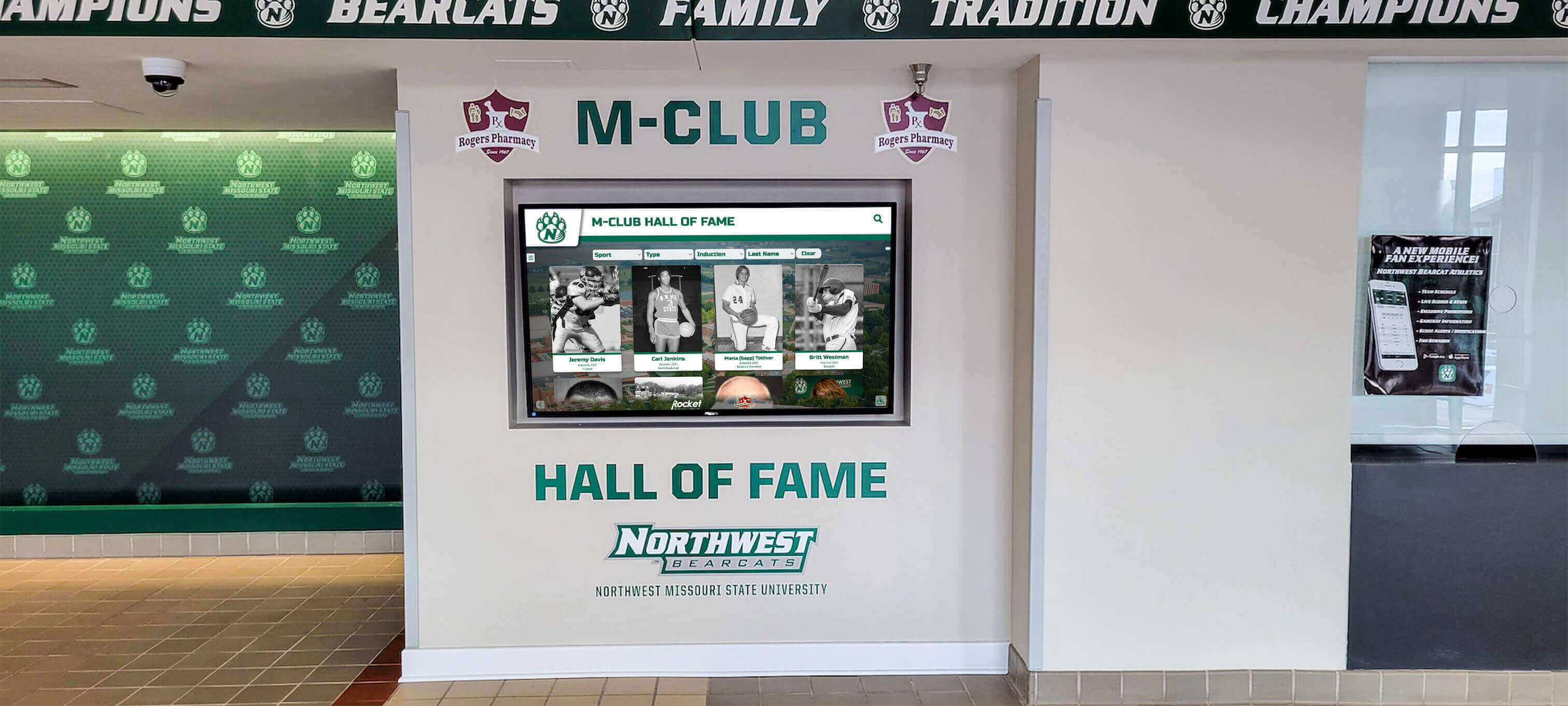
Strategic placement of recognition displays in high-traffic areas ensures continuous visibility for educator celebration
These formal recognition approaches demonstrate administrator commitment to elevating teaching excellence and supporting teachers’ professional reputations beyond individual schools.
Creating Appreciation Week Traditions That Endure
Successful appreciation weeks establish traditions that become anticipated cultural touchstones:
Annual Signature Events
Develop unique appreciation traditions specific to your school:
Teacher Appreciation Assembly Student-led program celebrating teachers through performances, testimonials, and recognition. Ensure events occur during contract hours and avoid creating additional teacher responsibilities.
Community Appreciation Breakfast Board members, community partners, and administrators serve teachers breakfast, symbolically reversing typical service relationships while providing unhurried appreciation time.
Legacy Recognition Ceremony Honor retiring teachers with special recognition celebrating career contributions, establishing tradition acknowledging educator legacies.
Learn about event planning in football banquet ideas for memorable team celebrations with transferable approaches for teacher events.
Multi-Year Recognition Archives
Digital recognition systems enable powerful historical celebration:
Historical Teacher Recognition Include retired and former teachers in recognition displays, demonstrating institutional memory and honoring complete teaching legacy. Alumni visiting campus can find former teachers who influenced them, creating meaningful connections.
Milestone Anniversary Celebrations Use digital archives to identify and celebrate teachers reaching career milestones, pulling historical photos and documenting teaching journeys from beginning to present.
Alumni Testimonial Integration Collect and display alumni appreciation for teachers, demonstrating long-term impact and providing powerful validation of educators’ life work.
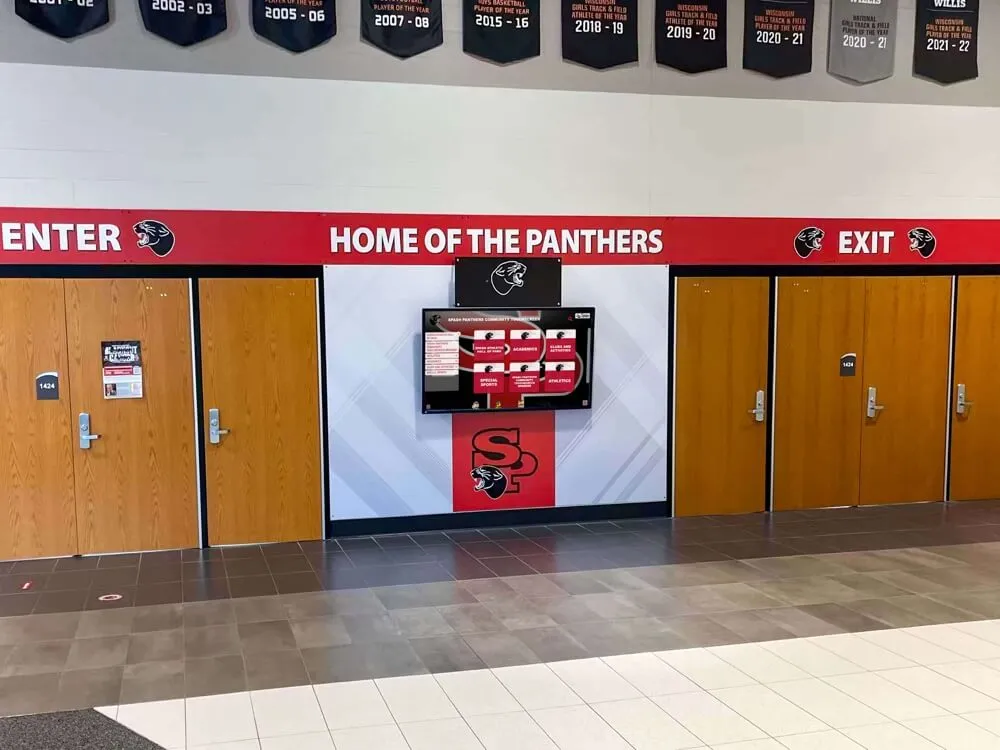
Thoughtfully integrated recognition technology becomes natural part of school environment rather than afterthought addition
Administrative Actions That Demonstrate Appreciation Year-Round
Teacher Appreciation Week means more when it represents concentrated celebration within year-round appreciation culture:
Everyday Administrator Actions
Small consistent behaviors demonstrate genuine appreciation:
Regular Positive Feedback
- Specific observations during classroom walkthroughs shared immediately
- Emails highlighting particular teaching moments witnessed
- Public recognition during staff meetings noting individual contributions
- Thank you notes for extra efforts and above-and-beyond work
- Celebrating student successes by acknowledging teaching that enabled them
Responsive Support Systems
- Quick responses to teacher requests and needs
- Removing unnecessary bureaucratic obstacles
- Providing resources teachers request without excessive justification requirements
- Covering classes when emergencies arise
- Defending teachers against unreasonable demands and complaints
Professional Respect Demonstration
- Seeking teacher input on decisions affecting instruction
- Trusting teacher professional judgment on classroom matters
- Minimizing interruptions to instructional time
- Protecting planning periods from meetings and assignments
- Honoring boundaries between professional obligations and personal time
These consistent actions create appreciation culture where formal recognition during appreciation week feels authentic rather than performative.
Systemic Culture Building
Administrators shape school culture through structural decisions:
Equitable Workload Distribution Ensure committee assignments, duty schedules, and additional responsibilities distribute fairly rather than repeatedly overburdening most committed teachers.
Meeting Efficiency and Purpose Respect teacher time by conducting efficient meetings with clear purposes, eliminating gatherings that could be emails, and ending meetings when business concludes rather than filling allocated time.
Communication Clarity Provide clear expectations, consistent communication, and stable structures reducing uncertainty and last-minute changes disrupting teacher planning.
Problem-Solving Partnership Approach challenges collaboratively with teachers rather than directively, recognizing educators’ insights about instructional issues administrators may not fully understand.
Explore organizational recognition cultures in alumni gathering area design with relevant space design principles.
Budget-Conscious Appreciation Strategies
Meaningful teacher appreciation doesn’t require substantial budgets—thoughtfulness matters more than expense:
Low-Cost High-Impact Recognition
Student-Created Appreciation Student artwork, letters, videos, and performances cost nothing financially while providing teachers what they value most—evidence of student connection and growth.
Time Gifts Through Coverage Administrators and support staff covering duties, monitoring, or classes costs nothing but provides teachers their most valued commodity—time.
Public Recognition Platforms Social media posts, website features, newsletter highlights, and morning announcements celebrating specific teachers cost nothing while providing meaningful visibility.
Handwritten Personal Notes Administrator time writing specific, personal appreciation notes represents minimal financial cost but creates treasured recognition teachers often keep for years.
Strategic Budget Allocation
When budgets exist, maximize impact:
Classroom Materials Over Generic Gifts $25 per teacher spent on requested classroom supplies provides far more value than equivalent generic gift baskets.
Professional Development Over Merchandise Conference registration or professional book budgets demonstrate respect for teaching as ongoing professional work.
Food for Staff Gatherings Catered meals or treats for staff lounges provide universal benefit while enabling informal appreciation conversations.
Recognition Technology Investment One-time investment in digital recognition systems creates permanent appreciation infrastructure providing years of value versus annual expendable budgets on items with temporary impact.
Learn about display technology in high school graduate display guide with relevant implementation considerations.
Avoiding Common Appreciation Week Mistakes
Understanding what undermines teacher appreciation helps administrators design more effective recognition:
Recognition Pitfalls to Avoid
Adding Work While Claiming Appreciation Requiring teachers to attend appreciation events outside contract hours, participate in recognition activities during planning time, or complete appreciation-related tasks contradicts the appreciation message.
Generic Mass Recognition Identical appreciation messages sent to all staff signal lack of genuine awareness about individual teachers. Specificity demonstrates actual knowledge and appreciation of particular contributions.
Ignoring Teacher Feedback Organizing appreciation activities teachers have indicated they don’t value while ignoring expressed preferences shows administrators prioritize appearance over actual teacher satisfaction.
Surface Gestures Without Systemic Support Appreciation week celebrations ring hollow when they occur within overall cultures lacking teacher support, respect, or reasonable working conditions.
Creating More Work for Teachers Asking teachers to coordinate appreciation activities, organize peer recognition, or manage appreciation week logistics contradicts the goal of reducing teacher burden.
Ensuring Authentic Appreciation
Gather Teacher Input Survey staff about preferred appreciation forms before planning activities, ensuring recognition aligns with actual preferences rather than administrator assumptions.
Focus on What Teachers Control Acknowledge teaching work itself rather than student outcomes teachers can influence but not control, avoiding appreciation that feels like accountability pressure.
Recognize Diverse Excellence Celebrate different teaching approaches and strengths rather than single definition of excellence, ensuring all teachers see themselves in recognition criteria.
Maintain Consistency Ensure appreciation reaches all teachers equitably rather than concentrating recognition on most visible, vocal, or administratively convenient staff members.
Explore recognition best practices in school mascot history and identity with relevant cultural considerations.
Measuring Appreciation Initiative Effectiveness
Assess whether appreciation efforts create intended impact:
Teacher Feedback and Response
Direct Input Collection
- Post-appreciation week surveys gathering teacher feedback
- Focus groups discussing appreciation effectiveness
- Informal conversations about what resonated most
- Anonymous feedback mechanisms enabling honest assessment
- Year-over-year comparison of teacher satisfaction
Cultural Indicators
Observable Changes
- Teacher morale and engagement patterns
- Staff retention and recruitment success
- Teacher participation in voluntary activities and committees
- Informal feedback from teachers about feeling valued
- School climate survey results relating to administrative support
Refinement and Improvement
Continuous Enhancement Use feedback to improve subsequent appreciation efforts, demonstrating administrator responsiveness to teacher perspectives and commitment to meaningful rather than performative recognition.
Sharing Success When appreciation initiatives prove particularly effective, share approaches with administrative colleagues and other schools, extending positive impact beyond your institution.
Conclusion: Building Cultures of Authentic Teacher Appreciation
Effective teacher appreciation week planning represents just one component of comprehensive recognition cultures school administrators create through consistent actions, systemic support, and genuine respect for the complex, demanding, and profoundly important work teaching represents. While designated appreciation weeks provide valuable concentrated celebration opportunities, they mean most when they represent focused expressions of year-round appreciation rather than isolated gestures disconnected from daily administrative practice.
The strategies explored in this guide—from daily themed recognition and permanent digital celebration systems to professional development support and everyday administrative actions—provide administrators comprehensive frameworks for honoring teaching staff in ways that truly resonate. When appreciation combines specific acknowledgment with practical support, professional respect with personal recognition, and immediate celebration with permanent institutional memory, it creates impact extending far beyond individual appreciation moments.
Create Permanent Recognition for Your Teaching Staff
Discover how digital recognition solutions can help you honor your educators year-round with interactive displays celebrating their dedication, achievements, and impact on students' lives.
Explore Recognition SolutionsBuilding meaningful teacher appreciation requires moving beyond assumptions about what educators want toward genuine understanding of what teaching demands and what recognition truly honors those demands. Digital platforms make comprehensive, permanent recognition achievable while everyday administrator actions demonstrate consistent appreciation reinforcing formal celebration.
Start where you are with appreciation approaches you can implement immediately during this year’s Teacher Appreciation Week, then systematically build toward comprehensive recognition systems your teaching staff deserves. Every teacher who feels genuinely valued and respected for their professional contributions develops stronger commitment to your school community and greater capacity to serve students excellently.
Your teachers shape every student who enters your school, influence families throughout your community, and determine your institution’s educational quality more than any other factor. They deserve appreciation reflecting that reality—specific, sustained, and systematically integrated into school culture.
Ready to enhance your teacher recognition systems? Explore comprehensive approaches in basketball hall of fame recognition and academic history archiving for schools with relevant recognition strategies.































