Being named team captain represents one of the highest honors a student-athlete can receive. It’s public recognition that coaches, teammates, and program leadership trust your judgment, value your character, and believe you can represent the team with integrity. Yet the captain’s armband or letter jacket patch is just the visible symbol—the real work happens in locker rooms, during practice, and in the countless moments when teammates look to you for guidance, motivation, and example.
Team captains serve as bridges between coaches and players, enforcers of team standards, motivators during adversity, and representatives of program values. Whether you’ve just been elected captain, you’re considering nominating teammates for leadership roles, or you’re a coach defining captain responsibilities, understanding what effective team leadership requires helps ensure this critical role strengthens your program.
The team captain role extends far beyond being the most skilled athlete or highest scorer. Effective captains combine athletic credibility with communication skills, emotional intelligence, work ethic, and genuine commitment to team success over individual recognition. These leadership qualities develop over time through intentional practice—not everyone who wears the captain designation automatically possesses them, but any committed athlete can strengthen these capabilities.
Core Team Captain Responsibilities
Team captains fulfill multiple essential functions that support coaches and strengthen team culture. Understanding these core responsibilities helps captains prioritize their efforts and meet team needs.
On-Field/Court/Field Leadership
During competition, team captains serve as extensions of the coaching staff on the playing surface.
Game Management Functions
- Represent the team during coin tosses, referee meetings, and pre-game protocols
- Communicate coaching adjustments and strategy changes to teammates during competition
- Read game situations and make real-time leadership decisions when coaches cannot intervene
- Call timeouts or make substitution requests based on game flow and team needs
- Address officiating concerns professionally when appropriate
Competitive Leadership
- Model maximum effort and intensity that sets performance standards
- Maintain composure during adversity and prevent emotional breakdowns
- Recognize when teammates need encouragement versus when they need challenge
- Identify momentum shifts and rally team response
- Demonstrate technical and tactical excellence teammates can emulate
Captains lead most effectively when their competitive performance backs up their positional authority. You cannot consistently ask teammates for effort you don’t provide yourself.
Practice Leadership and Accountability
Daily practice represents where team culture truly develops. Captain leadership during routine work separates programs with strong cultures from those that struggle.
Setting Practice Standards
- Arrive early and prepare thoroughly, establishing expectations through example
- Demonstrate maximum effort during conditioning, drills, and repetitions
- Encourage teammates through difficult practice segments
- Address lackadaisical effort or poor focus from teammates
- Model positive responses to coaching correction
Accountability Enforcement
- Confront teammates whose behavior undermines team standards
- Address attendance issues, late arrivals, or preparation problems
- Call out effort that falls below team expectations
- Deliver difficult feedback to friends when their actions hurt the team
- Report serious violations to coaching staff when peer accountability proves insufficient
This accountability responsibility represents one of captain leadership’s most challenging aspects. You must balance maintaining relationships with enforcing standards—and sometimes that means having uncomfortable conversations with teammates you consider friends.
Team Communication and Culture Building
Captains serve as critical communication bridges between coaching staff, team members, and broader program stakeholders.
Coach-Team Communication
- Convey coaching messages in ways teammates understand and accept
- Bring team concerns, questions, or feedback to coaching staff appropriately
- Translate coaching strategies and explain reasoning behind decisions
- Gauge team mood and morale, keeping coaches informed of issues
- Facilitate productive dialogue during team meetings
Peer Communication
- Address conflicts between teammates before they escalate
- Include quieter or less popular teammates in team activities
- Recognize teammate contributions that might otherwise go unnoticed
- Communicate expectations for behavior, effort, and commitment
- Build connections between different grade levels, positions, or friend groups
Culture Development
- Organize team bonding activities that strengthen relationships
- Establish and reinforce team values, traditions, and standards
- Recognize and celebrate teammate achievements and milestones
- Create inclusive environment where all players feel valued
- Model and promote positive attitudes and supportive behaviors
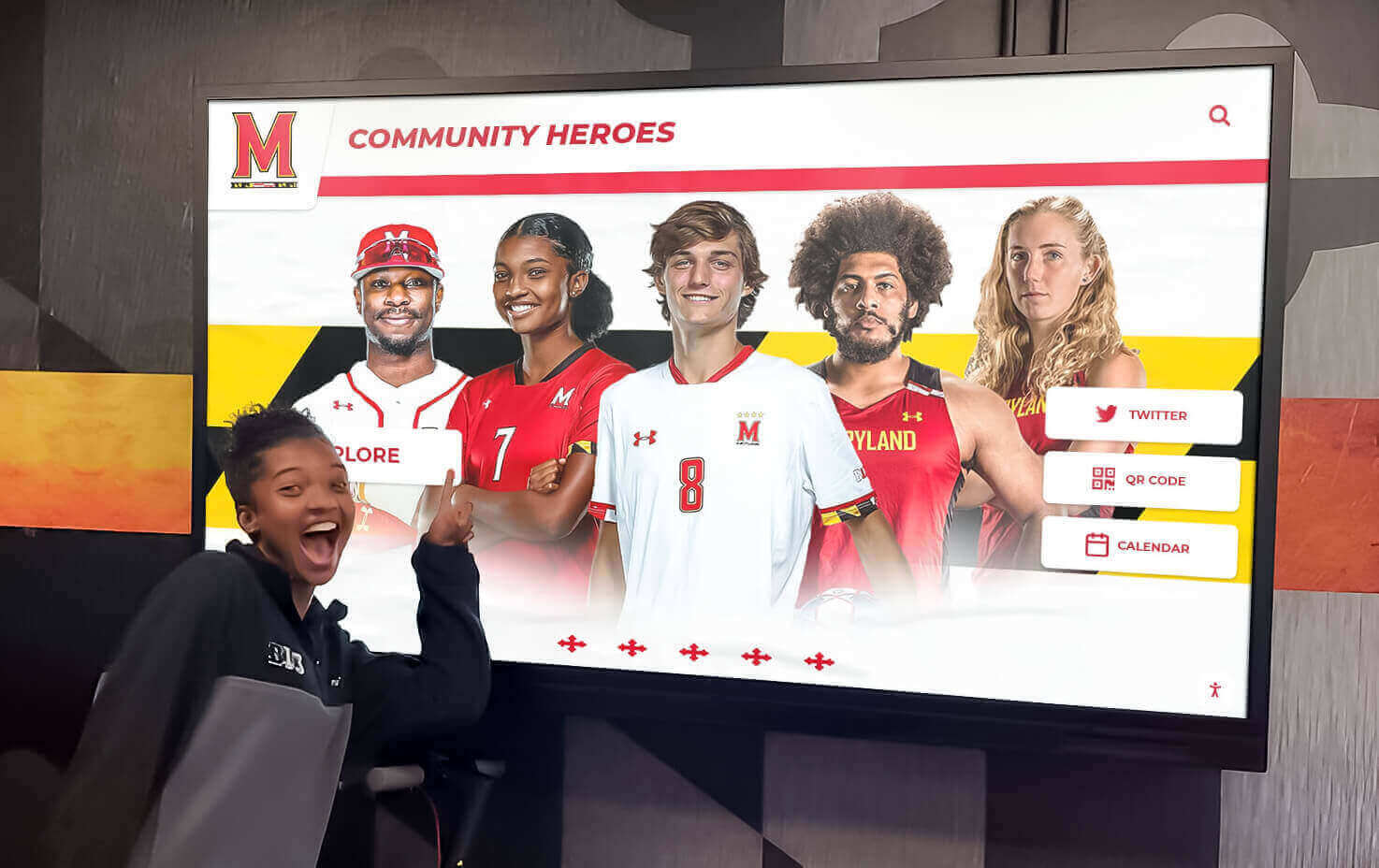
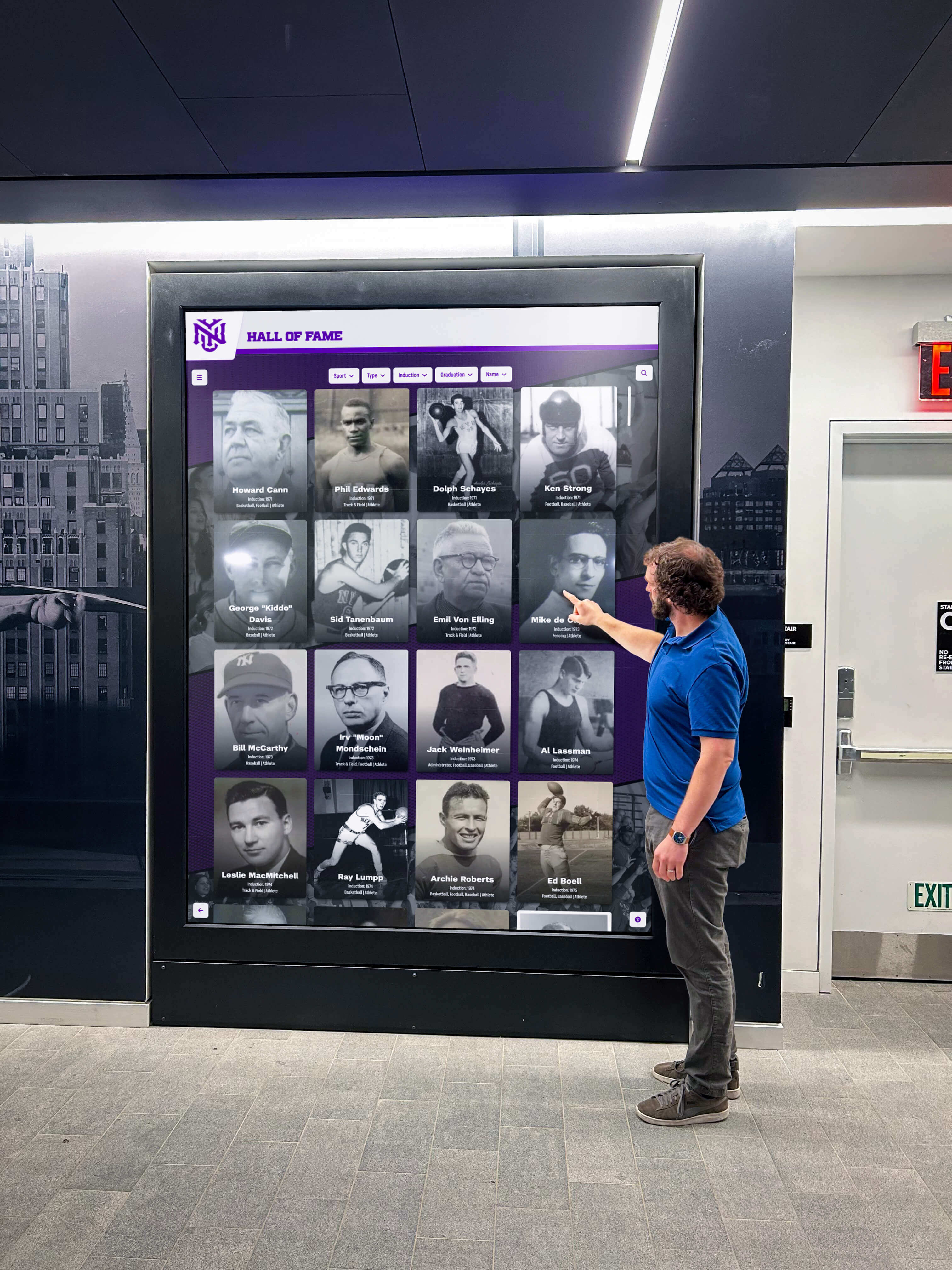
Teams with strong captain leadership develop positive, unified cultures where standards are maintained through peer accountability rather than only coaching enforcement. Programs that celebrate leadership alongside performance—such as through comprehensive recognition displays—demonstrate that they value these character qualities as much as athletic achievement.
Representing the Program
Captains serve as team ambassadors to broader communities—school administrators, alumni, boosters, media, and opponents.
Public Representation
- Conduct media interviews professionally and represent the program positively
- Interact respectfully with officials, opponents, and game administrators
- Demonstrate sportsmanship in victory and defeat
- Speak at program events, banquets, and community appearances
- Serve as program face to prospective athletes and their families
Community Engagement
- Participate in community service and outreach initiatives
- Represent the team at school events and functions
- Engage with younger athletes who look up to the program
- Support other school teams and programs through attendance and encouragement
- Model citizenship and character beyond athletic settings
Alumni and Tradition Connection
- Learn and share program history and traditions with younger teammates
- Connect with program alumni and maintain tradition continuity
- Honor past captains and leaders who built program culture
- Understand the significance of captain role within program history
- Build relationships that extend beyond current team
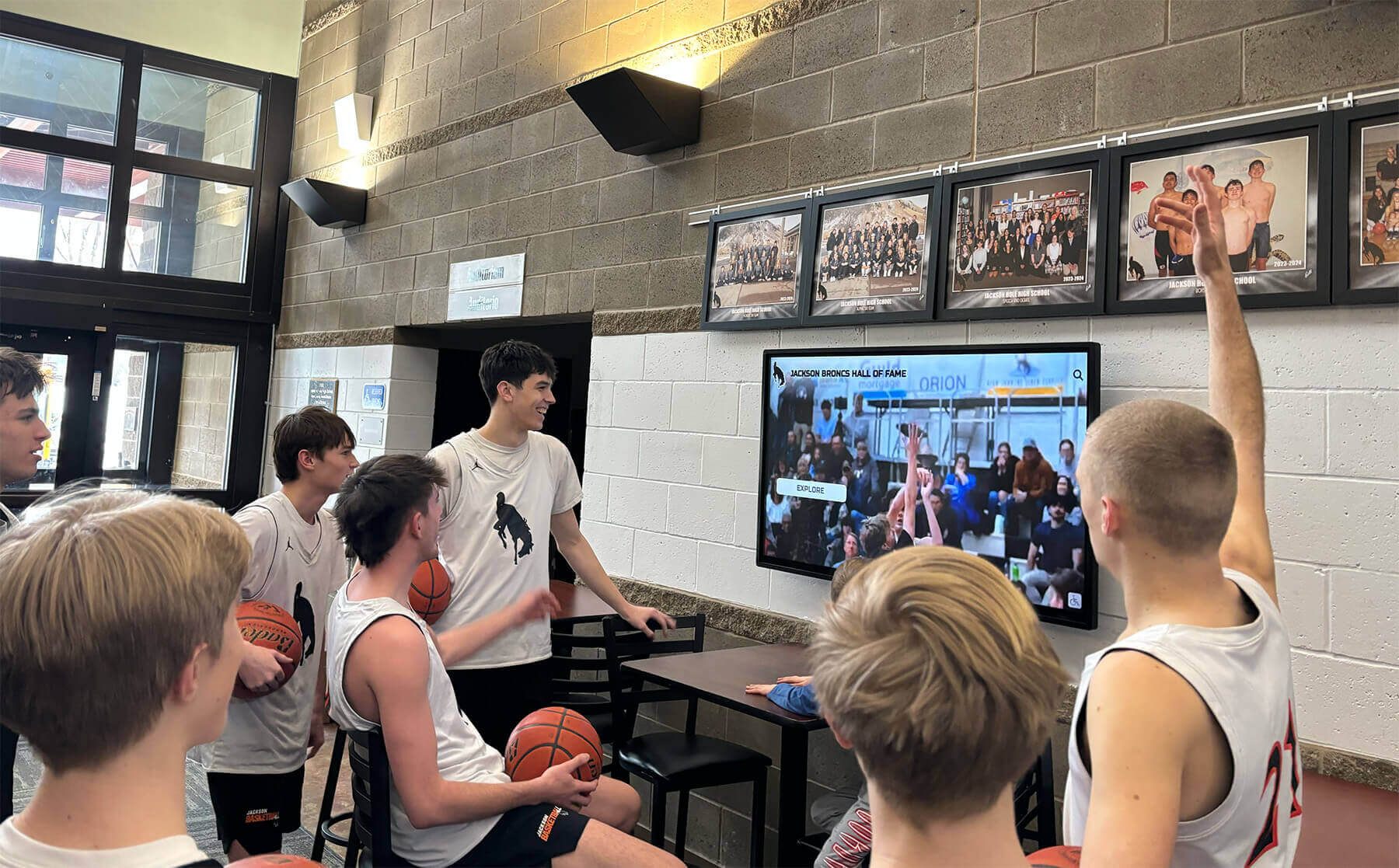
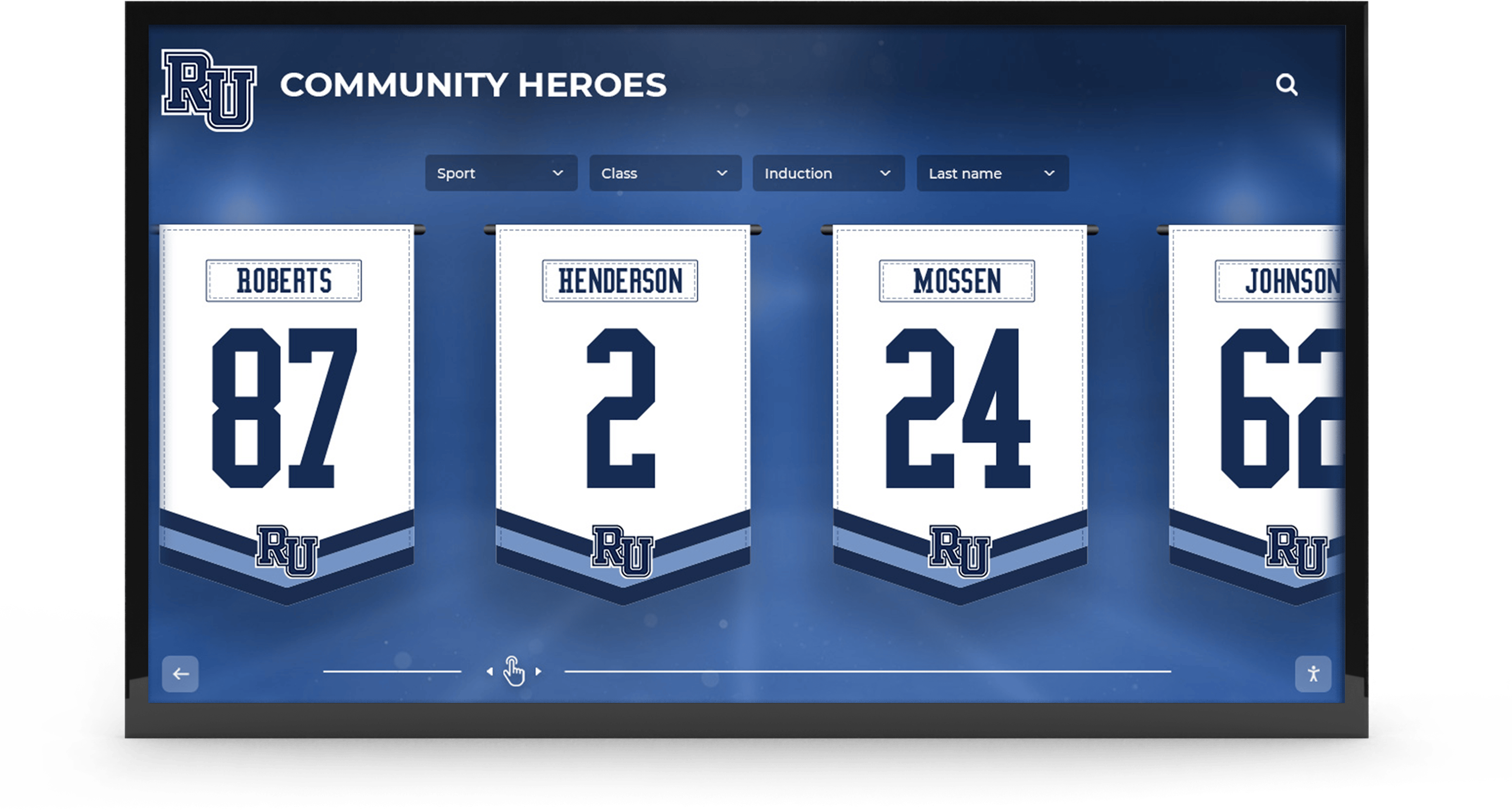
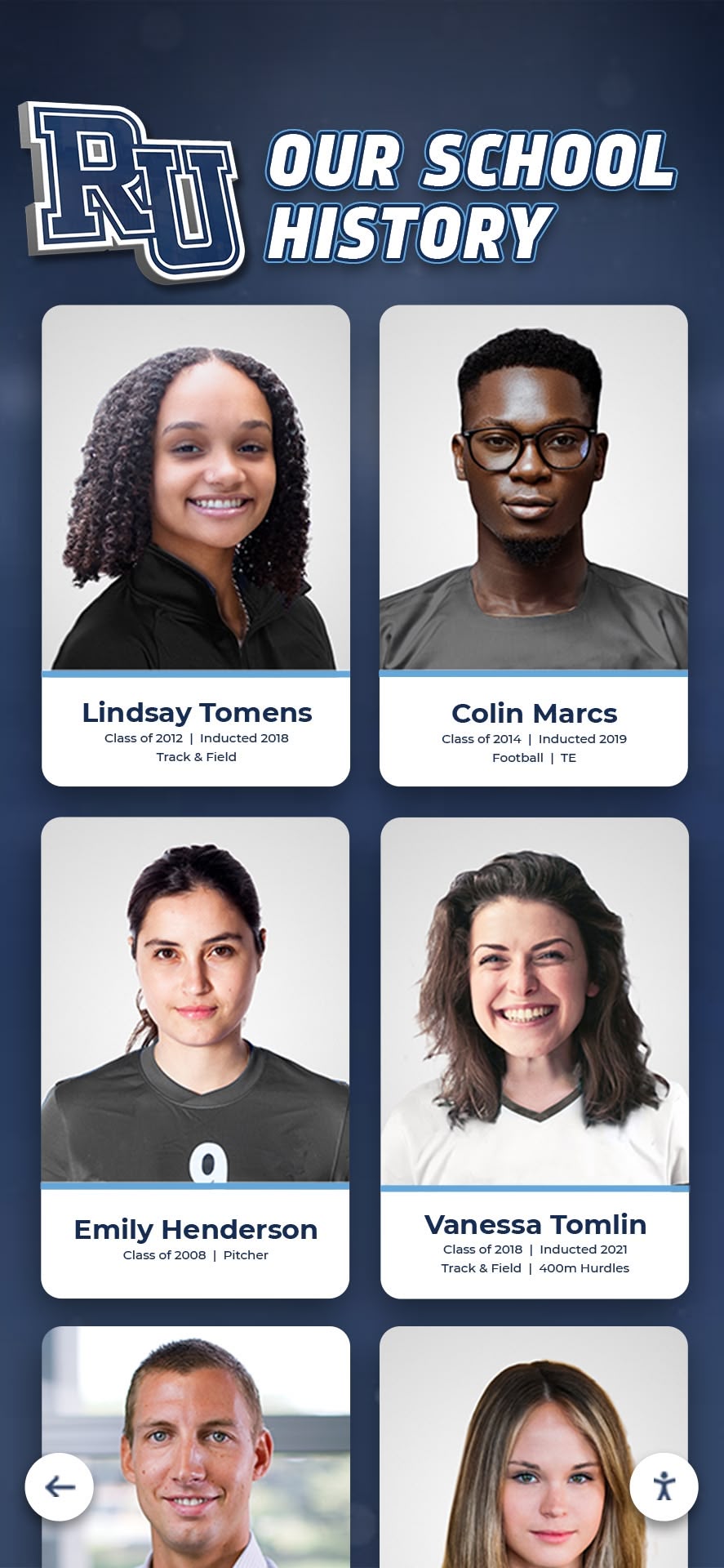
Many programs permanently recognize captain leadership through digital hall of fame displays that document not just athletic achievement but leadership contributions that shaped team culture.
Essential Leadership Skills for Team Captains
Effective captain leadership requires developing specific capabilities that extend beyond athletic talent. These skills can be strengthened through conscious practice and reflection.
Communication Skills
The ability to communicate effectively with diverse audiences represents perhaps the most critical captain capability.
Verbal Communication
- Speak clearly and confidently in team meetings and huddles
- Adapt communication style to different audience needs (coaches, teammates, officials)
- Deliver difficult messages with directness tempered by respect
- Ask clarifying questions and ensure understanding
- Use positive language that motivates rather than deflates
Nonverbal Communication
- Maintain body language that conveys confidence and composure
- Make eye contact during conversations and team meetings
- Display facial expressions and gestures that reinforce messages
- Model effort and intensity through physical demonstration
- Control emotional displays that might undermine leadership
Active Listening
- Give teammates full attention during conversations
- Ask follow-up questions showing genuine interest
- Acknowledge emotions and perspectives even when disagreeing
- Remember important details teammates share
- Create safe space for teammates to express concerns
Captains who communicate poorly—whether speaking unclearly, failing to listen, or sending conflicting messages through body language—undermine their leadership regardless of their athletic ability or good intentions.
Emotional Intelligence
Understanding and managing emotions—both your own and teammates’—enables captains to navigate complex interpersonal dynamics.
Self-Awareness
- Recognize your emotional states and triggers
- Understand how your moods affect teammates
- Identify your strengths and limitations as a leader
- Acknowledge when you make mistakes
- Manage competitive pressure and performance anxiety
Self-Regulation
- Control emotional reactions during high-pressure situations
- Remain composed when frustrated or disappointed
- Respond thoughtfully rather than react impulsively
- Maintain consistency rather than mood-based leadership
- Demonstrate resilience after setbacks
Social Awareness
- Read team emotional climate and mood
- Recognize when teammates struggle with confidence or motivation
- Understand different personalities and what motivates each individual
- Notice subtle signs of conflict or disconnection
- Appreciate diverse perspectives and backgrounds
Relationship Management
- Build genuine connections with all teammates
- Navigate conflicts constructively
- Provide encouragement calibrated to individual needs
- Balance relationship maintenance with accountability
- Adapt leadership approach to different situations and people
Teams with emotionally intelligent captains experience less drama, resolve conflicts more effectively, and maintain more consistent performance under pressure.
Decision-Making and Problem-Solving
Captains constantly make judgment calls—during games, practices, and team situations. Strong decision-making separates effective leaders from those who rely solely on positional authority.
Situational Assessment
- Quickly read situations and identify key issues
- Gather relevant information before deciding
- Consider short-term and long-term implications
- Distinguish urgent issues requiring immediate action from less pressing matters
- Recognize when to make decisions independently versus involving others
Judgment and Values
- Apply team values and standards consistently
- Make ethically sound decisions even under pressure
- Consider how decisions affect different stakeholders
- Balance competing priorities and interests
- Take responsibility for decision outcomes
Problem-Solving Process
- Define problems clearly before attempting solutions
- Generate multiple potential approaches
- Evaluate options against team goals and values
- Implement decisions decisively once made
- Adjust course when initial approaches prove ineffective
Motivation and Inspiration
Getting maximum effort from teammates—particularly when training is difficult or results are disappointing—represents a core captain function.
Positive Reinforcement
- Recognize and celebrate teammate successes and improvements
- Provide specific praise highlighting what was done well
- Acknowledge effort even when results fall short
- Build confidence through genuine encouragement
- Create momentum through incremental wins
Challenge and Accountability
- Set high expectations that stretch teammate capabilities
- Express confidence that teammates can achieve difficult goals
- Deliver constructive criticism focused on behavior, not character
- Challenge teammates to exceed their own perceived limitations
- Hold teammates accountable to standards they’ve committed to uphold
Leading Through Example
- Demonstrate the work ethic and attitude you expect from teammates
- Show vulnerability and willingness to grow
- Maintain composure and optimism during adversity
- Model recovery from mistakes and setbacks
- Compete at maximum intensity consistently
The most effective captains combine positive encouragement with honest challenge. Pure positivity without accountability enables mediocrity. Pure challenge without encouragement creates resentment. The balance between these approaches—and knowing when each is needed—defines effective motivational leadership.
Many successful programs incorporate captain leadership into their sports banquet recognition, celebrating not just athletic achievement but the leadership qualities that strengthen team culture.
Different Captain Leadership Styles
Not all effective captains lead identically. Understanding different leadership approaches helps captains play to their strengths while developing areas for growth.
The Vocal Leader
Some captains lead primarily through verbal communication—team meetings, huddles, individual conversations, and constant encouragement.
Strengths:
- Clear articulation of team goals and standards
- Ability to rally teammates during adversity
- Comfort addressing groups and individuals
- Skill at translating coaching messages
- Confidence mediating conflicts
Potential Limitations:
- May talk more than listen
- Risk of message fatigue if communicating constantly
- Can be perceived as overbearing or preachy
- May struggle showing leadership through quiet example
- Possible disconnect if words don’t match actions
Development Focus:
- Balance talking with active listening
- Ensure behavior matches words
- Know when silence is more powerful than speech
- Develop one-on-one relationship-building alongside group communication
- Learn to read when teammates need space versus when they need conversation
The Lead-by-Example Captain
Other captains lead primarily through actions—demonstrating desired standards through personal performance and behavior.
Strengths:
- Undeniable credibility through performance
- Consistent modeling of team values
- Leadership that transcends language or relationship barriers
- Avoidance of hypocrisy or “do as I say” perception
- Respect earned through work ethic and commitment
Potential Limitations:
- May avoid necessary difficult conversations
- Teammates might not understand expectations without verbal articulation
- Risk of appearing aloof or disconnected
- Less effective at building team unity or resolving conflicts
- May struggle with formal captain responsibilities requiring verbal communication
Development Focus:
- Build verbal communication skills and comfort
- Practice articulating standards and expectations
- Learn to complement action leadership with necessary conversations
- Develop willingness to address issues directly
- Balance personal performance focus with team culture building
The Connecting Leader
Some captains lead primarily through relationships—building genuine connections with all teammates and creating inclusive culture.
Strengths:
- Understanding of individual teammates’ needs and motivations
- Ability to include and value diverse team members
- Skill at mediating conflicts and repairing relationships
- Creation of team unity and cohesion
- Accessibility and approachability for all teammates
Potential Limitations:
- Possible avoidance of necessary accountability conversations
- Risk of prioritizing popularity over enforcement of standards
- May struggle delivering difficult feedback to friends
- Can be perceived as lacking competitive edge
- Potential difficulty making decisions that disappoint some teammates
Development Focus:
- Build comfort with accountability alongside relationship maintenance
- Develop ability to deliver necessary criticism without damaging relationships
- Strengthen competitive fire and performance expectations
- Learn to make difficult decisions despite relationship concerns
- Balance inclusion with enforcement of team standards
The Strategically Versatile Leader
The most effective captains develop capabilities across all approaches, adapting their leadership style to situational needs.
Situational Leadership Application:
- Rally teams during competition through vocal leadership
- Demonstrate standards through consistent personal example
- Build relationships that enable difficult accountability conversations
- Read situations and apply appropriate leadership approach
- Develop comprehensive leadership toolkit
Building Effective Captain-Coach Relationships
The captain-coach relationship fundamentally shapes how effectively captains can lead. Strong partnerships amplify leadership impact while poor relationships undermine both parties.
Understanding Your Role Relative to Coaches
Captains serve team leadership functions distinct from—but complementary to—coaching authority.
Captain Responsibilities:
- Peer leadership among teammates
- Cultural enforcement through player accountability
- Communication of player perspective to coaches
- On-field leadership when coaches cannot directly intervene
- Team unity and relationship building
Coaching Responsibilities:
- Strategic and technical direction
- Ultimate authority on team decisions
- Formal disciplinary action when necessary
- Roster and playing time decisions
- Program administration and external relationships
Effective captains understand this distinction and avoid overstepping into coaching domains. You represent teammates to coaches, but you don’t challenge coaching authority publicly or undermine strategic decisions.
Communication Practices with Coaches
Regular, honest communication between captains and coaches strengthens leadership effectiveness.
Scheduled Check-Ins
- Weekly or bi-weekly meetings to discuss team dynamics
- Sharing observations about team morale, conflicts, or concerns
- Receiving coaching perspective on upcoming challenges
- Aligning on priorities and focus areas
- Planning team activities or culture initiatives
Real-Time Communication
- Bringing urgent issues to coaching attention promptly
- Asking clarifying questions about strategies or decisions
- Sharing feedback on how teammates are responding to approaches
- Requesting guidance when facing difficult captain decisions
- Communicating relevant information from teammates
Feedback Exchange
- Receiving coaching evaluation of your captain leadership
- Sharing respectful perspective on coaching approaches
- Discussing what’s working well versus what needs adjustment
- Maintaining confidentiality of sensitive conversations
- Building mutual trust through honest, respectful dialogue
Programs that develop strong captain-coach partnerships often recognize this leadership relationship formally through senior night celebrations and awards programs honoring leadership contributions.
Challenges Team Captains Face
Understanding common leadership challenges helps captains navigate difficult situations more effectively.
Balancing Friendship with Leadership
Many captains struggle with the tension between maintaining friendships and fulfilling accountability responsibilities.
The Challenge: Your best friend shows up late to practice repeatedly, half-heartedly participates, and seems distracted. As their friend, you want to be understanding. As captain, you know their behavior undermines team standards and sets a poor example.
Approaches to Navigate This Tension:
- Have private conversations rather than public call-outs
- Frame accountability as coming from a place of caring about their wellbeing and the team
- Separate the behavior from the person—criticize actions, not character
- Maintain consistency—hold friends to the same standards as everyone else
- Follow through on consequences even when uncomfortable
- Accept that some relationships may be tested by leadership responsibilities
The reality is that some teammates will resent leadership accountability regardless of how diplomatically you deliver it. Effective captains accept this as an inherent tension in the role rather than avoiding necessary conversations to preserve popularity.
Managing Team Conflicts
Team conflicts are inevitable—personality clashes, competition for playing time, disagreements about strategy or effort. Captains often get pulled into mediating these disputes.
Conflict Resolution Strategies:
- Address conflicts early before they escalate
- Create space for both parties to express perspectives
- Focus on understanding interests and needs, not just positions
- Identify common ground and shared goals
- Generate solutions that address underlying concerns
- Know when conflicts require coaching involvement versus peer mediation
- Follow up to ensure resolutions stick
Leading Peers Who May Be Better Athletes
In many cases, captains aren’t the most talented athletes on their team. Leading peers with superior athletic ability requires establishing credibility through other dimensions.
Establishing Multi-Dimensional Credibility:
- Demonstrate maximum effort and preparation consistently
- Develop expertise in strategic and technical aspects
- Build genuine relationships showing you care about teammates’ success
- Exhibit character and integrity that earns respect
- Contribute to team success through your specific strengths
- Acknowledge others’ athletic superiority while maintaining leadership confidence
- Lead in areas where you do excel—work ethic, attitude, communication
Athletic programs that recognize diverse forms of contribution and leadership help establish that captain value extends beyond being the highest scorer or fastest runner.
Managing Personal Performance Pressure
Captains face dual pressure—performing well athletically while fulfilling leadership responsibilities. Poor personal performance can undermine leadership credibility.
Managing This Dual Pressure:
- Maintain personal preparation and training discipline
- Separate performance disappointment from leadership effectiveness
- Focus on controllable aspects of performance
- Seek coaching support when personal performance struggles
- Demonstrate resilience and growth mindset when facing adversity
- Lead through consistency rather than only through peak performance
- Remember that leadership credibility comes partly from how you handle struggles
The captain who maintains leadership presence despite personal performance challenges often earns more respect than the captain who only leads when individually successful.
Developing Future Team Captains
Current captains play important roles in developing emerging leaders who will eventually assume captain responsibilities.
Identifying Leadership Potential
Not all future captains are obvious. Some athletes demonstrate natural leadership presence, while others develop these capabilities over time.
Leadership Indicators to Recognize:
- Teammates naturally gravitate toward them for advice or support
- Consistent positive attitude and work ethic regardless of circumstances
- Willingness to do unseen work that benefits the team
- Ability to handle coaching criticism without defensiveness
- Initiative in supporting and encouraging teammates
- Character demonstrated through actions, not just words
- Growth mindset and willingness to learn and improve
Mentoring Younger Leaders
Captains should intentionally develop leadership capabilities in younger teammates who show potential.
Mentorship Approaches:
- Include emerging leaders in captain-organized activities
- Delegate specific leadership responsibilities to younger players
- Provide feedback on their leadership efforts
- Share lessons learned from your own captain experience
- Model vulnerability by discussing challenges you’ve faced
- Create leadership opportunities in practice or competition
- Explicitly discuss what captain leadership requires
Progressive Leadership Development:
- Freshmen/sophomores: Learn team culture, observe captain leadership
- Juniors: Take on specific team roles, practice leadership skills
- Seniors: Assume formal captain responsibilities with full authority
Programs with strong leadership development create seamless transitions as senior captains graduate and younger leaders step into expanded roles.
Documenting Captain Legacy
Thoughtful captains consider what they’ll leave behind when they graduate—the standards, traditions, and culture they’ve built or strengthened.
Creating Leadership Continuity:
- Document team traditions, values, and expectations
- Share “captain playbook” with future leaders
- Discuss with coaches how to maintain positive culture elements
- Connect with program alumni who were past captains
- Understand your captain role within broader program history
- Consider what you want remembered about your leadership
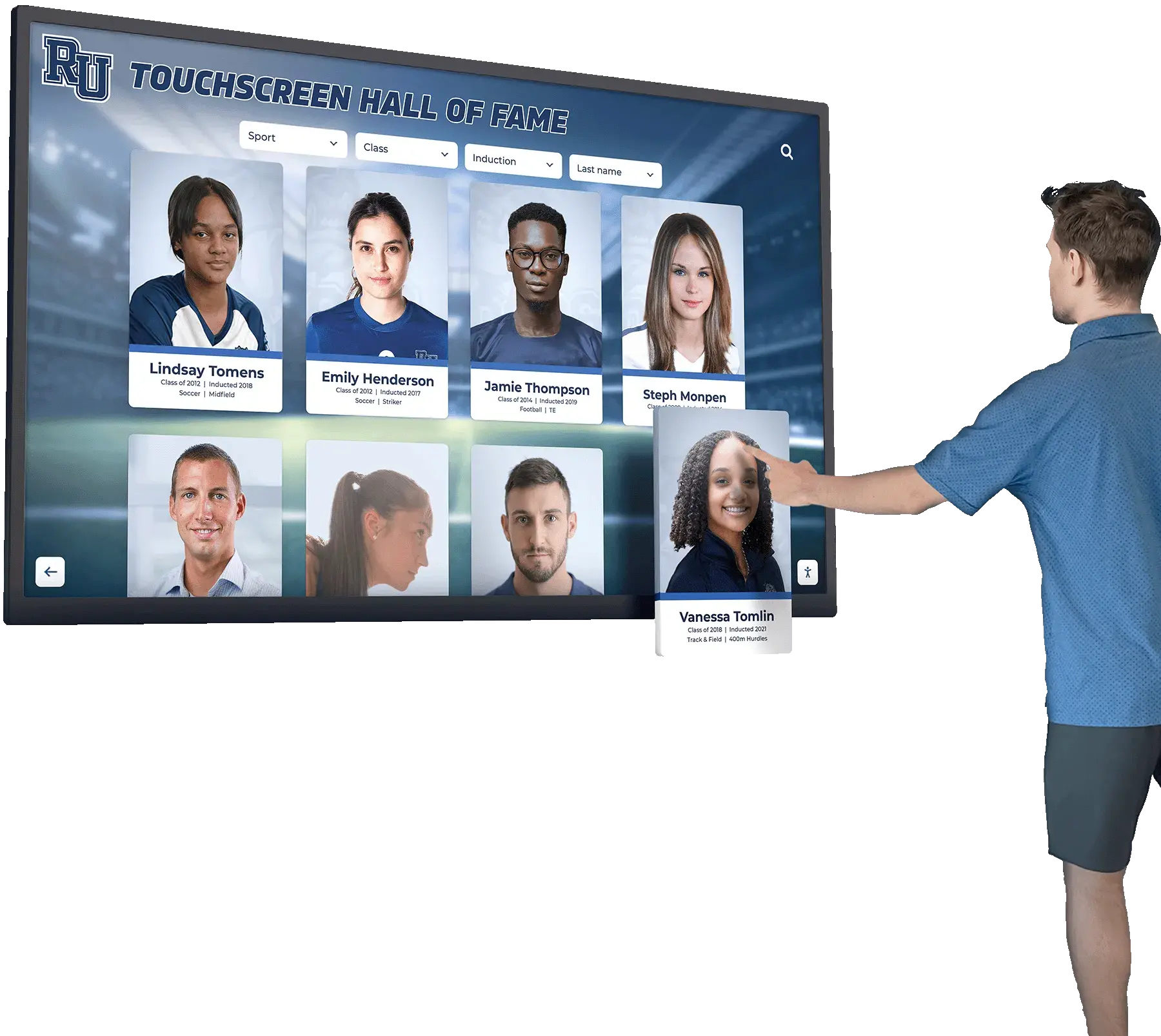
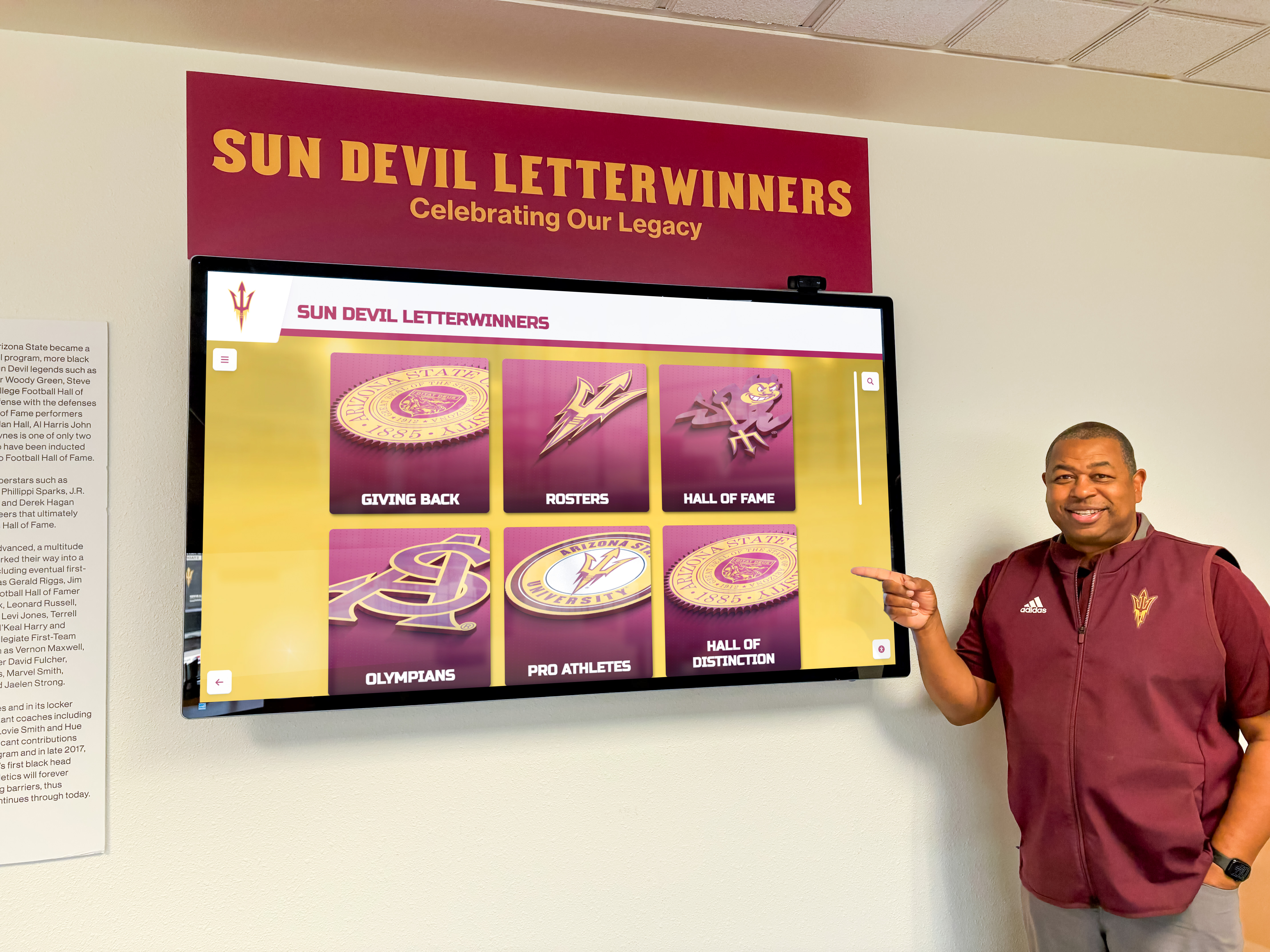
Many programs use digital recognition systems to permanently honor captain contributions, creating visible legacy that inspires future leaders while documenting program history.
Team Captain Selection Processes
How teams select captains significantly impacts leadership effectiveness. Understanding different selection approaches helps both coaches and prospective captains.
Coach Appointment
Some coaches appoint captains based on their assessment of who will best serve team needs.
Advantages:
- Coaches can select leaders who will support program goals and culture
- Avoids popularity contests that might select ineffective leaders
- Enables strategic leadership team composition
- Removes peer pressure from selection process
Limitations:
- May not reflect who teammates would naturally follow
- Can be perceived as favoritism if not clearly explained
- Misses opportunity to teach team about leadership qualities
- May select athletes who coaches relate to rather than effective leaders
Team Vote
Other programs let teammates vote for captains, often with coaching input on nominee qualifications.
Advantages:
- Captains have clear teammate endorsement and credibility
- Democratic process teaches civic engagement
- Reveals who teammates actually trust and respect
- Creates ownership of leadership among entire team
Limitations:
- Can become popularity contest selecting likable but ineffective leaders
- May marginalize good leaders who are less socially connected
- Peer pressure might influence votes rather than leadership assessment
- Can create divisiveness during selection process
Hybrid Approaches
Many programs combine coach and player input through various mechanisms.
Common Hybrid Models:
- Coaches identify qualified nominees; team votes among approved candidates
- Team nominates candidates; coaches select from nominees based on leadership criteria
- Coaches appoint one captain; team elects additional captains
- Leadership council selected by team vote; coaches designate formal captains from council
These hybrid approaches attempt to balance coaching strategic perspective with teammate buy-in.
Multiple Captains vs. Single Captain
Programs must decide whether to designate one captain or multiple co-captains.
Single Captain Benefits:
- Clear leadership authority and accountability
- Unified voice representing team
- Traditional model with historical precedent
- Simplified decision-making and communication
Multiple Captain Benefits:
- Distributes leadership burden across several athletes
- Enables complementary leadership strengths
- Provides redundancy if one captain is absent or struggles
- Recognizes that effective leadership comes from multiple sources
- Can represent different grade levels, positions, or team factions
There’s no universally correct answer—the right structure depends on team size, available leaders, program tradition, and coaching philosophy.
Measuring Captain Leadership Effectiveness
How do you know if you’re being an effective captain? These indicators help assess leadership impact.
Team Performance Indicators
Competitive Results: While captains don’t control wins and losses, effective leadership often correlates with improved performance relative to talent level. Teams that exceed preseason expectations, demonstrate resilience in close games, and maintain competitive intensity frequently have strong captain leadership.
Practice Quality: Effective captain leadership shows most clearly in practice intensity, focus, and productivity. Teams where players arrive prepared, execute drills purposefully, and maintain energy throughout practice typically have captains who set strong examples and enforce standards.
Team Unity and Culture: Cohesive teams with minimal internal conflict, strong connections across different friend groups, and inclusive environments reflect effective captain leadership in relationship-building and conflict management.
Individual Teammate Development
Skill Growth: When teammates demonstrate improvement—particularly younger or less experienced players—it often reflects captain mentorship, encouragement, and creation of development-friendly culture.
Leadership Distribution: Effective captains develop other leaders rather than hoarding authority. When multiple teammates step into leadership roles, it demonstrates that captains are successfully building broad leadership capacity.
Teammate Confidence: Players who compete with confidence, take appropriate risks, and maintain composure under pressure often have captains who create psychologically safe environments and provide effective encouragement.
Coaching Feedback
Regular Evaluation: Coaches should provide captains with specific feedback about leadership effectiveness—what’s working well, what needs improvement, and specific situations to address differently.
Strategic Adjustments: When coaches see captains successfully translating coaching messages, managing team dynamics effectively, and exercising good judgment, it validates leadership effectiveness.
Personal Leadership Growth
Self-Reflection: Effective captains regularly assess their own leadership through questions like: Am I modeling the standards I’m enforcing? Do teammates feel comfortable approaching me? Am I making team-first decisions? Am I growing as a communicator and leader?
Seeking Feedback: Strong leaders actively solicit honest feedback from teammates and coaches about their leadership, then adjust approaches based on what they learn.
Programs that systematically recognize leadership development—such as through academic and athletic recognition programs—demonstrate commitment to developing well-rounded student-athletes who excel beyond athletic performance alone.
The Long-Term Impact of Captain Leadership Experience
Team captain experience provides benefits that extend well beyond athletic careers. The leadership capabilities developed through this role translate directly to professional and civic contexts.
Transferable Professional Skills
Workplace Leadership: The ability to motivate teams, navigate conflicts, communicate across different stakeholders, and maintain accountability under pressure represents exactly what employers seek in leaders.
Project Management: Captains learn to coordinate multiple people toward common goals, manage timelines, address obstacles, and deliver results—fundamental project management capabilities.
Client and Stakeholder Relations: Representing your team to diverse audiences—officials, opponents, media, community members—develops relationship management and professional communication skills.
Personal Character Development
Responsibility and Accountability: Captain experience teaches that leadership requires putting team needs above personal preferences and accepting responsibility for team outcomes.
Resilience and Adversity Response: Leading through losses, injuries, conflicts, and disappointments builds mental toughness and resilience applicable to any challenging situation.
Service and Contribution: Effective captains internalize that leadership is fundamentally about serving others and contributing to something beyond individual success.
College and Career Applications
College Applications and Interviews: Captain leadership provides concrete examples for college essays and interviews demonstrating leadership, perseverance, teamwork, and character—qualities selective schools explicitly seek.
Scholarship Opportunities: Many athletic and academic scholarships specifically recognize leadership alongside performance, making captain designation directly valuable.
Career Networking: The relationships built through team captain experience—with coaches, teammates, alumni, and community members—create networking foundations that provide professional benefits years later.
Many successful programs maintain long-term connections with former captains, creating mentorship networks and alumni engagement opportunities that extend leadership impact across generations.
Conclusion: The Privilege and Responsibility of Leading Your Team
Being named team captain represents profound trust—coaches trust your judgment, teammates trust your character, and the program trusts you’ll represent their values. This honor comes with significant responsibility to serve your team through consistent leadership, honest accountability, genuine encouragement, and personal example.
Effective team captains understand that leadership is fundamentally about making everyone around you better. It’s about creating culture where all teammates feel valued, standards are maintained through mutual accountability, and collective success takes priority over individual recognition. It’s about demonstrating through daily actions—in practice, competition, and life beyond athletics—what your program stands for.
Not every captain leads identically, and that’s appropriate. Lead from your strengths while developing areas for growth. Communicate vocally if that’s your strength, but develop your ability to lead through consistent example. Build relationships naturally, but don’t avoid necessary accountability conversations. Demonstrate tactical knowledge, but stay humble and open to learning.
The leadership skills you develop as team captain—communication, emotional intelligence, accountability, motivation, decision-making—will serve you throughout your life in ways that extend far beyond athletics. Years after you’ve played your last game, the lessons learned from leading your teammates will continue shaping how you approach challenges, build relationships, and contribute to communities.
Whether you’re currently serving as captain, have been nominated for this role, or aspire to earn this honor in the future, approach it with the seriousness it deserves. Your teammates, coaches, and program are depending on you to lead with integrity, effort, and genuine commitment to team success.
Celebrate Your Team's Leadership Legacy
Discover how digital recognition displays can honor your team captains and student-athlete leaders who have shaped your program's culture and tradition. Create lasting tributes that inspire future generations of leaders.
Explore Recognition SolutionsThe captains who came before you built foundations you’re now standing on. The leaders who follow will build on foundations you create today. Make your captain leadership something worth remembering—not because you seek recognition, but because you understand that serving your team well represents one of the most meaningful contributions you can make to your athletic program and the teammates who trust you to lead them.































