Every institution has a story worth telling—a narrative woven from decades of student achievements, athletic championships, distinguished alumni, dedicated faculty, facility transformations, and community impact. Yet most schools struggle to tell this complete story effectively. Trophy cases overflow with recent accomplishments while historical achievements gather dust in storage. Alumni success stories remain scattered and undocumented. Academic excellence, artistic achievement, and community service compete for limited recognition space. The result? A fragmented narrative that fails to capture the full richness of institutional legacy and ongoing excellence.
Digital halls of fame solve this storytelling challenge by providing unlimited capacity to document, preserve, and showcase every dimension of your institution’s story through engaging interactive displays. This comprehensive guide explores how schools, universities, and organizations can leverage digital recognition technology to tell their complete story—honoring the past, celebrating the present, and inspiring the future.
Traditional recognition approaches force impossible choices about what deserves visibility. Space constraints mean most achievements never receive appropriate acknowledgment. Static displays become outdated quickly and fail to engage modern audiences. Physical limitations prevent comprehensive documentation of institutional history spanning decades or centuries.
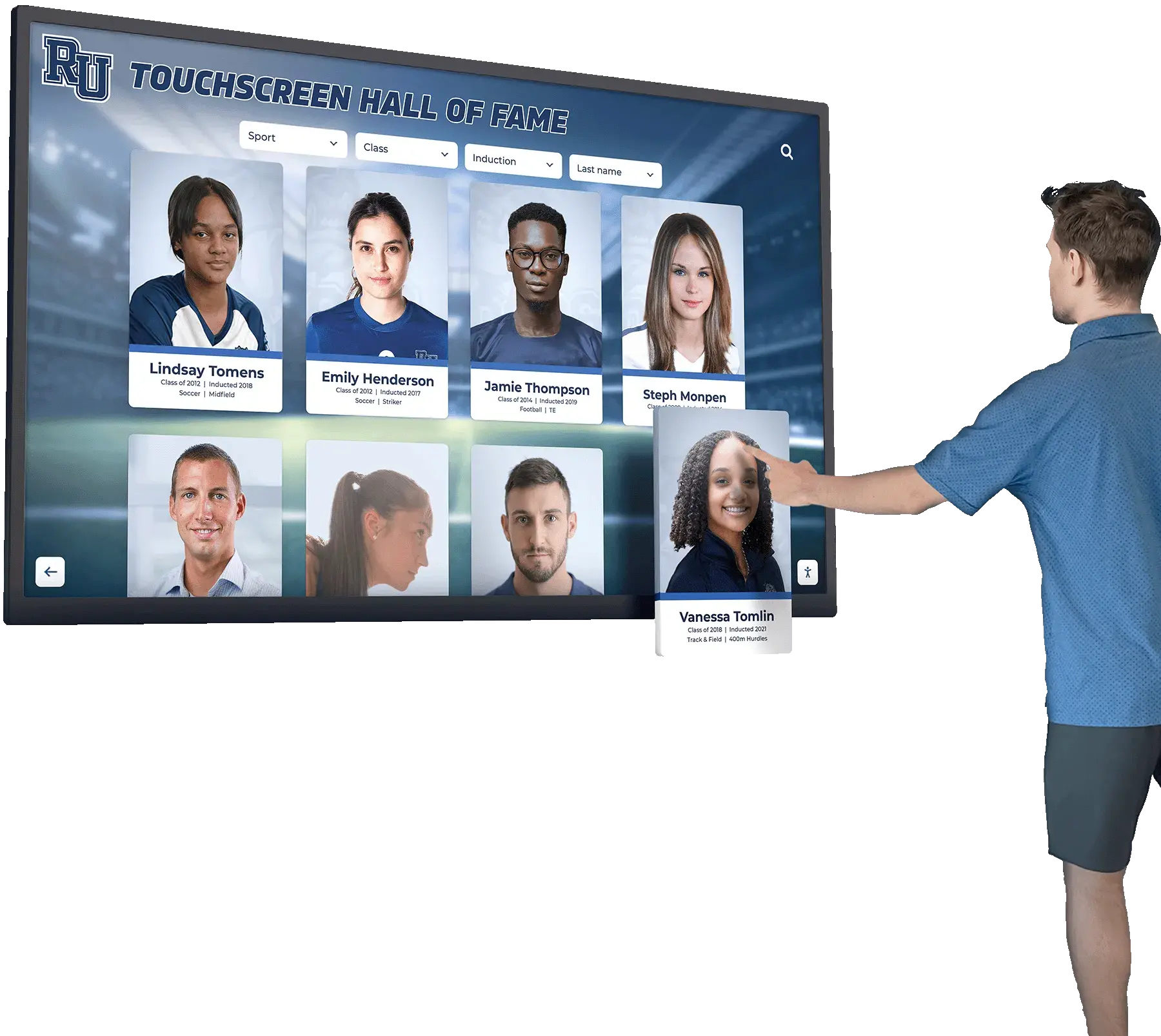
Solutions like Rocket Alumni Solutions transform recognition from selective highlights into comprehensive storytelling platforms. Digital halls of fame enable institutions to showcase unlimited achievements across athletics, academics, arts, service, and leadership. Interactive touchscreens engage visitors through searchable databases, multimedia content, and personalized exploration. Cloud-based management ensures stories remain current, accurate, and accessible to communities worldwide.
Why Comprehensive Storytelling Matters for Institutions
Before exploring implementation strategies, understanding why complete institutional narratives matter helps justify investment in comprehensive digital recognition systems that document every dimension of excellence.
Creating Institutional Identity Through Complete Narratives
Institutions develop distinctive identities through accumulated achievements, traditions, values, and contributions that define their character and reputation. Comprehensive storytelling helps communities understand what makes their institution unique and valuable.
Preserving Historical Context
Every current program, tradition, and achievement exists within historical context. Digital halls of fame document how athletic programs evolved from humble beginnings to championship caliber, academic reputations developed through decades of educational excellence, facilities transformed from original buildings to modern campuses, and leadership shaped institutional direction through critical decisions across generations.
This historical documentation helps current community members appreciate institutional heritage while understanding their role in ongoing narratives. Students recognize they’re part of stories larger than their individual experiences. Alumni maintain connections to institutions that honor complete histories including their contributions.
Demonstrating Values Through Recognition Patterns
Institutions communicate true values through recognition patterns more powerfully than mission statements. When digital halls of fame celebrate diverse achievements across athletics, academics, arts, service, character, and community impact, institutions demonstrate that excellence takes many forms and every contribution matters.
Comprehensive recognition validates different pathways to success, honors varied talents and interests, acknowledges behind-the-scenes contributors alongside headline achievements, preserves stories from all eras and populations, and reinforces that institutional value extends beyond winning and test scores.
Engaging Multiple Audiences Through Layered Content
Different audiences seek different stories within institutional narratives. Comprehensive digital halls of fame accommodate diverse interests through layered content structures serving various stakeholder needs.
Current Students Discover Role Models and Possibilities
Students exploring digital halls of fame find inspiration through alumni who pursued similar interests, athletes who played their positions and set records to break, scholars who excelled in their favorite subjects, artists who developed creative talents into careers, and leaders who made lasting community impact.
This personalized discovery proves far more motivational than generic inspirational speeches. When students identify with specific individuals who achieved success from similar starting points, possibilities become tangible rather than abstract.
Alumni Maintain Connections Through Personal Recognition
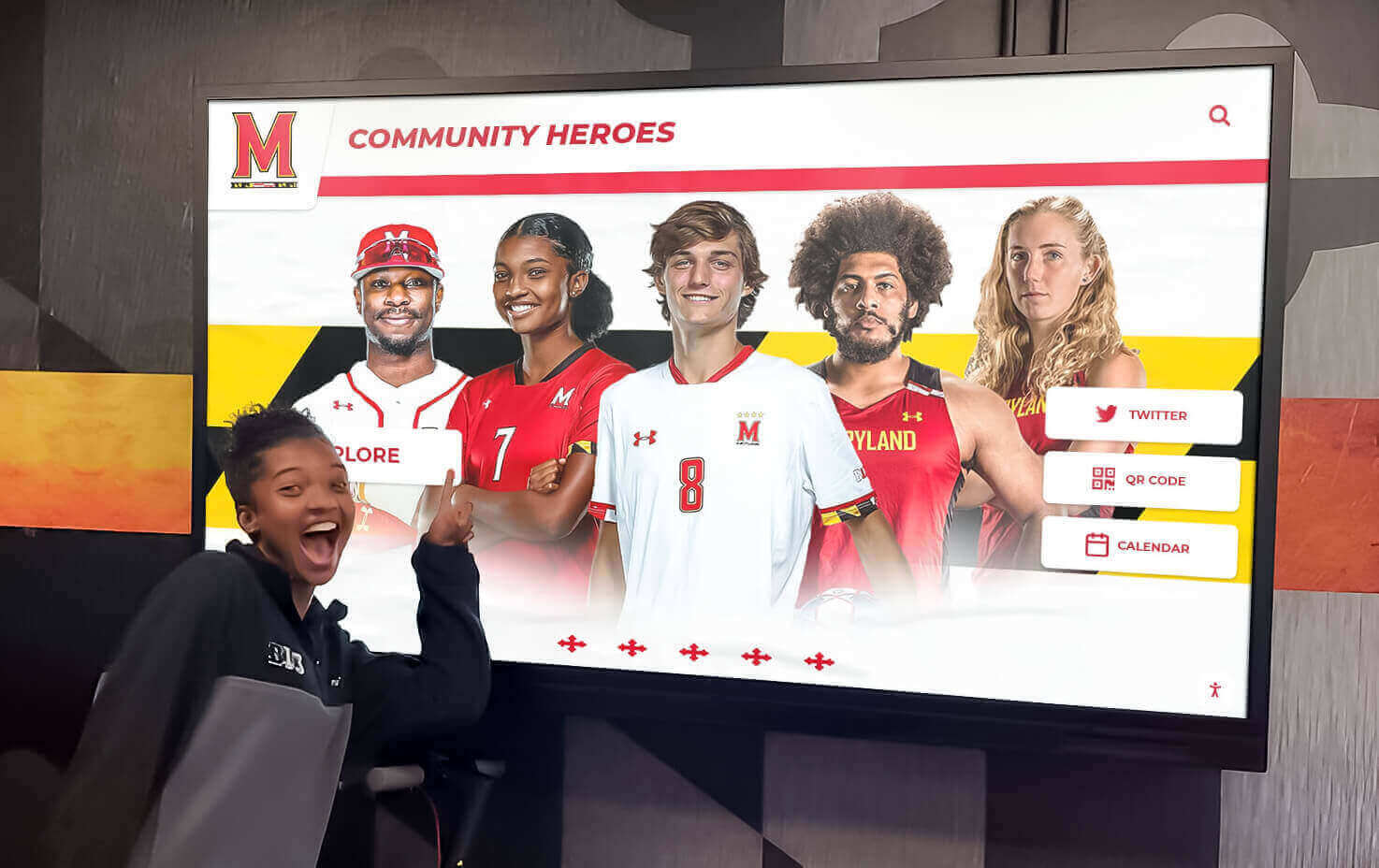
Alumni relationships with institutions depend partly on feeling valued and remembered. Digital recognition displays that include comprehensive alumni networks enable graduates to find themselves, search for classmates and teammates, see how their achievements are preserved, update career information and professional accomplishments, and share recognition with family and professional networks.
This ongoing visibility strengthens alumni engagement that supports broader advancement, fundraising, mentorship, and volunteer objectives.
Prospective Families Evaluate Institutional Quality
Families researching schools examine evidence of educational quality, program excellence, and community character. Comprehensive digital halls of fame provide tangible proof through championship histories demonstrating athletic program excellence, academic achievement records showing rigorous educational standards, alumni success stories revealing preparation for future achievement, community service documentation illustrating values in action, and facility evolution showing ongoing institutional investment.
This comprehensive evidence helps prospective families understand institutional strengths while differentiating schools from competitors offering similar basic programs.
Essential Story Elements for Complete Digital Halls of Fame
Truly comprehensive institutional storytelling encompasses multiple narrative threads that together create complete pictures of organizational identity, values, and impact.
Athletic Achievement and Competitive Excellence
Athletic programs generate highly visible achievements that build school pride and community identity. Comprehensive athletic recognition extends far beyond just championship trophies.
Team Championships and Competitive Success
Document every conference championship, state tournament appearance and title, playoff run and tournament victory, undefeated season and winning streak, and rivalry game triumph across all sports and decades. Digital trophy cases provide unlimited space ensuring no championship gets forgotten regardless of when it occurred or which sport achieved it.
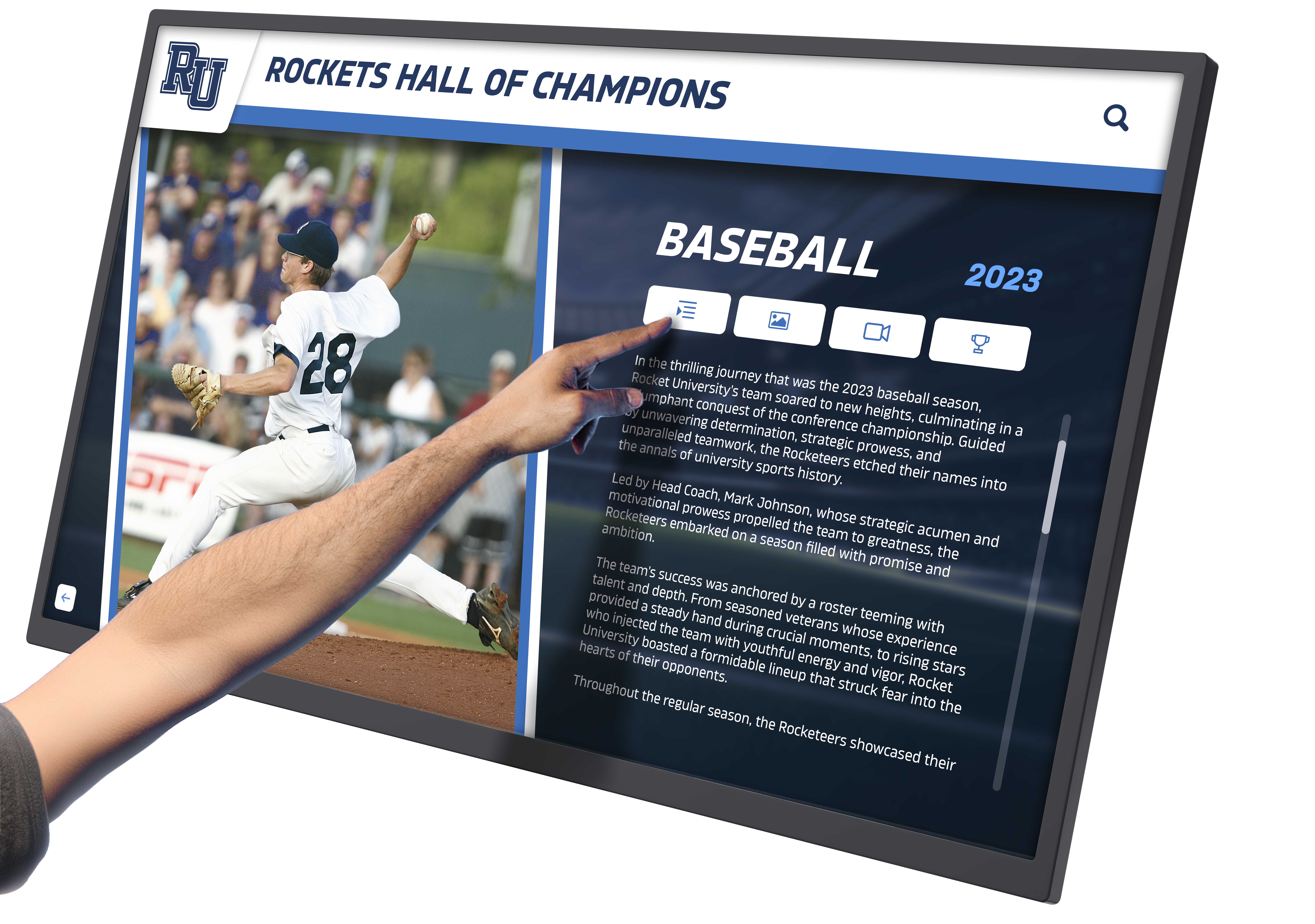
For each championship, include complete team rosters with individual athlete profiles, season records and statistical highlights, coaching staff recognition and milestone wins, game-by-game results and tournament brackets, championship game details and key performances, photos documenting the season journey, and video highlights capturing memorable moments.
Individual Athletic Excellence
Beyond team success, recognize athletes who set school records and achieved statistical milestones, earned all-conference and all-state honors, received national recognition and major awards, signed to compete collegiately at various levels, and demonstrated exceptional character and sportsmanship.
Create detailed athlete profiles documenting career statistics across multiple seasons, records set and current standing, awards and honors received, memorable performances and signature achievements, post-graduation athletic and professional careers, and personal reflections on experiences and lessons learned.
Coaching Legacies and Program Building
Honor coaches who built programs through decades of dedication by documenting career records and milestone victories, championships won and playoff appearances guided, athletes developed and sent to collegiate competition, program culture and coaching philosophy established, community impact beyond competitive results, and connections between coaching eras showing program continuity.
Coaching recognition preserves institutional memory of those who shaped programs while helping current athletes understand traditions and expectations they’re inheriting.
Academic Excellence and Scholarly Achievement
Academic recognition forms the core of educational institution storytelling, validating that learning represents fundamental institutional mission.
Individual Academic Achievement
Celebrate scholars who earned valedictorian and salutatorian honors, achieved National Merit recognition and AP Scholar awards, received subject-specific academic excellence recognition, earned prestigious scholarships demonstrating competitive academic success, and gained admission to highly selective universities.
For top academic achievers, document GPA and class rank accomplishments, standardized test achievements and perfect scores, academic competition successes and awards, challenging coursework and advanced study pursued, intellectual interests and favorite subjects, post-graduation educational and career paths, and advice for current students pursuing academic excellence.
Academic Competition and Intellectual Achievement
Recognize teams and individuals achieving success in science fair competitions at regional, state, and national levels, academic quiz bowl tournaments and championships, debate competitions and forensics achievements, mathematics competitions and problem-solving contests, writing contests and journalistic recognition, and other intellectual competitions demonstrating scholarly excellence.
These achievements often require extraordinary preparation and represent schools in broader academic communities, deserving prominent recognition alongside athletic accomplishments.
Program Excellence and Educational Innovation
Document academic program development and enhancement through curriculum innovations and new course offerings, advanced placement and dual enrollment expansion, specialized programs like International Baccalaureate, career and technical education program development, STEM initiatives and makerspaces, and educational technology integration improving learning.
Program recognition shows commitment to educational excellence while documenting institutional evolution adapting to changing educational needs and opportunities.
Arts, Creativity, and Performance Excellence
Students excelling in visual arts, music, theater, dance, creative writing, and other creative disciplines deserve equal recognition alongside academic and athletic achievers.
Visual Arts Achievement
Showcase student artists through artwork galleries and virtual exhibitions, competition successes and juried show acceptances, scholarship awards for artistic talent, art program participation and dedication, and post-graduation artistic careers and continued creative pursuits.
Digital platforms enable rotating virtual galleries ensuring many artists receive recognition while keeping displays fresh and engaging.
Performing Arts Excellence
Celebrate outstanding performances in theater productions and musical performances, state and national competition ratings, selective ensemble admission and honor groups, individual awards for vocal or instrumental excellence, and exceptional creative performances and original works.
Recording and preserving exceptional performances through video documentation creates engaging multimedia recognition while making performances accessible to broader audiences. Modern recognition displays can incorporate performance videos that bring artistic achievements to life.
Creative Writing and Literary Arts
Honor writers achieving success through creative writing and poetry recognition, school publication contributions and leadership, writing competition achievements, and literary magazine features and awards.
Publishing student writing in school publications or digital platforms provides authentic audiences for creative work while validating literary achievement deserving prominent recognition.
Service, Leadership, and Character Development
Character education and citizenship development represent core educational purposes alongside academic instruction. Comprehensive storytelling explicitly celebrates qualities institutions aim to develop.
Community Service and Volunteer Contributions
Track and celebrate volunteer work through tiered service recognition based on cumulative hours, significant service project impact and community improvement, peer tutoring and academic support provided, community organization partnerships and contributions, and sustained commitment to causes and populations served.
Service recognition validates that helping others and contributing to community welfare represent valued behaviors that define institutional character and graduate the kind of citizens who make positive differences.
Leadership Development and Positive Influence
Recognize students demonstrating leadership through student government service and elected positions, club and organization leadership roles, peer mentorship and positive influence, initiative-taking and problem-solving, and character exemplifying institutional values like integrity, responsibility, perseverance, and compassion.
Leadership emerges in countless forms from formal positions to informal peer mentoring—all worthy of acknowledgment for students who help others and improve communities.
Distinguished Alumni and Graduate Success
Alumni achievements provide powerful evidence of institutional impact extending far beyond graduation. Comprehensive alumni networks celebrate diverse forms of post-graduation success.
Professional Achievement Across Fields
Document alumni excelling as professional athletes competing at highest levels, business leaders and entrepreneurs building successful enterprises, medical professionals advancing healthcare, educators and academic leaders shaping education, public servants and elected officials, artists and creative professionals, scientists and researchers advancing knowledge, and military service members and veterans.
Create detailed alumni profiles documenting current positions and career progression, major accomplishments and contributions to fields, awards and recognition received, the connection between institutional experiences and later success, and advice for current students pursuing similar paths.
Distinguished alumni networks provide role models demonstrating that success is achievable while honoring those whose accomplishments reflect well on institutional preparation.
Multi-Generational Family Connections
Highlight families with multiple generations attending the institution showing legacy connections, siblings achieving success in different eras and programs, parent-child athletic or academic achievements, and family traditions of service and engagement.
These multi-generational stories illustrate lasting institutional value that extends across decades and creates deep community roots.
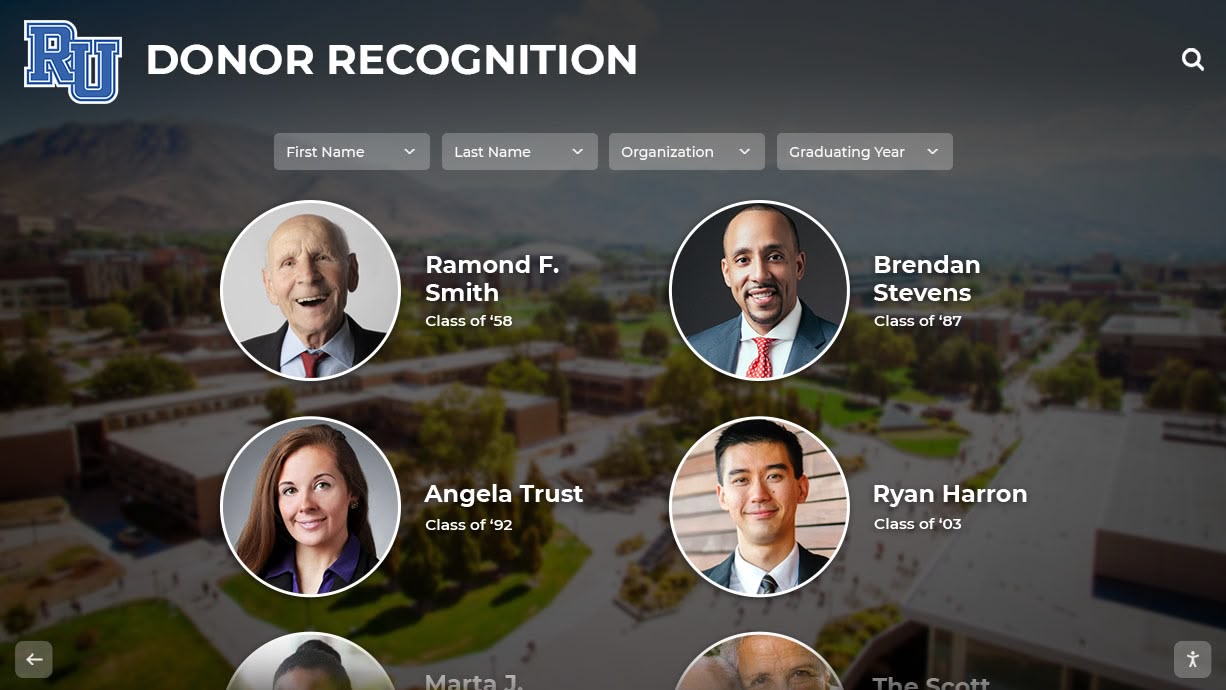
Institutional History and Heritage
Preserving institutional history ensures future generations understand origins, evolution, and traditions that define organizational character.
Founding Stories and Early Development
Document founding circumstances and original vision, early leadership and pioneering faculty, initial facilities and campus locations, founding class stories and experiences, and early challenges overcome building institutional foundations.
These origin stories provide context for everything that followed while honoring those who established institutions that continue serving communities generations later.
Facility Evolution and Campus Transformation
Show campus physical evolution through original buildings and historical photos, major construction projects and facility additions, renovations modernizing spaces while preserving character, technology infrastructure development, and campus expansion accommodating growth.
Visual documentation through historical and contemporary photos creates compelling before-and-after narratives showing institutional investment in facilities that serve educational missions.
Traditions, Rituals, and Cultural Evolution
Preserve traditions that define institutional culture like homecoming and reunion customs, athletic rivalry traditions and ceremonies, academic traditions and honor society rituals, school songs, mascots, and symbolic elements, and cultural shifts reflecting broader societal changes.
Tradition documentation helps current communities understand practices and symbols while preserving cultural memory that might otherwise fade as witnesses retire or graduate.
Community Impact and Partnerships
Institutions exist within broader community contexts. Comprehensive storytelling documents mutual relationships and impact extending beyond campus boundaries.
Community Partnership and Collaboration
Recognize partnerships with local businesses supporting programs, community organizations receiving volunteer support, educational collaborations and mentorship programs, facility-sharing arrangements benefiting multiple organizations, and joint initiatives addressing community needs.
Partnership recognition demonstrates institutional commitment to community welfare beyond narrow organizational interests while acknowledging supporters who enhance educational experiences.
Alumni Community Contributions
Document alumni who returned to serve communities as educators and school leaders, elected officials and public servants, community organization leaders and volunteers, business owners creating local employment, and philanthropists supporting community causes.
This recognition shows institutional impact extends through graduates who choose to remain in or return to communities, creating lasting regional benefit beyond individual career success.
Implementation Strategies for Comprehensive Digital Storytelling
Creating truly comprehensive digital halls of fame requires systematic approaches to content development, organization, and ongoing maintenance that ensure complete institutional narratives.
Content Research and Historical Documentation
Systematic Archive Review
Begin comprehensive documentation by reviewing yearbooks spanning decades of institutional history, administrative records documenting decisions and development, newspaper archives containing coverage and community perspectives, photo collections held by school, alumni, and historical societies, and athletic records including statistics, rosters, and results.
Professional archivists can assess collections, recommend preservation priorities, and establish organizational systems making materials accessible for recognition development and future research.
Community Oral History Projects
Record interviews with long-serving faculty and staff, distinguished alumni representing various eras, retired coaches and administrators, community members witnessing institutional evolution, and family members of significant historical figures.
These interviews capture qualitative dimensions—culture, challenges, personal experiences—that official records often miss. Historical preservation through digital displays ensures these irreplaceable perspectives survive for future generations.
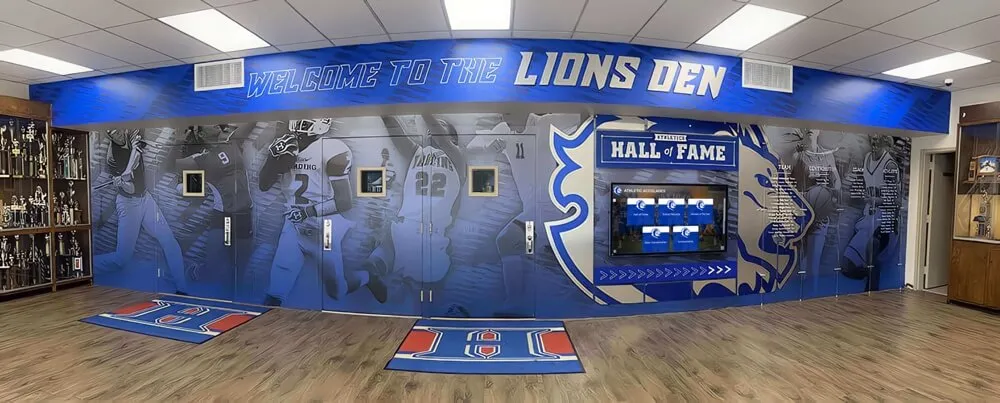
Alumni Outreach and Data Collection
Engage alumni through reunion year outreach when engagement peaks, targeted surveys collecting career and achievement information, social media campaigns encouraging profile updates, nomination processes inviting community identification of distinguished graduates, and professional network research identifying successful alumni.
Alumni provide invaluable information about post-graduation achievements and career progression that institutions rarely track systematically without deliberate outreach efforts.
Organizing Comprehensive Content for Accessibility
Multiple Navigation Pathways
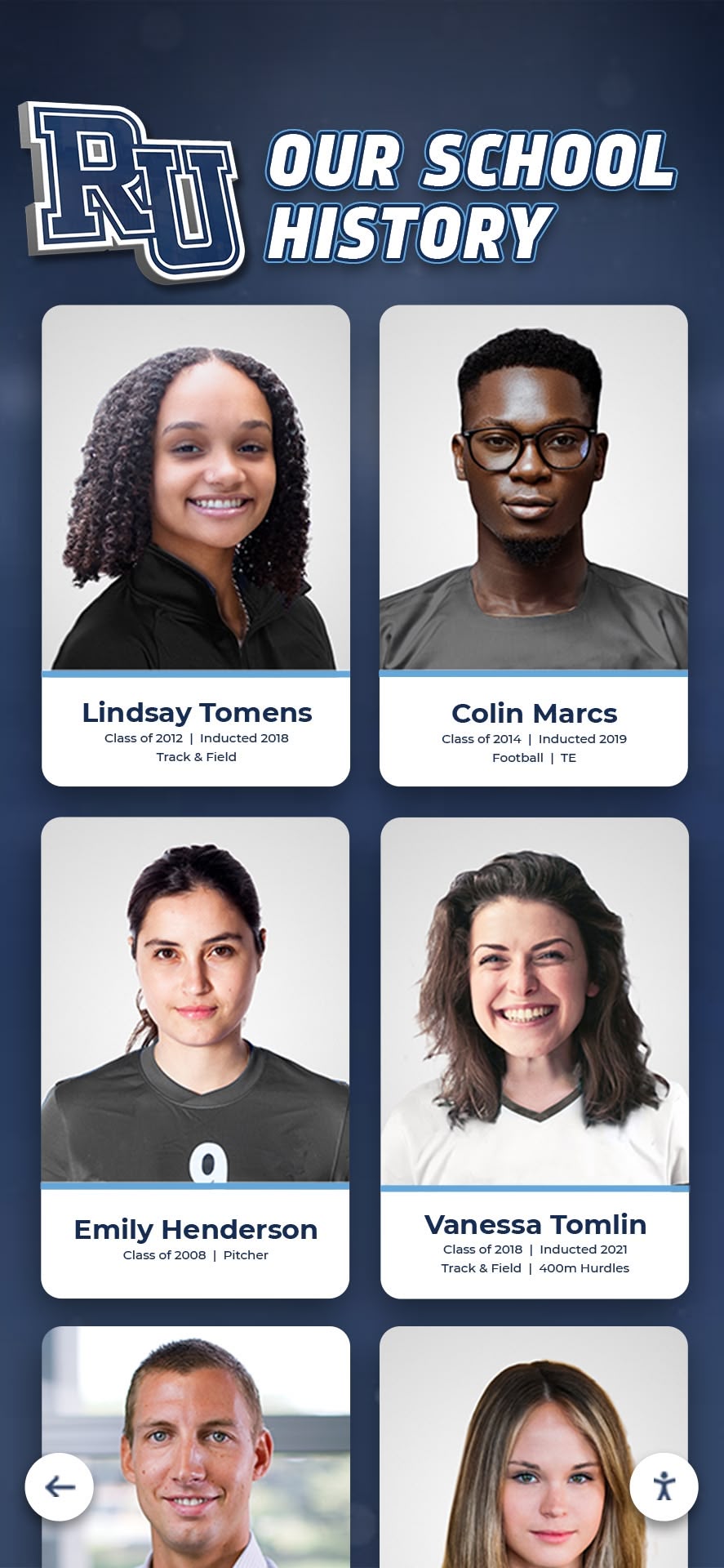
Effective digital halls of fame accommodate diverse interests through various organizational approaches including chronological browsing by decade, year, or era; category filtering by achievement type (athletics, academics, arts, service, alumni); sport-specific or department-specific views; and keyword and name search functionality.
This flexibility allows visitors to explore content matching their specific interests rather than forcing everyone through identical linear experiences.
Interconnected Stories and Relationships
Link related content showing connections and context through athlete profiles linking to team championships they contributed to, championship team pages connecting to individual athlete and coach profiles, alumni profiles linking to high school achievements and activities, facility histories connecting to teams and events occurring in those spaces, and coach profiles linking to athletes mentored and programs built.
These interconnections create rich networks of related content encouraging extended exploration while revealing institutional story complexity beyond isolated achievements.
Tiered Content Depth
Provide multiple content depth levels accommodating different user interests through brief overview entries for all achievements creating comprehensive documentation, detailed profiles for significant achievements and distinguished individuals, featured content providing deep dives into particularly important stories, and multimedia enhancements including photos, videos, and documents adding richness.
This tiered approach ensures comprehensive coverage without overwhelming visitors with excessive detail for every single entry.
Platform Selection and Technical Implementation
Purpose-Built Recognition Software
Select platforms specifically designed for institutional recognition rather than generic digital signage requiring custom development. Purpose-built solutions provide templates optimized for various recognition types, intuitive content management for non-technical administrators, robust search and filtering meeting user needs, mobile-responsive design working across devices, and ongoing platform updates without additional development costs.
Solutions like Rocket Alumni Solutions offer comprehensive platforms purpose-built for educational recognition, combining intuitive management with professional presentation honoring every achievement appropriately.
Hardware Considerations for Displays
Choose commercial-grade touchscreen displays rated for continuous public operation with appropriate screen sizes for viewing distance and location characteristics, wall-mounted or freestanding kiosk configurations matching space constraints, multi-touch capability supporting interactive exploration, high resolution enabling detailed photo and video display, and adequate brightness for well-lit installation environments.
Installation locations should prioritize high-traffic areas ensuring maximum visibility, historically relevant locations connecting digital content to physical spaces, and accessible mounting heights accommodating diverse visitors.
Content Management Systems and Workflows
Implement management systems providing cloud-based administration accessible from anywhere, template-based content creation ensuring visual consistency, bulk upload capabilities for efficient historical content addition, workflow management for review and approval processes, and role-based permissions allowing appropriate access for different staff members.
Sustainable programs require tools that school staff can confidently manage without IT department dependence for routine updates, ensuring recognition remains current across leadership transitions.
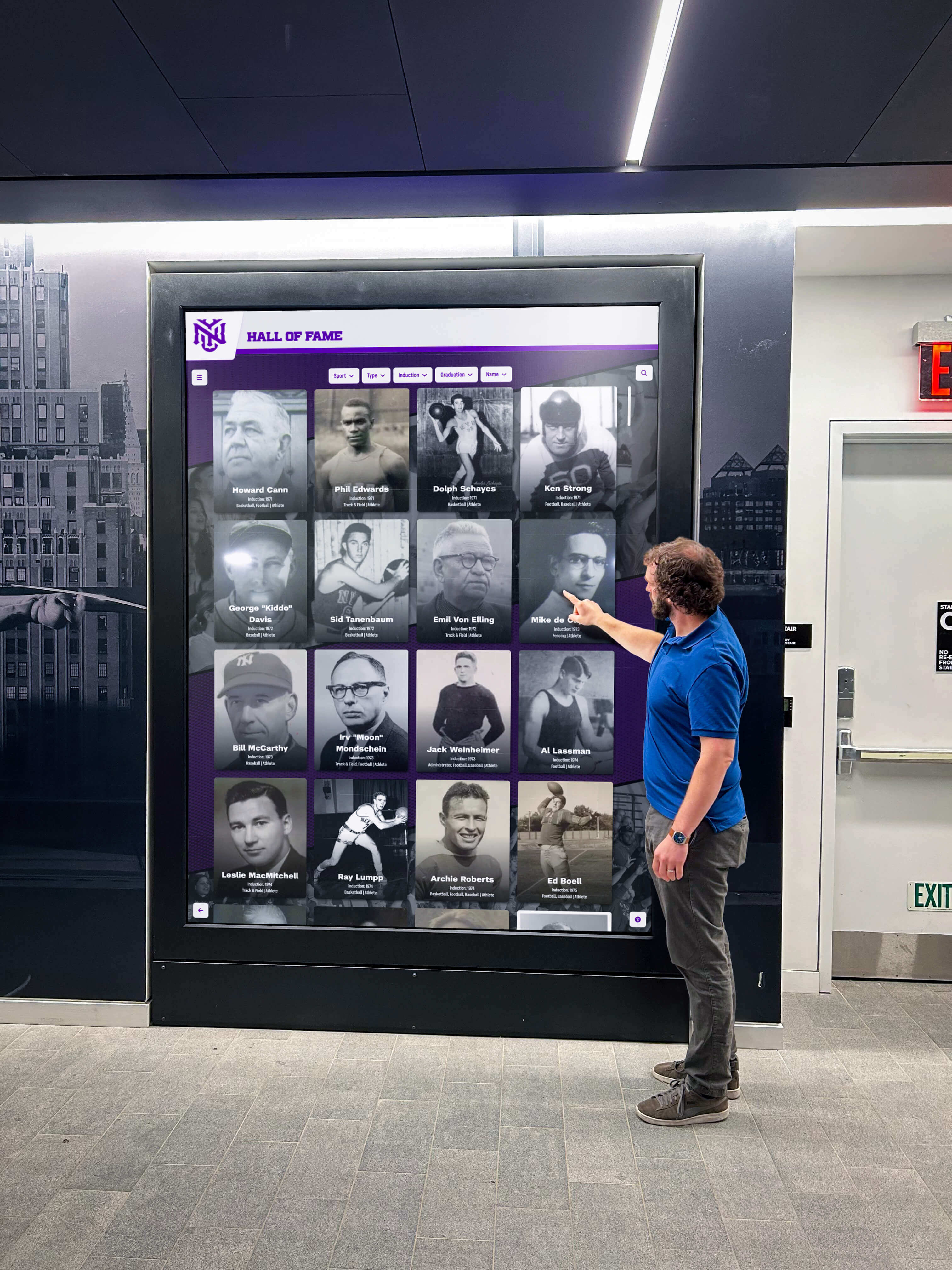
Maximizing Impact Through Strategic Presentation
Technical implementation matters, but presentation strategies determine whether comprehensive content creates genuine community engagement or becomes digital filing cabinets rarely explored.
Featured Content and Strategic Highlighting
Rotating Featured Stories
Prevent displays from feeling static by implementing monthly or seasonal featured content rotations, anniversary recognition highlighting milestone achievements from previous years, current season emphasis relevant to ongoing programs, and special collection features themed around particular topics or eras.
Strategic featuring ensures comprehensive content receives appropriate attention while keeping displays fresh and encouraging repeat visits to discover new highlighted stories.
Multimedia Enhancement and Rich Storytelling
Video Integration
Transform recognition from text and photos into rich multimedia experiences through championship game highlights and memorable performances, alumni video messages offering advice to current students, oral history interviews with significant figures, documentary-style mini-profiles telling complete stories, and behind-the-scenes footage showing preparation and celebration moments.
Video content dramatically increases engagement, with visitors spending significantly more time exploring video-enhanced profiles compared to text-only content.
Photo Galleries and Visual Documentation
Leverage photography’s emotional power through high-resolution historical photos showing campus and culture evolution, team photos and individual portraits documenting participants, action shots capturing competitive moments and performances, facility transformation showing development over time, and event coverage preserving celebration and community gathering moments.
Professional quality photos honor achievements appropriately while creating visually engaging displays that attract attention in high-traffic locations.
Web Integration and Remote Access
Online Platform Extensions
Extend digital hall of fame reach beyond physical campus through web-accessible versions enabling worldwide exploration, mobile-responsive design ensuring smartphone and tablet compatibility, social sharing features allowing recognition spreading through networks, and QR codes on physical displays linking to extended online content.
Online access enables alumni worldwide to explore recognition, prospective families to research institutional excellence remotely, and community members to engage without requiring campus visits.
Integration with School Communications
Connect recognition to broader communication strategies through website integration featuring achievements prominently, social media sharing celebrating individual recognitions, email campaigns to alumni highlighting new additions, and event promotion during homecoming and reunions.
Strategic communication ensures comprehensive recognition content reaches intended audiences rather than existing invisibly in systems few people know about or explore regularly.

Maintaining and Growing Comprehensive Recognition Programs
Initial launch represents just the beginning. Long-term success requires systematic maintenance ensuring stories remain current, accurate, and continually expanding.
Regular Update Schedules and Workflows
Annual Content Addition
Establish systematic processes for adding championship teams and competitive achievements from concluded seasons, graduating senior recognition and academic honors, alumni achievement updates and career milestones, and facility improvements and program developments.
Regular annual updates ensure recognition remains current while systematically documenting ongoing institutional stories as they unfold.
Historical Content Expansion
Dedicate resources to gradually expanding historical coverage through targeted research filling identified gaps, decade-focused projects systematically documenting particular eras, special initiatives during anniversary years or reunions, and community contribution programs inviting photo and story submissions.
Phased historical expansion allows comprehensive coverage developing over time without requiring overwhelming initial investments attempting to document everything simultaneously.
Community Engagement and Contribution
Alumni Submission Processes
Enable alumni to contribute to institutional storytelling through career update submissions for profile enhancements, nomination processes identifying distinguished graduates for recognition, photo and memorabilia contributions enriching historical documentation, and story submissions providing first-person perspectives and memories.
Community contribution processes distribute content development work while strengthening alumni engagement through meaningful participation in institutional storytelling.
Student Involvement and Educational Integration
Integrate recognition program maintenance into authentic learning experiences through journalism students conducting interviews and writing profiles, history classes researching and documenting institutional history, photography and media students capturing events and creating visual content, and technology students managing technical aspects of digital systems.
Educational integration provides valuable learning opportunities while distributing work that might otherwise overwhelm limited staff resources.
Analytics and Continuous Improvement
Engagement Measurement
Monitor how communities interact with comprehensive recognition through total visitor metrics and interaction duration, most-viewed content revealing high-interest stories, search patterns indicating information visitors seek, and time-based engagement showing when displays receive greatest attention.
Analytics help optimize content, placement, and presentation based on actual usage rather than assumptions about what should work.
Content Gap Identification
Systematically assess recognition comprehensiveness identifying underrepresented populations or eras, achievement categories receiving insufficient attention, missing connections between related content, and gaps in multimedia enhancement or documentation depth.
Regular gap analysis ensures ongoing work prioritizes areas needing attention to achieve truly comprehensive institutional storytelling rather than inadvertently neglecting particular stories or populations.
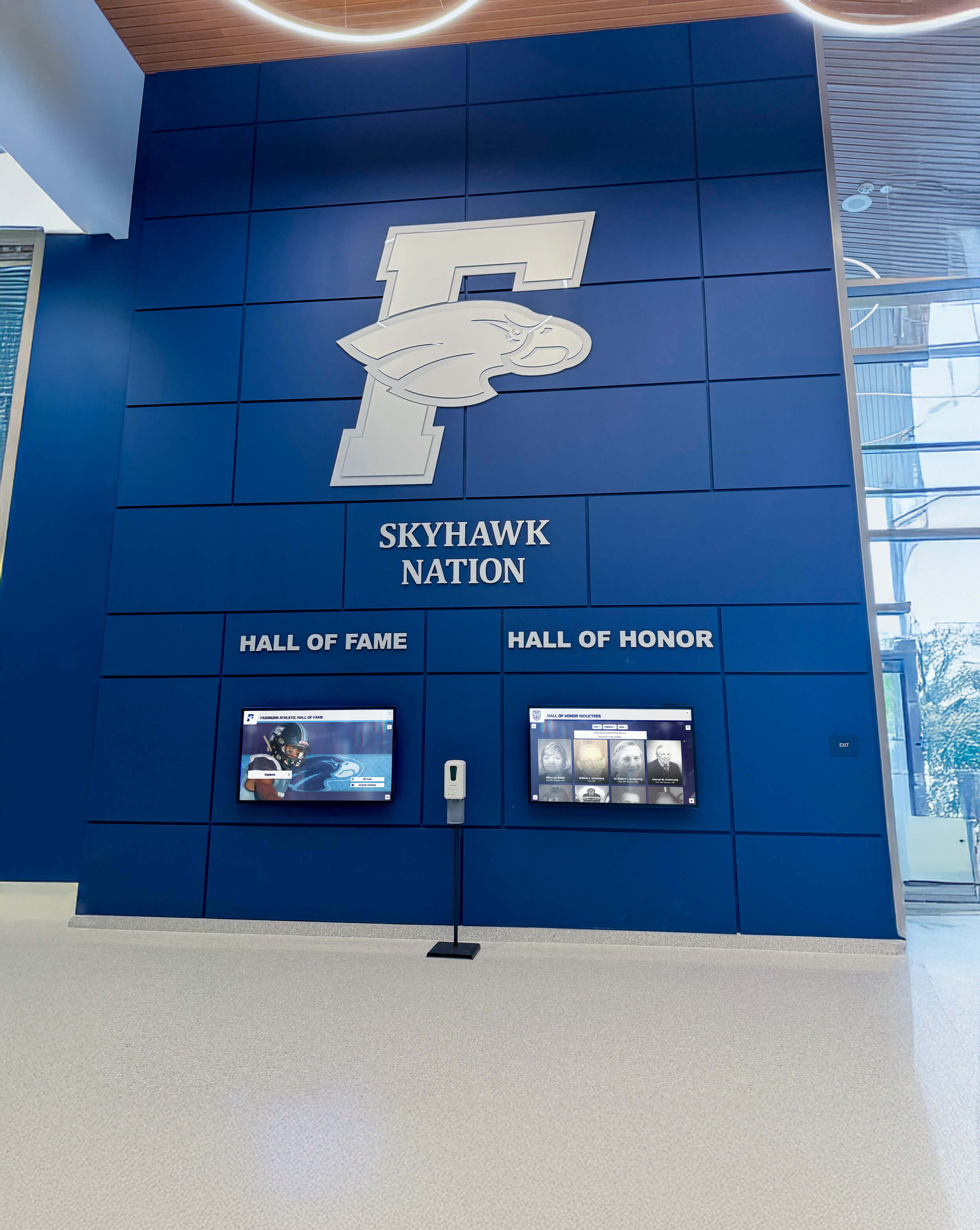
The YouTube Video: Visual Guide to Digital Hall of Fame Storytelling
This video provides visual demonstration of how digital halls of fame enable comprehensive institutional storytelling through interactive technology. Watch to see real implementations showcasing the strategies and approaches discussed throughout this guide.
Overcoming Common Challenges in Comprehensive Recognition
Even well-planned recognition programs encounter obstacles. Anticipating challenges enables proactive solutions ensuring programs achieve comprehensive storytelling goals.
Managing Overwhelming Content Volume
Comprehensive recognition generates substantial content that could overwhelm visitors if poorly organized. Address through clear navigation structures with intuitive categorization, robust search functionality enabling quick information location, featured content highlighting entries preventing everything from blending together, and progressive disclosure showing overview information with optional detail exploration.
Thoughtful organization transforms comprehensive content from overwhelming data dumps into accessible resources visitors can navigate based on specific interests.
Ensuring Historical Accuracy and Verification
Comprehensive historical documentation requires verification preventing inaccuracies from becoming permanently enshrined in institutional records. Implement multiple source confirmation for significant claims, clear attribution of information to specific sources, acknowledgment of uncertainty when records conflict or are incomplete, and review processes allowing corrections when new information emerges.
Transparency about sources and limitations builds trust while acknowledging that historical understanding evolves as new information becomes available.
Balancing Comprehensiveness with Meaningful Standards
Comprehensive recognition shouldn’t mean lowering standards to recognize everything indiscriminately. Maintain meaningful recognition through clear criteria distinguishing significant achievements warranting inclusion, tiered recognition levels acknowledging different achievement magnitudes, category-specific standards appropriate to different domains, and periodic criteria review ensuring standards remain relevant and appropriately rigorous.
Standards ensure recognition maintains motivational value and community credibility rather than becoming participation trophies lacking genuine meaning.
Conclusion: Your Complete Story Deserves Complete Recognition
Every institution possesses rich stories worth preserving and sharing—narratives spanning athletic championships, academic excellence, distinguished alumni, artistic achievement, community service, facility evolution, and countless individual journeys contributing to collective success. Yet most schools tell only fragments of these stories, constrained by physical space limitations, overwhelmed by documentation challenges, and lacking tools enabling comprehensive recognition.
Digital halls of fame transform storytelling from selective highlights into comprehensive narratives honoring every dimension of institutional identity and achievement. Through unlimited digital capacity, engaging interactive technology, multimedia richness, and accessible management systems, institutions finally can tell complete stories that inspire current communities while preserving legacies for future generations.
The question isn’t whether your institution’s story deserves comprehensive recognition—it absolutely does. The question is whether you’ll continue accepting incomplete narratives dictated by physical constraints, or embrace digital solutions enabling the complete storytelling your achievements, people, and legacy truly deserve.
Ready to Tell Your Complete Institutional Story?
Rocket Alumni Solutions provides comprehensive digital hall of fame platforms specifically designed for educational institutions seeking to honor their complete stories across athletics, academics, arts, alumni, and community impact. Our intuitive systems make comprehensive recognition achievable regardless of technical expertise or staff resources.
Discover Comprehensive Recognition SolutionsYour story matters. Every championship, every scholar, every artist, every leader, every alumnus, every tradition, and every moment of excellence contributes to narratives defining who you are as institutions and communities. Comprehensive digital recognition ensures these stories receive the documentation, preservation, and celebration they deserve—inspiring today while honoring yesterday and motivating tomorrow.
Start telling your complete story today through digital recognition solutions that finally make comprehensive institutional storytelling achievable, engaging, and sustainable for generations to come.































