Tennis clubs, programs, and facilities face a unique challenge: how to properly honor decades of champions, preserve tournament history, and inspire future generations while managing limited wall space and ever-growing achievement records. Traditional trophy cases and static plaques quickly fill with championship hardware, leaving newer accomplishments relegated to storage closets and forgotten archives. Player profiles reduced to name plates provide no context about remarkable careers, memorable matches, or inspiring journeys from junior programs to championship victories.
The solution transforming how tennis organizations celebrate achievement? Interactive touchscreen hall of fame displays that combine unlimited digital capacity with engaging multimedia storytelling, searchable databases, and accessibility extending far beyond clubhouse walls. From elite facilities like the International Tennis Hall of Fame in Newport, Rhode Island pioneering museum-quality digital exhibits, to local tennis clubs implementing recognition systems celebrating their communities, touchscreen technology revolutionizes how the tennis world honors its champions.
Tennis represents more than competition—it builds character, teaches perseverance, creates lifelong friendships, and connects generations through shared passion for the sport. Proper recognition of tennis excellence strengthens these bonds while motivating current players to pursue their own championship dreams. When implemented thoughtfully, digital hall of fame systems transform recognition from static acknowledgment into dynamic experiences that engage players, families, and tennis communities in meaningful ways impossible with traditional display methods.
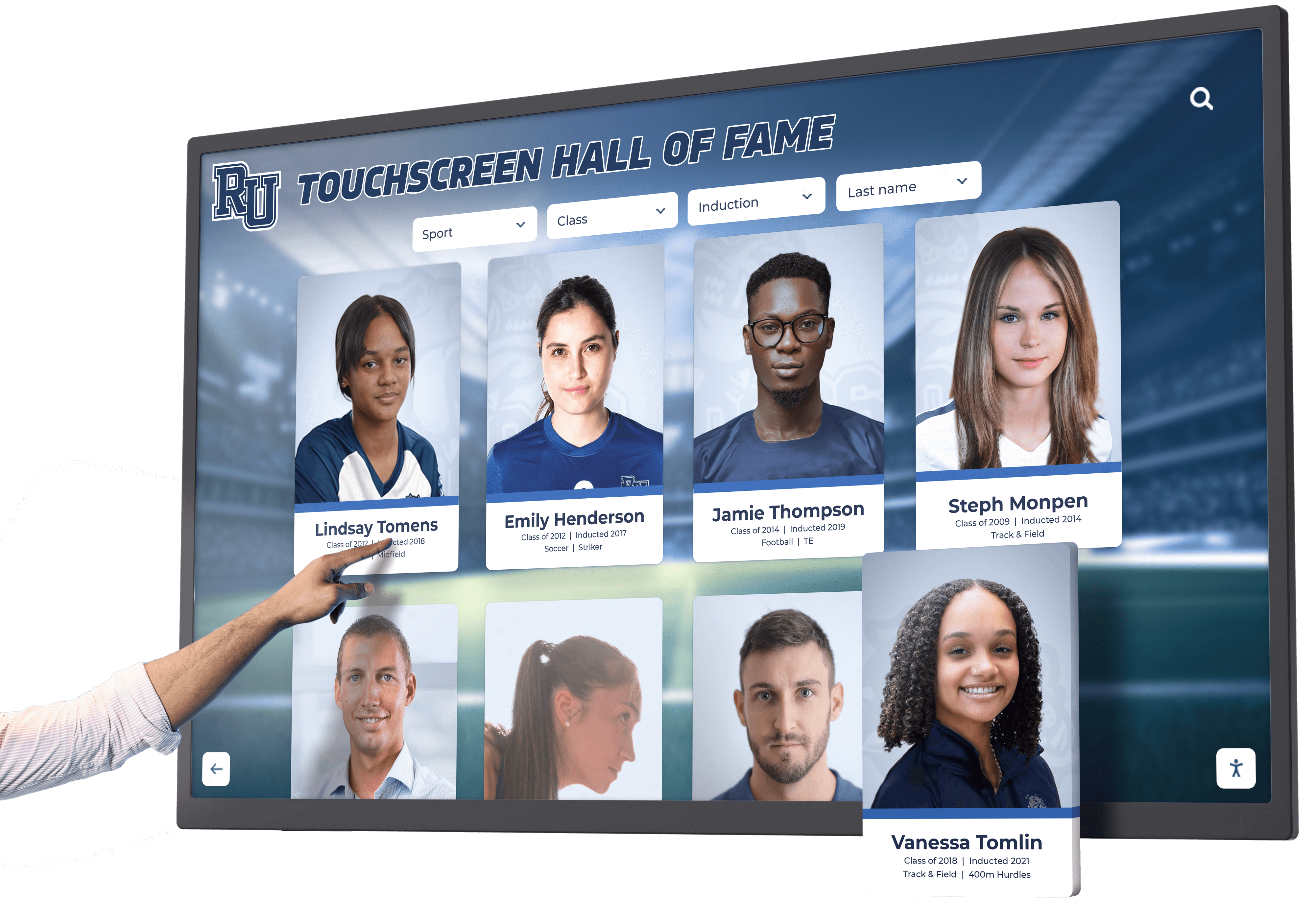
Touchscreen technology enables tennis clubs to create engaging recognition experiences celebrating champions across generations
Why Tennis Clubs Need Better Recognition Solutions
Tennis organizations accumulate remarkable achievement histories spanning decades—junior champions who went on to college tennis, adult league champions dominating competitions across seasons, tournament victors earning national rankings, dedicated volunteers building programs, generous donors funding facility improvements, and teaching professionals shaping thousands of players’ careers. Traditional recognition methods struggle to honor this breadth appropriately.
The Trophy Case Capacity Problem
Every tennis club director knows the trophy case dilemma intimately. Championship hardware multiplies annually: junior tournament trophies and medals, adult league championship plates, club championship cups spanning multiple divisions, team competition awards, and individual achievement recognitions. Within years, trophy cases overflow, forcing impossible decisions about which accomplishments deserve visible display and which vanish into storage.
As recognition space fills, newer champions receive diminished acknowledgment compared to earlier inductees with prime display locations. Junior players never see the accomplishments of predecessors who trained at the same facility, missing inspirational connections showing what dedication and quality coaching can achieve.
Limited Information on Traditional Displays
Name plates and engraved plaques provide minimal context. “John Smith, Club Champion 1998” reveals nothing about memorable championship matches, competitive tennis career, teaching contributions after retiring from tournament play, or personal story making the achievement remarkable. Without richer narratives, recognition fails to inspire or educate—it simply lists names that newer members don’t recognize and longtime members struggle to remember.
Trophy cases filled with hardware provide no searchable access. Parents researching junior program quality can’t quickly find which players developed under current coaching staff and where those players competed collegiately. Club members can’t easily discover fellow players who competed in similar tournaments or achieved comparable rankings. The valuable stories and connections exist, but traditional displays make them essentially invisible.

Traditional trophy walls create impressive visual impact but quickly exhaust available space as achievements accumulate
Accessibility Beyond Club Walls
Tennis clubs serve geographically distributed populations—members who winter elsewhere, alumni who moved for college or careers, prospective families researching programs before joining, and tennis communities celebrating local facility excellence. Physical trophy cases limit recognition access to those physically present during facility hours, dramatically restricting audience and engagement potential.
Families considering junior program enrollment want to research coaching quality and player development track records before committing significant time and membership fees. Without online access to comprehensive achievement data showing which players developed under current staff and where they competed at higher levels, clubs lose powerful marketing tools demonstrating program quality objectively.
How Tennis Hall of Fame Touchscreen Technology Works
Interactive recognition displays combine commercial-grade touchscreen hardware with specialized software designed specifically for sports achievement celebration. These systems function similarly to museum exhibits, providing intuitive exploration interfaces that visitors naturally understand without instruction.
Hardware Components and Installation
Commercial-Grade Touchscreens
Tennis club installations typically use 43-75 inch displays—size depending on viewing distance and installation location. Clubhouse lobbies accommodate larger displays creating impressive visual statements, while hallway installations near court entrances suit mid-size screens viewable as members pass between courts and facilities.
Commercial displays designed for 16-24 hour daily operation withstand intensive use in high-traffic tennis facilities better than consumer televisions adapted for institutional applications. Industrial-grade touchscreens feature hardened glass surfaces resisting damage from thousands of daily interactions while maintaining responsiveness. Display brightness (typically 400-500 nits minimum) ensures visibility even in naturally-lit clubhouse environments with large windows.
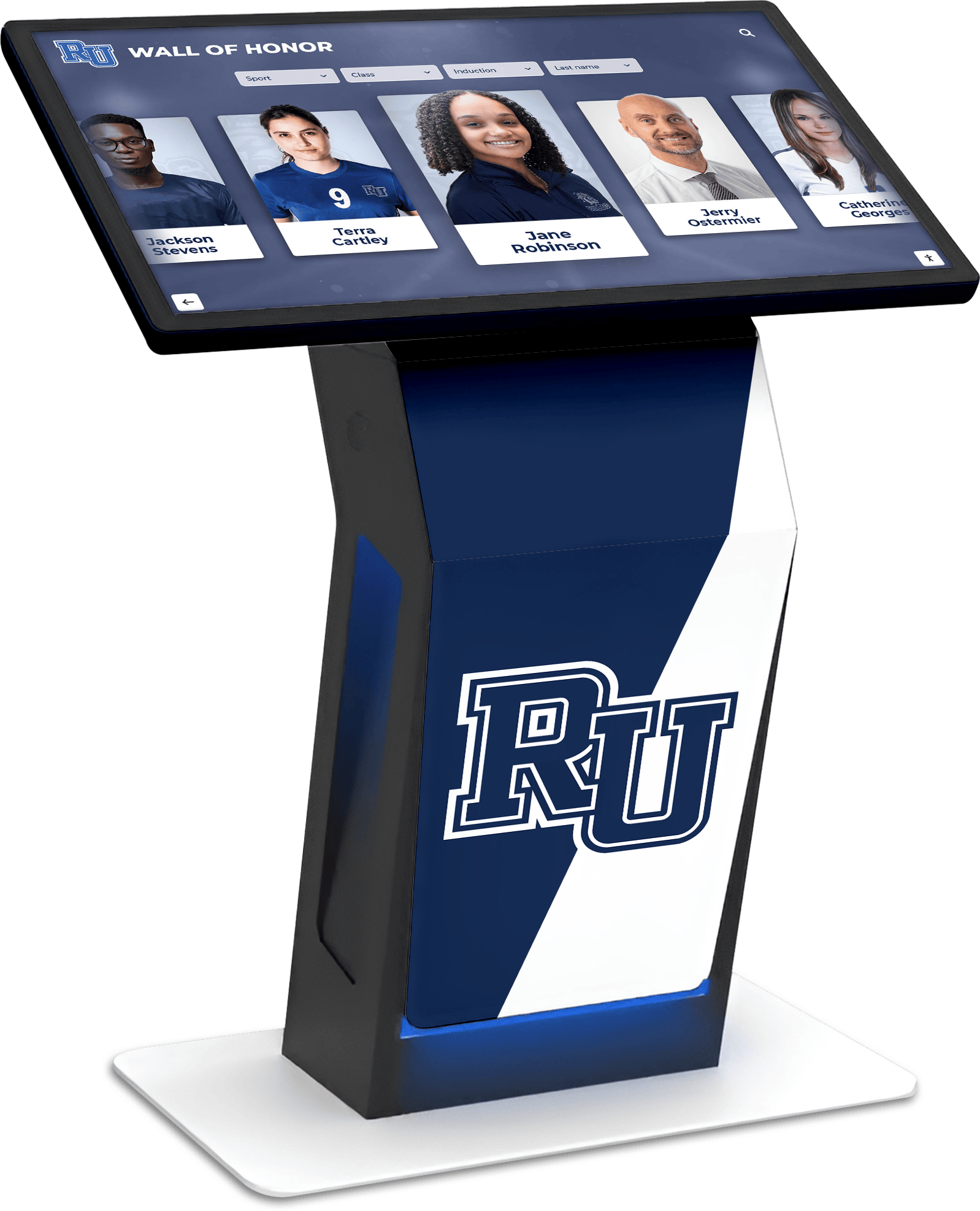
Freestanding kiosks provide flexible placement options in tennis club lobbies and common areas
Installation Considerations
Strategic placement maximizes visibility and engagement. Prime locations include main clubhouse entrance lobbies where all members and visitors pass, hallway corridors connecting courts to locker rooms and social areas, pro shop or reception desk areas where families gather, and indoor courts viewing areas where spectators naturally congregate between matches.
Professional installation ensures secure mounting, proper electrical connections meeting code requirements, network connectivity enabling content management, and ADA-compliant positioning allowing access for all community members. Wall-mounted displays suit locations with available vertical surface area, while freestanding kiosks provide flexibility for open floor plans or temporary installations during special events.
Software Features Designed for Tennis Recognition
Purpose-built recognition platforms offer capabilities specifically valuable for tennis club applications—going far beyond generic digital signage functionality.
Searchable Player Databases
Advanced search functionality enables visitors to find specific players instantly by entering names. Filters allow browsing by championship years, tournament types, competitive divisions, or program categories (juniors, adults, seniors, teaching professionals, volunteers, donors). This searchability transforms static displays into dynamic research tools supporting various user goals—from prospective families investigating program quality to longtime members reminiscing about past champions.
Tournament and Championship Tracking
Dedicated sections showcase club tournament histories with complete draws, final results, and memorable match details. Systems can display team competition records showing performance across leagues and events, individual ranking progressions demonstrating player development over time, and coaching success metrics highlighting development program effectiveness.
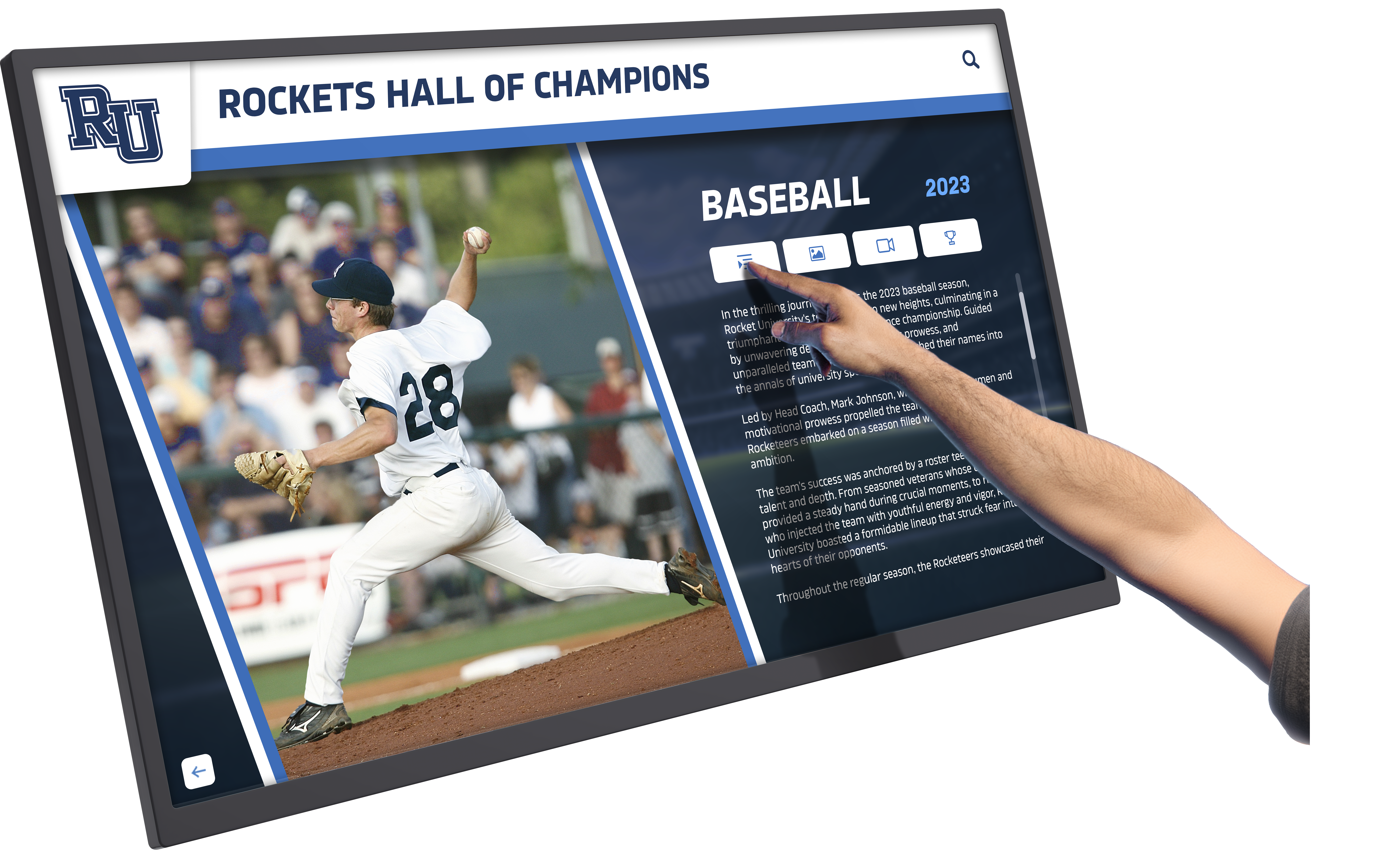
Intuitive touch interfaces allow visitors to explore detailed player profiles with photos, statistics, and achievement histories
Multimedia Content Integration
Digital platforms transcend text-only recognition by incorporating high-resolution player photos showing competitors in action, video highlights of championship matches and memorable points, audio interview clips sharing personal stories and advice, scanned historical documents and newspaper clippings, and photo galleries documenting facility evolution and program growth.
This multimedia richness creates emotional engagement that simple name plates cannot match. When junior players watch video of championship matches contested by alumni who trained under current coaching staff, the path from beginner to champion becomes tangible and achievable rather than abstract.
Alumni Career Tracking
Comprehensive profiles follow players beyond club tennis into college careers (university attended, team accomplishments, notable wins), professional or ATP/WTA careers for elite competitors, coaching and teaching professional transitions, and continued tennis involvement through volunteer service or tournament organization.
These extended profiles demonstrate program impact beyond local competition, providing powerful evidence of coaching quality and development effectiveness that resonates with families evaluating junior program options. Solutions like Rocket Alumni Solutions specialize in creating these comprehensive recognition systems tailored specifically for sports programs and clubs.
Real-World Innovation: The International Tennis Hall of Fame
The International Tennis Hall of Fame in Newport, Rhode Island provides inspiring example of what’s possible when tennis tradition embraces digital innovation. As documented in recent renovations completed in 2025, the Hall of Fame has transformed how it celebrates tennis legends while making recognition accessible globally.
Digital Exhibit Innovations
The Hall of Fame launched ambitious digitization initiative cataloging their 25,000+ artifacts—only 2% of which can physically display simultaneously. Through digital exhibits like “Etched in History,” visitors explore 360-degree views of 68 different championship trophies, examining intricate details impossible to appreciate through glass display cases.
According to reports about the International Tennis Hall of Fame’s technology integration, the facility now features interactive touchscreens throughout, including hologram displays of tennis legends like Roger Federer, trivia touch tables engaging visitors through game-based learning, and virtual reality experiences transporting guests to historic matches like Arthur Ashe’s groundbreaking 1968 US Open victory.
The Woolard Family Enshrinement Gallery honors every Hall of Famer through interactive displays showcasing complete career achievements and contributions to tennis. Visitors don’t simply read accomplishments—they explore multimedia journeys through championship highlights, personal interviews, and historical context making legends’ impacts truly comprehensible.
Augmented Reality and Future Technology
The Hall of Fame continues pushing innovation boundaries with 2025 additions including augmented reality sculpture composed of tennis balls, where QR codes on each ball link to digital profiles showing inductees and mentors who inspired their journeys. This AR experience creates visual connections between tennis generations, illustrating how mentorship and inspiration cascade through tennis history.
These innovations demonstrate how touchscreen and digital technology doesn’t diminish tradition—it enhances tradition by making historical achievements more accessible, comprehensible, and inspiring for contemporary audiences expecting interactive digital experiences in all aspects of life.
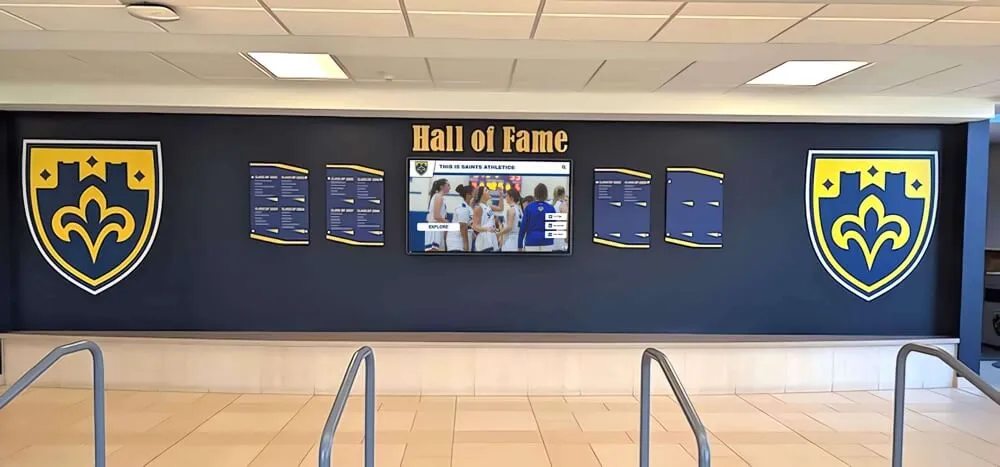
Modern tennis recognition combines traditional visual impact with interactive digital exploration capabilities
Implementing Tennis Hall of Fame Touchscreens at Your Facility
Tennis clubs, programs, and facilities don’t need Hall of Fame budgets to implement professional digital recognition. Purpose-built platforms designed for sports organizations make sophisticated technology accessible at price points appropriate for clubs of all sizes.
Planning Your Recognition Program
Successful implementations begin with strategic planning addressing recognition scope, content priorities, and program sustainability.
Define Recognition Categories
Comprehensive tennis recognition typically includes:
- Championship Categories: Club champions across all divisions (Open, Age Group, Junior), tournament winners at sanctioned events, league champions across various competition levels, and team competition victors
- Achievement Milestones: Ranking achievements (state, regional, national), competitive career milestones (matches played, tournaments entered), skill development progressions (NTRP rating advancements), and long-term participation recognition
- Contributor Categories: Teaching professionals and coaching staff, facility volunteers and board members, donors supporting facility improvements and programs, tournament organizers and officials, and junior program mentors and chaperones
- Historical Recognition: Facility founding members and early champions, historical championship results and tournament records, program evolution and growth milestones, and facility development and improvement timeline
Defining these categories early ensures content development captures achievement breadth rather than focusing narrowly on one recognition type.
Content Collection Strategy
Building comprehensive databases requires systematic information gathering. Start with recent championships where records remain accessible and detailed, then expand backward through historical eras as time and resources allow.
Essential Information Elements:
- Full player names and member identification
- Championship years and tournament details
- Competitive division and skill level
- Final scores and memorable match details
- High-quality action and portrait photography
- Player biographical information and current contact
- College tennis careers and professional pursuits
- Personal statements or reflections on tennis journey
Information Sources:
- Club records and tournament files
- Historical yearbooks and newsletters
- Newspaper archives and media coverage
- Direct outreach to recognized players
- Social media research for current information
- Family contacts for historical players
- Tournament organizations (USTA, local associations)
- Photography collections from club events
Many clubs discover more content exists than initially assumed—longtime members often maintain personal archives of programs, photographs, and tournament records that enrich official organizational files. Inviting community contribution during content development multiplies available resources while creating ownership and enthusiasm for recognition programs.
Selecting Technology Platform
Platform choice significantly impacts long-term satisfaction, operational efficiency, and recognition program effectiveness.
Purpose-Built vs. Generic Solutions
Generic digital signage platforms designed for retail advertising or corporate communications lack features tennis clubs need. Purpose-built sports recognition systems offer critical advantages including profile templates designed specifically for athlete recognition, tournament result formatting and championship tracking, searchable databases enabling name-based exploration, multimedia integration optimized for sports content, and intuitive content management requiring no technical expertise.
Solutions like Rocket Alumni Solutions specialize in sports and alumni recognition, providing turnkey platforms understanding tennis-specific needs. Their systems support unlimited player profiles, flexible content organization, web-based remote access extending recognition beyond facility walls, and cloud-based management enabling updates from any internet-connected device.
Integration Capabilities
Advanced platforms integrate with other tennis club systems. Database connections to club management software (CourtReserve, Tennis Management System, ClubEssential) enable automatic synchronization of membership data and tournament results. Event calendar integration highlights upcoming tournaments and competitive opportunities. Social media connections allow sharing of recognition content amplifying club visibility. Website embedding creates consistent digital presence across platforms.
These integrations eliminate redundant data entry while ensuring recognition systems remain current as club information evolves through normal operational workflows.
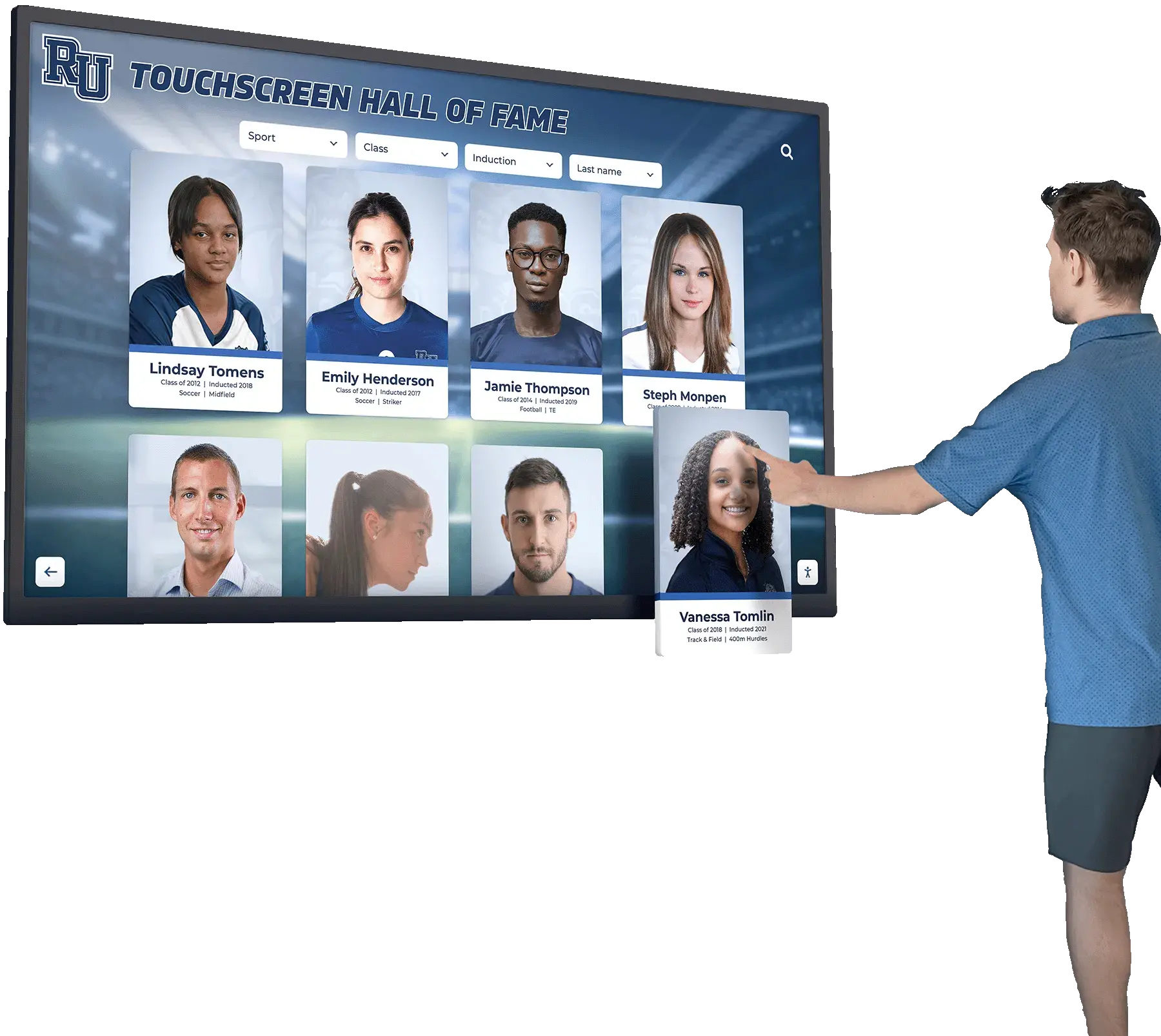
Intuitive content management enables club staff to update recognition displays without requiring technical expertise
Content Development Best Practices
Quality content separates impressive recognition from mediocre implementations generating initial excitement before fading into irrelevance.
Professional Photography Standards
Visual quality matters immensely for sports recognition. Action photography captures players mid-stroke, demonstrating technique and competitive intensity that static portraits cannot convey. Portrait photography provides formal recognition comparable to traditional plaques while enabling facial recognition by viewers. Team photos document championship partnerships and competition camaraderie. Historical photographs create fascinating temporal progression showing facility evolution, fashion changes, and equipment development across tennis eras.
Establish minimum photo specifications ensuring images display well on large screens—typically 1920x1080 resolution minimum with higher resolution preferred for future display upgrades. Photograph multiple aspect ratios (horizontal landscape, vertical portrait, square) providing layout flexibility. Always secure proper permissions for using player photographs, particularly for minors and professional photography.
Compelling Achievement Narratives
Statistics document accomplishments, but stories create emotional connections. Strong player profiles include match highlights describing memorable championship victories or intense competitive rivalries, personal development arcs showing progression from beginner programs to competitive excellence, coaching relationships crediting mentors who shaped player development, memorable moments capturing personality and character beyond competitive results, and advice for current players sharing wisdom from competitive experience.
First-person quotes add authenticity and personality that third-person descriptions lack. When possible, request brief statements from recognized players sharing favorite memories, most influential coaches, or advice for junior players aspiring toward similar achievements.
Comprehensive Tournament Documentation
Championship recognition gains context from complete tournament documentation. Beyond final results, include tournament draws showing progression paths to finals, semifinal and quarterfinal results providing context for championship matches, notable upsets and memorable matches throughout competition, statistical achievements (aces, return winners, match duration records), and historical context comparing current results to past tournament outcomes.
This comprehensive approach transforms simple winner announcement into rich historical record valuable for players, families, and tennis historians researching competitive trends and facility legacy.
Recognition Categories Beyond Competition Results
While tournament championships form recognition program cores, comprehensive systems celebrate tennis excellence across multiple dimensions creating more inclusive programs that engage broader club communities.
Teaching Professional and Coach Recognition
Quality instruction builds tennis programs. Dedicated recognition for teaching professionals and coaches honors their essential contributions through profiles documenting years of service and players coached, certifications and professional development achievements, player development successes (college placements, ranking achievements), competitive playing careers before transitioning to teaching, and teaching philosophies and approaches to player development.
When junior players exploring recognition displays discover their current coach’s competitive background and successful coaching track record, respect and buy-in increase. Parents evaluating junior programs gain objective evidence of coaching quality through documented player progression and competitive results under current staff guidance. Approaches discussed in professional athlete recognition programs apply equally to teaching professionals whose careers shaped hundreds of recreational and competitive players.
Volunteer and Contributor Recognition
Thriving tennis facilities depend on volunteers organizing tournaments, maintaining facilities, fundraising for improvements, coaching junior programs, serving on boards and committees, and welcoming new members. Recognizing these contributions demonstrates club appreciation while modeling service values for younger members.
Volunteer profiles can include years of service and roles fulfilled, specific tournaments or events organized, facility improvements supported or funded, mentorship of junior players or newer members, and personal statements about why they volunteer and what tennis community means to them. This recognition often proves more meaningful to recipients than competitive achievements, creating profound emotional connections strengthening institutional loyalty.
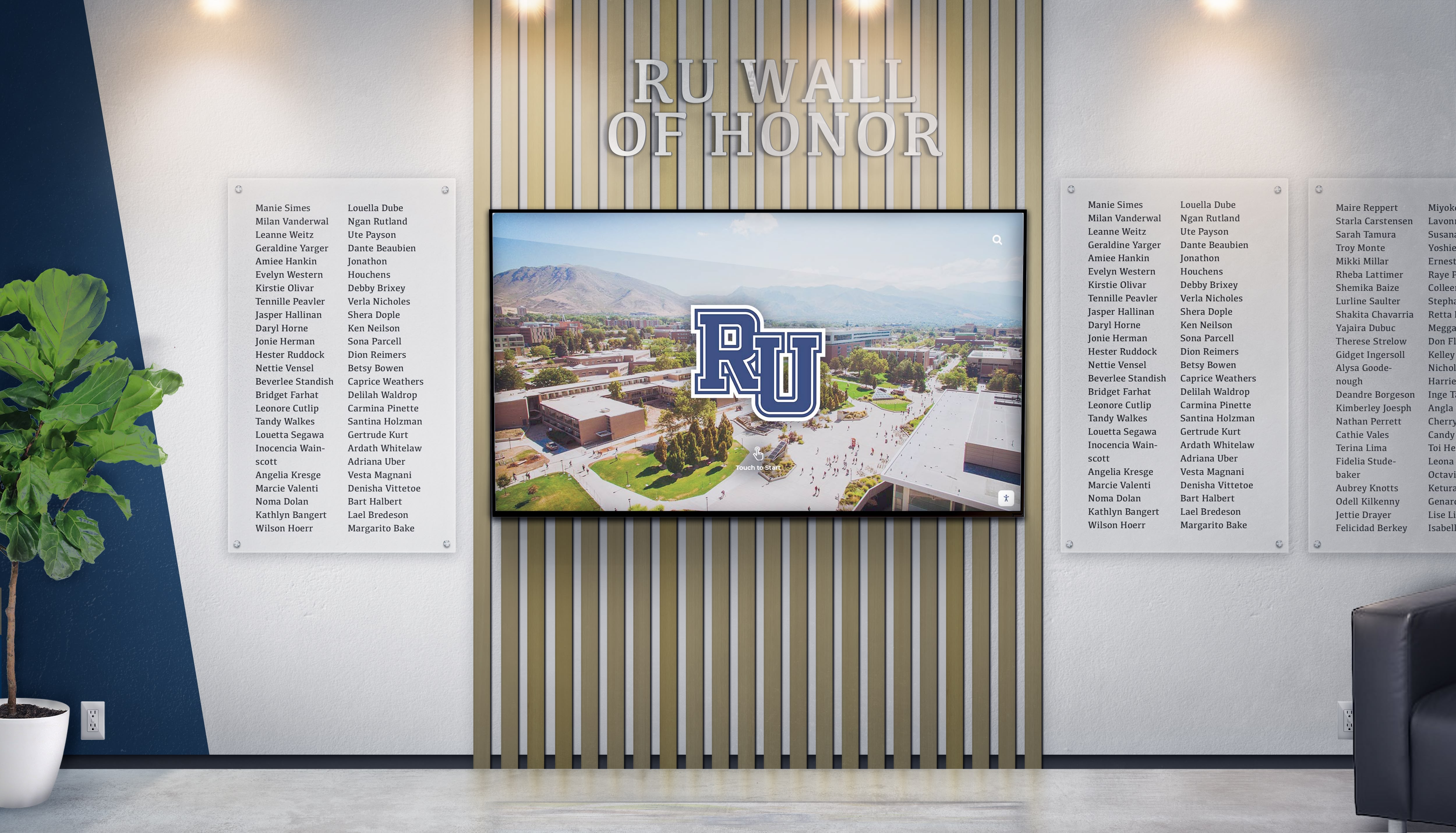
Inclusive recognition systems celebrate competitive excellence alongside teaching, volunteerism, and community building
Donor Recognition and Capital Campaign Support
Facility improvements—court resurfacing, lighting installations, clubhouse renovations, equipment upgrades—require significant capital investment. Donor recognition demonstrates appreciation while encouraging continued philanthropic support. Digital platforms provide flexibility impossible with traditional donor walls.
Dynamic recognition capabilities include giving level hierarchies with appropriate visual distinction, campaign progress visualization showing fundraising momentum, impact documentation through before/after facility photos, named facility components (courts, buildings, programs), and pledge recognition honoring commitments as fulfilled over time.
Unlike static donor walls requiring expensive plaque replacement when contributions increase, digital systems update instantly as donors enhance support. This flexibility encourages giving progression by ensuring recognition remains current reflecting total contribution history rather than just initial gifts.
Extended Access Through Web and Mobile Integration
Physical touchscreen displays serve on-site visitors excellently, but comprehensive recognition strategies extend access through complementary web and mobile platforms creating 24/7 global availability.
Online Hall of Fame Portals
Web-based recognition portals replicate touchscreen functionality through standard web browsers, enabling alumni and former members living anywhere to explore club achievements, prospective families to research program quality before facility visits, media and journalists to access information for articles and features, and college coaches to research players during recruiting research.
Online access dramatically multiplies recognition visibility—while physical displays reach hundreds of monthly facility visitors, web portals reach thousands globally. Social sharing capabilities enable players to broadcast their recognition to personal networks via Facebook, Instagram, LinkedIn, and email, amplifying club visibility exponentially beyond direct reach. Strategies for keeping digital recognition fresh ensure web portals remain valuable year-round destinations rather than static archives visited once then forgotten.
Mobile Application Features
Dedicated mobile applications enhance accessibility and engagement through smartphone-optimized interfaces designed for small screens, offline access enabling exploration without internet connectivity, push notification capabilities announcing new recognitions or upcoming events, personalized profiles allowing users to bookmark favorite players or follow specific coaches, and augmented reality features overlaying digital information on physical spaces during facility visits.
Mobile applications prove particularly valuable for geographically distributed tennis communities including snowbirds who spend winters away from home clubs, alumni who moved but maintain emotional connections to programs, and families researching programs remotely before relocating or enrolling children.
Social Media Integration and Sharing
Recognition systems should enable seamless social sharing, amplifying visibility through personal networks. Players newly added to halls of fame receive shareable links they can post announcing their recognition. Families share achievement highlights celebrating children’s competitive successes. Clubs promote recent additions highlighting program excellence.
This organic social amplification delivers marketing value far exceeding traditional advertising costs. When current members share positive recognition experiences with their networks, credibility and authentic enthusiasm prove more persuasive than institutional promotional messages. Digital recognition essentially converts every recognized player into program ambassador spreading positive messaging voluntarily.
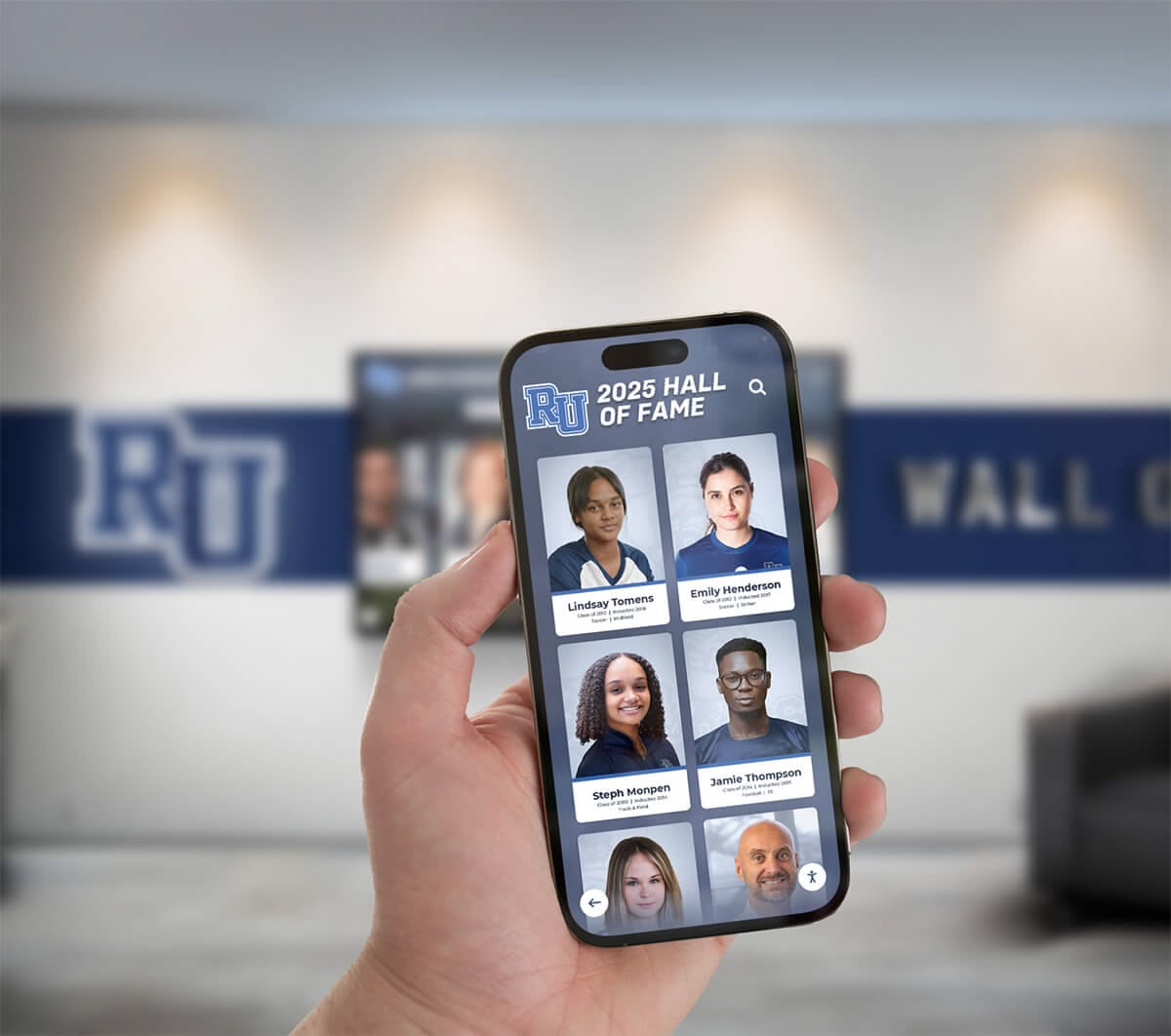
Mobile-optimized recognition extends access to players and families anywhere, strengthening connections beyond facility walls
Implementation Costs and Return on Investment
Tennis clubs naturally question whether digital recognition justifies investment, particularly for smaller organizations operating on limited budgets. Understanding total costs and potential returns enables informed decisions.
Initial Investment Ranges
Basic Single-Display Systems
Entry-level implementations featuring 43-55 inch commercial touchscreen, wall mounting or simple floor stand, basic recognition software with cloud management, initial content development for 50-100 profiles, and professional installation typically range $8,000-$15,000 for complete turnkey implementation.
These systems suit smaller clubs or those starting with focused recognition (club champions only, recent 10-year history) with plans to expand content and features over time as budgets allow.
Comprehensive Recognition Networks
Larger facilities or clubs implementing more ambitious recognition often invest $20,000-$40,000 for multi-display installations (lobby, pro shop, court areas), larger 65-75 inch touchscreens creating greater visual impact, extensive content development covering comprehensive historical periods, custom design work aligning with facility branding, and integration with club management software and websites.
These comprehensive implementations provide immediate wow factor and extensive content attracting repeated engagement rather than quick exploration of limited content.
Ongoing Operational Costs
Beyond initial investment, budget for annual software licensing and cloud hosting (typically $1,500-$3,000 annually depending on features), content updates and profile additions (staff time or contracted services), display cleaning and maintenance, and electricity consumption (commercial displays typically use 250-350 watts during operation).
Total annual operational costs typically run $2,500-$5,000 for actively maintained systems—significantly less than traditional approaches requiring ongoing plaque orders, trophy case expansions, and physical display updates.
Return on Investment Factors
ROI calculation extends beyond direct financial returns to include strategic value driving membership, retention, and community engagement.
Membership Recruitment and Retention
Prospective families researching tennis programs increasingly expect comprehensive online information before committing to memberships. Clubs offering detailed digital recognition demonstrating coaching effectiveness and player development track records gain competitive advantages over facilities providing minimal information.
When families can research which current teaching professionals coached previous champions and where those players competed at higher levels, clubs provide objective quality evidence building confidence in program value. If recognition systems help convert even 2-3 additional family memberships annually at typical junior program rates ($2,000-$5,000 per family), ROI justifies investment within 2-3 years.
Donor Engagement and Giving
Clubs implementing comprehensive donor recognition report measurable improvements in fundraising outcomes. When capital campaigns showcase recognition explaining exactly how contributions would be honored, donors visualize their legacy more tangibly than verbal descriptions provide. Dynamic recognition updating as pledge fulfillment progresses encourages completion while honoring partial contributions appropriately.
Many clubs structure recognition systems themselves as naming opportunities, securing donor sponsorships funding implementations. The recognition infrastructure becomes both fundraising tool and fundraising outcome.
Community Pride and Engagement
While harder to quantify financially, strengthened community pride delivers substantial value through increased volunteer participation in club activities, higher attendance at tournaments and social events, stronger word-of-mouth marketing and member referrals, and reduced member churn as emotional connections deepen.
Facilities implementing comprehensive recognition often report qualitative improvements in community atmosphere—members spend more time at facilities, engage more actively in competitive and social programming, and express greater pride in club affiliation. These intangible benefits support long-term organizational health and sustainability.
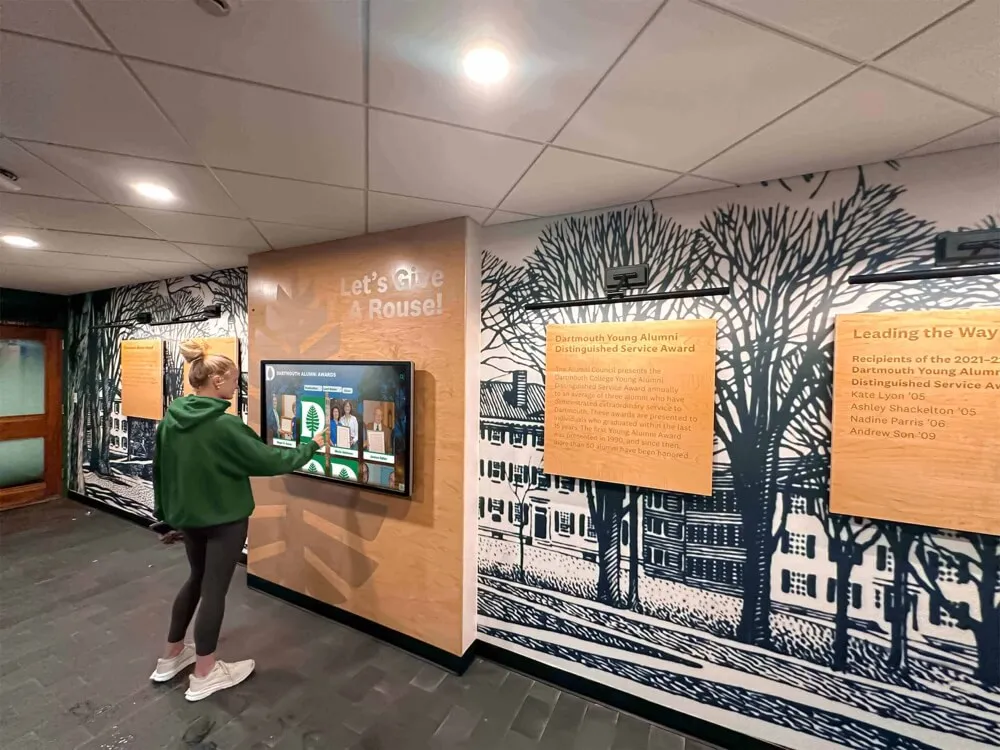
Strategic recognition display placement creates welcoming environments celebrating club community and history
Best Practices for Long-Term Success
Recognition systems require ongoing attention maintaining relevance, accuracy, and community engagement beyond initial implementation excitement.
Sustainable Content Management
Designated Responsibility
Assign specific staff members or volunteers clear responsibility for recognition maintenance. Without designated ownership, updates slip through cracks as everyone assumes someone else is managing the system. Typical responsibilities include adding new champions after tournaments promptly, reviewing and approving member-submitted content updates, maintaining photo and media libraries, responding to correction requests from community members, and expanding historical content systematically over time.
Regular Update Schedules
Establish predictable rhythms for content additions. After major club tournaments, add champions within 1-2 weeks while excitement remains high. Schedule quarterly review sessions identifying gaps in coverage or outdated information requiring updates. Plan annual major content expansion projects (digitizing historical records, comprehensive photo collection, volunteer profile development) during slower competitive seasons when staff have capacity for larger initiatives.
Community Contribution Opportunities
Enable recognized players and community members to submit updates, additional photos, career milestones, and personal reflections enriching existing profiles. Most people willingly contribute when invited—the challenge is creating accessible submission processes and communicating opportunities clearly.
Approaches successful for alumni engagement through interactive displays work equally well for tennis alumni maintaining connections to clubs where competitive careers began.
Promotion and Visibility Maximization
Launch Event and Ongoing Communication
Create memorable unveiling ceremonies celebrating initial inductees, introducing recognition technology to broader community, demonstrating system features through guided exploration sessions, and generating media coverage amplifying visibility.
Maintain visibility through regular communications featuring highlighted profiles in club newsletters and email communications, social media campaigns showcasing recent additions or historical throwbacks, integration into facility tours for prospective members, and promotion during tournaments and competitive events.
Tournament and Event Integration
Leverage recognition displays during club tournaments and social events. During tournament check-in, encourage participants to explore displays finding their past results. In social areas between matches, recognition provides natural entertainment and conversation starters. Following tournament completion, prompt recognition of new champions while competitive excitement peaks.
Event integration prevents recognition from becoming invisible background element ignored in favor of more immediate concerns. Active integration into club life rhythm ensures recognition remains vital program component rather than one-time installation generating brief initial interest.
Analytics and Continuous Improvement
Quality recognition platforms provide analytics revealing which profiles receive most views, what search terms visitors use most frequently, when usage peaks occur, and how long typical engagement sessions last. These insights inform content development priorities—popular profiles deserve additional media and detail, search patterns reveal what information visitors seek, and usage timing helps optimize update scheduling.
Data-driven optimization ensures recognition systems continuously improve rather than stagnating with initial content. When clubs can demonstrate measurable engagement metrics—thousands of monthly profile views, hundreds of searches, extended session durations—they justify continued investment while proving recognition program value to boards and membership.
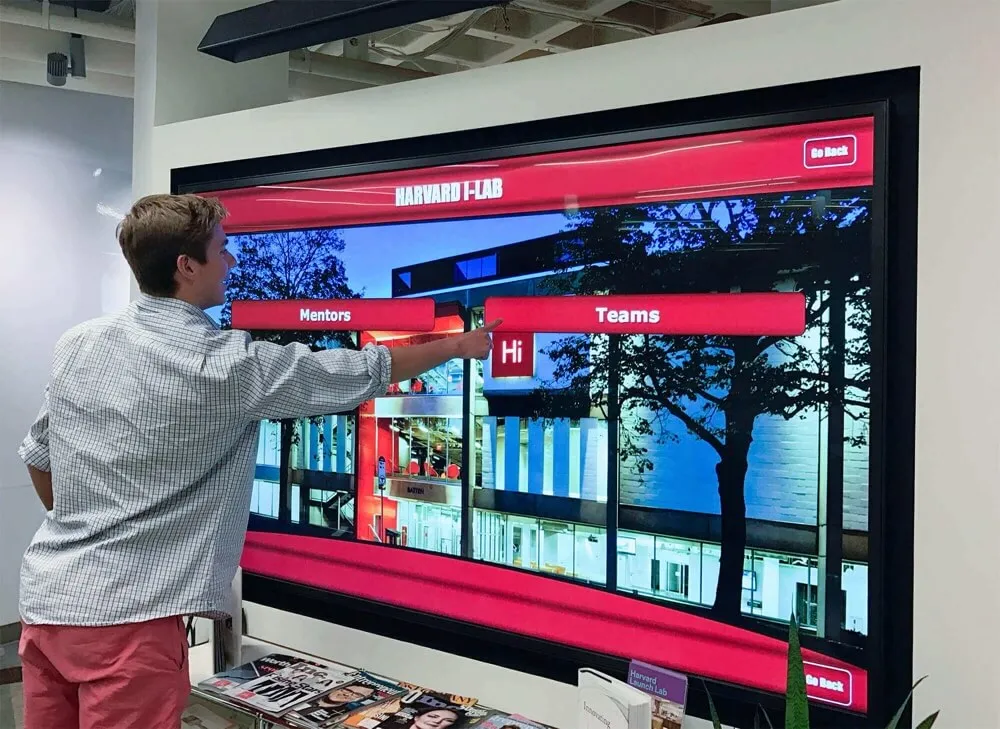
Cloud-based content management enables authorized staff to update recognition from any internet-connected device
Inspiring the Next Generation Through Recognition
Beyond honoring past accomplishments, effective recognition programs profoundly influence current players by making excellence tangible and pathways to achievement visible.
Creating Role Models and Aspirational Paths
When junior players exploring hall of fame displays discover alumni who trained under current coaching staff and then earned college scholarships or professional rankings, the journey from beginner to elite becomes comprehensible rather than impossibly distant. Seeing names they recognize—older siblings, friends’ parents, familiar teaching professionals during their competitive years—makes championship achievement feel attainable rather than reserved for naturally gifted athletes.
Comprehensive profiles documenting complete competitive journeys prove especially valuable. When profiles include early tournament results showing gradual improvement, setbacks and losses preceding eventual championships, and years of training and development required reaching peak performance, current players understand that excellence requires sustained effort and perseverance rather than instant success.
This realistic perspective on achievement pathways helps maintain motivation during inevitable plateaus and competitive disappointments. When struggling junior players can research how their role models overcame similar challenges on paths to championships, resilience increases.
Connecting Coaching Effectiveness to Results
Recognition systems showcasing teaching professionals’ competitive backgrounds and coaching success records build credibility and trust accelerating player development. When junior players understand their coach competed at elite levels or developed numerous players earning college scholarships, buy-in and coachability increase significantly.
Parents evaluating program quality gain objective evidence through documented results. Rather than relying solely on coach marketing claims, families can research actual player progression under current staff—which competitive levels players reached, where they played collegiately, what rankings they achieved. This transparency builds confidence justifying program investment.
Quality coaching recognition follows patterns established for athletic hall of fame displays in other sports, celebrating both competitive achievement and teaching excellence comprehensively.
Showcasing Multiple Paths to Tennis Excellence
Not every player becomes champion, but tennis offers numerous paths to meaningful achievement. Comprehensive recognition systems celebrate competitive excellence at all levels (A, B, C divisions), sustained participation and improvement over years, sportsmanship and character development, volunteer service supporting club programs, social tennis participation and community building, and successful transitions to teaching and mentoring roles.
This inclusive approach demonstrates that clubs value all forms of tennis engagement, not just elite competition. When players see multiple achievement pathways recognized alongside championships, everyone finds aspirational possibilities rather than feeling excluded from recognition club culture.
Making the Tennis Hall of Fame Touchscreen Decision
Tennis clubs considering digital recognition should evaluate several factors determining whether investment aligns with organizational goals and capabilities.
Clubs Best Suited for Digital Recognition
Implementations deliver greatest value for established clubs with 20+ years of history accumulating significant achievement records, facilities managing multiple programs (juniors, adults, leagues, tournaments) generating diverse recognition needs, organizations with membership recruitment and retention goals where demonstrated quality provides competitive advantages, clubs with engaged alumni populations maintaining emotional connections to programs, and facilities planning capital campaigns where recognition supports donor engagement.
Newer clubs with limited achievement history might postpone major recognition investments, focusing first on building programs generating accomplishments worthy of celebration. However, even newer organizations can benefit from recognition frameworks capturing achievements systematically from inception rather than attempting to reconstruct history retroactively.
Alternative and Complementary Approaches
Digital recognition need not be all-or-nothing. Many clubs implement hybrid strategies combining traditional trophy displays for recent championships maintaining tangible hardware visibility, digital recognition for comprehensive historical coverage impossible with physical displays, online databases accessible via facility websites without requiring touchscreen hardware, and printed materials (yearbooks, wall displays) complementing digital platforms.
Phased implementations starting with basic systems and expanding over time as budgets allow and value demonstrates provide lower-risk approaches for clubs uncertain about technology investments. Single displays in high-traffic lobbies prove concepts before expanding to multiple locations throughout facilities.
Solutions like touchscreen display technology designed for schools and clubs provide scalable options suitable for organizations of various sizes and budgets.
Questions to Consider Before Implementation
- How extensive is our achievement history requiring recognition? (More history = greater value from digital capacity)
- Do we have staff capacity or budget for initial content development? (Comprehensive systems require upfront content investment)
- What are our primary recognition goals? (Membership recruitment, donor engagement, community building determine feature priorities)
- How engaged are our alumni and past members? (More engaged alumni = greater ROI from web access features)
- What is our technology comfort level? (User-friendly platforms require minimal technical expertise)
- Do we have adequate network infrastructure? (Reliable WiFi essential for cloud-based systems)
- How will we sustain content management long-term? (Ongoing updates critical for continued relevance)
Thoughtful consideration of these factors enables informed decisions aligned with organizational capabilities and goals rather than technology purchases generating initial excitement before fading into irrelevance due to insufficient planning or resources.
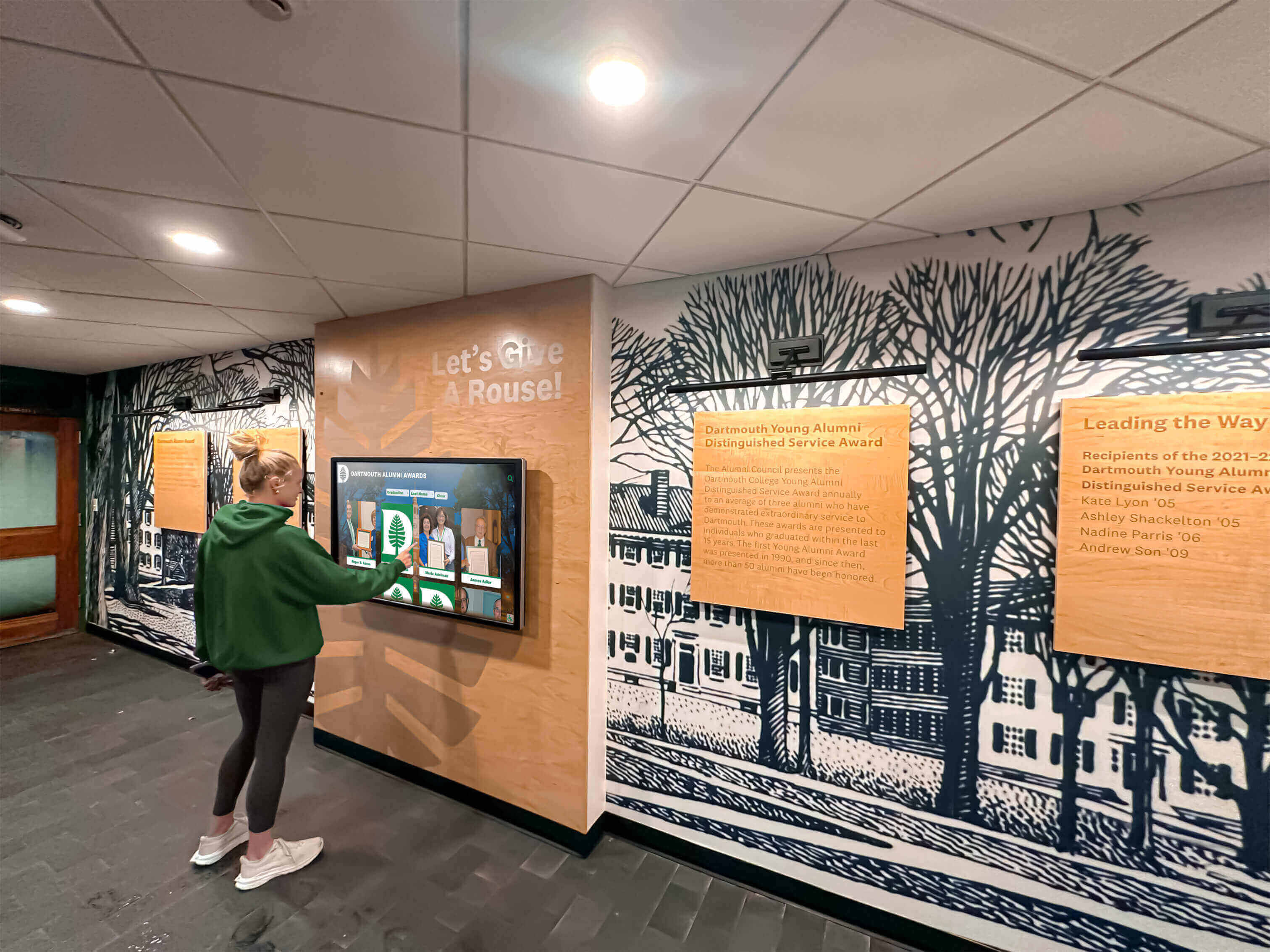
Interactive displays create natural gathering points where tennis communities connect while celebrating shared history
Conclusion
Tennis clubs, programs, and facilities honoring decades of champions, dedicated volunteers, quality coaching, and generous donors face real challenges appropriately recognizing excellence using traditional trophy cases and static plaques. Physical space constraints, limited information capacity, poor accessibility, and expensive ongoing updates make traditional recognition inadequate for organizations serious about celebrating achievement comprehensively while inspiring future excellence.
Interactive touchscreen hall of fame technology solves these challenges through unlimited digital capacity accommodating thousands of profiles, rich multimedia content bringing accomplishments to life, searchable databases enabling instant exploration, flexible content management allowing immediate updates, web and mobile access extending recognition globally, and comprehensive analytics demonstrating engagement and value.
From elite institutions like the International Tennis Hall of Fame pioneering museum-quality digital exhibits to local clubs implementing recognition systems celebrating community champions, touchscreen technology transforms how tennis organizations honor achievement. By combining respect for tradition with embrace of innovation, digital recognition preserves history while making it accessible and engaging for contemporary audiences expecting interactive digital experiences.
Tennis clubs ready to transform recognition should explore how solutions like Rocket Alumni Solutions enable comprehensive celebration worthy of players representing the highest standards of sportsmanship, competitive excellence, and commitment to the tennis community. Honoring the past properly doesn’t require abandoning tradition—it requires making tradition accessible, comprehensible, and inspiring for generations discovering tennis excellence through modern technology naturally integrated into their digital lives.
Transform Your Tennis Club Recognition
Discover how digital hall of fame technology can help your tennis facility celebrate champions, honor volunteers, and inspire future generations through engaging interactive displays.
Explore Recognition SolutionsWhether implementing comprehensive recognition networks across multiple facility locations or starting with focused displays in clubhouse lobbies, touchscreen hall of fame technology provides tennis clubs with powerful tools for building community pride, attracting new members, engaging alumni, and demonstrating that excellence—competitive, coaching, volunteer, or philanthropic—receives appreciation commensurate with its contribution to programs’ lasting success. Resources on creating halls of fame and interactive recognition approaches provide additional guidance for organizations ready to honor tennis excellence properly through technology respecting tradition while embracing innovation.































