When people speak of Friday night lights, they’re often talking about Texas high school football—a cultural institution that defines communities, shapes young lives, and creates bonds that last generations. In the Lone Star State, high school football isn’t merely a sport; it’s a way of life that brings together entire towns, builds character in young athletes, and creates traditions that connect past, present, and future.
From the smallest rural communities to major metropolitan areas, Texas high school football represents the pinnacle of community pride and athletic excellence. This comprehensive guide explores what makes Texas high school football unique, the traditions that define it, and how modern digital recognition solutions help schools celebrate their players, preserve their legacy, and strengthen the connections that make this sport a cornerstone of Texas culture.
Texas high school football holds a special place in American sports culture, representing not just athletic competition but community identity, educational opportunity, and social connection. The passion surrounding these programs creates an environment where young athletes develop skills, character, and relationships that shape their entire lives.

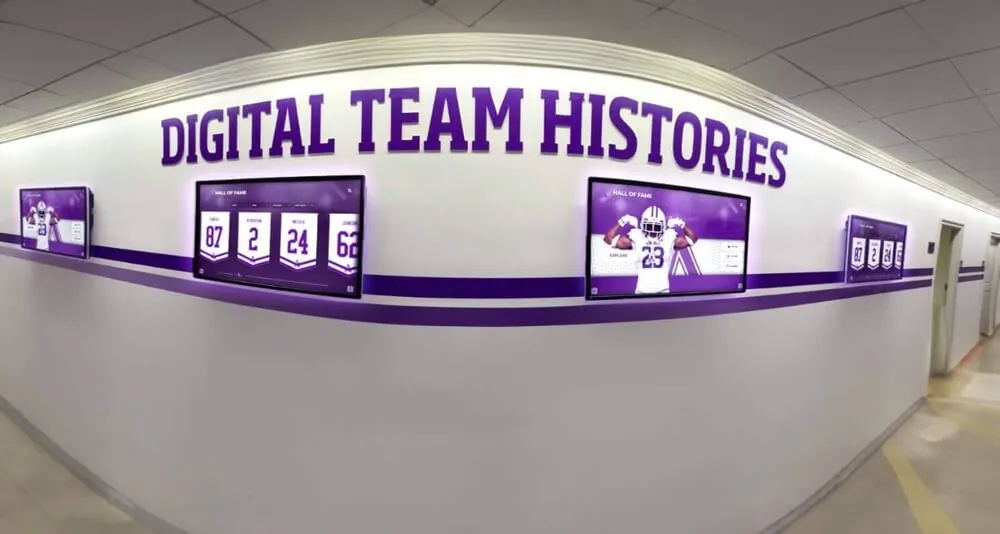
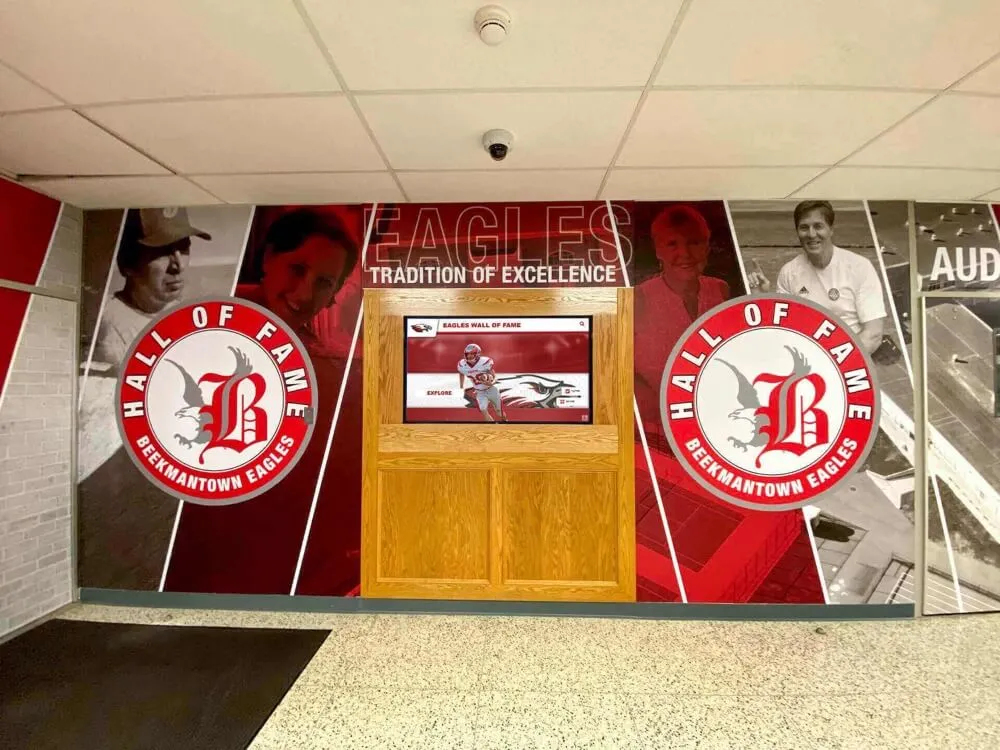
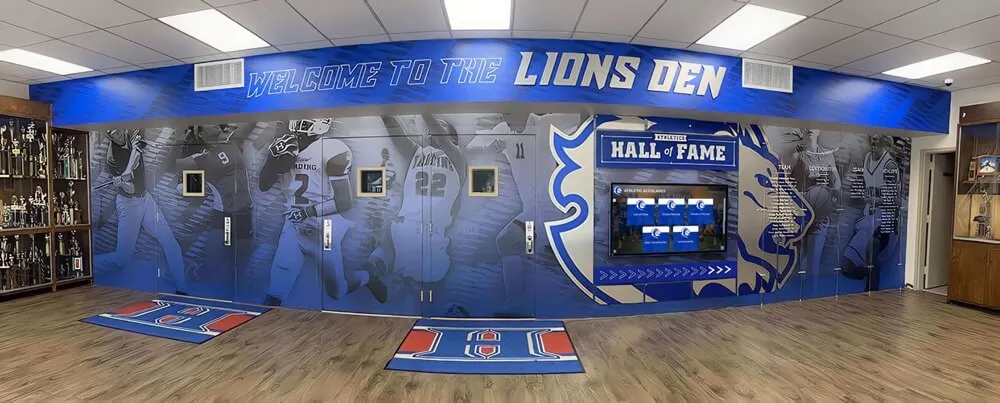
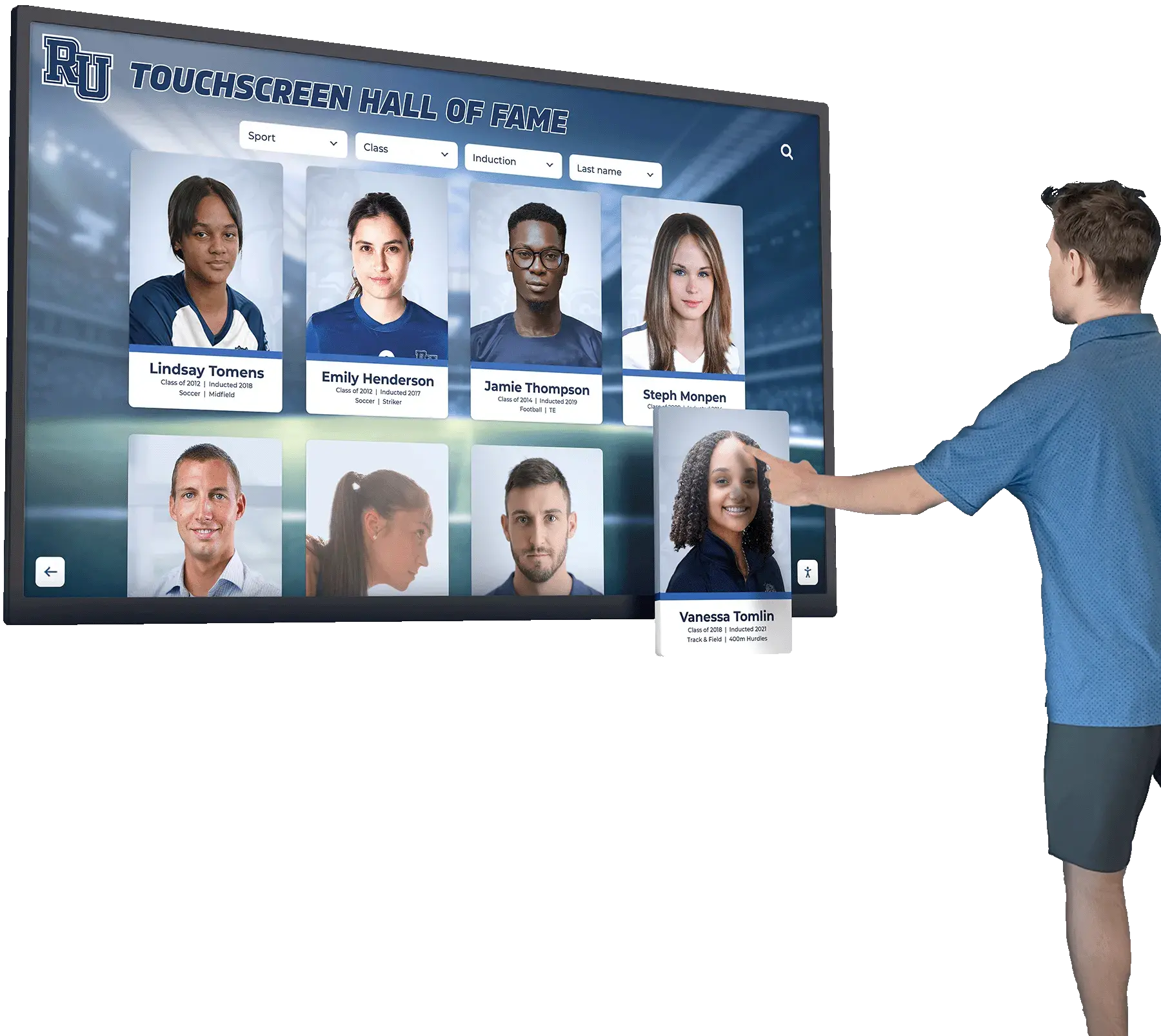
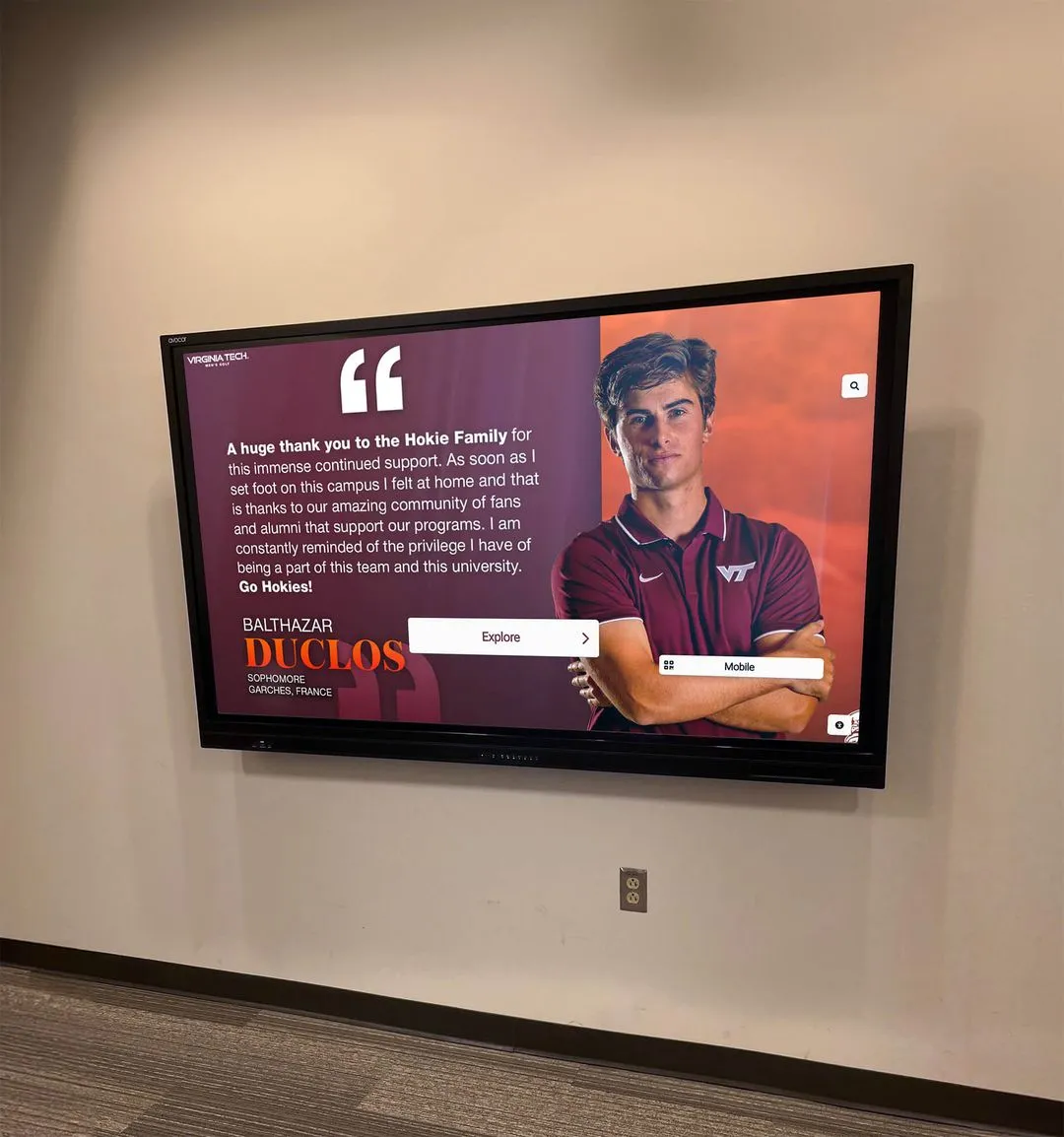
Modern recognition displays celebrate the achievements and traditions that make Texas high school football legendary
The Texas High School Football Phenomenon
What makes Texas high school football different from programs in other states? The answer lies in a unique combination of history, investment, community commitment, and cultural significance that elevates the sport beyond typical extracurricular activities.
Historical Roots and Cultural Significance
Texas high school football traces its roots back over a century, with the first recorded game played in 1892. Over the decades, the sport evolved from simple schoolyard competition into a sophisticated athletic enterprise that rivals many college programs in other states.
The Development of Texas Football Culture
Several factors contributed to football’s central role in Texas culture:
- Community Identity: In many Texas towns, particularly rural communities, the local high school football team serves as the primary source of community identity and pride
- Friday Night Ritual: The tradition of Friday night games creates a weekly gathering point that transcends the sport itself
- Generational Connection: Multiple generations of families share the common experience of supporting their school’s team
- Economic Impact: Football programs generate significant economic activity for local businesses and create community engagement opportunities
- Media Attention: Extensive media coverage, including television broadcasts and newspaper coverage, elevates the sport’s visibility
This deep cultural integration means that Texas high school football functions as much more than athletics—it’s social infrastructure that binds communities together.
The Friday Night Lights Legacy
The phrase “Friday night lights” became synonymous with Texas high school football, particularly after the 1990 book by H.G. Bissinger and subsequent film and television adaptations. While the book focused on Odessa Permian High School, it captured something universal about Texas football culture:
- The intensity of community investment in team success
- The pressure placed on young athletes carrying town expectations
- The life lessons learned through competition and adversity
- The bonds formed between teammates that last lifetimes
- The role coaches play as mentors and father figures
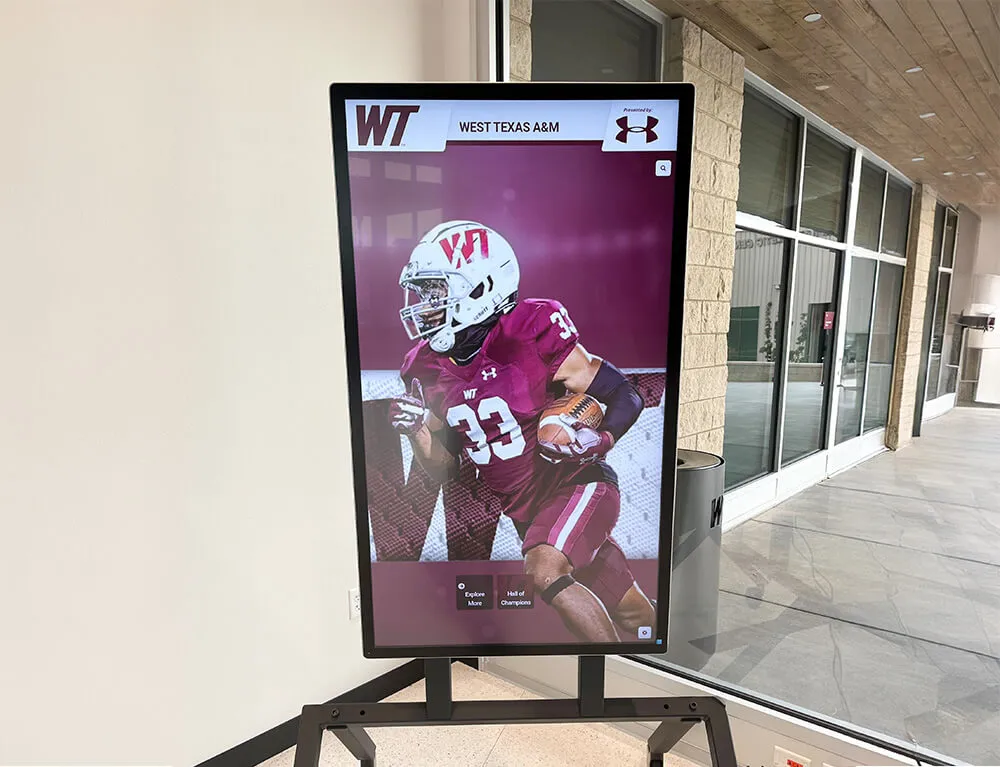
Texas communities unite around their high school football teams
Scale and Investment in Texas Football Programs
Texas schools invest in football programs at levels unmatched in most other states, creating facilities and resources that enable elite-level competition.
Facility Investments
Many Texas high school football stadiums rival college facilities in other states:
- Stadium Capacity: Some Texas high school stadiums seat 15,000-20,000+ spectators, larger than many college venues
- Artificial Turf: Most competitive programs feature state-of-the-art playing surfaces
- Press Boxes and Scoreboards: Professional-quality amenities enhance the game-day experience
- Training Facilities: Weight rooms, film rooms, and practice facilities approach college standards
- Support Spaces: Athletic training rooms staffed by certified professionals ensure player health
These investments reflect community commitment to providing student-athletes with resources that maximize their development and competitive opportunities.
Staffing and Support
Competitive Texas programs maintain extensive coaching and support staffs:
- Head coaches often have multiple full-time assistant coaches specializing in specific positions
- Strength and conditioning coordinators develop year-round training programs
- Athletic trainers provide professional medical support and injury prevention
- Equipment managers maintain uniforms, gear, and facility resources
- Video coordinators capture and analyze game and practice footage
This level of support enables sophisticated program operations that develop players technically, physically, and mentally.

Modern Texas high school athletic facilities provide comprehensive player development resources
Texas High School Football Classifications and Competition
The University Interscholastic League (UIL) organizes Texas high school football into classifications based on enrollment, creating competitive balance while maintaining the possibility of championship glory for schools of all sizes.
UIL Classification System
Texas divides schools into six classifications, from smallest to largest:
Conference 1A through 6A
- 1A: Schools with fewer than 105 students
- 2A: 105-220 students
- 3A: 220-465 students
- 4A: 465-1,060 students
- 5A: 1,060-2,220 students
- 6A: More than 2,220 students
Each classification competes separately for state championships, ensuring that small rural schools have the same championship opportunities as large urban programs.
Division Structure
Within larger classifications (4A-6A), schools are further divided into Division I (larger schools) and Division II (smaller schools), creating additional competitive balance and doubling the number of state championship opportunities.
This structure means Texas crowns twelve football state champions each year, providing championship possibilities for diverse communities across the state.
The Path to State Championships
The journey to a Texas state football championship represents one of the most challenging paths in high school sports, requiring excellence sustained over multiple months and numerous high-stakes games.
Regular Season Competition
Teams typically play 10 regular season games:
- District games determine playoff qualification and seeding
- Non-district games provide preparation and strength-of-schedule building
- Rivalry games carry special significance and community attention
- Each game creates momentum toward playoff positioning
Playoff Format
Texas football playoffs involve multiple rounds:
- Bi-District Round: First playoff round matching district opponents
- Area Round: Second round narrowing the field
- Regional Round: Advancing teams continue toward state semifinals
- State Quarterfinals: Eight teams remain in each classification
- State Semifinals: Four teams compete for championship berths
- State Championship: Finals held at neutral sites, often NFL stadiums
This extensive playoff structure means state champions typically play 15-16 games over a 3.5-4 month season—a grueling test of depth, resilience, and sustained excellence.
For schools looking to celebrate their playoff achievements and championship runs, digital record boards provide dynamic ways to document these special seasons.
Traditions That Define Texas High School Football
Certain traditions and practices have become synonymous with Texas high school football, creating shared experiences that unite communities across the state.
Homecoming Celebrations
Homecoming week in Texas represents a major community event centered around the football game:
Week-Long Activities
- Spirit week with daily themed dress-up days
- Elaborate mum and garter traditions unique to Texas
- Parade featuring floats, bands, and community organizations
- Bonfire rallies building game-day excitement
- Alumni gatherings reconnecting former students
The homecoming game itself becomes a showcase event with expanded halftime ceremonies, special recognitions, and typically the highest attendance of the season.
Schools can preserve these special moments through homecoming recognition displays that celebrate both current celebrations and historical traditions.
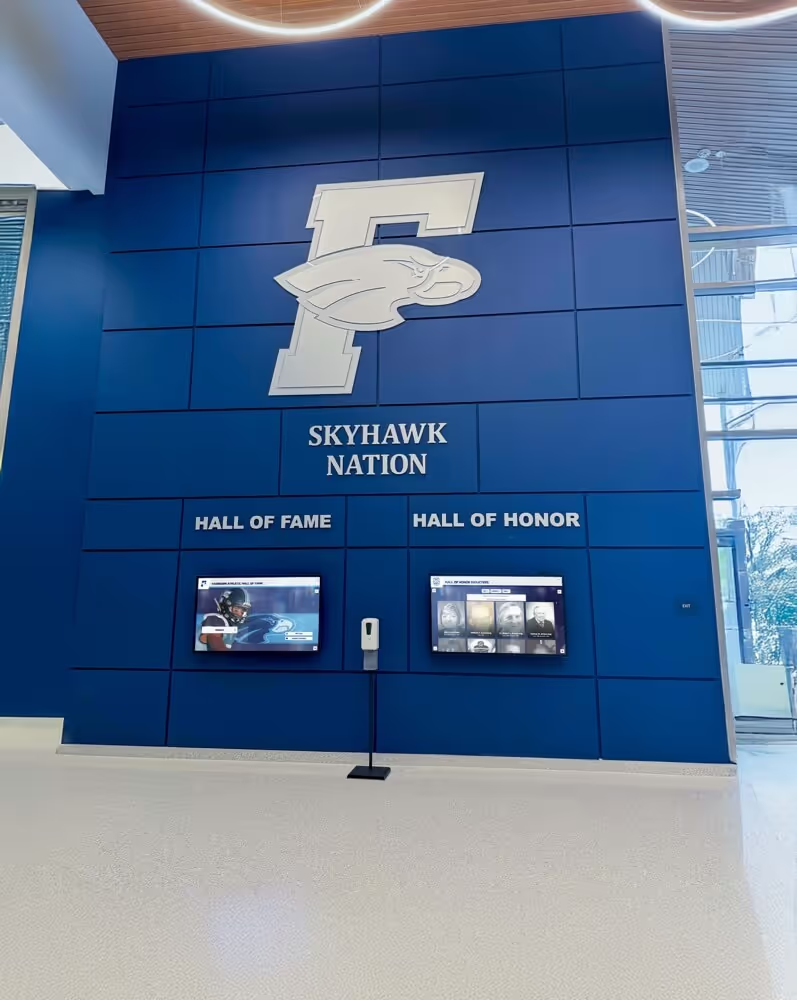
Homecoming creates memorable traditions in Texas football culture
Rivalry Games and Trophy Traditions
Longstanding rivalries define Texas high school football, with some dating back over a century:
Elements of Great Texas Rivalries
- Traveling Trophies: Physical trophies exchange hands annually between rivals
- Historical Documentation: Comprehensive records of every matchup dating back decades
- Community Division: Towns or regions split loyalty based on school affiliation
- Playoff Implications: Rivalry games often carry playoff seeding consequences
- Tradition Preservation: Stories and legends passed down through generations
These rivalries create games with significance beyond standings, generating memories that alumni discuss for decades.
State Championship Game Atmosphere
Reaching the Texas state championship game represents the pinnacle of high school football achievement, creating experiences that define programs and player careers.
Championship Game Experience
Texas state championship games are held at premier venues:
- AT&T Stadium (Dallas Cowboys’ home) hosts the largest classification championships
- NRG Stadium (Houston Texans’ home) serves as an additional championship venue
- Professional stadium settings provide NFL-level atmosphere
- Television broadcasts extend reach to statewide audiences
- Entire communities travel to support their teams
The magnitude of these championship games creates pressure and excitement unmatched in most high school sports.
For schools that achieve championship success, digital trophy cases provide permanent ways to celebrate these ultimate achievements and inspire future generations.
Player Development Through Texas Football
Beyond wins and championships, Texas high school football programs emphasize comprehensive player development that prepares young athletes for life beyond football.
Skills and Character Development
Football participation teaches skills with lifetime value:
Individual Development Benefits
- Discipline: Daily practice commitments and training regimens build self-discipline
- Work Ethic: Improvement requires sustained effort over months and years
- Goal Setting: Players learn to establish and pursue both individual and team objectives
- Resilience: Overcoming setbacks, injuries, and losses builds mental toughness
- Time Management: Balancing academics, athletics, and personal life develops organizational skills
Team Skills Development
- Collaboration: Success requires coordinated effort across all position groups
- Communication: Effective teams communicate clearly under pressure
- Leadership: Captains and veteran players develop leadership capabilities
- Accountability: Players learn responsibility to teammates and coaches
- Trust Building: Football requires trusting teammates to execute their assignments
These transferable skills serve players throughout their lives, whether they continue playing football or pursue other paths.
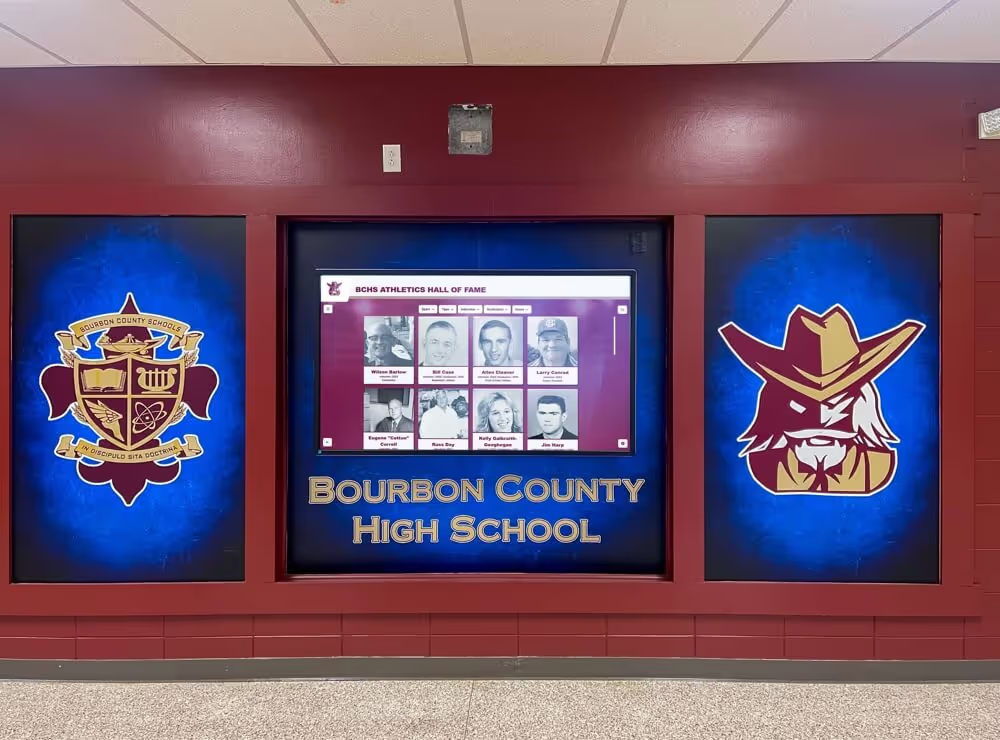
Texas football programs develop complete student-athletes prepared for future success
College Recruitment and Scholarship Opportunities
Texas produces more college football players than any other state, with high school programs serving as major talent pipelines to collegiate programs.
College Recruitment Landscape
Texas high school players receive extensive college attention:
- Major college programs maintain dedicated Texas recruiting staffs
- Summer camps and combines provide exposure opportunities
- Film evaluation and statistics tracking identify prospects
- All-state and all-district honors increase visibility
- 7-on-7 competitions showcase skill position talent
Scholarship Statistics
Texas leads the nation in producing college scholarship football players:
- Hundreds of Texas high school players sign NCAA Division I scholarships annually
- Additional players compete at Division II, III, and NAIA levels
- Junior college programs provide development pathways for late bloomers
For many Texas families, football scholarships provide crucial educational funding opportunities that make college accessible.
Programs can showcase their college commitment successes through college signing recognition displays that honor both players and the programs that developed them.
Academic Requirements and Student-Athlete Balance
Texas football programs emphasize academic performance alongside athletic achievement:
Academic Eligibility Standards
UIL maintains strict academic requirements:
- Minimum grade requirements in all courses
- “No Pass, No Play” rules that were pioneered in Texas
- Regular grade checks throughout the season
- Academic support resources for struggling student-athletes
These requirements ensure that athletics support rather than detract from educational objectives.
Academic Recognition Integration
Leading Texas programs integrate academic recognition with athletic honors:
- Academic all-district teams recognize scholar-athletes
- GPA requirements for team leadership positions
- Study hall requirements for players below academic thresholds
- College preparation emphasis for all athletes regardless of playing level
This holistic approach develops complete student-athletes rather than just football players.
Schools can implement academic excellence recognition boards that celebrate students who excel both in the classroom and on the field.
Modern Recognition Solutions for Texas Football Programs
While Texas football traditions run deep, modern technology enables schools to honor achievements and preserve legacy more effectively than ever before.
Digital Recognition Displays Transform Football Halls of Fame
Traditional trophy cases and static plaques served Texas football programs well for generations, but they face significant limitations in dynamic athletic environments requiring frequent updates and engaging content.
Limitations of Traditional Recognition
Conventional approaches face constraints:
- Space Restrictions: Physical trophy cases quickly fill, forcing difficult decisions about what to display
- Update Challenges: Adding new achievements requires time-consuming physical modifications
- Static Content: Photos and plaques convey limited information without context
- Deterioration: Physical materials fade, tarnish, and deteriorate over time
- Accessibility: Recognition limited to those who can physically visit the school
These limitations often result in outdated displays that fail to capture program excellence comprehensively.
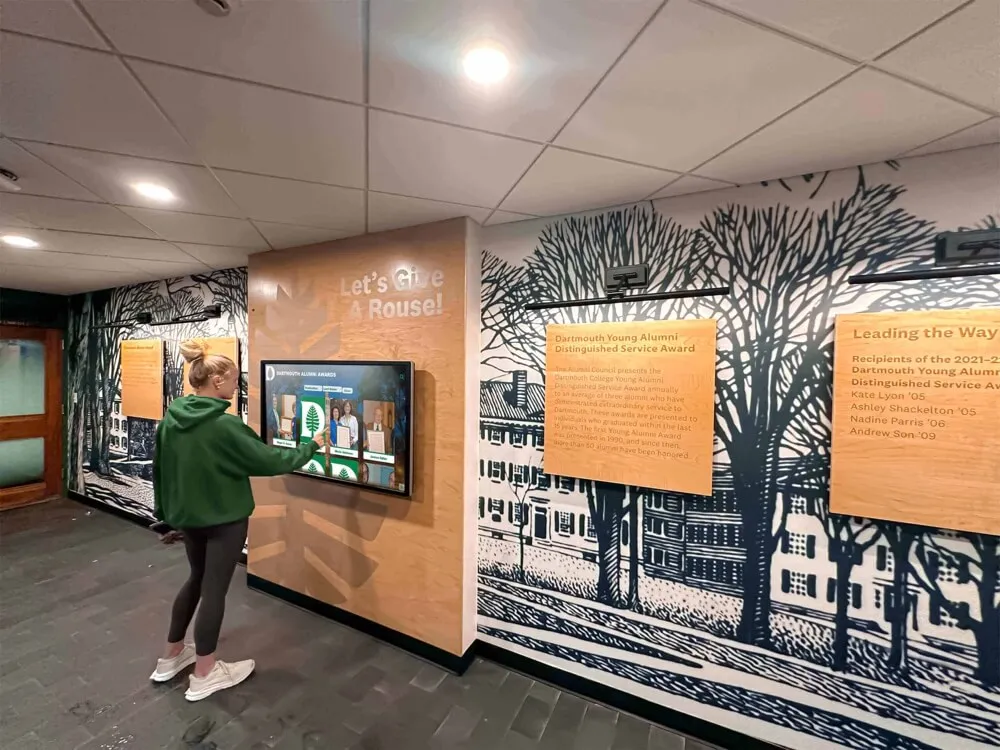
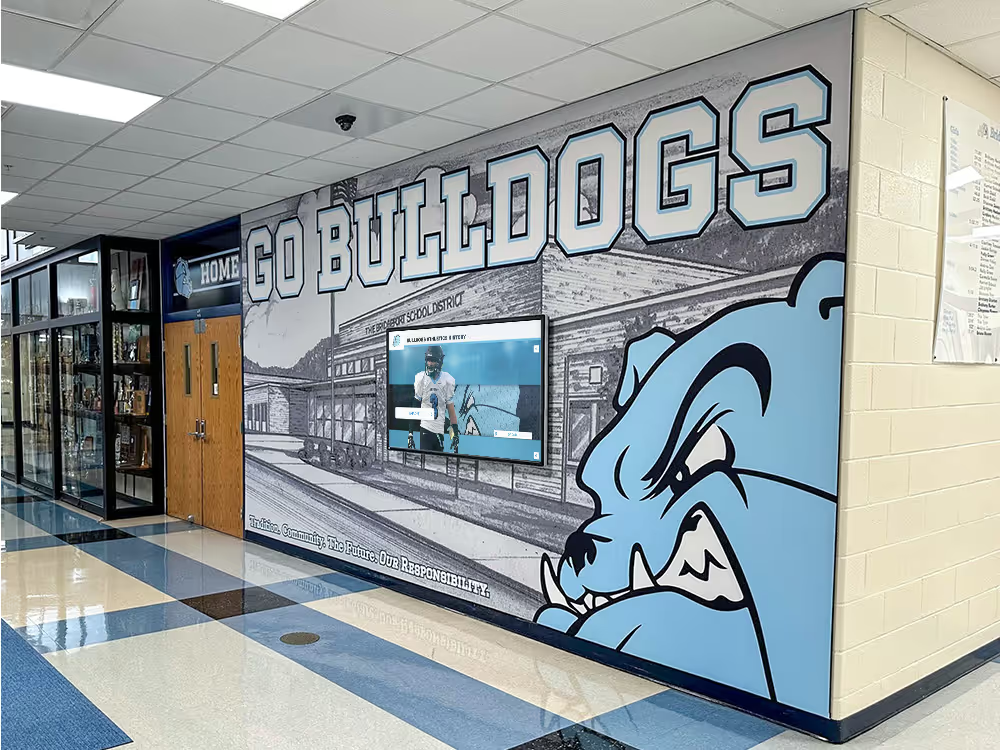
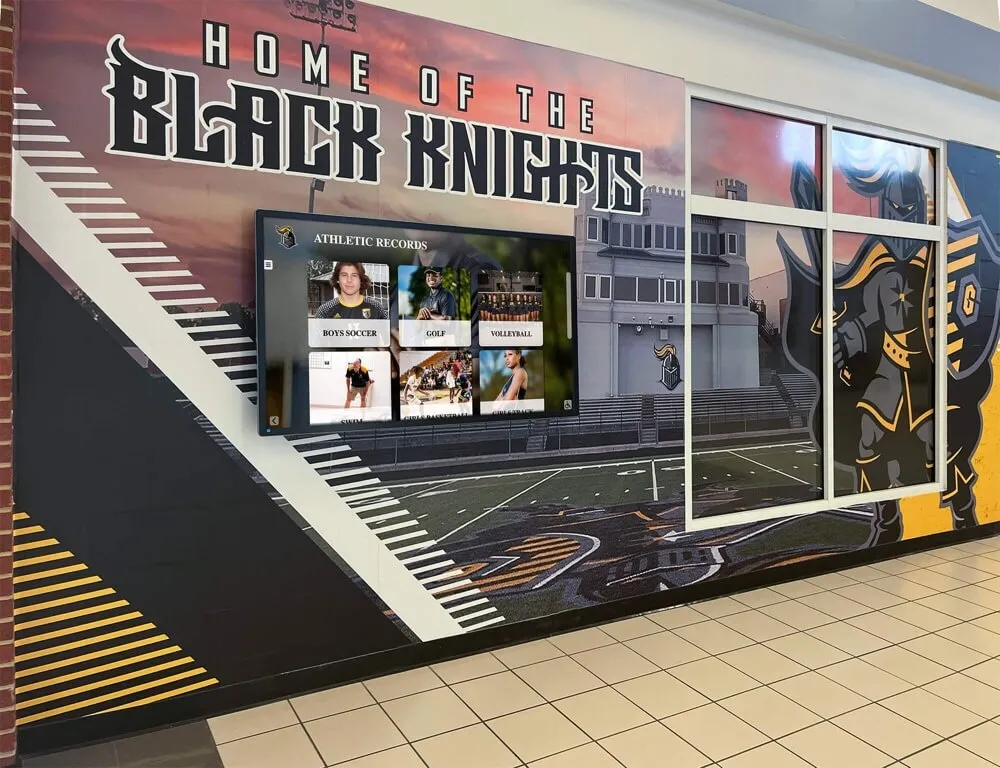
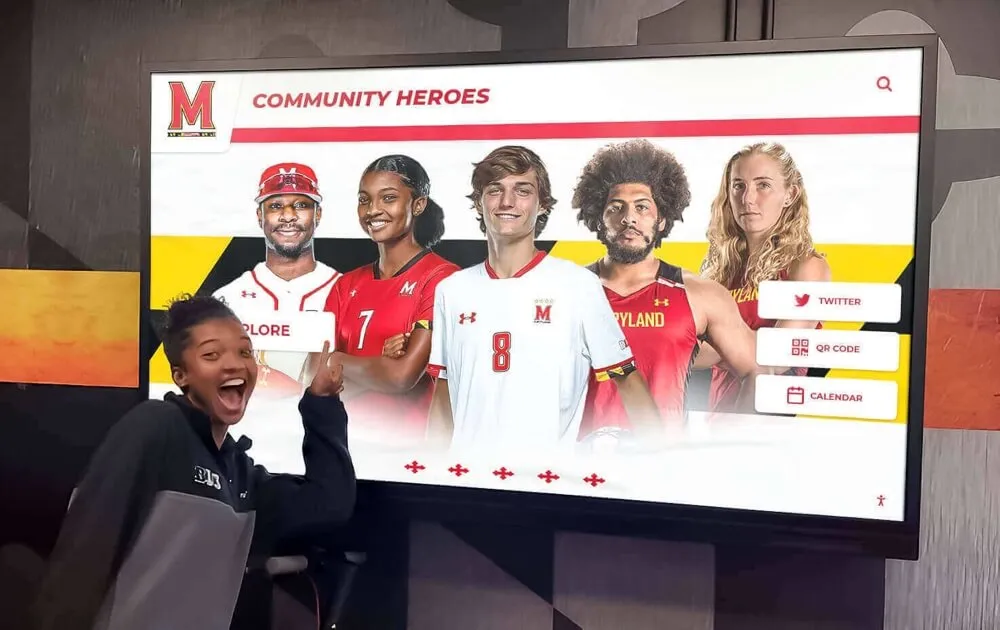
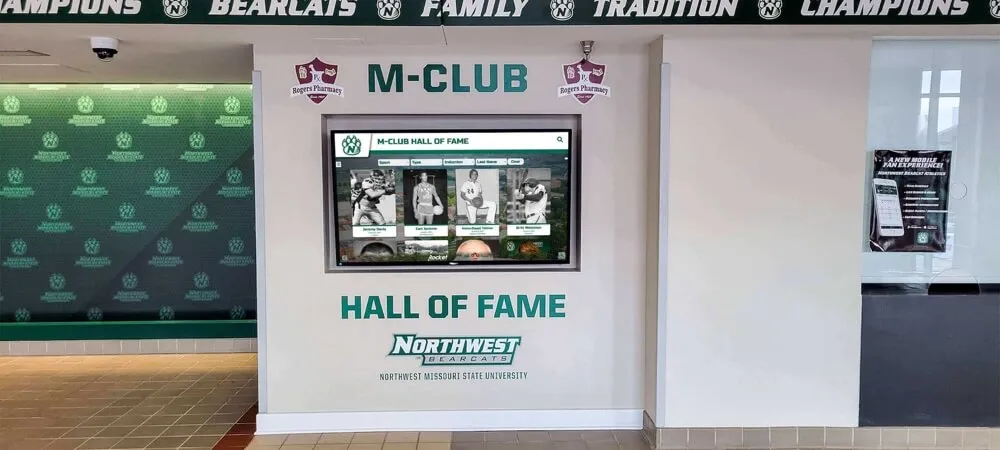
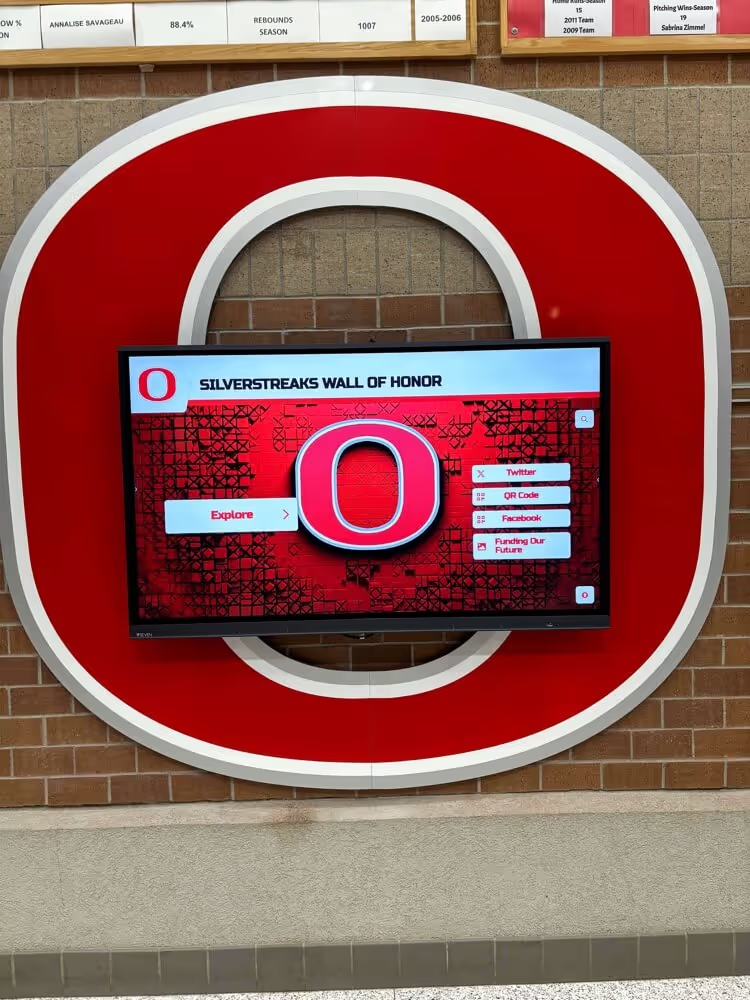
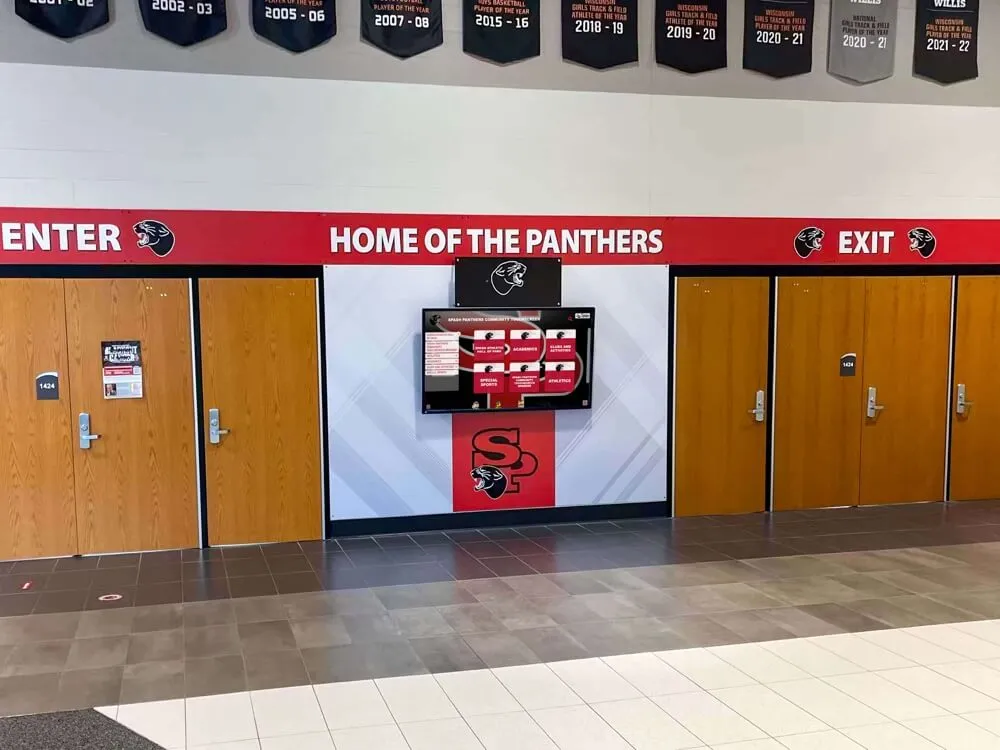
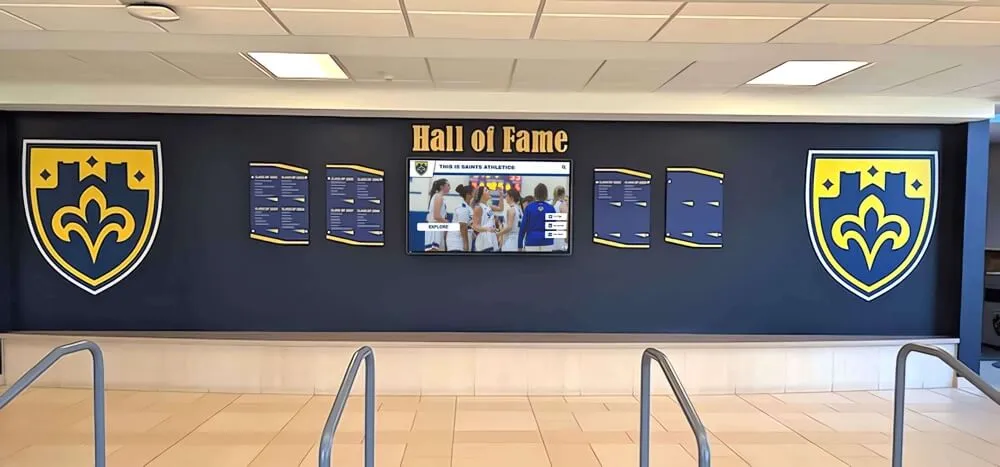
Interactive touchscreens invite exploration of football program history
Digital Display Advantages
Modern digital recognition platforms overcome traditional limitations:
- Unlimited Capacity: Store complete program histories without space constraints
- Real-Time Updates: Modify content instantly as records break and honors are earned
- Multimedia Content: Incorporate game footage, highlight reels, and player interviews
- Interactive Features: Enable searching, filtering, and personalized exploration
- Web Accessibility: Extend recognition beyond physical campus to worldwide audiences
These capabilities transform recognition from static acknowledgment into dynamic engagement that connects current players with program legacy while inspiring future generations.
Strategic Placement for Maximum Impact
Display location significantly influences recognition program effectiveness in Texas schools:
High-Impact Locations
- Athletic Facility Lobbies: Primary displays where all athletes and visitors pass daily
- Stadium Concourses: Game-day exposure to community members in heightened emotional states
- Locker Room Areas: Daily reminders to players of program standards and tradition
- School Main Entrances: Demonstrates athletic achievement matters to entire school community
- Community Spaces: Extended presence in recreation centers reinforces broader community role
Strategic placement ensures maximum visibility to key audiences during moments when recognition impact peaks.
For comprehensive guidance on implementing modern recognition technology, explore touchscreen hall of fame solutions specifically designed for Texas athletic programs.
Comprehensive Content for Texas Football Recognition
Effective digital recognition programs include diverse content types that celebrate all aspects of program excellence:
Player Recognition Content
Individual player profiles should include:
- Career statistics and achievement highlights
- Position, years played, and jersey number
- Championship and playoff contributions
- Post-graduation outcomes (college commitments, career paths)
- Photos, videos, and personal reflections
- Academic honors and character recognition
Team Season Documentation
Season-by-season archives preserve complete narratives:
- Full roster with every player and coach
- Schedule with game-by-game results and statistics
- Championship achievements and playoff progression
- Team photos from different season phases
- Highlight videos and memorable moments
- Media coverage and external recognition
Historical Milestones
Program history content connects generations:
- All-time records and record progression
- Coaching history and staff contributions
- Facility evolution and improvements
- Notable alumni achievements post-high school
- Rivalry histories and memorable matchups
- State championship documentation
This comprehensive approach ensures that all contributors receive recognition while preserving complete program legacy for future generations.

Digital archives preserve complete Texas football program histories
Building Stronger Texas Football Programs Through Recognition
Strategic recognition serves as more than acknowledgment of past achievements—it’s an investment that strengthens current programs and builds future success.
Recruitment and Retention Benefits
Comprehensive recognition programs provide competitive advantages in attracting and retaining quality players:
Recruitment Impact
Prospective players and families evaluate programs based on multiple factors:
- Commitment to honoring player achievements demonstrated through visible recognition
- Program tradition and success history documented comprehensively
- Path to college opportunities shown through alumni achievements
- Investment in player development reflected in facility quality and resources
- Program culture communicated through how all players are recognized
Schools with compelling recognition programs differentiate themselves in competitive recruitment environments.
Player Retention
Recognition influences whether athletes remain committed through multiple seasons:
- Players who feel valued and recognized show stronger commitment
- Acknowledgment of improvement and effort retains developing players
- Inclusive recognition ensures all contributors feel appreciated
- Connection to program tradition creates emotional investment
- Visible path to achieving recognition motivates sustained effort
Programs that make all participants feel valued through strategic recognition maintain stronger rosters with better depth.
Alumni Engagement and Community Connection
Recognition programs create touchpoints that keep alumni engaged with programs long after graduation:
Alumni Engagement Opportunities
Digital recognition enables ongoing alumni connection:
- Alumni can explore their own profiles and team histories from anywhere
- Social sharing capabilities let former players share their achievements
- Reunion events can be enhanced with historical content displays
- Alumni can submit updates about post-graduation accomplishments
- Mentorship opportunities connect current players with program alumni
For guidance on maximizing alumni engagement through recognition, explore strategies for alumni recognition walls that strengthen connections across generations.
Community Pride and Support
Recognition strengthens community investment in programs:
- Visible celebration of achievement builds community pride
- Historical documentation reinforces program’s community significance
- Recognition attracts increased game attendance and booster support
- Community members become ambassadors sharing program success
- Local businesses increase sponsorship when programs demonstrate professionalism
Strong recognition programs create virtuous cycles where community support enables program excellence, which generates recognition that strengthens community support further.
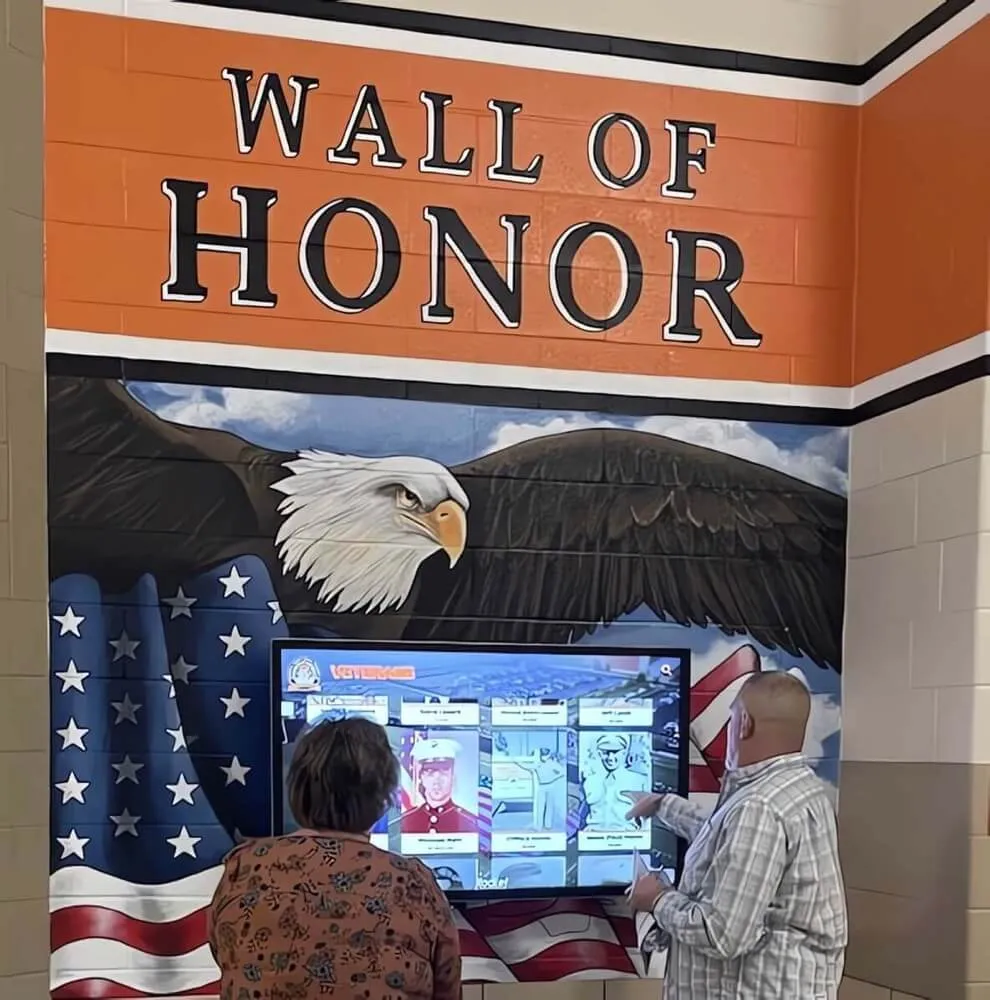
Recognition programs strengthen community connections to Texas football
Best Practices for Texas Football Recognition Programs
Texas schools implementing recognition programs should follow proven best practices that maximize impact while maintaining authenticity.
Inclusive Recognition Across All Contribution Types
The most effective programs recognize diverse contributions rather than focusing exclusively on statistical leaders and starters:
Recognition Categories to Include
- On-Field Performance: Statistical achievements, championship contributions, clutch plays
- Academic Excellence: Scholar-athlete honors, academic improvement, college preparation
- Leadership: Team captains, mentorship, culture builders
- Character: Sportsmanship, community service, values demonstration
- Development: Improvement, work ethic, practice commitment
- Support Roles: Managers, trainers, student assistants who enable team success
Comprehensive recognition ensures all participants feel valued while celebrating different paths to contribution.
Balancing Individual and Team Recognition
Football’s team sport nature requires carefully balancing individual acknowledgment with team success celebration:
Balance Strategies
- Connect individual achievements to team success rather than treating them separately
- Position team championships as highest honors with individual recognition supporting collective achievement
- Acknowledge that statistical success reflects quality teammates, blocking, and coaching
- Recognize complete position groups (offensive lines, defensive units) that enable individual stars
- Celebrate team culture and chemistry as much as statistical achievement
This balance reinforces team-first values essential for football success while still providing meaningful individual recognition.
Authenticity Through Clear Criteria
Recognition maintains impact through authentic standards and clear criteria:
Authenticity Principles
- Establish objective criteria for different recognition forms
- Reserve highest honors for truly exceptional achievement through selectivity
- Create meaningful recognition for effort and improvement not tied to statistical achievement
- Apply criteria consistently across all players without favoritism
- Provide honest performance feedback alongside recognition
Clear standards ensure recognition remains meaningful rather than becoming participation acknowledgment that dilutes its value.
For schools ready to implement modern recognition solutions, Rocket Alumni Solutions provides comprehensive platforms specifically designed for Texas high school athletics.
Conclusion: Preserving and Celebrating Texas Football Excellence
Texas high school football represents more than athletic competition—it embodies community identity, educational opportunity, character development, and traditions that connect generations. The passion surrounding these programs creates environments where young athletes develop skills and relationships that shape their lives.
Modern digital recognition solutions enable Texas schools to honor football achievements more effectively than traditional approaches, creating dynamic platforms that preserve complete program histories while enabling personalized exploration by diverse audiences. These technologies don’t replace Texas football traditions—they enhance and extend them, ensuring that today’s achievements receive proper recognition while historical legacies remain accessible to inspire future generations.
Celebrate Your Texas Football Legacy
Discover how Rocket Alumni Solutions can help you create comprehensive digital recognition that honors every player, preserves every season, and strengthens your Texas football program's traditions for generations to come.
Schedule Your Free ConsultationSuccessful Texas football recognition programs share common characteristics: they honor all participants rather than only stars, they provide comprehensive historical context rather than isolated achievements, and they remain perpetually current rather than becoming dated relics. Schools that invest not just in display technology but in ongoing content development, stakeholder engagement, and institutional commitment build recognition programs that deliver value for decades.
This season, consider how your Texas school recognizes and preserves its gridiron traditions. Will this year’s players receive the same limited recognition as generations before them, or will you implement recognition solutions that tell their complete stories, preserve their achievements comprehensively, and inspire countless student-athletes who will follow in their footsteps under those legendary Friday night lights?
Ready to transform your Texas football recognition program? Contact Rocket Alumni Solutions to explore interactive recognition platforms that celebrate athletic achievement while honoring the unique traditions that make Texas high school football legendary across the nation.