Thanksgiving Day football rivalry games represent some of the most cherished traditions in American high school athletics. For over a century, communities across the United States have gathered on Thanksgiving morning to watch local rivals compete in games that transcend sport, becoming cultural touchstones celebrating school identity, community pride, and multi-generational tradition. These annual contests create memories that alumni recall fondly decades later, binding communities together through shared experiences that pass from one generation to the next.
Yet many schools struggle to adequately preserve and celebrate the rich history these rivalries create. Historic game results, legendary players, memorable moments, and the evolution of these traditions over decades often exist only in fading newspaper clippings, scattered photographs, and the memories of aging alumni. Traditional trophy cases and static displays offer limited capacity to showcase comprehensive rivalry history, honor all the athletes who contributed to this tradition, or engage contemporary audiences accustomed to interactive digital experiences.
This comprehensive guide explores the remarkable history of Thanksgiving Day football rivalry games, examines why these traditions matter so deeply to schools and communities, and provides practical strategies for celebrating and preserving rivalry history through modern recognition approaches. Whether your school has participated in Thanksgiving football for over a century or you’re looking to honor more recent rivalry traditions, you’ll discover how to celebrate athletic success while strengthening school spirit and community connection through thoughtful recognition that honors the past while engaging present and future generations.
From understanding the historical origins of this uniquely American tradition through implementing digital recognition systems that preserve rivalry history permanently, we’ll examine how schools can honor Thanksgiving football traditions in ways that resonate with contemporary audiences while respecting the heritage that makes these games meaningful.
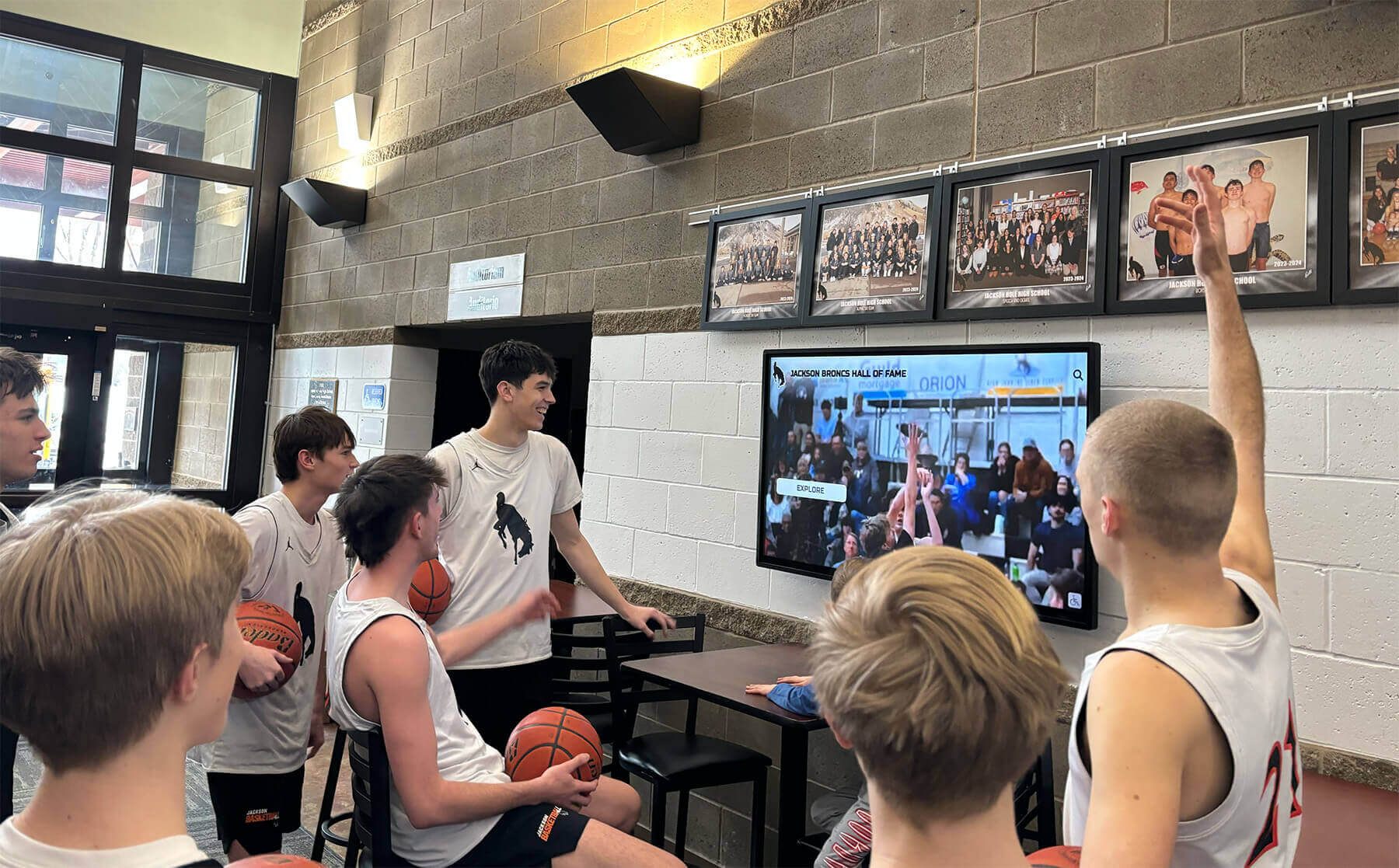
Modern digital displays enable schools to celebrate rivalry history and game highlights, creating engaging experiences for students and alumni
The Rich History of Thanksgiving Day Football Tradition
Thanksgiving Day football games in America are nearly as old as the holiday itself in its modern form. The first Thanksgiving Day football game took place in Philadelphia in 1869, only six years after Abraham Lincoln declared the first fixed national Thanksgiving holiday in 1863. What began as collegiate contests quickly spread to high schools, where the tradition would find perhaps its most enduring expression.
Early Origins and Development
High school Thanksgiving football traditions began in earnest during the 1870s and 1880s, particularly in New England where the sport was gaining popularity. The Norwich Free Academy vs. New London High School rivalry in Connecticut began in 1875, making it one of the oldest high school rivalries in the country. In Massachusetts, Needham and Wellesley squared off on Thanksgiving Day for the first time in 1882, establishing what would become the oldest continuous public school rivalry in the United States.
The Boston Latin vs. Boston English rivalry kicked off in 1887, and these two schools have competed on Thanksgiving Day virtually every year since, making it the oldest continuous rivalry in high school football. These early games established patterns that would define Thanksgiving football for generations—morning kickoffs allowing players and fans to enjoy the rest of the holiday with family, community-wide attendance bridging social boundaries, and fierce competition tempered by genuine respect between rivals.
Why Thanksgiving Became Football’s Holiday
Several factors contributed to football’s unique association with Thanksgiving Day. The holiday provided one of the few occasions when entire communities could gather without work obligations. The timing in late November coincided naturally with the conclusion of football seasons, creating natural championship or rivalry game opportunities. The sport’s physical nature and tactical complexity resonated with American values of determination, strategy, and teamwork—themes that aligned well with Thanksgiving’s emphasis on community and gratitude.
At the high school level particularly, Thanksgiving football became intrinsically tied to local identity. Unlike professional or even college games involving teams from distant cities, high school Thanksgiving games represented contests between schools whose students, families, and alumni lived in the same communities, attended the same churches, and worked in the same businesses. The rivalries were intensely personal while remaining essentially friendly, embodying competitive spirit without genuine animosity.
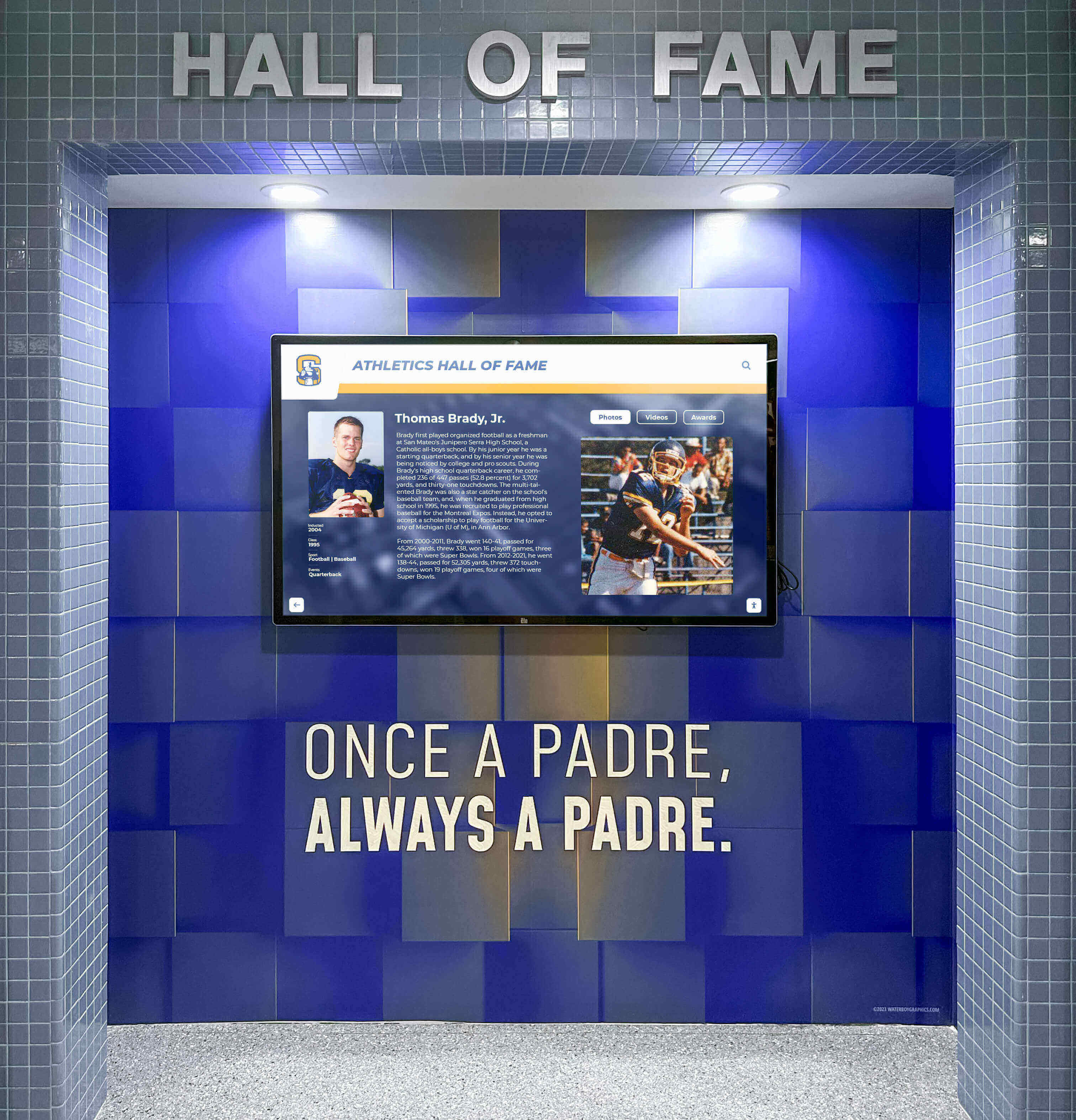
Professional recognition displays in athletic facilities honor rivalry history while inspiring current student-athletes toward excellence
Regional Concentration in New England
While Thanksgiving football games occur throughout the United States, the tradition achieved particular concentration and significance in New England. Massachusetts especially embraced Thanksgiving football, with virtually every high school in the state participating in traditional Thanksgiving rivalry games. New England, with only 4.5 percent of the U.S. population, claims approximately one-third of the centuries-old high school football rivalries in the country.
This regional concentration reflects several factors including the early adoption of football in northeastern schools, the geographic density of New England communities creating natural local rivalries, and cultural traditions emphasizing community gathering and institutional loyalty. In many Massachusetts communities where high school football doesn’t draw the massive crowds it does in states like Texas or Ohio, the Thanksgiving Day game remains the exception—the one contest that fills stadiums with thousands of alumni and community members regardless of the team’s seasonal record.
The Enduring Appeal of Thanksgiving Rivalry Games
Thanksgiving football rivalry games persist and thrive because they serve purposes extending far beyond athletic competition. These traditions create value for schools, students, alumni, and communities in ways that few other school activities can replicate.
Multi-Generational Connection and Continuity
Thanksgiving rivalry games create remarkable continuity across generations. Grandparents who played in the 1950s attend with their children who competed in the 1980s and their grandchildren currently on the team. This multi-generational participation creates living connections to school history that make tradition tangible rather than abstract. When a current player wears the same jersey number their grandfather wore decades earlier in the same rivalry game, it creates powerful personal connections to institutional history.
These generational connections strengthen alumni relationships with schools while teaching current students that their experiences are part of narratives extending far beyond their individual participation. The understanding that thousands of athletes before them competed in this same rivalry, experienced the same nervousness before kickoff, and created similar memories helps students appreciate their place in continuing traditions larger than themselves.
Community Identity and Civic Pride
In many communities, particularly smaller towns, Thanksgiving football rivalry games serve as primary expressions of civic identity. The rivalry defines relationships between neighboring communities, creates friendly competition that strengthens rather than damages social bonds, and provides annual occasions for community-wide gathering that might otherwise not occur.
These games become part of community identity—residents define themselves partly through their association with one school or the other in the rivalry. Children growing up in these communities absorb rivalry traditions from early ages, attending games before they fully understand football itself. This early socialization creates lifelong emotional investments in traditions that persist long after individuals move away or their direct connections to schools conclude.
Research consistently demonstrates that community traditions like Thanksgiving football games strengthen social capital—the networks of relationships, trust, and mutual support that enable communities to function effectively. When thousands of community members gather annually for shared experiences that transcend individual interests, it builds the social cohesion that benefits communities in countless ways throughout the year.
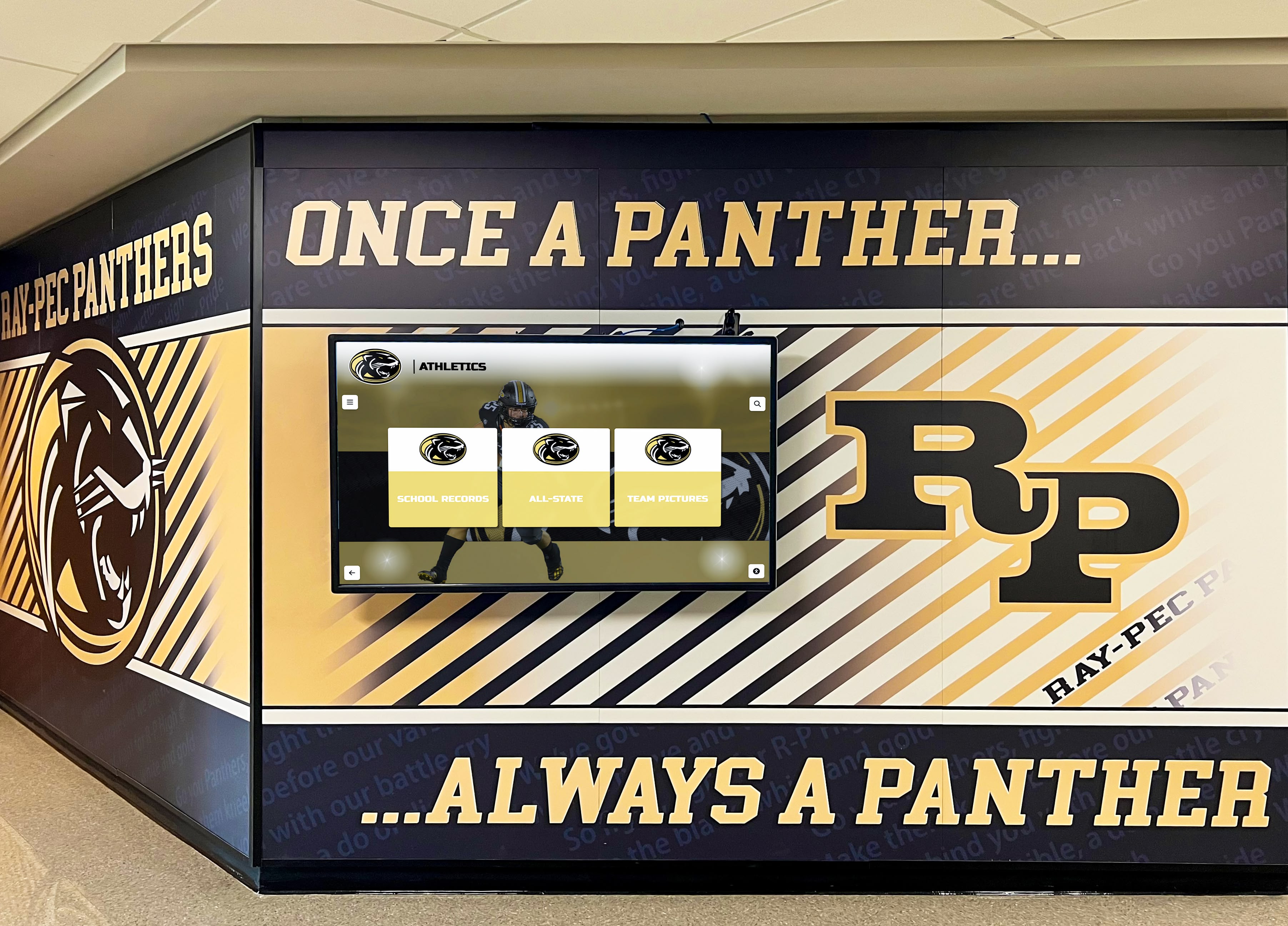
Integrated recognition displays celebrating school identity and athletic achievement strengthen pride in rivalry traditions
Creating Distinctive School Identity
Thanksgiving rivalry games contribute significantly to school identity and culture. The annual contest against a traditional rival becomes a defining characteristic of what it means to be part of that school community. School songs, cheers, colors, mascots, and traditions are all expressed and reinforced through rivalry games in ways that create distinctive institutional identities.
For students, participating in or attending Thanksgiving rivalry games represents a rite of passage—a shared experience that bonds graduating classes together. Decades later, alumni remember not necessarily the outcome of specific games, but the experience of participating in tradition: the pre-dawn wake-up on Thanksgiving morning, the nervous energy in locker rooms, the roar of crowds, and the celebrations or disappointments shared with teammates. These shared experiences create the emotional bonds to schools that sustain alumni engagement long after graduation.
Athletic Excellence and Competitive Motivation
The unique significance of Thanksgiving rivalry games creates powerful motivation for athletic excellence. Athletes understand that Thanksgiving game performances will be remembered and discussed far longer than regular season contests. Parents, relatives, and friends who might miss ordinary games make special efforts to attend Thanksgiving contests. Alumni return specifically for these games, creating larger and more energetic crowds than typical high school games attract.
This heightened significance elevates performance. Athletes rise to occasions, delivering extraordinary efforts in games they’ve anticipated all season. Coaches prepare special game plans, understanding that rivalry games require distinctive strategic approaches. The combination of superior preparation, elevated motivation, and increased pressure often produces higher quality football than regular season games, with players performing at their absolute best when it matters most.
The competitive intensity of rivalry games also pushes programs toward sustained excellence. Schools cannot afford to neglect football programs when annual rivalry games carry such community significance. This sustained commitment to competitive programs benefits not just varsity athletes but entire athletic programs as resources, coaching quality, and cultural emphasis on athletics create positive environments for student-athlete development at all levels.
Preserving and Celebrating Thanksgiving Rivalry History
Given the cultural and emotional significance of Thanksgiving football rivalry traditions, schools have clear responsibilities to preserve this history and make it accessible to current and future generations. Yet many schools struggle to adequately document, organize, and present rivalry history in ways that honor tradition while engaging contemporary audiences.
Challenges of Traditional Recognition Approaches
Most schools rely on conventional methods for recognizing athletic history—trophy cases displaying championship hardware, framed team photos in hallways, painted scoreboards listing rivalry game results, and banner displays documenting successful seasons. While these approaches provide basic acknowledgment, they present significant limitations for comprehensively preserving rivalry traditions.
Physical space constraints limit what can be displayed. Trophy cases fill quickly, forcing difficult decisions about what to keep visible and what to relegate to storage where it provides no value. Wall space for photos and painted records is finite, preventing comprehensive recognition as decades of tradition accumulate. As programs grow and history lengthens, space limitations inevitably result in incomplete recognition that fails to honor all who contributed to rivalry traditions.
Static displays also offer minimal context or storytelling. A trophy or team photo provides basic facts—a championship year, team members’ names—but cannot convey the stories behind achievements. The dramatic fourth-quarter comeback, the star player overcoming injury, the underdog victory against overwhelming odds, the coach’s strategic brilliance—these narratives that make rivalry history compelling cannot be captured through static displays of trophies and photos alone.
Maintenance challenges compound over time. Photos fade, frames deteriorate, painted boards need refreshing, and trophies require cleaning and care. As staff and volunteers responsible for maintaining displays turn over, institutional knowledge about recognition content is lost, leading to inconsistencies, errors, or neglect that undermines recognition value.
Perhaps most significantly, traditional static displays cannot engage contemporary audiences accustomed to interactive digital experiences in every other aspect of their lives. Students who have never known life without smartphones find passive displays unmemorable and unengaging, limiting recognition’s impact on current students who should be inspired by rivalry traditions their schools work to preserve.
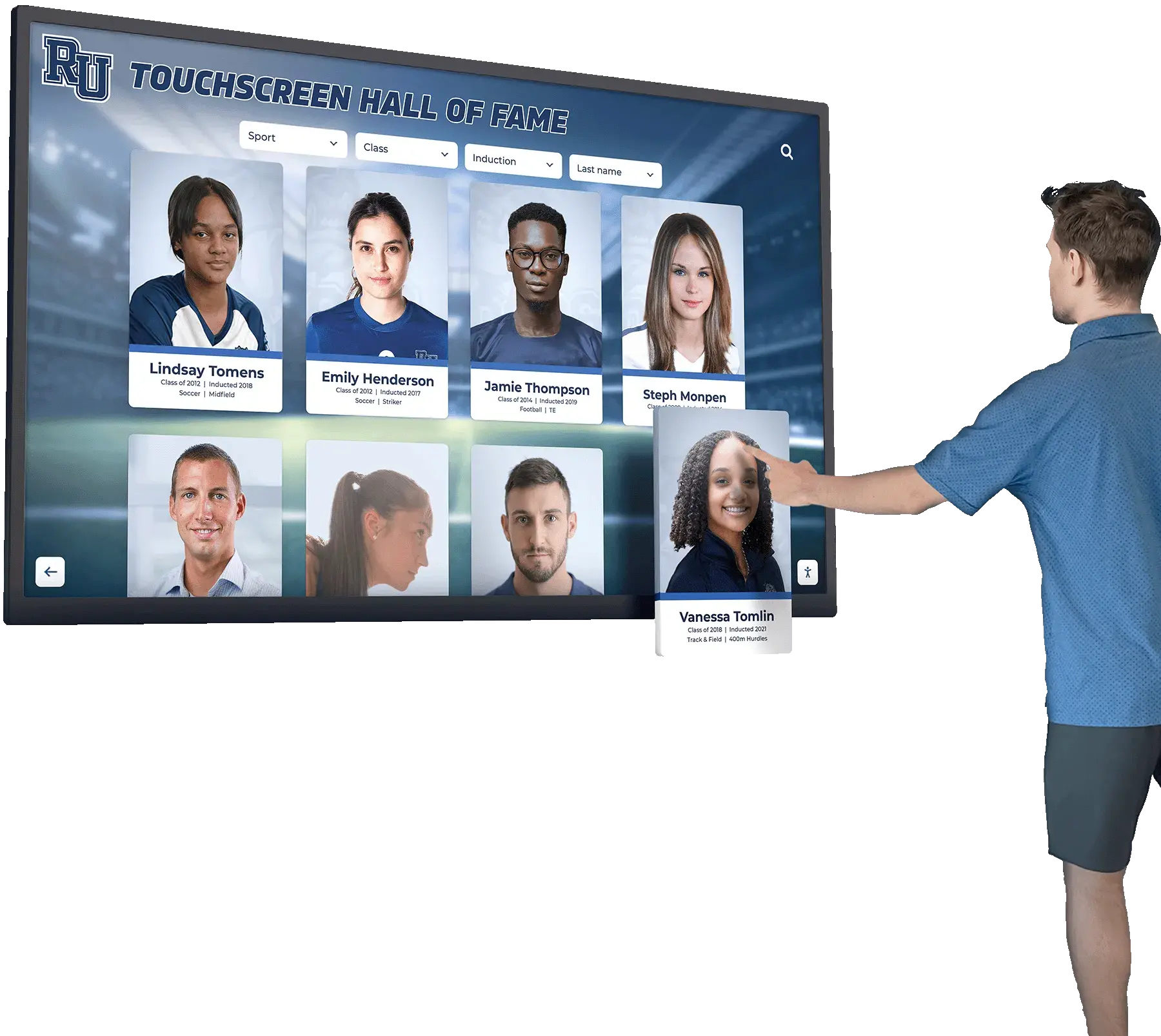
Interactive touchscreen displays transform rivalry history into engaging experiences, allowing visitors to explore comprehensive profiles and historic achievements
Digital Recognition: Transforming How Schools Honor Rivalry Traditions
Modern digital recognition systems address traditional limitations while creating powerful new capabilities for preserving and celebrating Thanksgiving rivalry traditions. Interactive touchscreen displays combined with web-based platforms enable schools to comprehensively document rivalry history, tell compelling stories through multimedia content, engage audiences interactively, and extend recognition access far beyond physical school facilities.
Unlimited Recognition Capacity: Digital systems eliminate space constraints entirely. A single touchscreen can showcase unlimited team photos, player profiles, game recaps, and historical content spanning decades of rivalry tradition without requiring additional wall space as recognition grows. Schools can honor every player who participated in Thanksgiving rivalry games, document every contest’s outcome, and preserve complete rivalry history rather than selecting only highlights for limited physical display space.
This comprehensive capacity enables truly inclusive recognition that honors all contributions to rivalry traditions rather than exclusively celebrating championship seasons or star athletes. Role players, loyal fans, dedicated coaches, and supportive community members all deserve recognition in rivalry histories, and digital systems provide the capacity to honor everyone appropriately.
Rich Multimedia Storytelling: Digital platforms support photos, videos, audio recordings, newspaper articles, game statistics, and detailed narratives that bring rivalry history to life far beyond what static displays can communicate. A Thanksgiving game recognition might include:
- Historic team photos showing uniform and equipment evolution across decades
- Video highlights from memorable games, preserved and digitized from old film or VHS recordings
- Audio recordings of radio broadcasts from championship seasons
- Scanned newspaper articles documenting games and profiling key players
- Statistical databases showing all-time rivalry records, career statistics, and individual game performances
- Detailed game recaps written by coaches, players, or sports journalists
- Oral history interviews with legendary coaches and players sharing memories and insights
- Timeline presentations showing rivalry evolution across eras
This multimedia richness enables schools to tell complete stories that contextualize achievements while preserving the emotional dimensions that make rivalry traditions meaningful. Visitors don’t just learn who won specific games, but understand the circumstances, challenges, and significance that made those contests memorable.
Intuitive Interactive Exploration: Modern touchscreen interfaces feel immediately familiar to anyone who uses smartphones or tablets. Visitors navigate content through natural gestures—swiping through photos, tapping to expand information, searching for specific players or years, and filtering content by decades, positions, or achievement types.
This interactivity transforms passive viewing into engaging exploration. Analytics from schools using digital recognition consistently show average interaction times of 5-7 minutes compared to seconds spent glancing at traditional static displays. Extended engagement creates opportunities for learning, conversation, and emotional connection as visitors discover stories and achievements they weren’t specifically seeking but find compelling once encountered.
The self-directed nature particularly appeals to diverse audiences. Current students might focus on recent seasons and contemporary players, alumni explore eras they remember personally, younger children enjoy interactive technology itself while learning school history, and community members discover connections to neighbors and acquaintances featured in recognition content.
Simple Remote Content Management: Cloud-based systems enable authorized staff or volunteers to update recognition from any internet-connected device without technical expertise. Adding new season results, uploading photos from recent Thanksgiving games, or correcting historical information requires only minutes through intuitive web interfaces requiring no specialized training.
This management simplicity proves transformative for schools where limited staff time constrains recognition efforts. When updating recognition takes minimal time and can happen from home or office during convenient moments rather than requiring facility access and physical installation, recognition stays consistently current rather than gradually becoming outdated as more pressing priorities take precedence.
Extended Access Through Web Platforms: Comprehensive systems include web interfaces enabling anyone with internet access to explore recognition content from personal devices anywhere globally. The same content displayed on physical touchscreens in school buildings becomes available through responsive websites optimized for desktops, tablets, and smartphones.
This extended accessibility exponentially increases recognition reach and impact. Alumni who have moved away remain connected to rivalry traditions they participated in decades earlier. Community members explore rivalry history from homes rather than requiring facility visits. Students share achievement recognition with distant relatives through social media. Prospective families considering school enrollment preview athletic traditions and culture before making commitments.
Solutions like Rocket Alumni Solutions provide comprehensive platforms specifically designed for educational institutions, combining physical touchscreen displays for on-campus engagement with web-based access ensuring rivalry history remains accessible to all stakeholders regardless of location. These purpose-built systems understand schools’ unique needs including limited budgets, volunteer management, diverse content types, and the importance of telling stories that strengthen community while celebrating achievement.
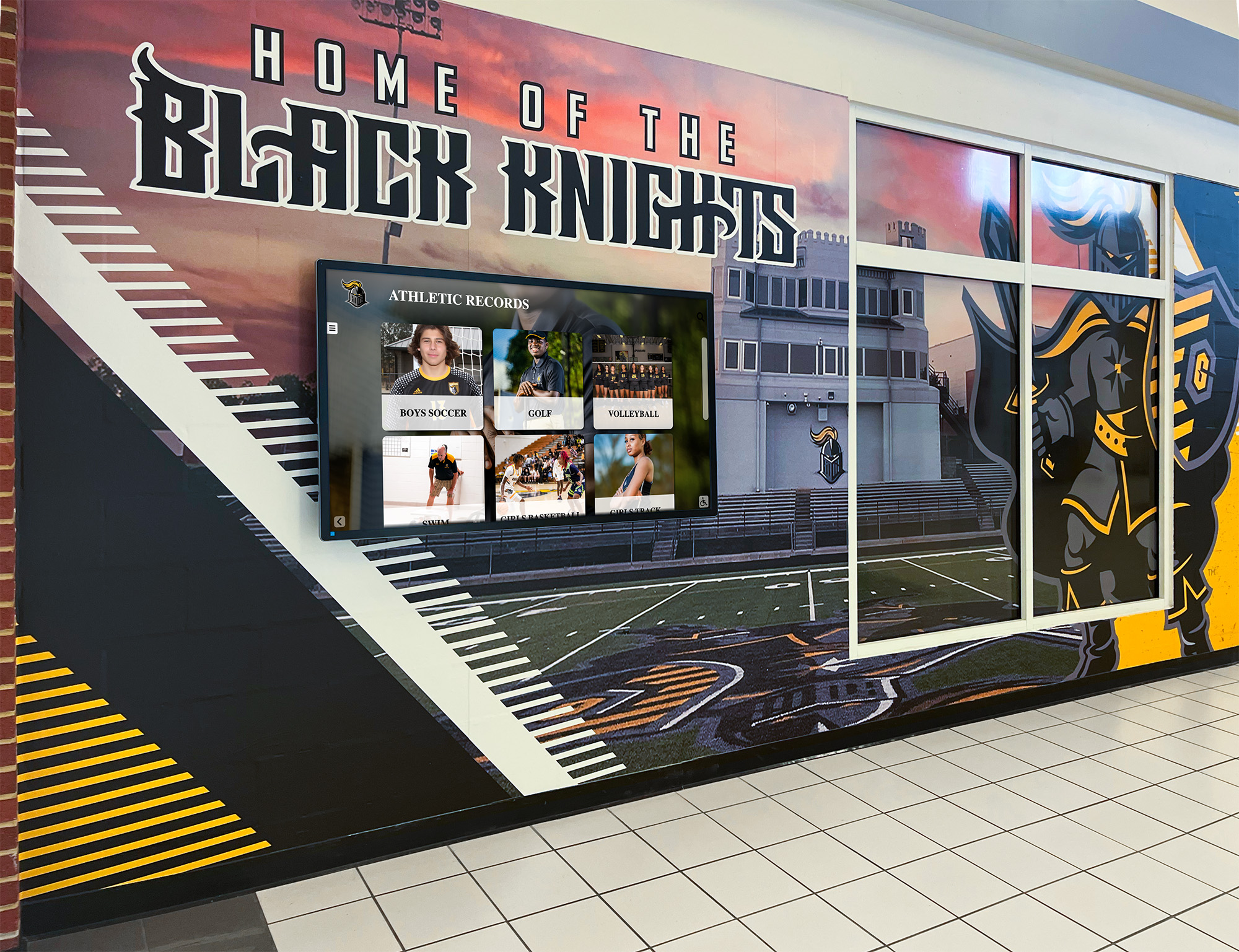
Strategic display placement in high-traffic hallways maximizes visibility while creating attractive environments celebrating athletic traditions
Essential Content for Thanksgiving Rivalry Recognition Displays
Effective rivalry recognition requires thoughtful content curation that balances comprehensiveness with accessibility, honors tradition while remaining engaging, and tells complete stories rather than simply listing facts. Schools should consider including several core content categories when developing Thanksgiving rivalry recognition.
Comprehensive Game Results and Series History
The foundation of rivalry recognition involves documenting complete game-by-game results spanning the entire rivalry history. This comprehensive record should include dates, final scores, locations, notable individual performances, and brief game summaries for each Thanksgiving contest. This historical record serves as authoritative source for resolving debates about rivalry statistics while demonstrating commitment to preserving complete tradition.
Present overall series records prominently—total wins for each school, longest winning streaks, closest games, highest-scoring contests, and other statistical milestones that help audiences understand rivalry history comprehensively. Create visualizations like timeline graphs showing series momentum shifting between schools across decades, making patterns and trends immediately apparent.
Team Photos and Rosters
Document each Thanksgiving game team through photos and complete rosters. Team photos create visual history showing uniform evolution, coaching changes, and physical documentation of who participated in each season’s rivalry contest. Complete rosters ensure every player who contributed to rivalry tradition receives recognition rather than only remembering stars whose names appear in newspaper accounts.
When possible, link individual names to detailed player profiles containing biographical information, statistics, post-graduation updates, and personal reflections on participating in Thanksgiving rivalry tradition. This depth transforms simple rosters into rich biographical resources that honor all participants appropriately.
Player Profiles and Achievement Recognition
Develop detailed profiles for players who made significant contributions to rivalry tradition. These profiles should extend beyond basic statistics to include personal backgrounds, memorable game moments, awards and honors received, post-high school achievements, and ideally personal reflections on what participating in Thanksgiving rivalry meant to them.
Recognize diverse achievement types including statistical leaders, championship team members, individual game standout performances, overcoming adversity stories, leadership and character demonstrations, and long-term program loyalty. This comprehensive approach ensures recognition values diverse contributions rather than exclusively celebrating athletic excellence.
Coaching Legacy and Philosophy
Honor coaches who guided teams through Thanksgiving rivalry games, documenting their overall records, memorable victories, coaching philosophies, and lasting impacts on programs. Great coaches shape not just seasonal records but program cultures that persist long after they leave, and recognition should honor these broader contributions to rivalry traditions.
Include interviews or written reflections from legendary coaches sharing insights about rivalry significance, memorable games or players they coached, and how Thanksgiving tradition influenced their approaches to program building and player development. These first-person accounts provide invaluable historical documentation while honoring individuals whose leadership created the traditions schools celebrate.
Historic Moments and Legendary Games
Every long-standing rivalry includes legendary games that become part of school folklore—dramatic comebacks, stunning upsets, championship-deciding contests, or games notable for weather conditions, controversial calls, or extraordinary individual performances. Document these defining moments thoroughly through game recaps, photos, video highlights when available, newspaper accounts, and participant reflections.
These legendary game stories create compelling content that engages visitors emotionally while teaching rivalry history. When current students learn about the 1987 triple-overtime classic or the 2003 upset victory by massive underdog, it connects them to tradition while inspiring aspirations to create similar legendary moments in their own Thanksgiving games.
Community and Cultural Context
Thanksgiving rivalry games exist within broader community contexts that shape their significance. Document how rivalries evolved alongside community development—population changes, economic shifts, facility improvements, and cultural transformations that influenced rivalry character across decades.
Include community perspectives beyond players and coaches—alumni reminiscences about attending games as children, parent reflections on watching their children participate in traditions they themselves experienced decades earlier, local business sponsorships and support, and media coverage documenting how communities celebrated or mourned rivalry outcomes. This comprehensive community documentation demonstrates that Thanksgiving football traditions transcend athletics alone, representing broader community identity and civic pride.
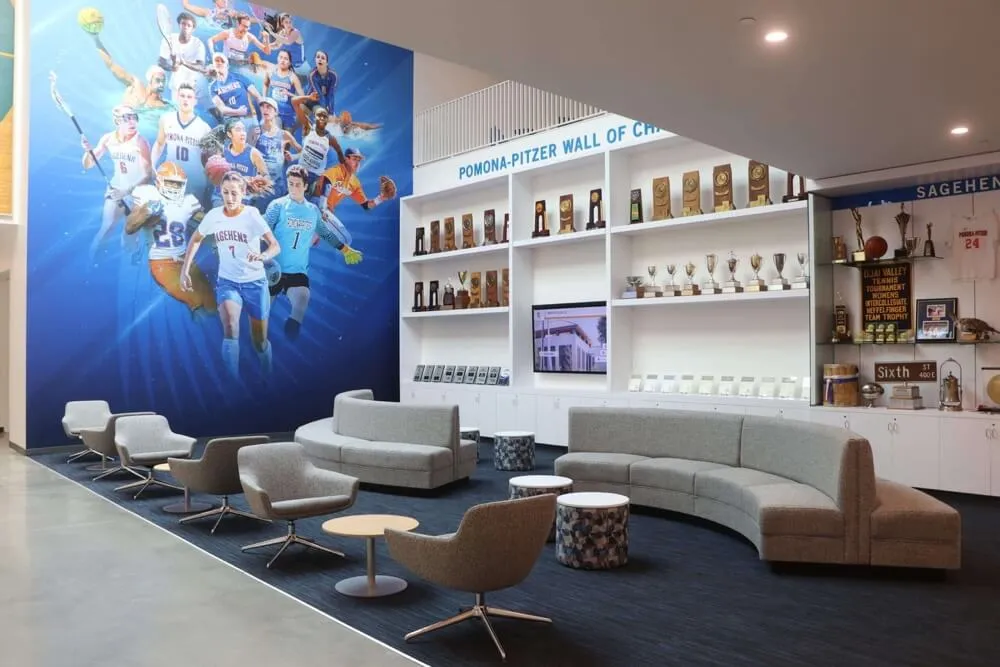
Combining traditional trophy displays with modern digital systems honors legacy while providing engaging interactive experiences
Implementing Digital Recognition for Thanksgiving Rivalry Traditions
Schools interested in implementing digital recognition for Thanksgiving rivalry traditions should follow systematic planning processes that address technical, organizational, and content considerations. Thoughtful planning ensures successful implementation that achieves recognition goals while fitting within school budgets and administrative capabilities.
Assessing Current Recognition and Identifying Needs
Begin by thoroughly evaluating existing rivalry recognition and identifying specific needs that digital systems should address. Useful assessment questions include: What rivalry history is currently displayed and what remains in storage or undocumented? How do students, alumni, and community members currently interact with rivalry recognition? What stories and achievements are not adequately recognized through current approaches? How could improved recognition support broader school goals like alumni engagement, community relations, or school spirit? What budget constraints and administrative capacity exist for ongoing recognition maintenance?
This assessment creates baseline understanding while articulating clear purposes guiding system selection and content strategies. Schools implementing digital recognition to solve specific identified problems achieve greater success than those adopting technology without clear objectives.
Determining Budget and Exploring Funding Options
Digital recognition systems represent meaningful investments requiring careful financial planning. Comprehensive budgets should consider display hardware costs, mounting systems or kiosks, content management software with annual licensing, professional installation, initial content development and digitization, training and support, and ongoing maintenance expectations.
Total investments typically range from $8,000-$15,000 for basic single-display systems to $25,000-$50,000 for comprehensive multi-screen installations with extensive features. Many schools implement in phases, starting with core displays and expanding as resources permit and value becomes demonstrated.
Funding strategies might include general operating budget allocations, capital campaign designations for facility improvements, specific fundraising targeting rivalry recognition, alumni giving campaigns appealing to rivalry tradition emotions, memorial gift opportunities honoring deceased athletes or coaches, and corporate sponsorship from local businesses benefiting from community goodwill.
Schools often discover that rivalry recognition projects attract donor enthusiasm more readily than general requests. Alumni whose high school identities remain closely tied to Thanksgiving rivalry experiences often eagerly support recognition systems celebrating traditions they cherish. This targeted fundraising proves more successful than expecting general budgets to absorb entire costs.
Selecting Optimal Display Locations
Strategic placement maximizes visibility and usage while supporting recognition purposes. Ideal locations typically include main entrance lobbies where visitors immediately encounter displays, athletic facility entrances capturing student-athlete traffic, connecting hallways between academic and athletic spaces, alumni gathering areas where returning graduates naturally congregate, and community spaces where parent and public events occur.
Consider placement supporting specific engagement goals. Displays near administrative offices introduce prospective families to athletic traditions during enrollment visits. Recognition visible from athletic practice areas inspires current student-athletes through role model examples. Displays in community gathering spaces demonstrate school pride to broader publics during events like homecoming festivities or school board meetings.
Evaluate technical requirements for each potential location including reliable electrical power, network connectivity for content updates, appropriate lighting avoiding screen glare, adequate clearance for visitor interaction, and secure mounting preventing damage or theft.
Developing Content Strategy and Gathering Historical Materials
Before implementation, establish clear content strategy addressing what recognition categories you will include, how content will be organized, what information each recognition type will contain, visual standards and branding, update frequency and responsibility, and processes for gathering new content as Thanksgiving games occur annually.
The historical content gathering represents perhaps the most significant work investment in rivalry recognition implementation. Most schools possess decades of materials in scattered locations—programs in storage closets, photos in personal collections, newspaper clippings in file cabinets, trophies in display cases, and memories in the minds of aging alumni. Consolidating this dispersed history into organized digital content requires systematic effort.
Consider appointing content coordinators for different time periods who ensure their eras receive appropriate recognition. Distribute responsibility among people with relevant knowledge and connections rather than burdening single administrators with comprehensive historical research for entire rivalry histories. Involving alumni in content gathering creates engagement opportunities while distributing workload.
Similar to how schools approach displaying school history comprehensively, Thanksgiving rivalry recognition requires patient, systematic content development over time rather than expecting immediate comprehensive completion. Implement with available content, committing to ongoing enhancement as additional information and materials surface.
Planning Launch and Promotion Strategies
Create ceremonial unveiling events that celebrate rivalry recognition while honoring those featured in initial content. Effective launches might include blessing or dedication ceremonies by school administrators, remarks by athletic directors about rivalry history significance, testimonies from legendary players or coaches, live demonstrations of display features and navigation, receptions allowing attendees to explore displays informally, and media coverage from local press documenting recognition implementation.
Consider timing launches to coincide with natural recognition occasions like Thanksgiving game weekends, homecoming celebrations, or school anniversary milestones. These connections create narrative coherence while maximizing attendance from stakeholders most interested in rivalry recognition.
Develop multi-channel promotion ensuring all relevant audiences learn about new recognition resources through school websites, social media campaigns, email announcements, newsletter features, posters near displays, video tutorials for navigation, and direct outreach to alumni associations and booster clubs.
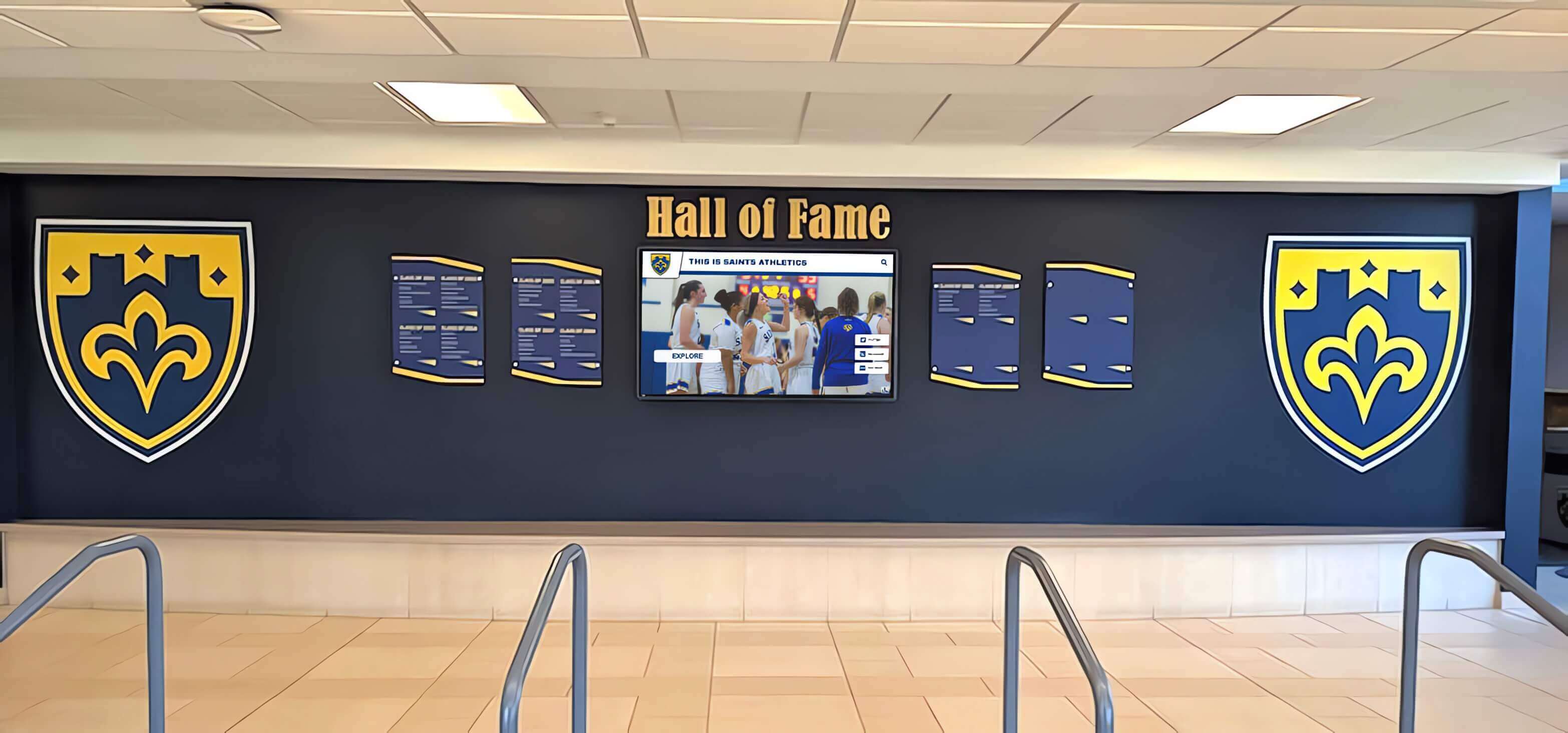
Professional lobby displays create impressive first impressions while celebrating school traditions for students, visitors, and community members
Connecting Rivalry Recognition to Broader School Initiatives
Thanksgiving rivalry recognition achieves maximum value when intentionally connected to broader school priorities rather than functioning as isolated athletic commemoration. Strategic schools leverage rivalry recognition for student inspiration, alumni engagement, community relations, and institutional advancement purposes extending far beyond simply honoring past achievements.
Inspiring Current Student-Athletes
Rivalry recognition serves powerful inspirational purposes for current student-athletes by providing visible role models, demonstrating program tradition and expectations, celebrating diverse achievement types, and positioning athletic participation within broader life narratives. When current players explore comprehensive rivalry history and discover former players’ stories, it connects them to traditions larger than themselves while inspiring aspirations to create similar legacies through their own participation.
Coaches can use recognition content strategically in team meetings, referencing specific examples of character, perseverance, or excellence demonstrated by past players. These concrete local examples prove more relatable than generic motivational messages, providing tangible illustrations of values coaches hope to instill. Recognition of how former players overcame challenges, supported teammates, or achieved success despite limitations creates compelling narratives that inspire current athletes facing similar situations.
Strengthening Alumni Connection and Engagement
Comprehensive rivalry recognition creates powerful tools for alumni engagement by validating past experiences, facilitating connection among former teammates, demonstrating that schools value and remember contributions, and providing reasons for ongoing interaction with alma maters. When alumni discover themselves featured in permanent recognition displays, it validates that their high school athletic experiences mattered and remain valued by schools they attended decades earlier.
Digital recognition with web access particularly strengthens alumni engagement by enabling access regardless of geographic location. Alumni living across the country or internationally can explore rivalry history, search for former teammates, and share recognition content with families and friends. This accessibility maintains emotional connections to schools that traditional physical displays accessible only during campus visits cannot provide.
Schools can leverage rivalry recognition strategically during alumni events, reunion weekends, and fundraising campaigns. Featured recognition content creates natural conversation starters during gatherings while providing concrete examples of school traditions deserving continued alumni support and engagement. Similar to how comprehensive alumni recognition programs strengthen institutional connections, Thanksgiving rivalry recognition maintains bonds between graduates and their alma maters.
Building Community Pride and Positive Visibility
Thanksgiving rivalry recognition demonstrates school quality and community vitality to broader publics including prospective families, community members, and local media. Professional recognition displays showcasing decades of athletic tradition communicate institutional stability, quality programs, and community pride that create positive impressions among all who encounter them.
Local media often features stories about rivalry history and traditions, particularly surrounding Thanksgiving games. Comprehensive digital recognition provides journalists with rich source materials for features about legendary games, coaching legacies, or player achievements. This positive media coverage builds community pride while creating visibility attracting prospective families and strengthening relationships with community stakeholders.
Schools in communities where Thanksgiving football rivalry represents significant civic traditions can position comprehensive recognition as community resources celebrating broader regional identity rather than narrow school-specific commemoration. This community-wide framing broadens recognition appeal while positioning schools as institutions preserving cultural heritage benefiting entire communities.
Supporting Athletic Program Fundraising and Advancement
Professional rivalry recognition demonstrates program quality and historical significance to potential donors and supporters. When athletic directors or development officers can showcase comprehensive recognition documenting decades of excellence, tradition, and community impact, it strengthens cases for philanthropic support. Donors see clear evidence of how their contributions will support programs with demonstrated value and lasting community significance.
Consider creating explicit connections between recognition and fundraising by including donor acknowledgment within displays, featuring naming opportunities for specific recognition components, documenting how past philanthropic support enabled program success, and demonstrating how continued support sustains traditions documented through recognition. These connections position donors as partners in preserving and continuing traditions they helped create rather than treating them as disconnected financial sources.
Similar to how schools approach digital state championship displays, comprehensive rivalry recognition demonstrates program quality and success that validates investment while inspiring continued support from boosters, alumni, and community supporters.
The Future of Thanksgiving Football Rivalry Traditions
Thanksgiving Day football rivalry traditions face both challenges and opportunities as high school athletics continue evolving. Understanding these dynamics helps schools preserve traditions while adapting to contemporary realities that affect how Thanksgiving games function within broader athletic and community contexts.
Challenges Facing Traditional Thanksgiving Games
Some schools have reduced or eliminated Thanksgiving football games in recent years due to factors including expanded playoff systems requiring later season schedules, declining football participation affecting program sustainability, competing commitments from multi-sport athletes prioritizing winter sports, budgetary constraints limiting season length, and changing family holiday patterns reducing Thanksgiving availability. These pressures particularly affect schools without century-old traditions where community expectations and cultural inertia help sustain Thanksgiving games despite contemporary challenges.
Schools committed to preserving Thanksgiving rivalry traditions must address these pressures thoughtfully. Scheduling flexibility accommodating playoff participation, community outreach reinforcing tradition value, and strategic investment in program quality ensuring sustained participation all help maintain Thanksgiving games despite pressures threatening their continuation.
Opportunities for Tradition Enhancement
Modern technology and communication capabilities also create new opportunities for enhancing Thanksgiving rivalry traditions. Live streaming enables alumni and community members unable to attend physically to participate virtually. Social media creates ongoing engagement before, during, and after games through photos, videos, and discussion that extend rivalry visibility throughout broader networks. Digital recognition preserves history comprehensively while making it accessible beyond single game days.
Schools can leverage these capabilities to strengthen rather than replace traditional elements. Live streaming supplements rather than substitutes for in-person attendance. Social media extends conversation and community beyond stadium boundaries. Digital recognition honors tradition through modern platforms that engage contemporary audiences while preserving history for future generations.
Strategic schools view technology as tools for tradition enhancement rather than threats to authentic experience. When thoughtfully implemented, modern capabilities strengthen rivalry traditions by increasing accessibility, preserving history comprehensively, and engaging broader audiences in celebrations of community identity and school pride that Thanksgiving football represents.

Intuitive touch interfaces make rivalry history exploration accessible and engaging for visitors of all ages and technical comfort levels
Conclusion: Honoring Tradition While Embracing Innovation
Thanksgiving Day football rivalry games represent treasured traditions connecting schools, communities, and generations through shared experiences celebrating competition, excellence, and local pride. For over a century, these annual contests have created memories that participants cherish for lifetimes, fostered civic identity and community cohesion, and demonstrated how athletic competition can strengthen rather than divide neighboring communities.
Schools bear important responsibilities for preserving these traditions and making rivalry history accessible to current and future generations. Yet traditional recognition approaches—trophy cases, team photos, and static displays—increasingly fall short in engaging contemporary audiences while failing to comprehensively document century-long traditions due to physical space limitations and maintenance challenges.
Modern digital recognition systems transform how schools celebrate Thanksgiving rivalry traditions by eliminating space constraints enabling comprehensive history preservation, supporting rich multimedia storytelling bringing achievements to life, creating interactive exploration that engages contemporary audiences, simplifying content management ensuring recognition stays current, and extending access globally through web platforms.
Successful implementation requires thoughtful planning addressing budgets, content strategies, display placement, and connections to broader school initiatives. Schools should select systems based on educational needs rather than simply adopting impressive technology, develop comprehensive content strategies ensuring recognition serves multiple purposes, establish sustainable governance preventing long-term neglect, and intentionally leverage recognition for student inspiration, alumni engagement, community relations, and institutional advancement.
The investment in professional Thanksgiving rivalry recognition demonstrates that schools value traditions connecting them to their pasts while honoring athletes, coaches, and communities who created the legacies current generations inherit. This recognition validates decades of dedication while inspiring present and future student-athletes toward excellence within supportive school communities celebrating achievement and tradition.
Whether your school has competed in Thanksgiving rivalry games since the 19th century or maintains more recent but no less meaningful traditions, thoughtful recognition through modern platforms can preserve history comprehensively while strengthening school spirit and community pride. Solutions like Rocket Alumni Solutions provide purpose-built platforms combining sophisticated technology with intuitive management enabling schools to maintain professional recognition honoring the past, celebrating the present, and inspiring future generations toward continued excellence in academics, athletics, and community leadership.
Your Thanksgiving rivalry tradition deserves recognition approaches equal to its significance in school history and community identity. Digital recognition displays provide the tools to ensure this important tradition receives the honor, visibility, and preservation it warrants for generations to come.
Ready to Celebrate Your Thanksgiving Rivalry Tradition?
Discover how Rocket Alumni Solutions can help your school create engaging digital displays that honor rivalry history, celebrate athletic achievement, and strengthen school spirit through comprehensive recognition accessible to students, alumni, and community members.
Schedule Your Free Consultation






























