Theater programs create transformative experiences for students, developing confidence, creativity, and communication skills that last a lifetime. Yet many drama departments struggle to adequately recognize their students' remarkable achievements. A Thespian Hall of Honor provides a dedicated space to celebrate theater excellence, honor International Thespian Society members, showcase memorable productions, and preserve your program's rich theatrical legacy for current and future generations.
Walk into most high schools and you’ll find trophy cases celebrating athletic championships and walls honoring academic excellence. But theater achievements—despite requiring equal dedication, talent, and countless hours of rehearsal—often receive minimal recognition beyond opening night applause and a brief mention in the yearbook.
This recognition gap sends an unintended message that theatrical accomplishments matter less than other achievements. Students who earn leading roles, master complex technical theater skills, or achieve International Thespian Society honors deserve comprehensive, visible recognition that matches the significance of their dedication.
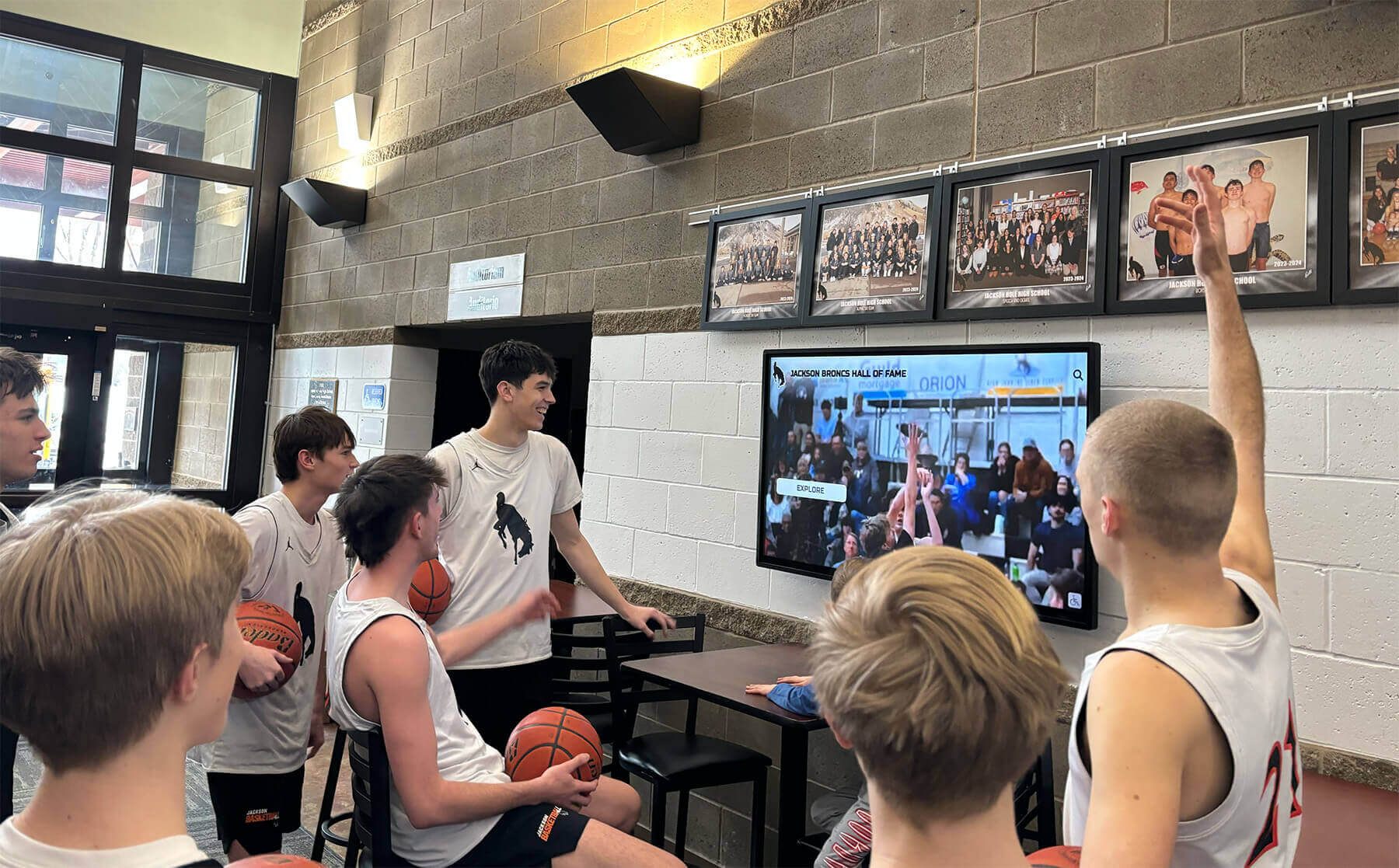
Digital solutions like Rocket Alumni Solutions provide purpose-built platforms specifically designed for theater recognition. A Thespian Hall of Honor using interactive touchscreen displays can showcase unlimited productions, honor every cast and crew member, preserve decades of theatrical history, and create engaging experiences that inspire current drama students while strengthening alumni connections.
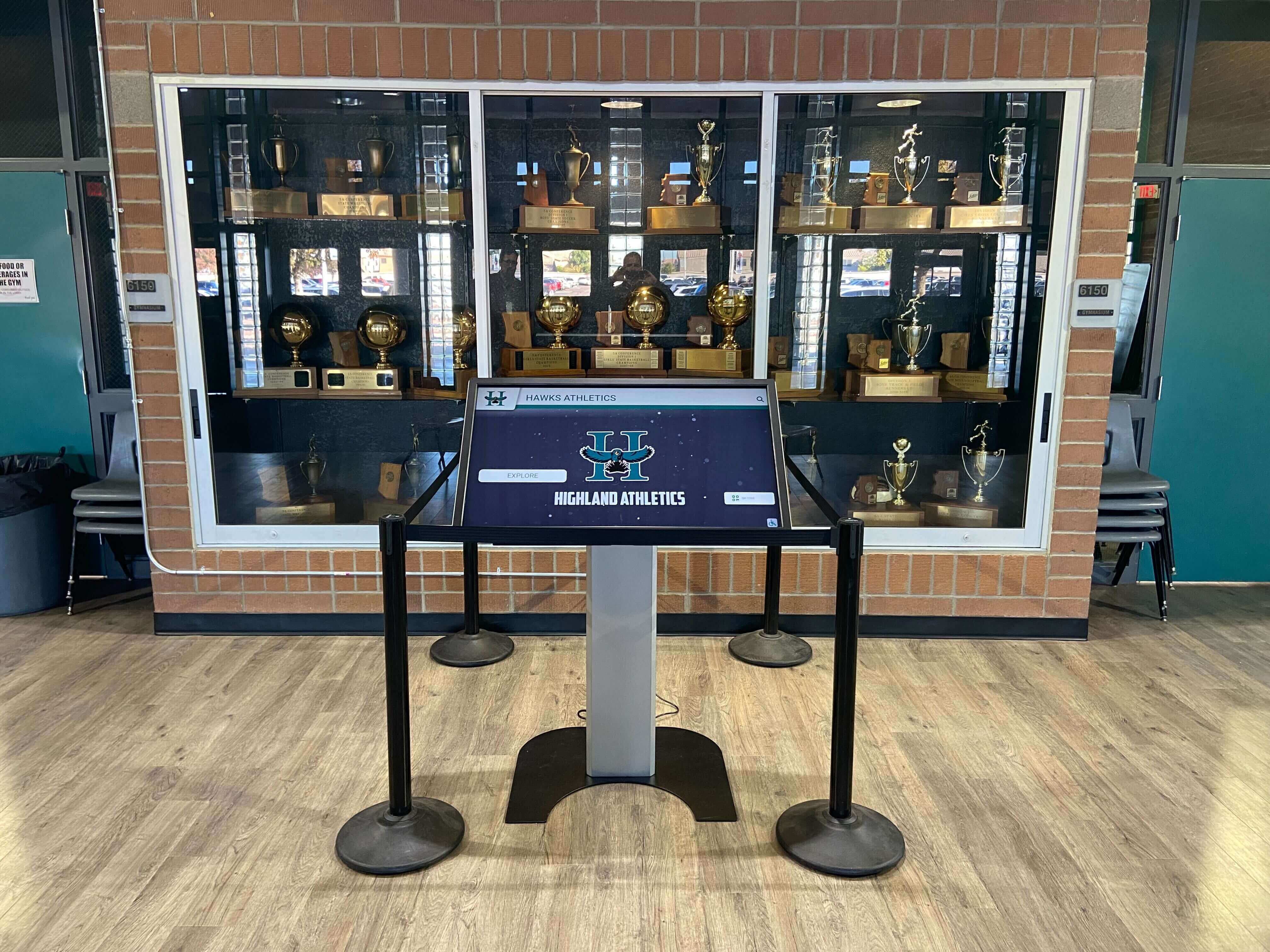
Why Theater Programs Need Dedicated Recognition Spaces
Theater education provides documented benefits that extend far beyond the stage. Research from the Educational Theatre Association shows that students involved in theater arts demonstrate higher academic achievement, improved social skills, enhanced creativity, and greater self-confidence compared to their non-participating peers.
The Recognition Deficit Theater Programs Face
Despite these proven benefits, theater programs commonly struggle with recognition challenges that don’t affect other extracurricular activities:
Limited Physical Display Space
Athletic trophy cases dominate hallways while theater achievements get relegated to drama classroom walls that only theater students see. Productions involving 50-100 students receive the same recognition as individual athletic achievements—a single photo or plaque that fails to acknowledge the comprehensive team effort required for theatrical success.
Ephemeral Nature of Performances
Athletic accomplishments generate permanent trophies and record boards. Theater productions exist for just a few performance nights before the sets get struck, costumes return to storage, and the only lasting evidence becomes a few photos and a playbill. Without dedicated recognition efforts, memorable productions disappear from institutional memory within just a few years.
Complex Recognition Requirements
Theater recognition presents unique challenges that simple trophy displays cannot address. A single production might involve:
- 15-30 cast members in speaking roles
- Additional ensemble or chorus members
- 10-20 technical crew members (lights, sound, stage crew)
- Costume designers and construction crew
- Set designers and builders
- Directors, choreographers, and musical directors
- Student leadership positions (stage manager, assistant director, etc.)
Every person contributes essentially to the production’s success. Comprehensive recognition must honor this collaborative artistry rather than highlighting only lead performers.
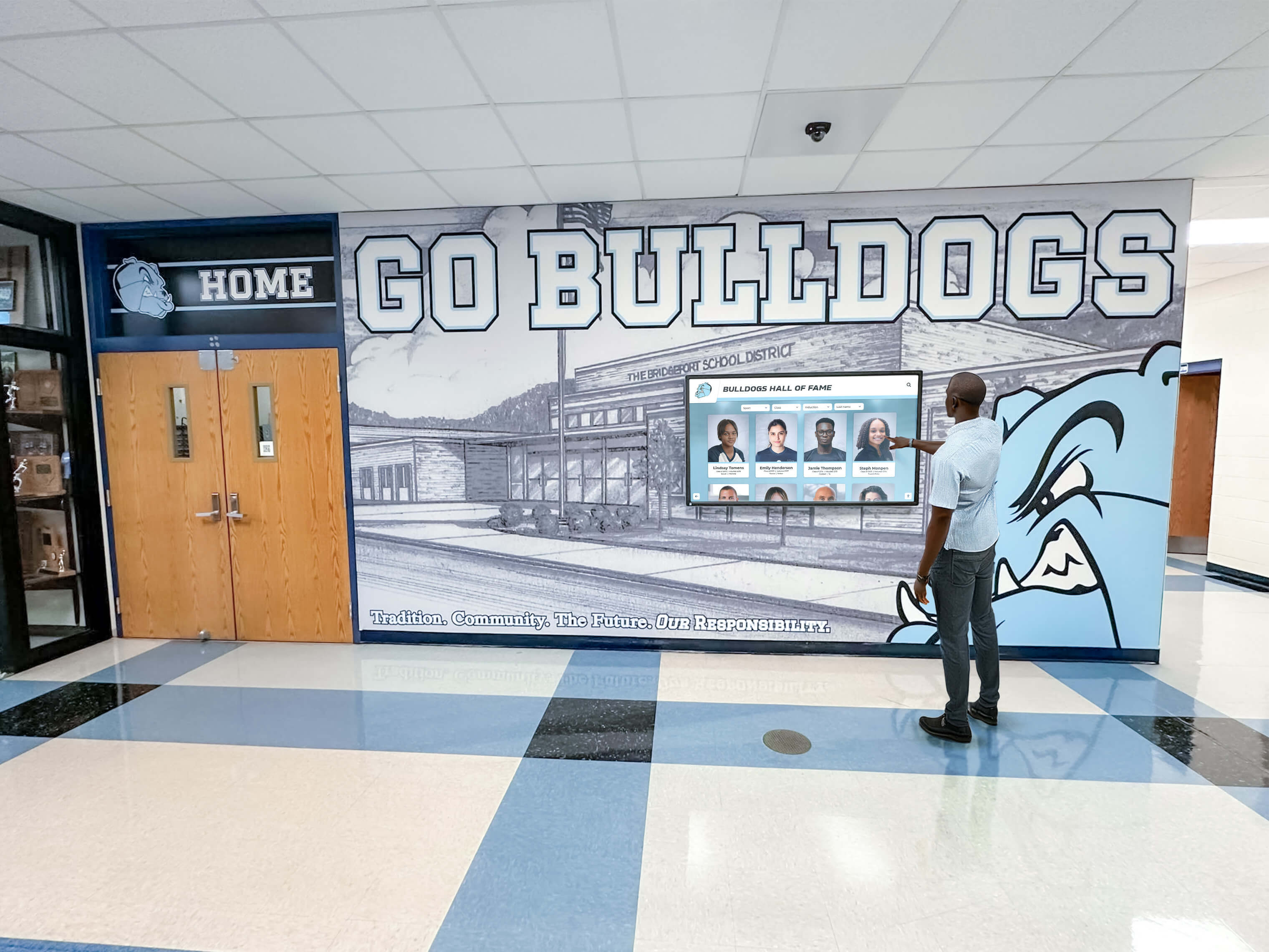
Understanding the International Thespian Society Honor System
The International Thespian Society (ITS), a division of the Educational Theatre Association, provides the most recognized honor society for middle school and high school theater students. Founded in 1929, the organization has inducted over 2.4 million student members through more than 5,000 active affiliated school troupes.
How Students Earn Thespian Recognition
Students earn membership through a point system that recognizes both quality and quantity of theatrical work. Troupe directors track student achievement using this standardized system:
Point Categories Include:
- Performance: Acting in productions (leads, supporting roles, ensemble)
- Technical Theater: Lighting, sound, stage crew, props management
- Production Design: Set design, costume design, makeup
- Leadership: Stage management, assistant directing, student directing
- Competition: One-act festivals, individual events, technical theater competitions
- Community Theater: Work in non-school theatrical productions
- Theater Education: Classes, workshops, summer theater programs
Recognition Levels:
- Thespian Induction: 10 points (100 hours of quality work)
- Honor Thespian: 60 points (600 hours)
- National Honor Thespian: Various higher levels of achievement
This structured system provides objective criteria for recognizing theater achievement comparable to athletic letters or academic honor societies. However, many schools lack effective ways to visibly celebrate these accomplishments beyond certificates or cord recognition at graduation.
The Value of Thespian Society Membership
Students inducted into the International Thespian Society gain access to benefits including:
- College scholarship opportunities specifically for Thespians
- Leadership development through conferences and festivals
- Networking opportunities with theater professionals
- Recognition that enhances college applications and resumes
- Graduation regalia including honor cords and stoles
- Connection to a lifelong community of theater artists
A Thespian Hall of Honor makes these achievements visible to the entire school community rather than known only within the drama department, elevating the perceived value and prestige of theater participation.

What Makes an Effective Thespian Hall of Honor
Comprehensive theater recognition requires thoughtful planning that honors the unique characteristics of dramatic arts while creating inspiring, engaging displays that serve multiple audiences.
Core Recognition Categories to Include
Production Archives
Each theatrical production deserves comprehensive documentation that preserves the complete experience:
- Production photos capturing key scenes and memorable moments
- Complete cast and crew rosters with individual profiles
- Production team credits (director, designers, choreographers)
- Performance dates, venue details, and show information
- Behind-the-scenes photos documenting rehearsals and technical work
- Program materials and promotional posters
- Reviews, awards, or special recognition received
- Video clips from performances (when available)
This detailed documentation ensures that productions involving hundreds of hours of work from dozens of students receive lasting recognition beyond the final curtain call.
Individual Student Recognition
Every theater participant deserves individual acknowledgment for their contributions:
- Comprehensive profiles for Thespian Society members
- Point totals and honor level achievements (Honor Thespian, etc.)
- Complete production history for each student
- Roles performed across multiple shows
- Technical theater specializations and skills developed
- Leadership positions held within the program
- Competition achievements and awards
- Post-graduation theater involvement or career paths
Technical Theater Excellence
Technical theater students often receive less recognition than performers despite the essential nature of their contributions. Dedicated recognition ensures these students receive appropriate honors:
- Lighting design portfolios and accomplishment galleries
- Sound engineering achievements and complex show credits
- Set design concepts with before/after construction photos
- Costume design portfolios and creation documentation
- Stage management excellence and show management
- Technical competition achievements
- Student mentorship and teaching of technical skills
Program History and Traditions
Theater programs develop rich traditions spanning decades. Historical documentation preserves institutional memory:
- Troupe charter information and founding history
- Director legacies and teaching philosophies
- Milestone productions and program achievements
- Evolution of facilities and technical capabilities
- Alumni success stories in theater and related fields
- Community partnerships and special events
- Significant awards and program recognition received
Key Features for Interactive Digital Displays
Modern digital recognition displays transform static recognition into engaging experiences that invite exploration and discovery.
Searchable Database Functionality
Powerful search capabilities make information instantly accessible:
- Search by student name to find complete theater history
- Browse by production title or year
- Filter by role type (cast, crew, design, leadership)
- Explore by Thespian honor level or point achievements
- Find alumni by graduation year or current career
- Discover shows by genre or production scale
This searchability creates personal connections impossible with traditional displays. Parents can find every show their student participated in across their high school career. Alumni visiting campus can locate their productions and relive their theatrical experiences.
Multimedia Storytelling Capabilities
Digital platforms enable rich content formats that bring theatrical achievements to life:
- Photo galleries capturing production moments and emotional highlights
- Video clips from performances showcasing talent and production quality
- Audio recordings of musical theater performances or memorable scenes
- Time-lapse videos documenting set construction processes
- Interviews with directors, designers, and student leaders
- Before/after comparisons showing set transformations
- Montages celebrating season highlights or program milestones
These multimedia elements transform simple recognition lists into compelling narratives that celebrate the artistry, collaboration, and dedication required for theatrical excellence.
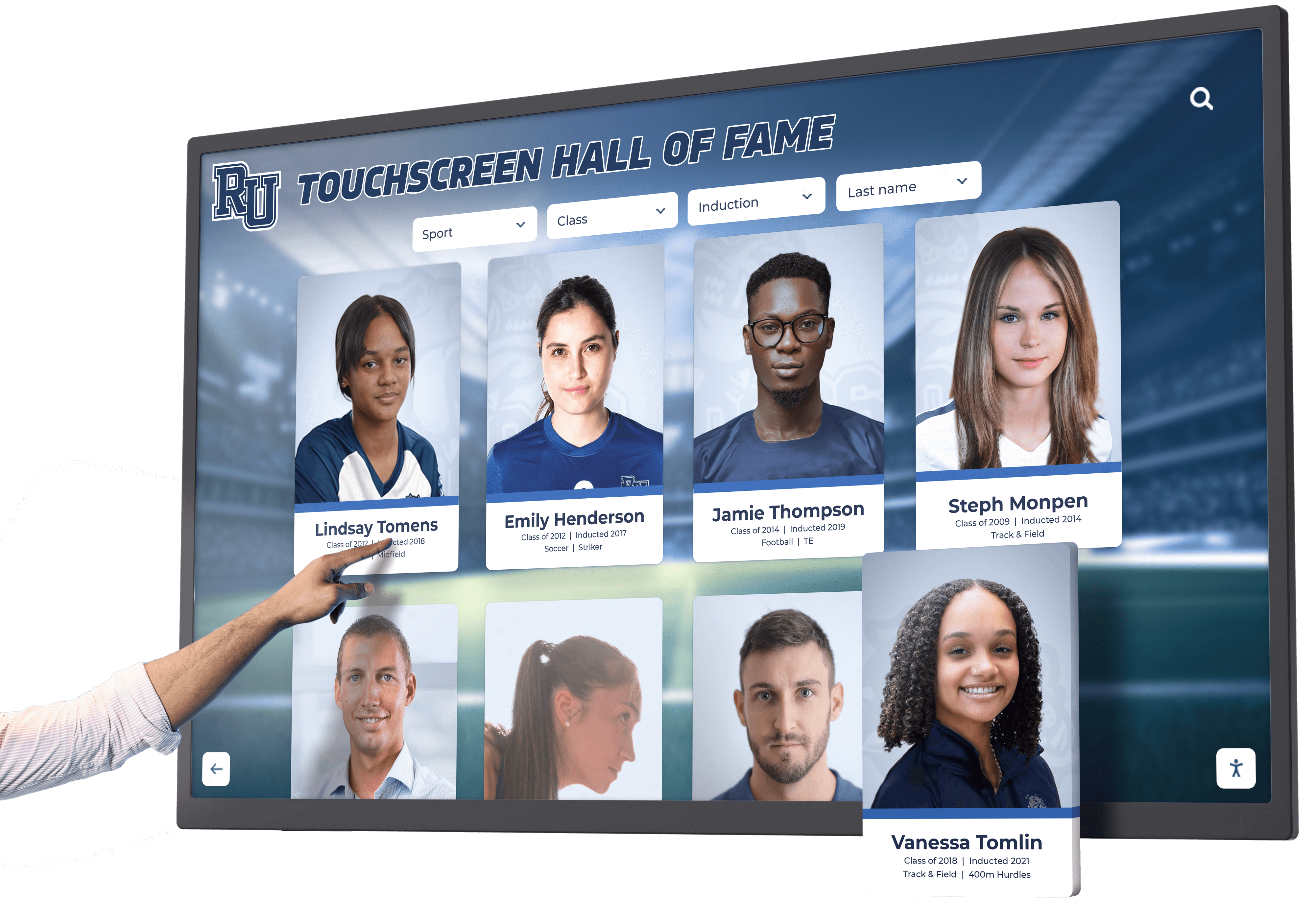
Planning Your Thespian Hall of Honor: Step-by-Step Implementation
Creating an effective Thespian Hall of Honor requires systematic planning that addresses content, technology, and ongoing management considerations.
Phase 1: Content Planning and Historical Preservation
Conduct Comprehensive Content Audit
Begin by inventorying all existing theatrical recognition materials:
- Playbills and programs from all past productions
- Production photos from drama teacher files, yearbooks, and personal collections
- Award certificates, competition results, and honor society documentation
- Historical troupe records and membership rosters
- Video recordings or audio captures from performances
- Newspaper reviews, promotional materials, and media coverage
- Student portfolios, technical drawings, and design documentation
This audit reveals the scope of content available for digitization while identifying gaps in historical documentation that might require additional research or alumni outreach.
Prioritize Content Development Phases
Most programs cannot digitize decades of history immediately. Strategic phasing ensures earlier launch while building toward comprehensive coverage:
Phase 1: Current Students and Recent Productions (0-5 years)
- Current Thespian Society members with complete profiles
- Recent productions with high-quality digital photo documentation
- Active student leadership and technical theater specialists
- Current season information and upcoming productions
Phase 2: Recent Program History (5-15 years)
- Complete production archive for accessible recent history
- Thespian alumni who might contribute updated information
- Major productions or program milestones that shaped current culture
- Director perspectives on program evolution
Phase 3: Comprehensive Historical Documentation (15+ years)
- Systematic documentation working backward through troupe history
- Alumni outreach campaigns gathering memories and materials
- Restoration or digitization of degraded historical materials
- Connection to broader school history and community context
This phased approach allows launching recognition displays with valuable current content while building historical depth over time as resources permit.
Establish Content Standards and Templates
Consistency ensures professional appearance and makes content creation more efficient:
- Standard photography specifications (resolution, lighting, background)
- Required information fields for production documentation
- Individual profile content requirements and formats
- Design templates for consistent visual presentation
- Naming conventions for files and database organization
- Quality control processes ensuring accuracy before publication
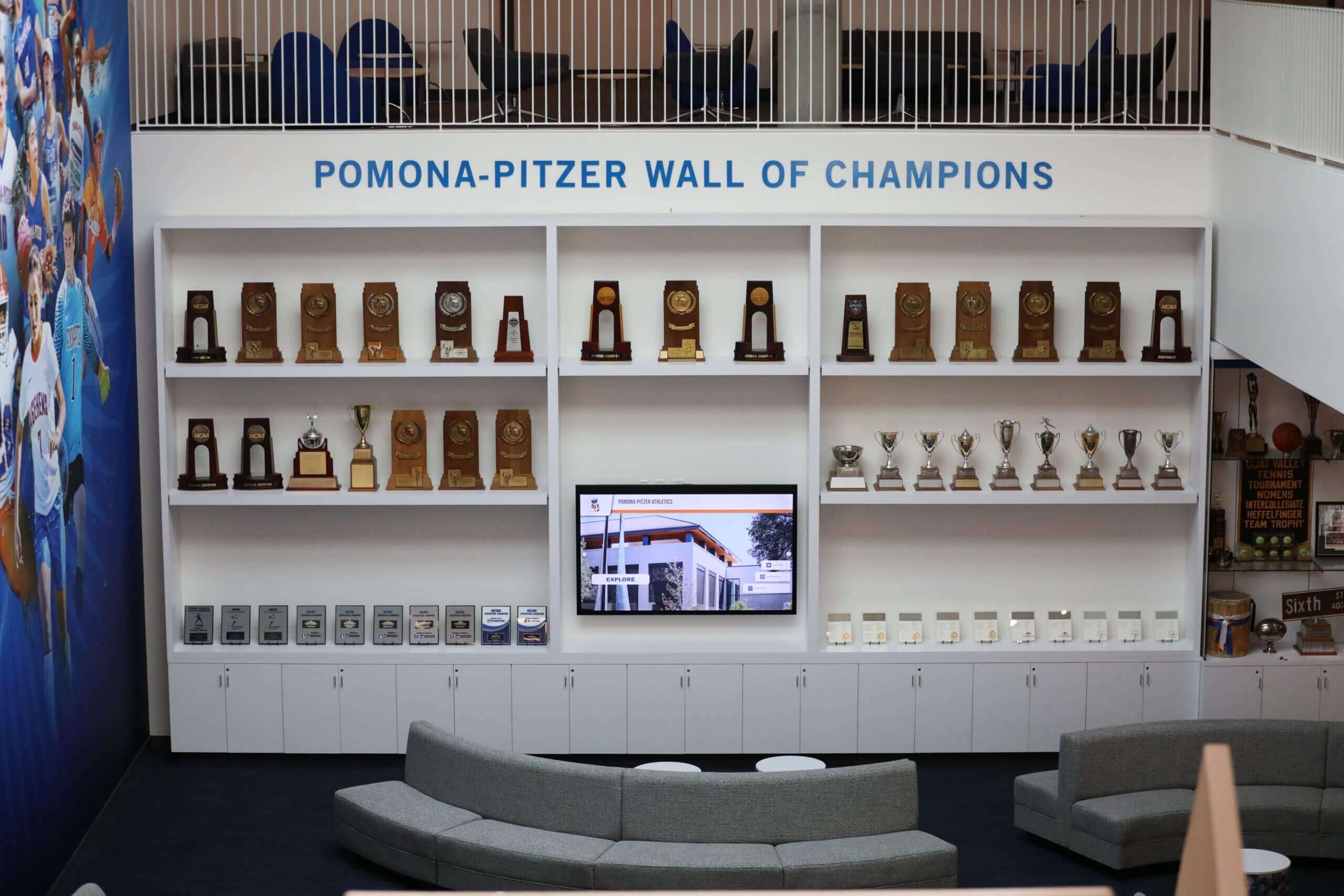
Phase 2: Technology Selection and Installation
Display Hardware Considerations
The right technology depends on your space characteristics, audience patterns, and budget parameters:
Screen Size Selection:
- 43-50 inches: Smaller drama classrooms or theater lobbies with close viewing
- 55-65 inches: Main hallway installations or performing arts center entrances
- 70-75+ inches: Large lobby spaces or auditorium concourses
Consider viewing distance—larger spaces require bigger screens for comfortable interaction and readability.
Mounting and Installation Options:
- Wall-mounted displays: Clean appearance, space-efficient, works well in hallways
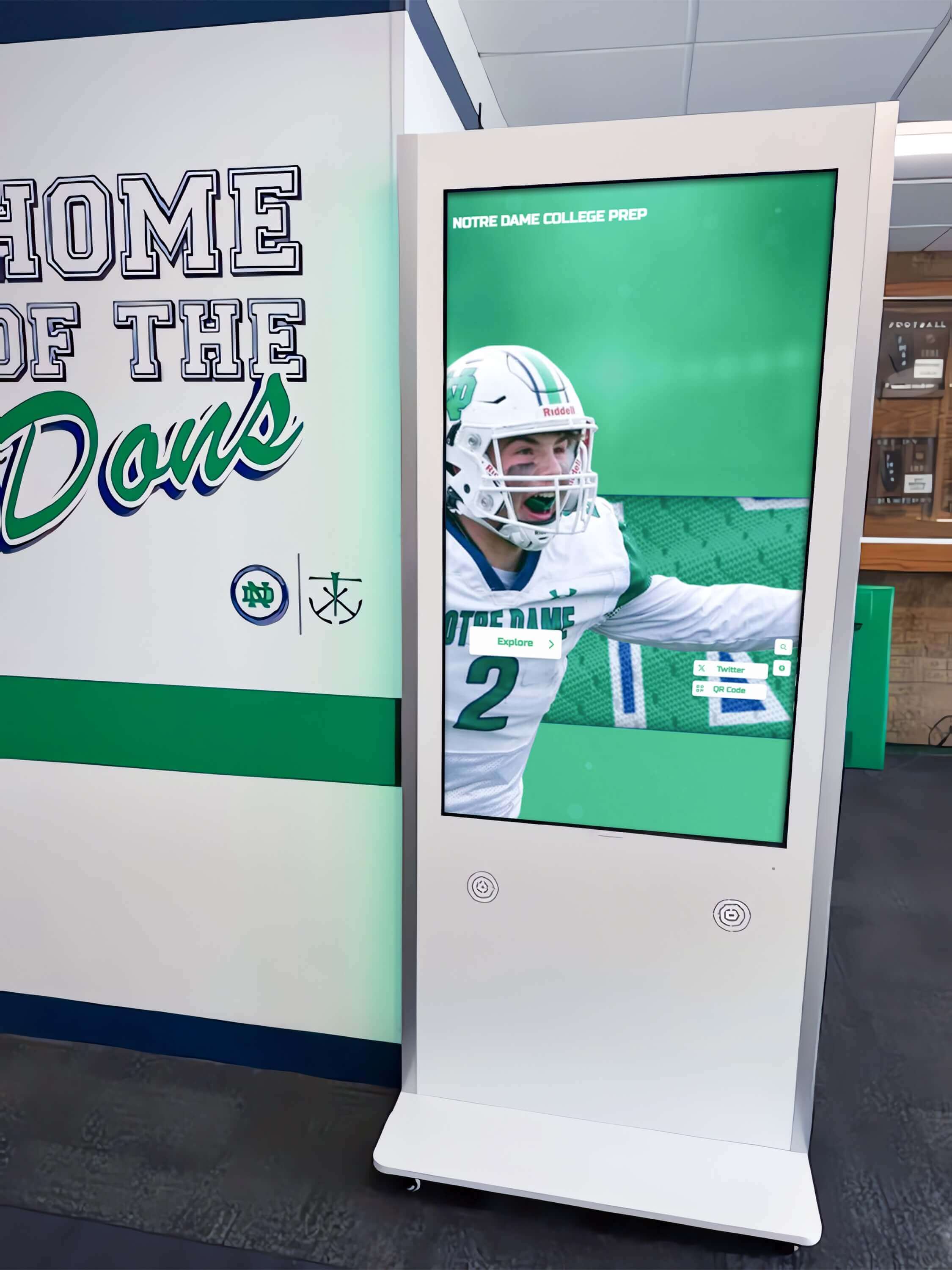
- Freestanding kiosks: Placement flexibility, appropriate for open lobby areas
- Custom theater-themed enclosures: Integrated design matching performing arts aesthetics
Many performing arts centers choose custom enclosures incorporating theatrical design elements like stage curtains, spotlights, or dramatic architectural details that reinforce the theatrical theme while housing the technology professionally.
Software Platform Requirements
Purpose-built recognition platforms offer significant advantages over generic digital signage systems:
- Pre-designed templates specifically for theater recognition
- Production-focused organizational structures and categories
- Cast/crew roster management tools designed for theatrical needs
- Multimedia support for photos, videos, and audio content
- Intuitive content management requiring no technical expertise
- Searchable databases with filters relevant to theater programs
- Web accessibility extending recognition beyond physical displays
- Mobile-responsive designs for smartphone and tablet viewing
- Ongoing platform updates and dedicated support teams
Rocket Alumni Solutions specializes in recognition platforms designed specifically for educational institutions, with features addressing the unique requirements of theater programs that generic systems lack.
Phase 3: Launch Strategy and Community Engagement
Create Ceremonial Unveiling Event
The initial launch provides opportunity for celebration and community engagement:
- Schedule unveiling during a production opening night for maximum audience
- Invite school administrators, board members, and community supporters
- Feature speeches from program alumni highlighting theater impact
- Demonstrate interactive features with current Thespian Society members
- Provide preview opportunities for students to explore their own profiles
- Generate media coverage highlighting program innovation and student recognition
This celebratory launch establishes the Thespian Hall of Honor as a valued institutional asset while generating enthusiasm that encourages ongoing engagement.
Develop Ongoing Promotion Strategy
Sustained engagement requires regular promotion and fresh content:
- Feature “Thespian of the Month” highlights on school websites and social media
- Create QR codes in production programs linking to digital cast profiles
- Showcase behind-the-scenes content during production runs
- Encourage alumni to share and update their theater profiles
- Integrate recognition display tours into prospective student visits
- Feature historical “throwback” productions celebrating program legacy
- Connect recognition updates to fundraising campaigns and donor appreciation
Schools implementing interactive recognition displays report that regular content updates and promotion maintain engagement long after initial launch excitement fades.
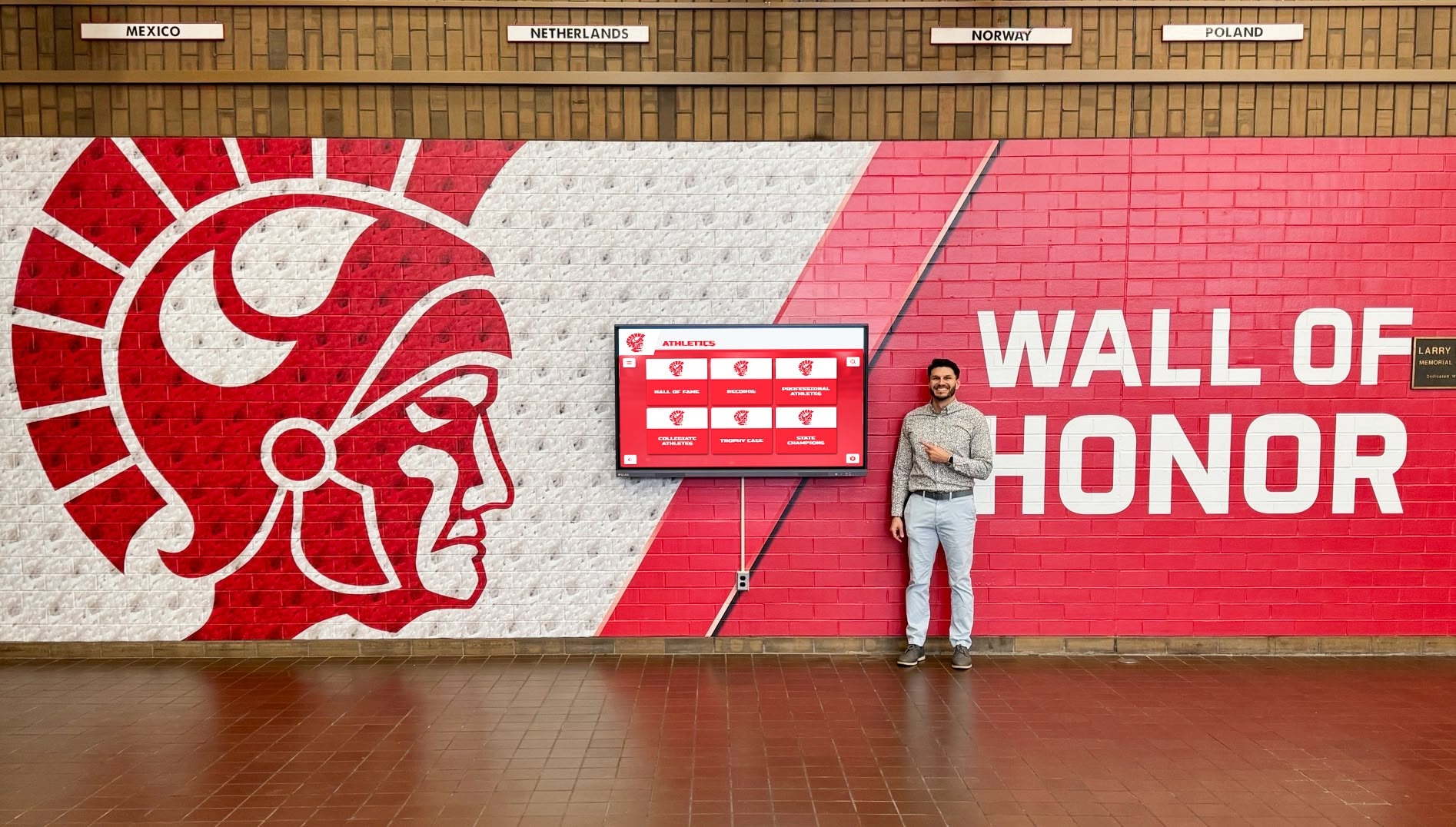
Creative Recognition Ideas for Drama Programs
Beyond standard production archives and student profiles, innovative recognition approaches celebrate theatrical achievement in compelling ways that engage diverse audiences.
Technical Theater Spotlight Features
Technical theater students deserve recognition equal to performers. Dedicated spotlight features can include:
“Behind the Curtain” Technical Portfolios
Create comprehensive profiles for technical theater specialists showcasing:
- Lighting design plots and cue sheets from complex productions
- Before/after photos documenting set construction processes
- Sound system diagrams and audio engineering accomplishments
- Costume design sketches alongside finished costume photos
- Time-lapse videos showing stage transformations between scenes
- Technical competition achievements and design awards
- Mentorship of younger technical theater students
Technical Challenge Documentation
Highlight specific technical achievements that demonstrate problem-solving and innovation:
- Complex scene changes accomplished under time constraints
- Creative solutions to difficult design requirements with limited budgets
- Special effects creation and implementation
- Integration of new technologies into productions
- Repairs and modifications completed during technical week
- Safety implementations and successful risk management
This technical focus ensures students pursuing these essential theatrical skills receive recognition that validates their contributions as equal partners in theatrical creation.
Performance Excellence Recognition
While avoiding favoritism, programs can recognize diverse performance achievements:
Character Transformation Galleries
Document actors’ transformations into characters through makeup, costume, and performance:
- Side-by-side comparisons of actor and character
- Makeup and costuming process documentation
- Character research and development notes
- Performance evolution across rehearsal process
- Critical praise or audience response highlights
- Actor reflections on character challenges and growth
Musical Theater Achievement Tracking
Musical productions involve additional skills deserving specific recognition:
- Vocal range and challenging musical material performed
- Choreography mastered for complex dance numbers
- Triple-threat performer recognition (acting, singing, dancing)
- Orchestra pit members and musical accompaniment
- Vocal direction and music teaching leadership
- Musical competition achievements and honors
Program Milestone Celebrations
Significant program achievements deserve comprehensive recognition:
Production Milestone Markers
- Troupe’s 50th, 100th, or other milestone production celebrations
- First productions of ambitious classic works or challenging contemporary pieces
- Productions receiving special recognition or awards
- Shows that broke attendance records or achieved notable success
- Productions featuring future professional theater artists
- Shows that launched significant program traditions
Facility and Program Development Documentation
Theater programs often develop alongside facility improvements. Document this evolution:
- Theater renovation and upgrade projects with before/after documentation
- New equipment acquisitions and technical capability expansions
- Costume shop, scene shop, or rehearsal space developments
- Partnership developments with professional theaters or arts organizations
- Grant funding secured and program expansion achievements
This historical documentation helps current students understand the foundation built by previous generations while recognizing sustained community support that enabled program growth.
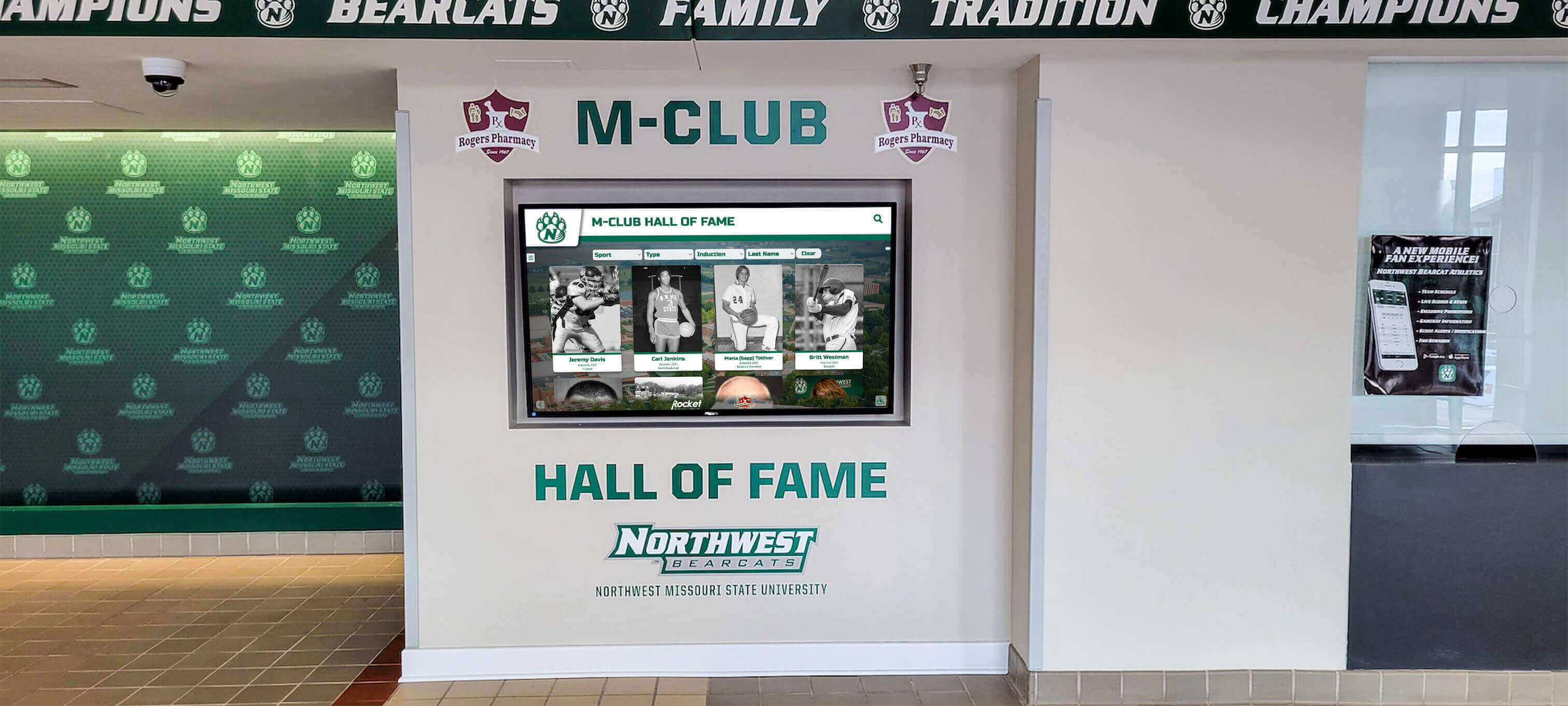
Integrating Theater Recognition with School-Wide Initiatives
Thespian Halls of Honor provide maximum value when integrated into broader institutional goals rather than operating as isolated drama department initiatives.
Supporting Recruitment and Program Growth
Visible theater recognition serves recruiting purposes at multiple levels:
Prospective Student Recruitment
Many talented students choose schools based on program strength and opportunities. A comprehensive Thespian Hall of Honor demonstrates:
- Program depth and production quality through historical archives
- Student achievement opportunities beyond simply performing
- Long-term commitment to theater arts and student recognition
- Technical theater capabilities and learning opportunities
- Alumni success stories and post-graduation pathways
Schools can incorporate digital school tour elements featuring theater recognition into prospective student visits, allowing families exploring programs to independently research production history and student achievements.
Internal Student Recruitment
Many successful theater students initially participated reluctantly or discovered theater by chance. Visible recognition encourages exploration:
- Hallway displays expose non-theater students to program opportunities
- Diverse achievement categories show multiple participation pathways
- Technical theater recognition attracts students who might not consider performing
- Historical documentation demonstrates inclusive, welcoming program culture
- Success story diversity shows theater develops skills valuable beyond performing
Alumni Engagement and Fundraising Support
Theater alumni often maintain strong emotional connections to their high school drama experiences. Digital recognition platforms leverage these connections effectively:
Alumni Connection and Update Submission
Web-accessible recognition enables alumni to:
- Search for their own productions and relive their theatrical memories
- Submit profile updates about current careers and life achievements
- Share production photos or materials from personal archives
- Nominate outstanding directors or mentors for special recognition
- Connect with former cast members and maintain friendships
Fundraising and Donor Recognition Integration
Theater programs often rely on booster clubs, ticket sales, and donations for costumes, sets, and production costs. Recognition displays can:
- Acknowledge donors supporting specific productions or equipment purchases
- Recognize businesses providing materials, spaces, or sponsorship
- Document community partnerships and collaboration achievements
- Demonstrate stewardship by showing how contributions enabled specific productions
- Create donor recognition strategies that connect giving directly to student opportunities
This integration transforms theater recognition from simple achievement celebration into a strategic asset supporting program sustainability and growth.
Supporting Theater Program Advocacy
Performing arts programs often face budget scrutiny or compete for resources with other school initiatives. Comprehensive recognition provides advocacy support:
Demonstrating Program Value and Impact
Data-rich recognition documents program scope and student participation:
- Total student participation numbers across multiple years
- Diversity of student involvement (performing, technical, leadership)
- Thespian Society membership and honor achievement statistics
- Competition successes and external recognition received
- Alumni career outcomes and skill transfer documentation
Showcasing Community Connections
Theater programs often serve broader communities beyond student participants:
- Audience attendance figures and community engagement metrics
- Partnership documentation with community theaters and arts organizations
- Student volunteer work teaching theater to younger students
- Community service productions or special performances
- Local business support and sponsorship relationships
This comprehensive documentation provides administrators and school board members with objective evidence supporting continued program investment and resource allocation.
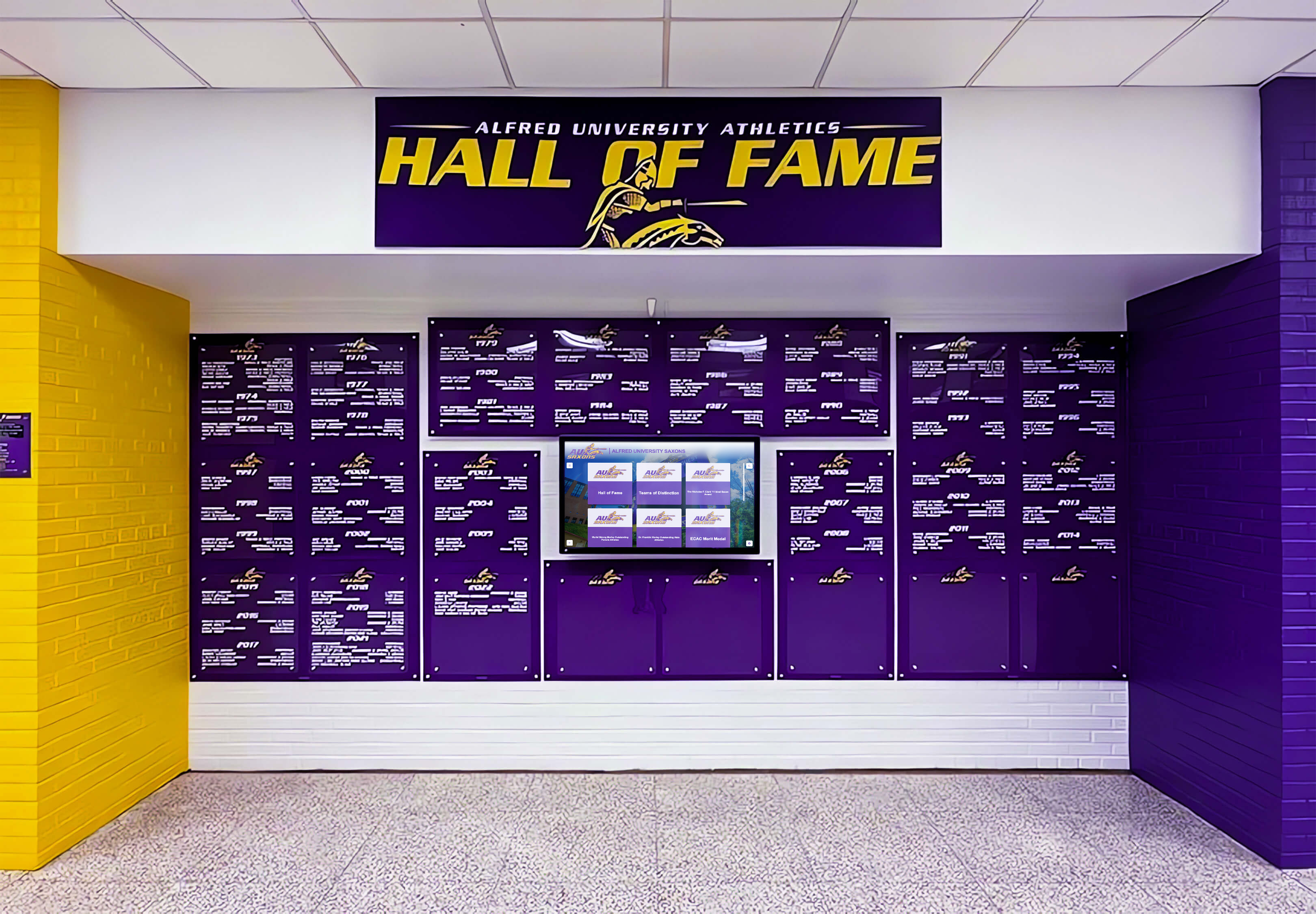
Maintaining and Growing Your Thespian Hall of Honor
Initial implementation represents just the beginning. Long-term success requires sustainable maintenance practices and strategic content growth planning.
Establishing Sustainable Update Workflows
Assign Clear Responsibilities
Successful programs establish specific ownership for recognition management:
- Drama director oversight of content accuracy and priorities
- Student leadership positions responsible for photo documentation
- Technical theater students managing behind-the-scenes content capture
- Administrative staff handling database management and updates
- Booster club volunteers contributing historical research and digitization
Create Production Documentation Protocols
Systematic processes ensure comprehensive documentation happens automatically:
Pre-Production Phase:
- Photograph all cast members for individual profile photos
- Document technical crew with behind-the-scenes photos
- Capture set design concepts and costume sketches
- Record production team members and their roles
During Production:
- Assign photographer for each performance capturing diverse moments
- Document technical elements (lighting states, sound operation, stage management)
- Record audience reactions and full house documentation
- Capture cast and crew together for group photos
Post-Production:
- Organize and select best photos for recognition display
- Gather any media reviews or special recognition received
- Collect student reflections or memorable moment stories
- Update individual student profiles with new production credits
These systematic processes prevent the common problem of incomplete documentation that occurs when recognition becomes an afterthought rather than an integrated production element.
Content Freshness Strategies
Static displays quickly become stale. Regular updates maintain engagement and relevance:
Rotating Featured Content
- Highlight current production information during show runs
- Feature “Thespian of the Month” spotlights rotating monthly
- Showcase “This Week in Theater History” throwback features
- Rotate technical theater spotlight features across specializations
- Display current Thespian Society point leaders and achievement progress
Seasonal Content Themes
- Fall semester: Season preview and audition encouragement
- Production periods: Behind-the-scenes content and ticket information
- Competition seasons: Team preparation and competition results
- Spring: Senior recognition and Thespian Society honor celebrations
- Summer: Theater camp information and alumni career spotlights
Anniversary and Milestone Content
- Production anniversaries (10 years since notable show)
- Troupe charter anniversaries and founding celebrations
- Director tenure milestones and program evolution
- Facility dedication anniversaries and improvement recognition
- Notable alumni career achievements and success stories
Regular content updates signal that theater recognition remains a living, active program component rather than a static historical archive.
Overcoming Common Theater Recognition Challenges
Drama directors implementing Thespian Halls of Honor commonly encounter predictable challenges. Understanding these obstacles and solution strategies ensures successful implementation.
Challenge: Limited Historical Documentation
Many programs lack comprehensive historical records due to material loss, staff turnover, or previous recognition gaps.
Solution Strategies:
Alumni Outreach Campaigns
- Social media calls for historical photos, playbills, and memories
- Reunion event attendance to gather materials and scan documents
- Alumni database outreach requesting specific production information
- Creation of “what do you remember” questionnaires for different eras
Community Resource Investigation
- Local newspaper archives often contain production reviews and photos
- School yearbook digitization efforts may include production coverage
- Community theater organizations might have historical connections
- Local libraries sometimes maintain community history collections
Accepting Imperfect Historical Coverage
Not every production requires equal documentation depth. Focus comprehensive coverage on:
- Recent productions where documentation readily exists
- Particularly significant or memorable productions worth research effort
- Productions during historical turning points in program development
- Shows featuring alumni who achieved notable success
Gaps in historical records shouldn’t prevent recognizing eras where documentation exists. Many programs build recognition incrementally as alumni contribute materials and research reveals historical information.
Challenge: Balancing Recognition Across Diverse Roles
Theater’s collaborative nature means dozens of students contribute to each production across vastly different role types.
Solution Strategies:
Equal Categorical Recognition
Ensure recognition structures value all contribution types equally:
- Technical theater achievements receive equal profile space as performing roles
- Leadership positions (stage management, student directors) get highlighted prominently
- Design roles (sets, costumes, lights, sound) feature complete portfolio documentation
- Ensemble and chorus members receive the same individual recognition as leads
Contribution-Based Rather Than Role-Based Recognition
Focus recognition on what students learned, accomplished, and contributed rather than hierarchical role importance:
- Document skill development and technical competencies gained
- Highlight problem-solving achievements and creative solutions
- Recognize mentorship of other students and leadership demonstration
- Celebrate progression from beginner to advanced skill levels
Multiple Recognition Pathways
Create diverse spotlight opportunities ensuring all students receive featured recognition:
- Rotating “technical theater spotlight” features
- “Costume/set/light design of the month” showcases
- Leadership position highlights and responsibilities documentation
- “Unsung hero” recognition for essential contributions not typically highlighted
This balanced approach reinforces theater’s collaborative nature while ensuring every participant receives meaningful recognition regardless of role type.
Challenge: Budget Constraints and Funding
Digital recognition systems require initial investment that may challenge drama program budgets.
Solution Strategies:
Phased Implementation Approaches
Programs can start smaller and expand over time:
- Begin with one modest-sized display in the performing arts area
- Launch with recent production focus and build historical content gradually
- Start with basic features and add advanced capabilities in future phases
- Expand to additional display locations as budget allows
Diverse Funding Source Development
Theater recognition funding can come from multiple sources beyond school operating budgets:
- Drama booster club fundraising designated for recognition projects
- Alumni giving campaigns specifically supporting program recognition
- Memorial donations honoring late directors, supporters, or students
- Production dedication sponsorships where donors fund recognition for specific shows
- Arts education grants from local foundations or corporate giving programs
- Capital improvement budgets if recognition ties to facility renovations
Demonstrating ROI and Value
Build support by connecting recognition to broader program benefits:
- Recruitment impact bringing more talented students into programs
- Alumni engagement improvements supporting fundraising potential
- Student retention in programs across multiple years
- Community visibility raising program profile and support
- Educational value preserving and teaching program history
Many administrators approve theater recognition investments when proposals demonstrate benefits extending beyond simple achievement celebration to strategic program advancement.
Measuring Success and Demonstrating Impact
Effective recognition programs establish metrics demonstrating value and informing ongoing improvement efforts.
Quantitative Success Indicators
Track objective metrics showing recognition system utilization and reach:
Physical Display Engagement
- Number of daily interactions with touchscreen displays
- Average interaction duration per session
- Most frequently searched content and popular features
- Peak usage times and traffic patterns
- Returning users versus first-time explorers
Web Platform Analytics
- Total visitors to online recognition portal
- Geographic distribution of viewers
- Content pages receiving the most views
- Social media sharing frequency and reach
- Alumni profile update submission rates
Program Participation Trends
- Theater program enrollment and audition numbers
- Thespian Society membership growth over time
- Technical theater participation increases
- Student retention across multiple productions
- Competition participation and achievement levels
Qualitative Success Indicators
Less measurable but equally important indicators include:
Community Feedback and Perception
- Administrator and school board comments about program visibility
- Parent feedback regarding student recognition and program value
- Student reports of pride and motivation from recognition
- Alumni expressions of connection and program appreciation
- Community member awareness and support of theater program
Cultural Impact Within School
- Increased respect for theater students among peer groups
- Greater understanding of technical theater complexity and importance
- Enhanced recruitment of diverse students into various theater roles
- Improved collaboration between theater and other school programs
- Recognition of theater skills as valuable beyond performing arts
Regular feedback collection through surveys, focus groups, and informal conversations helps programs understand recognition effectiveness and identify improvement opportunities.
Conclusion: Honoring the Complete Theatrical Journey
Theater education transforms students. The confidence developed through performing, the technical skills mastered backstage, the collaboration required for successful productions, and the creativity unleashed through artistic expression create lasting impacts that extend far beyond high school drama class.
These transformative experiences deserve recognition matching their significance. A comprehensive Thespian Hall of Honor ensures that theatrical achievements receive visibility, honor, and preservation equal to any other form of student excellence.
Whether recognizing International Thespian Society honors, documenting decades of memorable productions, celebrating technical theater mastery, or preserving program history, digital recognition displays provide flexible, engaging platforms that serve current students, honor alumni, and strengthen community connections.
Theater programs create magic on stage through the dedicated efforts of dozens of students working in diverse roles to create something larger than themselves. That collaborative achievement deserves recognition that tells the complete story—honoring every contributor, documenting every production, and preserving the theatrical legacy for generations to come.
Solutions like Rocket Alumni Solutions specialize in recognition platforms designed specifically for the unique needs of theater programs, making it easier than ever to create Thespian Halls of Honor that celebrate theatrical excellence comprehensively while creating engaging experiences that inspire the next generation of theater artists.
Ready to Honor Your Theater Program's Excellence?
Discover how digital recognition displays can transform how your school celebrates theatrical achievement. Explore comprehensive platforms specifically designed for drama program recognition needs.
Explore Theater Recognition Solutions






























