
Why Athletic Programs Are Adopting Interactive Touch Boards for Record Display
Walk through any high school athletic facility and you'll likely encounter faded record boards with peeling letters, displaying achievements from years past that haven't been updated since the last championship season. Athletic directors and coaches face constant frustration maintaining these static displays—ordering vinyl stickers, scheduling updates, watching costs accumulate, and knowing that outdated information diminishes rather than celebrates athletic excellence. Touch board displays for athletic records eliminate these challenges while creating dynamic, engaging experiences that inspire current athletes and honor past achievements comprehensively.
The transformation happening across athletic programs nationwide represents more than simple digitization of traditional record boards. Interactive touch board technology fundamentally changes how schools recognize achievement, engage athletes and fans, preserve program history, and manage recognition programs. From small community programs to large university athletic departments, institutions discover that touchscreen displays deliver superior results at lower long-term costs than conventional alternatives.
At Rocket Alumni Solutions, we’ve helped hundreds of athletic programs implement touch board systems that showcase excellence while simplifying administration. This comprehensive guide covers everything athletic directors, coaches, and administrators need to know about selecting, implementing, and maximizing the value of touch board displays for athletic records in 2025.
Understanding Touch Board Technology for Athletic Records
Touch board displays combine commercial-grade interactive hardware with specialized recognition software designed specifically for documenting and celebrating athletic achievement. Unlike static physical boards requiring manual updates, these systems enable instant modifications through cloud-based platforms accessible from any device.

Core Components of Touch Board Systems
Modern touch board installations include three integrated elements working together seamlessly:
Interactive Display Hardware: Commercial-grade touchscreens ranging from 43 to 86 inches provide the physical interface athletes and visitors interact with. These displays feature industrial components engineered for continuous operation in high-traffic environments, with typical operational lifespans exceeding 60,000 hours. Unlike consumer televisions, commercial touchscreens include proper thermal management, impact-resistant screens, and mounting systems designed for permanent athletic facility installation.

Recognition Software Platform: Specialized athletic recognition software enables intuitive organization of records by sport, season, athlete, team, and achievement type. The best platforms designed for athletic programs include templates specifically for various sports, accommodation for individual and team records, searchable databases enabling quick information location, and multimedia integration supporting photos, videos, and detailed statistics.
Content management systems allow athletic directors and coaches to update information remotely without technical expertise, ensuring records remain current throughout competitive seasons.
Network Connectivity and Infrastructure: Cloud-based systems require reliable internet connectivity enabling remote updates, automatic software maintenance, web-based access extending beyond physical displays, and real-time synchronization across multiple displays when programs operate multi-location installations.
How Touch Boards Differ from Traditional Record Boards
The advantages of interactive touch board systems over traditional static displays extend across multiple dimensions:
Update Process: Traditional boards require ordering custom plates or vinyl letters, coordinating installation with maintenance staff, paying for each update cycle, and accepting delays between record-breaking performances and display updates. Touch board systems enable instant updates through simple web interfaces accessible from phones, tablets, or computers. When an athlete breaks a record during Friday’s competition, the display can reflect that achievement before Saturday morning arrives.
Capacity and Scope: Physical record boards display only what fits within available wall space, forcing difficult decisions about which achievements deserve recognition and which must be archived. Touch board systems accommodate unlimited records across all sports, achievement categories, and time periods without space constraints, enabling comprehensive recognition impossible with traditional approaches.
Engagement and Interaction: Static boards offer passive viewing experiences—visitors glance at information and move on. Interactive touch boards invite active exploration through search functions enabling quick athlete or record location, filtering options showing specific sports, years, or achievement types, multimedia content including photos, videos, and detailed statistics, and comparison features showing how current performances relate to historical records.
Research on digital record boards for high schools demonstrates that interactive systems generate 5-10 times longer engagement periods compared to traditional displays, creating deeper connections with athletic program excellence.

Key Benefits Touch Boards Deliver for Athletic Programs
Interactive touch board displays provide measurable improvements across multiple dimensions of athletic program management and recognition.
Eliminating Recurring Update Costs
Traditional record board maintenance creates perpetual expenses accumulating significantly over years:
- Custom vinyl letters and plates cost $3-8 per character depending on size and finish
- Professional installation services charge $200-400 per update session
- Rush orders for immediate championship updates add 75-150% premium charges
- Replacement board sections cost $300-800 when capacity limits are reached
- Annual maintenance expenses typically total $800-3,000 for active multi-sport programs
Touch board systems eliminate these recurring costs entirely. Once installed, updates cost nothing beyond the few minutes required to enter information through user-friendly interfaces. Athletic programs typically recover initial investment within 2-4 years through eliminated update expenses alone, with subsequent years representing pure cost savings.
Beyond direct cost avoidance, athletic directors report reclaiming 20-30 hours annually previously spent coordinating record board updates—time redirected toward program development, athlete support, and community engagement.
Creating Powerful Motivational Impact
Contemporary athletes expect interactive digital experiences throughout their lives. Touch board displays meet these expectations while creating measurable motivational effects:
Accessible Achievement History: Athletes can quickly search and view records in their sport, identifying specific targets for improvement and understanding the performance levels required for record-setting excellence. The ability to explore complete statistical contexts makes goals tangible rather than abstractly aspirational.
Visual and Multimedia Context: Photo galleries, video highlights, and detailed performance breakdowns bring records to life beyond simple numbers. Seeing footage of previous record holders’ performances creates concrete examples that statistics alone cannot provide, helping current athletes visualize the excellence they’re pursuing.
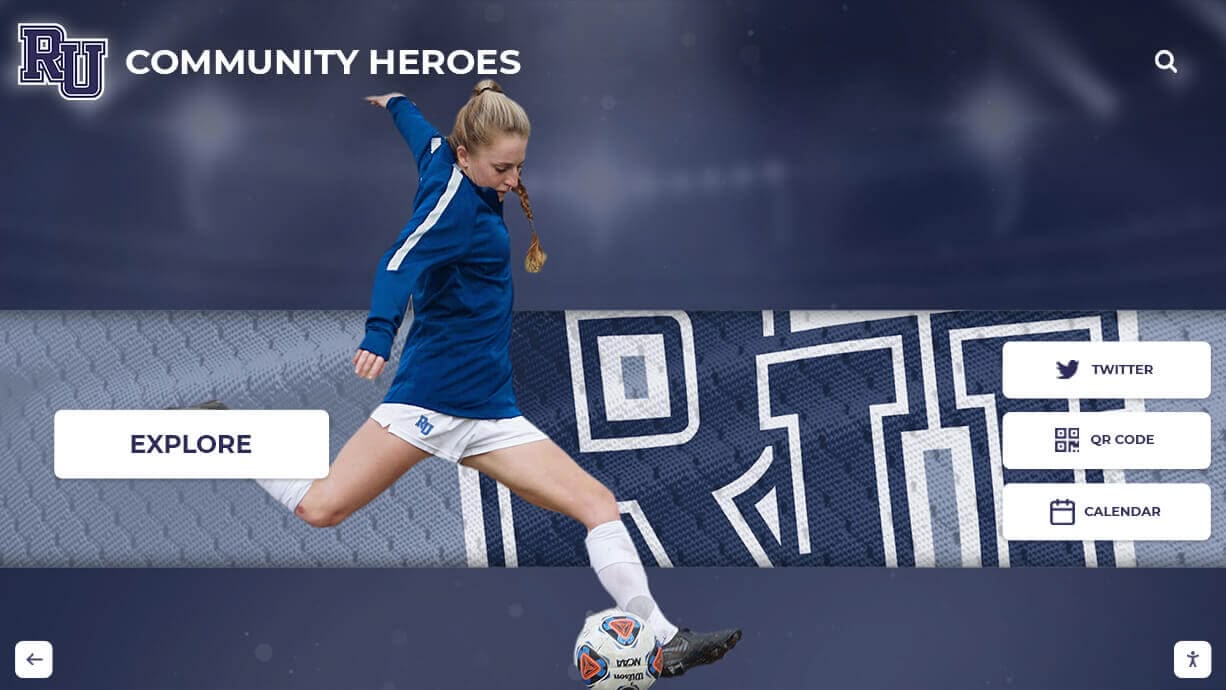
Social Recognition and Sharing: Many touch board systems include QR codes or web access enabling athletes to share achievements through social media, extending recognition beyond physical facility boundaries. This amplified acknowledgment enhances motivational impact while promoting programs to broader communities.
Historical Progression Visibility: Interactive displays can show how records have evolved over time, helping athletes understand improvement trends and competitive contexts. Seeing that today’s freshman record would have been a varsity record a generation ago provides perspective encouraging continued development.
Studies examining the psychology of athletic recognition and student performance document measurable improvements in training dedication and competitive results when athletes have clear visibility into achievement standards and recognition systems.
Expanding Recognition Capacity
Comprehensive athletic recognition requires documenting:
- Individual event records across 15-30 sports programs
- Team season records including championships, win-loss statistics, and tournament results
- Historical milestones documenting program firsts and facility records
- Current season statistics and real-time standings
- Multi-year progression showing improvement trends
- Coaching achievements and career milestones
Traditional boards cannot accommodate this volume without consuming entire gymnasium walls. Touch board systems display everything within single touchscreen interfaces, with intuitive navigation enabling immediate access to any information category.
This unlimited capacity allows programs to expand recognition beyond varsity athletics:
- Junior varsity and freshman team achievements
- Academic honors for student-athletes
- Community service and leadership recognition
- Multi-sport athlete acknowledgment
- Coaching staff career statistics and milestones
- Program supporter and booster recognition

Simplifying Content Management
Athletic directors juggle countless responsibilities beyond maintaining record displays. Touch board systems dramatically reduce administrative burden through:
Remote Access and Updates: Modify records from home, office, or even competition venues using any internet-connected device. No need to schedule facility access, coordinate with maintenance personnel, or work around building availability constraints.
Bulk Import and Batch Processing: Upload entire seasons of statistics or convert historical records from spreadsheets through bulk import tools. Digitizing decades of program history takes hours instead of weeks using efficient batch processing capabilities.
Scheduled Publishing: Prepare content in advance and schedule automatic publication on specific dates. Set up end-of-season championship recognition, senior acknowledgment features, or historical anniversary content to appear automatically without manual intervention at busy times.
Role-Based Permissions: Grant appropriate access levels to assistant coaches, team managers, student workers, or statistics coordinators. Delegate routine updates while maintaining administrative approval requirements for major changes, creating efficient workflows without sacrificing oversight.
Modern touchscreen software platforms designed specifically for athletic recognition require minimal technical expertise while providing robust content management capabilities that non-technical staff can master quickly.
Enhancing Facility Professionalism
Athletic facilities serve as recruitment showcases, community gathering spaces, and sources of institutional pride. Touch board displays contribute to professional, modern environments that:
Impress Visitors and Prospects: Prospective student-athletes, their families, opposing teams, and community members form impressions about program quality partly through facility appearance. Interactive digital displays signal investment in excellence and technological sophistication that distinguishes programs from competitors.
Maintain Visual Consistency: Unlike traditional boards accumulating visual inconsistencies as updates occur over years with different fonts, colors, and materials, digital displays present information in uniform, professionally designed templates maintaining brand standards indefinitely.
Adapt to Facility Changes: When facilities undergo renovations or rebranding initiatives, digital content updates to match new color schemes, logos, and design directions without physical replacement costs. Simple template modifications ensure recognition displays remain visually integrated with evolving facility aesthetics.
Complement Modern Architecture: Contemporary displays integrate cleanly into both modern and traditional athletic facility designs. Mounting options including wall installation, freestanding kiosks, or custom architectural enclosures enable integration matching specific facility characteristics and design preferences.

Selecting the Right Touch Board System for Your Program
Athletic programs face numerous options when implementing touch board displays. Understanding key decision factors ensures selecting systems meeting both immediate needs and long-term objectives.
Display Size and Configuration Considerations
Screen size significantly impacts viewing experience, appropriate placement, and overall effectiveness:
43-50 Inch Displays work well for confined spaces with viewing distances under 12 feet. These compact options fit hallway installations, training rooms, or auxiliary gymnasiums where wall space is limited. Typical investment ranges from $4,500-7,000 including hardware, software, basic installation, and initial setup.
55-65 Inch Displays represent the most popular choice for athletic facilities. These mid-range screens provide excellent visibility from 12-25 feet while fitting standard wall spaces in gymnasiums, field houses, and main entrances. Investment typically ranges from $7,000-12,000 installed with comprehensive software capabilities.
70-86 Inch Displays create dramatic visual impact in large gymnasiums, field houses, or prominent entrance lobbies. Viewing distances up to 40 feet maintain readability with appropriately sized content. These premium installations range from $15,000-25,000 depending on features, mounting complexity, and software customization.
Multi-Display Configurations combine multiple screens for comprehensive coverage across large facilities or separate recognition categories (athletics, academics, hall of fame). Costs scale with display quantity plus coordination technology enabling synchronized content management across locations.
Consider primary viewing distances, available mounting space, and budget constraints when selecting appropriate sizes. Bigger isn’t always better—properly sized displays with excellent content outperform oversized screens with sparse information.
Mounting and Installation Options
Display mounting affects both aesthetics and functionality:
Wall Mount Installation: Direct mounting to structural walls provides clean integration with minimal floor space requirements. Requires solid backing capable of supporting 100-250 pounds depending on screen size. Electrical and network connections route through walls for hidden, professional appearance. Wall mounting works well when structural walls are available in optimal viewing locations.
Freestanding Kiosk Systems: Self-contained floor stands include all mounting hardware, cable management, and often decorative enclosures matching program branding. Kiosks excel when wall mounting isn’t feasible or when mobility is desired for special events. Higher visibility profile but greater placement flexibility than wall mounting.
Custom Architectural Enclosures: Surrounds integrate displays into facility design through materials matching existing finishes—wood, metal, composite, or custom combinations. Custom enclosures create premium appearances justifying investment for main lobby or entrance locations where displays serve as facility focal points.
Protective Housing for High-Impact Areas: Gymnasium walls or locations near playing surfaces benefit from reinforced enclosures protecting screens from athletic equipment. Polycarbonate shields or recessed mounting prevents accidental damage while maintaining touch functionality and visibility.
Proper installation requires electrical outlets within 8 feet, network connectivity (wired Ethernet strongly preferred over WiFi), and structural support adequate for display weight. Most installations complete within 6-10 hours depending on complexity and site preparation requirements.
Software Platform Evaluation Criteria
The software powering touch board displays determines long-term usability, maintenance requirements, and overall value. Evaluate platforms based on:
Ease of Use: Can non-technical athletic staff update content without extensive training or IT support? Look for drag-and-drop interfaces, clear navigation, intuitive workflows, and comprehensive but accessible documentation. Request demonstration accounts testing administrative functions before committing to specific platforms.
Sport-Specific Features: Does the platform include pre-built templates and organization structures for your specific sports? Ready-made layouts for basketball, football, track and field, swimming, and other common sports save hours of design work and ensure proper statistical presentation.
Search and Navigation: Can athletes and visitors quickly find specific information? Robust search functionality, intelligent filtering by sport/year/athlete/achievement, and logical content organization make comprehensive databases accessible rather than overwhelming.
Multimedia Integration: Does the system support photos, videos, documents, and other rich media beyond text? High-quality visual content creates engaging experiences, but requires platforms with appropriate file format support, adequate storage capacity, and intuitive media management tools.
Mobile and Web Access: Can content be accessed beyond physical displays through smartphones, tablets, and computers? Web-based viewing extends recognition reach dramatically, enabling athletes to share achievements with family, friends, and social networks regardless of physical proximity to athletic facilities.
Analytics and Insights: Does the platform track usage patterns, popular content, search queries, and engagement metrics? Understanding which content receives attention helps optimize future updates and demonstrates recognition program value through quantifiable engagement data.
Support and Training: What assistance does the vendor provide during implementation and ongoing operation? Comprehensive onboarding, responsive technical support, regular software updates, and continuing education ensure smooth long-term operation even as staff members change.
Specialized platforms like those from Rocket Alumni Solutions focus exclusively on educational and athletic recognition, providing more relevant features than generic digital signage software adapted for sports applications.
Content Development Planning
Touch board displays require initial content development establishing foundations for ongoing success:
Historical Records Digitization: Converting existing records from physical boards, filing cabinets, media guides, and program archives takes time. Budget 30-50 hours for comprehensive historical data entry depending on program size, sports offered, and record complexity. Many programs prioritize recent records for initial launch while systematically adding historical content over subsequent months.
Photo and Media Collection: Quality athlete photos, team images, and action shots enhance visual appeal significantly. Gather high-resolution images from yearbooks, photographer archives, media coverage, and personal collections. Professional photography of current athletes creates consistency for ongoing additions and establishes quality standards.
Statistical and Biographical Content: Detailed athlete profiles include achievements beyond basic records—names, years, sports, specific accomplishments, post-graduation achievements, and brief biographical information create compelling narratives. Well-written content transforms simple statistics into engaging stories connecting current athletes with program history.
Video and Multimedia Production: Highlight videos, recorded interviews, and audio clips require production resources beyond still photography. Start with photos and text, adding multimedia enhancements over time as capabilities develop. Many programs repurpose existing video from competitions, ceremonies, and media coverage rather than producing original content specifically for recognition displays.
Quality Control and Verification: Clear, concise, error-free content reflects program professionalism. Assign proofreading responsibilities to qualified personnel or commission professional writing services ensuring quality and consistency. Establish verification procedures requiring multiple sources confirming records before publication, preventing embarrassing errors that undermine credibility.
Phased content development approaches work well—launching with current season information and recent records while gradually backfilling historical content over subsequent years as time and resources permit.
Implementation Best Practices for Touch Board Success
Successful touch board implementations follow proven processes maximizing value while minimizing challenges and complications.
Planning Phase Fundamentals
Thorough planning prevents expensive mid-project changes and ensures systems meet stakeholder expectations:
Stakeholder Engagement: Include athletic directors, head coaches, facilities managers, IT personnel, and administrators in planning discussions. Each group brings essential perspectives on requirements, constraints, priorities, and practical considerations affecting implementation success.
Clear Goals Definition: Clarify what success looks like through specific, measurable objectives. Goals might include reducing annual update costs by specified amounts, improving athlete engagement with program history, enhancing facility aesthetics and modern appeal, expanding recognition capacity to include all achievement levels, or strengthening community connections through accessible athletic history.
Comprehensive Budget Development: Account for initial hardware costs, software licensing fees, professional installation services, content development time and resources, training for administrative staff, and ongoing maintenance and support. Plan for 10-15% contingency covering unforeseen expenses that commonly arise during implementation.
Optimal Location Selection: Identify placement balancing maximum visibility, appropriate accessibility, available electrical and network infrastructure, and aesthetic integration. High-traffic areas like main gymnasium entrances, lobby spaces, or training facility entries maximize engagement while communicating program priorities.
Realistic Timeline Establishment: Allow adequate time for equipment ordering, content development, installation coordination, and staff training. Most implementations complete within 10-14 weeks from purchase decision to fully operational launch, though timelines vary based on content complexity and customization requirements.
Professional Installation and Setup
Expert installation ensures systems function reliably and present professionally:
Site Preparation Verification: Confirm electrical outlets, network connections, and structural support meet requirements before scheduled installation dates. Address any deficiencies proactively avoiding delays, additional costs, or compromised installation quality.
Professional Installation Services: Experienced technicians ensure secure mounting meeting manufacturer specifications and safety standards, proper cable management creating clean appearances, correct display positioning at appropriate heights and angles, and complete testing verifying all functionality before considering installation complete.
Network Configuration and Testing: Coordinate with IT personnel ensuring displays connect to appropriate networks with adequate security settings and bandwidth allocation. Test connectivity thoroughly, verify remote access capabilities, and document configuration for future reference and troubleshooting.
Software Configuration and Content Upload: Set up content management systems, create administrator accounts with appropriate permissions, establish organizational structures matching your sport and category preferences, and upload initial content. Verify all displays function correctly, interactive features work properly, and content appears as intended before formal launch.
Comprehensive Quality Inspection: Review installation completeness, screen calibration and color accuracy, content display quality and readability, interactive touch functionality and responsiveness, and overall aesthetic appearance. Document any issues requiring attention before final acceptance and payment.

Training and Launch Strategies
Proper training ensures staff can manage systems effectively long after installation teams depart:
Administrator Training Sessions: Provide hands-on instruction covering content updates and modifications, user account management and permissions, system settings and customization, common troubleshooting procedures, and vendor contact information for technical support. Record training sessions for future reference and new staff onboarding.
Comprehensive Documentation: Maintain guides covering all routine tasks, technical support contact information, troubleshooting procedures for common issues, and best practices for content creation. Keep both digital and printed copies accessible to administrative staff who will manage systems regularly.
Ceremonial Launch Events: Generate excitement and awareness through unveiling during halftime of major competitions, at pep rallies or team celebrations, during special athletic department recognition events, or as part of facility dedication ceremonies. Publicize new displays to students, parents, alumni, and community members through announcements, social media campaigns, website features, and printed materials.
Active Promotion and Encouragement: Ensure the athletic community knows about and understands the new resource through repeated mentions at team meetings and practices, demonstrations during parent nights and booster meetings, social media posts highlighting specific features and content, and encouragement for athletes to explore their sports’ records.
Guidance on implementing digital recognition displays helps programs avoid common mistakes that reduce effectiveness and require costly corrections after initial launch.
Content Strategies for Maximum Engagement
The most successful touch board displays combine comprehensive information with engaging presentation that captures and holds attention:
Athletic Records Organization
Logical content organization makes extensive information accessible rather than overwhelming:
Sport-Based Primary Navigation: Organize content first by sport (football, basketball, track and field, swimming, soccer, etc.) with clear labels and recognizable iconography. Alphabetical ordering works well for programs with many sports, while grouping by season (fall, winter, spring) may suit programs preferring seasonal organization.
Record Type Secondary Organization: Within each sport, organize by record category—individual records, team records, championships, season statistics, career achievements. Consistent structure across all sports helps users understand navigation patterns quickly, reducing learning curves and enabling intuitive exploration.
Historical Period Tertiary Organization: Enable viewing by decade, era, or all-time perspectives. “Current Season” alongside “All-Time Records” provides both contemporary relevance and historical context, engaging current athletes while honoring program legacy.
Achievement Level Filtering: Separate or filtered views for varsity, junior varsity, and freshman accomplishments ensure all competitive levels receive appropriate recognition. Athletes competing at any level should see themselves valued as contributors to overall program excellence.
Well-organized content enables visitors to locate specific information within 10-15 seconds—the threshold beyond which frustration increases and engagement drops significantly.
Balancing Statistics with Stories
Numbers alone don’t create emotional connections. The most compelling touch board displays integrate:
Contextual Information: Beyond listing record times, distances, or scores, explain significance. “First athlete to run sub-11-second 100m in school history” means more than “10.94 seconds.” Help viewers understand why particular achievements represent meaningful milestones worthy of special recognition.
Athlete Profile Development: Brief biographical information humanizes statistics—where did athletes attend college, what careers did they pursue, what inspired their athletic dedication? Personal details create connections beyond raw performance data, making records more memorable and meaningful.
Achievement Narratives: Describe circumstances surrounding record-breaking performances. Close competitions, adverse conditions, overcoming injuries, or other contextual details make achievements more compelling than bare statistics. “Set record despite competing with injured ankle” adds dimension that pure numbers lack.
Coach Perspectives: Brief quotes from coaches provide insider perspectives on significant accomplishments. “This team demonstrated dedication I’d never witnessed before” adds credibility and depth to championship recognition beyond simple win-loss records.
Visual Documentation: Action photos from record-setting performances or championship competitions help viewers visualize achievements. Historical images showing facility and uniform evolution add interesting context while documenting program development over time.
Platforms enabling comprehensive digital recognition with multimedia provide tools for rich storytelling transcending simple data display limitations.
Maintaining Current and Relevant Content
Touch board displays lose impact when information becomes stale or outdated. Maintain strong engagement through:
Immediate Record Updates: Add new records and achievements within 24-48 hours of occurrence. Timely recognition maximizes motivational impact while information remains fresh in athletic community awareness. Prompt updates demonstrate that recognition systems are actively maintained and valued.
Weekly Season Statistics: Update current season standings, statistics, and results weekly during competition seasons. Athletes check displays regularly when content reflects ongoing performance and competitive contexts, creating habits of engagement that persist beyond individual seasons.
Featured Content Rotation: Highlight different sports, achievements, or historical moments on regular cycles. Monthly or quarterly rotation maintains reasons for repeat visits while showcasing diverse accomplishments across comprehensive athletic programs. Consider seasonal rotation emphasizing currently active sports.
Ongoing Historical Additions: Gradually expand historical content beyond initial launch. Add previously undocumented achievements discovered through research, enhance existing records with newly found photos or stories, or supplement basic statistics with richer contextual details as information becomes available.
Prompt Error Corrections: Address inaccuracies immediately when discovered. Maintaining information integrity builds trust and credibility essential for respected recognition programs. Quick corrections demonstrate commitment to accuracy and attention to community feedback.
Pre-Season Preparation: Update record displays before each sport season begins, refreshing athletes’ awareness of targets to pursue and creating excitement for upcoming competition. Current record awareness at season start encourages goal-setting and focused improvement efforts.

Overcoming Common Implementation Challenges
Programs implementing touch board displays encounter predictable obstacles. Anticipating these challenges and preparing solutions increases success probability significantly.
Budget Constraint Strategies
Many athletic departments face tight budgets making significant technology investments challenging:
Phased Implementation Approaches: Start with single displays in highest-traffic locations, demonstrating value before expanding to additional screens. Proof of concept justifies subsequent investment more easily than theoretical benefits, building support through visible success.
Fundraising Integration: Present touch board displays as naming opportunities for donors. “The Johnson Family Athletic Recognition Display” creates legacy opportunities supporting necessary program improvements. Prominent recognition of donors on displays themselves provides ongoing appreciation for contributions.
Booster Club Partnership: Athletic booster organizations often fund facility improvements and technology upgrades. Touch board displays enhancing athlete motivation and facility professionalism align perfectly with booster priorities. Present comprehensive proposals showing benefits for athlete development and program prestige.
Grant Opportunities: Education technology grants, community foundation funding, and state athletic association programs sometimes support digital recognition investments. Research available funding sources before assuming complete self-funding requirements. Many programs successfully offset costs through strategic grant applications.
Total Cost of Ownership Analysis: When presenting budget requests, compare comprehensive long-term costs rather than just initial investment. Include eliminated vinyl letter costs, reduced installation service expenses, avoided replacement board costs, and administrative time savings. Multi-year financial analysis often shows touch boards cost less than maintaining traditional systems while delivering superior results.
Schools implementing effective fundraising strategies with recognition components often find touch board displays generate donor enthusiasm when presented as visible, lasting program improvements creating legacy opportunities.
Technical Expertise Gaps
Not every athletic director possesses extensive IT background, creating concern about managing technical systems:
User-Friendly Platform Selection: Choose software designed specifically for non-technical users. The best platforms require no coding knowledge, minimal computer literacy beyond basic email and web browsing, and intuitive interfaces that feel familiar to anyone who’s used smartphones or tablets.
Comprehensive Vendor Support: Prioritize vendors providing thorough initial training, responsive ongoing technical support, clear written and video documentation, and proactive communication about updates or improvements. Quality support compensates for limited in-house technical expertise.
IT Department Collaboration: Involve school technology staff in planning, network configuration, and initial setup while athletic staff manages ongoing content. IT teams handle technical infrastructure while athletic personnel focus on recognition content—leveraging appropriate expertise for different aspects of system management.
Student Assistant Programs: Technology-oriented students can assist with content development and routine updates under appropriate supervision. Media production classes, technology clubs, or work-study students gain valuable experience while reducing athletic department administrative burden.
Gradual Learning Approach: Start with simple updates building confidence before attempting complex features. Most platforms require mastering only 4-6 basic functions for 90% of routine tasks. Advanced capabilities remain available but aren’t necessary for effective system operation.
Staff Turnover Continuity
Athletic director transitions create knowledge gaps potentially undermining effective system management:
Comprehensive Documentation: Maintain detailed written procedures covering all routine tasks, stored in multiple accessible locations. Include login credentials (securely), vendor contact information, common troubleshooting steps, and rationale for organizational decisions ensuring new staff understand not just what to do but why systems work as configured.
Multiple Trained Personnel: Train assistant coaches, athletic secretaries, activities directors, or other consistent staff alongside primary administrators. Redundant knowledge prevents single-person dependencies that create vulnerabilities when individuals leave.
Vendor Transition Support: Establish service agreements including onboarding assistance for new staff. Quality vendors provide training for incoming athletic directors as part of ongoing support, ensuring knowledge transfer during transition periods.
Simplified Standard Procedures: The easier content management is, the more likely practices continue through staff changes. Prioritize simplicity over advanced features during platform selection, ensuring new staff can become proficient quickly without extensive training.
Content Accuracy and Verification
Displaying incorrect information damages credibility and creates controversy within athletic communities:
Rigorous Verification Procedures: Establish review processes requiring multiple independent sources confirming records before publication. Cross-reference program archives, newspaper records, state association records, and existing documentation. Never publish questioned records without thorough verification.
Clear Correction Protocols: Create transparent procedures for addressing questioned information. Investigate concerns promptly, correct errors immediately upon confirmation, document verification sources for contested records, and communicate resolution clearly to all stakeholders.
Incremental Publication Strategy: Launch with well-documented recent records where verification is straightforward. Gradually add historical content as thorough research confirms accuracy, rather than publishing questionable information creating subsequent embarrassment and lost credibility.
Community Input Solicitation: Invite information and corrections from alumni, retired coaches, community historians, and others with institutional memory. Many people appreciate contributing to historical preservation efforts and possess unique knowledge unavailable through official records.
Appropriate Disclaimers: Acknowledge that historical records may contain gaps or uncertainties. “Verified school records as of [date]” or “Best available information from program archives” sets appropriate expectations while maintaining credibility when perfect certainty isn’t achievable for distant historical periods.
Comprehensive approaches to organizing and maintaining athletic records help programs establish accurate, defensible information foundations supporting credible recognition systems.

Measuring Success and Demonstrating Value
Demonstrate touch board value through both quantitative metrics and qualitative feedback establishing clear return on investment:
Quantitative Performance Metrics
Track measurable indicators of system performance and program impact:
Usage Analytics: For systems with built-in tracking, monitor unique visitors and interaction frequency, average session duration showing engagement depth, popular content revealing what resonates most, peak usage times informing optimal update scheduling, and search patterns indicating what information users seek most frequently. Increasing engagement over time indicates growing awareness and perceived value.
Cost Savings Documentation: Calculate eliminated expenses for vinyl letters, custom plates, and installation services, avoided costs for replacement board sections and expansions, administrative time savings valued at appropriate hourly rates, and total cumulative savings demonstrating financial return on investment. Most programs document full ROI within 3-5 years through avoided traditional maintenance costs alone.
Administrative Efficiency: Track hours previously spent on manual updates now available for higher-value activities, reduced processing time from record-breaking to display update, decreased coordination effort with maintenance and external vendors, and simplified seasonal preparation requiring less intensive pre-season work.
Recognition Expansion: Measure increased number of athletes recognized compared to traditional systems, expanded achievement categories now documented comprehensively, historical records added that physical displays couldn’t accommodate, and total content volume demonstrating comprehensive recognition scope.
Qualitative Assessment and Feedback
Gather subjective feedback revealing perceived value beyond quantifiable metrics:
Athlete Feedback Collection: Survey student-athletes about awareness of records in their sports, motivation derived from visible achievement targets, satisfaction with how program recognizes accomplishment, and whether displays influence training goals and competitive objectives. Positive athlete responses indicate motivational impact justifying recognition investments.
Coach Perspectives: Coaches notice whether athletes discuss records frequently, set achievement goals based on displayed targets, reference historical performances in competitive contexts, and demonstrate pride in program traditions. Coach observations provide insider perspectives on cultural impact difficult to quantify through formal metrics.
Parent and Family Reactions: Parents attending competitions comment on facility improvements, express appreciation for visible recognition of student achievements, share display content through social media and personal networks, and form more positive impressions of overall program quality. Family satisfaction influences broader community perception significantly.
Visitor Impressions: Opposing teams, prospective students, college recruiters, and community members form opinions about program quality partly through facility presentation. Professional displays contribute to positive impressions that affect recruiting, community support, and institutional reputation.
Alumni Engagement: Former athletes often interact with displays during return visits, exploring their own records and program developments since graduation. Alumni interest and emotional connection to program history indicates lasting recognition value extending beyond current athlete populations.
Future Trends in Athletic Recognition Technology
Understanding emerging capabilities helps programs select systems remaining relevant and effective for years:
Enhanced Interactive Capabilities
Next-generation platforms will offer increasingly sophisticated interaction:
Voice Navigation: “Show me all football rushing records” enables hands-free browsing particularly valuable when athletes have equipment or gear. Voice control accommodates users preferring verbal to touch interaction while improving accessibility for individuals with certain physical limitations.
Gesture Control: Wave-based or proximity-sensitive controls complement touchscreen input, reducing physical contact concerns while creating engaging “magic” interactions that appeal to younger generations familiar with gesture-based gaming and device interfaces.
Personalized Recognition: Systems recognizing individual users through student ID cards, mobile devices, or facial recognition could display personalized achievement histories, goal progress, and relevant training recommendations. Personalization increases relevance and engagement by showing each athlete information most meaningful to them specifically.
Social Media Integration: Direct posting to Instagram, Twitter, Facebook, or TikTok from displays enables instant sharing of accomplishments with broader networks. Seamless social integration amplifies recognition reach while encouraging athletes to promote programs organically through personal channels.
Gamification Elements: Achievement badges, progress bars toward records, comparative statistics, and leaderboards across multiple categories can enhance motivational impact through game-like mechanics familiar from video games and apps. Competitive visualization encourages pursuit of records as engaging challenges.
Expanded Content Integration
Future touch board displays will accommodate increasingly rich content:
Live Statistics Feeds: Automatic updates from scoring systems, timing equipment, or statistical platforms eliminate manual data entry while ensuring real-time accuracy. Direct integration with competition management systems means records update automatically moments after achievement.
Embedded Video Highlights: Full game footage, specific play clips, or championship moments embedded directly in displays bring static records to life. Video integration transforms recognition from information display to multimedia storytelling platform engaging viewers emotionally.
Virtual Reality Extensions: 360-degree perspectives allowing viewers to “experience” championship moments or record-setting performances from athlete viewpoints. VR integration could enable immersive experiences connecting current athletes to historic moments in unprecedented ways.
Historical Comparison Visualizations: Animated graphics showing how current performances compare to historical achievements, helping contextualize improvement and competitive standards. Dynamic visualizations make abstract statistical comparisons concrete and immediately understandable.
Augmented Reality Companion Apps: Mobile applications overlaying additional information, statistics, or media when viewing displays through smartphones or tablets. AR extensions could enable visitors to see 3D trophy recreations, athlete statistics, or historical photos layered over physical displays.
Artificial Intelligence Applications
AI technologies will enable increasingly sophisticated capabilities:
Automated Content Generation: Systems analyzing statistical data and automatically generating achievement summaries, record comparisons, and narrative descriptions—dramatically reducing content creation time while maintaining quality. AI writing assistance could help time-constrained athletic directors maintain comprehensive, well-written content.
Predictive Performance Analytics: Identifying athletes approaching records based on current performance trends, season trajectories, and historical improvement patterns. Predictive features create anticipation and focus attention on potential upcoming record-breaking performances.
Natural Language Query Interfaces: Conversational interactions understanding complex questions like “Who holds the most individual records across all sports?” or “Show me every state champion we’ve had.” Natural language processing makes sophisticated database queries accessible to anyone regardless of technical knowledge.
Automated Photo Tagging: Image recognition automatically identifying athletes in team photos, dramatically reducing manual tagging effort while improving searchability. AI-powered identification eliminates hours of tedious work currently required for comprehensive photo organization.
Engagement Optimization: Machine learning analyzing usage patterns and automatically recommending content improvements, optimal update timing, or featured content selections likely to generate high engagement based on historical community interaction patterns.
Programs implementing forward-looking recognition strategies position themselves to adopt emerging technologies as capabilities mature and costs decline, maintaining competitive advantages through technological leadership.

Conclusion: Transforming Athletic Recognition Through Interactive Touch Boards
Touch board displays for athletic records represent far more than technological upgrades to outdated physical systems. They fundamentally transform how athletic programs recognize achievement, motivate current athletes, engage alumni and community, and manage recognition programs. The transition from static boards to interactive touchscreen systems delivers measurable benefits in cost reduction, administrative efficiency, engagement quality, motivational impact, and recognition comprehensiveness.
For athletic directors facing ongoing frustration with traditional record board maintenance, touch board solutions eliminate recurring update expenses, reduce time burdens dramatically, and ensure information remains current without constant intervention. For coaches seeking to motivate athletes toward excellence, interactive displays make records accessible and visible while providing comprehensive context inspiring goal-setting and competitive improvement. For administrators managing athletic facilities, modern recognition displays contribute to professional environments impressing visitors and demonstrating institutional commitment to honoring achievement appropriately.
The programs achieving greatest success with touch board displays share common characteristics: thorough planning addressing technical and logistical requirements, appropriate technology selection matching specific program needs and constraints, quality content development establishing strong foundations, effective staff training ensuring confident ongoing management, and consistent maintenance keeping systems current and relevant. These implementations become lasting program assets delivering value for decades while adapting to evolving needs through simple content updates rather than expensive physical renovations.
Key Takeaways for Athletic Programs:
- Touch board displays eliminate $800-3,000 in annual update costs while reclaiming 20-30 hours of administrative time
- Interactive systems engage viewers 5-10 times longer than static boards, creating stronger motivational impact
- Unlimited digital capacity enables comprehensive recognition across all sports, levels, and time periods without space constraints
- Cloud-based management enables updates from any device in minutes rather than hours or days
- Professional installations typically complete within 10-14 weeks and recover costs within 3-5 years
- Purpose-built athletic recognition platforms outperform generic digital signage adapted to sports applications
- Comprehensive content combining statistics with stories creates emotional connections inspiring current athletes
- Web accessibility extends recognition reach beyond physical facilities to global alumni and supporter networks
Whether your program operates single-sport focused systems or comprehensive multi-sport athletic departments, whether budget allows immediate comprehensive implementation or requires phased approaches, touch board displays offer scalable solutions matching specific needs while delivering proven value. The technology has matured, costs have declined, and thousands of successful implementations across athletic programs demonstrate reliable benefits and achievable results.
The question isn’t whether touch board displays benefit athletic programs—evidence overwhelmingly confirms they do. The question is whether your program will lead this transformation or continue managing inefficiencies and limitations of traditional approaches while peer institutions move forward with superior recognition solutions.
For athletic directors ready to eliminate frustration with outdated record boards while creating recognition experiences truly motivating student-athletes, Rocket Alumni Solutions provides comprehensive touch board platforms designed specifically for athletic programs. Our systems combine intuitive content management, engaging interactive experiences, flexible hardware configurations, and ongoing support ensuring successful implementations serving programs for years to come.
Explore how basketball record boards, track and field record systems, football recognition displays, and comprehensive multi-sport platforms are transforming athletic programs nationwide.






















