
Academic achievement deserves meaningful recognition that inspires continued excellence and motivates every student to reach their full potential. Traditional honor roll displays—whether printed lists on bulletin boards, names on plaques, or announcements in school newsletters—often fail to capture the excitement and significance of academic success. Students work hard for months to earn honor roll status, yet their recognition frequently feels impersonal, temporary, or easily overlooked.
Touch board technology is transforming how schools celebrate honor roll achievement by creating interactive, engaging recognition experiences that students, families, and visitors can explore. These digital systems replace static lists with dynamic displays featuring photos, detailed achievement information, searchable databases, and multimedia content that brings academic success to life. When honor roll recognition becomes interactive and visually compelling, it creates stronger motivation, deeper family engagement, and lasting documentation of student excellence.
Modern touch boards for honor roll recognition offer capabilities impossible with traditional approaches: unlimited capacity to recognize every achieving student regardless of space constraints, dynamic updates that keep recognition current throughout the school year, engaging interactive features that invite exploration rather than passive viewing, comprehensive achievement details beyond simple name lists, and web accessibility extending recognition beyond campus to reach families anywhere. These advantages make digital touch boards an increasingly popular choice for schools seeking to elevate their academic recognition programs.

Interactive touch boards transform honor roll recognition from static lists to engaging exploration experiences
Why Traditional Honor Roll Recognition Falls Short
Understanding the limitations of conventional approaches helps illustrate why many schools are transitioning to interactive touch board systems.
Space Constraints Limit Recognition
Physical display space creates artificial restrictions on honor roll recognition:
Forced Selectivity
- Limited wall space may force schools to display only highest achievement levels
- Some schools rotate recognition by grade level or marking period
- Historical honor roll lists must be removed to make room for current achievers
- Multiple achievement tiers compete for limited display area
- Growing student populations exceed available recognition space
Visibility Challenges
- Bulletin boards tucked in hallways receive minimal traffic
- Small print makes names difficult to read from distance
- Cluttered displays with dense text discourage engagement
- Poor placement reduces how many people see recognition
- Competition with other posted materials for attention
Schools facing these space limitations often recognize fewer students than deserve acknowledgment or resort to less visible formats like website lists that generate minimal engagement.
Static Displays Become Outdated Quickly
Traditional honor roll recognition struggles to remain current:
Update Challenges
- Reprinting and reposting lists requires time and resources
- Physical updates demand staff time for design and installation
- Delays between achievement and recognition reduce motivational impact
- Mistakes require complete reprinting of materials
- Multiple marking periods create accumulating maintenance burden
Lack of Engagement
- Static lists offer no interaction or exploration
- Dense text format provides minimal visual appeal
- No searchability forces scanning entire lists to find specific names
- Missing photos or additional information limits connection
- Recognition feels impersonal and generic
By the time traditional honor roll displays are updated, the recognition may feel dated to students who earned achievement weeks earlier.
Limited Information and Context
Traditional formats provide minimal achievement detail:
Bare Minimum Recognition
- Usually only student names without additional context
- No distinction between achievement levels or improvement
- Missing information about specific courses or grades
- Lack of photos preventing personal connection
- No opportunity for achievement stories or context

Traditional honor roll displays provide limited information and minimal visual engagement
Missed Storytelling Opportunities
- Cannot explain what honor roll achievement represents
- No context about academic rigor or requirements
- Missing connection to school values around excellence
- Lack of motivational messaging for other students
- Inability to celebrate improvement alongside absolute achievement
This minimal approach fails to communicate the significance of honor roll achievement or inspire other students toward similar success.
Poor Family and Alumni Engagement
Traditional recognition limits who can celebrate achievement:
Access Limitations
- Only campus visitors see physical honor roll displays
- Families must visit school to view recognition
- Alumni cannot access current honor roll information
- Extended family members may never see achievement acknowledgment
- Geographic distance prevents many from viewing recognition
Sharing Challenges
- No easy way for students to share honor roll recognition
- Families cannot forward recognition to relatives
- Social media sharing requires separate photography
- No digital records accessible for future reference
- Recognition doesn’t extend beyond physical display
These limitations mean that many people who would celebrate student achievement never become aware of honor roll success, reducing the recognition’s motivational and relationship-building potential.

Traditional displays limit who can access and celebrate honor roll achievement
Touch Board Advantages for Honor Roll Recognition
Interactive touch board systems address every limitation of traditional approaches while adding powerful new capabilities.
Unlimited Recognition Capacity
Digital recognition displays eliminate space as a constraining factor:
Comprehensive Achievement Coverage
- Single display can showcase thousands of honor roll students
- Multiple achievement tiers coexist without competing for space
- Historical honor roll archives preserve past achievement
- Every marking period receives equal recognition prominence
- Growing enrollment doesn’t require additional display space
A typical 55-inch touch board can comfortably display detailed profiles for 500+ students per marking period, with capacity to store complete honor roll history spanning decades. Schools never need to choose which achievements to display or remove older recognition to accommodate new honorees.
Multiple Achievement Categories
- High honor roll for highest achievement levels
- Honor roll for strong academic performance
- Honorable mention or improvement recognition
- Subject-specific academic excellence
- Perfect attendance combined with academic success
- Character and citizenship alongside academics
This comprehensive capacity ensures every deserving student receives appropriate recognition regardless of how many students achieve honor roll status in any given period.
Dynamic Real-Time Updates
Touch board systems make honor roll recognition continuously current:
Instant Recognition Updates
- Cloud-based content management enables immediate additions
- New honor roll students appear as soon as verified
- Corrections and updates take minutes rather than days
- Multiple marking periods coexist with clear organization
- Automated scheduling can reveal recognition on specific dates
Schools using digital recognition systems report updating honor roll displays in 10-15 minutes compared to hours or days required for traditional approaches.
Seasonal Content Adaptability
- Welcome back messages at school year start
- Congratulations for first marking period achievers
- Midyear progress recognition
- Final quarter achievement celebrations
- Summer recognition for graduating honor students
Dynamic content keeps displays fresh and relevant throughout the academic year while maintaining connection to current school activities and celebrations.

Touch boards enable instant honor roll updates through intuitive content management systems
Engaging Interactive Experiences
Touch board interactivity transforms passive viewing into active exploration:
Intuitive Navigation
- Touch, swipe, and scroll through honor roll students naturally
- Search functionality locates specific students instantly
- Filter by grade level, achievement tier, or marking period
- Alphabetical browsing organized for easy exploration
- Category navigation between different recognition types
Students actively seek their names on touch boards rather than passively scanning static lists, creating engagement that extends viewing time from seconds to several minutes.
Rich Multimedia Content
- Student photos personalizing recognition
- Achievement details showing specific GPA or grades
- Marking period or cumulative recognition
- Improvement indicators celebrating growth
- Video congratulations from teachers or administrators
- Audio pronunciations for student names
These multimedia elements create recognition that feels personal and meaningful rather than generic list inclusion, as detailed in comprehensive guides to student recognition programs.
Gamification and Discovery Elements
- Achievement milestones (consecutive honor roll quarters)
- Historical comparisons showing honor roll trends
- Class rankings or percentages (when appropriate)
- Goal progress visualization toward future recognition
- Related achievements connecting to other recognition
These engaging features make honor roll displays destinations rather than passive bulletin boards, creating positive traffic and conversation around academic excellence.
Comprehensive Achievement Profiles
Touch boards enable detailed recognition impossible with traditional formats:
Detailed Student Profiles
- Professional or school photos creating personal connection
- Current grade level and academic program
- Specific GPA or achievement criteria met
- Subject-specific excellence highlights
- Consecutive honor roll quarter tracking
- Improvement stories when relevant
- Teacher or counselor comments (when available)
- Future academic goals or college aspirations
This depth transforms honor roll recognition from name mention to celebration of complete academic journey and achievement story.
Achievement Context and Explanation
- Clear criteria explaining honor roll qualification
- Distinction between different achievement levels
- Context about academic rigor and requirements
- Connection to school mission and values
- Motivational messaging for aspiring students
- Resources supporting academic success
Comprehensive information helps viewers understand what honor roll achievement represents and inspires other students to pursue similar recognition.

Touch boards enable comprehensive achievement profiles beyond simple name lists
Web Accessibility and Family Engagement
Touch board systems extend honor roll recognition far beyond campus:
Remote Access Capabilities
- Web-based viewing from any internet-connected device
- Mobile-optimized interfaces for smartphone access
- 24/7 availability for convenient family viewing
- Global access for relatives anywhere in world
- Alumni connections to current student achievement
Interactive recognition displays with web accessibility receive 5-10x more total views than physical-only displays, dramatically expanding achievement celebration.
Social Sharing Integration
- One-click sharing to social media platforms
- Shareable links to specific student profiles
- Email notification options for honor roll recognition
- Downloadable certificates or recognition images
- Family group sharing capabilities
Easy sharing transforms honor roll recognition from isolated school announcement to community-wide celebration involving extended family, neighbors, family friends, and broader social networks.
Parental Engagement Features
- Email alerts when students achieve honor roll
- Progress tracking across marking periods
- Historical achievement archives
- Comparison to school-wide statistics (when appropriate)
- Resources supporting continued academic success
These engagement features strengthen family-school partnerships around academic achievement and help parents actively support student success.
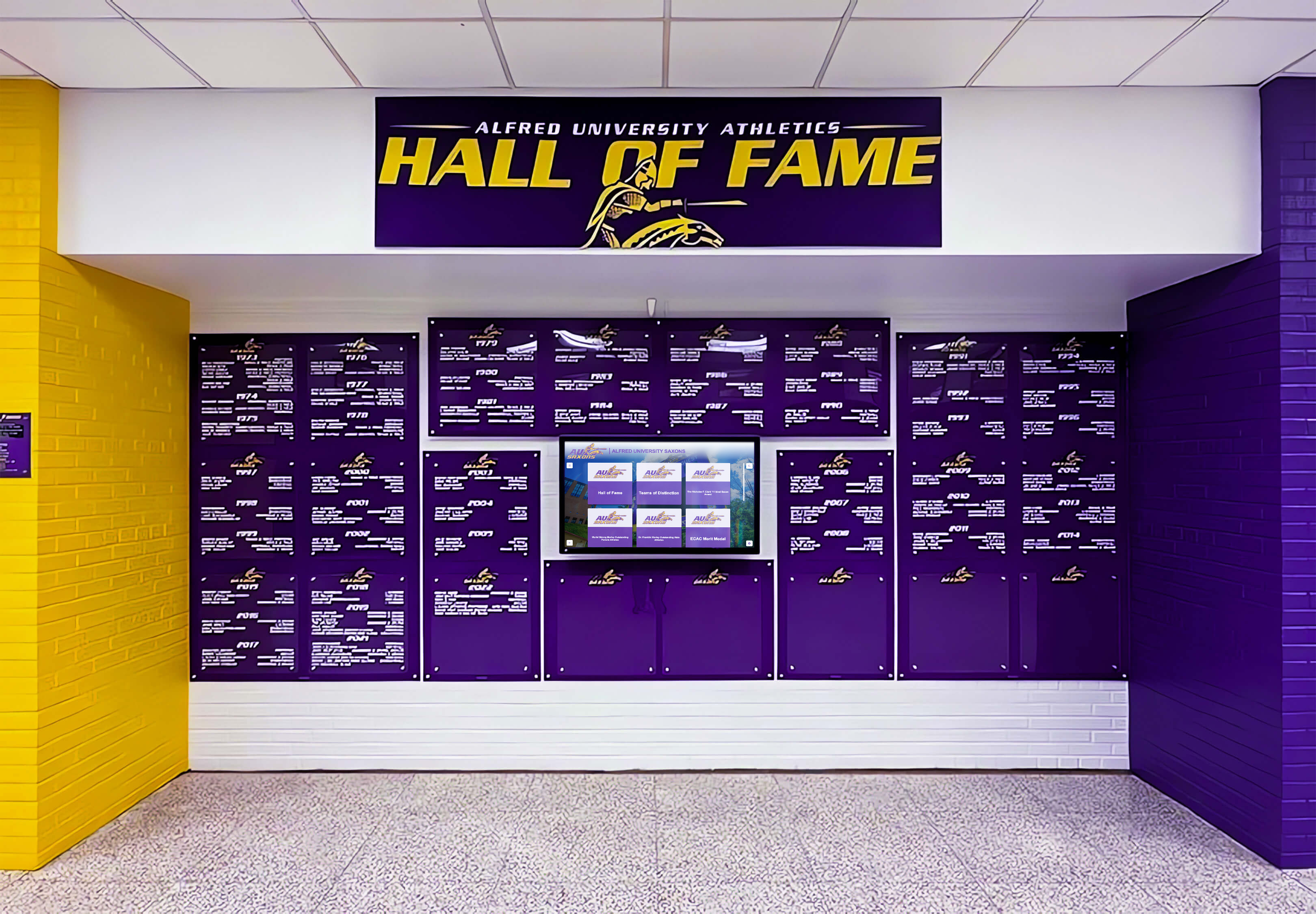
Web-accessible touch boards enable families anywhere to celebrate honor roll achievement
Implementing Touch Board Honor Roll Systems
Successful implementation requires thoughtful planning across several key dimensions.
Strategic Display Placement
Location dramatically impacts recognition effectiveness:
High-Traffic Location Priorities
- Main entrance or lobby visible to all visitors
- Common areas where students congregate
- Near guidance or administrative offices
- Cafeteria or student gathering spaces
- Athletic facility entrances balancing academic and athletic recognition
Ideal placement ensures maximum visibility while creating positive association between location and academic celebration. Many schools install multiple displays showing the same honor roll content in different high-traffic areas.
Viewing Experience Considerations
- Appropriate mounting height for comfortable interaction
- Adequate space for multiple simultaneous viewers
- Good lighting avoiding screen glare
- Comfortable standing area without blocking traffic
- Proximity to seating when possible
- ADA-compliant accessible positioning
Thoughtful placement creates inviting recognition experiences rather than awkward viewing situations, as explored in guides to digital display placement strategies.
Content Organization and Structure
Logical organization makes honor roll exploration intuitive:
Achievement Tier Organization
- Clear hierarchy from highest to standard achievement
- Consistent terminology across all materials
- Visual distinction between recognition levels
- Explanation of qualification criteria for each level
- Appropriate weight to different achievement types
Well-organized content helps students quickly locate themselves while understanding the full range of academic recognition available.
Marking Period Management
- Current marking period featured most prominently
- Easy navigation to previous quarters or semesters
- Year-to-date cumulative honor roll
- Historical archive of past years
- Clear date labeling avoiding confusion
Marking period organization maintains currency while preserving historical achievement, as detailed in guides to updating and maintaining digital recognition displays.
Search and Filter Functionality
- Name search with auto-complete
- Grade level filtering
- Achievement tier filtering
- Marking period selection
- Subject-specific excellence when tracked
- Alphabetical browsing as backup
Powerful search and filtering ensure every viewer can quickly find specific students or explore categories of interest.

Intuitive organization and navigation make honor roll exploration effortless
Content Management and Update Processes
Efficient processes ensure recognition remains current:
Streamlined Update Workflows
- Cloud-based management requiring no on-site access
- Bulk import from student information systems
- Individual student addition for corrections
- Template-based profiles ensuring consistency
- Role-based permissions for appropriate staff access
- Approval workflows when multiple stakeholders involved
Modern content management systems require no technical expertise, enabling guidance counselors, administrative staff, or designated teachers to manage updates efficiently.
Data Integration Opportunities
- Direct connections to student information systems
- Automated grade import reducing manual entry
- Integration with report card systems
- Connection to attendance databases
- Links to college planning platforms
- Synchronization with school websites
Integration eliminates redundant data entry while ensuring accuracy and reducing administrative burden, as detailed in comprehensive guides to digital asset management for schools.
Quality Control Procedures
- Verification of achievement criteria application
- Student name and information accuracy checks
- Photo quality and appropriateness review
- Consistency across all profiles
- Testing navigation and search functionality
- Preview before publishing changes
Quality processes ensure honor roll recognition reflects positively on both students and school while avoiding embarrassing errors.
Privacy and Permission Considerations
Honor roll recognition requires attention to student privacy:
Photo and Information Permissions
- Annual media release forms from families
- Specific honor roll recognition opt-out options
- Respect for families declining public recognition
- Age-appropriate information sharing
- Compliance with district privacy policies
- Special consideration for protected students
Comprehensive permission systems enable broad recognition while respecting family preferences and protecting student privacy.
Public vs. Internal Access
- Determination of which content appears publicly vs. internally
- Authentication for sensitive information access
- Distinction between on-campus display and web access
- Parent portal integration for family-specific information
- Protection of personally identifiable information
Thoughtful access controls balance broad celebration with appropriate privacy protection, ensuring compliance with educational privacy regulations like FERPA.
Enhancing Honor Roll Recognition Effectiveness
Beyond basic implementation, strategic approaches maximize recognition impact.
Multi-Tiered Recognition Systems
Comprehensive systems recognize various achievement levels:
Achievement Level Distinctions
- Presidential honor roll for highest achievement (4.0+ GPA)
- High honor roll for excellent performance (3.5-3.99 GPA)
- Honor roll for solid achievement (3.0-3.49 GPA)
- Honorable mention for significant improvement
- Subject-specific excellence awards
- Balanced achievement recognizing all-around performance
Multi-tiered systems ensure students at various achievement levels receive appropriate recognition while maintaining distinction between different accomplishment levels, as explored in comprehensive student recognition strategies.
Improvement Recognition
- Most improved students by marking period
- GPA growth regardless of absolute level
- Subject-specific improvement awards
- Attendance improvement alongside academics
- Recovery from academic difficulties
- Consistent effort recognition
Improvement recognition motivates students working toward honor roll status while celebrating growth mindset and persistence.
Connecting Honor Roll to Broader Recognition
Integration creates comprehensive achievement celebration:
Academic Award Integration
- Subject-specific department awards
- Academic competition achievements
- Advanced Placement or honors program recognition
- National Honor Society membership
- Academic letter program connections
- Scholarship recipient acknowledgment
Comprehensive integration shows honor roll as part of broader academic excellence recognition rather than isolated program, as detailed in guides to top academic achievements for recognition.
Character and Citizenship Connections
- Scholar-leader recognition combining academics and character
- Service hour tracking alongside academic achievement
- Citizenship award integration
- Attendance excellence combined with grades
- Positive behavior recognition
- Well-rounded student celebration
Balanced recognition communicates that schools value who students are alongside what they achieve academically.
Athletic and Arts Recognition Balance
- Student-athlete academic achievement
- Arts student honor roll celebration
- Recognition showing diverse pathways to success
- Cross-program achievement acknowledgment
- Balanced display space across achievement types
Integration ensures academic recognition receives prominence equal to athletic and arts achievement rather than secondary status, as explored in guides to showcasing diverse student accomplishments.

Integrated systems celebrate academic achievement alongside athletic and artistic excellence
Motivational Content and Messaging
Strategic messaging amplifies recognition impact:
Aspirational Messaging
- “Join your classmates on the honor roll”
- “Hard work pays off”
- Clear pathways to honor roll achievement
- Study tips and academic success resources
- Tutoring and support program information
- Growth mindset messaging
Motivational content transforms displays from retrospective recognition to forward-looking inspiration encouraging future achievement.
Statistical Context (When Appropriate)
- Percentage of students achieving honor roll
- Grade level comparison showing opportunities
- Historical trends demonstrating improvement
- Connection to college readiness indicators
- Links to post-secondary success
- Celebration of school-wide academic growth
Contextual information helps students understand achievement within broader picture while celebrating collective progress, though care should be taken to ensure statistics motivate rather than discourage.
Teacher and Administrator Recognition
- Congratulatory messages from principals or superintendents
- Teacher acknowledgment of student effort
- Counselor pride in achievement
- Department chair celebration of success
- Alumni reflections on honor roll impact
- Community leader congratulations
Messages from respected figures add weight and significance to honor roll recognition while strengthening relationships.
Ceremony and Event Integration
Physical events amplify digital recognition:
Honor Roll Celebration Events
- Marking period recognition ceremonies
- Certificate or medal distribution
- Honor roll breakfasts or receptions
- Family celebration events
- Photo opportunities at touch board displays
- Guest speaker or motivational presentations
Events create memorable moments while directing attention to ongoing digital recognition, as detailed in guides to student recognition programs and ceremonies.
Launch and Promotion Activities
- Touch board unveiling ceremony
- First honor roll reveal on new system
- Student ambassador program explaining features
- Parent information sessions
- Teacher professional development
- Community showcase events
Strategic launch activities build awareness and excitement around enhanced honor roll recognition while teaching community members how to engage with new systems.
Measuring Honor Roll Recognition Impact
Assessment demonstrates value and guides improvement:
Quantitative Engagement Metrics
Digital Interaction Data
- Number of touch board interactions daily
- Average engagement time per session
- Search query patterns revealing interests
- Most viewed student profiles
- Filter usage showing exploration patterns
- Social sharing frequency and reach
Analytics from digital systems provide objective data about how community members engage with honor roll recognition.
Web Access Statistics
- Unique visitors to web-based honor roll
- Geographic distribution of access
- Device types used for viewing
- Time spent on honor roll pages
- Return visitor frequency
- Peak usage times and patterns
Web analytics extend understanding beyond physical display interaction to capture complete recognition reach.
Recognition Program Participation
- Honor roll achievement rates by marking period
- Grade level participation patterns
- Demographic distribution of recognition
- First-time honor roll achievers
- Consecutive honor roll achievement
- Year-over-year trend analysis
Participation data reveals whether recognition systems successfully celebrate diverse student achievement.
Qualitative Impact Assessment
Stakeholder Surveys and Feedback
- Student perception of honor roll recognition
- Family satisfaction with achievement celebration
- Teacher observations of student motivation
- Administrator assessment of program effectiveness
- Community awareness and appreciation
- Alumni reflection on recognition impact
Qualitative feedback captures experiences and perceptions that quantitative data cannot measure.
Cultural and Motivational Indicators
- Student goal-setting around honor roll achievement
- Academic support program utilization
- Peer culture around academic achievement
- Family engagement in academic progress
- School pride related to academic excellence
- Prospective family perception during tours
These indicators reveal whether honor roll recognition successfully contributes to positive academic culture and student motivation.

Successful recognition creates visible engagement and excitement around academic achievement
Technology Selection for Touch Board Honor Roll
Choosing appropriate technology ensures successful implementation:
Hardware Considerations
Display Specifications
- Screen size appropriate for viewing distance (43-65 inches typical)
- Commercial-grade displays rated for continuous operation
- High resolution ensuring sharp text readability (minimum 1080p)
- Responsive multi-touch capability for intuitive interaction
- Adequate brightness for ambient lighting conditions
- Durable construction for high-traffic school environments
- Mounting options (wall-mounted or freestanding kiosk)
Quality hardware provides reliability essential for recognition displays representing school values and commitment to students, as detailed in comprehensive hardware selection guides.
Infrastructure Requirements
- Reliable power supply with surge protection
- Network connectivity (wired preferred over wireless)
- Physical security preventing theft or vandalism
- Adequate ventilation for heat dissipation
- Professional installation ensuring stability
- Backup and redundancy provisions
Proper infrastructure ensures consistent performance with minimal maintenance requirements.
Software Platform Requirements
Essential Platform Capabilities
- Intuitive content management requiring no coding
- Responsive touch-optimized interface
- Powerful search and filtering capabilities
- Cloud-based architecture enabling remote management
- Regular automatic updates and security patches
- Comprehensive multimedia support
- Mobile and web accessibility
- Analytics and reporting features
Purpose-built recognition platforms from providers like Rocket Alumni Solutions typically offer advantages over generic digital signage solutions adapted for recognition, as explored in touchscreen software comparison guides.
Honor Roll-Specific Features
- Student profile templates optimized for academic recognition
- Bulk import from common student information systems
- Marking period and academic year organization
- Achievement tier categorization
- Search and filter specifically designed for student exploration
- Privacy controls appropriate for educational settings
- Integration with existing school technology ecosystems
Platforms designed for educational recognition understand unique requirements around student achievement celebration and privacy protection.
Cost Considerations and ROI
Understanding investment requirements helps with planning and justification:
Initial Implementation Investment
Technology and Installation Costs
- Display hardware: $2,500-$8,000 depending on size and quality
- Computer system: $500-$1,500 for reliable performance
- Software platform: $2,000-$6,000 for setup and customization
- Professional installation: $1,000-$3,000 including mounting and configuration
- Initial content development: $1,000-$3,000 for setup and training
- Total Initial Investment: $7,000-$21,500
Implementation costs vary based on display size, sophistication, customization requirements, and whether schools choose wall-mounted or freestanding kiosk configurations. Many schools phase implementation starting with single display and expanding based on success.
Funding Strategies
- General operating budget allocation
- Parent organization fundraising
- Community business sponsorships
- Alumni association contributions
- Educational foundation grants
- Bond or capital improvement funds
- Naming opportunities for major donors
Honor roll recognition often appeals to community supporters valuing academic excellence, creating natural fundraising opportunities.
Ongoing Operational Costs
Annual Operating Investment
- Software licensing and support: $800-$2,500 annually
- Content management and updates: Minimal with internal staff
- Hardware maintenance and repairs: $200-$500 annually
- Electricity and connectivity: $100-$300 annually
- Annual Ongoing Investment: $1,100-$3,300
Operational costs remain modest compared to initial investment, particularly when schools utilize existing staff for content management rather than requiring external support.
Return on Investment
Time Savings
- 85% reduction in honor roll update time
- Elimination of printing and physical posting
- Automated bulk updates from student databases
- Remote management reducing trips to physical displays
- Self-service family access reducing information requests
Time savings translate to staff capacity redeployed to higher-value activities supporting student achievement.
Enhanced Engagement Value
- 5-10x increase in honor roll recognition views
- Extended family engagement strengthening school relationships
- Enhanced student motivation toward academic achievement
- Improved school culture around academic excellence
- Competitive advantage in enrollment marketing
While harder to quantify financially, engagement benefits create significant value through improved culture, relationships, and motivation.
Space and Material Savings
- Elimination of bulletin board space requirements
- No ongoing printing costs for honor roll lists
- Reduced paper and toner consumption
- Space reallocation to other purposes
- Elimination of physical storage for historical records
These savings accumulate over time, typically resulting in break-even within 3-4 years while delivering superior recognition experiences.

Comprehensive cost-benefit analysis demonstrates strong ROI for touch board honor roll systems
Best Practices for Touch Board Honor Roll Programs
Successful implementations follow proven approaches:
Inclusive Achievement Recognition
Ensuring Broad Participation
- Clear, achievable criteria for different achievement levels
- Recognition of improvement alongside absolute achievement
- Subject-specific excellence for different strengths
- Grade-level appropriate expectations
- Effort and citizenship recognition alongside grades
- Support resources helping students achieve honor roll
Inclusive approaches ensure honor roll represents realistic goal for diverse students rather than exclusive club for natural high achievers.
Avoiding Negative Impacts
- Sensitivity to students facing challenges
- Balance between celebration and pressure
- Recognition of effort regardless of outcomes
- Support for students who narrowly miss recognition
- Growth mindset messaging around achievement
- Connection to resources supporting improvement
Thoughtful programs celebrate achievement while maintaining supportive environment for all students at various performance levels.
Timely Recognition
Rapid Update Cycles
- Honor roll posted within days of marking period end
- Regular progress updates when appropriate
- Real-time corrections of errors or omissions
- Immediate recognition of special achievements
- Synchronization with report card distribution
Timely recognition maximizes motivational impact while honoring achievement when most meaningful to students.
Communication and Promotion
Building Awareness
- Launch announcements through multiple channels
- Ongoing promotion in newsletters and communications
- Parent information about accessing honor roll online
- Student orientation to touch board features
- Staff training on recognition system
- Community media coverage of enhanced recognition
Comprehensive communication ensures all stakeholders know about and utilize enhanced honor roll recognition, maximizing program impact.
Conclusion: Transforming Honor Roll Recognition
Academic achievement represents the core mission of every school, yet honor roll recognition in many institutions fails to convey the significance and inspiration that student success deserves. Touch board technology transforms honor roll from forgettable printed lists to engaging, interactive experiences that celebrate achievement comprehensively while motivating continued excellence.
By eliminating space constraints that limit recognition, enabling real-time updates that keep honor roll current, creating interactive experiences that engage students and families, providing comprehensive achievement details beyond simple name lists, and extending access beyond campus through web connectivity—touch board systems elevate honor roll recognition to match the importance schools place on academic excellence.
Ready to Transform Your Honor Roll Recognition?
Discover how Rocket Alumni Solutions can create an engaging touch board system that celebrates every achieving student and motivates academic excellence throughout your school.
Schedule Your ConsultationSchools implementing touch board honor roll systems report increased student motivation toward academic achievement, enhanced family engagement with school academic programs, improved school culture around academic excellence, more efficient recognition processes saving staff time, and competitive advantages in enrollment marketing demonstrating commitment to student success. These benefits combine to create compelling return on investment while better serving schools’ fundamental mission of educating students.
Honor roll recognition serves purposes beyond acknowledging past achievement—it inspires future excellence, strengthens family-school partnerships, documents institutional commitment to academics, and creates culture where achievement receives appropriate celebration. Touch board technology ensures this vital recognition achieves its full potential impact.
Whether your school currently posts honor roll lists on bulletin boards, announces names during assemblies, or publishes recognition in newsletters—touch board systems offer significant enhancement that transforms how your community celebrates and engages with academic achievement. The technology has reached a point where implementation is accessible for schools of all sizes, with intuitive management requiring no technical expertise and flexible configurations fitting various budgets and needs.
Ready to elevate your honor roll recognition? Explore interactive student recognition solutions or learn more about comprehensive approaches to highlighting student accomplishments that celebrate achievement while inspiring excellence. Your achieving students deserve recognition that matches their hard work—touch board technology delivers that meaningful celebration while building stronger school culture around academic success.





















