Music programs need meaningful ways to recognize excellence just like athletic departments celebrate championship teams. When talented students demonstrate exceptional musical ability, leadership, and dedication—earning membership in Tri-M Music Honor Society—their accomplishments deserve visibility that extends far beyond brief announcements or certificates tucked away in folders.
Tri-M (Modern Music Masters) represents the music education equivalent of National Honor Society, yet many schools struggle to give these exceptional musicians the recognition their achievements warrant. While athletic trophies fill cases and academic honor roll students receive prominent displays, music honor society members often receive comparatively minimal visibility, sending unintended messages about institutional priorities.
This comprehensive guide explores proven strategies for creating Tri-M Music Honor Society recognition programs that celebrate musical excellence appropriately, inspire younger students to pursue similar achievements, and build thriving music program cultures where artistic accomplishment receives celebration equal to any other form of success.
Effective Tri-M recognition creates systems ensuring these prestigious honors remain visible throughout school communities year-round, providing continuous inspiration while building institutional cultures that value comprehensive excellence across academics, athletics, and arts equally.
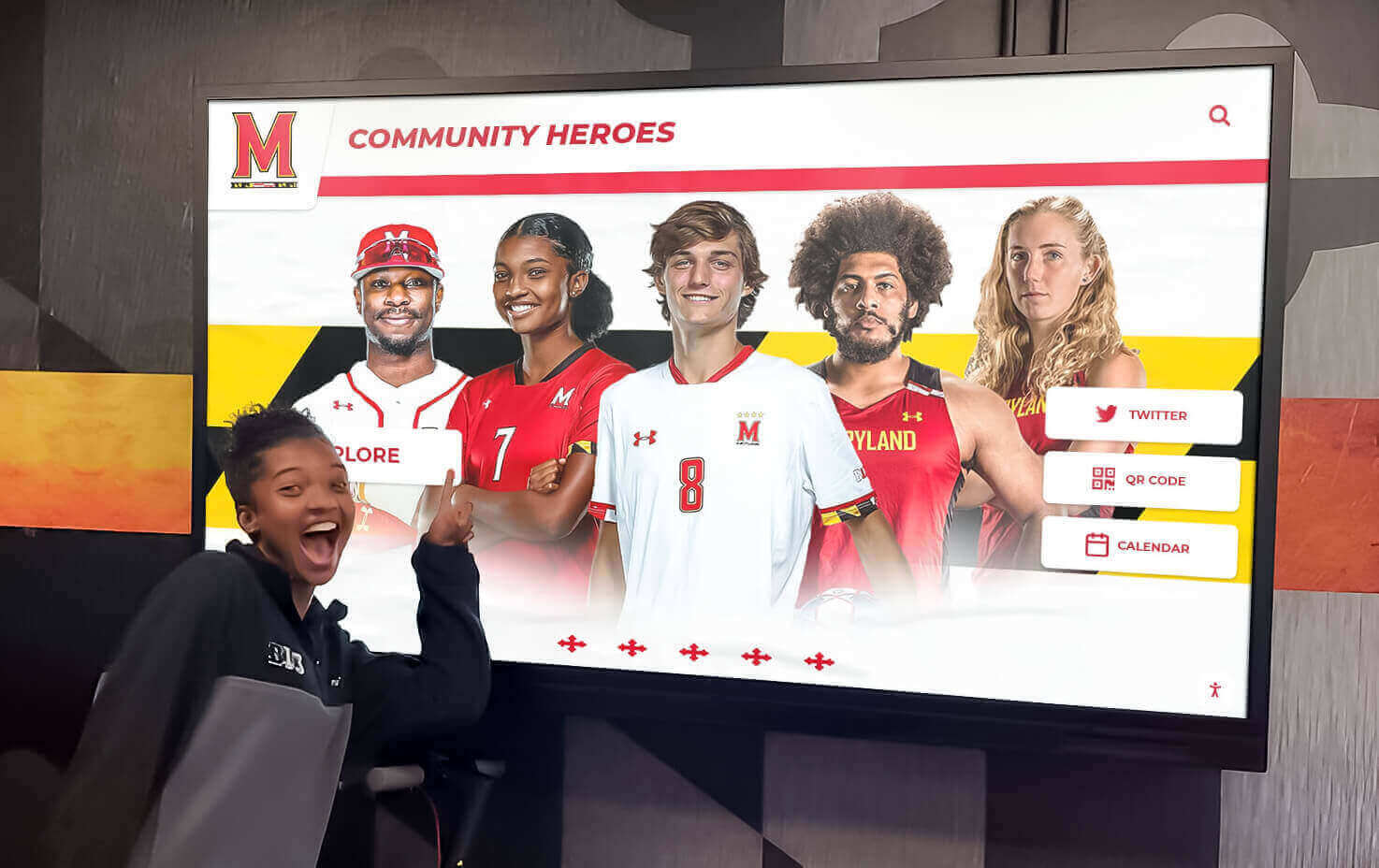
Modern recognition displays make Tri-M achievements permanently visible throughout school communities
Understanding Tri-M Music Honor Society
Before implementing recognition strategies, understanding what Tri-M membership represents helps schools celebrate these achievements appropriately and educate communities about their significance.
What Is Tri-M Music Honor Society?
Tri-M Music Honor Society is the international music honor society for middle and high school students, administered by the National Association for Music Education (NAfME).
National Scope and Significance
According to NAfME, Tri-M recognizes students who demonstrate excellence in scholarship, character, leadership, and service in music. Founded in 1952, the organization now includes over 2,100 chapters and more than 84,000 student members across the United States.
Core Membership Values
Tri-M focuses on recognizing and developing:
- Musical Excellence: Demonstrated through participation, skill development, and achievement
- Academic Performance: Maintaining strong grades alongside musical commitment
- Leadership Capability: Taking initiative in music programs and broader school communities
- Service Orientation: Contributing to communities through musical and non-musical service
- Character Development: Demonstrating integrity, responsibility, and positive citizenship
These comprehensive criteria make Tri-M membership a prestigious designation reflecting well-rounded excellence rather than musical talent alone.
Tri-M Membership Requirements and Selectivity
Membership criteria ensure Tri-M recognition signifies genuine excellence:
Typical Membership Requirements
- Minimum GPA (often 3.0 or equivalent on 4.0 scale)
- Specified duration of music program participation (commonly one year or more)
- Demonstrated leadership in musical or school activities
- Faculty recommendation based on character and citizenship
- Completion of service hours or community engagement
- Audition or performance demonstration in some chapters
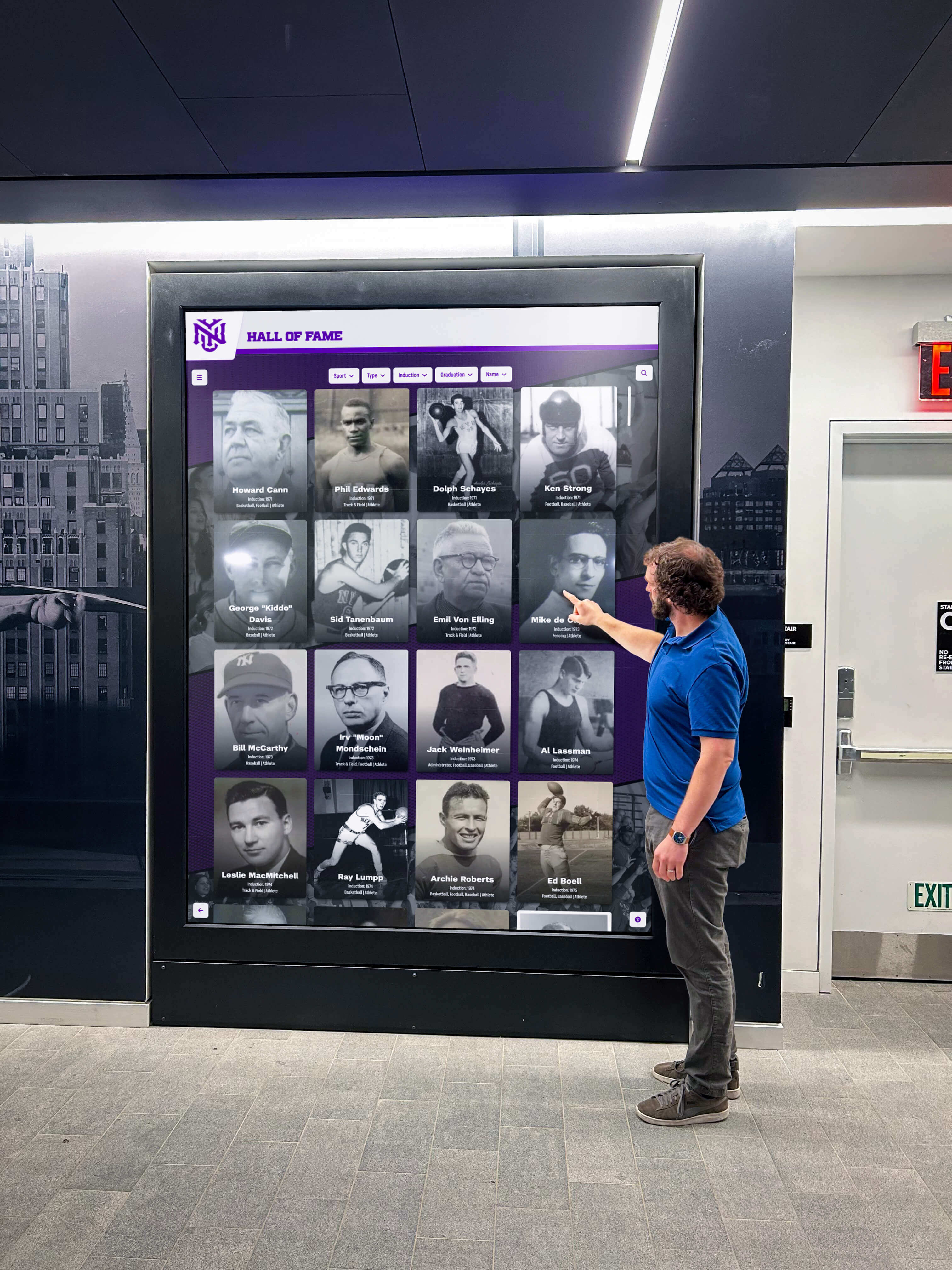
Interactive displays enable families to explore detailed student achievement stories
Selectivity and Prestige
While specific acceptance rates vary by chapter, Tri-M membership requirements ensure that inductees represent the most dedicated, accomplished, and well-rounded musicians in their schools. This selectivity warrants recognition approaches that communicate the achievement’s significance to broader school communities who may not fully appreciate the honor’s rigor and value.
Tri-M Activities and Student Leadership
Tri-M chapters engage in activities that extend beyond recognition to develop leadership and service:
Chapter Activities
- Community musical performances at nursing homes, hospitals, and civic events
- Music education outreach to elementary schools and community organizations
- Fundraising for music program needs and charitable causes
- Peer mentoring and tutoring for younger or struggling musicians
- Concert and event organization within school music programs
- Music advocacy and awareness campaigns
Schools implementing comprehensive recognition should showcase these service and leadership activities alongside membership acknowledgment, demonstrating that Tri-M represents ongoing commitment rather than static achievement.
Why Tri-M Recognition Matters
Systematic recognition of music honor society membership delivers benefits extending far beyond individual honored students to impact entire music programs and school cultures.
Motivating Musical Excellence Across Programs
Visible recognition of Tri-M membership creates aspirational goals that motivate younger musicians throughout their development.
Creating Achievement Roadmaps
When schools showcase Tri-M members prominently, younger students:
- Understand that musical excellence combined with academic achievement receives institutional recognition
- See clear achievement goals to work toward throughout their middle or high school careers
- Connect current practice and skill development to tangible recognition opportunities
- Develop long-term commitment to musical growth and well-rounded development
- Feel inspired by seeing peers achieve national-level honor society recognition
This aspirational motivation proves particularly powerful when recognition includes member profiles showing the journey students took to reach Tri-M membership, including years of preparation, academic commitment, service activities, and leadership development.
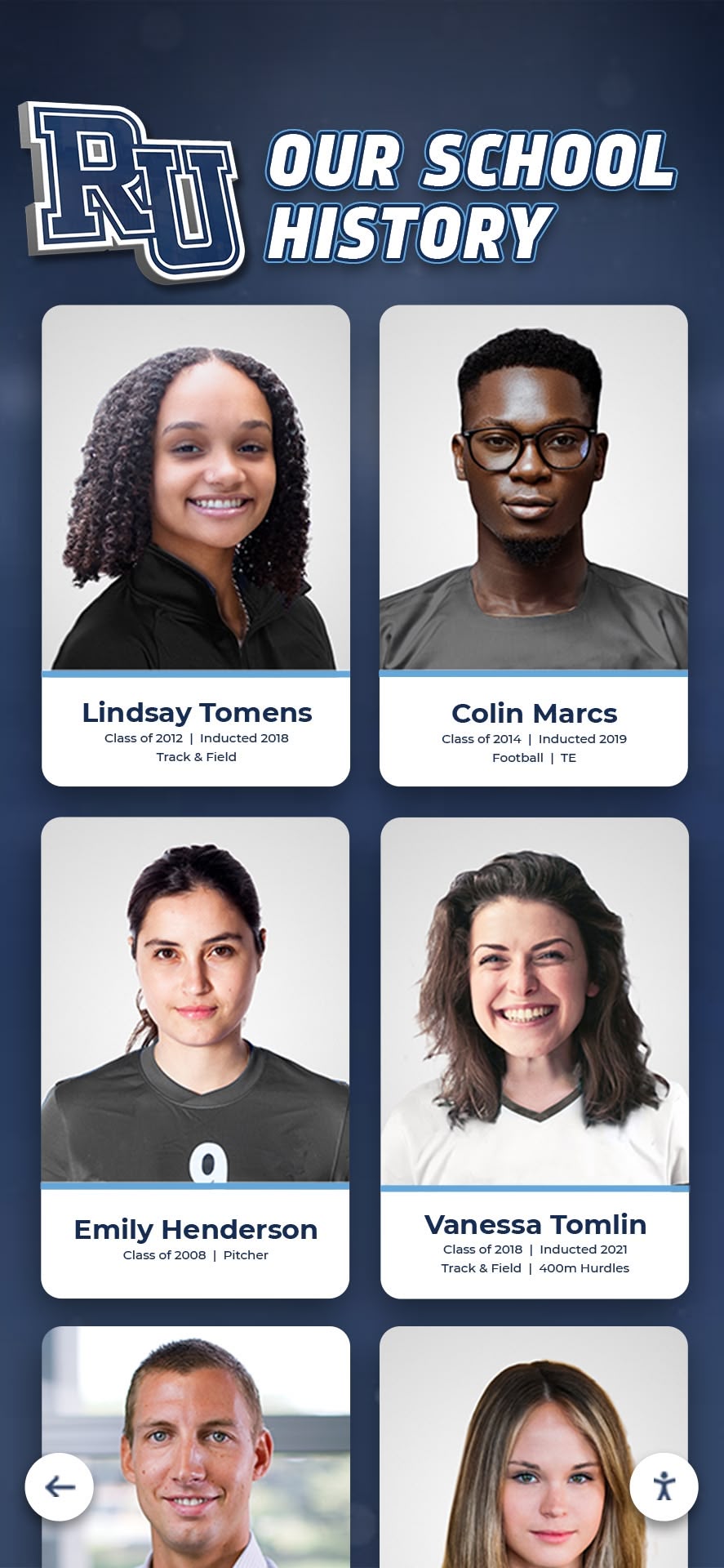
Detailed profiles showcasing achievement journeys inspire younger students pursuing similar excellence
Validating Arts Programs and Building Support
Tri-M recognition demonstrates music program quality to stakeholders who influence resources, enrollment, and institutional support.
Building Program Credibility
Systematic Tri-M recognition helps music programs:
- Demonstrate measurable excellence to administrators considering budget decisions
- Attract prospective students and families evaluating school music opportunities
- Build community pride in school arts programs generating national-level achievement
- Justify resource allocation by showcasing program results and student success
- Counter perceptions that arts represent “extra” activities rather than core programs
- Recruit booster support from families and community members who see program excellence
When Tri-M members receive recognition equal in visibility and prestige to National Honor Society inductees and athletic all-stars, school communities develop balanced appreciation for excellence across all domains.
Similar to comprehensive academic recognition programs that celebrate scholarly achievement, music honor society recognition demonstrates institutional commitment to comprehensive student development.
Supporting College and Career Advancement
Tri-M membership enhances students’ college applications, scholarship opportunities, and music career pathways significantly.
Competitive Advantage in Applications
Tri-M designation provides:
- Prestigious credential distinguishing applications from peers
- Concrete evidence of commitment to musical excellence and leadership
- Demonstrated balance between academic performance and artistic pursuit
- Service and character documentation valued in holistic admissions
- Connection to national music education organization building credibility
- Leadership experience documentation through chapter activities
Schools that document Tri-M achievements comprehensively—including specific leadership roles, service projects, and chapter contributions—provide students with richer application materials than simple credential listings alone.
Building Balanced Recognition Culture
Schools that recognize Tri-M members alongside athletic champions and academic scholars communicate institutional values celebrating diverse talents and accomplishments.
When music students receive recognition displays in prime locations like main entrances and lobbies—not just tucked away in fine arts wings—schools demonstrate authentic commitment to comprehensive excellence rather than hierarchical achievement priorities.
Traditional Tri-M Recognition Methods
Understanding time-tested approaches provides foundation for comprehensive programs incorporating both traditional and innovative strategies.
Induction Ceremony and Certificate Presentation
Most Tri-M chapters celebrate membership through formal induction ceremonies.
Effective Ceremony Components
- Candlelighting or other symbolic ceremony elements
- Certificate and membership pin presentation
- Student speaker reflections on musical journey and achievement
- Performance by inductees showcasing musical excellence
- Family invitation creating memorable celebration moments
- Principal or administrator remarks emphasizing honor significance
- Music department faculty recognition of student achievements
While ceremonies create important initial celebration moments, their one-time nature means recognition fades quickly unless supported by permanent displays ensuring ongoing visibility.
Physical Display Boards and Plaques
Traditional recognition displays create permanent acknowledgment that endures beyond ceremony experiences.
Common Display Approaches:
- Dedicated Tri-M recognition section in fine arts wing or music hallways
- Individual plaques listing member names by induction year
- Group photos from induction ceremonies and service projects
- Tri-M organizational emblem and chapter charter display
- Trophy or award case inclusion alongside other honors
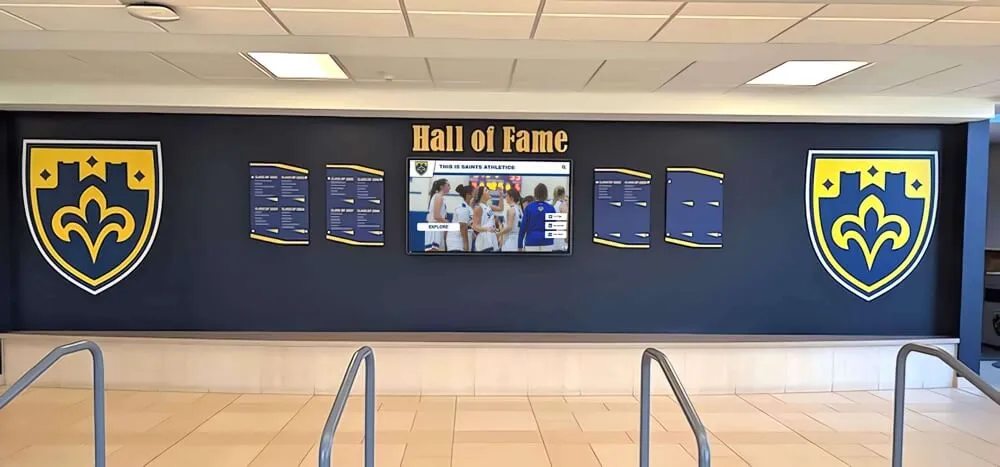
Traditional displays provide permanent recognition but face space and update limitations
Display Limitations
Physical displays face inherent constraints:
- Limited wall space forcing difficult decisions about historical versus current members
- Manual update requirements creating administrative burden each induction cycle
- Static presentation providing minimal context beyond names and years
- No capacity for multimedia content like service project documentation or member profiles
- Campus-only visibility limiting family and alumni access
- Deterioration over time requiring replacement and maintenance
These limitations lead many schools to seek complementary digital solutions addressing traditional display shortcomings while maintaining the value of physical recognition.
Music Department Recognition Integration
Many schools integrate Tri-M recognition into broader music program celebrations.
Integration Approaches:
- End-of-year music banquet with Tri-M honor acknowledgment
- Concert program recognition listing current Tri-M members
- Music classroom bulletin boards featuring member photos and achievements
- Senior musician celebration acknowledging Tri-M membership among accomplishments
- Newsletter and communication features highlighting Tri-M activities
Integration creates valuable connection between honor society membership and broader music program identity, though dedicated recognition ensures Tri-M receives appropriate individual emphasis.
Modern Digital Recognition Solutions for Tri-M Members
Technology transforms Tri-M recognition from static acknowledgment to engaging, multimedia-rich celebrations that inspire and inform school communities comprehensively.
Interactive Touchscreen Display Systems
Digital recognition platforms create dynamic showcases solving traditional display limitations while enhancing engagement significantly.
Interactive Display Capabilities for Tri-M Recognition
Modern systems enable:
- Unlimited Recognition Capacity: Showcase every Tri-M member in school history without space constraints
- Rich Multimedia Integration: Include service project photos, performance video clips, leadership activity documentation, and member reflections
- Searchable Databases: Allow visitors to find specific students, years, instruments, or leadership roles instantly
- Detailed Member Profiles: Provide comprehensive information including academic achievements, musical accomplishments, service contributions, and career updates
- Automatic Updates: Add new inductees immediately through simple cloud-based management interfaces
- Web Accessibility: Extend recognition beyond campus to families, alumni, and community members worldwide
- Analytics and Insights: Measure engagement showing which content resonates and how visitors interact with displays
These capabilities transform recognition from names on plaques to comprehensive celebrations showcasing the full scope of Tri-M achievement and student dedication to musical excellence, leadership, and service.
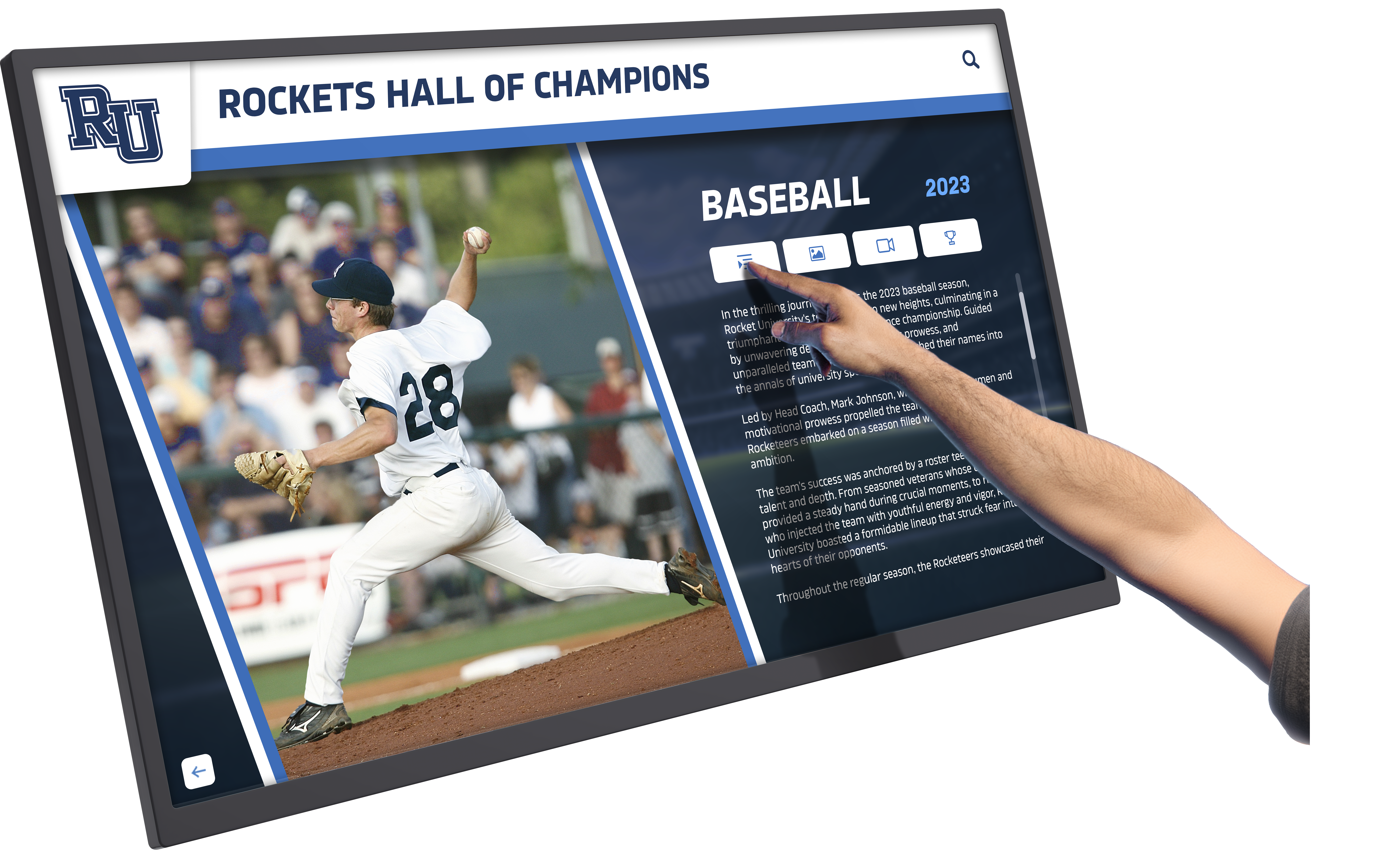
Intuitive touchscreen interfaces make exploring Tri-M achievements engaging for all visitors
Multimedia Content That Brings Achievements to Life
Unlike static displays limited to text and photos, digital platforms showcase Tri-M accomplishments through formats that capture the organization’s multidimensional nature authentically.
Powerful Content Types for Tri-M Recognition:
Service Project Documentation
- Photo galleries from community performances at nursing homes, hospitals, and civic events
- Video clips from music education outreach activities
- Before-and-after documentation of fundraising projects and results
- Testimonials from service recipients describing impact
- Project descriptions explaining community benefit and student leadership
Musical Excellence Showcases
- Performance video excerpts demonstrating member musical ability
- Concert recordings featuring Tri-M members
- Individual performance highlights showcasing diverse instruments and voice types
- Ensemble performance documentation showing collaborative excellence
- Audition or competition recordings when available
Leadership Development Stories
- Officer profiles documenting chapter leadership roles and responsibilities
- Project leadership documentation showing student initiative and management
- Mentorship program descriptions highlighting peer teaching and support
- Event organization documentation demonstrating planning and execution skills
- Chapter growth narratives showing membership development over time
Personal Journey Narratives
- Student reflections on what Tri-M membership means
- Teacher testimonials explaining individual member contributions
- Parent perspectives on how Tri-M influenced student development
- Alumni career updates showing how Tri-M experience influenced pathways
- Progression timelines showing musical and leadership development leading to induction
This multimedia richness creates emotional connection and understanding that simple name listings cannot match, helping non-musician community members appreciate the achievement’s significance while inspiring younger musicians more effectively.
Strategic Display Placement for Maximum Visibility
Location determines recognition impact significantly, making placement decisions critical to program success.
High-Impact Placement Locations:
School Main Entrances
- Front lobby communicating institutional commitment to arts excellence alongside academic and athletic achievement
- Reception area creating first impressions for visitors and prospective families showing balanced recognition culture
- Main hallway intersections with maximum student traffic ensuring broad community awareness
Performing Arts Centers
- Concert hall lobby ensuring visibility during all performances and events
- Hallway connecting to rehearsal spaces where music students pass daily
- Green room or backstage areas where performers gather and current Tri-M members are frequently present
Multi-Purpose Recognition Spaces
- Library entrances connecting artistic achievement with broader learning and scholarship
- Cafeteria or commons areas reaching broad student populations beyond music participants
- Athletic facility lobbies demonstrating balanced excellence celebration across all achievement types
Fine Arts Wing Integration
- Music classroom or band room entry points providing daily inspiration
- Practice room corridors creating motivation for developing musicians
- Music office areas where students frequently interact with directors
Schools with adequate resources may install displays in multiple strategic locations, ensuring Tri-M recognition reaches diverse audiences rather than remaining confined to music spaces where primarily music students encounter it.
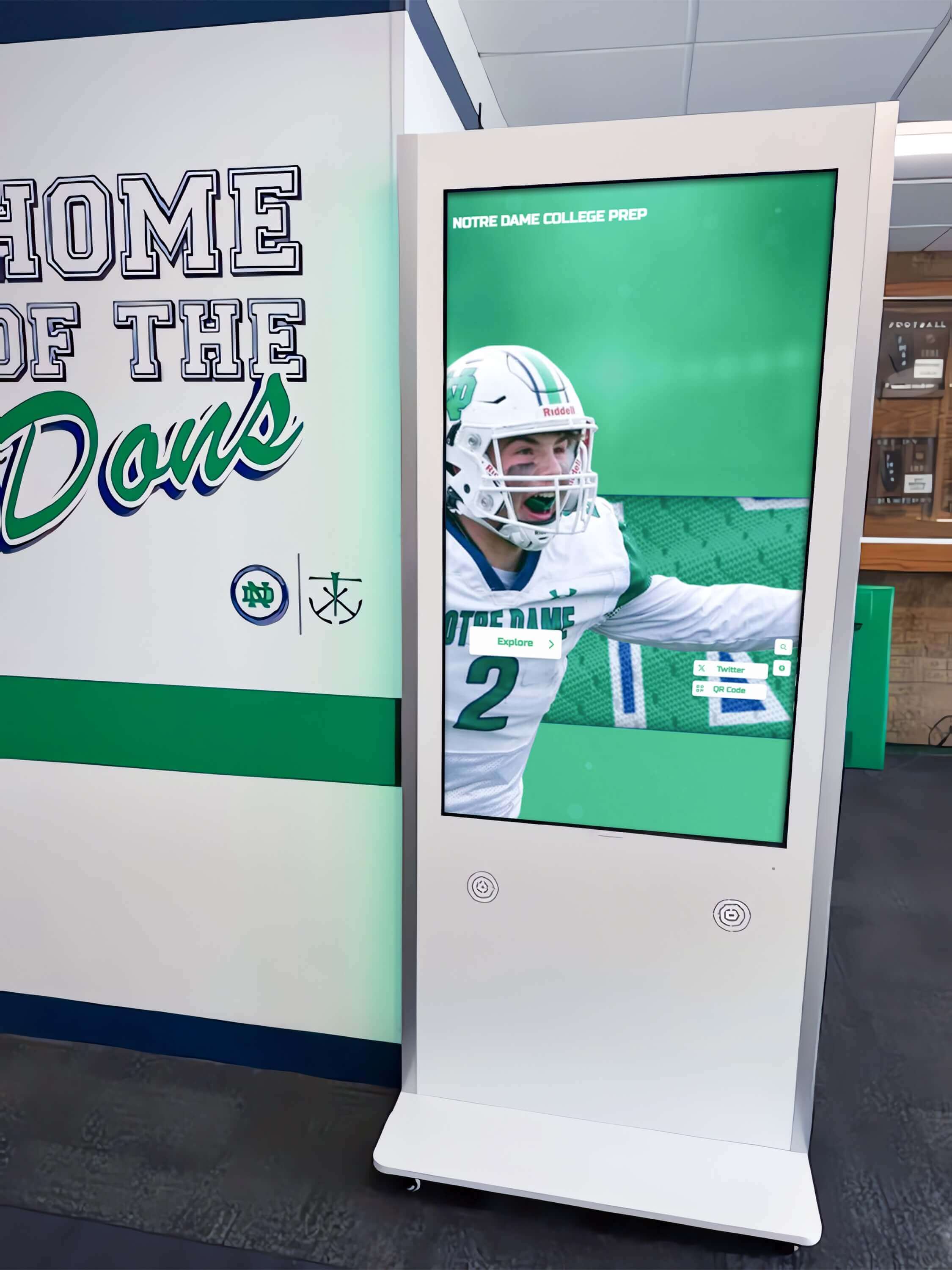
Strategic placement in high-traffic corridors ensures maximum visibility and community engagement
Creating Comprehensive Tri-M Recognition Content
Recognition quality depends directly on content richness, organization, and presentation approaches that engage diverse audiences effectively.
Building Detailed Member Profiles
Comprehensive profiles transform simple membership listings into inspiring achievement stories that resonate emotionally while educating viewers.
Essential Profile Components:
Basic Information and Credentials
- Student name and graduation year
- Induction year for tracking multi-year membership
- Primary instrument or voice type
- Academic honors and GPA recognition
- Musical ensemble participation history
Tri-M Leadership and Service
- Chapter officer positions held (president, vice president, secretary, etc.)
- Service hours completed and specific project participation
- Community performances and outreach activities
- Fundraising initiatives led or supported
- Mentorship and peer teaching contributions
- Music advocacy activities and achievements
Musical Achievement Context
- Years of musical study and program participation
- Significant performance accomplishments and solo experiences
- Competition results and honors earned
- All-State, All-County, or other selective ensemble memberships
- Private study and additional musical training beyond school
Personal Tri-M Journey
- Student quote about what Tri-M membership means and why music matters
- Reflection on most meaningful service project or leadership experience
- Description of how Tri-M influenced personal growth and development
- Future musical and career aspirations
- Memorable moments from chapter activities
Multimedia Enrichment
- Professional headshot or performance action photo
- Video excerpt from service project or performance
- Photo gallery from Tri-M activities and events
- Service project documentation and impact evidence
This comprehensive approach creates profiles that inspire younger musicians, educate non-musician community members about Tri-M significance, and honor students appropriately for their remarkable accomplishments in music, academics, leadership, and service.
Organizing Content for Easy Navigation
Intuitive organization ensures visitors find relevant content quickly while discovering related achievements that maintain engagement.
Effective Organizational Structures:
By Induction Year
- Current year featured prominently with most recent inductees
- Historical archive organized by year or decade ranges
- Multi-year member designation for students inducted in earlier years
- Alumni career updates organized by graduation cohort
By Leadership Role
- Chapter officers grouped and highlighted for leadership recognition
- Service committee chairs and project leaders
- Mentorship program coordinators
- Event organizers and chapter representatives
By Instrument/Voice Type
- Instrumental categories enabling musicians to find peers on their instrument
- Vocal ensemble members organized by voice type
- Multi-instrumentalists highlighted for versatility
By Service Category
- Community performance projects grouped together
- Education outreach activities showcased collectively
- Fundraising initiatives and results documented
- Music advocacy work highlighted separately
This multi-faceted organization enables different visitor types to explore content through pathways matching their interests and connections while ensuring comprehensive recognition of member contributions.
Connecting Tri-M Recognition to Broader Music Program Success
Comprehensive displays contextualize individual achievements within program cultures that develop excellence systematically rather than celebrating isolated exceptional students.
Program-Level Content Integration:
- Music teacher profiles highlighting dedication to student development and chapter advising
- Chapter history showing membership growth and evolution over years
- Service impact metrics documenting cumulative community contribution
- Alumni success stories connecting Tri-M to long-term achievements
- Partnership recognition acknowledging community organizations supporting service projects

Individual achievement cards combine to showcase comprehensive program excellence
This program-level perspective demonstrates that Tri-M success results from systematic excellence and supportive environments rather than individual talent alone, building support for resources and opportunities that enable continued high-level achievement.
Integrating Tri-M Recognition with Comprehensive Student Celebration
The most effective programs place Tri-M recognition within broader recognition systems celebrating diverse achievements and well-rounded students.
Multi-Domain Recognition Integration
Many Tri-M members also excel academically, athletically, or in other honor societies. Comprehensive recognition can highlight these multi-dimensional achievements.
Integrated Recognition Approaches:
- Profile sections noting National Honor Society membership, Spanish Honor Society, and other academic honors
- Athletic achievement and leadership recognition alongside musical accomplishments
- Special designation for students achieving multiple honor society memberships
- Connection to student achievement tracking showcasing comprehensive excellence
- “Scholar-Leader-Artist” designations honoring well-rounded achievement
This approach reinforces that excellence in one domain often correlates with excellence in others while celebrating well-rounded students who contribute to school communities across multiple dimensions.
Balanced Recognition Across Achievement Types
Schools committed to celebrating comprehensive achievement ensure Tri-M members receive visibility equal to National Honor Society inductees and athletic all-stars rather than secondary acknowledgment.
Achieving Recognition Equity:
Equivalent Display Prominence Digital and physical displays for Tri-M achievements should match academic and athletic recognition in size, location quality, and visual prominence. When trophy cases dominate main entrances while music recognition remains confined to fine arts wings, schools communicate implicit priority hierarchies that undermine stated commitments to comprehensive excellence.
Comparable Celebration Events If National Honor Society receives formal induction ceremonies with family attendance and reception, Tri-M inductions deserve equivalent production quality and institutional emphasis.
Integrated Cross-Domain Recognition Feature student profiles showcasing accomplishments across academics, athletics, and arts simultaneously when applicable, similar to approaches used in building school pride initiatives that celebrate diverse talents.
This balanced approach creates cultures where students pursue excellence in areas matching their talents and interests rather than feeling implicit pressure toward overvalued achievement types at the expense of other pursuits.
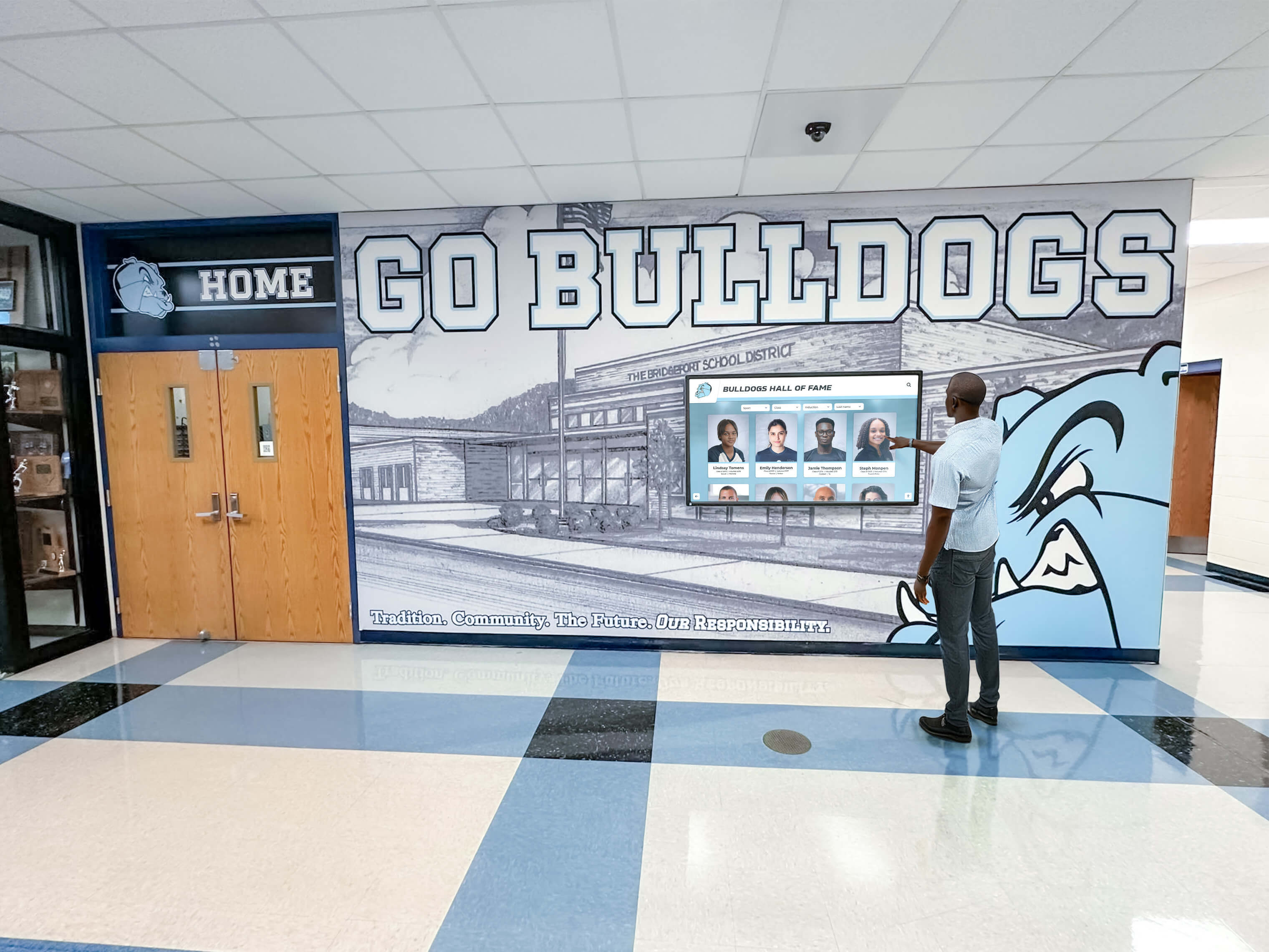
Integrated displays celebrating diverse achievements demonstrate institutional commitment to comprehensive excellence
Implementation Strategies for Tri-M Recognition Programs
Successful programs require thoughtful planning, stakeholder engagement, and systematic approaches ensuring sustainable long-term operation.
Planning Phase: Building Program Foundations
Assessing Current Recognition and Identifying Gaps
Begin by documenting existing recognition approaches:
- What Tri-M recognition currently exists?
- Where are current displays located and how frequently updated?
- What content formats are currently used?
- How do families and students perceive current recognition adequacy?
- How does music recognition compare to academic and athletic recognition visibility?
- Do other honor societies receive more prominent recognition?
This assessment identifies specific gaps comprehensive programs should address while preserving effective existing approaches worth maintaining.
Defining Recognition Program Goals
Clear objectives guide implementation decisions and provide assessment criteria:
- Inspire younger musicians toward Tri-M membership pursuit
- Build community understanding of Tri-M membership significance
- Demonstrate music program excellence and comprehensive student development
- Support student college applications with comprehensive achievement documentation
- Create balanced recognition across academic, athletic, and arts achievement
- Preserve institutional music program history and Tri-M chapter legacy
- Increase Tri-M chapter visibility leading to stronger membership recruitment
Budget Planning and Resource Allocation
Recognition programs require investment in display technology, content development, and ongoing management. Schools should consider:
- Digital display hardware costs (screens, mounts, computing modules)
- Software platform fees (often annual subscriptions or one-time licenses)
- Professional photography and videography for content creation
- Installation services for physical displays
- Ongoing content management time allocation
- Training for staff managing content updates
- Annual induction ceremony and materials costs
Many schools find that phased implementation—beginning with current members and expanding historical content gradually—makes programs financially feasible while delivering immediate value.
Technology Platform Selection
Schools seeking digital solutions should evaluate platforms based on specific capabilities supporting honor society recognition needs effectively.
Essential Platform Requirements:
Multimedia Support
- High-quality video playback supporting service project and performance footage
- Photo gallery capabilities for event and activity documentation
- High-resolution image display for member portraits and group photos
- PDF embedding for certificates, programs, and chapter materials
Intuitive Content Management
- Web-based administration requiring no technical expertise
- Template-based profile creation ensuring consistency across members
- Bulk upload tools for adding multiple inductees efficiently
- Role-based permissions allowing appropriate chapter advisor and staff access
- Mobile-friendly administration enabling updates from any device
Flexible Organization and Navigation
- Multiple categorization options (year, leadership role, instrument, service type)
- Powerful search functionality finding specific students instantly
- Chronological browsing and timeline views showing chapter evolution
- Related content suggestions connecting similar achievements
Accessibility and Reach
- Web-accessible online version extending beyond physical displays
- Mobile-responsive design supporting smartphone viewing from home
- Social sharing enabling students to celebrate recognition with extended networks
- Analytics showing engagement patterns and popular content
Solutions like those from Rocket Alumni Solutions provide purpose-built recognition platforms specifically designed for educational institutions, combining these essential capabilities with proven reliability and exceptional customer support.
Content Development Workflow
Systematic content creation processes ensure comprehensive, high-quality profiles while making workload manageable.
Efficient Content Development Approach:
Initial Focus: Current Year Inductees Prioritize comprehensive profiles for newest members:
- Gather information during induction application and selection process
- Photograph inductees during ceremony and chapter activities
- Collect student reflections and quotes while experience is fresh
- Document initial service projects and leadership contributions
- Establish profile templates and content standards
Expansion: Historical Members Systematically expand historical content working backward from recent years:
- Begin with students who graduated within past 3-5 years and remain accessible
- Contact alumni requesting photos, memories, and career updates
- Utilize existing yearbook archives for photos and basic information
- Accept varying profile completeness based on available information
- Engage current members in researching and documenting chapter history
Ongoing: Regular Updates Establish annual rhythms incorporating new members and updating existing profiles:
- Add new inductees immediately following induction ceremonies
- Update senior profiles with graduation information and college plans
- Document service projects throughout year with photos and descriptions
- Add alumni career updates showing long-term achievement trajectories
- Refresh content highlighting current chapter activities and initiatives
This phased approach makes comprehensive recognition achievable without overwhelming chapter advisors while ensuring continually expanding content that grows more valuable over time.
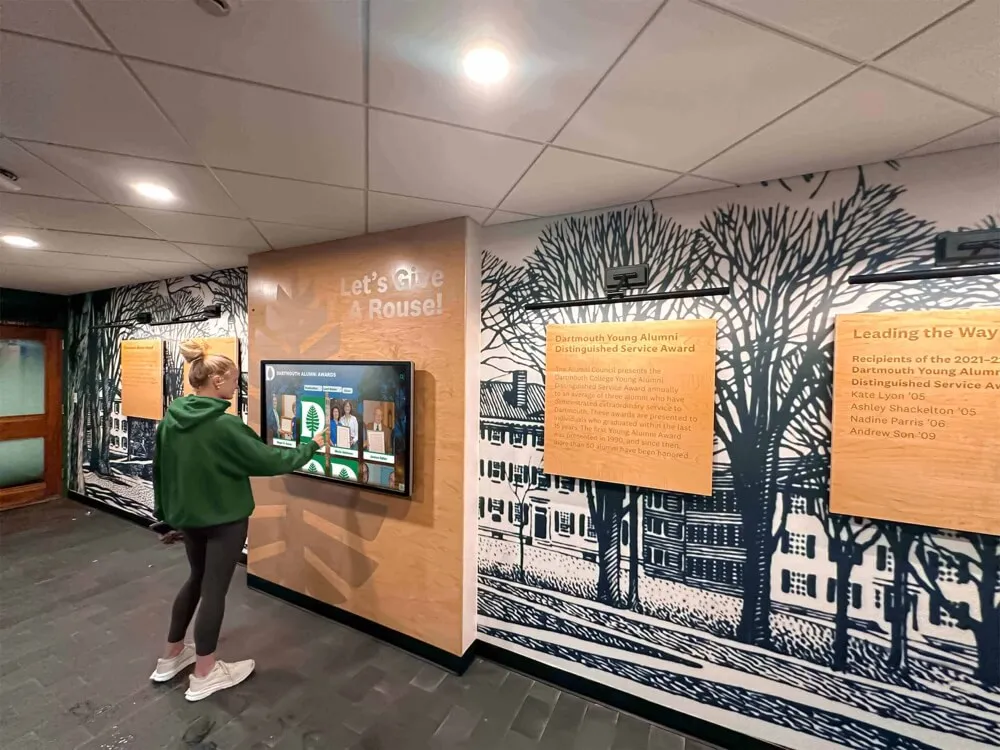
Intuitive interfaces encourage exploration while simplified management makes content updates straightforward
Promoting Tri-M Recognition Programs
Implementation success depends on effective promotion generating awareness, encouraging usage, and building ongoing engagement with recognition displays and platforms.
Launch Strategy
Strategic launches create visibility and establish usage patterns that continue long-term.
Pre-Launch Anticipation Building
- Announce upcoming recognition display through newsletters and social media
- Preview content development with behind-the-scenes photos
- Solicit current Tri-M member participation in content creation
- Build excitement among music students about permanent recognition
- Engage parents and boosters in promoting forthcoming launch
High-Visibility Unveiling Events Schedule launches during well-attended occasions maximizing exposure:
- Concert intermission demonstrations with family audiences present
- School assembly reveals reaching entire student body
- Tri-M induction ceremony integration unveiling recognition simultaneously
- Open house events when prospective families visit campus
- Board of education meetings demonstrating program value to leadership
Sustained Promotion Post-Launch Recognition awareness requires ongoing reinforcement:
- Regular social media features highlighting specific Tri-M members and service projects
- Morning announcement reminders encouraging students to explore displays
- New content notifications when members are added or profiles updated
- Classroom integration where teachers reference displays during lessons
- Tour guide training ensuring campus visitors see recognition prominently
Engaging Students and Families
Recognition delivers maximum value when students, families, and communities actively explore content rather than passively acknowledging displays exist.
Student Engagement Strategies:
- Music class activities researching historical Tri-M members and chapter history
- Younger student mentorship from current Tri-M members about membership pathway
- Student ambassador programs demonstrating displays during concerts and events
- Student-created content like member interviews and service project documentation
- Peer recognition where musicians nominate deserving peers for special acknowledgment
Family Connection Approaches:
- Email notifications when students appear in recognition content
- Social sharing features enabling family celebration across networks
- Parent volunteer opportunities documenting performances and service for displays
- Family testimonials about Tri-M and recognition program value
- Alumni family engagement connecting generations of musicians
Measuring Recognition Program Success
Assessment demonstrates value to stakeholders while identifying improvement opportunities that enhance program effectiveness over time.
Quantitative Success Metrics:
- Display interaction frequency and session duration from analytics
- Web platform traffic and unique visitor counts
- Social media engagement with Tri-M recognition posts
- Number of members recognized and profile completeness percentages
- Historical archive coverage showing expansion progress
- Tri-M chapter membership application trends following recognition implementation
Qualitative Impact Indicators:
- Student survey responses about Tri-M awareness and membership interest
- Family feedback about recognition program value and comprehensiveness
- Music participation trends following recognition program launch
- Teacher observations about student motivation and pride in music program
- Community comments demonstrating increased arts program appreciation
- Administrative feedback regarding recruitment and advocacy benefits
Regular assessment enables continuous improvement while providing concrete evidence justifying continued investment in recognition initiatives.
Overcoming Common Tri-M Recognition Challenges
Understanding predictable obstacles helps schools navigate them successfully while maintaining program momentum and quality.
Limited Budget Constraints
Comprehensive recognition may exceed available immediate funding, requiring creative resource strategies.
Budget-Stretching Approaches:
- Phased implementation beginning with single display and expanding gradually
- Music booster fundraising campaigns specifically supporting recognition initiatives
- Alumni donation opportunities where graduates fund recognition displays
- Grant applications to local education foundations and arts organizations
- Multi-department cost sharing when displays serve multiple programs
- Volunteer content development reducing professional service costs
Schools should frame recognition as long-term infrastructure investment rather than annual expense, with one-time hardware costs supporting decades of ongoing use.
Content Development Capacity
Creating rich profiles requires significant effort that busy chapter advisors may struggle to accommodate.
Workload Management Strategies:
- Current Tri-M member involvement in profile research and content creation
- Parent volunteer committees supporting photography and documentation
- Student journalism or media class integration creating learning opportunities
- Starting with essential profiles that expand over time as capacity allows
- Automated content import from existing databases when available
- Cloud-based management enabling distributed responsibility across multiple staff
Many schools find that initial content development requires concentrated effort during first year, but ongoing maintenance becomes manageable as processes become routine.
Technology Adoption and Change Management
Some staff members may prefer maintaining familiar traditional recognition approaches over adopting new digital systems.
Change Management Best Practices:
- Early chapter advisor involvement in platform selection and planning decisions
- Demonstration visits to schools with successful digital recognition implementations
- Comprehensive training ensuring staff confidence with new tools and systems
- Identifying enthusiastic early adopters who champion adoption among peers
- Celebrating successes and sharing positive feedback reinforcing value
- Maintaining some traditional recognition elements during transition periods
Resistance typically diminishes once staff experience how digital platforms simplify rather than complicate recognition management compared to manual traditional approaches requiring physical updates.
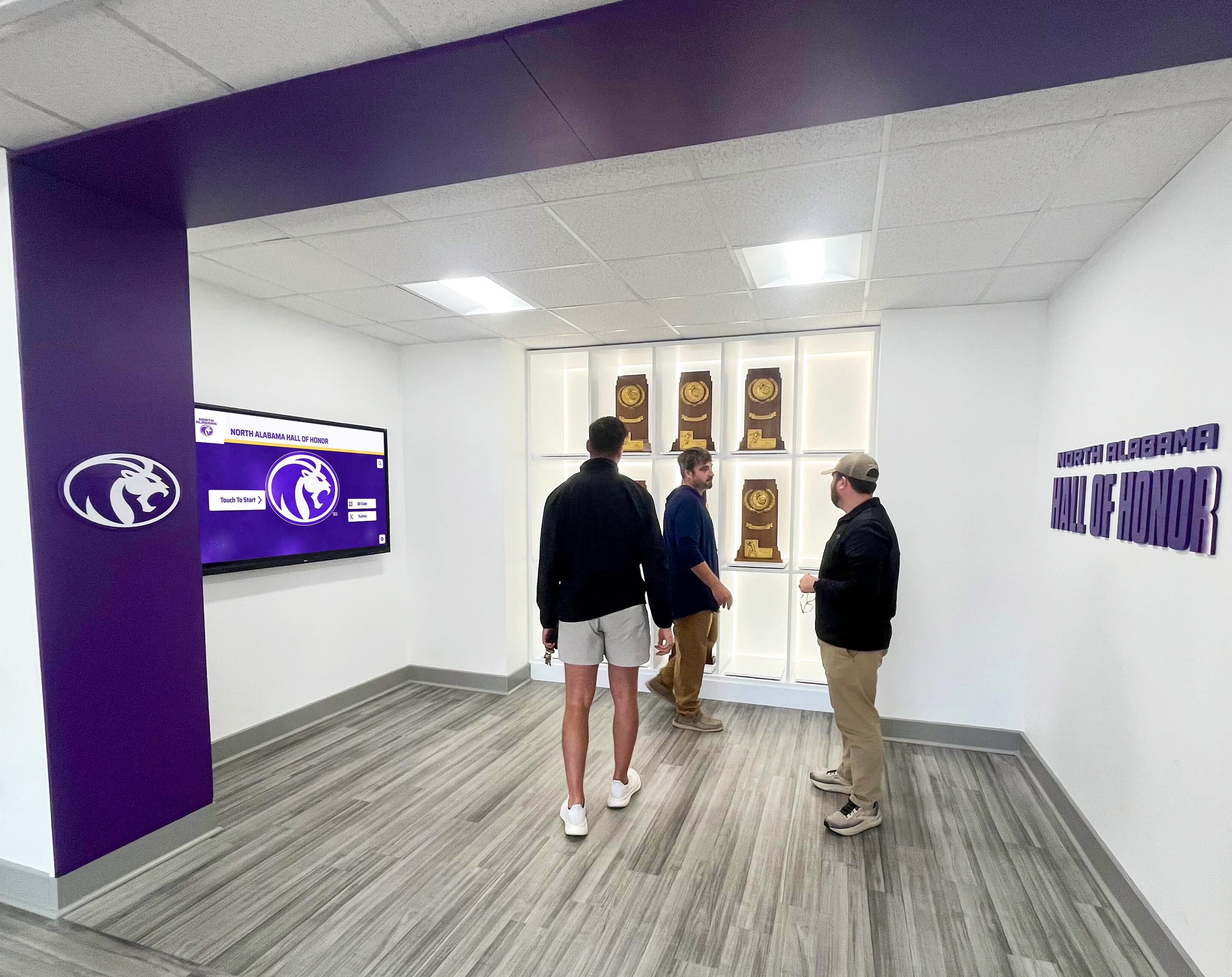
Hands-on experience with intuitive systems builds confidence and enthusiasm among staff and stakeholders
Advanced Tri-M Recognition Strategies
Leading programs go beyond basic acknowledgment to create truly exceptional recognition experiences that maximize cultural impact and student inspiration.
Alumni Tri-M Network Development
Comprehensive recognition creates opportunities for connecting current members with accomplished alumni who can provide mentorship, career guidance, and ongoing inspiration.
Alumni Network Strategies:
- Directory of Tri-M alumni with current contact information and permission for contact
- Alumni profile updates showing career trajectories and how Tri-M influenced paths
- Mentorship programs pairing current members with relevant alumni in music careers
- Virtual or in-person networking events connecting musical generations
- Guest speaker opportunities featuring Tri-M alumni returning to campus
- Career panel discussions with alumni pursuing diverse music-related and other paths
These connections demonstrate that Tri-M membership marks beginning rather than culmination of leadership and service journeys while providing current members with concrete examples of how honor society involvement creates opportunities extending throughout life.
Service Impact Documentation
Rather than simply listing service hours, effective recognition showcases tangible community impact that Tri-M service creates.
Impact Documentation Approaches:
- Quantitative metrics showing residents reached, performances delivered, and funds raised
- Testimonial quotes from service recipients describing program value and student impact
- Before-and-after documentation showing visible results of chapter projects
- Long-term tracking showing sustained chapter involvement in community partnerships
- Student reflections on how service experiences influenced personal growth
- Photo and video documentation capturing emotional moments during service activities
This impact perspective helps community members understand Tri-M value beyond resume credentials while reinforcing to members that their service creates meaningful difference.
Cross-Honor Society Recognition
Many students achieve membership in multiple honor societies including National Honor Society, Spanish Honor Society, and Tri-M, demonstrating exceptional well-rounded achievement.
Multi-Society Recognition Approaches:
- Special designation for students achieving multiple honor society memberships
- Integrated profiles showing comprehensive achievement across societies
- Connections between honor society recognition displays enabling cross-exploration
- Similar approaches used in recognizing National Honor Society members
- Feature stories on students balancing multiple high-level commitments and organizations
This approach reinforces that excellence often transcends single domains while celebrating students who contribute leadership and achievement across multiple areas.
Connecting Tri-M Recognition to Music Program Growth
Effective Tri-M recognition strengthens overall music programs while creating positive cycles of achievement and participation.
Recruitment and Retention Benefits
Visible Tri-M recognition influences student decisions about music program participation and persistence.
Recruitment Impact:
- Prospective students evaluating school music opportunities see national recognition
- Middle school students understand high school music program achievement potential
- Parents recognize quality indicators when considering school choice
- Transfer students identify strong music programs through honor society presence
- Community perception of music program excellence increases enrollment interest
Retention Enhancement:
- Visible achievement pathway motivates students through challenging middle years
- Recognition creates sense of music program identity and belonging
- Younger students develop relationships with Tri-M mentor role models
- Achievement culture normalizes sustained commitment through graduation
- Families maintain support seeing clear recognition of student dedication
Program Advocacy and Resource Development
Comprehensive Tri-M recognition provides concrete evidence supporting music program advocacy and resource requests.
Advocacy Applications:
- Budget presentations demonstrating program results through national recognition
- Board of education reports showcasing student achievement and community impact
- Community communications building pride and support for music programs
- Facility and equipment requests justified by program excellence evidence
- Staff retention and recruitment enhanced by visible program quality indicators
These advocacy benefits extend beyond individual student recognition to strengthen entire music departments and ensure continued excellence.
Conclusion: Building Music Excellence Culture Through Tri-M Recognition
Comprehensive Tri-M Music Honor Society recognition programs represent strategic investments in music program culture, student motivation, and institutional commitment to celebrating excellence across all achievement domains. When schools systematically honor musical excellence combined with leadership, service, and academic achievement—giving Tri-M members visibility equal to other honor societies—they create environments where artistic accomplishment feels valued, aspiration emerges, and comprehensive excellence becomes institutional identity.
Transform Your Music Recognition Program
Discover how modern digital recognition solutions can help you celebrate every Tri-M member's achievement and build a thriving culture of musical excellence, leadership, and service.
Explore Recognition SolutionsThe strategies explored in this guide provide comprehensive frameworks for building recognition systems that honor Tri-M achievements appropriately while remaining sustainable, equitable, and aligned with broader educational goals. From traditional approaches like induction ceremonies and plaques to innovative digital platforms enabling unlimited multimedia recognition accessible globally, these methods transform honor society acknowledgment from brief moments to permanent celebrations woven throughout school culture.
Modern recognition solutions like those from Rocket Alumni Solutions provide schools with purpose-built platforms specifically designed for comprehensive achievement celebration—combining intuitive content management, engaging interactive displays supporting rich multimedia content showcasing service projects and leadership activities, and proven reliability that enables sustainable programs delivering lasting cultural impact.
Building effective Tri-M recognition requires moving beyond limiting assumptions about arts representing peripheral activities deserving secondary acknowledgment. When music honor society members receive celebration matching National Honor Society and athletic recognition in visibility, prestige, and permanence, school cultures shift toward valuing comprehensive excellence honoring diverse talents and contributions.
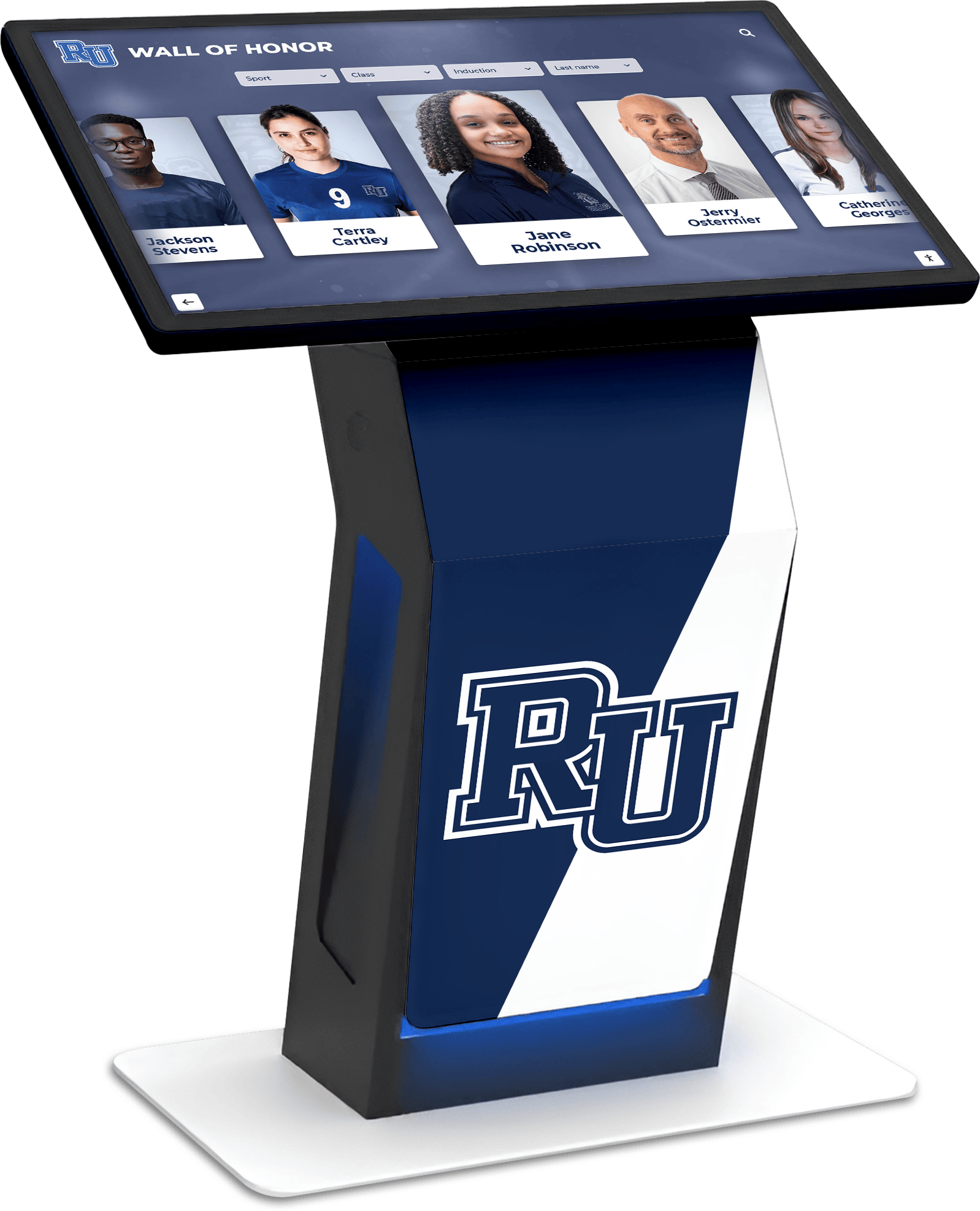
Modern recognition systems create comprehensive celebrations honoring music excellence, leadership, and service appropriately
Start building stronger music culture today through Tri-M recognition programs that celebrate every member’s achievement, inspire younger students pursuing similar excellence, and establish your institution’s commitment to honoring comprehensive achievement across all domains where students excel. Your Tri-M members’ remarkable accomplishments—combining musical excellence with leadership, service, and academic achievement—deserve recognition that matches the dedication and well-rounded development required to earn this prestigious national honor.
Ready to begin? Explore peer leadership program recognition approaches and learn about building positive school culture through comprehensive recognition that elevates your music program to new levels of excellence and community appreciation.































