Every March, basketball fans across Texas turn their attention to San Antonio’s Alamodome, where the University Interscholastic League (UIL) State Basketball Tournament crowns champions across six classifications. For players, coaches, and communities, reaching the state tournament represents the pinnacle of high school basketball achievement—the culmination of months of preparation, district battles, and playoff intensity.
Whether you’re a coach preparing your team for tournament qualification, an athletic director planning recognition for state participants, or a fan wanting to understand the tournament structure, this comprehensive guide provides everything you need to know about the UIL State Basketball Tournament. From classification systems and qualification processes to tournament formats and championship traditions, we’ll explore what makes this Texas institution special and how schools preserve these historic achievements for future generations.
The UIL State Basketball Tournament has evolved into one of the premier high school basketball events in the nation, bringing together the best teams from the largest state in the continental United States. Understanding the tournament structure, qualification pathways, and recognition traditions helps schools, families, and communities fully appreciate the significance of state tournament participation.
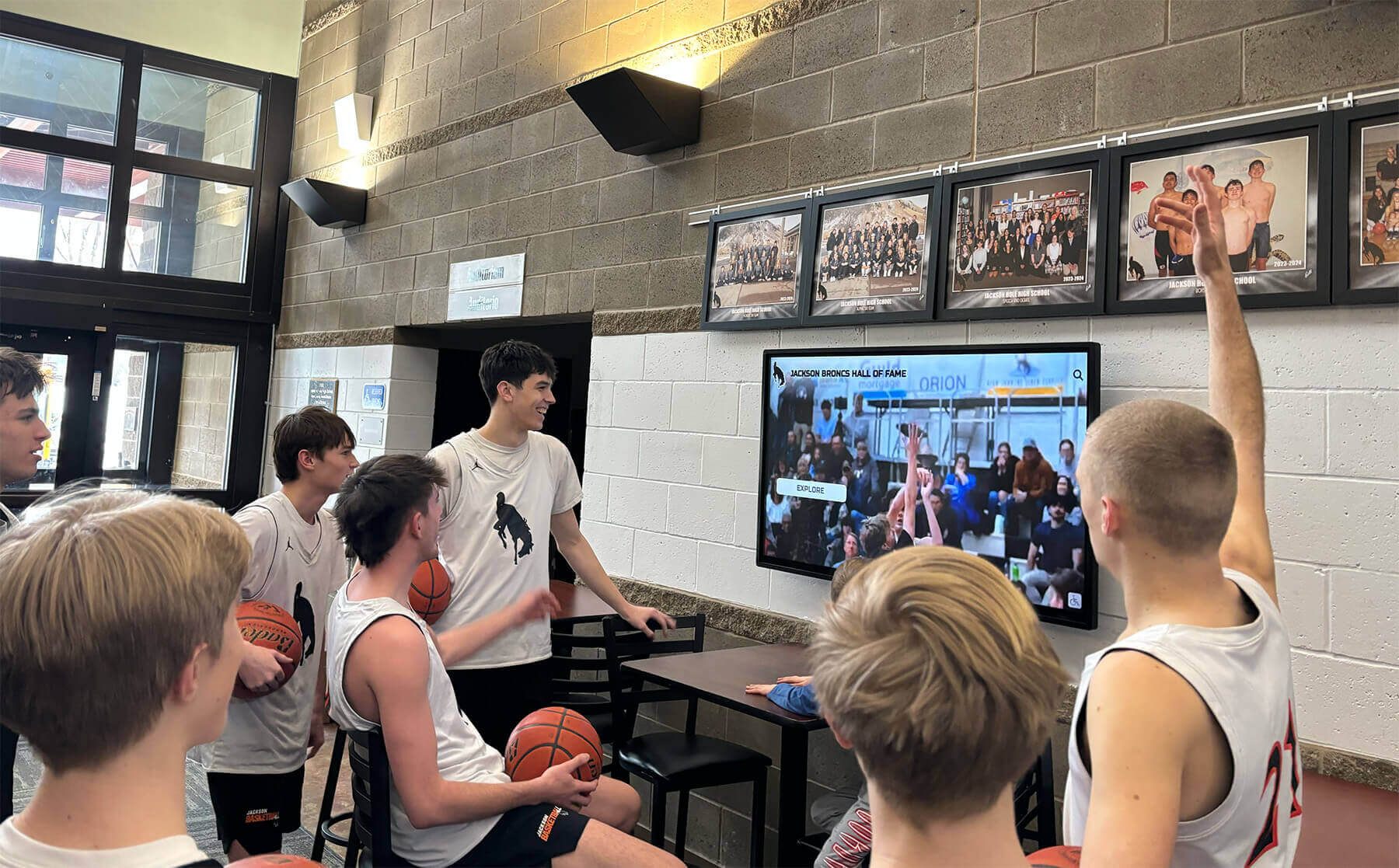
State tournament moments become lasting memories celebrated through modern recognition displays
Understanding UIL Basketball Classifications
The UIL organizes Texas high school basketball into six classifications based on school enrollment, ensuring competitive balance while providing championship opportunities across all school sizes.
Six-Classification System
Texas high school basketball competes in classifications 1A through 6A, determined by two-year enrollment averages:
Class 6A (Largest Schools)
- Schools with 2,225+ students in grades 9-12
- Approximately 240+ schools competing
- Largest tournament fields and most competitive depth
- Major metropolitan area programs dominate representation
- Often produces college Division I prospects
Class 5A
- Schools with 1,230-2,224 students
- Strong suburban and mid-sized city programs
- High level of competition throughout the state
- Balanced geographic representation
- Produces significant college talent pipeline
Class 4A
- Schools with 515-1,229 students
- Mix of suburban schools and regional centers
- Competitive balance across Texas regions
- Strong tradition in East Texas and coastal communities
- Develops well-rounded student-athletes
Class 3A
- Schools with 225-514 students
- Smaller town programs with deep community connections
- Regional powers with decades-long traditions
- High participation rates relative to enrollment
- Multi-sport athletes common
Class 2A
- Schools with 105-224 students
- Rural communities where basketball is cultural touchstone
- Dynasty programs with sustained excellence
- Entire communities rally around teams
- Travel distances create unique challenges
Class 1A (Smallest Schools)
- Schools with fewer than 105 students
- Six-player basketball rules in some areas
- Intimate team environments
- Legacy families spanning generations
- Pure love of the game drives participation
Schools receive classification assignments every two years based on enrollment snapshots, with reclassification occasionally creating significant competitive shifts when growing or declining schools move between classifications.
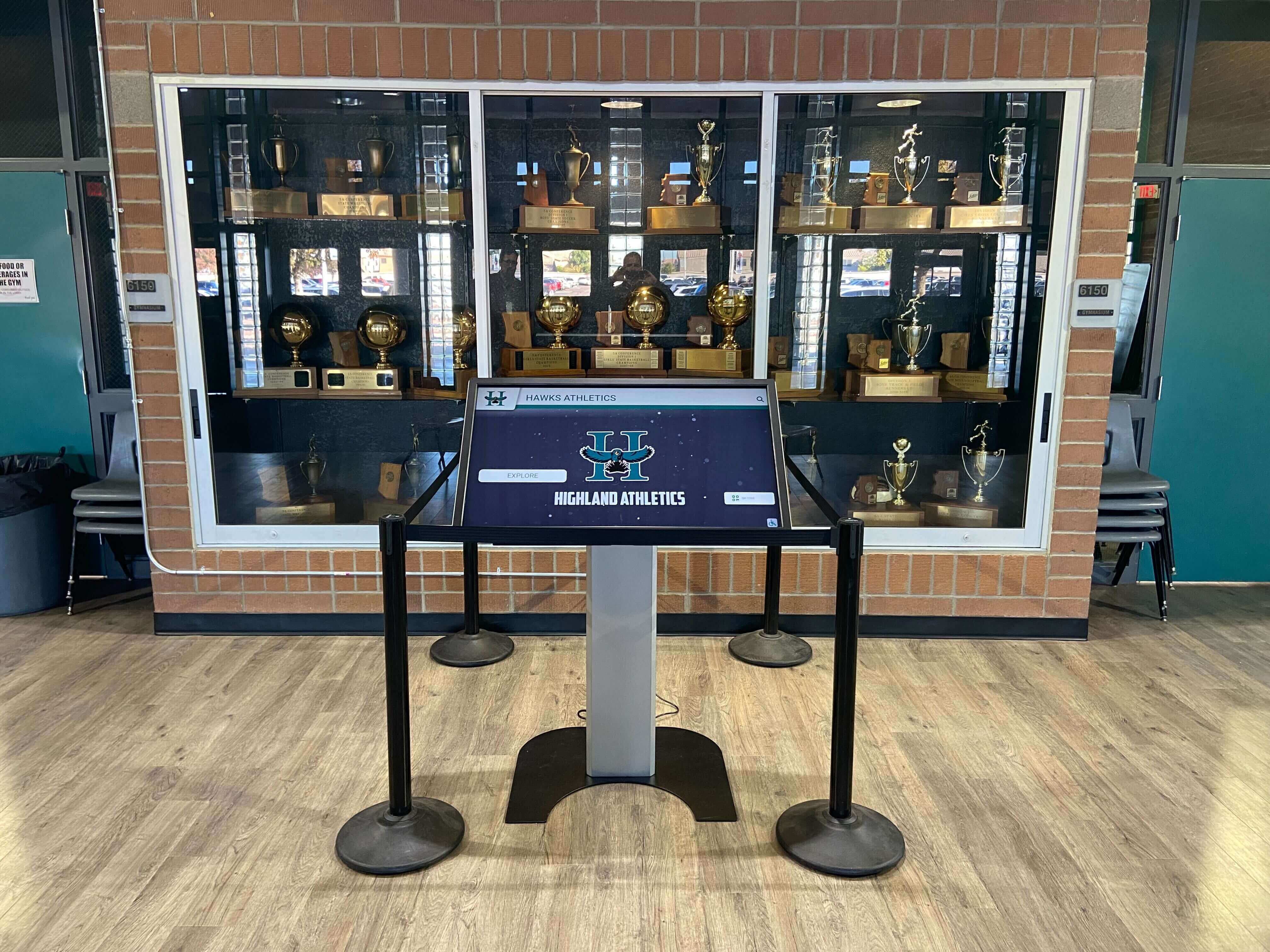
Digital displays preserve tournament achievements across all classifications
Division Structure Within Classifications
Larger classifications subdivide into Division I (larger schools) and Division II (smaller schools within the classification), creating additional championship opportunities:
Why Divisions Matter
Classes 4A, 5A, and 6A split into two divisions, effectively creating twelve total state championships (six boys, six girls). This division system ensures schools compete against similarly-sized programs throughout the playoffs, not just during district play.
Division cutoff numbers fluctuate with enrollment distributions but typically fall near the midpoint of each classification’s enrollment range. A 5A school with 1,600 students might compete in 5A Division I, while a 5A school with 1,300 students competes in 5A Division II.
Competitive Impact
Division assignments significantly affect championship paths. Some districts might have several large schools grouped together, while neighboring districts might include smaller schools. Division placement determines playoff matchups from bi-district through state semifinals.
Schools celebrating state tournament participation often highlight their specific division and classification to provide proper context for the achievement.
The Road to State: Qualification Process
Reaching the UIL State Basketball Tournament requires navigating a rigorous three-month journey from district play through regional tournaments.
District Competition
The season begins with district play, typically running from December through January or early February depending on classification:
District Structure
The UIL assigns schools to districts based on geographic proximity and enrollment, creating balanced competitive groupings of typically 4-8 schools per district. Teams play round-robin schedules, meeting each district opponent twice (home and away).
Seeding and Advancement
The top four teams from each district advance to the playoffs, receiving seeds (1-4) based on district finish. District champions typically receive the #1 seed, though tiebreaker systems can create complexity when multiple teams finish with identical records.
District seeding significantly impacts playoff difficulty. Higher seeds face lower seeds from neighboring districts in bi-district play, creating theoretically easier early-round matchups.
District Championships
While district championships don’t guarantee state tournament berths, they represent critical achievements worth permanent recognition. Athletic recognition programs typically document district titles as foundational program milestones.
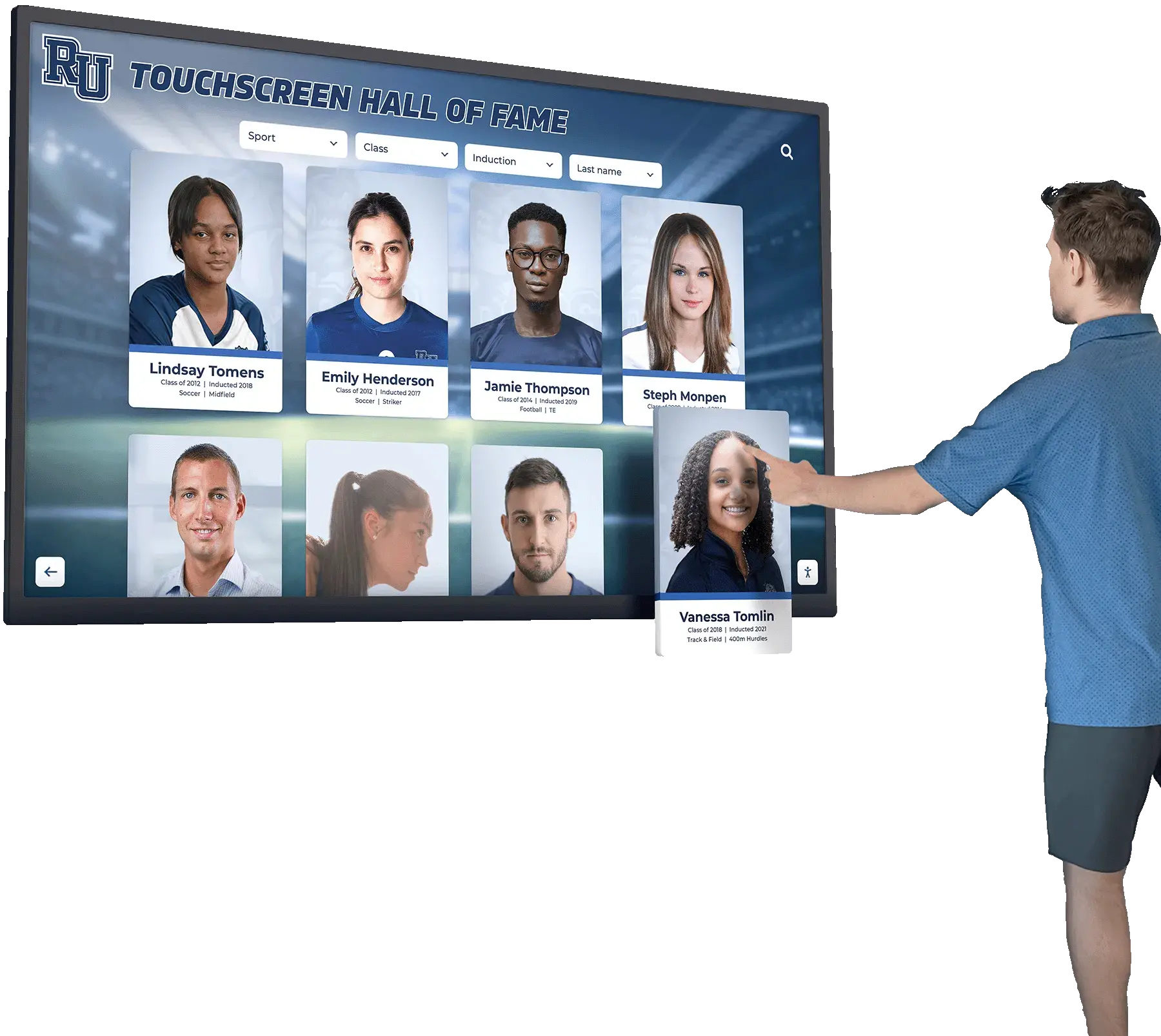
Interactive displays let visitors explore district championships and playoff progression
Playoff Bracket Structure
After district play concludes, the UIL releases regional brackets mapping the path to state:
Bi-District Round
- First playoff round matching district qualifiers
- Typically district champions face fourth-place finishers from adjacent districts
- Single-elimination format begins—lose and season ends
- Home court advantage typically goes to higher seed
Area Round
- Second playoff round
- Survivors from bi-district play advance
- Neutral site games become more common
- Intensity increases dramatically
Regional Quarterfinals
- Eight teams remain in each classification/division
- Often referred to as “Elite Eight” level
- Travel distances can exceed 200 miles
- State tournament dreams become tangible
Regional Tournament (Final Four)
- Regional semifinals and finals
- Winners advance to state tournament
- Held at predetermined regional sites
- Produces the eight state tournament qualifiers per classification/division
Each playoff round typically occurs weekly, creating a four-week gauntlet from district conclusion to regional championship. The compressed timeline creates special intensity, particularly for schools with multiple teams (varsity, JV) pursuing parallel success.
State Tournament Qualification
The sixteen teams (eight boys, eight girls) that win their regional tournaments earn the ultimate prize: state tournament berths. These state qualifiers represent approximately 0.6% of the 1,400+ UIL basketball programs statewide—an extraordinarily elite group.
Automatic Qualification
No at-large bids exist in UIL basketball. Every state tournament team earned its position by winning five consecutive playoff games (bi-district, area, regional quarterfinal, regional semifinal, regional championship).
This pure meritocracy creates powerful legitimacy. State tournament teams definitively proved themselves through head-to-head competition, not committee selections or computer rankings.
Bracket Announcement
The UIL announces state tournament brackets following regional championship completion, typically the week before the tournament. The bracket determines semifinal matchups and potential championship game opponents, generating intense speculation and analysis.
UIL State Tournament Format and Traditions
The state tournament represents a multi-day basketball celebration at San Antonio’s Alamodome, where championship dreams become reality or end heartbreakingly close.
Tournament Structure
The UIL conducts state tournaments across a Thursday-Saturday schedule in March:
Thursday: Class 1A-3A Semifinals
- Morning and afternoon sessions
- Smaller classifications compete first
- Intimate atmospheres despite Alamodome’s size
- Regional fan bases travel together
Friday: Class 4A-6A Semifinals
- Full day of basketball
- Largest crowds of the tournament
- Major media coverage
- College scouts evaluate prospects
Saturday: Championship Games
- All twelve finals (6A boys/girls through 1A boys/girls)
- Trophy presentations on court
- Championship photos
- Media interviews
The condensed schedule creates remarkable atmosphere. Teams often stay in San Antonio throughout, creating unique bonding experiences. Families and communities make pilgrimages, turning state tournament weekends into destination events.
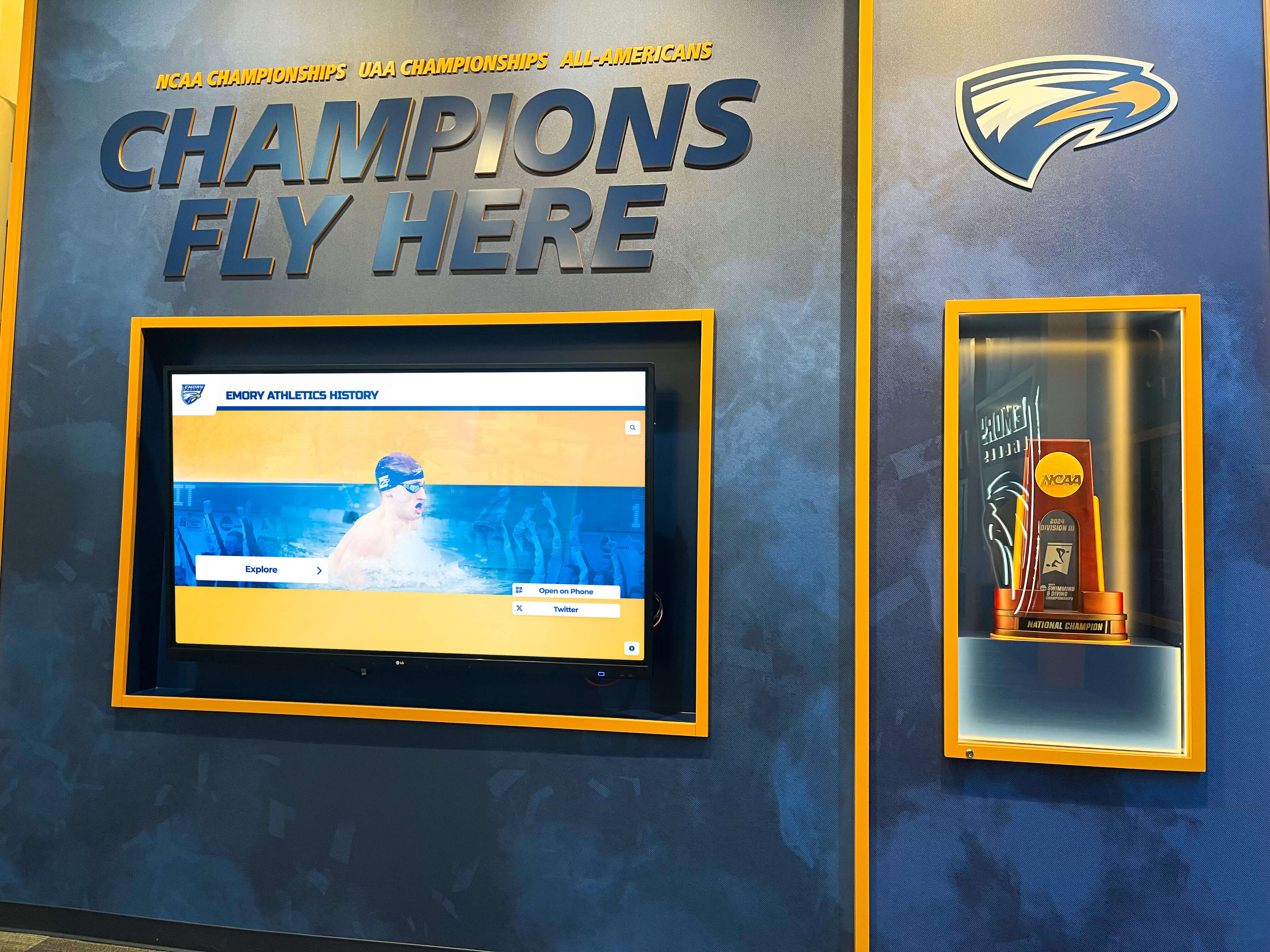
Championship walls preserve state tournament achievements permanently
The Alamodome Experience
San Antonio’s Alamodome has hosted the UIL State Basketball Tournament since 2003, providing a distinctive venue:
Venue Configuration
The Alamodome configures for basketball with curtains creating more intimate environments than the full 65,000-seat capacity might suggest. Court-level seating brings fans close to action, while upper decks provide dramatic vantage points.
Championship games, particularly in larger classifications, can draw 15,000-20,000+ fans, creating electric atmospheres. The massive video boards provide instant replays and statistical information, giving the tournament a major-event feel.
Tournament Logistics
Multiple practice courts allow teams to prepare. Separate team areas provide space for film review and preparations between sessions. The UIL coordinates complex logistics ensuring smooth operations across three days and 24 games.
San Antonio Setting
The tournament’s San Antonio location creates destination appeal. The River Walk, Alamo, and numerous restaurants provide activities for families. Many programs build multi-day experiences around tournament participation, creating lasting memories beyond the games themselves.
Schools documenting their state tournament experiences often include photos and stories from the Alamodome environment, not just game action.
Championship Traditions
UIL basketball state championships come with distinctive traditions:
Trophy Presentations
Championship teams receive trophies on court immediately following final buzzers. The UIL presents oversized team trophies plus individual player medals, creating iconic photo opportunities. Coaches cut down nets in traditional basketball celebration.
Championship Patches
State champions receive official UIL patches designating their achievement. Many programs frame these patches alongside other memorabilia or incorporate them into permanent recognition displays.
Media Coverage
Championship games receive live streaming and television coverage. Print media from participants’ hometowns send reporters. Social media amplifies the moment, with championship photos reaching thousands within minutes.
Homecoming Celebrations
Communities often organize celebration events when state champions return home. Fire truck escorts, downtown rallies, and school assemblies honor championship achievements, creating community memories lasting decades.
Historical Context and Notable Achievements
The UIL State Basketball Tournament’s rich history spans decades, with certain programs and individuals creating legacies worth understanding.
Championship Dynasties
Some Texas high school basketball programs have built sustained excellence:
Multiple Championships
A handful of programs have won 4+ state championships, establishing dynasty status. These programs typically combine strong youth development, community support, and coaching continuity.
In smaller classifications, dynasty programs might dominate entire eras, winning consecutive championships or appearing at state tournaments year after year. These sustained runs create multigenerational community pride.
Regional Powers
Certain Texas regions produce consistent basketball excellence. East Texas has long been a basketball hotbed. The Dallas-Fort Worth metroplex produces numerous large-classification powers. Houston-area schools field perennial contenders. The Rio Grande Valley develops distinctive playing styles and passionate fan cultures.
Regional basketball traditions reflect broader Texas diversity, with playing styles, community support, and program priorities varying across the state’s vast geography.
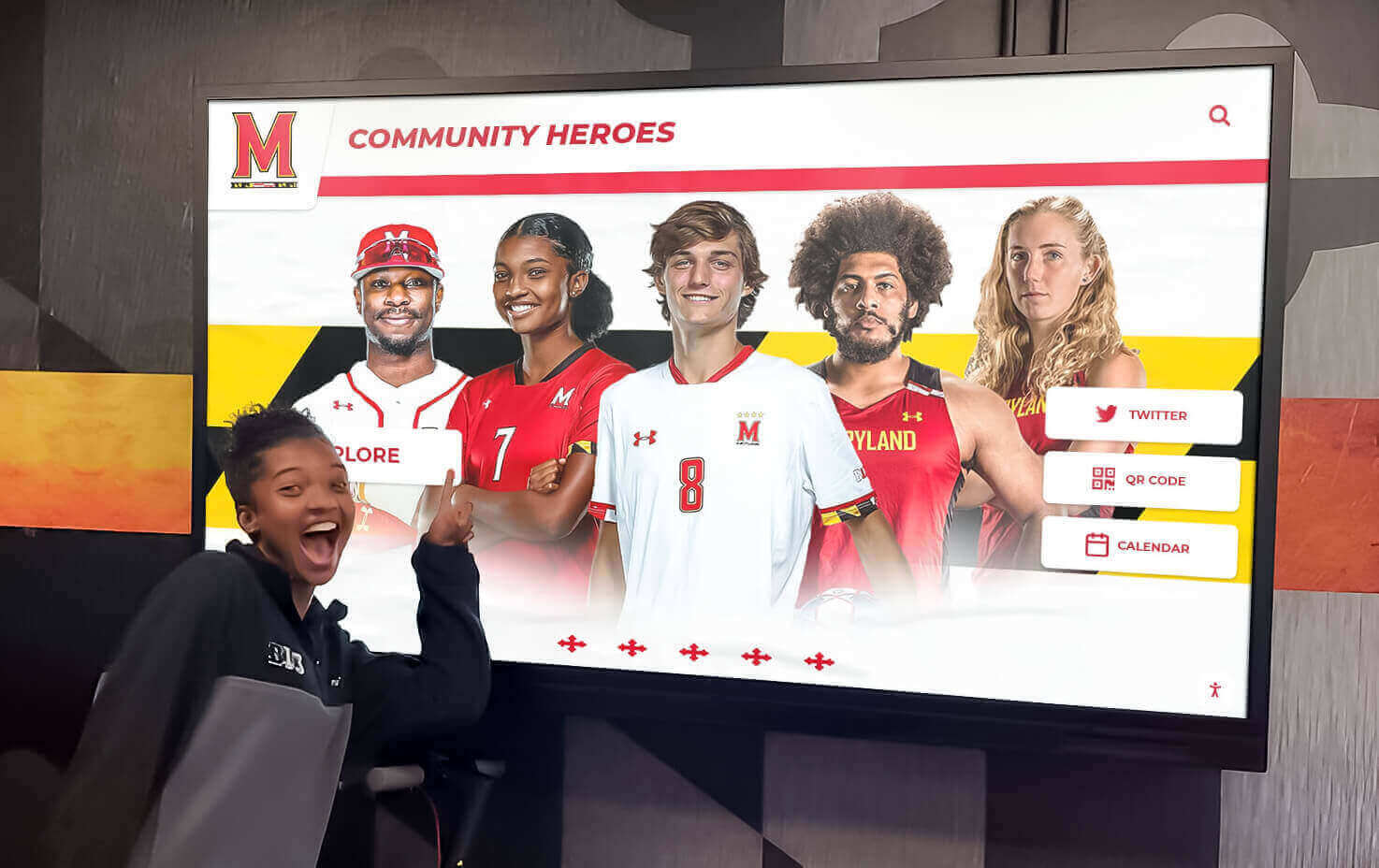
Modern displays make historical achievements accessible to current students
Individual Excellence
The UIL State Basketball Tournament has showcased exceptional individual talent:
Future College and Professional Players
Many state tournament participants continue to college basketball, with some reaching the NBA and WNBA. The tournament serves as showcase for elite prospects, though genuine championship competition means individual statistics sometimes take back seats to team success.
State tournament performances become career-defining moments. A clutch shot, dominant defensive performance, or triple-double in a championship game can elevate a player’s legacy permanently.
Statistical Milestones
Tournament scoring records, rebounding achievements, and exceptional individual performances become part of tournament lore. While team championships matter most, exceptional individual state tournament performances receive lasting recognition.
Programs implementing basketball record management systems often dedicate special sections to state tournament statistics and achievements.
Girls Basketball Excellence
Texas girls basketball has achieved national prominence:
The UIL added girls basketball in 1975, and Texas programs quickly established themselves among the nation’s elite. Multiple Texas programs have produced national championship contenders at the college level.
Girls basketball state tournament crowds rival boys games in many classifications. The UIL’s commitment to equal treatment—identical tournament formats, venues, and recognition—has supported strong program development statewide.
Communities celebrate girls championships with equal fervor, and recognition displays give girls achievements equal prominence, reflecting basketball’s importance across genders in Texas high school athletics.
Preserving State Tournament Achievements
Schools that reach UIL State Basketball Tournaments recognize the need to preserve these historic achievements permanently.
Traditional Recognition Approaches
Historically, schools documented state tournament participation through physical methods:
Championship Banners
Gymnasium banners hanging from rafters represent the most visible recognition format. “State Semifinalist 2023” or “State Champion 2019” banners create immediate visual impact communicating program excellence.
However, banner space eventually fills. Gymnasiums can only accommodate so many banners before they create cluttered appearances or run out of hanging space. Banner production and installation costs several hundred dollars per banner, and updates require professional installation.
Trophy Cases
Physical trophy cases display state tournament hardware. These traditional showcases communicate achievement but face capacity constraints. Large trophies consume significant space, forcing difficult decisions about which achievements to display prominently.
Trophy cases also require physical access. Alumni visiting campus can view them, but graduates who’ve moved away or prospective families researching programs cannot access this information remotely.
Painted Record Boards
Some schools maintain painted record boards listing state qualifiers or champions. These permanent installations communicate program tradition but become expensive to update. Adding new achievements requires professional painting, sometimes years after accomplishments occur due to budget constraints.
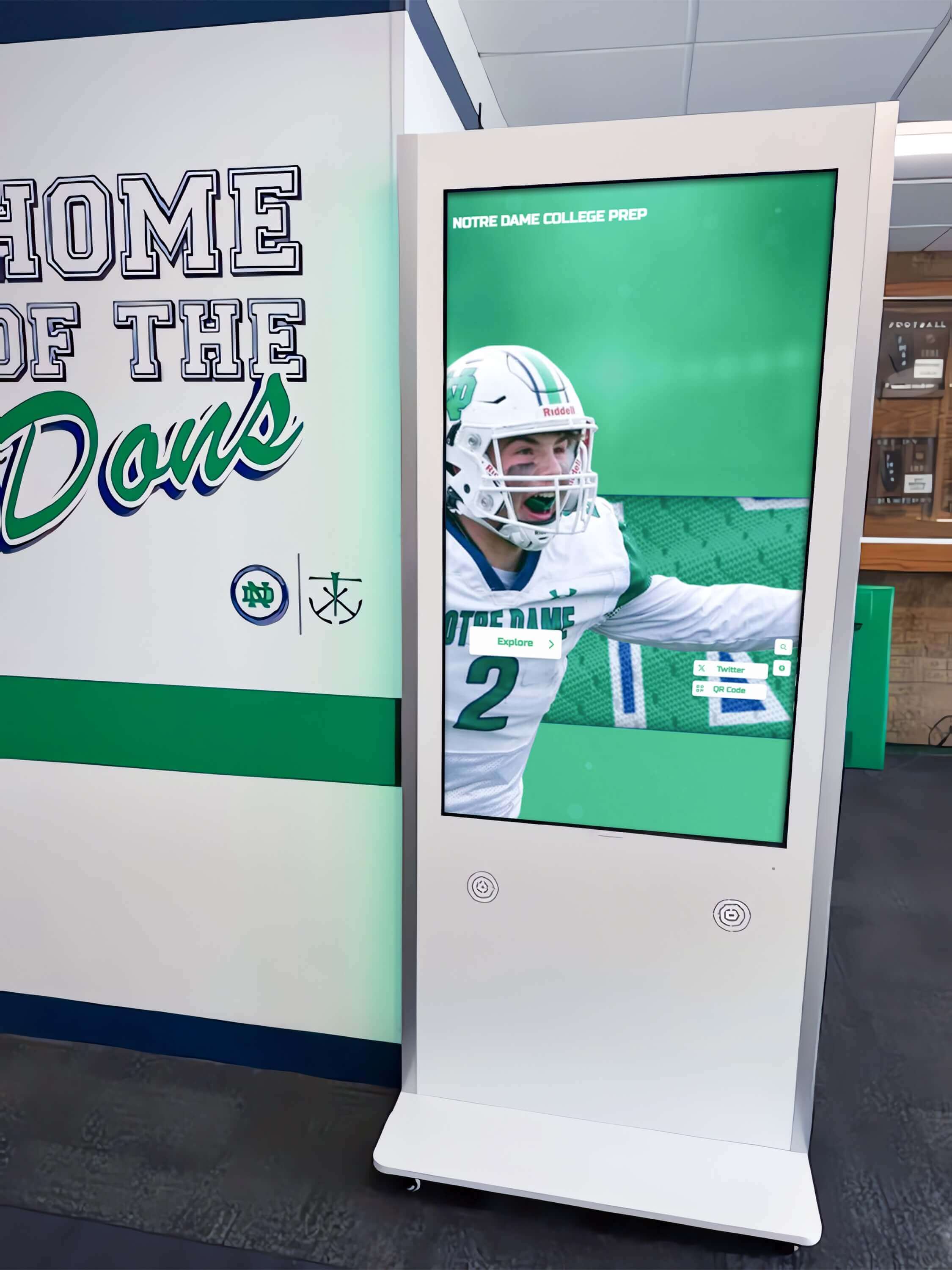
Interactive kiosks overcome space limitations of traditional recognition
Digital Recognition Solutions
Modern schools increasingly implement digital recognition systems addressing traditional limitations:
Unlimited Capacity
Digital platforms eliminate space constraints entirely. Schools can document every state tournament appearance, every player who participated, every semifinal run, and every championship across program history without worrying about physical space.
This unlimited capacity ensures no achievement becomes “too old” or “less important” to display. Freshman teams making unexpected runs, JV achievements, and historical accomplishments all receive appropriate recognition.
Comprehensive Documentation
Digital systems support rich multimedia documentation impossible with traditional methods:
- Team photos from state tournament games
- Action shots capturing key moments
- Tournament brackets showing playoff progression
- Individual player statistics from tournament games
- Box scores from semifinal and championship games
- Video highlights of crucial plays
- Audio clips from coach or player interviews
- Newspaper clippings and media coverage
- Social media posts capturing community reactions
This comprehensive documentation transforms simple “we made state” recognition into compelling storytelling that helps current students understand what these achievements meant.
Instant Updates
When teams qualify for state tournaments, digital recognition systems update immediately. No waiting for banner production, trophy case renovations, or scheduled painting projects. Athletic directors can publish state tournament content within hours of qualification.
This immediacy matters enormously during the compressed playoff timeline. Current students see their achievements recognized instantly, creating powerful motivation and school pride when it matters most.
Remote Accessibility
Digital recognition extends beyond physical campus boundaries. Alumni scattered across the country can explore their state tournament achievements. Prospective families researching programs can see championship traditions. Media members accessing information for coverage can find details instantly.
This accessibility amplifies recognition impact far beyond what traditional physical displays achieve, creating value for broader stakeholder groups.
Solutions like Rocket Alumni Solutions provide purpose-built platforms for documenting state tournament achievements with the depth and accessibility modern programs require.
State Tournament Recognition Best Practices
Schools creating lasting recognition for state tournament achievements should follow these proven approaches:
Document Complete Team Information
State tournament recognition becomes more meaningful with comprehensive documentation:
Essential Elements
- Complete roster including every player, manager, and coach
- Season record and tournament seed
- District championship information
- Playoff game-by-game results with scores
- Tournament bracket showing path to state
- Semifinal and championship game details
- Final tournament placement (champion, runner-up, semifinalist)
- Classification and division specification
Enhanced Elements
- Team photo ideally from state tournament
- Individual player statistics from tournament games
- Tournament awards (MVP, all-tournament team selections)
- Key game highlights and turning points
- Opponent information and respect for competition
- Season narrative beyond just tournament games
- Post-season accolades (all-state selections, etc.)
Comprehensive documentation ensures future generations understand not just that “we made state” but the full story of how teams achieved this excellence and what made the season special.
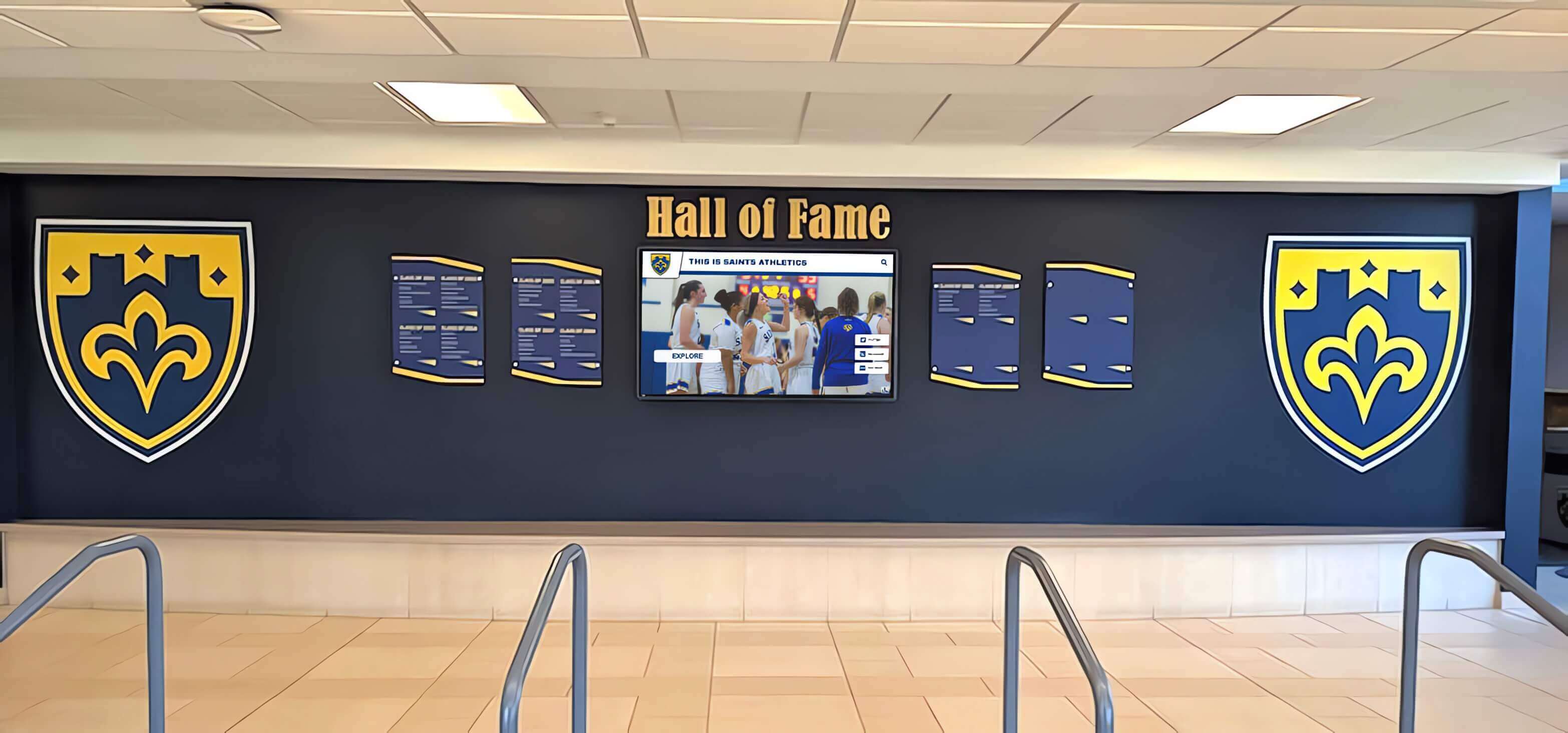
Professional displays celebrate complete team achievements with appropriate detail
Contextualize Achievement Significance
State tournament participation represents different levels of accomplishment across classifications and school histories:
Historical Context
For some programs, state tournament appearances represent once-in-a-generation achievements. For others, regular state trips reflect sustained excellence. Recognition systems should provide context:
- Number of previous state appearances in program history
- Years between state tournament qualifications
- Relation to other program milestones
- Community and school size context
- Notable obstacles overcome
Classification Considerations
Reaching the state tournament in Class 6A versus Class 1A involves different competitive landscapes, though both represent elite achievement. Recognition should acknowledge classification-specific challenges:
- Size of competitive field
- Geographic region competition level
- Division placement impact
- Historical success rates by classification
This context helps current students and future viewers appreciate each state tournament achievement appropriately.
Honor All Participants Equitably
State tournament teams include players with varying roles, all contributing to success:
Equal Recognition Principles
- Roster recognition includes every player, starter through reserve
- Managers, student assistants, and support staff receive appropriate acknowledgment
- JV and freshman teams that supported varsity development deserve mention
- Coaching staffs including head coaches and assistants get proper credit
- Administrative and community support that enabled success warrants recognition
Teams function as units. Recognition systems that over-emphasize star players while minimizing role players’ contributions miss the collaborative nature of championship achievement.
Schools implementing team recognition programs create inclusive environments where all contributors feel valued.
Plan for Ongoing Updates
Basketball programs should anticipate future state tournament qualifications:
Scalable Systems
Recognition approaches should accommodate growth:
- Systems that handle one state tournament appearance should scale to twenty
- Organizational structures should accommodate multiple classifications as schools grow
- Both boys and girls achievements need equal capacity and prominence
- Different eras and coaching tenures require logical organization
Maintenance Accessibility
Updates should be manageable within realistic administrative capacity:
- Content management systems requiring minimal technical expertise
- Reasonable time investment for seasonal updates
- Clear workflows for adding new achievements
- Training transfer when staff changes occur
- Vendor support for complex situations
Programs building sustainable recognition systems create lasting value rather than short-term solutions requiring eventual replacement.
Community and Cultural Impact
UIL State Basketball Tournament achievements create ripple effects extending far beyond the games themselves:
Community Pride and Identity
In communities across Texas, state tournament runs become defining moments:
Shared Experience
State tournament participation creates collective memories. Community members decades later remember where they were, how they followed games, and how championship or semifinal runs felt. These shared experiences build community cohesion and identity.
Particularly in smaller classifications, entire communities might travel to San Antonio, creating distinctive support unavailable to opponents. The visual impact of hundreds or thousands of fans wearing school colors creates lasting impressions on players and builds stories retold for generations.
Economic Impact
State tournament runs generate economic activity in communities. Local businesses create special promotions. Restaurants and gathering places become celebration venues. Championship merchandise creates revenue for athletic programs and local vendors.
The intangible benefits—community pride, youth inspiration, positive media attention—create value impossible to quantify but deeply meaningful to community stakeholders.
Generational Connections
State tournament achievements connect generations. Grandparents who played basketball decades ago share experiences with grandchildren on current teams. Alumni return for playoff runs, filling gyms and creating electric atmospheres. These generational connections strengthen community bonds and institutional loyalty.
Schools documenting multi-generational athletic traditions preserve these family connections through comprehensive recognition.
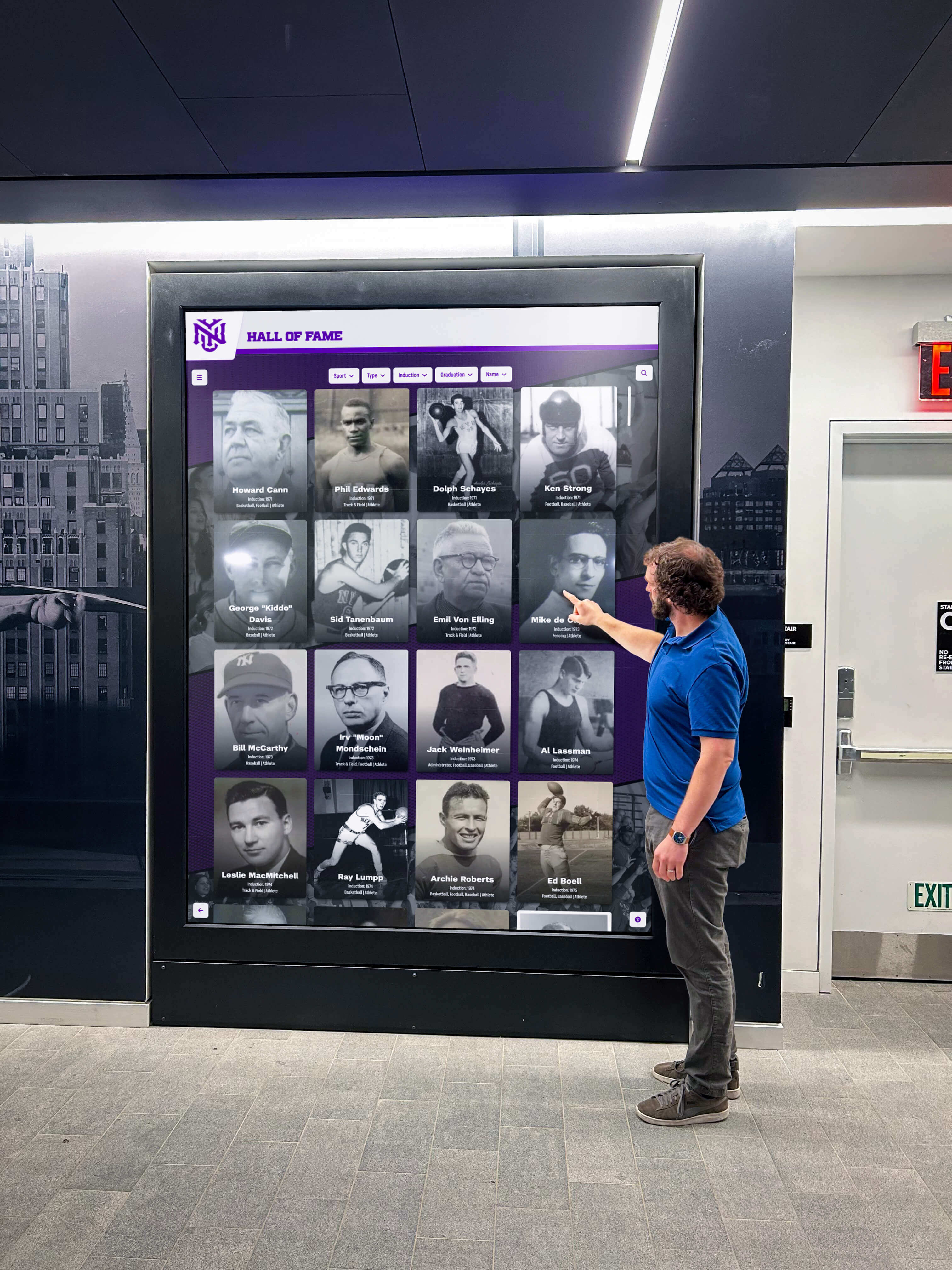
Recognition displays create spaces where generations share athletic traditions
Educational Value and Student Development
State tournament pursuits deliver educational benefits:
Time Management and Discipline
Playoff basketball requires extraordinary time management. Student-athletes balance demanding practice schedules, travel, academic requirements, and competitive pressure. Successfully navigating these demands builds life skills applicable to college and career contexts.
Pressure and Performance
Competing in single-elimination playoffs with championship dreams on the line teaches young people to perform under pressure. These experiences—managing nerves, maintaining focus, responding to adversity—develop psychological resilience valuable throughout life.
Teamwork and Leadership
State tournament runs require exceptional teamwork. Star players must balance individual abilities with team needs. Role players must embrace their contributions. Leaders must navigate complex interpersonal dynamics. These collaborative skills translate directly to professional environments.
Schools celebrating academic and athletic achievement together recognize that state tournament runs develop well-rounded young people, not just basketball players.
Recruiting and Program Development
State tournament success creates virtuous cycles supporting program development:
Talent Attraction
Programs with state tournament traditions attract better players. Families research school athletic programs during relocation decisions. Student-athletes choose schools based partly on competitive opportunities and program excellence.
Visible recognition of state tournament achievements—particularly through accessible digital platforms prospective families can explore remotely—communicates program quality effectively.
Coaching Recruitment
Quality coaches seek programs with state championship potential. State tournament traditions signal administrative support, community engagement, and talent pipelines that enable coaching success.
Schools showcasing basketball excellence through professional recognition displays demonstrate commitment to athletics that appeals to coaching candidates evaluating opportunities.
Youth Development
State tournament success inspires youth players. Elementary and middle school students attending games, wearing team apparel, and following playoff runs develop basketball passion. This youth engagement builds future talent pipelines sustaining program excellence.
Programs creating comprehensive athletic recognition ecosystems inspire current participants while motivating future generations.
Planning for Tournament Participation
Schools whose teams qualify for state tournaments face logistical challenges requiring advance planning:
Travel and Accommodation
State tournament participation involves significant logistical coordination:
Transportation Planning
Teams need transportation to San Antonio, typically via charter bus for manageable distances or air travel for far West Texas schools. Many programs transport entire traveling parties including players, coaches, managers, athletic directors, and limited family members.
Early qualification (immediately after regional championships) allows better rates and availability. Last-minute planning for championship games on short notice creates challenges.
Hotel Accommodations
Finding adequate hotel capacity near the Alamodome during tournament week challenges schools, particularly those making first-time appearances without established partnerships. Block reservations should begin immediately upon qualification.
Budget considerations balance cost against convenience. Properties near the venue command premium pricing but reduce transportation complications.
Meal Planning
Teams need organized meal plans ensuring proper nutrition throughout the tournament. Many programs arrange catered meals at hotels, balancing convenience against cost. Tournament schedules require flexibility for varying game times.
Budget Considerations
State tournament participation involves substantial costs:
Transportation and Lodging
Multi-day stays for teams of 15-20 people create significant expense. Transportation, hotel rooms, and meals for 2-3 nights can easily exceed $10,000-$15,000.
Championship Merchandise
Schools typically order championship apparel for players, coaches, and staff. These mementos become treasured possessions but represent immediate expenses.
Community Support
Booster clubs, parent organizations, and community donors often contribute financially or organizationally to state tournament expenses. Advance planning allows proper fundraising timelines.
Recognition Investment
Post-tournament, schools invest in permanent recognition—banners, trophy case updates, or digital recognition systems. Budgeting for appropriate championship recognition ensures achievements receive proper commemoration.
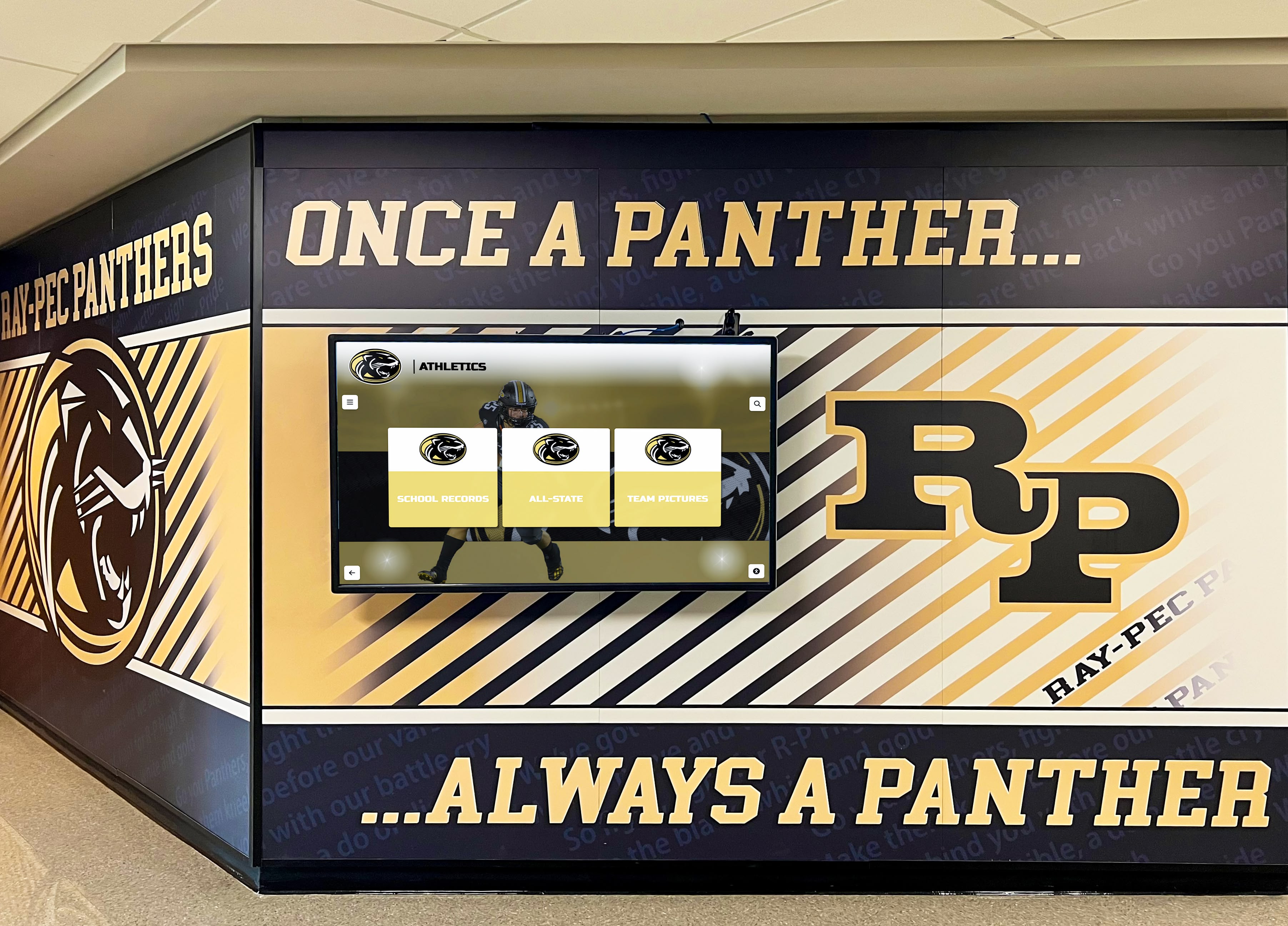
Professional recognition requires budget planning but creates lasting value
Fan Coordination
State tournament qualification triggers massive community support requiring coordination:
Ticket Acquisition
State tournament tickets sell through official UIL channels. Schools receive allocation for players, coaches, and bands. Additional tickets require purchase through general sales, which can sell out for championship games.
Athletic directors should communicate ticket processes to communities early, preventing confusion or disappointment.
Travel Coordination
Many communities organize fan buses or caravans to San Antonio. Booster clubs or parent organizations often coordinate these efforts. Clear communication about departure times, parking, and group seating helps create positive fan experiences.
School Spirit
Student sections, pep bands, and spirit groups create electric atmospheres at state tournaments. Coordinating these groups’ participation—transportation, instruments, matching apparel—enhances team support and creates memorable experiences.
Safety and Supervision
Schools bringing student groups maintain proper supervision ratios. Clear expectations, designated meeting locations, and emergency protocols ensure safe, positive experiences.
Programs planning school-wide celebration approaches create community experiences extending beyond the gymnasium.
After the Tournament: Celebration and Recognition
State tournament participation deserves lasting celebration regardless of outcome:
Homecoming Celebrations
Communities organize celebrations honoring state tournament teams:
Championship Celebrations
State champions receive hero welcomes. Fire departments provide escorts. Communities line streets. City or school district officials organize official recognitions. These celebrations become treasured community memories.
Even semifinalists deserve celebration. Reaching state tournaments represents extraordinary achievement worth honoring, regardless of final placement.
School Assemblies
Many schools organize assemblies allowing student bodies to celebrate team achievements. Players share experiences, coaches speak about team character, and communities recognize collective efforts.
These assemblies serve educational purposes, demonstrating to younger students what dedicated work can achieve.
Recognition Implementation
Permanent recognition should begin promptly after tournament conclusion:
Immediate Recognition
Digital recognition systems allow immediate documentation. Within days of tournament conclusion, athletic directors can publish comprehensive state tournament recognition including photos, statistics, and narratives while experiences remain fresh.
This immediacy matters psychologically. Players appreciate prompt recognition rather than waiting months for physical displays.
Comprehensive Documentation
Take time to gather complete documentation:
- Official game programs and brackets
- Professional photographs from tournament games
- Media coverage from local and state outlets
- Social media content capturing community reactions
- Statistical summaries from official scorebooks
- Player and coach reflections gathered through interviews
- Video footage from games (if available)
This comprehensive documentation creates rich recognition far beyond simple “State Semifinalist 2025” designations.
Long-Term Preservation
State tournament recognition becomes part of permanent program archives. Decades later, alumni return seeking memories of their state tournament experiences. Comprehensive, accessible recognition systems ensure these achievements remain discoverable and meaningful.
Schools implementing digital recognition platforms create searchable archives making historical achievements easily accessible.
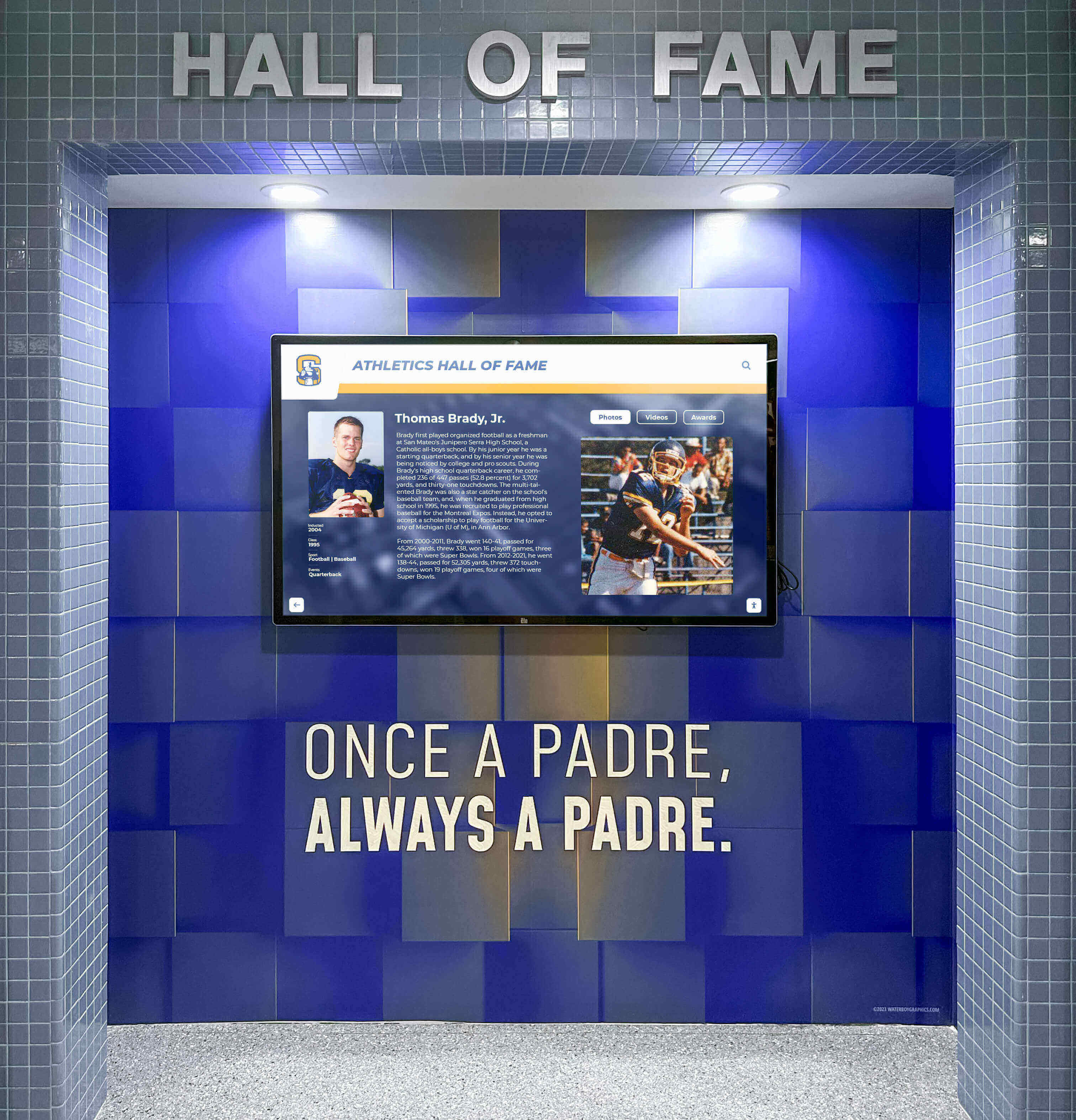
Professional recognition systems preserve tournament achievements permanently
UIL Basketball Tournament Resources
Schools preparing for or celebrating state tournament participation can access various resources:
Official UIL Resources
The UIL provides comprehensive information:
Tournament Information
- Official tournament brackets and schedules
- Ticket purchasing information
- Venue details and directions
- Hotel accommodation recommendations
- Official championship merchandise
- Historical records and championship listings
Rules and Eligibility
- Basketball rules and interpretations
- Eligibility requirements and transfer rules
- Playoff bracket procedures
- Protest and appeals processes
Media Resources
- Official statistics and box scores
- Live streaming information
- Media guides and historical data
- Championship photo galleries
Community Support Networks
Texas basketball communities share resources and support:
Coaching Networks
Texas high school basketball coaches maintain active professional networks sharing strategies, scouting information, and tournament experiences. These communities help first-time state tournament coaches navigate logistical and competitive challenges.
Athletic Director Associations
School athletic directors share operational knowledge about tournament logistics, recognition approaches, and community coordination strategies.
Alumni and Community Groups
Many schools maintain active alumni networks that mobilize during state tournament runs, providing financial support, organizational assistance, and community coordination.
Conclusion: Preserving Excellence Through Modern Recognition
The UIL State Basketball Tournament represents the pinnacle of Texas high school basketball—a single-elimination stage where months of dedication, district battles, and playoff intensity culminate in championship dreams realized or heartbreakingly deferred. For the elite programs that navigate five consecutive playoff victories to reach San Antonio’s Alamodome, state tournament participation creates defining moments for players, coaches, and entire communities.
Understanding the tournament structure—from six-classification systems through regional qualification and tournament traditions—helps stakeholders appreciate the magnitude of state tournament achievement. The rigorous qualification process ensures that every state tournament team earned its position through sustained excellence, not subjective selection.
Beyond the competitive drama, state tournament achievements create lasting legacies requiring appropriate recognition. Traditional approaches—championship banners, trophy cases, painted record boards—have served programs well but face fundamental limitations in capacity, accessibility, and maintenance that modern digital solutions comprehensively address.
Digital recognition platforms provide unlimited capacity for documenting every state tournament appearance across program history, support rich multimedia storytelling impossible with static displays, enable instant updates honoring achievements immediately, and extend recognition beyond physical campuses to reach alumni worldwide and prospective families researching programs.
Preserve Your State Tournament Legacy
Discover how Rocket Alumni Solutions helps Texas schools create comprehensive digital recognition systems that preserve UIL State Basketball Tournament achievements, inspire current athletes, and engage communities for generations.
Schedule Your Free ConsultationWhether celebrating first-time state tournament qualification or adding to championship traditions spanning decades, Texas high school basketball programs recognize that state tournament participation represents achievements worth preserving permanently. The question isn’t whether to honor these accomplishments—all programs do—but whether to continue accepting limitations of traditional recognition or embrace modern solutions that celebrate state tournament excellence comprehensively, accessibly, and sustainably.
For Texas schools ready to transform basketball recognition, explore how athletic hall of fame systems specifically designed for comprehensive tournament documentation can eliminate traditional constraints while amplifying recognition impact. Learn how schools statewide preserve basketball excellence through systems honoring the past while inspiring future generations pursuing their own UIL State Basketball Tournament dreams.































