Every spring, high schools across America celebrate their highest academic achievers during graduation ceremonies. Two students typically receive special recognition: the valedictorian and salutatorian. These time-honored distinctions represent the culmination of years of academic dedication, yet many students, parents, and even educators don’t fully understand how these honors are determined, what they signify, or why some schools are moving away from them entirely.
The valedictorian versus salutatorian distinction carries weight far beyond a speaking slot at graduation. These titles influence college applications, scholarship opportunities, family pride, and student identity. Yet behind the seemingly straightforward concept of “first place” and “second place” lies a complex system of GPA calculations, weighted coursework, tiebreakers, and evolving educational philosophies about competition versus collaboration.
This comprehensive guide examines everything you need to know about valedictorian and salutatorian honors—from their historical origins to modern alternatives, from calculation methods to the psychological impact on students.
The Basic Distinction: What Makes a Valedictorian and Salutatorian
At their core, valedictorian and salutatorian designations identify a graduating class’s highest academic performers based on cumulative grade point average throughout high school.
Valedictorian: The Top Academic Honor
The valedictorian holds the highest grade point average in the graduating class. This student traditionally delivers the valedictory address—the farewell speech to classmates, families, and faculty during the graduation ceremony.
The term derives from the Latin “valedictory,” meaning “to say farewell.” Historically, this student literally bid farewell on behalf of the entire graduating class, offering reflections on their shared educational journey and hopes for the future.
Key valedictorian characteristics:
- Highest cumulative GPA in the graduating class
- Traditional privilege of delivering the valedictory address at graduation
- Represents academic excellence across all four years of high school
- Receives prominent recognition in graduation programs and school records
- Often (though not always) receives special academic honors cords, medals, or designations

Salutatorian: The Second-Highest Academic Honor
The salutatorian holds the second-highest grade point average in the graduating class. This student traditionally delivers the salutatory address—the welcoming remarks at the beginning of the graduation ceremony.
The term comes from the Latin “salutatorius,” meaning “of greeting or welcoming.” The salutatorian’s speech traditionally welcomed attendees to the ceremony and set the tone for the celebration.
Key salutatorian characteristics:
- Second-highest cumulative GPA in the graduating class
- Traditional privilege of delivering opening remarks at graduation
- Represents sustained academic excellence throughout high school
- Receives recognition as runner-up in academic achievement
- May receive special academic designation or honors alongside the valedictorian
The distinction between these two positions might seem minimal—often separated by hundredths or even thousandths of a grade point—but the traditional hierarchy places significant symbolic weight on finishing first versus second.
How Valedictorian and Salutatorian Are Determined
Schools use various methods to calculate and award valedictorian and salutatorian honors, with approaches differing significantly across districts and states.
Traditional GPA Calculation Methods
Unweighted GPA Systems Some schools use unweighted GPAs where every course counts equally toward the cumulative average:
- A = 4.0 points
- B = 3.0 points
- C = 2.0 points
- D = 1.0 point
- F = 0 points
In unweighted systems, a student earning straight A’s in standard-level courses achieves the same 4.0 GPA as a student earning straight A’s in advanced courses. This approach values consistent excellence but doesn’t account for course difficulty.
Weighted GPA Systems Many schools implement weighted GPA calculations that award extra points for advanced coursework:
- Honors courses: typically 0.5 additional point (A = 4.5)
- Advanced Placement (AP) courses: typically 1.0 additional point (A = 5.0)
- International Baccalaureate (IB) courses: typically 1.0 additional point (A = 5.0)
- Dual enrollment/college courses: varies by school policy
Weighted systems encourage students to challenge themselves with rigorous coursework while recognizing the additional difficulty of advanced classes.

The Timing Factor: When GPA is Calculated
Schools vary on exactly when they finalize GPA calculations for valedictorian determination:
End of First Semester Senior Year Some schools calculate rankings after the first semester of senior year, allowing students to know their status before college application deadlines and enabling them to list the honor on applications.
End of Third Quarter Senior Year Other schools wait until closer to graduation to include as much coursework as possible while still allowing time for ceremony planning.
After All Coursework Completion Some schools calculate final GPAs only after all senior year coursework concludes, including fourth quarter or final exams, providing the most complete academic picture.
The timing significantly affects which courses count toward the calculation and can influence student course selection strategies.
Common Tiebreaker Scenarios
Given that GPAs calculated to multiple decimal places can still result in identical outcomes, schools implement various tiebreaker systems:
Co-Valedictorians/Co-Salutatorians Many schools now name multiple valedictorians when students achieve identical GPAs, recognizing that numerical systems cannot always identify a single “best” student. Some graduating classes have had 10+ co-valedictorians.
Additional Decimal Place Calculation Some schools extend GPA calculations beyond the standard hundredths place (3.99 vs 3.987) to break ties, though this can lead to arbitrary distinctions based on tiny differences.
Standardized Test Scores Certain schools use SAT or ACT scores as secondary criteria, though this practice has decreased as colleges move toward test-optional admissions.
Specific Course Performance Some districts examine performance in designated core academic subjects when GPAs are identical, prioritizing certain disciplines over electives.
Number of Advanced Courses Schools may count the quantity of honors, AP, or IB courses taken as a tiebreaker when weighted GPAs match.
The College Application Impact
Students and families often view valedictorian and salutatorian status as crucial for college admissions, but the reality is more nuanced.
How Colleges View Class Rank Designations
Highly Selective Universities Top-tier universities receive applications from thousands of valedictorians annually. Being valedictorian signals academic excellence but doesn’t guarantee admission—these schools consider the full application portfolio.
According to admissions data, highly selective universities typically admit only 10-20% of valedictorian applicants. The honor demonstrates academic capability but must be accompanied by compelling essays, meaningful extracurriculars, and strong recommendations.
State Flagship Universities Many state flagship universities give significant weight to class rank and valedictorian/salutatorian status, particularly for in-state applicants. Some states guarantee admission to flagships for students in the top percentage of their class.
Merit-Based Scholarship Programs National Merit scholarships, university-specific merit awards, and private scholarship funds frequently include valedictorian/salutatorian status as eligibility criteria or selection factors.

The Declining Emphasis on Class Rank
A growing number of high schools no longer report class rank to colleges, reducing the universal significance of valedictorian and salutatorian designations:
Schools Eliminating Rank Reporting According to the National Association for College Admission Counseling, nearly 50% of high schools no longer report class rank. Reasons include:
- Reducing unhealthy competition among high-achieving students
- Recognizing that minimal GPA differences don’t meaningfully distinguish student capabilities
- Acknowledging that ranking systems disadvantage students who challenge themselves with difficult courses
- Responding to concerns that ranking creates anxiety and mental health challenges
Holistic Admissions Growth Selective colleges increasingly emphasize holistic review processes that consider the full student profile rather than focusing heavily on numerical rankings. Schools using comprehensive academic recognition programs often find that celebrating diverse achievement types produces more meaningful college application materials.
The Psychological and Social Dynamics
The competition for valedictorian and salutatorian status creates complex psychological effects on students, schools, and families.
Positive Motivational Effects
Academic recognition provides genuine benefits when implemented thoughtfully:
Clear Achievement Goals Students with specific, measurable academic targets often demonstrate higher motivation and sustained effort throughout high school.
Recognition for Academic Values Publicly celebrating intellectual achievement sends powerful messages about what schools and communities value, potentially elevating academic priorities to match athletic recognition.
Sense of Accomplishment Earning top academic honors provides students with legitimate pride in years of dedicated work, creating positive self-concept and confidence.
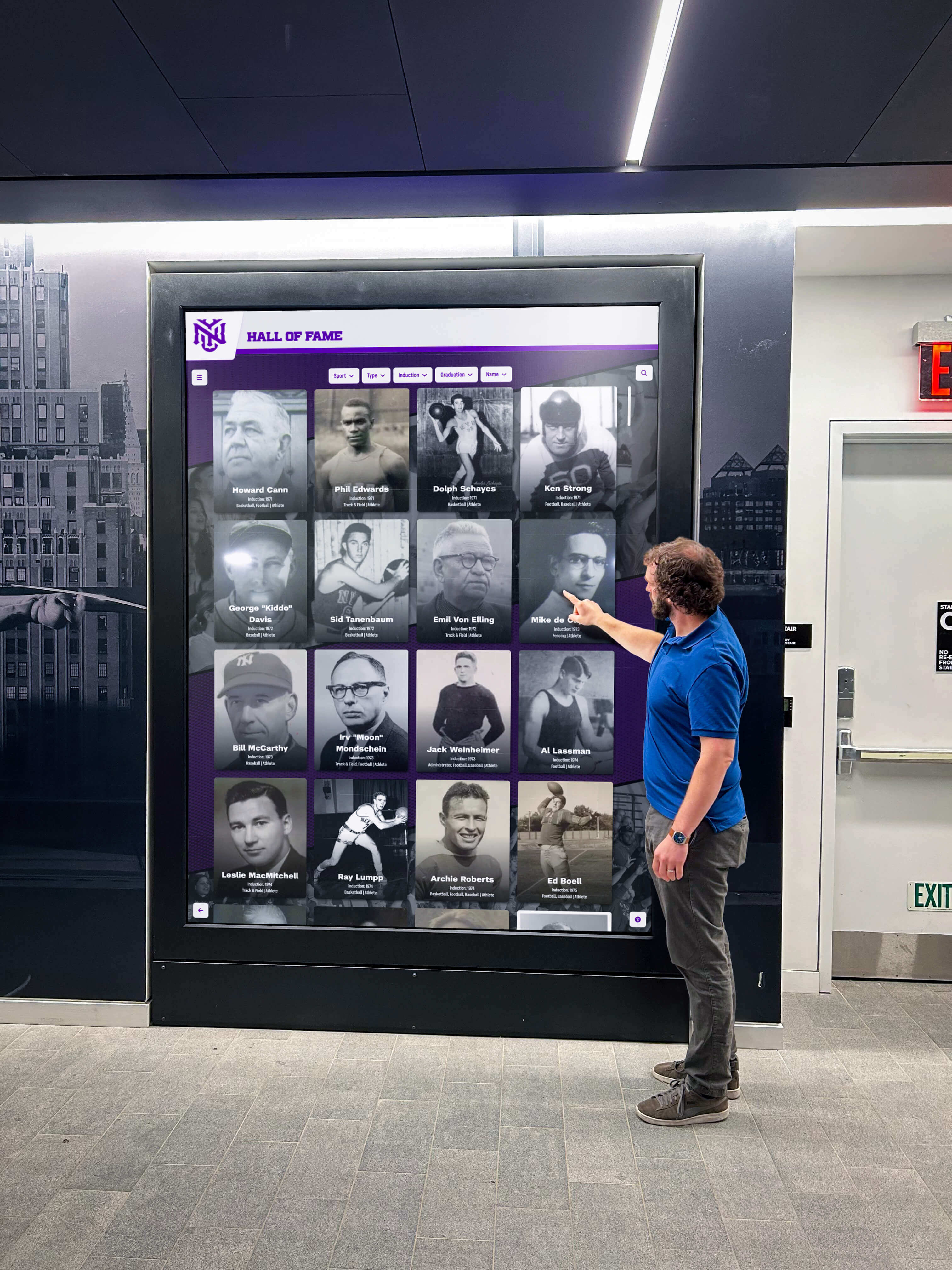
Modern digital recognition displays allow schools to celebrate valedictorians and salutatorians alongside other academic achievers, creating comprehensive recognition that values excellence across multiple dimensions.
Negative Competitive Pressures
The pursuit of top academic honors can also create problematic dynamics:
Grade-Focused Over Learning-Focused Students may prioritize grade maximization over genuine learning, avoiding challenging courses with potential for lower grades or selecting courses strategically based on GPA impact rather than interest.
Mental Health Concerns Competition for top academic positions correlates with increased stress, anxiety, and perfectionism among high-achieving students. Some students report unhealthy sleep patterns, excessive worry about minor grade differences, and fear of failure.
Peer Relationship Strain Intense competition for valedictorian can damage friendships, create secrecy about grades and course selections, and foster viewing classmates as rivals rather than collaborators.
Family Pressure Dynamics External pressure from families invested in valedictorian status can override student preferences, leading to course selections and activities driven by achievement metrics rather than genuine interests.
Equity Considerations
Valedictorian determination systems can inadvertently create or reinforce inequities:
Access to Advanced Coursework Students in well-resourced schools with extensive AP/IB course offerings have GPA advantages over equally capable students in schools with limited advanced options. Weighted GPA systems particularly advantage students with curriculum access.
Socioeconomic Factors Students who must work part-time jobs or provide family caregiving may have limited time for the homework loads required by multiple advanced courses, putting them at disadvantage in GPA calculations despite comparable academic capability.
Different Starting Points Transfer students, those with inconsistent school attendance, or students overcoming learning challenges may never mathematically achieve top GPA status despite tremendous growth and achievement.
Modern Alternatives and Evolving Practices
Recognizing both the benefits of academic recognition and the drawbacks of winner-takes-all ranking, many schools are implementing alternative approaches.
Multiple Valedictorians
The most common reform involves recognizing all students who meet specific criteria rather than limiting recognition to one or two individuals:
Threshold-Based Recognition Schools establish GPA thresholds (often 4.0 unweighted or specific weighted GPAs) and recognize all students meeting that standard as valedictorians. This eliminates artificial scarcity while maintaining recognition standards.
Benefits:
- Reduces cutthroat competition since students compete against a standard, not each other
- Acknowledges that multiple students can achieve excellence
- Allows recognition of different academic paths to high achievement
- Eliminates arbitrary tiebreakers that distinguish between essentially equivalent students
Challenges:
- Some graduating classes have very large numbers of valedictorians (30+ in some cases)
- Can reduce the perceived prestige of the honor if too many students achieve it
- Complicates graduation ceremony speaking arrangements
- May confuse college admissions offices expecting single valedictorian designation
Latin Honors Systems
Many schools adopt Latin honors (summa cum laude, magna cum laude, cum laude) borrowed from colleges:
Typical Implementation:
- Summa cum laude: Top 5% of class or 3.9+ GPA
- Magna cum laude: Next 10% of class or 3.7-3.89 GPA
- Cum laude: Next 15% of class or 3.5-3.69 GPA
This tiered approach recognizes academic excellence across broader ranges while reducing focus on minute GPA differences.
Schools implementing comprehensive high school end-of-year awards often integrate Latin honors with other recognition categories.
Student Speaker Selection by Other Criteria
Progressive schools separate graduation speaking opportunities from GPA ranking:
Application and Selection Process Students submit speeches and interview with selection committees including faculty, administrators, and student representatives. Speakers are chosen based on speech quality, representation of class experiences, and speaking ability rather than GPA.
Peer Voting Some schools allow the graduating class to vote on graduation speakers from interested candidates, emphasizing connection with classmates over academic ranking.
Random Selection A few schools randomly select graduation speakers from eligible students (those meeting minimum GPA and citizenship criteria), completely eliminating achievement-based selection.
These approaches recognize that the best graduation speaker—someone who can connect with audiences and articulate meaningful reflections—may not be the person with the highest GPA.
Eliminating Rankings Entirely
A growing number of schools completely eliminate valedictorian/salutatorian designations and class rankings:
Recognition Without Ranking These schools maintain robust academic recognition programs celebrating achievements across multiple dimensions—subject-specific excellence, growth and improvement, specialized talents, service learning, and more—without hierarchical ranking.
Philosophy: Schools adopting this approach argue that:
- Learning should be intrinsically motivated, not driven by competition
- Multiple paths to excellence exist that numerical rankings cannot capture
- Collaboration and peer support create healthier learning environments than competition
- College admissions success depends on full student profiles, not single honors
Historical Context: How These Honors Evolved
Understanding the origins of valedictorian and salutatorian traditions provides context for current debates.
Educational History
Valedictorian and salutatorian designations emerged from European university traditions dating back to medieval times when graduating students delivered formal orations in Latin.
American Adoption American high schools adopted these practices in the late 19th and early 20th centuries as public education expanded. The honors symbolized democratic meritocracy—recognition based purely on academic achievement regardless of family background or social status.
Golden Age of Class Ranking From the 1950s through the 1990s, class ranking became increasingly formalized and central to college admissions. Valedictorian status carried significant weight in scholarship determination and university acceptances.
Recent Reconsideration Beginning in the early 2000s, concerns about competitive pressure, equity, and holistic student development prompted many schools to reconsider traditional ranking systems.
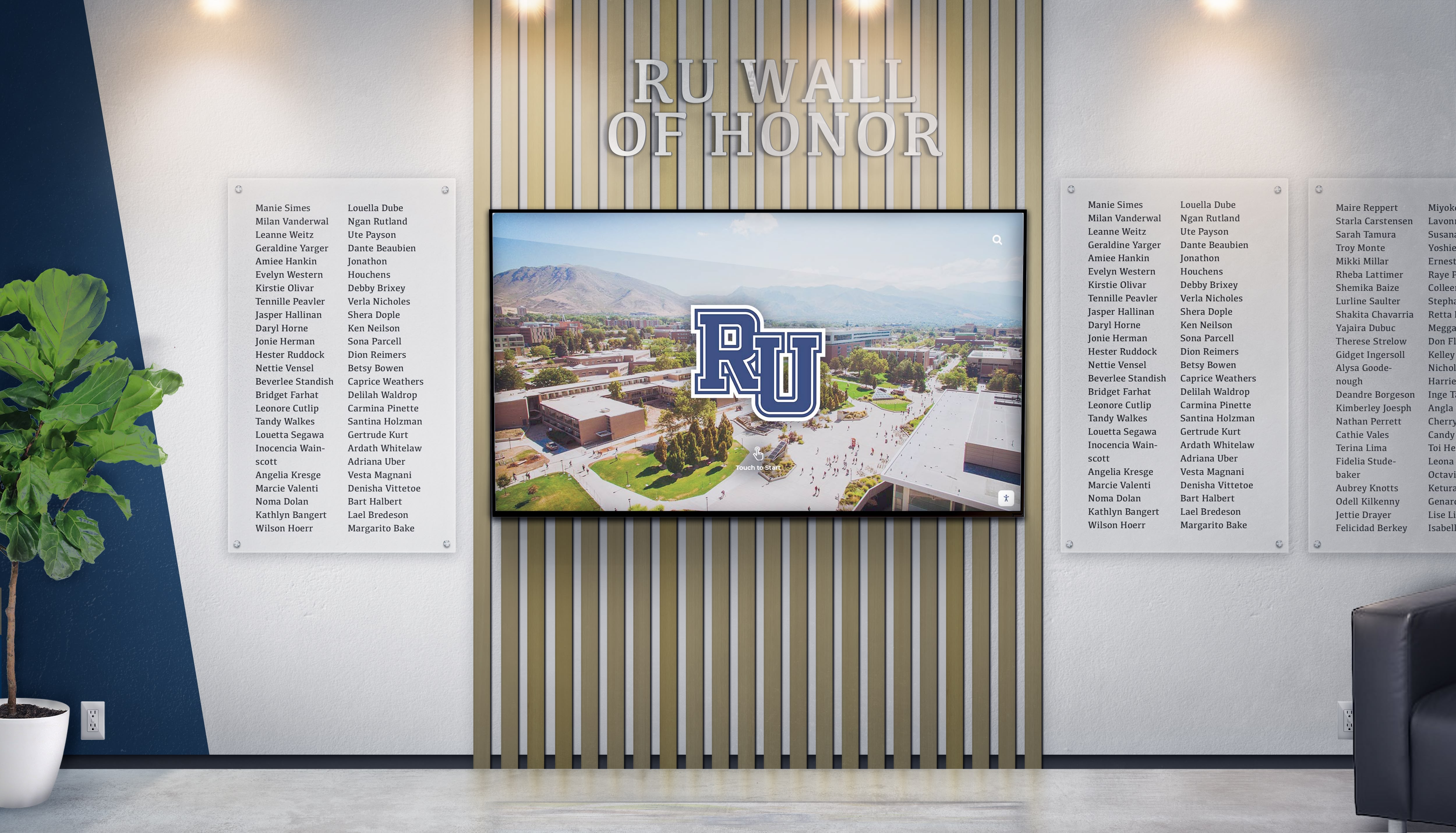
Schools preserving academic history through digital displays can showcase the evolution of academic honors over decades, providing context for current recognition practices.
Recognizing Academic Excellence in the Modern Era
Whether schools maintain traditional valedictorian/salutatorian honors or adopt alternative systems, celebrating academic achievement remains essential.
Creating Comprehensive Recognition
Effective modern academic recognition goes beyond identifying single top achievers:
Multiple Achievement Categories
- Subject-specific excellence awards in all academic disciplines
- Growth and improvement recognition for students making significant progress
- Research and project-based learning accomplishments
- Academic competition success at local, state, and national levels
- Service learning that combines academics with community impact
Learn about comprehensive approaches in end-of-year celebration ideas that honor students across diverse achievement types.
Digital Recognition Solutions
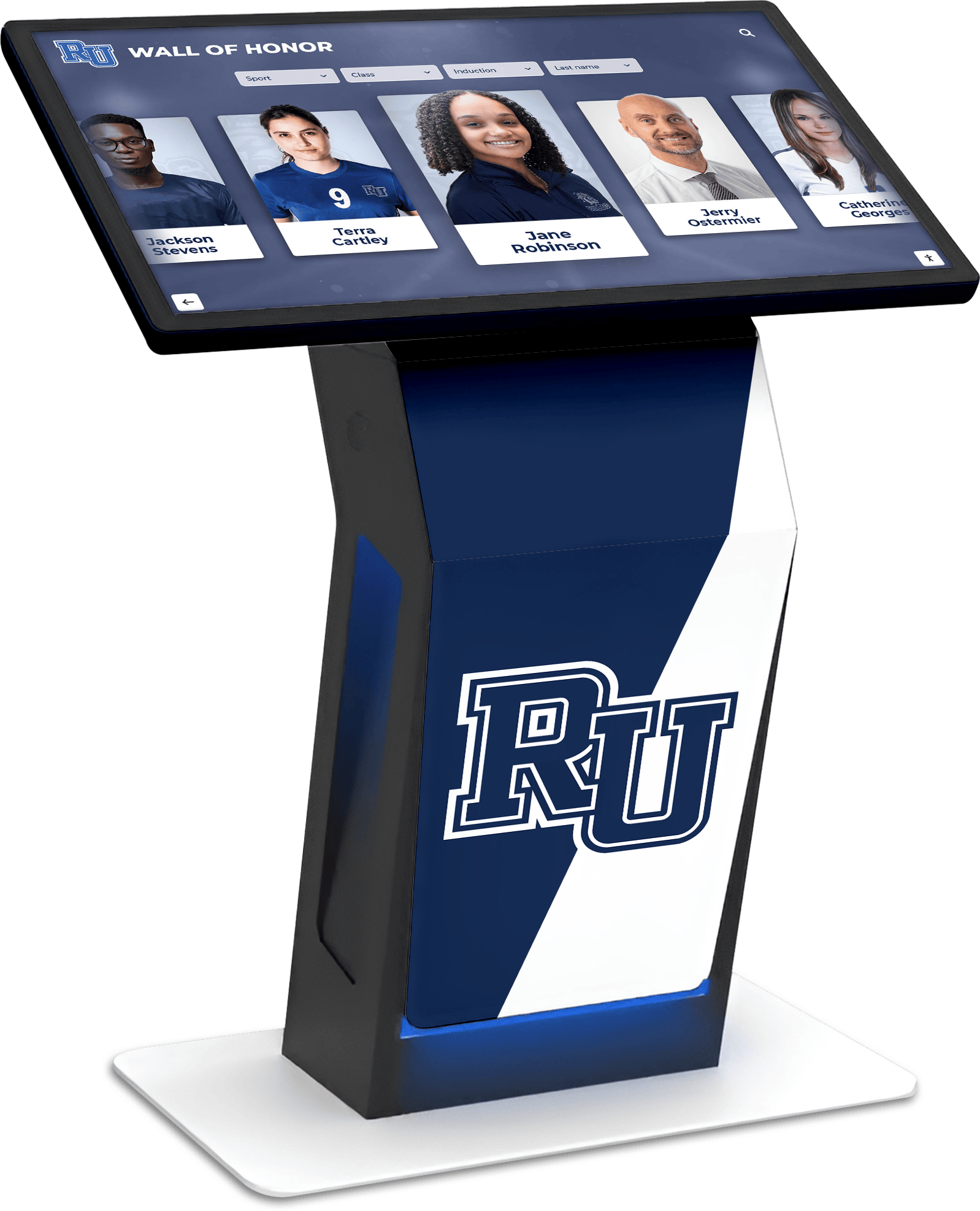
Traditional static plaques and printed honor rolls struggle to accommodate comprehensive academic recognition. Modern solutions like Rocket Alumni Solutions provide unlimited capacity to celebrate every achievement:
Benefits of Digital Recognition Displays:
- Unlimited profiles celebrating all academic achievers, not just top two students
- Interactive exploration allowing students to discover peer accomplishments
- Regular updates as new achievements occur throughout the school year
- Rich content including photos, achievement details, and academic journeys
- Remote management enabling effortless content updates
- Web accessibility extending recognition beyond physical campus
Schools implementing interactive digital displays can celebrate valedictorians and salutatorians while simultaneously recognizing hundreds of other academic accomplishments.
Balancing Tradition and Innovation
Schools don’t necessarily need to choose between maintaining traditional honors and implementing progressive recognition:
Hybrid Approaches Many schools retain valedictorian/salutatorian designations while expanding recognition to include:
- Academic all-stars in every subject area
- Departmental awards for excellence and growth
- Special recognition for overcoming learning challenges
- Acknowledgment of different intelligence types and talents
- Scholar-athlete recognition bridging academics and activities
This balanced approach preserves traditional honors that families and communities value while creating inclusive recognition opportunities that celebrate diverse forms of academic excellence.
What Students Should Know
If you’re a student navigating the valedictorian/salutatorian landscape, several key points deserve consideration:
Strategic Course Selection
Challenge Yourself Appropriately Take rigorous courses that genuinely interest you and prepare you for future goals, not simply courses that maximize GPA. Colleges recognize strategic GPA gaming and value authentic intellectual curiosity over numerical optimization.
Consider the Weighted System If your school uses weighted GPAs, understand exactly how different course levels affect calculations. Determine whether the added rigor of advanced courses aligns with your learning goals, not just their GPA impact.
Ask About Calculation Methods Don’t assume you understand how your school determines valedictorian status. Meet with your counselor to learn:
- When is GPA calculated for ranking purposes?
- Which courses count toward the calculation?
- How are weighted GPAs calculated?
- What tiebreaker methods are used?
- Does the school report class rank to colleges?

Maintaining Perspective
Academic Achievement Isn’t Everything Valedictorian status represents one measure of academic success but doesn’t capture your full value as a student or person. Colleges, employers, and life success depend on much broader qualities—intellectual curiosity, resilience, collaboration, creativity, and character.
Prioritize Learning Over Grades Students who focus on genuine learning, exploring subjects deeply, and developing real skills consistently report greater satisfaction and long-term success than those who prioritize grade maximization.
Take Care of Mental Health If competition for top academic honors creates persistent stress, anxiety, or diminished wellbeing, recalibrate your priorities. Academic success never justifies compromising your mental health.
Build Genuine Relationships Don’t allow academic competition to damage friendships or create adversarial relationships with classmates. The peer networks you build in high school have lasting value far exceeding the significance of any graduation honor.
What Parents Should Know
Parents play crucial roles in supporting students’ academic journeys while maintaining healthy perspectives on achievement.
Supporting Without Pressuring
Let Achievement Be Student-Driven Parents should encourage academic excellence but avoid imposing valedictorian goals on students. Achievement driven by intrinsic motivation produces better learning outcomes and student wellbeing than achievement motivated by external pressure.
Recognize Multiple Paths to Success Valedictorian status represents one form of achievement but shouldn’t overshadow other accomplishments—artistic talents, athletic development, leadership growth, community service, personal character, and social-emotional skills.
Model Balanced Priorities Communicate that you value effort, growth, and learning more than specific honors or recognitions. Students who feel loved unconditionally regardless of academic status demonstrate better mental health outcomes.
Understanding Admissions Reality
Valedictorian Doesn’t Guarantee Admission Top universities receive applications from far more valedictorians than they can accept. While the honor demonstrates capability, admission depends on the full application profile.
Many Paths Lead to Success Outcomes research consistently shows that students attending a wide range of colleges achieve career success and life satisfaction. Valedictorian status and admission to specific institutions correlate less strongly with long-term outcomes than student qualities like persistence, adaptability, and curiosity.
What School Administrators Should Consider
School leaders designing or evaluating academic recognition systems should weigh several factors:
Policy Design Considerations
Align with Educational Mission Your recognition system should reinforce your school’s educational philosophy. If you emphasize collaboration and growth mindset, does a winner-takes-all ranking system align with those values?
Address Equity Concerns Consider how your GPA calculation and ranking system affects different student populations. Do students with fewer AP course options face disadvantages? Do students facing socioeconomic challenges have equal recognition opportunities?
Gather Stakeholder Input Before significantly changing traditional practices, engage students, families, faculty, and community members in discussions about academic recognition philosophy and goals.
Implement Comprehensive Recognition Whether maintaining traditional valedictorian honors or adopting alternatives, ensure your system celebrates excellence across multiple dimensions. Solutions like digital recognition displays make comprehensive recognition logistically feasible.

Managing Transitions
If your school decides to modify traditional valedictorian/salutatorian practices:
Communicate Changes Clearly Announce policy changes well in advance with detailed explanations of rationale, timeline, and new procedures. Recognize that change may face resistance from community members who value tradition.
Grandfather Current Students Appropriately Consider implementing changes with incoming classes rather than altering systems midstream for students who selected courses based on existing policies.
Preserve Historical Recognition If eliminating rankings, maintain respect for past valedictorians and salutatorians. Historical displays can honor traditional achievements while implementing new recognition approaches.
Special Considerations and Exceptions
Several scenarios complicate standard valedictorian determination:
Transfer Students
Students who transfer mid-high-school present calculation challenges:
Policy Variations:
- Some schools include only coursework completed at their institution
- Others incorporate transferred grades into cumulative GPAs
- Some schools make transfer students ineligible for valedictorian consideration
- Progressive schools recognize that transfer shouldn’t disqualify students from recognition
Clear, documented policies prevent disputes and ensure fairness.
Early Graduation
Students who complete requirements in fewer than four years create timing complications:
Calculation Approaches:
- Some schools calculate GPA through all completed coursework at graduation time
- Others require four full years of enrollment for valedictorian eligibility
- Some schools recognize early graduates in their intended graduation class
Policies should be established and communicated before students pursue early graduation.
International Baccalaureate Programs
IB programs present unique recognition challenges:
Different Grading Systems: IB uses a 1-7 point scale with different conversion standards. Schools must determine how to equitably compare IB grades with traditional letter grades in weighted GPA calculations.
Two-Year Program Structure: IB Diploma Programme comprises junior and senior years. Schools must decide whether to weight IB courses comparably to AP courses despite different structures.
Dual Enrollment and College Courses
Students taking college courses during high school require special consideration:
GPA Integration Questions:
- How are college grades converted to high school GPA scales?
- Do all college courses receive weighted consideration, or only those in specific categories?
- How are credit hours converted to high school course equivalents?
Inconsistent policies can advantage or disadvantage students taking college coursework.
The Future of Academic Recognition
Educational trends suggest continued evolution in how schools recognize academic achievement:
Anticipated Developments
Further Movement Away from Rankings The trend toward eliminating class rankings and reconsidering valedictorian/salutatorian honors will likely continue, particularly in competitive suburban schools where student stress concerns are prominent.
Competency-Based Recognition As more schools adopt competency-based or mastery-based grading systems that emphasize skill development over numerical grades, traditional GPA-based rankings become less meaningful.
Holistic Achievement Profiles Rather than single honors like valedictorian, schools may adopt comprehensive achievement profiles showcasing student accomplishments across academics, leadership, service, creativity, and character.
Digital Recognition Expansion Technology enables schools to celebrate achievement much more comprehensively than traditional static displays allowed. Comprehensive digital recognition systems can showcase hundreds of accomplishments without space constraints.
Preserving Value While Reducing Harm
The challenge for educational leaders involves preserving the motivational benefits of academic recognition while reducing competitive harm:
Recognition Without Ranking Schools can celebrate academic excellence extensively without creating hierarchical rankings that distinguish minimally different achievement levels.
Multiple Pathways to Recognition Expanding recognition beyond GPA to include subject mastery, growth, innovation, research, and applied learning creates opportunities for more students to experience achievement acknowledgment.
Community Celebration Academic recognition should feel celebratory rather than competitive—shared joy in learning achievements rather than anxiety about relative standing.
Celebrate All Academic Achievement with Modern Recognition Solutions
Whether your school maintains traditional valedictorian and salutatorian honors or adopts progressive recognition approaches, modern digital solutions make it possible to celebrate every student's academic journey. Rocket Alumni Solutions provides comprehensive platforms that showcase top achievers alongside hundreds of other students deserving recognition.
Our digital recognition displays eliminate space constraints that force schools to choose whose accomplishments receive visibility. Celebrate valedictorians and salutatorians while simultaneously honoring subject-specific excellence, growth achievements, academic competition success, and specialized accomplishments. Cloud-based management systems allow effortless content updates as students earn new recognition throughout the school year.
Conclusion: Honoring Excellence While Serving All Students
The valedictorian versus salutatorian distinction represents more than a simple ranking system—it reflects fundamental questions about educational values, achievement recognition, and student wellbeing. These traditional honors have motivated countless students toward academic excellence while simultaneously creating competitive pressures that can undermine learning and mental health.
Schools navigating this tension have multiple paths forward. Some maintain traditional practices while expanding recognition opportunities. Others substantially reform or eliminate rankings in favor of broader achievement celebration. Both approaches can effectively honor student accomplishments when implemented thoughtfully and aligned with educational mission.
What matters most is that every school deliberately designs academic recognition systems that:
- Motivate genuine learning rather than grade gaming
- Celebrate diverse achievements across multiple domains
- Provide recognition opportunities for students at all achievement levels
- Support student wellbeing rather than creating harmful pressure
- Advance equity by considering different starting points and circumstances
- Prepare students for success beyond graduation
The specific mechanisms matter less than ensuring recognition systems serve educational goals and student development. Some communities deeply value traditional honors, while others embrace progressive alternatives. The key is intentional design that aligns with institutional values and genuinely serves students.
For schools implementing recognition programs—whether traditional or innovative—modern technology enables celebration at unprecedented scale. Digital platforms allow recognizing top achievers while simultaneously showcasing hundreds of other accomplishments, creating inclusive recognition that values excellence wherever it appears.
Academic excellence deserves celebration. The challenge lies in creating recognition systems that honor exceptional achievement while supporting every student’s educational journey.
Frequently Asked Questions
Can there be more than one valedictorian?
Yes, absolutely. Many schools now recognize multiple valedictorians when students achieve identical GPAs. Some graduating classes have 10, 20, or even 30+ co-valedictorians. This practice eliminates arbitrary tiebreakers and acknowledges that numerical systems cannot always identify a single “best” student. Schools implement threshold-based recognition where any student meeting specific GPA criteria receives valedictorian honors.
Does being valedictorian guarantee college admission?
No. Top universities receive applications from thousands of valedictorians annually and typically admit only 10-20% of them. Being valedictorian demonstrates academic capability but colleges evaluate the full application—essays, recommendations, activities, and personal qualities. Many factors beyond class rank determine admission decisions, and holistic review processes increasingly emphasize diverse strengths rather than focusing primarily on numerical rankings.
What GPA do you need to be valedictorian?
There’s no universal GPA requirement—valedictorian is the student with the highest GPA in a specific graduating class, regardless of what that GPA is. In highly competitive schools, valedictorians might have 4.5+ weighted GPAs. In other schools, a 3.8 might be highest. It’s relative ranking within your particular class rather than an absolute GPA threshold. Some schools have adopted threshold systems where anyone exceeding a specific GPA (like 4.0 unweighted) receives valedictorian recognition.
Can valedictorian and salutatorian status change senior year?
Yes, depending on when your school calculates final rankings. If rankings are determined after all senior coursework, changes can occur throughout senior year based on grades in final courses. Some schools finalize rankings after first semester to allow students to include the honor on college applications, while others wait until just before graduation. Check with your counselor about your school’s specific timing for GPA calculation.
Do colleges care more about valedictorian or SAT scores?
Colleges evaluate both as parts of the complete application, but neither single factor determines admission. Many selective universities now use test-optional admissions, reducing SAT/ACT emphasis. Class rank context matters—valedictorian at a competitive school with limited grade inflation carries different weight than at schools where many students achieve perfect GPAs. Increasingly, colleges focus on course rigor, grades in challenging classes, and holistic student profiles rather than emphasizing either ranking or test scores exclusively.
What if my school doesn’t rank students?
Nearly 50% of high schools no longer report class rank to colleges, and most universities are well-equipped to evaluate applications without it. Colleges assess your transcript in context, considering course rigor, grade trends, and your counselor’s evaluation. Many selective universities report that eliminating class rank doesn’t disadvantage applicants—they evaluate your achievements within your school’s specific context. Focus on demonstrating excellence in ways beyond ranking—challenging coursework, meaningful activities, strong essays, and impactful recommendations.
Additional Resources
Students, parents, and educators seeking more information about academic recognition may find these resources helpful:
- Academic Honor Roll Recognition Programs - Comprehensive approaches to celebrating academic achievement
- Student of the Month Recognition Programs - Regular academic recognition strategies
- National Honor Society Digital Recognition - Celebrating academic honor societies
- Academic All-Americans Recognition - Showcasing academic excellence in specialized areas
- AP Scholar Digital Recognition - Honoring Advanced Placement achievement
These complementary resources provide frameworks for comprehensive academic recognition that goes beyond valedictorian and salutatorian honors to celebrate excellence across the full spectrum of student achievement.































