For generations of high school athletes, few achievements carry more prestige than earning a varsity letter. This honored tradition recognizes athletic dedication, skill development, and meaningful contribution to school sports programs. Yet many students, parents, and even coaches remain unclear about what exactly qualifies an athlete to receive this distinction.
Understanding varsity letter requirements helps student-athletes set concrete goals, enables coaches to maintain fair standards, and allows schools to celebrate these achievements appropriately. This comprehensive guide explores everything you need to know about varsity letters—from historical origins to modern recognition practices.
The varsity letter represents more than a simple participation award. It acknowledges that an athlete has met specific performance, commitment, and contribution standards within their sport. While the exact requirements vary between schools and sports, the underlying principle remains consistent: varsity letters recognize athletes who have earned their place among the school’s top competitors.
What is a Varsity Letter?
A varsity letter is a formal recognition awarded to high school athletes who meet specific criteria demonstrating meaningful participation and contribution at the varsity level of competition. The term “varsity” itself derives from “university,” historically distinguishing primary team competitors from junior varsity or developmental squad members.

The Traditional Varsity Letter Jacket and Chenille Patch
The most visible symbol of earning a varsity letter is the letterman jacket—typically the school’s primary color with leather sleeves and the school letter prominently displayed on the chest. The chenille letter patch, made from soft, fuzzy yarn creating a distinctive raised texture, gets sewn onto the jacket as the central design element.
Traditional Components:
- School letter: Large chenille letter (typically 5-6 inches) representing the school name
- Sport-specific pins: Small metal pins indicating which sports earned the letter
- Year bars: Patches showing each year the athlete lettered
- Captain bars: Additional recognition for team leadership positions
- Championship patches: Special recognition for conference or state titles
Athletes who letter in multiple sports or multiple years accumulate pins and bars on their jackets, creating a visible record of their athletic achievements throughout high school. This tradition, dating back to the 1860s, continues at many schools today, though recognition methods have evolved significantly.
Modern Recognition Beyond the Jacket
While letterman jackets remain iconic, schools now offer diverse recognition options acknowledging that not all athletes desire the traditional wool jacket. Modern alternatives include:
- Letter certificate suitable for framing
- Chenille letter patch without requiring jacket purchase
- School letter pin for letterman’s club membership
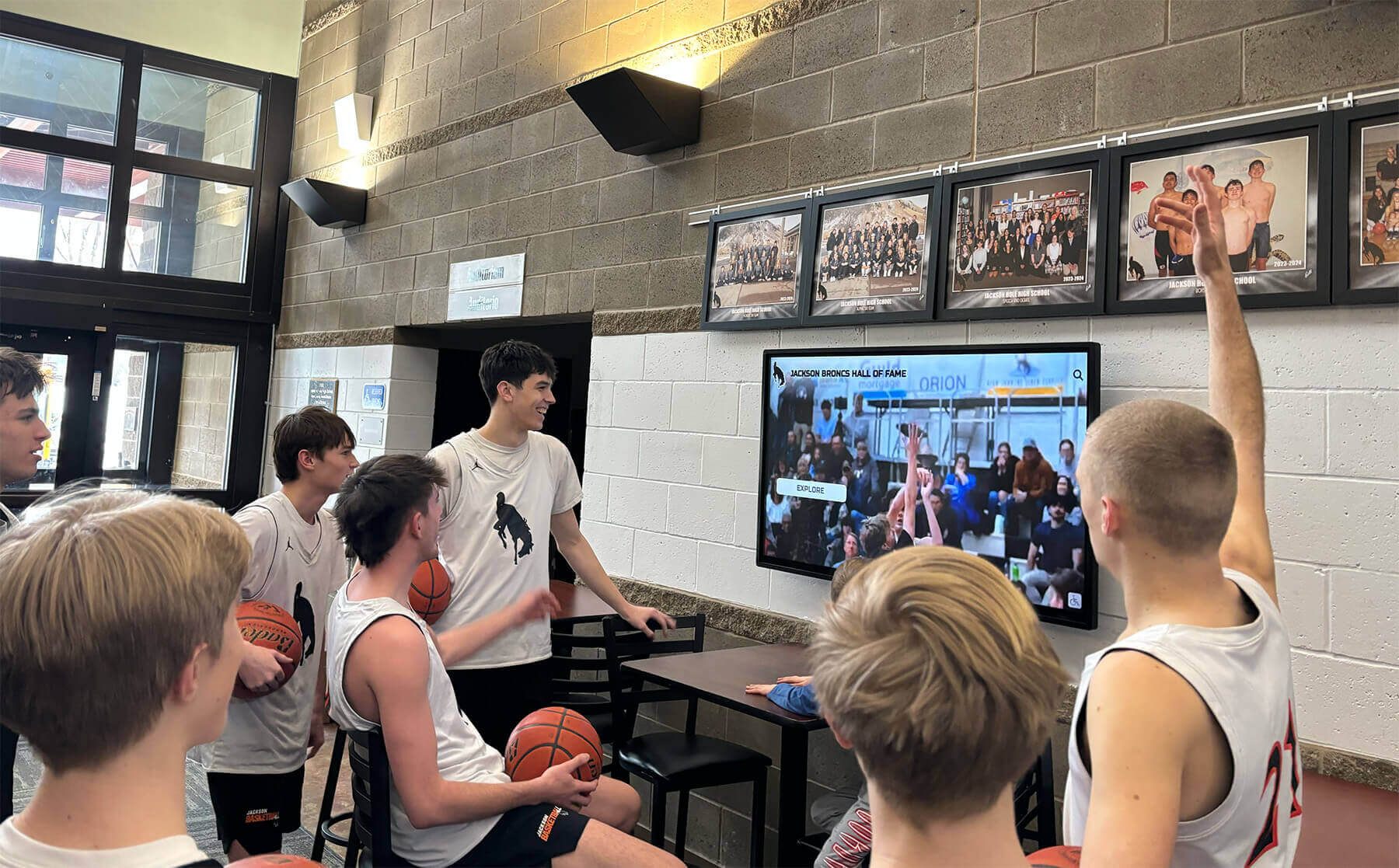
- Digital recognition on school websites and displays
- Athletic banquet acknowledgment
- Permanent inclusion in school athletic records
The shift toward diverse recognition options ensures that all deserving athletes receive acknowledgment regardless of whether they purchase traditional letterwear. Learn more about comprehensive athletic recognition programs that honor student-athlete achievements.
General Requirements for Earning a Varsity Letter
While specific criteria vary between schools and sports, most varsity letter programs share common foundational requirements that athletes must meet.
Varsity Team Participation
The most fundamental requirement involves competing at the varsity level rather than junior varsity or freshman teams. This means:
Active roster membership: The athlete must be on the official varsity roster for the season, not simply practicing with the team occasionally.
Meeting practice requirements: Most schools require athletes to complete a minimum percentage of practices, typically 75-90% attendance. Unexcused absences often disqualify athletes from lettering regardless of other accomplishments.
Game or competition participation: Simply being on the roster rarely suffices. Athletes typically must participate in a minimum number of contests, with specific requirements varying by sport and school policy.
Completion of full season: Athletes must remain with the team through the season’s conclusion, including playoffs if the team qualifies. Quitting mid-season or being dismissed typically eliminates lettering eligibility.
Academic Standing Requirements
Most schools impose academic standards recognizing that “student-athlete” places “student” first. Common academic requirements include:
Minimum GPA threshold: Many schools require 2.0-2.5 GPA or higher to letter, aligning with state athletic association eligibility standards.
Passing all classes: Some schools require passing grades in all courses, not just maintaining overall GPA.
No academic ineligibility: If an athlete becomes academically ineligible during the season, they may forfeit lettering privileges despite meeting athletic requirements.
These academic standards reinforce that athletic recognition complements rather than replaces academic achievement. Schools celebrating both athletic and academic excellence often implement honor roll recognition systems alongside athletic acknowledgment.
Sportsmanship and Character Standards
Beyond performance metrics, varsity letters recognize athletes who represent their schools positively:
Code of conduct adherence: Athletes must follow team rules, school policies, and athletic department standards throughout the season.
Disciplinary action consequences: Major disciplinary infractions—suspensions, ejections, or violations of athletic codes—may result in letter denial.
Citizenship and leadership: Some schools explicitly consider leadership, attitude, and team contribution when determining letter recipients, particularly for borderline cases.
Coach discretion: Most letter policies grant coaches final authority to deny letters to athletes who technically meet requirements but violated standards or failed to contribute meaningfully.
Sport-Specific Varsity Letter Requirements
Different sports require different criteria for earning a varsity letter based on competition structure, season length, and participation opportunities.
Team Sports Letter Requirements
Team sports typically base lettering on playing time, game appearances, or season completion.
Football
Football letter requirements commonly include:
- Playing in 50-60% of quarters across the season
- Or appearing in 6-8 varsity games minimum
- Or completing the full season on varsity roster (some programs)
- Special teams participation often counts toward playing time
- Scout team players rarely letter unless explicitly eligible under school policy
Some programs distinguish between offensive/defensive playtime and special teams participation, while others count all snaps equally. Discover how schools celebrate high school football achievements including varsity letter recipients.
Basketball
Basketball letter criteria typically require:
- Playing in 50-75% of quarters across all games
- Or appearing in 12-15 games minimum with meaningful minutes
- Or completing season and demonstrating practice contribution
- Some schools use cumulative minutes played threshold
The limited roster size in basketball (typically 12-15 players) means most varsity roster members receive significant playing time if healthy.
Baseball and Softball
Diamond sports lettering often requires:
- Playing in 50% of innings across the season
- Or appearing in 12-15 games with at-bats or innings pitched
- Or completing the season with documented contributions
- Pitchers and position players may have different thresholds
Soccer
Soccer letter requirements commonly include:
- Playing 50% of game time across the season
- Or appearing in 10-12 matches with meaningful minutes
- Starting lineup positions typically guarantee letter qualification
- Reserve players need minimum participation benchmarks
Volleyball
Volleyball lettering typically requires:
- Playing in 50% of sets across the season
- Or appearing in 15-18 matches with game action
- Starting six positions generally ensure letter qualification
- Reserve players need minimum rotation participation
Learn about comprehensive volleyball awards and recognition programs that celebrate team achievements.
Individual Sports Letter Requirements
Individual sports structure lettering around competition results, practice commitment, and skill achievement.
Track and Field
Track and field programs typically require:
- Competing in 75-80% of varsity meets
- Or scoring points in a minimum number of meets (often 3-5)
- Or achieving qualifying standards in events
- Or completing full season with meet participation
- Both track and field events count toward lettering
The large roster size and numerous events mean track programs letter substantial numbers of athletes who demonstrate commitment and contribute to team scoring.
Cross Country
Cross country letter requirements commonly include:
- Competing in 75% of varsity meets
- Or finishing in team’s top 7-10 runners specified number of times
- Or achieving time standard on the school’s home course
- Or completing season including championship meets
Swimming and Diving
Aquatic sports lettering typically requires:
- Swimming in 60-75% of varsity meets
- Or achieving qualifying times in events
- Or scoring points in specified number of meets
- Or competing at championship/sectional level
- Divers follow similar participation or scoring criteria
Wrestling
Wrestling letter requirements often include:
- Competing in 50-60% of varsity matches at weight class
- Or winning specified number of varsity matches (often 10-15)
- Or placing at invitational tournaments
- Or qualifying for district/regional championships
- Some programs letter all wrestlers completing the season
Explore comprehensive wrestling awards and recognition ideas for celebrating athletic achievement.
Tennis and Golf
Racquet and club sports typically require:
- Playing varsity matches in 50-75% of competitions
- Or finishing in team’s top lineup positions specified times
- Or qualifying for conference/regional/state tournaments
- Or completing full season with documented participation
Gymnastics
Gymnastics lettering commonly requires:
- Competing in 60-75% of varsity meets
- Or achieving all-around or event score thresholds
- Or qualifying for championship competitions
- Or completing season with meaningful participation
Manager, Statistician, and Support Staff Lettering
Many athletic programs extend varsity letter eligibility beyond athletes to recognize essential support contributors.
Student Manager Letter Requirements
Student managers who fulfill critical organizational and support roles often qualify for varsity letters:
Typical manager letter criteria:
- Attending 90-95% of practices and games
- Completing assigned responsibilities consistently and reliably
- Serving for full season without quitting
- Demonstrating professionalism and commitment
- Meeting same academic and conduct standards as athletes
Managers handle equipment, maintain statistics, assist with practice organization, and perform numerous tasks essential to program operation. Recognizing their commitment through varsity letters validates their contribution.
Athletic Trainer and Medical Support
Student athletic trainers working under certified athletic trainer supervision sometimes qualify for letters:
- Completing required training and certification
- Attending practices and competitions regularly
- Providing injury assessment and treatment assistance
- Maintaining medical documentation
- Meeting commitment and professionalism standards
Statistician and Media Roles
Students managing statistics, photography, videography, or social media for athletic teams may earn letters at schools recognizing these modern essential roles:
- Attending required competitions and maintaining records
- Producing quality work meeting team needs
- Demonstrating reliability and professionalism
- Completing full season commitment
Including support staff in letter programs recognizes that successful athletic programs require diverse contributions beyond on-field performance.
First-Year Athletes and Underclassmen Lettering
The question of when athletes can first earn varsity letters varies significantly between programs and influences development of younger athletes.
Freshman and Sophomore Lettering Opportunities
Schools allowing underclassmen varsity letters:
Many programs permit freshmen and sophomores to letter if they meet standard criteria, believing that earning recognition motivates continued development and rewards exceptional early achievement.
Benefits of allowing underclassmen letters:
- Recognizes and validates exceptional young talent
- Motivates continued participation and improvement
- Provides goals for developing athletes
- Treats athletes equitably regardless of age
Schools restricting letters to upperclassmen:
Some programs reserve letters for juniors and seniors, believing scarcity increases prestige and provides progression incentives.
Rationales for upperclassman-only policies:
- Makes letters more prestigious and meaningful
- Ensures athletes demonstrate sustained commitment
- Provides underclassmen with goals to pursue
- Preserves tradition at historically-focused schools
Hybrid approaches:
Many schools implement middle-ground policies:
- Underclassmen must meet enhanced requirements (higher playing time or achievement thresholds)
- Freshmen rarely letter except in individual sports or as exceptional contributors
- Sophomores can letter but face stricter standards than upperclassmen
- All athletes face equal standards but coaches rarely award underclassman letters
There is no universal consensus, with legitimate arguments supporting various approaches. Schools should communicate policies clearly so athletes understand requirements from program entry.
Multiple-Year Lettering and Bars
Athletes earning varsity letters in multiple years receive additional recognition through year bars, chevrons, or pins added to their letter or jacket.
Common year recognition systems:
- Metal or chenille bars indicating second, third, and fourth years lettering
- Accumulating pins representing each year
- Special recognition for four-year letter winners
- Senior athlete acknowledgment at final banquets
Four-year letter winners represent exceptional commitment and achievement, staying with programs throughout high school while meeting requirements each season. Schools should celebrate these dedicated athletes prominently as exemplars of athletic commitment. Consider implementing student of the month recognition alongside athletic honors.
Multi-Sport Athletes and Multiple Letters
Athletes participating in multiple sports throughout the year face unique recognition considerations.
Earning Letters in Multiple Sports
Three-sport athletes competing at varsity level in fall, winter, and spring can potentially earn three letters in a single school year. Two-sport athletes commonly letter in multiple sports.
Requirements for multi-sport lettering: Each sport maintains independent criteria, so athletes must meet standards for each activity separately. Multi-sport participation doesn’t guarantee multiple letters—athletes must earn each independently.
Recognition for multi-sport athletes: Schools celebrating multi-sport participation often provide special acknowledgment:
- Multiple sport pins on single letter
- Special recognition at athletic banquets
- Multi-sport athlete awards
- Athletic versatility acknowledgment
- Enhanced college recruiting profile
Benefits of multi-sport athletic participation: Research consistently demonstrates that multi-sport athletes experience:
- Reduced overuse injuries from year-round single-sport training
- Broader skill development across different movement patterns
- Enhanced mental freshness from seasonal variety
- Stronger overall athleticism from diverse training stimuli
- Reduced burnout from constant pressure in single sports
Schools should actively encourage multi-sport participation and celebrate athletes earning multiple letters as exemplifying well-rounded athletic development.
Letterman Jacket Display Considerations
Athletes lettering in multiple sports face decisions about jacket display:
Single letter with multiple sport pins: Most common approach, displaying primary sport letter with pins for additional sports
Multiple letters sewn: Some athletes display separate letters for each sport, though this can appear cluttered
Primary sport emphasis: Athletes often feature their most significant sport prominently while acknowledging others through pins
Year-by-year accumulation: As athletes letter in different sports across years, they progressively add recognition elements
There are no strict rules, allowing athletes to personalize their jackets reflecting individual priorities and aesthetics.
Challenges and Controversies in Letter Requirements
Despite widespread acceptance of varsity letter traditions, several ongoing debates exist within high school athletics regarding appropriate criteria and recognition practices.
Playing Time vs. Commitment Criteria
Playing time based requirements:
Many programs require minimum playing time percentages to letter, ensuring letters recognize on-field contribution rather than mere roster presence.
Advantages:
- Clearly distinguishes between impactful players and reserve roster members
- Creates objective, measurable standards
- Motivates skill development to earn playing time
- Aligns recognition with competitive contribution
Disadvantages:
- May overlook practice players who make teams better despite limited game action
- Can discourage athletes in reserve roles who work hard but have limited opportunities
- Particularly challenging in sports with limited substitution opportunities
- May feel unfair to athletes on deep, talented rosters
Commitment-based requirements:
Some programs letter all athletes completing full seasons, emphasizing commitment and team membership over playing time.
Advantages:
- Recognizes diverse contributions including practice quality and team culture
- Ensures athletes aren’t penalized for roster depth or position competition
- Acknowledges that success requires full rosters, not just starters
- Maintains motivation for reserve players throughout seasons
Disadvantages:
- May dilute letter prestige if many athletes receive them
- Doesn’t distinguish between impactful and marginal contributors
- Could letter athletes with minimal competitive participation
- Reduces motivation to compete for playing time
Most programs land somewhere between these extremes, using hybrid approaches considering both playing time and overall contribution.
Subjectivity and Coach Discretion
Nearly all letter policies grant coaches authority to make final decisions, introducing subjective judgment into seemingly objective systems.
Coach discretion benefits:
- Allows consideration of intangible contributions like leadership and practice quality
- Permits recognition of athletes slightly below technical thresholds who meaningfully contributed
- Enables denial of letters to athletes meeting technical criteria but violating standards
- Provides flexibility for unusual circumstances
Coach discretion concerns:
- Can introduce bias favoring certain athletes over others
- May lack transparency in decision-making rationale
- Could result in inconsistent application across seasons or teams
- Might face challenges from parents believing decisions were unfair
Clear written policies combined with coaching professionalism generally minimize these concerns while preserving necessary flexibility.
Equity Across Sports
Different participation structures across sports create inherent inequities in letter difficulty.
Sports with limited rosters and high playing time: Sports like basketball, volleyball, and baseball with small rosters typically see most varsity members earning letters. Athletes making these competitive teams often automatically meet criteria through regular rotation participation.
Sports with large rosters and variable playing time: Football rosters with 50+ athletes mean many players see limited game action. Track and field teams might roster 80+ athletes with varying competitive opportunities. These sports often have many athletes who don’t meet typical letter standards despite full season participation.
Individual sports with participation-based criteria: Sports where competing in meets rather than winning determines lettering tend to recognize more athletes. A swimmer competing in every meet likely letters even without winning, while a football reserve might not despite equal commitment.
Schools should periodically review criteria across sports ensuring reasonable consistency in lettering difficulty and prestige while accommodating legitimate structural differences. Learn about athletic banquet planning approaches that celebrate all contributors.
Modern Recognition of Varsity Letter Recipients
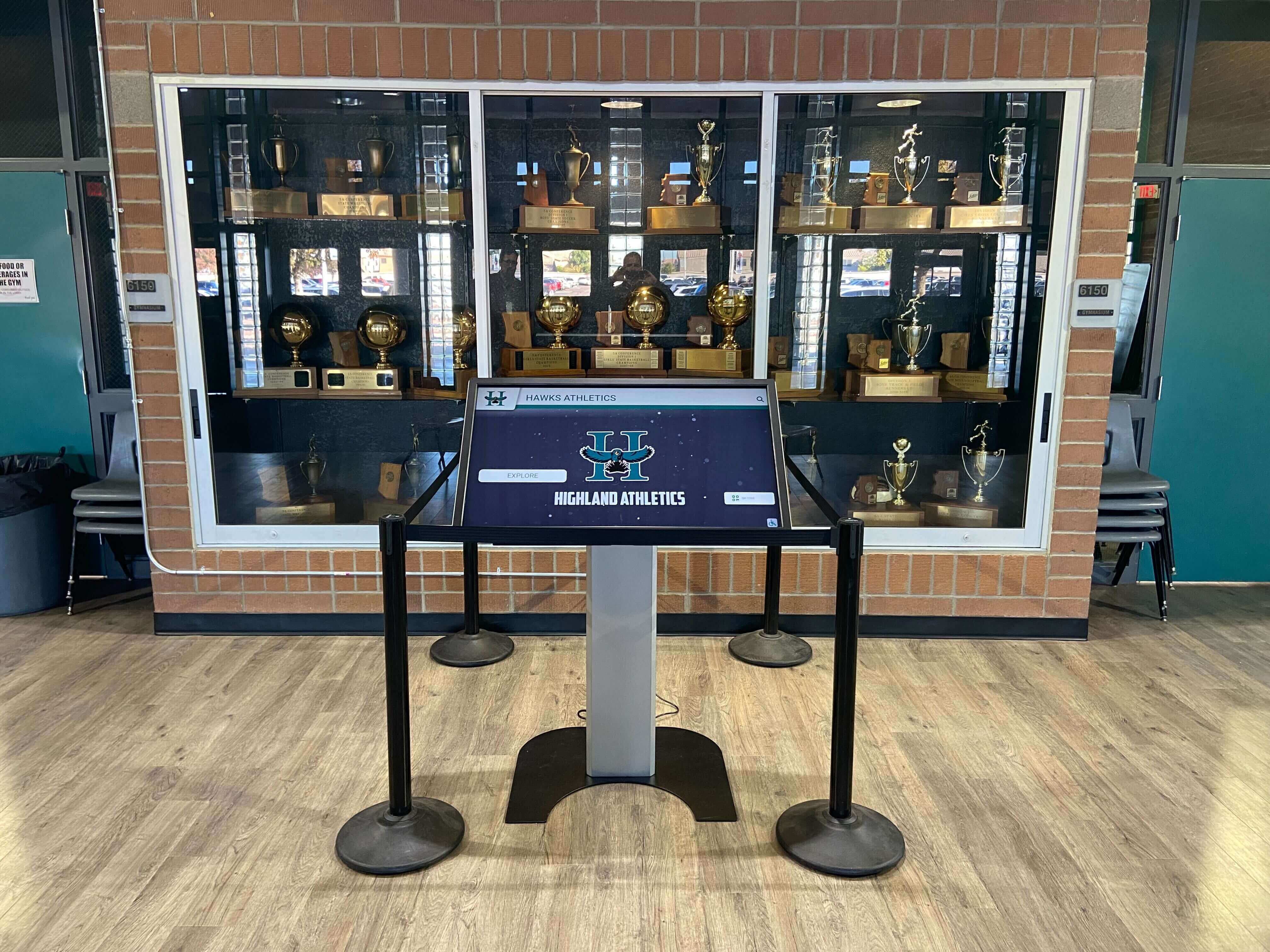
While traditional chenille letters and wool jackets remain iconic, schools now employ diverse methods for recognizing and celebrating varsity letter achievements that extend far beyond the gymnasium trophy case.
Digital Recognition Displays
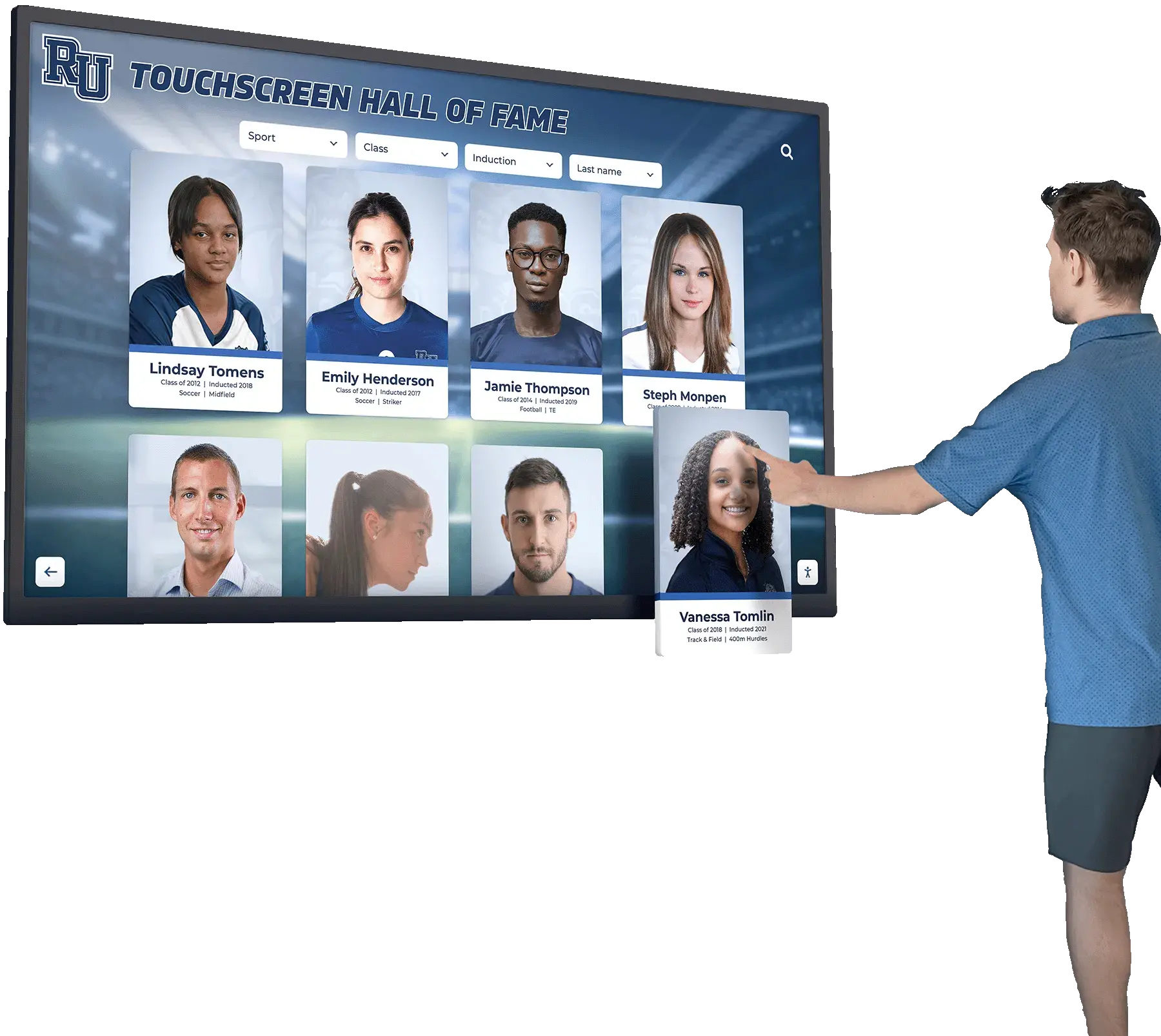
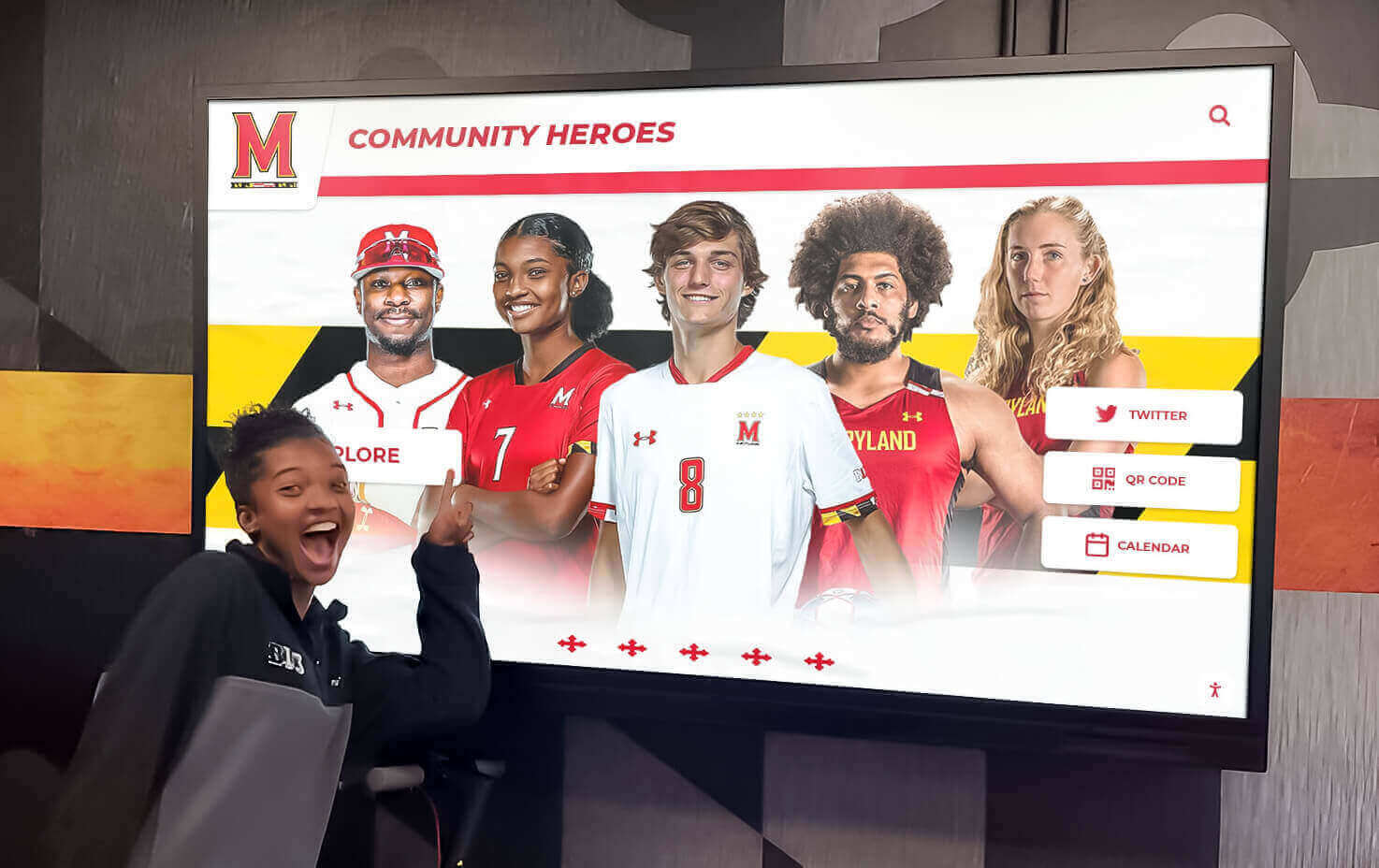
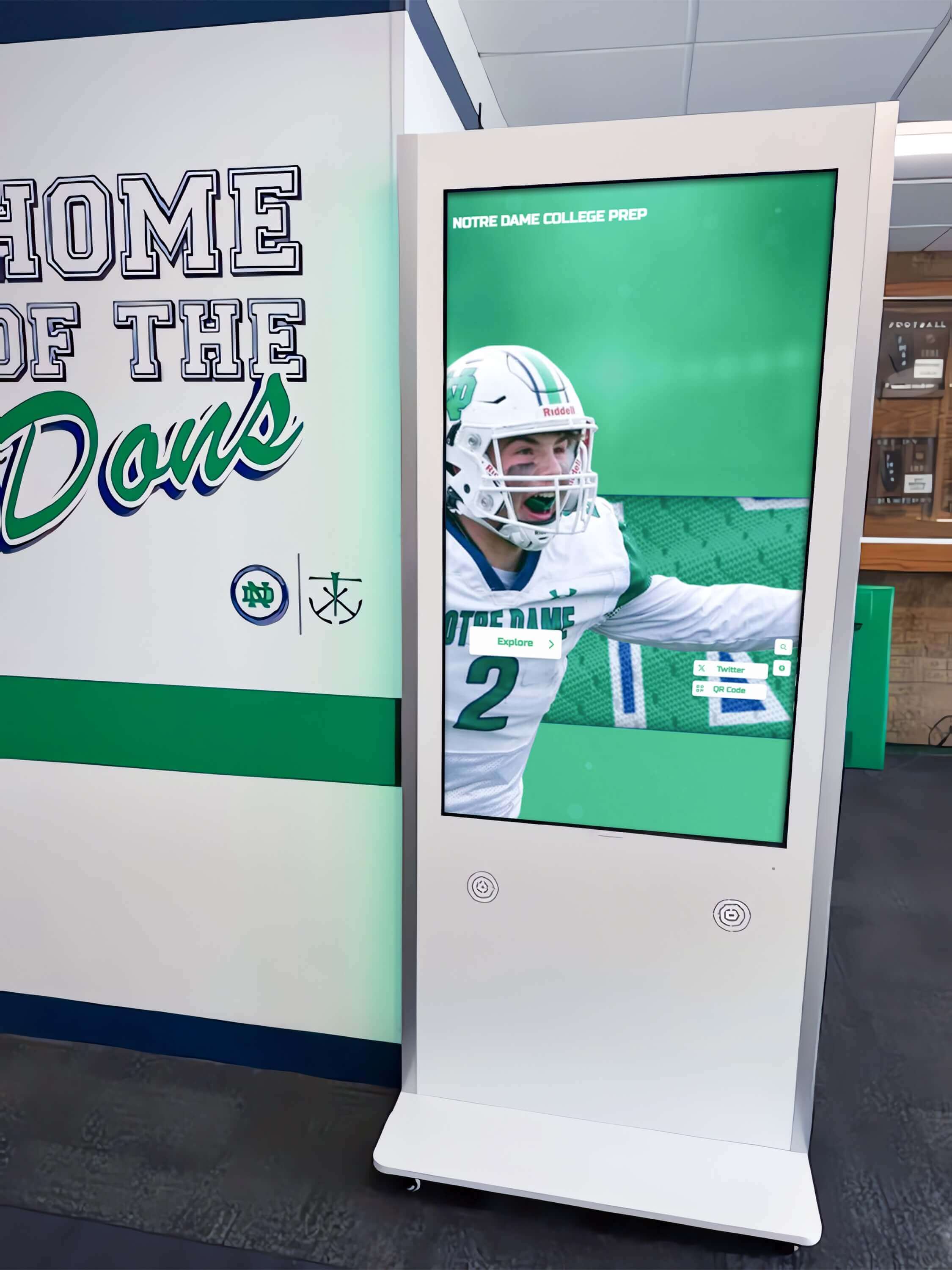
Modern schools increasingly implement interactive digital systems showcasing varsity letter recipients alongside other athletic achievements, providing dynamic, engaging recognition that traditional static displays cannot match.
Interactive touchscreen displays:
Solutions like Rocket Alumni Solutions transform athletic recognition through comprehensive digital platforms enabling schools to:
Unlimited athlete profiles: Display every varsity letter recipient in school history without space constraints limiting traditional trophy cases and wall plaques. Add unlimited content as new athletes earn letters each season.
Rich multimedia content: Include high-quality photos, action shots, career statistics, multiple sport participation, and detailed achievement narratives that bring athlete accomplishments to life.
Searchable databases: Allow visitors to find specific athletes, filter by sport or year, browse championship teams, and explore athletic history intuitively through touchscreen interfaces.
Automatic updates: Remote content management enables athletic directors to add newly recognized athletes from anywhere, ensuring displays remain current without physical installation requirements.
Engagement analytics: Track which content receives attention, identifying popular athletes and sports while demonstrating display impact to administrators and boosters.
Schools report that digital recognition displays dramatically increase visibility of athletic achievements compared to static trophy cases that visitors often walk past without stopping. Interactive systems invite exploration, creating opportunities for athletes to proudly show family and friends their recognition while helping younger athletes discover goals to pursue.
Athletic Hall of Fame Integration
Many schools integrate varsity letter recognition into comprehensive athletic halls of fame that celebrate diverse achievements across all sports and eras.
Comprehensive halls of fame might include:
- All varsity letter recipients by year and sport
- Championship teams and tournament qualifiers
- Individual record holders and award winners
- All-conference, all-state, and all-American honorees
- Scholar-athlete recognition
- Coaching history and staff acknowledgment
This integrated approach ensures varsity letters receive recognition within broader athletic program context, showing how individual letter recipients contribute to institutional athletic tradition. Explore comprehensive athletic hall of fame implementation approaches for schools.
Social Media and Website Recognition
Beyond physical displays, schools amplify varsity letter recognition through digital channels reaching broader audiences:
School website features:
- Dedicated athletics section listing all current year letter recipients
- Sport-specific pages highlighting team letter winners
- Searchable historical databases of all letter winners
- Downloadable certificates or digital badges for athletes
Social media acknowledgment:
- Posts celebrating newly announced letter recipients
- Individual athlete spotlights highlighting achievements
- Team photos of all letter winners by sport
- Throwback features recognizing historical letter recipients
Family notification systems:
- Email announcements when students earn letters
- Shareable graphics that families can post on personal social media
- Digital certificates suitable for printing or sharing
- QR codes linking to athlete profiles on school displays
These digital recognition extensions ensure achievements reach audiences far beyond those physically visiting school athletic facilities, creating pride among families and alumni while attracting prospective students and community support.
Athletic Banquet Ceremonies
Traditional recognition ceremonies remain important opportunities for personal acknowledgment and family celebration of varsity letter achievements.
Effective banquet practices:
- Present letters with brief commentary about each recipient’s contributions
- Acknowledge multiple-year letter winners with special recognition
- Highlight multi-sport athletes earning multiple letters
- Allow coaches to share personal reflections about letter recipients
- Invite families to celebrate athletes’ achievements
- Photograph letter recipients for historical records and display purposes
Athletic banquets create memorable experiences for athletes while demonstrating that schools value their commitment and achievement. These events complement permanent displays and digital recognition through personal connection and celebration.
The Value and Impact of Earning a Varsity Letter
Beyond the tangible recognition of a chenille patch or digital profile, varsity letters carry significant value for student-athletes throughout high school and beyond.
College Application Enhancement
Varsity letters demonstrate commitment, achievement, and character qualities that college admissions officers actively seek:
Athletic participation documentation: Letters provide concrete evidence of sustained athletic involvement at competitive levels, distinguishing athletes from those with casual recreational participation.
Discipline and time management: Earning letters while maintaining academic eligibility demonstrates ability to balance demanding schedules—a crucial college success indicator.
Leadership and teamwork: Multi-year letter winners, particularly team captains, show leadership development and collaborative skills valuable in all college environments.
Goal achievement and perseverance: Meeting letter requirements over multiple seasons proves students can set goals, persist through challenges, and achieve meaningful milestones.
While only exceptional athletes receive athletic scholarships, many colleges value demonstrated athletic commitment for admission even without scholarship offers, particularly at selective institutions seeking well-rounded students.
Athletic Scholarship Considerations
For athletes pursuing college athletics, varsity letters provide baseline evidence of competitive participation that recruiting coordinators expect to see.
Scholarship implications:
- Varsity letters alone don’t earn scholarships—performance and potential matter most
- Multiple-year letters demonstrate sustained achievement rather than single-season success
- Letters in relevant sports align with college recruiting in those activities
- Support materials like statistics, highlights, and coach recommendations complement letter recognition
Athletes serious about college athletics should treat varsity letters as minimum expectations while focusing energy on skill development, competitive achievement, and exposure to college coaches.
Personal Growth and Life Skills
Perhaps most significantly, the process of earning varsity letters develops character qualities and life skills extending far beyond athletics.
Discipline and work ethic: Meeting letter requirements demands consistent effort, regular practice attendance, and commitment to improvement—disciplines transferable to academics and careers.
Goal setting and achievement: Pursuing varsity letters teaches athletes to set concrete goals, develop plans to achieve them, and persist through challenges until successful.
Resilience and adversity response: Athletes face setbacks, competition, injuries, and disappointments while pursuing letters, developing resilience essential for adult life.
Time management and priority balancing: Succeeding athletically while meeting academic requirements teaches prioritization and schedule management skills crucial for future success.
Team contribution and collaboration: Earning letters typically requires contributing to team success, not just individual achievement, teaching collaborative skills valuable in all professional environments.
These life skills justify athletic program investments even for students who won’t pursue college athletics, providing developmental experiences creating capable, resilient adults.
Pride and School Connection
Finally, varsity letters create lasting connections between athletes and their schools that often span decades.
Immediate impacts:
- Personal pride in achievement recognition
- Family celebration of student accomplishment
- Peer recognition and respect
- Sense of belonging to athletic tradition
- Motivation to continue pursuing excellence
Long-term connections:
- Alumni pride in school athletic participation
- Ongoing interest in school athletic program success
- Willingness to support programs financially or through volunteering
- Positive memories of high school experiences
- Stories shared with future generations
Athletes who earned varsity letters often remain engaged alumni supporting their schools throughout life, creating value extending far beyond high school years.
Conclusion: Honoring Athletic Achievement Through Varsity Letters
Varsity letters represent more than chenille patches and wool jackets—they embody recognition of commitment, achievement, and contribution to school athletic traditions. While specific requirements vary across schools and sports, the underlying principle remains consistent: letters acknowledge athletes who have earned distinction through meaningful participation at competitive levels.
Understanding what varsity letters represent, how athletes earn them, and why recognition matters helps schools implement fair criteria, enables athletes to pursue clear goals, and allows families to appreciate these achievements appropriately. From traditional letter jackets to modern digital recognition systems, the methods for celebrating letter recipients continue evolving while the fundamental value of acknowledging athletic accomplishment remains timeless.
Schools seeking to honor varsity letter recipients comprehensively should consider modern recognition solutions that complement traditional approaches. Digital platforms like Rocket Alumni Solutions enable unlimited athlete profiles, rich multimedia content, and engaging interactive experiences that keep athletic achievements visible throughout school communities. By combining traditional elements like athletic banquets and letter presentations with innovative display technology, schools create recognition systems that properly honor student-athlete dedication while inspiring future generations to pursue athletic excellence.
Celebrate Your Varsity Letter Recipients with Modern Recognition
Discover how digital recognition solutions help your school showcase every varsity letter recipient across all sports and years, creating engaging displays that honor athletic tradition while inspiring current and future student-athletes.
Whether your athletes proudly wear traditional letter jackets or their achievements appear on interactive touchscreen displays in school hallways, the goal remains unchanged: recognizing student-athletes who represent your school with distinction, commitment, and pride. Every varsity letter recipient deserves acknowledgment that honors their achievement and preserves their place in your school’s athletic history for generations to come.































