Children facing hospital stays encounter significant emotional, physical, and psychological challenges that extend beyond their medical conditions. Traditional hospital environments—sterile, unfamiliar, and often intimidating—can amplify anxiety, fear, and stress that compromise patient outcomes and complicate treatment processes. Video games and interactive entertainment displays have emerged as powerful therapeutic tools that transform hospital experiences by providing distraction from pain, reducing anxiety, facilitating physical therapy, and creating engaging environments that support healing through positive emotional experiences.
The integration of gaming technology into pediatric healthcare represents a significant shift from passive entertainment toward active therapeutic intervention. Modern children’s hospitals increasingly recognize that patient experience directly impacts clinical outcomes, recovery times, and long-term psychological well-being. By implementing sophisticated gaming systems and interactive display technologies, healthcare facilities create environments where play becomes medicine, engagement supports healing, and technology bridges the gap between clinical necessity and childhood normalcy.
This comprehensive guide explores how video games and interactive entertainment displays revolutionize pediatric healthcare environments. You’ll discover therapeutic gaming programs delivering measurable clinical benefits, interactive display technologies creating immersive healing environments, implementation strategies for healthcare facilities, and future innovations transforming how hospitals support pediatric patients through their most challenging moments. Whether you’re a healthcare administrator, child life specialist, technology director, or facility planner, you’ll find actionable insights for leveraging gaming and interactive technologies to improve patient outcomes while supporting the emotional and developmental needs of hospitalized children.
From understanding the therapeutic mechanisms by which games reduce pain perception through innovative interactive installations creating distraction-rich environments, we’ll examine how technology-enabled play transforms pediatric healthcare from something children endure into experiences where healing, engagement, and hope coexist even during difficult medical journeys.
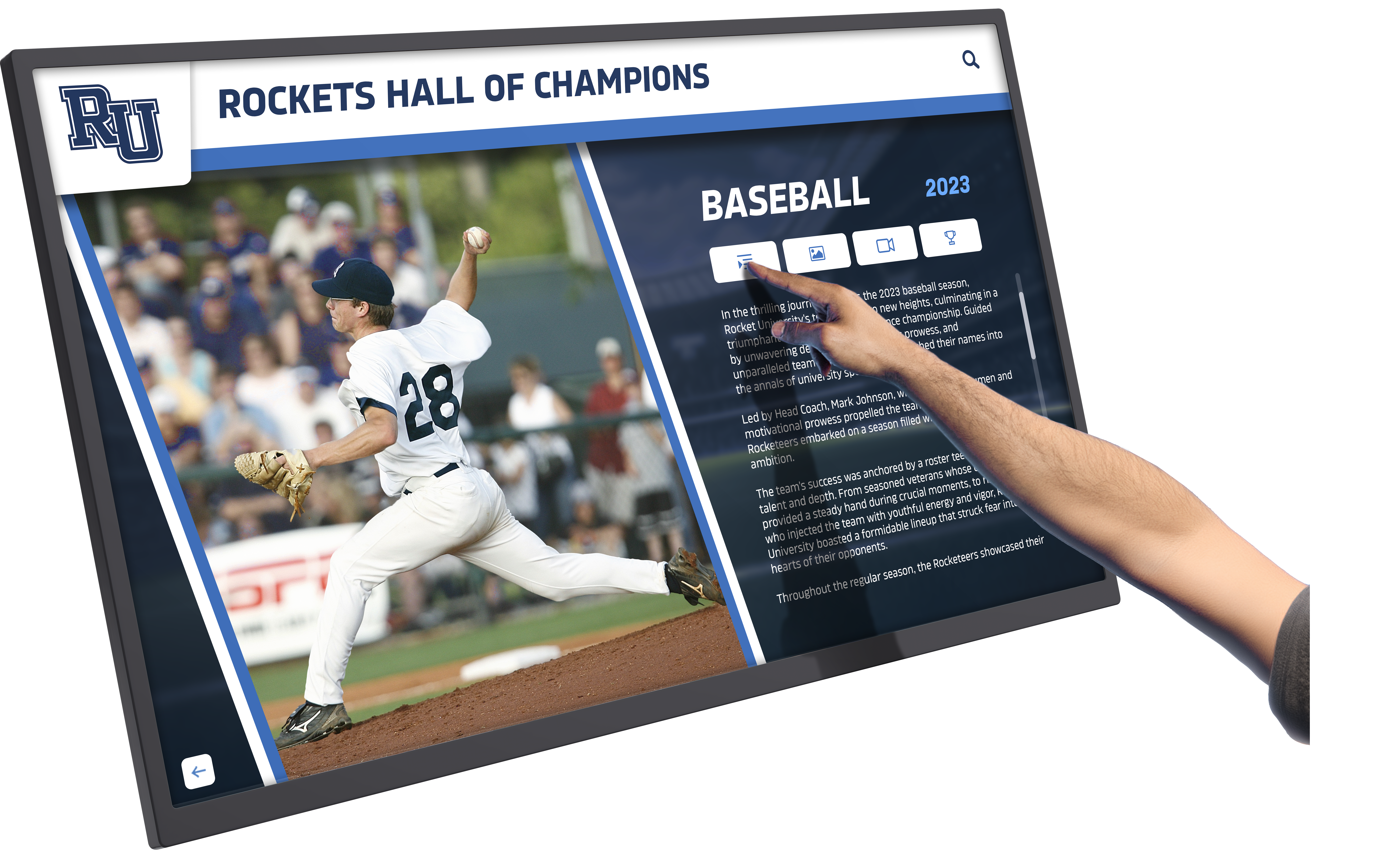
Modern interactive touchscreen technology enables intuitive engagement through familiar gestures that feel natural to children accustomed to digital devices
The Therapeutic Power of Video Games in Pediatric Healthcare
Video games in hospital settings provide far more than simple entertainment—they function as validated therapeutic interventions delivering measurable clinical benefits across multiple dimensions of pediatric care.
Pain Management and Distraction Therapy
Pain represents one of the most significant challenges in pediatric healthcare, affecting treatment compliance, recovery trajectories, and long-term psychological outcomes. Video games offer powerful distraction therapy that reduces pain perception through cognitive engagement mechanisms.
Neurological Pain Modulation: When children engage deeply with video games, their brains allocate significant cognitive resources to game-related processing, reducing neural capacity available for pain signal interpretation. This neurological competition for attention creates measurable reductions in perceived pain intensity without pharmaceutical intervention or the side effects medications can cause.
Research demonstrates that children playing video games during painful procedures like blood draws, wound care, or IV insertions report 30-50% lower pain ratings compared to those receiving standard care alone. The immersive nature of interactive gaming creates what clinicians call “flow states”—periods of intense focus where temporal awareness diminishes and pain perception decreases substantially.
Procedural Anxiety Reduction: Beyond actual pain management, video games significantly reduce anticipatory anxiety surrounding medical procedures. Children with interactive entertainment options during pre-procedure waiting periods show lower cortisol levels, reduced behavioral distress indicators, and improved cooperation with medical staff compared to those without gaming access.
The Therapeutic Video Game Guide developed with mental health professionals at UC San Diego helps children cope with pain, sadness, anxiety, and boredom through specifically designed gaming experiences addressing these emotional challenges systematically. These evidence-based approaches represent significant advances beyond generic entertainment, targeting specific therapeutic objectives through intentional game design and clinical integration.
Physical Therapy and Rehabilitation Applications
Therapeutic gaming programs increasingly support physical therapy goals by transforming repetitive rehabilitation exercises into engaging interactive experiences that improve compliance and outcomes.
Movement-Based Gaming: Games utilizing motion sensors, virtual reality systems, or interactive displays requiring physical movement turn rehabilitation into play. As noted by Seattle Children’s Therapeutic Gaming Program, activities like VR Fruit Ninja help patients accomplish physical therapy goals while gaming tools supplement medical progress with active games promoting movement and healing, frequently partnering with physical therapists and occupational therapists.
Children recovering from orthopedic surgeries, neurological conditions, or injuries requiring mobility rehabilitation show significantly higher engagement rates with gaming-based therapy compared to traditional exercise protocols. The immediate feedback, achievement systems, and entertaining contexts games provide create motivation loops sustaining effort through challenging rehabilitation processes.
Fine Motor Skill Development: Touchscreen-based games and controller interactions support fine motor skill development for children with coordination challenges, developmental delays, or conditions affecting hand-eye coordination. Occupational therapists increasingly incorporate gaming into treatment plans as the precise control requirements and progressive difficulty systems naturally scaffold skill development.
According to Mary Bridge Children’s gaming program, gaming sessions can be turning points in stressful hospital stays, with transformative therapeutic effects helping children find creative escape and gain motivation to move, engage, and connect. Gaming allows physical therapists to capitalize on patients’ functional abilities in fun ways that could require less pain medication than traditional approaches.
Mental Health and Emotional Well-Being Benefits
Hospital stays create significant psychological stress for pediatric patients, potentially causing trauma, anxiety disorders, and depression that persist long after physical recovery. Video games provide validated mental health interventions addressing these emotional challenges.
Anxiety and Depression Management: Research published by Johns Hopkins Medicine demonstrates that specially designed video games may benefit mental health of children and teenagers, particularly for ADHD and depression. Gaming can be beneficial as having control of situations and working toward short-term goals provides positive shifts for patients at low points.
Social Connection and Isolation Mitigation: Hospital isolation—whether due to immune compromised conditions, infection control protocols, or extended stays—creates profound loneliness and social disconnection for children. Multiplayer gaming options, both within facilities and connecting to friends and family remotely, maintain social bonds and provide normalizing social interactions during abnormal circumstances.
Gaming communities within hospitals allow patients to connect with peers facing similar medical challenges, building mutual support networks through shared play experiences. These connections often continue beyond hospital stays, creating lasting friendships forged through shared adversity and common interests.
Sense of Control and Agency: Medical treatments often strip children of autonomy as adults make decisions about their bodies, schedules, and activities. Video games restore sense of control through player agency, decision-making opportunities, and mastery experiences that rebuild self-efficacy compromised by medical dependence.
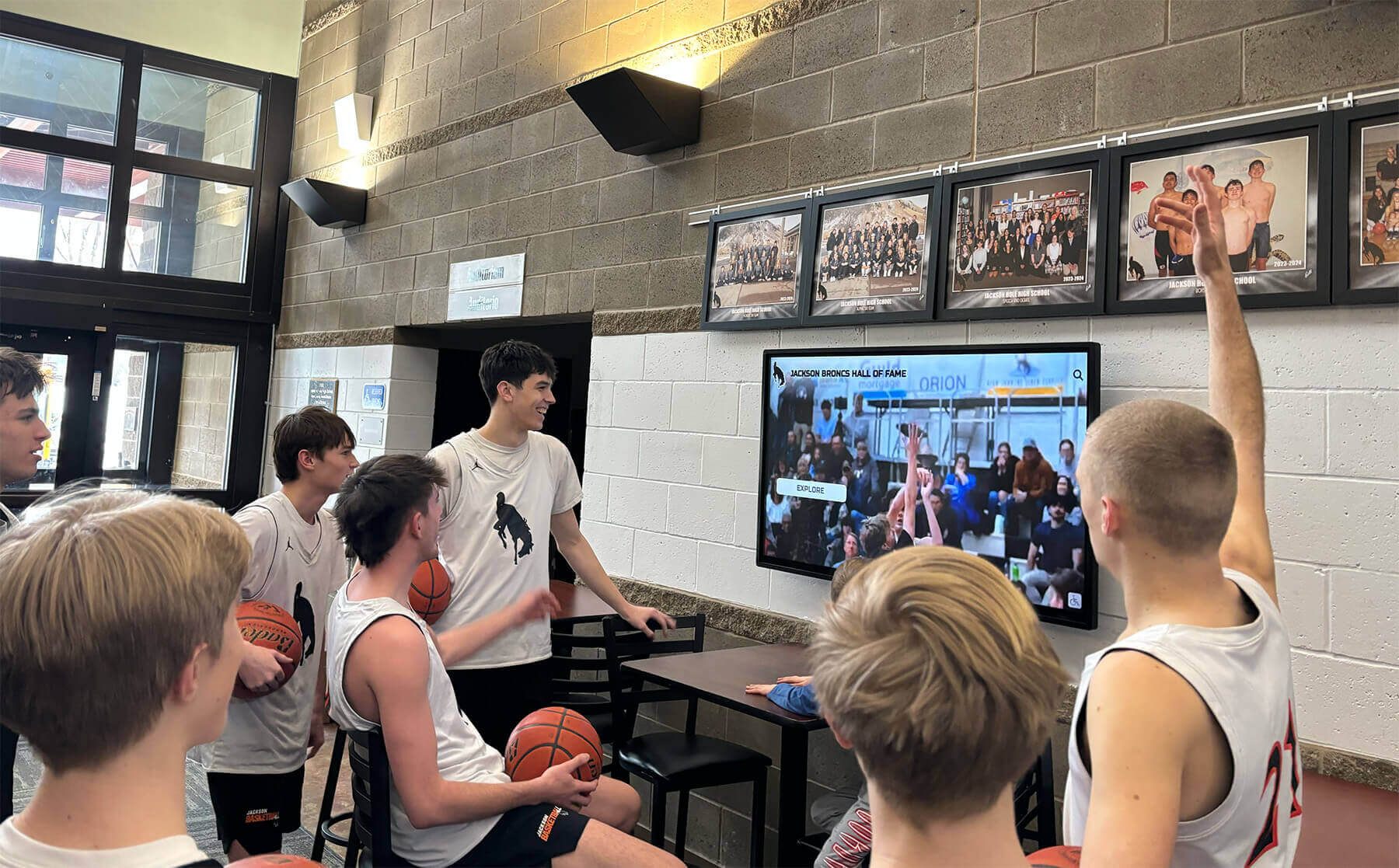
Interactive displays create engaging experiences that capture attention and encourage exploration through intuitive touchscreen interfaces
Interactive Display Technologies Transforming Hospital Environments
Beyond traditional gaming consoles, sophisticated interactive display technologies create immersive healing environments that engage multiple senses while supporting therapeutic objectives across hospital spaces.
Immersive Wall and Floor Projection Systems
Children’s hospitals increasingly deploy large-scale interactive projection systems that transform clinical spaces into dynamic, engaging environments that reduce institutional feel while providing therapeutic distraction.
Interactive Coloring Walls: Facilities like Children’s Hospital of Orange County feature interactive coloring walls where color fills picture elements as children wave their hands in front of screens. These installations combine creative expression with motor activity while providing calming focused activity that reduces pre-procedure anxiety in waiting areas and procedure preparation spaces.
Virtual Forest and Nature Experiences: Loma Linda Children’s Hospital implements systems where children use LCD screens to create animal companions appearing on 60-foot-wide projection screens where virtual forests come to life. These nature-based installations provide calming environments shown to reduce stress responses while offering engaging exploration activities that distract from clinical surroundings.
Motion-Activated Interactive Walls: Children’s Healthcare of Atlanta features interactive walls where sensory cameras activate when children approach, prompting unique animal images to appear that children interact with using motion. These installations encourage physical movement—particularly valuable for patients with mobility restrictions or those recovering from procedures—while providing engagement that reduces corridor anxiety as children move through hospital spaces.
The approaches outlined in digital art gallery implementations translate effectively to healthcare settings where visual engagement and creative expression support healing environments while maintaining flexibility for updating content to maintain novelty and engagement over time.
Virtual Reality Treatment Rooms
The most advanced therapeutic gaming implementations utilize virtual reality systems creating fully immersive environments that transport patients beyond hospital walls mentally even when physically constrained to treatment spaces.
Chemotherapy Infusion Environments: Golisano Children’s Health Center pioneered virtual reality-equipped infusion rooms with floor-to-ceiling projections, spatial audio, and interactive elements creating immersive experiences during chemotherapy treatments. These environments transform one of pediatric oncology’s most challenging aspects from something children dread into experiences they approach with reduced anxiety and improved emotional coping.
Virtual reality experiences in healthcare facilities have proven effects reducing patient anxiety and pain while increasing patient motivation and effort during therapy. The complete sensory immersion VR provides creates psychological distance from unpleasant medical realities, making difficult treatments more tolerable while supporting treatment compliance essential for positive outcomes.
Procedure Room Distraction Systems: Some facilities install VR systems in procedure rooms for surgeries, imaging studies, or other interventions where patient anxiety interferes with clinical processes. These systems allow children to explore virtual environments, play games, or watch immersive content during procedures, often reducing or eliminating sedation requirements while improving patient cooperation and procedural success rates.
Bedside Entertainment and Engagement Platforms
Individual patient room entertainment systems represent the most widespread interactive technology implementation, with sophisticated platforms replacing basic televisions with comprehensive engagement ecosystems.
Interactive Patient Entertainment Systems: Solutions from providers like SONIFI Health deliver interactive technology platforms proven to improve patient experience, health outcomes, and hospital productivity. Systems are delivered across multiple technology platforms including mobile devices, televisions, computers, and digital displays to enhance patient and family experiences.
Major pediatric hospitals including Children’s Memorial Hermann, Children’s Minnesota, Kapi’olani Medical Center for Women & Children, and Sanford Children’s deploy these systems using positive distraction techniques to reduce patients’ anxiety and stress. The platforms integrate gaming, entertainment, education, communication with family, and hospital information services through unified interfaces accessible via multiple input methods accommodating varying patient abilities and preferences.
Personalized Content Delivery: Modern systems enable customization based on patient age, interests, developmental stage, and clinical status. A preschooler receives age-appropriate games and content while teenagers access different experiences matching their developmental needs. This personalization ensures relevance and engagement across diverse pediatric populations from infants through young adults.
Family Connection Features: Interactive systems facilitate video communication with family members unable to visit due to distance, work obligations, or infection control protocols. These connection capabilities maintain family bonds crucial for emotional well-being while allowing families to participate in care processes remotely when physical presence isn’t possible.
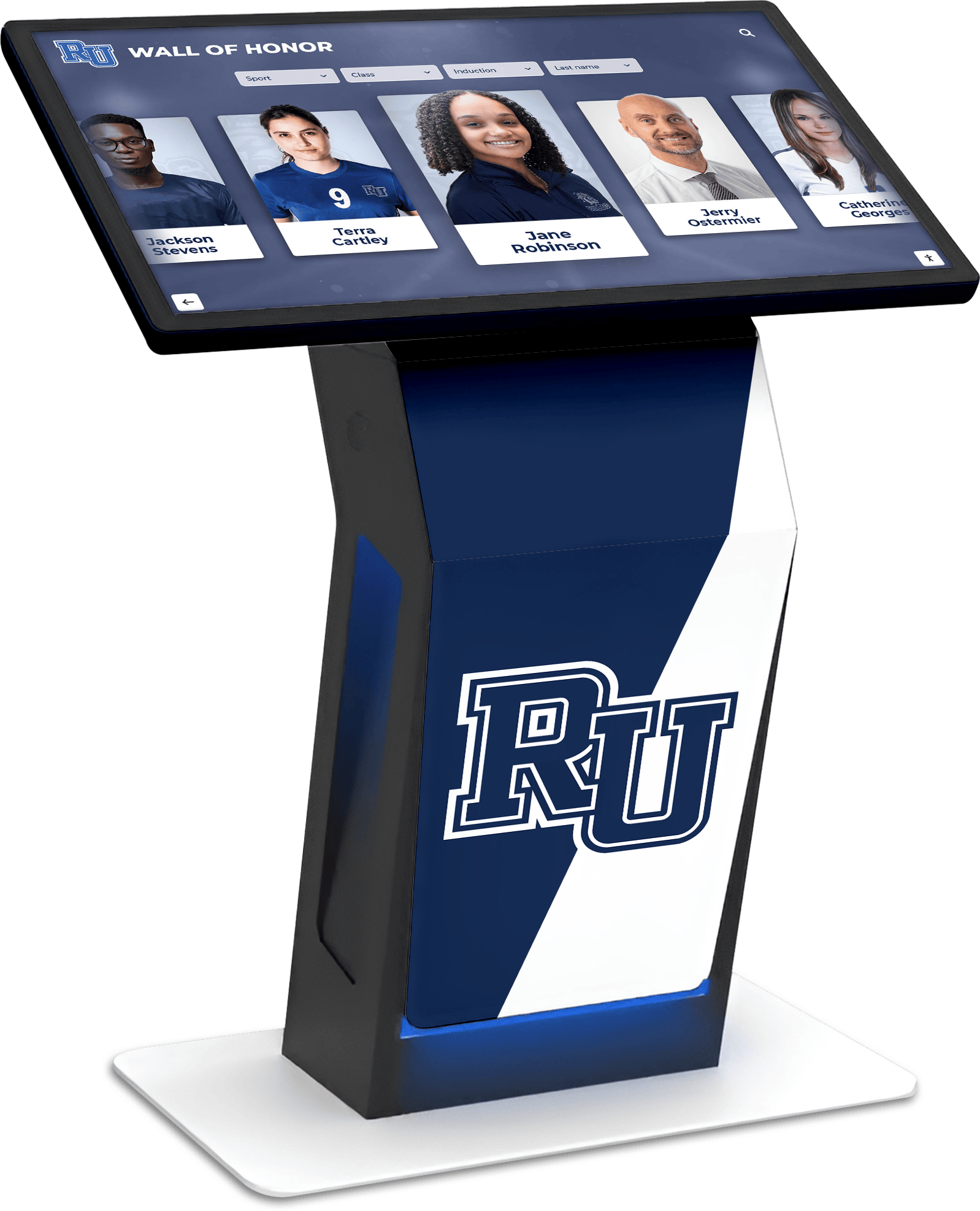
Professional touchscreen kiosk installations provide intuitive interfaces that accommodate users of varying ages and technical comfort levels
Therapeutic Gaming Programs: Structure and Implementation
Successful therapeutic gaming implementations require structured programs with trained staff, evidence-based protocols, and integration into comprehensive care approaches rather than simply providing game access without clinical framework.
Patient Gaming and Technology Specialist Roles
As therapeutic gaming gains clinical validation, specialized professional roles have emerged to maximize program effectiveness and therapeutic outcomes.
Emerging Healthcare Profession: According to the Children’s Hospital Association, approximately 60 Patient Gaming & Technology Specialists work worldwide as of 2025, with a growing number of U.S. hospitals beginning to incorporate the clinical, emotional, and operational value of therapeutic gaming.
These specialists receive training in child development, gaming technologies, therapeutic play principles, and healthcare systems, positioning them to bridge clinical and entertainment domains effectively. They assess individual patient needs, recommend appropriate gaming interventions, teach games to patients and families, coordinate with clinical teams regarding therapeutic goals, and monitor outcomes demonstrating program value.
Clinical Integration: Effective specialists work collaboratively with physicians, nurses, child life specialists, physical therapists, occupational therapists, and mental health professionals, integrating gaming into comprehensive care plans. This interdisciplinary approach ensures gaming interventions align with broader therapeutic objectives rather than functioning as isolated entertainment disconnected from treatment priorities.
Evidence-Based Game Selection and Prescription
Not all games provide equal therapeutic value—strategic selection matching game characteristics to patient needs and clinical objectives maximizes program effectiveness.
Therapeutic Game Characteristics: Games selected for healthcare settings typically demonstrate specific qualities including appropriate difficulty progression matching patient abilities, positive emotional tone avoiding stressful or violent content, adjustable challenge levels accommodating varying energy and ability, short play sessions respecting limited stamina and frequent interruptions, and achievement systems providing mastery experiences rebuilding compromised self-efficacy.
The Therapeutic Video Game Guide developed with UC San Diego mental health professionals provides evidence-based recommendations helping healthcare providers select games addressing specific therapeutic targets including pain management, anxiety reduction, depression symptoms, boredom mitigation, and emotional regulation support.
Age and Development Matching: Effective programs maintain extensive game libraries spanning developmental stages from early childhood through adolescence. Preschoolers require different content than school-age children, who in turn need different options than teenagers. Developmental appropriateness ensures engagement and therapeutic value across diverse patient populations.
Measuring and Demonstrating Therapeutic Outcomes
As healthcare systems face increasing pressure to demonstrate value and effectiveness, therapeutic gaming programs must collect outcome data proving clinical benefit beyond patient satisfaction.
Clinical Outcome Metrics: Programs track pain scores during gaming versus non-gaming periods, anxiety measurements pre- and post-gaming sessions, physical therapy goal achievement rates, procedure compliance improvements, medication requirement changes, and recovery trajectory indicators. These objective measures demonstrate tangible clinical value supporting program continuation and expansion.
Patient Experience Indicators: Beyond clinical metrics, programs assess patient-reported outcomes including hospital experience satisfaction, emotional well-being scales, perceived control and autonomy measures, and social connection indicators. These subjective measures capture quality-of-life impacts not reflected in purely clinical data.
Operational Benefits: Hospitals also evaluate operational impacts including staff time requirements for procedure preparation, sedation utilization rates, length of stay trends, and resource utilization patterns. Gaming programs reducing sedation needs or improving procedure efficiency deliver measurable operational value beyond patient experience improvements.
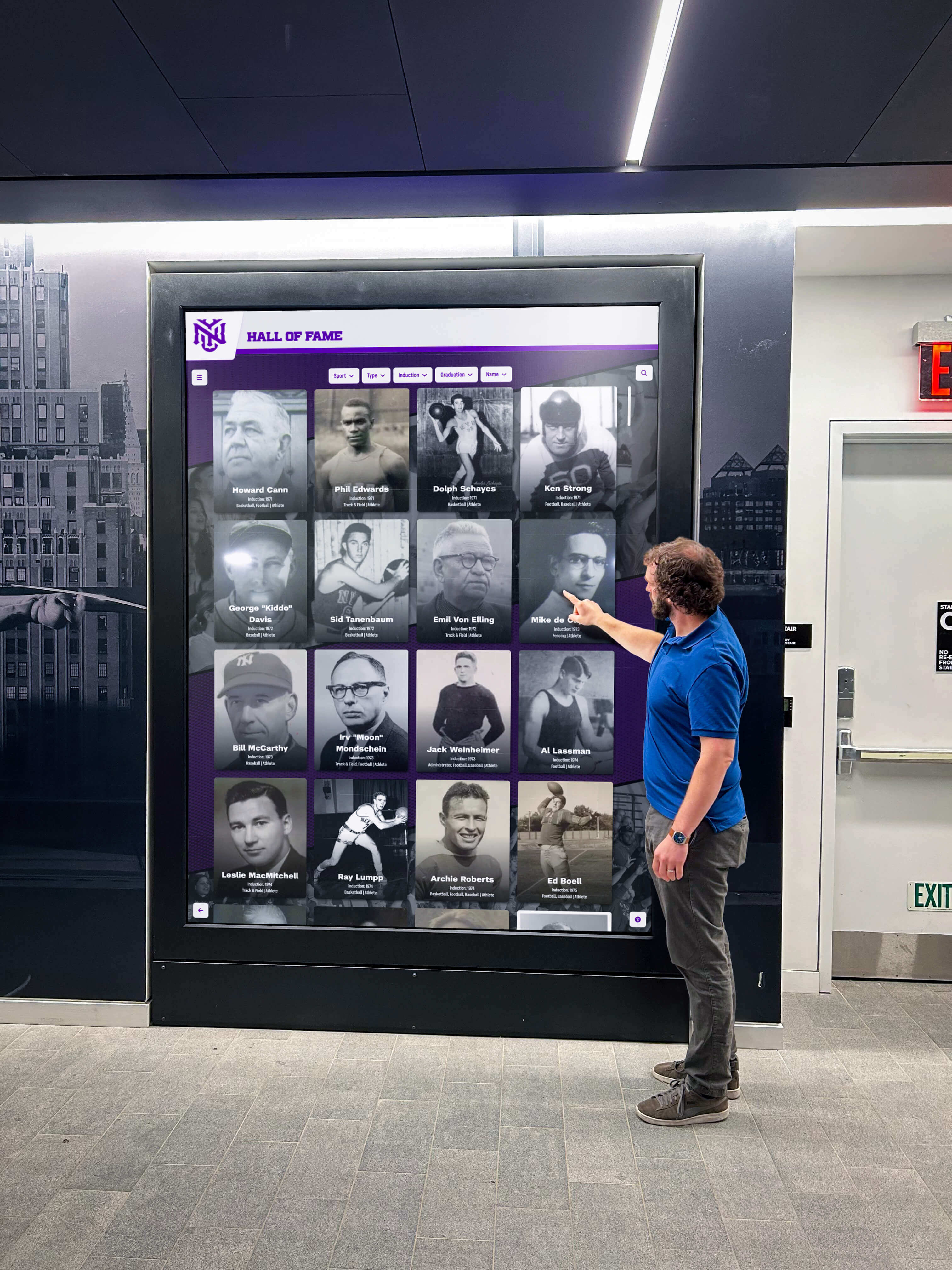
Intuitive interactive displays encourage exploration through familiar touchscreen gestures that require no technical expertise or training
Implementation Strategies for Healthcare Facilities
Healthcare administrators and child life departments considering gaming and interactive display programs benefit from systematic planning addressing technical, clinical, and operational considerations unique to hospital environments.
Needs Assessment and Program Design
Successful implementations begin with thorough assessment of existing patient experience challenges, facility capabilities, and institutional priorities that gaming interventions should address.
Patient Population Analysis: Different pediatric populations present distinct needs requiring tailored approaches. Emergency departments need portable gaming options providing immediate distraction during acute situations. Inpatient units require bedside entertainment for extended stays. Outpatient clinics need waiting room engagement reducing pre-appointment anxiety. Specialty departments like oncology, rehabilitation, or surgery have unique therapeutic requirements demanding specific content and features.
Physical Space Evaluation: Facility infrastructure significantly impacts implementation feasibility and approach. Available wall space for projection systems, mounting locations for interactive displays, power and network connectivity requirements, and infection control considerations all shape viable solutions. Early engagement with facilities management and biomedical engineering prevents costly modifications or implementation delays.
Stakeholder Input: Inclusive planning processes gather perspectives from patients and families, clinical staff, child life specialists, technology departments, infection control, facilities management, and hospital administration. Each constituency identifies requirements, concerns, and opportunities others might overlook. This comprehensive input creates buy-in while avoiding implementation barriers emerging late in planning.
Technology Selection and Infrastructure Requirements
The healthcare technology landscape offers numerous gaming and interactive display solutions with significant variation in capabilities, costs, and clinical appropriateness.
Gaming Platform Options: Hospitals can implement traditional gaming consoles (PlayStation, Xbox, Nintendo Switch), mobile device platforms (tablets with gaming apps), VR systems (Oculus, HTC Vive), interactive projection systems, touchscreen kiosk displays, and integrated bedside entertainment platforms. Each approach offers distinct advantages for specific clinical contexts and patient populations.
Solutions like touchscreen kiosk software platforms provide flexible frameworks accommodating diverse content while maintaining intuitive interfaces accessible to children across age ranges and technical comfort levels. The principles outlined in touch screen kiosk software for interactive displays apply equally to healthcare implementations requiring reliable performance in high-use environments.
Infection Control Considerations: Hospital environments demand rigorous cleaning protocols. Selected technologies must withstand frequent disinfection without degradation. Touchscreen surfaces require antimicrobial coatings, controllers need protective covers enabling sanitization, and VR headsets must accommodate thorough cleaning between uses. Infection control expertise should inform all technology selection decisions to ensure patient safety remains paramount.
Content Management Systems: Large-scale implementations require centralized content management enabling efficient game library organization, age-appropriate content filtering, usage tracking, and remote administration across multiple devices and locations. Cloud-based management systems reduce burden on local IT staff while enabling consistent experiences across facility locations.
Network Infrastructure: Gaming and interactive displays require substantial bandwidth, particularly for multiplayer functionality, content streaming, and cloud gaming services. Network assessments should verify adequate capacity while security teams evaluate gaming traffic isolation preventing interference with clinical systems sharing network infrastructure. The approaches described in interactive touchscreen displays for recognition regarding network requirements apply similarly to healthcare implementations.
Funding Strategies and Philanthropic Opportunities
Gaming program costs represent significant investments requiring strategic funding approaches beyond operating budgets in resource-constrained healthcare environments.
Philanthropic Campaigns: Gaming programs create compelling fundraising opportunities. Organizations like Gamers Outreach give kids access to play through video games with missions to ease suffering and foster comfort for children during their time spent in medical facilities. Child’s Play donations have supported gaming programs at children’s hospitals worldwide through their “Play Games, Feel Better” mission.
Gaming Community Fundraising: Events like Extra Life by Children’s Miracle Network Hospitals engage gaming communities in fundraising efforts. In November 2025, Children’s Miracle Network Hospitals hosted its inaugural Extra Life: Unlocked event, raising $2.8 million for children’s hospitals. These events connect gaming enthusiasts with healthcare missions they’re passionate about supporting.
Corporate Partnerships: Technology companies, gaming industry leaders, and healthcare suppliers often provide equipment, software, or funding supporting pediatric healthcare initiatives. Strategic partnerships reduce costs while building mutually beneficial relationships between healthcare institutions and corporate partners seeking meaningful community engagement.
Grant Funding: Foundation grants specifically supporting patient experience improvements, child life programs, or healthcare innovation frequently fund gaming implementations. Proposals emphasizing evidence-based therapeutic outcomes and measurable impact demonstrate value worthy of funding beyond simple entertainment improvements.

Interactive displays positioned in high-traffic areas maximize visibility and engagement opportunities for diverse users throughout the day
Program Management and Sustainability
Successful program launches represent beginnings rather than endpoints—sustained value requires ongoing management, content updates, and continuous improvement based on usage data and outcome metrics.
Staff Training and Change Management
Technology implementations succeed or fail based on staff adoption, requiring comprehensive training and change management approaches.
Clinical Staff Education: Nurses, physicians, and therapists need understanding of gaming’s therapeutic value, appropriate patient situations for gaming interventions, and referral processes connecting patients with gaming resources. This clinical education transforms gaming from “fun extra” to validated therapeutic tool integrated into care planning.
Technical Proficiency Training: Staff managing gaming equipment require training in device operation, game selection, troubleshooting common issues, infection control protocols, and safety procedures. Comprehensive training prevents technology abandonment when minor issues arise that trained staff could resolve immediately.
Child Life Specialist Integration: Child life specialists serve as natural gaming program champions given their existing focus on patient experience, developmental support, and therapeutic play. Empowering these professionals with gaming expertise and program leadership creates sustainability through aligned professional responsibilities rather than add-on programs competing for attention with existing duties.
Content Management and Library Development
Gaming libraries require ongoing curation maintaining age-appropriate variety while incorporating new releases and removing outdated content no longer engaging modern children familiar with current gaming standards.
Age-Segmented Collections: Effective programs organize content into developmental categories: early childhood (ages 2-5), school age (ages 6-11), and adolescent (ages 12-18), with content selection matching cognitive abilities, interests, and age-appropriate themes for each group. This organization streamlines game selection while ensuring appropriate matching between patients and content.
Diverse Genre Representation: Comprehensive libraries include puzzle games, action adventures, creative/building games, sports simulations, educational content, multiplayer social games, and relaxation/mindfulness experiences. This diversity accommodates varying patient preferences, energy levels, therapeutic goals, and clinical appropriateness for different medical situations.
Regular Content Refresh: Gaming culture moves quickly—children rapidly lose interest in outdated titles regardless of quality. Budgeting for regular content additions ensures libraries remain engaging over time. Many programs allocate 10-15% of annual budgets for new content acquisition, balancing novelty with fiscal sustainability.
Safety and Appropriate Use Protocols
Healthcare gaming requires careful protocols balancing therapeutic benefits against potential risks in vulnerable patient populations.
Screen Time Guidelines: Despite therapeutic value, gaming should complement rather than dominate patient days. Programs typically recommend screen time limits based on age and clinical status, ensuring patients also engage in social interaction, physical activity, creative expression, and rest appropriate for recovery.
Content Appropriateness Standards: Even games rated appropriate for general audiences may contain elements problematic in healthcare settings—competitive stress, failure states causing frustration, or themes triggering anxiety in medically vulnerable children. Clinical review processes evaluate content beyond age ratings, considering emotional impact and therapeutic appropriateness.
Infection Control Protocols: Strict cleaning schedules for shared devices, protocols for equipment used in isolation rooms, and processes preventing cross-contamination protect immunocompromised patients from infection risks. These procedures balance access with safety in ways unique to healthcare environments.

Professional interactive display demonstrations showcase intuitive user experiences requiring minimal instruction or technical knowledge
Future Innovations in Therapeutic Gaming and Interactive Healthcare Technology
Emerging technologies promise even more powerful therapeutic interventions while current approaches continue maturing through evidence-based refinement and broader clinical integration.
Artificial Intelligence and Personalized Therapeutic Gaming
AI technologies will enable increasingly sophisticated personalization matching gaming experiences to individual patient needs, preferences, and therapeutic goals in real-time.
Adaptive Difficulty Systems: AI-powered games will automatically adjust challenge levels based on patient performance, emotional state, and fatigue indicators, maintaining optimal engagement without frustration or boredom. These systems recognize when patients struggle and provide assistance, or increase challenge when players demonstrate mastery, creating ideal therapeutic experiences individually optimized rather than one-size-fits-all approaches.
Emotional State Recognition: Computer vision and biometric monitoring systems will detect patient emotional states through facial expressions, heart rate patterns, and behavioral indicators, automatically adjusting game content to provide calming experiences when anxiety detected or energizing content when engagement wanes. This responsive adaptation maximizes therapeutic value through moment-to-moment optimization impossible with static gaming experiences.
Therapeutic Outcome Prediction: Machine learning systems analyzing thousands of patient interactions will identify gaming patterns most strongly associated with positive therapeutic outcomes for specific conditions, procedures, or patient characteristics. These predictive models will guide game selection and intervention timing for maximum clinical benefit based on data-driven insights rather than purely clinical intuition.
Augmented Reality Hospital Navigation and Engagement
AR technologies will overlay digital content onto physical hospital environments, transforming wayfinding, education, and engagement throughout facilities.
Interactive Wayfinding: Children using smartphones or tablets will see AR characters guiding them through hospital corridors to appointments, turning anxiety-producing navigation through confusing medical complexes into engaging adventures. These systems reduce stress while improving efficiency and reducing missed appointments from families lost in facility labyrinths.
Educational Overlays: AR applications will allow children to visualize medical concepts through interactive 3D models—seeing how their bodies heal, understanding upcoming procedures through child-friendly visualizations, or learning about medications through engaging explanations. This educational application supports informed consent appropriate for developmental stages while reducing anxiety born from uncertainty and imagination worse than reality.
Environmental Engagement: Hallway corridors and waiting areas could feature AR games and experiences visible only through device cameras, turning bland institutional spaces into interactive environments where hospital stays become explorations rather than confinements. Children collect virtual characters, complete location-based challenges, or interact with shared AR worlds creating community among patients.
Remote Therapeutic Gaming and Tele-Health Integration
As telehealth expands, therapeutic gaming will extend beyond hospital walls into homes, supporting continued therapeutic benefit during recovery and reducing readmission risks through sustained engagement.
Home Rehabilitation Gaming: Physical therapy gaming systems deployed in patient homes will enable continued rehabilitation after discharge, with therapists monitoring progress remotely and adjusting exercises through connected systems. This continuity prevents the common pattern where recovery stalls after leaving structured hospital therapy programs.
Peer Support Gaming Networks: Children with chronic conditions requiring repeated hospitalizations will maintain connections with peers facing similar challenges through gaming networks specifically designed for pediatric medical communities. These connections provide emotional support, reduce isolation, and create communities of resilience transcending geographic boundaries.
Clinical Monitoring Integration: Gaming systems will feed data to clinical teams monitoring recovery, with activity patterns, engagement metrics, and performance trends providing early warning signals when patients struggle with home recovery, enabling proactive intervention preventing complications or readmissions.
Specialized Gaming for Specific Medical Conditions
Future therapeutic gaming will move beyond general distraction toward condition-specific interventions designed around particular disease characteristics and treatment challenges.
Chronic Pain Management: Games specifically designed for children with chronic pain conditions will incorporate evidence-based pain psychology principles, cognitive behavioral therapy techniques, and mindfulness practices within engaging gameplay teaching pain management skills applicable beyond gaming contexts.
Neurodevelopmental Therapy: Gaming applications for children with autism spectrum disorders, ADHD, or developmental delays will provide therapeutic exercises improving attention, social skills, emotional regulation, and executive functioning within contexts maintaining engagement that traditional therapy approaches struggle to achieve.
Cancer Treatment Support: Specialized games for pediatric oncology patients will address unique challenges of cancer treatment—explaining complex treatments through age-appropriate content, providing distraction during chemotherapy, teaching side effect management strategies, and creating communities among children facing similar journeys while accommodating widely varying energy levels and immunocompromise considerations.
Conclusion: Technology-Enabled Healing Through Play
The integration of video games and interactive entertainment displays into pediatric healthcare represents fundamental recognition that healing encompasses far more than medical intervention alone. Children require emotional support, psychological resilience, developmental continuity, and hope throughout medical journeys—dimensions traditional clinical care addressed inadequately despite best intentions. Technology-enabled play provides evidence-based therapeutic interventions delivering measurable clinical benefits while honoring childhood’s essential nature even during life’s most challenging circumstances.
From pain management and anxiety reduction through physical rehabilitation and social connection maintenance, therapeutic gaming addresses multiple dimensions of pediatric healthcare simultaneously through single interventions requiring minimal clinical staff time while delivering substantial patient benefit. Interactive display technologies transform institutional environments into healing spaces where engagement, distraction, and therapeutic intervention coexist seamlessly. As evidence continues mounting and implementation costs decline, these technologies will transition from innovative extras to standard care components no comprehensive pediatric facility would consider omitting.
The most successful implementations balance technological sophistication with clinical wisdom, evidence-based practice with compassionate care, and innovative tools with timeless understanding that children heal best when hope, normalcy, and play accompany medical expertise. Solutions like Rocket Alumni Solutions demonstrate how thoughtfully designed interactive display technologies create engaging experiences that capture attention while serving practical purposes—principles applying equally whether recognizing achievements or supporting healing.
Whether your facility is considering first gaming program implementation or enhancing existing therapeutic play offerings, the therapeutic potential of gaming and interactive technologies deserves serious consideration. These tools don’t replace skilled clinical care, compassionate nursing, or dedicated child life programming—they enhance and extend these essential services through scalable technology-enabled interventions delivering therapeutic value throughout hospital systems. When implemented thoughtfully with both technological capability and clinical wisdom, gaming and interactive displays become more than entertainment systems—they become therapeutic tools supporting healing, hope, and childhood even during medicine’s most challenging moments.
Transform Your Facility's Interactive Technology
Discover how Rocket Alumni Solutions provides sophisticated touchscreen display platforms and interactive engagement systems adaptable to diverse environments including healthcare facilities, educational institutions, and community spaces seeking to enhance visitor experiences through intuitive, engaging digital interfaces.
Explore Interactive Display SolutionsSources
- Press play, not pause: Gaming program levels up hospital stays - Mary Bridge Children’s
- Seattle Children’s Therapeutic Gaming Program Uses Video Games
- Our Mission: Giving Kids Access to Play through Video Games - Gamers Outreach
- Hospitals - Child’s Play
- Extra Life | Children’s Hospital of Richmond at VCU
- Gaming in Hospitals: More Than A Distraction | Starlight Children’s Foundation
- Specially Designed Video Games May Benefit Mental Health of Children and Teenagers | Johns Hopkins Medicine
- Gamers Break Records and Raise Funds for Kids’ Health at Children’s Miracle Network Hospitals
- Therapeutic Gaming Program Boosts the Patient Experience - Children’s Hospital Association
- 7 Immersive Designs That Improve the Patient Experience - Children’s Hospital Association
- Children’s hospitals | Patient engagement tech | SONIFI Health
- Children’s hospitals use technology to ease patient anxiety | SONIFI Health































