End-of-season volleyball banquets represent more than just trophy presentations—they’re opportunities to celebrate growth, acknowledge diverse contributions, and reinforce the values that define your program’s culture. Yet many coaches find themselves recycling the same basic awards year after year: MVP, Most Improved, Best Offensive Player. Meanwhile, the defensive specialist who saved countless rallies, the teammate who kept morale high during losing streaks, and the player who mastered a new position mid-season go unrecognized.
Creative award categories combined with thoughtfully planned ceremonies transform routine recognition into memorable experiences that strengthen team bonds and motivate returning players. This guide presents innovative volleyball awards ideas alongside practical ceremony planning strategies that work for programs of any size or competitive level.
Volleyball’s unique position-specific roles, statistical diversity, and emphasis on teamwork create opportunities for recognition systems that celebrate contributions far beyond traditional offensive metrics. When award categories align with program values and ceremonies honor achievements meaningfully, recognition becomes a powerful tool for building culture and developing athletes.

Traditional Volleyball Awards with Fresh Approaches
Start with foundational awards that volleyball programs expect, but enhance them with specific criteria and presentation approaches that add meaning.
Most Valuable Player (MVP)
The MVP award recognizes overall excellence, but defining “value” specifically to your program prevents this from becoming simply “highest kill count.” Consider weighting leadership impact, defensive contributions, consistency across matches, performance in crucial moments, and influence on team culture alongside offensive statistics.
Present this award with specific evidence: “Sarah’s 312 kills led the team, but her value extended beyond offense. She anchored our serve-receive with a 2.4 pass rating, mentored three underclassmen into starting roles, and elevated her performance in every tournament semifinal and final we played this season.”
Most Improved Player
Improvement awards motivate development, but vague criteria weaken their impact. Define improvement measurably: specific skill metrics (serving accuracy improving from 78% to 91%), statistical progression (defensive digs increasing from 1.2 to 3.7 per set), or role expansion (bench player to starter, or single-position specialist to multi-position contributor).
Document the journey with early-season and late-season statistics, coach observations about specific skill development, and video evidence when possible. This transforms “she got better” into “watch this side-by-side comparison of her blocking footwork from August versus November.”
Best Offensive Player
Offensive recognition should acknowledge different scoring contributions. Pure kill leaders often deserve this award, but consider offensive efficiency (kill percentage), versatility across rotations, ability to score against strong blocks, clutch performance in close sets, and reduction of attack errors.
For teams with balanced offensive attacks, recognize the orchestrator: “While Emma led us with 287 kills, Olivia’s 521 assists and .287 team hitting percentage when she sets demonstrate how her distribution created opportunities for all our attackers.”

Best Defensive Player
Defense wins championships but often goes underrecognized. Defensive awards should celebrate the statistical leaders in digs, blocks, and defensive efficiency, but also acknowledge the defensive specialists and liberos whose positioning and communication enable team defense.
Consider tracking defensive metrics beyond basic dig counts: serve-receive ratings, successful defensive touches that lead to transition points, coverage consistency in specific rotations, or opponent hitting percentages in certain rotations. These deeper metrics identify truly elite defensive contributors.
Creative Position-Specific Awards
Volleyball’s specialized positions deserve targeted recognition that validates position-specific excellence. Programs with strong team captain leadership structures often see position leaders naturally emerge who exemplify these specialized contributions.
Setter Excellence Awards
Best Assist-to-Error Ratio: Recognizes setters who consistently deliver hittable balls while minimizing setting errors.
Offensive Coordinator Award: Honors setters who distribute effectively, keeping all hitters involved and opponents unable to focus defense on single attackers.
Clutch Setting Award: Celebrates setters who elevate decision-making under pressure—perfect sets in deuce situations, smart shot calls on second contact, and composure during crucial rallies.
Leadership from the Middle: For setters who communicate effectively, direct traffic, and make real-time adjustments that demonstrate court awareness and tactical understanding.
Libero and Defensive Specialist Recognition
Defensive Anchor Award: The libero who provides consistent, high-quality serve-receive and maintains floor coverage throughout matches.
Perfect Pass Percentage: Recognition for maintaining elite serve-receive ratings across the season.
Dig Machine Award: Leading defender in total digs and digs per set.
Coverage Specialist: Player who consistently makes cover plays behind blockers and transition digs.
Communication Captain: Defensive player whose verbal leadership and court awareness helps organize team defense.
Hitter Awards by Position
Outside Hitter Excellence: All-around contribution from the outside—kills, serve-receive, defense, and leadership.
Middle Blocker Domination: Blocking prowess combined with efficient quick-set attacks.
Opposite Impact Award: Offensive production from the right side, often against opponent’s strongest blockers.
Utility Hitter Recognition: Player who contributes effectively across multiple positions and rotations.
Character and Team Culture Awards
Beyond athletic performance, volleyball programs develop character qualities that deserve equal recognition. These awards communicate program values and celebrate the intangibles that championship teams require. Similar recognition principles apply across different sports programs, as demonstrated in college signing day celebrations that honor athletic and academic achievements.
Hustle and Heart Award
Recognizes the player who demonstrates maximum effort regardless of score, situation, or opponent. This athlete dives for every ball, sprints through every transition, and competes with intensity from first warm-up to final whistle.
Document specific examples: “Madison dove into the bleachers to save a ball in a match we were losing by 12 points. That’s who she is every single day.”
Best Teammate Award
The player teammates would choose as the ideal partner—supportive during struggles, generous with praise, first to encourage and last to criticize. Often the vocal leader in huddles, the first to help teammates improve, and the athlete who makes practices better simply by being present.
Consider having team members vote on this award, with coach finalizing selection based on votes and observations.
Leadership Excellence
Distinguished from captaincy by recognizing emerging leaders, vocal communicators, or lead-by-example athletes who influence team culture positively. This award validates leadership styles beyond traditional captain roles.
Positive Attitude Award
For the player who maintains optimism, supports teammates through adversity, recovers quickly from mistakes, and creates positive energy that lifts the entire team. This athlete makes practices enjoyable and keeps team morale high during difficult stretches.
Coaches’ Award
Many programs give coaches freedom to recognize qualities they value most—coachability, practice intensity, tactical understanding, or specific contributions that might not fit other categories. This flexible award allows acknowledgment of unique circumstances or contributions.
Most Valuable Practice Player
Recognizes athletes who train intensely despite limited match opportunities. These players push starters during practices, maintain positive attitudes regardless of playing time, and contribute to team improvement through preparation quality.
Fun and Creative Specialty Awards
Lighthearted awards add enjoyment to ceremonies while celebrating personalities and creating memorable moments. Balance serious recognition with categories that generate laughter and showcase team chemistry.
The Spike Master
Creative name for kill leader or most powerful hitter. Present with video compilation of best kills.
The Dig Queen/King
Leading defender with compilation of best defensive plays.
The Wall Award
Top blocker with emphasis on intimidation factor and net presence.
The Sniper
Most accurate server or ace leader. Track serving zones and success rates for added specificity.
Best Celebration
For the player with most creative or enthusiastic point celebrations that fired up teammates.
Energy Award
The player who brings enthusiasm, keeps bench engaged, and maintains high spirits regardless of personal playing time.
Best Pre-Match Ritual
Recognizing unique or entertaining warm-up routines that became team traditions.
Team DJ
For the player with best music choices during practice warm-ups.
Most Likely to Dive Into the Stands
Celebrates the fearless competitor with no regard for physical consequences when chasing balls.
Perfect Attendance
Recognizing consistent attendance at every practice and match without exceptions.
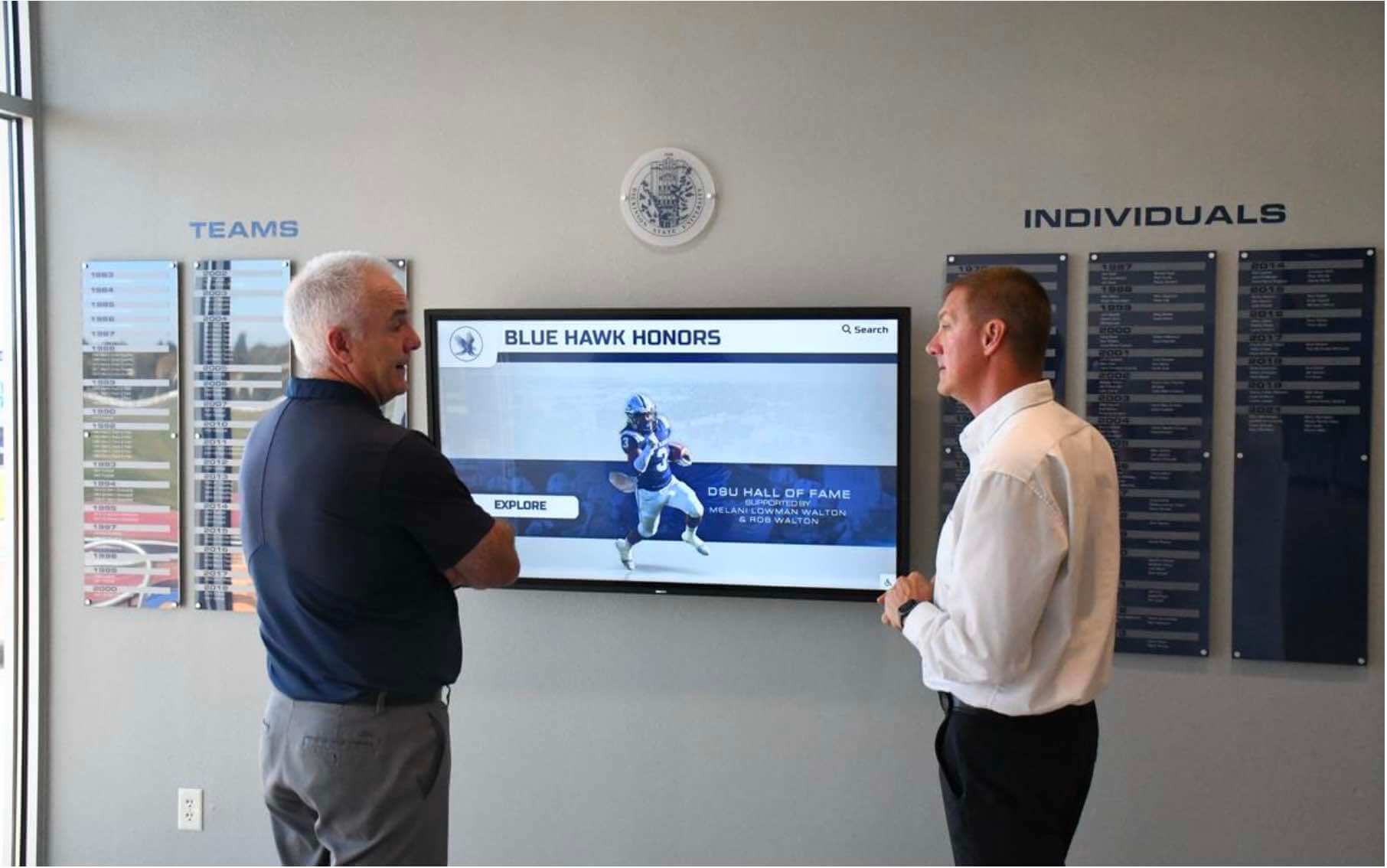
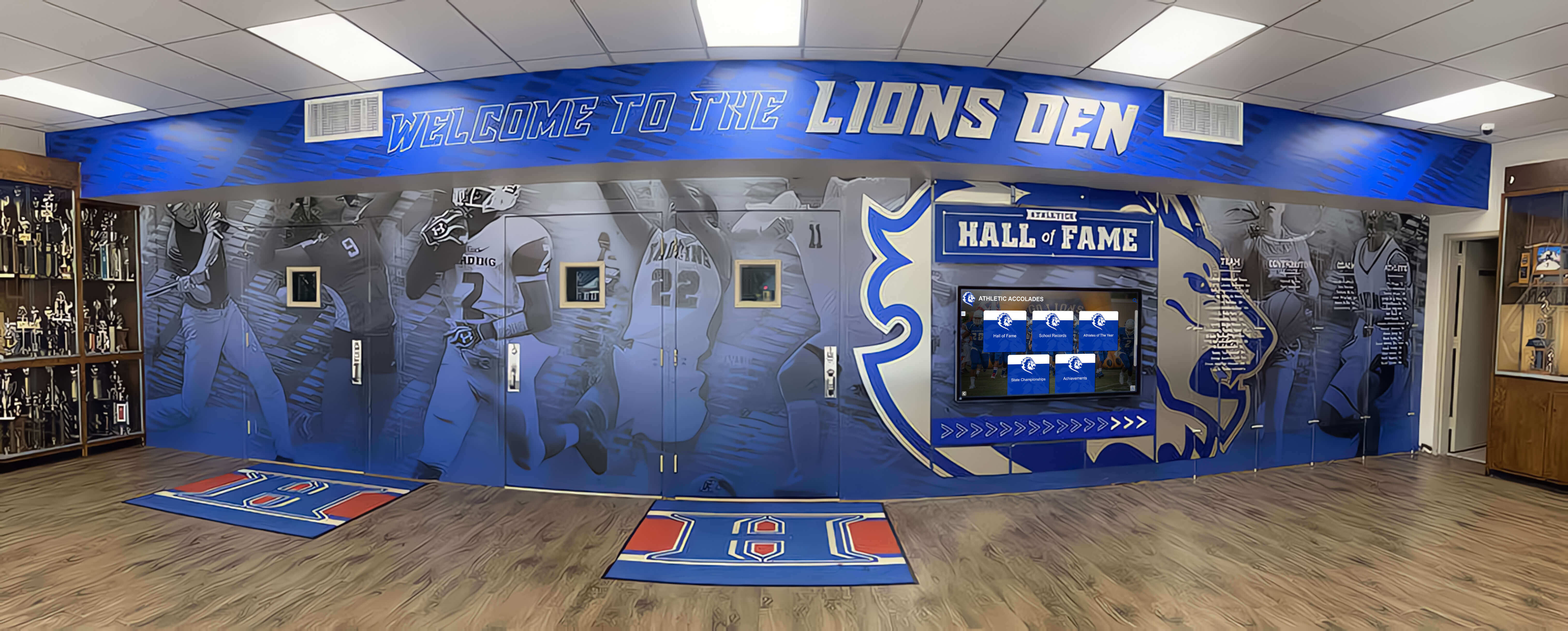
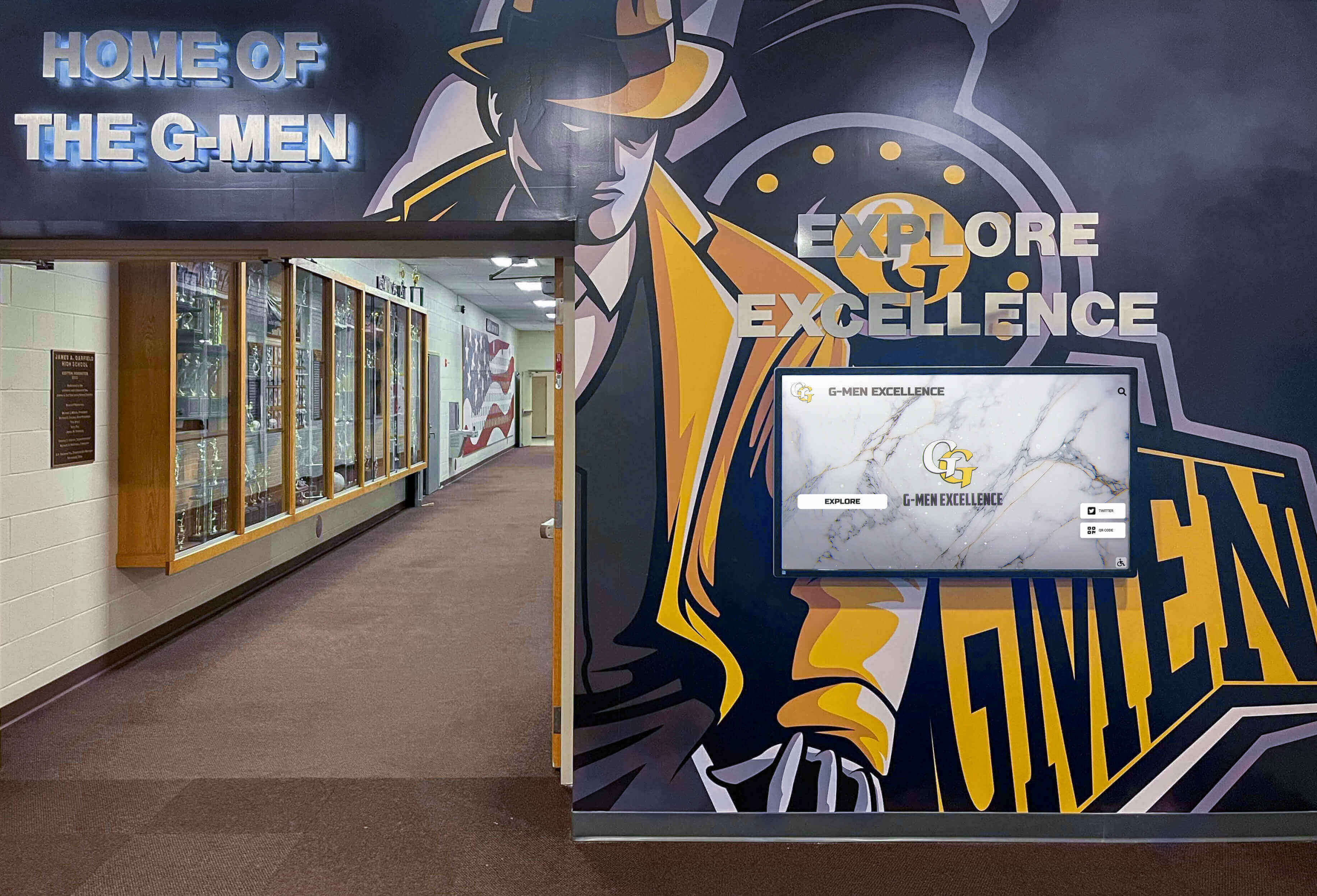
Programs looking to showcase these awards year-round often utilize interactive digital recognition displays that can feature photos, videos, and detailed achievement descriptions beyond what physical trophies provide.
Statistical Excellence Awards
Data-driven awards add objectivity while recognizing specific skill mastery. Modern volleyball statistics provide numerous recognition opportunities beyond basic kill counts.
Hitting Efficiency Leaders
Award players with highest hitting percentages (kills minus errors divided by total attempts). This rewards efficiency over pure volume, identifying hitters who make smart shot decisions and commit fewer errors.
Thresholds by Level:
- Elite high school: .300+
- Strong high school: .250+
- Developing programs: .200+
Ace Leader
Track serving aces across the season. Consider also recognizing serving pressure with metrics like opponent serve-receive rating when facing specific servers.
Block Assist Leader
Total blocks and block assists demonstrate net presence and timing. For middle blockers, track blocks per set to account for rotational playing time differences.
Serve-Receive Excellence
Award the player (typically libero or defensive specialist) with highest serve-receive rating using your team’s system. Three-point systems (3=perfect pass, 2=playable, 1=poor, 0=ace) provide clear measurement.
Assist Leader
Setter recognition based on total assists, but consider efficiency: assists per set, assist-to-error ratio, or percentage of perfect passes that result in kills.
Consistency Award
Recognizes players with most consecutive error-free matches or smallest standard deviation in per-match statistics. Celebrates reliable, steady contribution.
Team Achievement Awards
Recognition extends beyond individual performance to collective accomplishments that reflect program success.
Championship Recognition
Tournament victories, conference titles, and playoff achievements deserve formal recognition. Consider creating championship rings, special patches, or permanent displays for significant team accomplishments.
Record-Breaking Team
When teams set program records (most wins, longest winning streak, fewest sets lost, highest team hitting percentage), recognize all contributors. Digital trophy preservation allows programs to document these achievements permanently.
Iron Team Award
For teams with multiple players earning “Iron Player” recognition for playing every set of every match. Demonstrates depth limitations overcome through resilience.
Best Match Performance
Identify and celebrate the team’s best collective performance of the season. Show match statistics and video highlights during ceremony.
Academic Excellence Recognition
Student-athletes excel in classrooms as well as on courts. Academic achievement deserves celebration during athletic recognition events.
Academic All-Conference/All-State
Recognizes athletes meeting GPA thresholds while contributing athletically. Many state associations have formal academic award programs.
Highest Team GPA
Player with strongest academic performance. Consider including brief mention of academic interests or post-graduation plans.
Scholar-Athlete Award
Balances strong athletic contribution with outstanding academic achievement. Typically requires minimum GPA (3.5+) combined with significant court contribution. Schools with comprehensive academic recognition displays often integrate athletic and academic achievements.
Academic Improvement
Similar to athletic improvement awards, recognizes significant grade advancement alongside volleyball participation.
Senior Recognition and Legacy Awards
Graduating seniors deserve special acknowledgment for their complete contributions across multiple seasons.
Senior Leadership Award
Recognizes senior who best exemplified leadership throughout their career and final season. Consider multi-year impact rather than single-season performance.
Career Achievement Recognition
Celebrate cumulative statistics across entire high school or college careers. Track:
- Career kills, digs, assists, blocks, aces
- Matches and sets played
- Win-loss record during their tenure
- Championships and tournament victories
- Statistical rankings in program history
Create displays showing career progression and highlights. Many programs utilize digital arts and achievement showcases to present comprehensive senior tributes.
Legacy Award
Named after influential alumni, coaches, or program founders, this award recognizes seniors who embody program values and traditions. Connects current players to program history.
Future Success Award
For seniors with clearest path to continued volleyball success—college commitments, club achievements, or development trajectory suggesting continued excellence.
Planning Memorable Awards Ceremonies
Award selection represents half the equation. Ceremony execution determines whether recognition feels meaningful or rushed. Effective presentation amplifies award impact and creates lasting memories.
Ceremony Format Options
Traditional Banquet: Formal dinner with awards presentation. Best for programs with strong parent involvement, larger budgets, and emphasis on creating special evening events.
Casual Team Gathering: Pizza party, team picnic, or informal celebration. Works well for younger teams, budget-conscious programs, or cultures preferring relaxed atmosphere.
Combined Program Event: Recognition across multiple teams (freshman, JV, varsity) in single ceremony. Efficient but requires careful planning to prevent excessive length.
During Season Recognition: Weekly or monthly mini-ceremonies acknowledging specific achievements throughout season rather than single year-end event. Maintains motivation across entire season.
Hybrid Approach: Casual team gathering for fun awards followed by formal ceremony for major recognition. Balances accessibility with significance.
Timing Considerations
Schedule ceremonies considering:
- Season end timing (avoid conflicts with tournament schedules, holidays, or other school events)
- Academic calendar (before or after final exams)
- Senior commitments (avoid college decision periods or signing day conflicts)
- Family availability (weekday evenings vs. weekends)
- Venue booking lead times
Most programs schedule ceremonies 1-3 weeks after season conclusion. This allows adequate planning time while maintaining season freshness. Programs celebrating academic achievements alongside athletics often coordinate with school-wide recognition events.
Venue Selection
School Gymnasium: Familiar, free, accommodates large crowds. May feel routine without decoration and setup effort.
Cafeteria/Commons: More formal than gym, better acoustics for speeches, easier meal service. Limited capacity may require multiple ceremonies.
Restaurant Banquet Room: Creates special occasion atmosphere. Higher cost but includes meal service and formal setting.
Outdoor Venue: Unique setting for spring/summer ceremonies. Weather contingency planning essential.
Hybrid Virtual Option: Consider streaming for families unable to attend. Record ceremony for absent relatives and future viewing.
Decoration and Atmosphere
Transform standard venues into special recognition spaces:
Team Colors: Tablecloths, balloons, streamers in school colors Photo Displays: Season highlights, team photos, individual player collages Statistics Boards: Visual displays of team and individual statistics Championship Reminders: Trophy displays, banner reproductions, newspaper clippings Video Background: Continuous loop of season highlights during arrival and meal Lighting: Dimmed lighting for presentations, spotlights for award recipients
Program Structure and Flow
Effective ceremonies balance recognition with reasonable duration. Target 90-120 minutes maximum including meal and presentations.
Sample Timeline:
- Arrival and Social Time (15-20 min): Allows late arrivals, photo opportunities, casual socializing
- Welcome and Opening Remarks (5 min): Head coach introduction, season overview
- Season Highlights Video (5-8 min): Edited compilation of best moments
- Team Recognition (5 min): Championship acknowledgments, team statistics, collective achievements
- Meal Service (30-40 min): If applicable; can alternate with presentations for pacing
- Individual Awards (30-40 min): Detailed presentation following strategies below
- Senior Tributes (10-15 min): Special recognition for graduating players
- Closing Remarks (5 min): Thank parents, coaching staff, supporters; preview next season
- Photo Opportunities (15-20 min): Group photos, individual award photos, family pictures
Award Presentation Best Practices
How awards are presented affects their perceived significance and emotional impact.
Announce Nominees: For major awards (MVP, Most Improved, Best Offensive/Defensive), build anticipation by announcing nominees before revealing winner. Briefly explain each nominee’s qualification.
Tell Stories: Don’t just read names. Share specific examples illustrating why recipients earned recognition: “When we were down 2-0 in the regional semifinal, Jessica delivered four consecutive kills in set three that sparked our comeback. That’s the clutch performance this award celebrates.”
Show Evidence: Use brief video clips or photo slides showing award-winning plays or moments. This validates selection and creates visual interest.
Player Testimonials: Have teammates, captains, or assistant coaches present certain awards with personal perspectives on recipients.
Prepared Remarks: Provide coaches with note cards or scripts ensuring they don’t forget details during emotional moments. Include pronunciation guides for difficult names.
Photo Protocol: After announcing each recipient, pause for family photos before moving to next award. Assign photographer or designate photo coordinator.
Pacing: Spread major awards throughout ceremony rather than grouping all at end. Mix serious and fun awards for tonal variety.
Recipient Response: Allow major award winners brief opportunity to speak if desired, but don’t require speeches from uncomfortable athletes.
Special Touches That Elevate Ceremonies
Small details transform good ceremonies into memorable experiences:
Custom Programs: Printed programs listing awards, nominees, season statistics, and senior tributes. Families keep these as mementos.
Video Messages: Record congratulatory messages from alumni, rival coaches respecting player abilities, or college coaches recruiting seniors.
Time Capsule Letters: Have players write letters to themselves at season start, opened and read at ceremony. Creates emotional connection to growth.
Parent Recognition: Acknowledge parent contributions—team meals, transportation, fundraising, vocal support. Small gifts or certificates show appreciation.
Coaching Staff Thank You: Players present gifts or recognition to coaches, celebrating their dedication and impact.
Team Awards Voting: For certain categories, have players vote for recipients. Reveals peer respect and allows athlete voice.
Superlatives: Include lighthearted superlatives (best pre-game playlist, most likely to spike own teammate during warm-ups, best victory celebration) that generate laughter while celebrating personalities.
Memory Sharing: Open-mic portion where anyone can share favorite season memory. Often produces unexpected stories and emotional moments.
Jersey Retirement: For exceptional seniors or program legends, consider retiring jersey numbers. Announce criteria making this rare honor meaningful.
Senior Tribute Best Practices
Graduating seniors deserve special recognition beyond standard awards. Create meaningful tributes:
Senior Video: Individual video montage for each senior featuring photos from youth volleyball through present, career highlights, teammate/coach testimonials, and messages from family. These 2-3 minute videos often become ceremony emotional highlights.
Career Statistics: Present comprehensive career stat sheets in folders or frames seniors can keep.
Parting Words: Allow seniors to address team with advice, favorite memories, or thank you messages.
Underclassmen Recognition: Have returning players present seniors with small gifts and cards expressing appreciation for leadership.
Parent Moment: Invite senior parents to stand and be acknowledged for years of support. Some programs have parents present seniors with special gifts or flowers.
Future Plans: Announce college commitments, future volleyball plans, or career interests. Connects present achievements to future trajectory.
Budget-Conscious Ceremony Planning
Meaningful ceremonies don’t require large budgets. Creative approaches deliver impact within financial constraints.
Venue: Use school facilities avoiding rental costs Meal: Potluck contributions or simple pizza/sandwich platters versus catered meals Decorations: Student-created posters and banners instead of purchased decorations Video: Coach or parent-edited highlight reels using free software versus professional videography Awards: Mix certificates for numerous categories with trophies only for major awards Programs: Digital programs shared via email/app instead of printed versions Photos: Parent photographers rather than hired professionals
Focus budget on elements creating greatest impact. A well-edited highlight video shown on large screen creates more ceremony value than expensive decorations.
Programs seeking permanent recognition displays beyond single-ceremony events often utilize interactive kiosk solutions that showcase achievements year-round.
Creating Lasting Recognition Beyond Ceremonies
Single-evening ceremonies create memories, but lasting recognition extends impact throughout year and preserves achievements for future teams.
Physical Award Options
Trophies: Traditional and tangible, but require storage space and can deteriorate Plaques: Wall-mountable recognition taking less space than trophies Medals: Cost-effective option allowing broader distribution Certificates: Inexpensive way to recognize numerous categories Engraved Gifts: Water bottles, bags, or other functional items with recognition details Apparel: Custom shirts, hoodies, or warm-ups with achievement recognition Photo Plaques: Combine player photos with achievement details
Digital Recognition Platforms
Modern programs increasingly supplement or replace physical awards with digital recognition providing several advantages:
Unlimited Capacity: Recognize unlimited achievements without physical space constraints Rich Media: Include photos, videos, career statistics, and detailed narratives Accessibility: Family members anywhere can view and share recognition Permanence: Digital preservation prevents loss or deterioration of physical awards Searchability: Easy location of specific athletes or achievement years Updates: Add new achievements without replacing existing recognition Cost Efficiency: One-time platform investment recognizes unlimited athletes across years
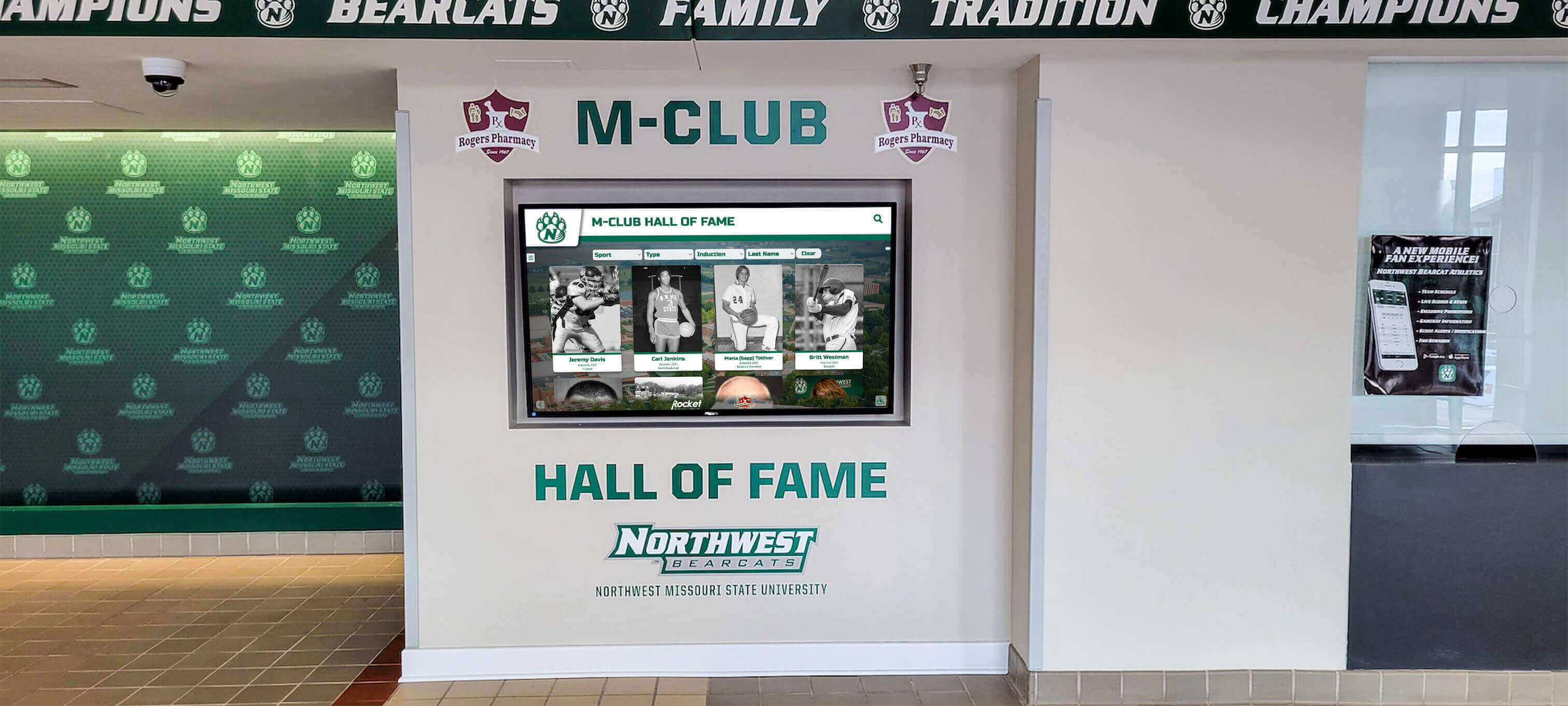
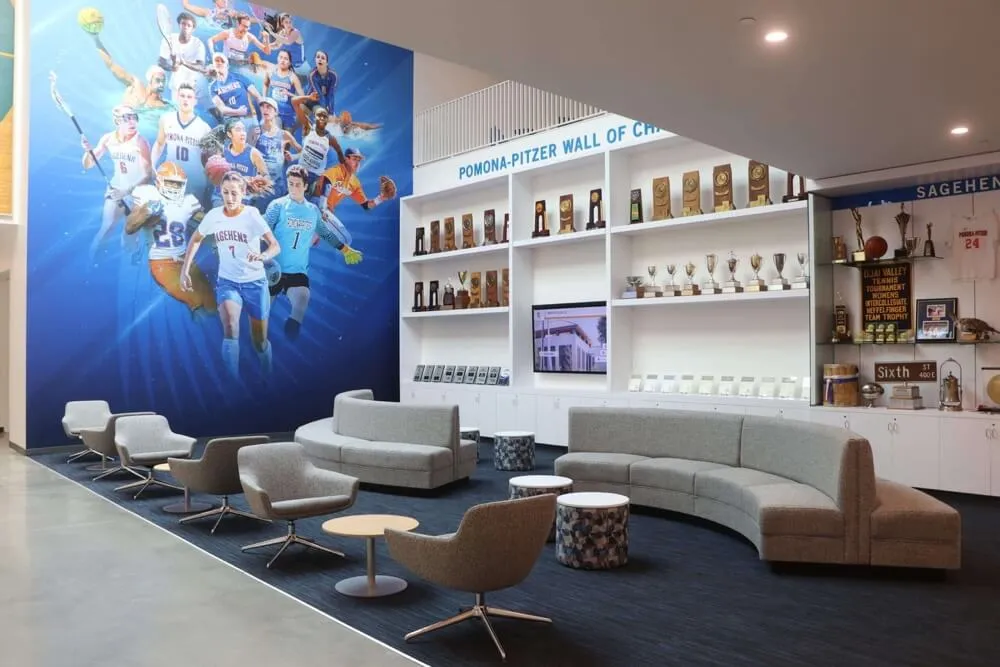
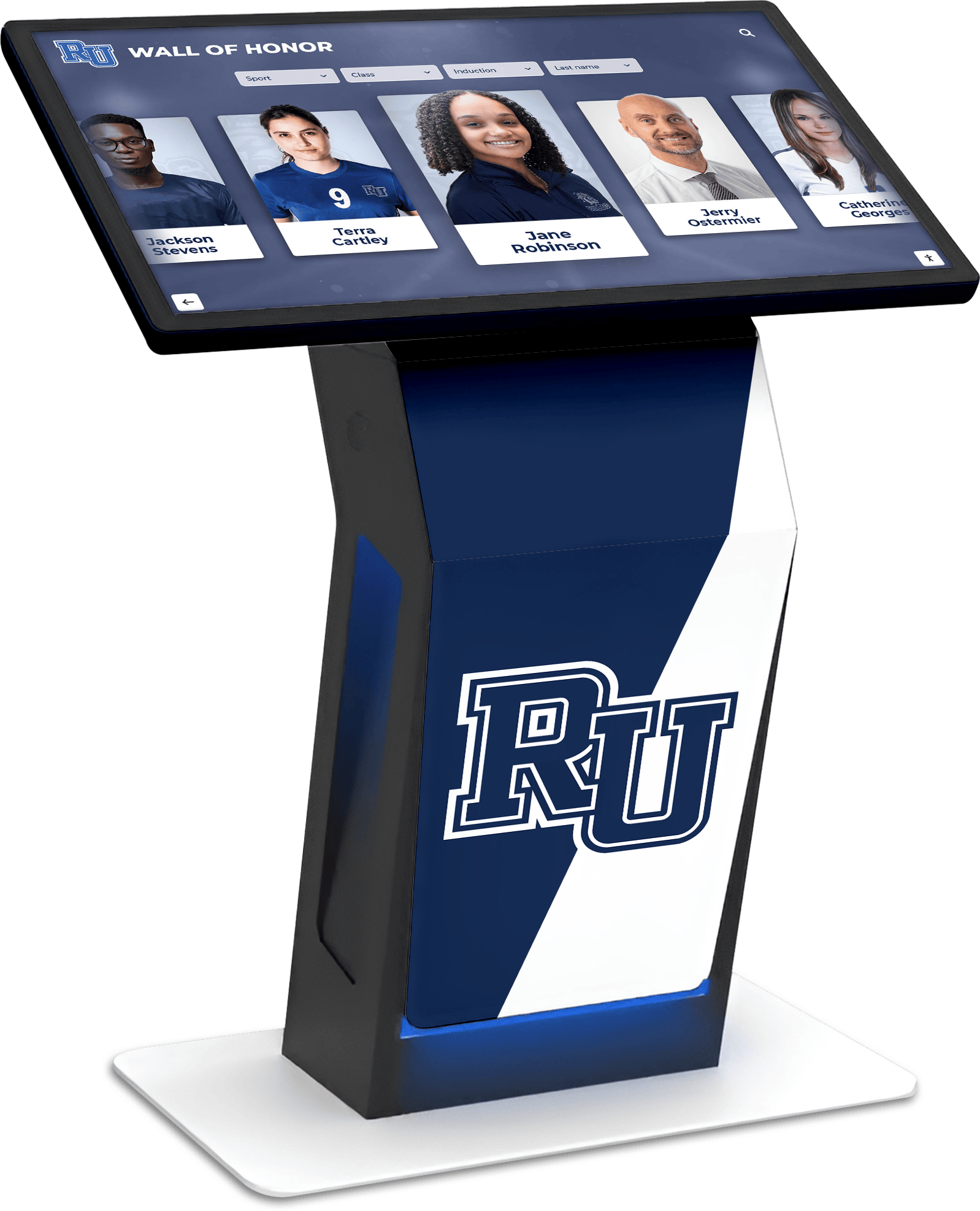
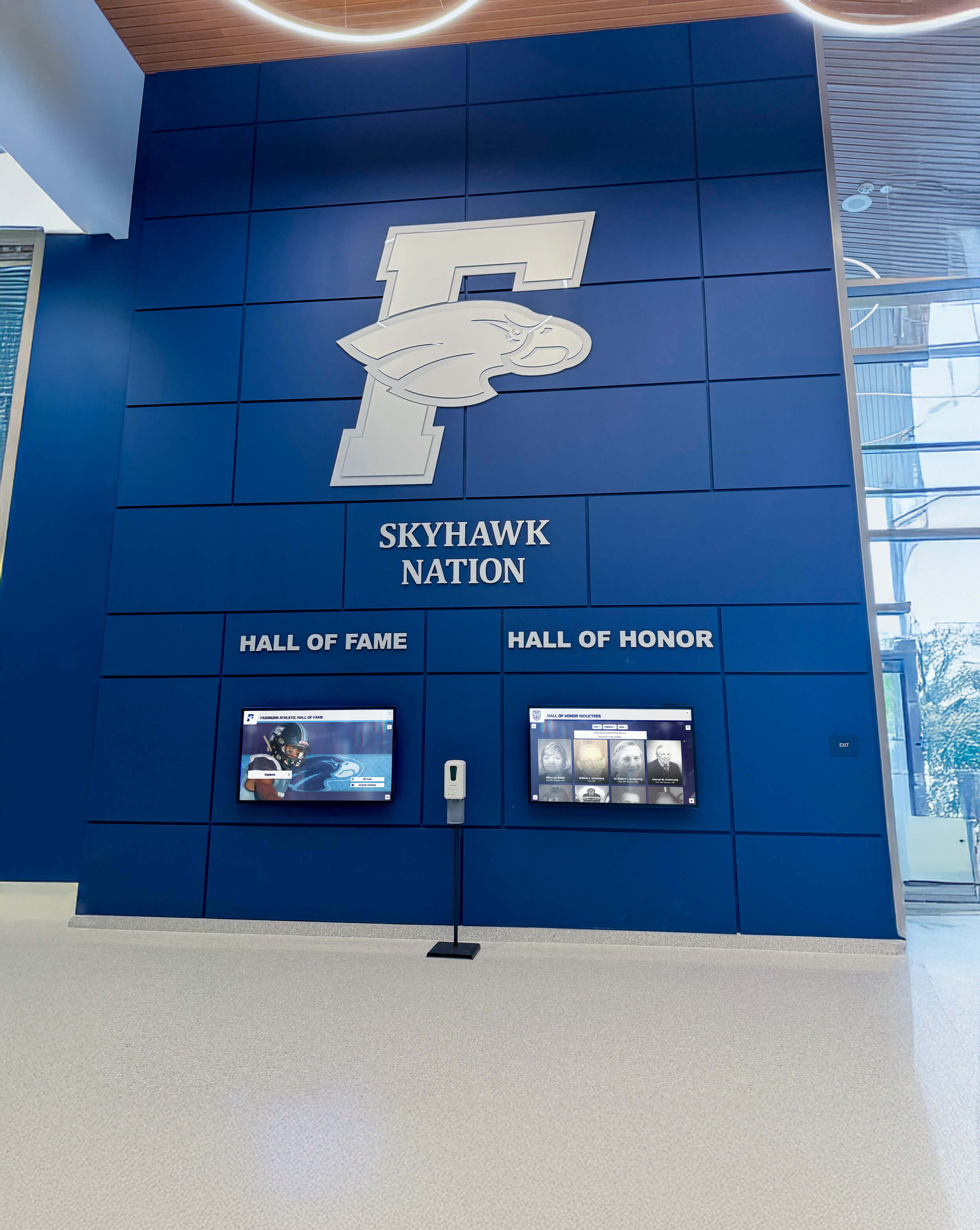
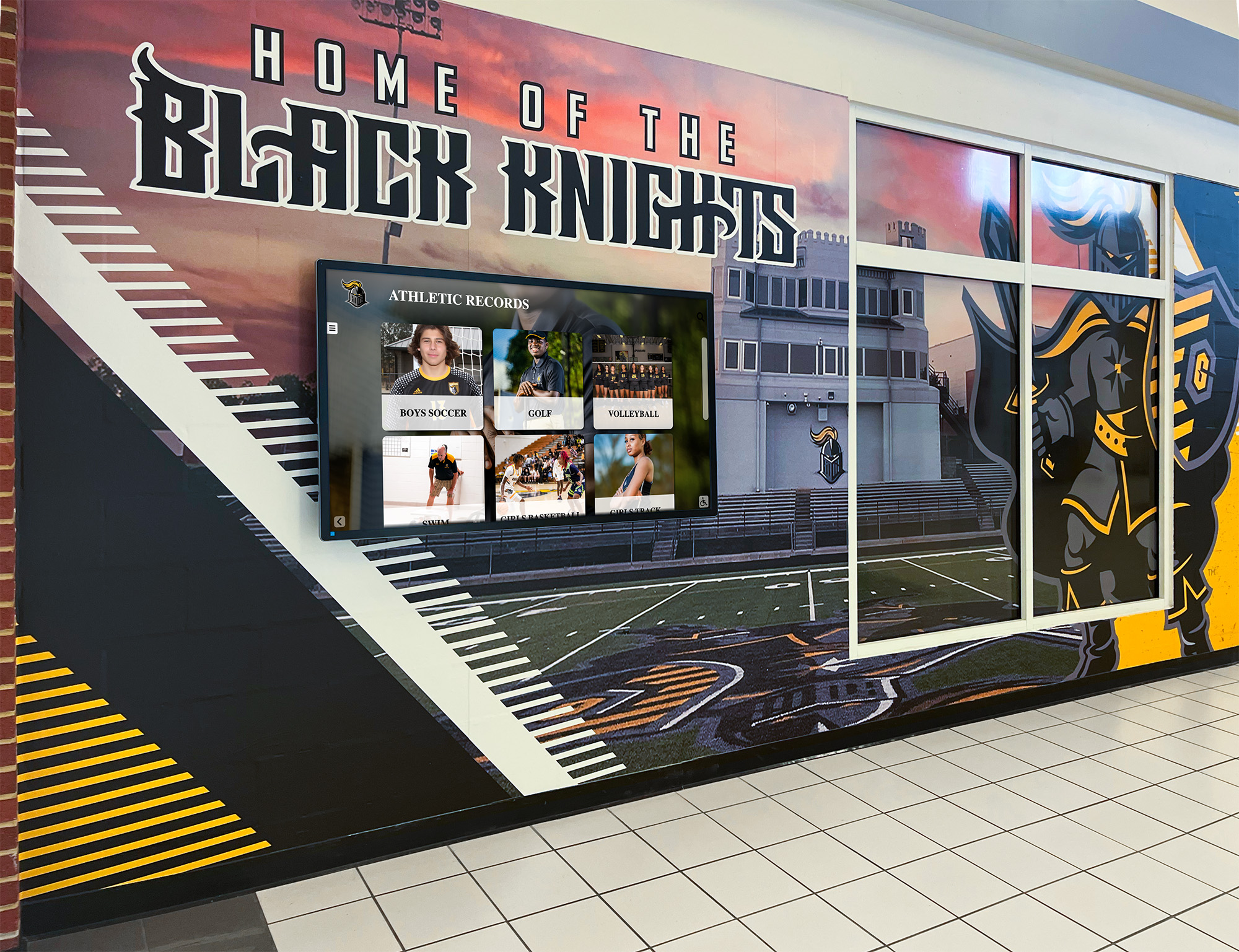
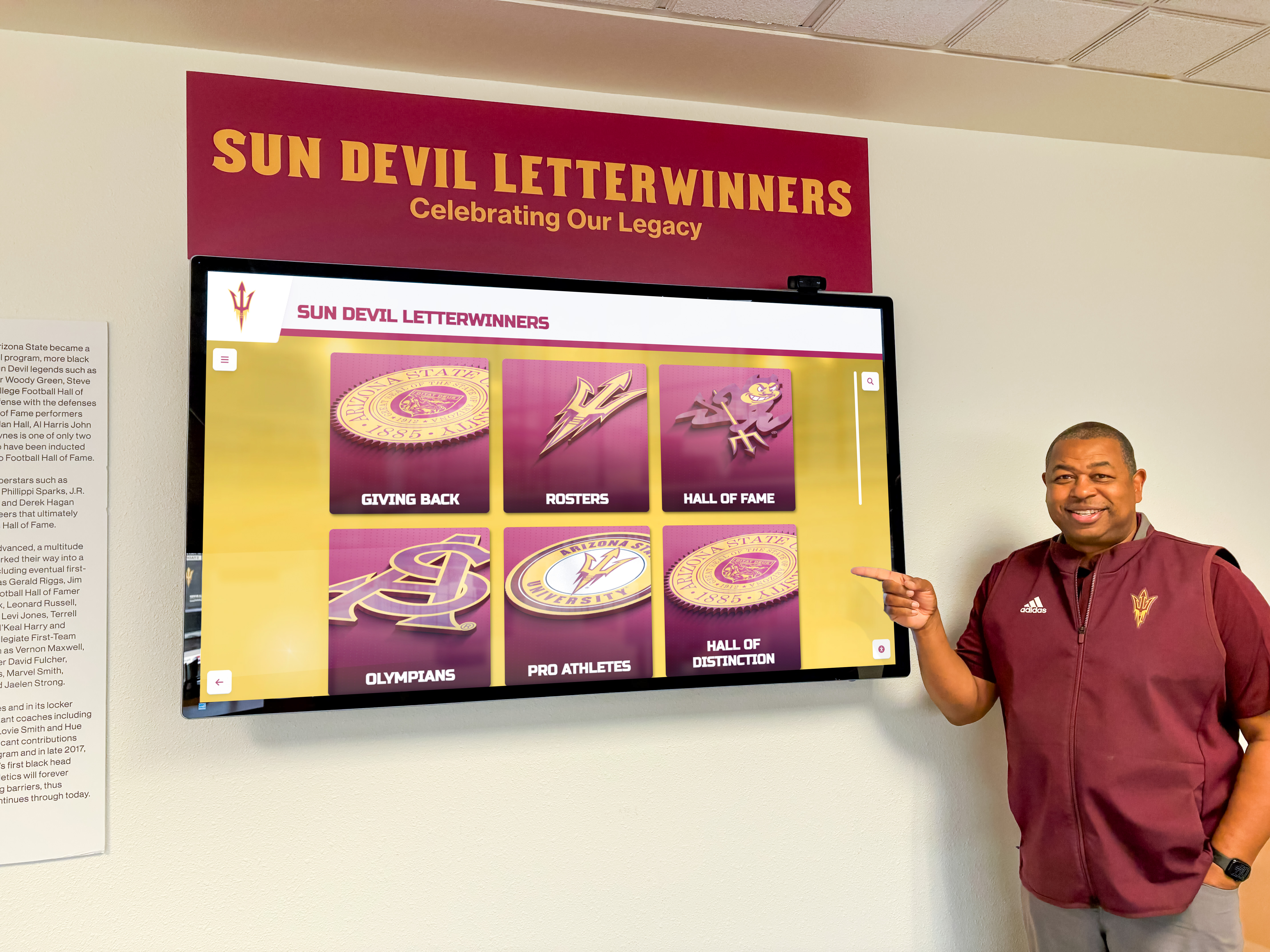
Interactive touchscreen displays installed in gymnasiums or school lobbies provide year-round visibility for volleyball achievements while accommodating growth as new athletes earn recognition.
Recognition Wall Design
Physical recognition walls in gymnasiums or athletic hallways create lasting tributes:
Layout Options:
- Championship banners occupying prominent positions
- Individual achievement plaques in organized grids
- Photo walls with names and achievement details
- Statistical leader boards updated annually
- Hall of Fame sections for all-time great players
Design Considerations:
- Consistent template maintaining visual cohesion
- Chronological organization helping locate specific years
- School colors and branding throughout
- Adequate lighting ensuring readability
- Update accessibility allowing annual additions without full replacement
Combining Physical and Digital Recognition
Many successful programs implement hybrid approaches:
- Physical trophies presented at ceremonies for top awards
- Certificates for all achievement categories
- Digital platform housing comprehensive details, photos, and videos
- Interactive displays in athletic facilities showcasing full recognition database
- Social media posts celebrating specific achievements and directing to full digital profiles
This combination provides tangible ceremony moments while creating permanent, accessible recognition that physical awards alone cannot achieve.
Award Category Selection for Your Program
Not every program should implement every award category. Selection should reflect program size, values, competitive level, and culture.
Factors Influencing Category Selection
Program Size: Small programs (8-12 players) need fewer categories than large programs (15-20 players) where more categories ensure broader recognition.
Competitive Level: Elite programs may emphasize statistical excellence and performance awards. Developmental programs might weight improvement and character more heavily.
Program Values: If your program prioritizes academic achievement, include academic awards. If leadership development is central, create multiple leadership categories.
Team Culture: Fun, lighthearted programs benefit from creative and humorous categories. Serious, traditional programs may focus on conventional awards.
Budget: Financial constraints may limit physical award quantity, suggesting fewer categories with major recognition or more certificates with fewer trophies.
Building Balanced Recognition Systems
Effective systems recognize achievements across multiple dimensions:
Performance Categories (30-40%): Acknowledge statistical excellence and athletic achievement Character Awards (20-30%): Honor intangible qualities and values Position-Specific Recognition (15-20%): Validate specialized roles Improvement Awards (10-15%): Motivate development and celebrate growth Fun/Creative Categories (10-15%): Add enjoyment and celebrate personalities
This balance ensures athletes excelling in different areas receive recognition while maintaining performance standards and program culture.
Avoiding Common Selection Mistakes
Too Few Categories: Creates perception that only elite athletes deserve recognition Too Many Categories: Dilutes significance when everyone receives multiple awards Inconsistent Criteria: Undermines credibility when standards seem arbitrary Same Winners: Spreading awards across athletes validates more contributors Forgetting Reserves: Non-starters need recognition opportunities matching their contributions Performance-Only Focus: Missing character and improvement dimensions
Annual Award Review
Evaluate recognition programs each off-season:
- Did every athlete receive meaningful recognition?
- Did award categories align with program values?
- Were criteria clear and consistently applied?
- Did ceremonies feel meaningful or rushed?
- What feedback did athletes and families provide?
- Which awards generated most positive response?
- Should categories be added, modified, or eliminated?
Programs evolve, and recognition systems should adapt accordingly. What worked for last year’s team may need adjustment for different dynamics or priorities.
Similar evaluation processes benefit staff recognition programs across organizations seeking continuous improvement.
Implementing Recognition Programs Successfully
Selection and planning represent groundwork. Successful implementation requires attention to communication, documentation, and follow-through.
Setting Clear Expectations
Communicate recognition systems early in seasons so athletes understand what’s valued:
Pre-Season Meeting: Explain award categories, criteria, and selection processes Posted Information: Display award descriptions in locker rooms or team spaces Regular Updates: Provide statistical leaders and recognition tracking throughout season Parent Communication: Ensure families understand recognition philosophy and criteria
Clear expectations motivate athletes throughout seasons rather than surprising them at conclusions.
Fair and Consistent Selection
Recognition credibility depends on perceived fairness:
Objective Metrics: Use measurable statistics for performance awards Documented Criteria: Write specific standards for character and subjective awards Multiple Evaluators: Include assistant coaches in selection processes Player Input: Consider team votes for certain awards (best teammate, leadership) Bias Awareness: Monitor for unconscious favoritism toward starters or certain players
Comprehensive Documentation
Preserve recognition decisions and achievement details:
Statistics Tracking: Maintain accurate season-long statistics for all players Nomination Notes: Document reasons players qualified for various awards Selection Justification: Record specific evidence supporting final selections Ceremony Program: Print or save digital program with all recipients Photos and Videos: Capture ceremony moments and award presentations Digital Archive: Store all documentation in accessible location for future reference
Documentation serves multiple purposes: validates current selections, informs future decisions, provides historical records, and creates content for recognition platforms.
Post-Ceremony Follow-Through
Recognition impact extends beyond ceremony night:
Social Media: Post individual and team recognition with photos School Communications: Submit information for newsletters, announcements, websites Local Media: Send season results and award winners to local newspapers College Coaches: Share senior achievements with college programs recruiting them Digital Updates: Add current season awards to permanent recognition displays Thank You Notes: Send appreciation to volunteers, parents, and supporters who made season successful
Measuring Recognition Program Success
Effective programs demonstrate measurable impact justifying continued investment:
Quantitative Indicators
Retention Rates: Compare returning player percentages year-over-year Tryout Numbers: Track athlete interest in joining program Practice Attendance: Monitor commitment through attendance consistency Academic Performance: Document grade point averages and academic achievement trends Goal Achievement: Measure competitive success alongside recognition implementation
Qualitative Assessment
Athlete Feedback: Survey players about recognition experience and suggestions Parent Satisfaction: Gather family perspectives on ceremony quality and fairness Team Culture: Observe cohesion, mutual support, and positive dynamics Alumni Connection: Monitor whether graduated players maintain program connections Community Perception: Assess broader school and community views of program
Programs implementing thoughtful recognition typically experience improved retention, higher athlete satisfaction, stronger team culture, increased family engagement, and enhanced community reputation.
Conclusion: Building Volleyball Recognition That Motivates and Inspires
Volleyball awards programs succeed when they celebrate authentic achievement across multiple dimensions, acknowledge every athlete’s valuable contributions, align recognition with program values, create memorable ceremony experiences, and preserve achievements through lasting displays.
The creative award categories presented here provide starting points for building recognition systems reflecting your program’s unique culture and priorities. Select categories honoring what your team values most. Establish clear criteria ensuring fairness and consistency. Design ceremonies making recognition feel special and meaningful.
Whether you implement traditional end-of-season banquets with physical trophies, modern digital recognition platforms providing year-round visibility, or hybrid approaches combining both, the commitment to recognizing diverse contributions creates experiences athletes remember long after their playing careers conclude.
Recognition shapes culture. The awards you present and how you present them communicate what your program truly values. Make those messages intentional, authentic, and inclusive—celebrating not just the setter with most assists or hitter with most kills, but also the defensive specialist who anchors your backcourt, the teammate who keeps morale high, and the player who developed dramatically over the season.
When every athlete sees themselves reflected in your recognition system and understands their contributions matter, you build programs where players push themselves, support teammates, and develop into not just better volleyball players but better people.
Create Lasting Recognition for Your Volleyball Program
Discover how digital recognition displays can showcase your awards, celebrate athlete achievements year-round, and build the program culture that turns good teams into championship programs.
Schedule Your Demo






























