Volunteers dedicate countless hours to schools, organizations, and communities without expecting payment or public recognition. They arrive early to set up events, stay late to clean up, coordinate fundraisers, mentor students, coach teams, organize activities, and fill dozens of essential roles that keep institutions running smoothly. When appreciation efforts default to generic thank-you cards or brief acknowledgments, organizations miss opportunities to demonstrate genuine gratitude while building lasting volunteer commitment and encouraging continued service.
Meaningful volunteer appreciation activities create lasting impressions that validate volunteer contributions, strengthen organizational relationships, and inspire sustained engagement from current volunteers while attracting new community members to service opportunities. The most effective appreciation strategies move beyond perfunctory gestures to create memorable experiences and permanent recognition that volunteers truly value.
This comprehensive guide explores volunteer appreciation activities that demonstrate authentic gratitude through creative events, personalized recognition, lasting displays, and systematic approaches that make volunteers feel genuinely valued for their irreplaceable contributions to organizational success.
Organizations that invest thoughtfully in volunteer appreciation create powerful cultures where service feels celebrated and meaningful. When volunteers experience genuine recognition through multiple channels and lasting acknowledgment, they develop deeper connections to organizational missions while inspiring others to contribute their time and talents to community causes.
Digital recognition displays create permanent, visible appreciation for volunteers who contribute to organizational success
Why Traditional Thank-You Cards Fall Short
Thank-you cards serve important purposes in volunteer appreciation strategies, but relying exclusively on written notes leaves significant appreciation opportunities unexplored and fails to create the lasting impact that sustained volunteer commitment requires.
The Limitations of One-Time Written Acknowledgment
Thank-you cards provide momentary recognition that volunteers read once before storing them away or discarding them entirely. While recipients may appreciate the gesture initially, cards create no ongoing visibility, generate no public acknowledgment that validates volunteer contributions to broader communities, and offer no lasting record of service that volunteers can point to with pride months or years later.
Common Thank-You Card Limitations:
- Generic messaging that feels impersonal despite handwritten signatures
- One-time acknowledgment without sustained visibility or impact
- Private recognition only the recipient experiences
- No opportunity for public celebration validating volunteer contributions
- Easily misplaced or discarded after initial reading
- Limited space preventing detailed appreciation of specific contributions
Organizations can do better by supplementing written thanks with substantive appreciation activities that create memorable experiences and permanent recognition.
What Volunteers Actually Value
Understanding volunteer motivations helps organizations design appreciation activities that genuinely resonate with those dedicating their time and energy to community service.
Research consistently shows volunteers are motivated by meaningful impact, connection to organizational missions, social relationships developed through service, skill development opportunities, and public acknowledgment of their contributions. Appreciation activities addressing these deeper motivations create stronger volunteer satisfaction and sustained engagement compared to surface-level gestures.

High-visibility recognition spaces in school lobbies honor volunteers and create lasting appreciation throughout the community
Creative Volunteer Appreciation Event Ideas
Hosting dedicated appreciation events provides opportunities to celebrate volunteers collectively while creating enjoyable experiences that strengthen community bonds and demonstrate organizational commitment to volunteer recognition.
Volunteer Appreciation Luncheons and Dinners
Gathering volunteers for meals creates relaxed social environments where appreciation feels personal and heartfelt while providing opportunities for volunteers to connect with each other and organizational leadership.
Planning Effective Appreciation Meals:
Schedule events during convenient times that accommodate volunteer availability rather than defaulting to standard business hours. Mid-morning brunches or early dinners often work better than midday meals for volunteers balancing work and family commitments.
Create welcoming atmospheres through thoughtful venue selection, whether hosting in organizational spaces decorated festively or choosing restaurants where volunteers can relax without formality. The setting should communicate that volunteers are genuinely valued guests rather than obligatory attendees.
Incorporate personal recognition moments during meals by highlighting specific volunteer contributions throughout the year. Rather than generic appreciation speeches, acknowledge individual volunteers by name while describing specific ways their service made meaningful differences to organizational success.
Consider featuring beneficiaries of volunteer efforts—students, program participants, or community members—who can share firsthand testimonials about volunteer impact. These authentic stories create powerful emotional connections that validate volunteer contributions more effectively than administrative speeches alone.
Many schools and organizations enhance appreciation events by displaying digital recognition of volunteer contributions during gatherings, creating visual celebrations that attendees can explore and photograph.
Volunteer Recognition Ceremonies and Awards Programs
Formal recognition ceremonies elevate volunteer appreciation to institutional priority levels while providing structured opportunities to celebrate different types of contributions through meaningful awards and public acknowledgment.
Recognition Ceremony Components:
Individual Service Awards acknowledge specific volunteers who demonstrated exceptional dedication, leadership, innovation, or impact throughout the year. Categories might include Most Hours Served, Outstanding New Volunteer, Volunteer Leadership Award, or Mission Champion recognition.
Milestone Recognition celebrates volunteers reaching significant service anniversaries including one year, five years, ten years, or longer tenure. Acknowledging sustained commitment demonstrates organizational appreciation for long-term volunteer relationships.
Team Recognition honors volunteer groups who collaborated effectively on specific projects or initiatives. Recognizing collective achievements acknowledges the collaborative nature of volunteer work while celebrating team dynamics.
Impact Storytelling shares specific examples of how volunteer contributions created measurable differences in organizational outcomes. Quantify impact wherever possible—number of students mentored, meals served, events organized, fundraising results achieved—to demonstrate concrete value volunteers created.
Create keepsakes volunteers can treasure including certificates, plaques, trophies, or custom awards that provide tangible mementos of their recognized achievements. Physical recognition items gain sentimental value over time as permanent reminders of appreciated service.
Behind-the-Scenes Experiences and Special Access
Providing exclusive experiences that showcase organizational operations creates unique appreciation opportunities unavailable to general publics while demonstrating trust and respect for volunteer contributions.
Special Access Opportunities:
Offer facility tours showing volunteers areas they typically don’t access, explaining how their contributions support broader organizational operations. For schools, this might include classroom observations, administrative area visits, or facility walkthroughs highlighting improvements volunteer fundraising enabled.
Invite volunteers to special events, performances, games, or activities as VIP guests with premium seating or exclusive access. This demonstrates volunteers receive priority treatment as valued organizational partners rather than external supporters.
Arrange meet-and-greet opportunities with organizational leaders, distinguished alumni, professional athletes, performers, or other notable figures connected to your mission. These personal interactions create memorable experiences volunteers cherish while validating their importance to organizational communities.
Host volunteer-only social events including receptions, gatherings, or activities designed exclusively for volunteers and their families. Creating spaces where volunteers interact without public audiences builds stronger community connections among volunteer cohorts.
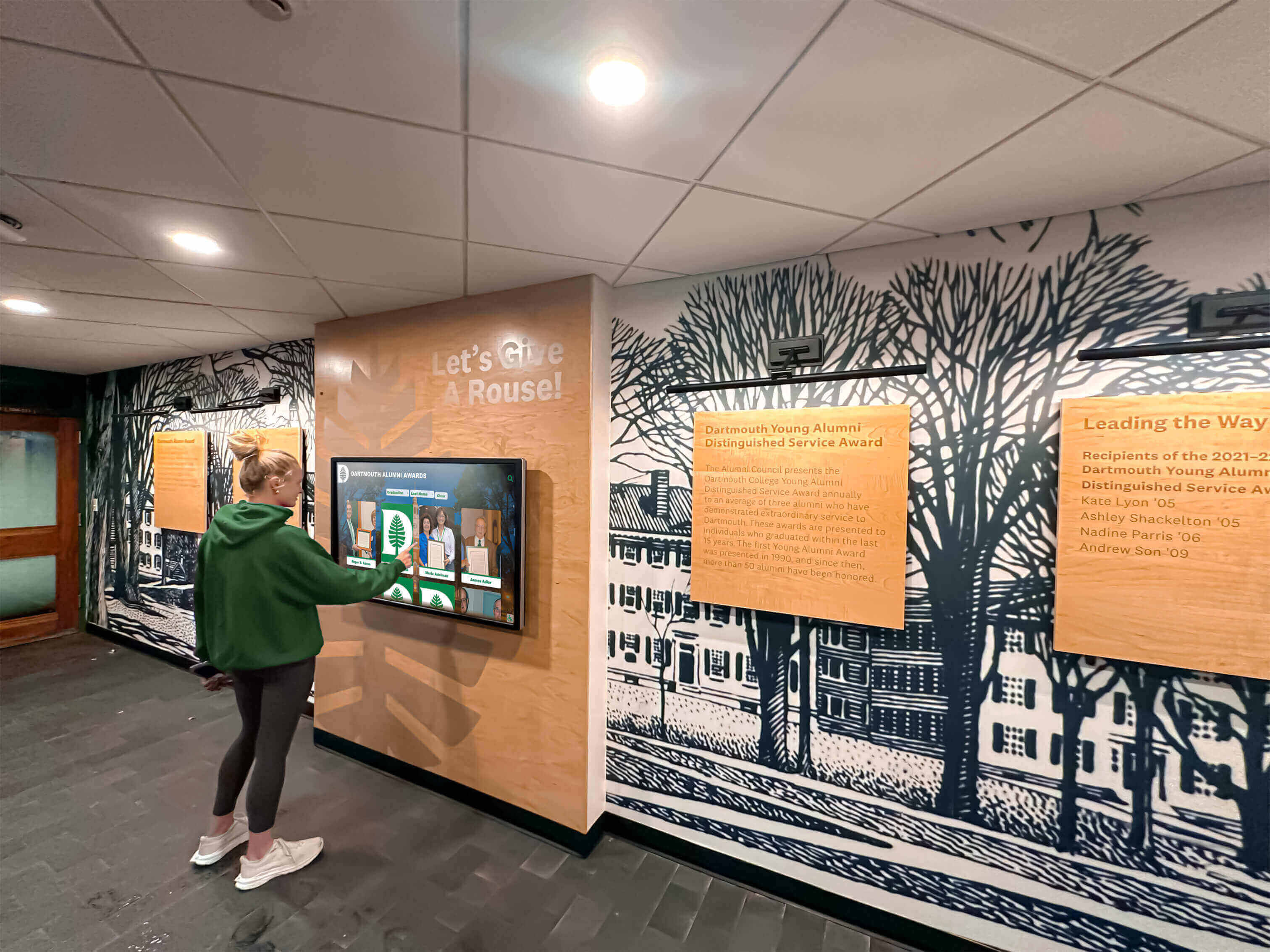
Interactive displays allow volunteers and community members to explore recognition content showcasing service contributions
Personalized Recognition That Shows Individual Appreciation
Moving beyond group acknowledgment to recognize individual volunteers personally demonstrates organizational attention to specific contributions while creating deeper appreciation connections that generic approaches cannot achieve.
Personalized Video Messages
Creating custom video messages from organizational leaders, beneficiaries, or program participants provides highly personal appreciation that volunteers can save and share with family and friends.
Effective Video Message Elements:
Address volunteers by name while referencing specific contributions they made throughout the year. Generic appreciation videos lack the personal connection that makes recognition meaningful, while specific acknowledgments demonstrate genuine awareness of individual service.
Include testimonials from people directly impacted by volunteer work. For educational volunteers, feature students describing how mentorship changed their academic trajectories. For event volunteers, show event participants explaining how volunteers created positive experiences.
Keep videos concise at two to three minutes, focusing on heartfelt thanks rather than lengthy recitations. Shorter messages feel more authentic while respecting volunteer time when viewing.
Share videos privately through email or text message, allowing volunteers to watch at their convenience while creating intimate appreciation moments without public pressure or attention.
Spotlight Features and Public Recognition
Highlighting individual volunteers through various communication channels provides public acknowledgment that validates contributions to broader communities while inspiring other potential volunteers to engage.
Volunteer Spotlight Platforms:
Website Features create dedicated volunteer spotlight sections showcasing individual volunteers monthly or quarterly. Include photos, brief biographies, descriptions of their service contributions, and quotes about why they volunteer. These permanent web features provide lasting recognition while demonstrating organizational commitment to volunteer appreciation.
Social Media Recognition highlights volunteers through dedicated posts on organizational social channels. Share volunteer stories, photos of volunteers in action, and appreciation messages that followers can like, share, and comment on. Social recognition extends appreciation reach beyond immediate organizational communities.
Newsletter Profiles feature volunteer stories in regular organizational communications reaching stakeholder audiences including donors, families, alumni, and community members. Newsletter features position volunteers as institutional heroes while educating readers about volunteer program breadth and impact.
Display Recognition includes volunteer profiles on digital recognition displays in high-traffic locations where volunteers, visitors, and community members can discover their contributions. Digital displays create permanent, visible appreciation that volunteers can show visiting family and friends.
Handwritten Letters from Leadership
While brief thank-you cards have limitations, detailed handwritten letters from organizational presidents, principals, executive directors, or board chairs carry significant weight by demonstrating top leadership’s personal awareness of volunteer contributions.
Impactful Leadership Letters:
Reference specific volunteer accomplishments and contributions rather than generic service acknowledgments. Mention particular events, programs, or initiatives where volunteers made measurable differences, demonstrating genuine knowledge of their work.
Explain organizational impact created by volunteer contributions, connecting individual service to broader mission achievement. Help volunteers understand how their specific efforts advanced organizational goals and benefited target populations.
Express personal gratitude from leadership perspectives, explaining why volunteer contributions matter to organizational leaders personally. Authentic emotional connection creates more meaningful appreciation than formal corporate language.
Mail letters to volunteer homes rather than distributing them at events. Receiving recognition mail creates special moments when volunteers open unexpected appreciation letters privately, often sharing them with family members who gain new appreciation for volunteer service commitments.

Hallway recognition displays provide ongoing visibility for volunteer contributions throughout school communities
Lasting Recognition Through Digital Displays and Permanent Tributes
Creating permanent recognition that remains visible long after initial appreciation moments provides ongoing validation of volunteer contributions while inspiring future service from community members who discover volunteer recognition displays.
Digital Volunteer Recognition Walls
Modern digital recognition systems overcome traditional plaque and bulletin board limitations by providing dynamic, updateable displays that can showcase unlimited volunteers through searchable, engaging interfaces.
Digital Recognition Advantages:
Unlimited Capacity eliminates space constraints that force difficult decisions about which volunteers receive visible recognition. Digital systems accommodate hundreds or thousands of volunteer profiles without physical space limitations, ensuring comprehensive recognition for all service contributors.
Rich Multimedia Storytelling enables volunteer profiles including photos, service descriptions, years of contribution, specific roles filled, and even video testimonials. This depth creates more meaningful recognition than name-only plaques while helping viewers understand volunteer contribution scope.
Easy Updates allow organizations to add new volunteers, update existing profiles, and refresh recognition content regularly without manufacturing new plaques or redesigning physical displays. Content management systems enable recognition coordinators to maintain current volunteer information effortlessly.
Interactive Exploration lets viewers search volunteer databases by name, year, service type, or other criteria, making recognition personally engaging rather than passive viewing. Touchscreen interfaces invite interaction while creating memorable recognition discovery experiences.
Permanent Archives preserve volunteer recognition indefinitely through cloud-based systems that maintain historical records surviving administrative transitions, facility renovations, or recognition program evolution. Volunteers honored decades ago remain discoverable and celebrated alongside current contributors.
Schools implementing comprehensive volunteer appreciation often combine digital recognition with academic achievement displays that celebrate multiple stakeholder contributions to institutional success.
Volunteer Hall of Honor Displays
Creating dedicated physical or digital spaces designated specifically for volunteer recognition elevates service acknowledgment to institutional priority status while providing focal points for appreciation programs.
Hall of Honor Components:
Locate volunteer recognition in high-traffic areas where maximum community members encounter displays during normal activities. School lobbies, entrance hallways, athletic facilities, or community gathering spaces provide ideal visibility for volunteer appreciation.
Design recognition spaces that command attention through professional aesthetics, quality materials, and prominent positioning. Volunteer recognition deserves presentation quality comparable to athletic championships, academic achievements, or donor acknowledgments.
Organize recognition logically through categories including years of service, volunteer roles, special achievements, or chronological service periods. Clear organization helps viewers navigate volunteer recognition while discovering specific contributors or service types.
Include volunteer photos whenever possible rather than name-only lists. Visual recognition creates stronger personal connections while helping community members identify volunteers they may know, strengthening appreciation program impact.
Update recognition regularly by adding recent volunteers, highlighting milestone achievements, or refreshing display content to maintain relevance and engagement. Static displays become overlooked background elements, while dynamic recognition maintains community attention and interest.
Engraved Bricks, Pavers, and Permanent Installations
Physical installations create tangible, permanent volunteer recognition integrated into facility landscapes or building features that communities encounter daily for years or decades.
Permanent Installation Options:
Recognition Walkways feature engraved bricks or pavers installed in high-traffic pathways where volunteers, students, visitors, and community members walk regularly. Each brick acknowledges specific volunteers through engraved names, service years, or appreciation messages.
Recognition Gardens create landscaped spaces dedicated to volunteer appreciation, incorporating engraved stones, plaques, or markers throughout garden designs. These tranquil recognition spaces provide reflective environments while honoring volunteer contributions permanently.
Building Features include volunteer recognition through named spaces, engraved plaques, or recognition walls integrated into facility architecture. Dedicated volunteer lounges, meeting rooms, or facility sections acknowledge major volunteer contributions through permanent naming opportunities.
Memorial Recognition honors deceased volunteers who made lasting impacts through dedicated plaques, memorial benches, trees planted in their memory, or other permanent tributes ensuring their service legacies endure beyond their lifetimes.
While permanent installations require larger investments than temporary recognition, they create multigenerational appreciation that honors volunteers for decades while inspiring future service from community members discovering historical volunteer contributions.
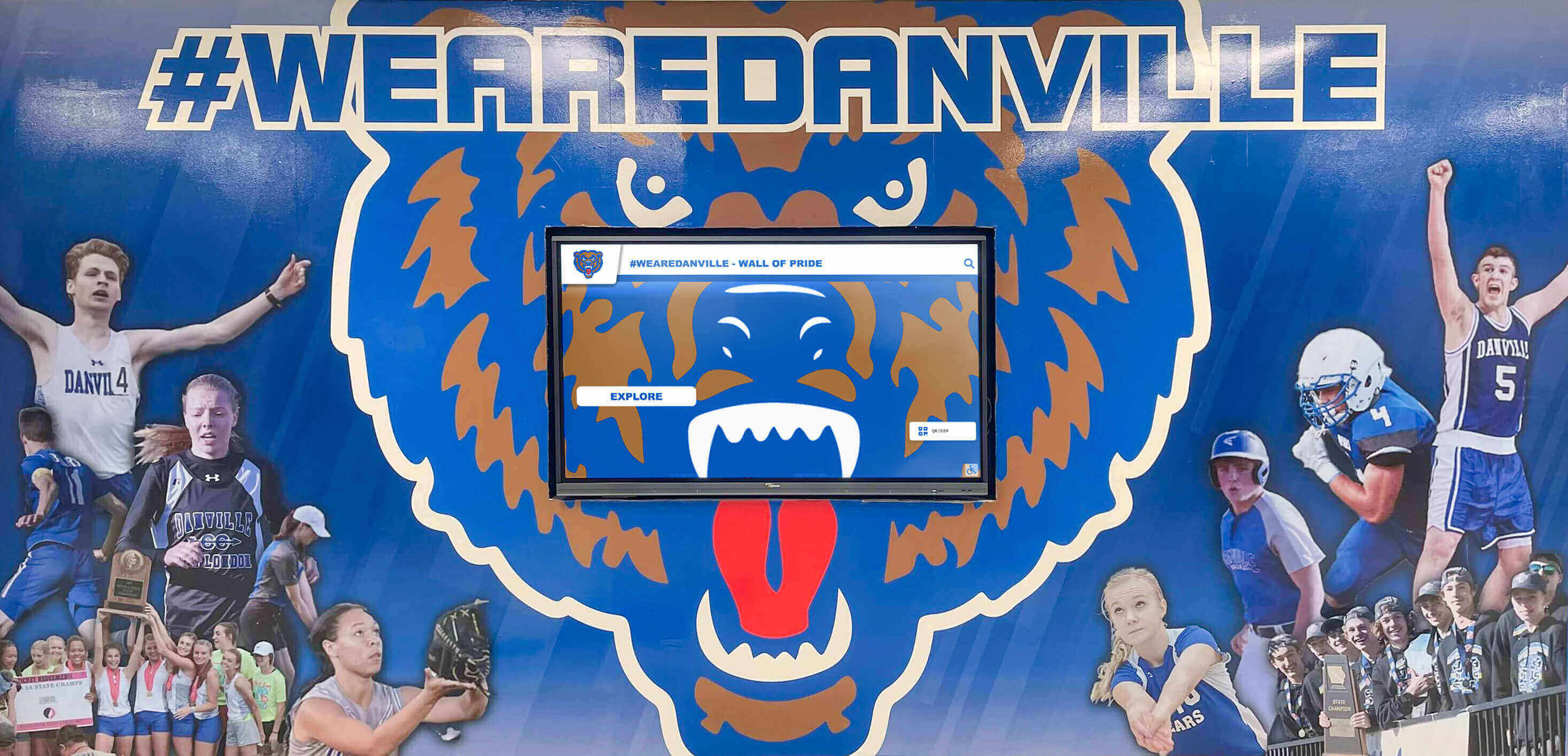
Combining traditional design elements with modern digital displays creates comprehensive recognition environments
Gift-Based Appreciation Strategies
Thoughtful gifts complement experiential appreciation and permanent recognition by providing tangible items volunteers can use while remembering organizational gratitude for their service contributions.
Meaningful Volunteer Appreciation Gifts
Effective volunteer gifts balance utility with sentimental value while avoiding generic items that feel impersonal or thoughtless.
Appreciated Gift Categories:
Branded Organizational Items including quality apparel, water bottles, bags, or accessories featuring organizational logos create volunteer identity and belonging. Choose premium items volunteers will actually use rather than cheap promotional products destined for donation bins.
Personalized Items customized with volunteer names, service years, or specific roles demonstrate individual recognition rather than mass-produced appreciation. Engraved items, custom name badges, or personalized certificates create keepsakes with sentimental value.
Experience Gifts including restaurant gift cards, entertainment tickets, spa treatments, or recreational passes provide enjoyable experiences volunteers can share with family members. Experience gifts create lasting memories while showing appreciation for volunteer time through reciprocal leisure opportunities.
Donation Recognition allows volunteers to direct charitable contributions to causes they select, honoring their service through supporting missions they care about personally. This approach resonates particularly with volunteers motivated by altruistic values rather than personal recognition.
Service Anniversary Gifts increase in significance with volunteer tenure, acknowledging long-term commitment through progressively meaningful recognition. First-year volunteers might receive branded items, while five-year volunteers receive personalized awards and ten-year volunteers receive premium gifts or special recognition opportunities.
Volunteer Appreciation Gift Baskets and Care Packages
Curated gift collections provide variety and thoughtfulness while accommodating different volunteer preferences and tastes.
Gift Basket Themes:
Local Products showcase regional foods, beverages, crafts, or specialty items supporting local businesses while providing unique gifts volunteers cannot easily purchase themselves. Local theming demonstrates organizational roots in community while introducing volunteers to area offerings.
Wellness Packages include stress-relief items, healthy snacks, relaxation products, or self-care supplies acknowledging that volunteer service often requires personal sacrifice and deserves reciprocal wellness support.
Family-Focused Baskets contain items entire families can enjoy including games, movie night supplies, baking mixes, or activity kits. Family-oriented gifts acknowledge that volunteer service often affects whole households who sacrifice family time when volunteers serve organizational missions.
Seasonal Themes align gift baskets with holidays, seasons, or organizational calendars. Winter appreciation might include hot chocolate mixes and cozy items, while summer recognition could feature outdoor activity supplies or picnic provisions.
Accompany gift baskets with handwritten notes explaining gift selection reasoning and expressing specific appreciation for individual volunteer contributions. Personal messages transform generic gift baskets into thoughtful appreciation gestures.
Ongoing Recognition Programs and Systematic Appreciation
Creating structured recognition systems ensures consistent volunteer appreciation throughout the year rather than limiting acknowledgment to annual events or sporadic gestures.
Volunteer of the Month Programs
Regular recognition highlighting exceptional volunteers monthly provides ongoing appreciation opportunities while creating incentives for sustained engagement and exemplary service.
Program Elements:
Establish clear selection criteria based on service hours, impact, leadership, innovation, or other measurable contribution factors. Transparent selection processes ensure recognition feels earned and fair rather than arbitrary or favoritism-based.
Feature selected volunteers prominently through multiple channels including website features, social media posts, newsletter profiles, lobby displays, and physical recognition boards in organizational facilities.
Provide monthly volunteers with tangible recognition including certificates, reserved parking spaces, special name badges, or small gifts acknowledging their featured status.
Archive monthly volunteer features in permanent databases preserving recognition indefinitely while creating historical records documenting volunteer program evolution across years or decades.
Invite previous monthly volunteers to annual recognition events or volunteer appreciation gatherings, creating alumni cohorts of honored volunteers who continue engaging with organizational volunteer communities.
Point Systems and Service Milestone Recognition
Tracking volunteer hours and achievements through systematic programs provides ongoing acknowledgment while creating progression frameworks that encourage sustained engagement.
Recognition Milestone Examples:
- 10 hours: Certificate of Appreciation
- 25 hours: Volunteer Recognition Pin
- 50 hours: Personalized Thank-You Gift
- 100 hours: Bronze Level Recognition
- 250 hours: Silver Level Recognition
- 500 hours: Gold Level Recognition
- 1,000+ hours: Lifetime Achievement Status
Milestone systems create tangible goals volunteers can pursue while receiving incremental recognition validating their growing contributions. Display milestone achievers on digital recognition platforms where communities can celebrate volunteer progression and sustained commitment.
Volunteer Advisory Councils and Leadership Opportunities
Inviting experienced volunteers to organizational leadership roles through advisory councils, planning committees, or governance participation demonstrates deep respect for volunteer perspectives while providing meaningful engagement beyond task-based service.
Advisory Council Benefits:
Volunteers gain insider understanding of organizational decision-making, strategic planning, and leadership challenges, creating deeper institutional connections and investment in organizational success.
Organizations benefit from volunteer insights about program effectiveness, community perceptions, and improvement opportunities that paid staff may miss or underestimate.
Council participation provides leadership development for volunteers who can leverage these experiences in professional contexts or future volunteer leadership roles with other organizations.
Recognition as advisory council members elevates volunteer status from task contributors to strategic partners, demonstrating organizational respect for volunteer judgment and community expertise.

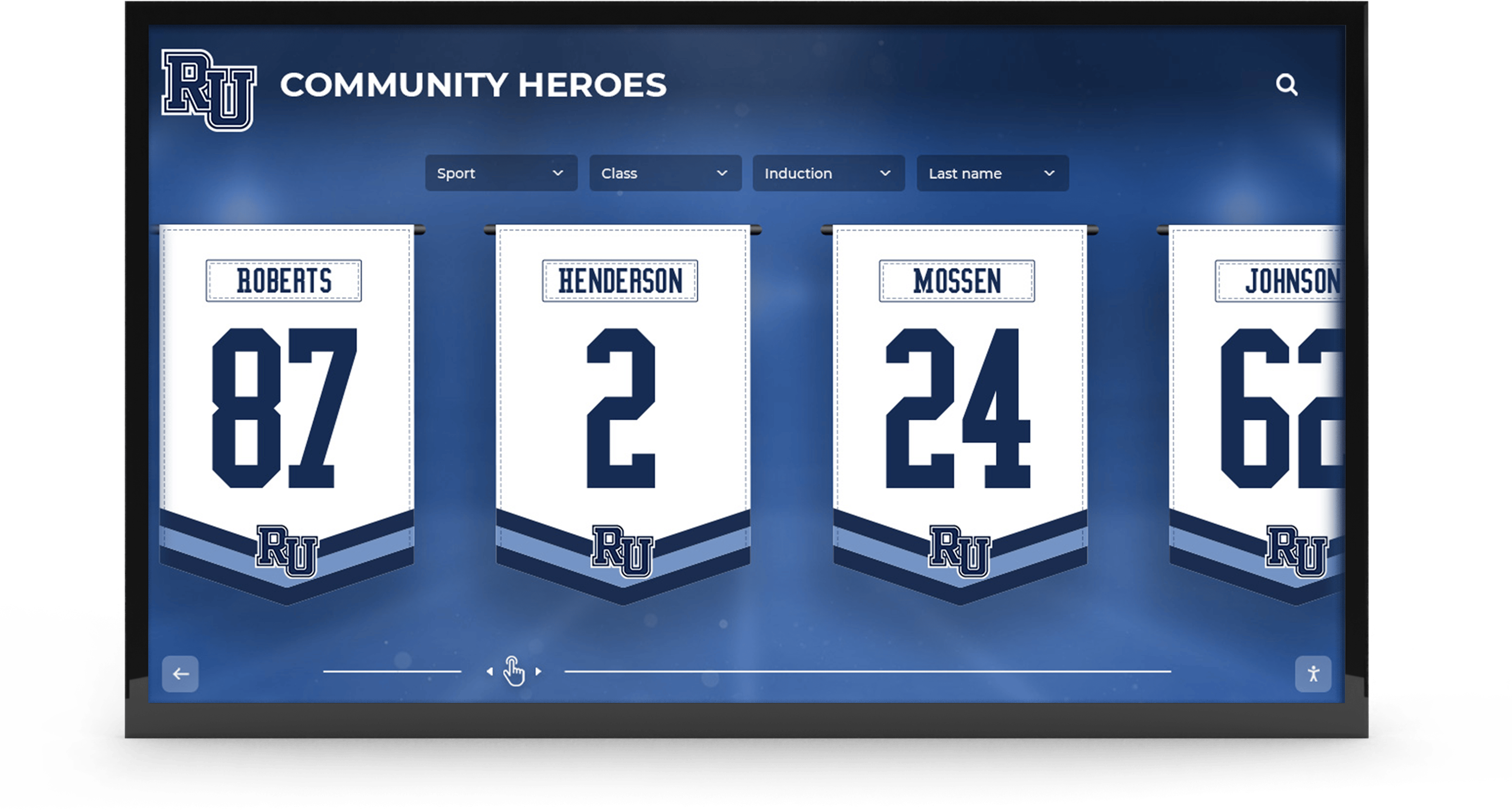
Community heroes banners celebrate volunteer contributions alongside student athletes and other organizational contributors
Integrating Volunteer Appreciation into Organizational Culture
The most effective appreciation strategies transcend periodic events or programs by embedding volunteer recognition deeply into organizational values, communications, and daily operations.
Leadership Modeling of Volunteer Appreciation
When organizational leaders consistently demonstrate volunteer appreciation through their words and actions, appreciation becomes cultural expectation rather than occasional initiative.
Leadership Appreciation Practices:
Leaders should personally attend volunteer events, participate in recognition ceremonies, and interact directly with volunteers beyond formal appreciation occasions. Visible leadership presence signals institutional priority for volunteer appreciation.
Reference volunteer contributions in stakeholder communications including board presentations, annual reports, community newsletters, and public speeches. Consistent volunteer acknowledgment in leadership messaging demonstrates authentic appreciation rather than performative gestures.
Allocate budgetary resources to volunteer appreciation programs comparable to other recognition initiatives. Organizations investing significantly in donor recognition, athletic celebrations, or academic achievement displays should match volunteer recognition investments proportionally to service value volunteers provide.
Multi-Channel Volunteer Recognition
Comprehensive appreciation reaches volunteers through diverse communication channels ensuring recognition connects regardless of individual media consumption preferences.
Recognition Channel Strategy:
In-Person Recognition during organizational events, meetings, or activities provides immediate, personal appreciation volunteers experience directly from organizational representatives and community members.
Digital Communications including emails, text messages, social media posts, and website features extend recognition reach while creating shareable content volunteers can forward to family and friends.
Print Materials such as newsletters, annual reports, programs, or mailed communications reach stakeholders who prefer physical media while creating permanent records volunteers can retain.
Physical Displays in organizational facilities including recognition walls, digital displays, and trophy cases provide ongoing visible appreciation that volunteers encounter during facility visits while introducing new community members to volunteer contributions.
Public Media coverage through press releases, community newspaper features, or local television segments extends volunteer recognition beyond immediate organizational communities to broader public audiences.
Multi-channel approaches ensure recognition reaches all volunteers while creating sustained appreciation visibility that single-channel strategies cannot achieve.
Connecting Volunteer Appreciation to Mission Impact
The most meaningful volunteer appreciation explicitly connects service contributions to organizational mission advancement and beneficiary impact, helping volunteers understand how their specific efforts created measurable differences.
Impact Connection Strategies:
Share concrete outcomes volunteers enabled through their service including number of students served, programs delivered, events successfully executed, funds raised, facilities improved, or other quantifiable results directly attributable to volunteer efforts.
Feature beneficiary testimonials explaining how volunteer contributions improved their experiences, outcomes, or opportunities. Authentic stories from people directly impacted by volunteer work create powerful emotional validation that administrative appreciation cannot replicate.
Demonstrate long-term organizational advancement enabled by sustained volunteer contributions across years or decades. Show volunteers how their collective efforts built institutional capacity, expanded programming, improved facilities, or achieved strategic goals that paid staff alone could not accomplish.
Create volunteer impact reports documenting collective service hours, economic value of volunteer contributions, and specific achievements volunteers enabled annually. Comprehensive impact reporting demonstrates organizational seriousness about tracking and valuing volunteer contributions while providing data volunteers can reference when explaining their service to others.
Organizations that successfully communicate mission impact created by volunteer service generate deeper volunteer satisfaction and sustained engagement compared to appreciation approaches emphasizing only social enjoyment or personal recognition.

Professional recognition displays elevate volunteer appreciation to prominence comparable with other institutional achievements
Planning Your Volunteer Appreciation Strategy
Developing comprehensive appreciation programs requires strategic planning that aligns volunteer recognition with organizational resources, volunteer preferences, and broader community engagement goals.
Assessing Current Appreciation Efforts
Begin by evaluating existing volunteer appreciation approaches to identify strengths worth maintaining and gaps requiring attention.
Evaluation Questions:
- What volunteer appreciation activities currently exist?
- How many volunteers receive recognition through each appreciation channel?
- Which appreciation approaches generate the strongest volunteer feedback and satisfaction?
- What volunteer segments receive less recognition compared to others?
- How does volunteer appreciation compare to other recognition programs including donor acknowledgment, athletic celebrations, or academic honors?
- What budget and staff resources currently support volunteer appreciation?
Honest assessment reveals opportunities for appreciation enhancement while identifying effective existing practices worth expanding or systematizing.
Understanding Volunteer Preferences
Different volunteers value different appreciation approaches based on their motivations, personalities, and service contexts. Understanding volunteer preferences prevents appreciation misfires while ensuring recognition resonates authentically.
Preference Discovery Methods:
Conduct volunteer surveys asking directly about appreciation preferences, recognition channels they value most, and appreciation approaches they find meaningful versus performative or uncomfortable.
Hold focus groups or listening sessions where volunteers can discuss appreciation experiences candidly, sharing what recognition makes them feel genuinely valued versus obligatory or shallow.
Observe volunteer reactions to existing appreciation efforts, noting which activities generate enthusiasm, strong attendance, and positive feedback versus approaches volunteers attend reluctantly or skip entirely.
Consider demographic and psychographic factors including volunteer age ranges, cultural backgrounds, service motivations, and personality types that influence appreciation preferences. Younger volunteers may appreciate social media recognition that older volunteers find intrusive, while introverted volunteers may prefer private acknowledgment over public ceremonies.
Creating Sustainable Appreciation Programs
Effective appreciation requires ongoing commitment rather than sporadic initiatives. Design programs that organizational resources can sustain long-term rather than ambitious approaches that fail after initial enthusiasm wanes.
Sustainability Factors:
Budget Appropriateness: Align appreciation spending with available resources while ensuring adequate investment to create meaningful recognition. Modest consistent appreciation outperforms expensive occasional gestures followed by long recognition gaps.
Staff Capacity: Assign clear responsibility for volunteer appreciation coordination while ensuring adequate time allocation for recognition planning, execution, and follow-through. Appreciation programs fail when responsibility remains ambiguous or when assigned staff lack sufficient time.
Volunteer Input: Involve volunteers in appreciation program design and evaluation, ensuring recognition approaches reflect actual volunteer preferences rather than administrative assumptions about what volunteers value.
Continuous Improvement: Regularly assess appreciation program effectiveness through volunteer feedback, participation metrics, and retention data. Refine approaches based on evidence rather than maintaining ineffective traditions.
Organizations investing in sustainable, well-planned volunteer appreciation create cultures where volunteers feel genuinely valued while building long-term volunteer loyalty and community service commitment.
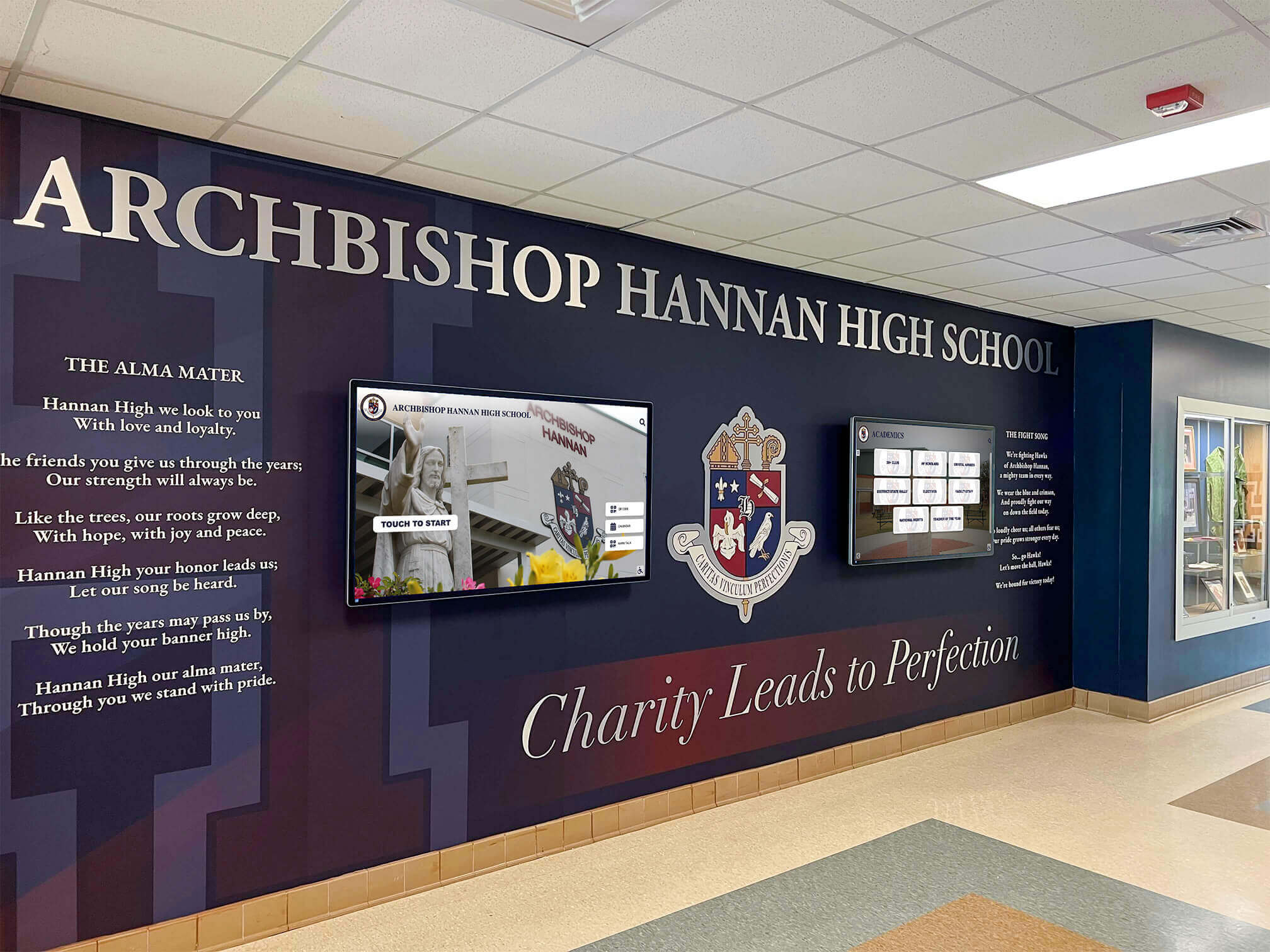
School lobbies provide prime locations for comprehensive volunteer recognition alongside institutional heritage displays
Volunteer Appreciation Activities for Specific Contexts
Different organizational types face unique volunteer appreciation opportunities and challenges requiring tailored approaches that align with institutional cultures and volunteer roles.
School Volunteer Appreciation
Educational institutions depend heavily on parent volunteers, community mentors, classroom assistants, event coordinators, and countless other volunteers who enhance educational programming and student experiences.
School-Specific Appreciation Ideas:
Host volunteer appreciation breakfasts or luncheons during school hours when many volunteers already plan to be on campus for service activities, maximizing attendance convenience.
Feature volunteer profiles alongside student achievement recognition on digital displays in school lobbies, hallways, or athletic facilities where students, families, and visitors encounter volunteer contributions daily.
Invite volunteers to special school events including performances, athletic competitions, or academic celebrations with reserved seating or VIP treatment acknowledging their special status within school communities.
Create student-generated appreciation including thank-you letters, artwork, or video messages from students directly benefiting from volunteer contributions. Student-created appreciation carries unique emotional weight by demonstrating volunteer impact on young people’s lives and educational experiences.
Recognize volunteers during school award ceremonies, recognition nights, or graduation events where broader school communities gather, providing public acknowledgment that validates volunteer contributions to institutional success.
Nonprofit Organization Volunteer Appreciation
Mission-driven nonprofits rely extensively on volunteer labor to deliver programs, organize events, provide services, and advance organizational goals despite limited budgets and small paid staff.
Nonprofit Appreciation Strategies:
Create volunteer spotlights in organizational communications including newsletters, annual reports, social media channels, and fundraising materials, positioning volunteers as organizational heroes alongside donors and staff.
Provide volunteers with insider access to organizational leadership, program outcomes, and impact data that demonstrates how their specific contributions advanced mission goals and benefited target populations.
Invite volunteers to organizational events, program activities, or beneficiary gatherings where they can experience firsthand the impact their service creates, validating volunteer efforts through direct mission connection.
Offer professional development opportunities including training workshops, skill-building sessions, or networking events that provide volunteers with valuable learning experiences beyond service satisfaction.
Acknowledge volunteers in grant proposals, foundation reports, and funder communications, demonstrating to financial supporters that volunteer contributions extend organizational capacity and increase programmatic impact per donated dollar.
Community Organization Volunteer Appreciation
Civic groups, recreational leagues, cultural organizations, and community associations mobilize volunteers to organize activities, maintain facilities, coordinate events, and build community connections.
Community Organization Approaches:
Celebrate volunteers at annual meetings, membership gatherings, or community events where volunteer recognition demonstrates organizational appreciation to broader membership bases.
Feature volunteer stories on organizational websites, community calendars, and local media platforms that showcase volunteer contributions while recruiting new volunteers inspired by recognition examples.
Create volunteer legacy recognition through historical displays, archival documentation, or oral history projects that preserve volunteer contributions to organizational and community history across generations.
Provide volunteers with organizational leadership pathways through board service, committee chairs, or governance roles that demonstrate respect for volunteer expertise while deepening institutional engagement.
Acknowledge volunteer families alongside individual volunteers, recognizing that community service often requires household sacrifice and family support enabling volunteer time commitments.
Measuring Volunteer Appreciation Program Success
Regular evaluation ensures appreciation programs achieve intended goals while justifying resource investments and identifying improvement opportunities.
Volunteer Satisfaction Metrics
Direct volunteer feedback provides the most valuable assessment of appreciation program effectiveness.
Measurement Approaches:
Conduct annual volunteer satisfaction surveys asking specifically about appreciation program quality, recognition meaningfulness, and suggestions for improvement. Include both quantitative ratings and qualitative comment opportunities.
Track volunteer retention rates comparing year-over-year volunteer persistence. High retention rates often correlate with effective appreciation programs, while declining retention may signal inadequate recognition.
Monitor volunteer recruitment success including new volunteer acquisition and volunteer referrals from current volunteers. Satisfied volunteers become program ambassadors who recruit friends and family members to service opportunities.
Analyze volunteer engagement intensity including average service hours, roles assumed, and leadership responsibilities accepted. Volunteers who feel appreciated often increase rather than decrease involvement over time.
Recognition Program Participation
Participation data reveals which appreciation approaches resonate strongly versus activities volunteers attend reluctantly or avoid entirely.
Tracking Metrics:
- Attendance rates at appreciation events compared to total volunteer populations
- Social media engagement with volunteer recognition posts
- Website traffic to volunteer spotlight features
- Volunteer interaction with digital recognition displays
- Thank-you card and appreciation gift distribution completion rates
Strong participation indicates effective appreciation approaches worth maintaining or expanding, while weak engagement suggests program redesign or elimination.
Organizational Impact Indicators
Ultimately, volunteer appreciation should strengthen organizational capacity by supporting robust volunteer programs that enhance mission delivery.
Impact Measures:
- Total volunteer hours contributed annually
- Number of active volunteers serving in any capacity
- Volunteer program diversity across demographics and service types
- Program delivery enabled by volunteer contributions
- Economic value of volunteer labor supporting organizational budgets
Effective appreciation programs typically correlate with volunteer program growth and strengthening over time, while inadequate recognition often precedes volunteer program stagnation or decline.
Create Lasting Volunteer Recognition
Discover how modern digital recognition systems can help you celebrate volunteer contributions through permanent, engaging displays that demonstrate genuine appreciation while inspiring continued community service.
Explore Recognition SolutionsCommon Volunteer Appreciation Mistakes to Avoid
Even well-intentioned appreciation efforts can backfire when organizations make common recognition errors that diminish rather than enhance volunteer satisfaction and engagement.
Generic, Impersonal Recognition
Volunteers quickly recognize when appreciation feels formulaic or mass-produced rather than genuinely personal and thoughtful.
Avoidance Strategies:
Always reference specific volunteer contributions, roles, or accomplishments when expressing appreciation rather than defaulting to generic “thank you for your service” messaging that could apply to any volunteer.
Personalize appreciation communications by addressing volunteers by name, acknowledging their specific service contexts, and mentioning particular impacts they created through their volunteer efforts.
Avoid copy-paste appreciation where identical messages go to all volunteers regardless of their different contributions, service durations, or roles within organizational volunteer programs.
Inconsistent or Sporadic Recognition
Appreciation that occurs irregularly or unpredictably creates perceptions that volunteer recognition ranks low in organizational priorities despite rhetoric about volunteer value.
Creating Consistency:
Establish regular appreciation calendar including specific months for volunteer recognition events, quarterly volunteer spotlights, monthly volunteer features, or other scheduled recognition that volunteers can anticipate and rely upon.
Ensure all volunteer segments receive comparable appreciation rather than exclusively recognizing visible volunteers while overlooking those serving in less prominent roles or behind-the-scenes capacities.
Maintain appreciation programs across leadership transitions, budget fluctuations, and organizational changes rather than allowing recognition to lapse during administrative shifts or challenging periods.
Appreciation That Feels Obligatory Rather Than Authentic
Volunteers distinguish between genuine gratitude and performative recognition that organizations conduct because they feel obligated rather than because they authentically value volunteer contributions.
Ensuring Authenticity:
Leadership should personally participate in appreciation activities rather than delegating recognition entirely to staff coordinators, demonstrating genuine leadership commitment to volunteer appreciation.
Share specific impact stories explaining how volunteer contributions created measurable differences rather than offering vague thanks disconnected from actual outcomes volunteers enabled.
Invite volunteers into organizational decision-making, strategic planning, and program design beyond their service roles, demonstrating that organizations genuinely value volunteer perspectives and expertise.
Listen to volunteer feedback seriously and implement suggested improvements when feasible, proving that appreciation extends beyond ceremonial recognition to authentic respect for volunteer insights and experiences.
Conclusion: Building Volunteer Appreciation That Truly Matters
Volunteers who donate their time, expertise, and energy to organizational missions deserve appreciation commensurate with their irreplaceable contributions to institutional success. Moving beyond simple thank-you cards to create comprehensive appreciation strategies—combining memorable events, personalized recognition, lasting displays, and systematic programs—demonstrates genuine organizational gratitude while building volunteer loyalty and sustained community engagement.
The volunteer appreciation activities explored throughout this guide provide diverse approaches suitable for different organizational contexts, volunteer preferences, and resource constraints. Whether implementing new appreciation programs or enhancing existing recognition efforts, the fundamental principle remains constant: volunteers who feel genuinely valued through authentic, sustained appreciation become lifelong organizational champions who contribute increasingly over time while inspiring others to join community service efforts.
Your volunteers sacrifice personal time and decline other opportunities to support your organizational mission. They arrive early, stay late, solve problems creatively, and fill countless essential roles that paid staff alone could never accomplish. They deserve recognition that honors these contributions appropriately—through appreciation activities that go far beyond simple thank-you cards to create lasting acknowledgment, memorable experiences, and permanent tributes validating their service legacies.
Begin transforming your volunteer appreciation today by selecting approaches from this guide that align with your organizational context and volunteer preferences, then implementing systematically to create recognition cultures where every volunteer experiences genuine gratitude for their community service contributions.































