School success depends on far more than administrators, teachers, and staff—it requires dedicated volunteers who contribute countless hours supporting classrooms, organizing events, chaperoning field trips, coaching teams, leading clubs, and strengthening the connection between school and community. These volunteers deserve meaningful recognition that honors their commitment while inspiring continued engagement from them and others who might follow their example.
Volunteer Recognition Day provides schools with focused opportunities to celebrate the helpers who make extraordinary programs, events, and student experiences possible. Whether observing the national volunteer recognition week each April or establishing school-specific volunteer appreciation events throughout the year, thoughtful recognition strengthens community bonds while demonstrating that volunteer contributions matter profoundly to institutional success and student achievement.
Creating impactful volunteer recognition requires moving beyond generic “thank you” gestures toward systematic approaches that honor specific contributions, celebrate diverse volunteer roles, and provide lasting acknowledgment reflecting the true value volunteers bring to school communities. This comprehensive guide explores effective strategies for recognizing school volunteers in ways that feel meaningful, build stronger engagement, and create cultures where community support flourishes.
From traditional volunteer appreciation events to innovative digital recognition displays that provide permanent acknowledgment, schools have numerous options for ensuring volunteers feel valued and appreciated for their essential contributions to educational mission fulfillment.
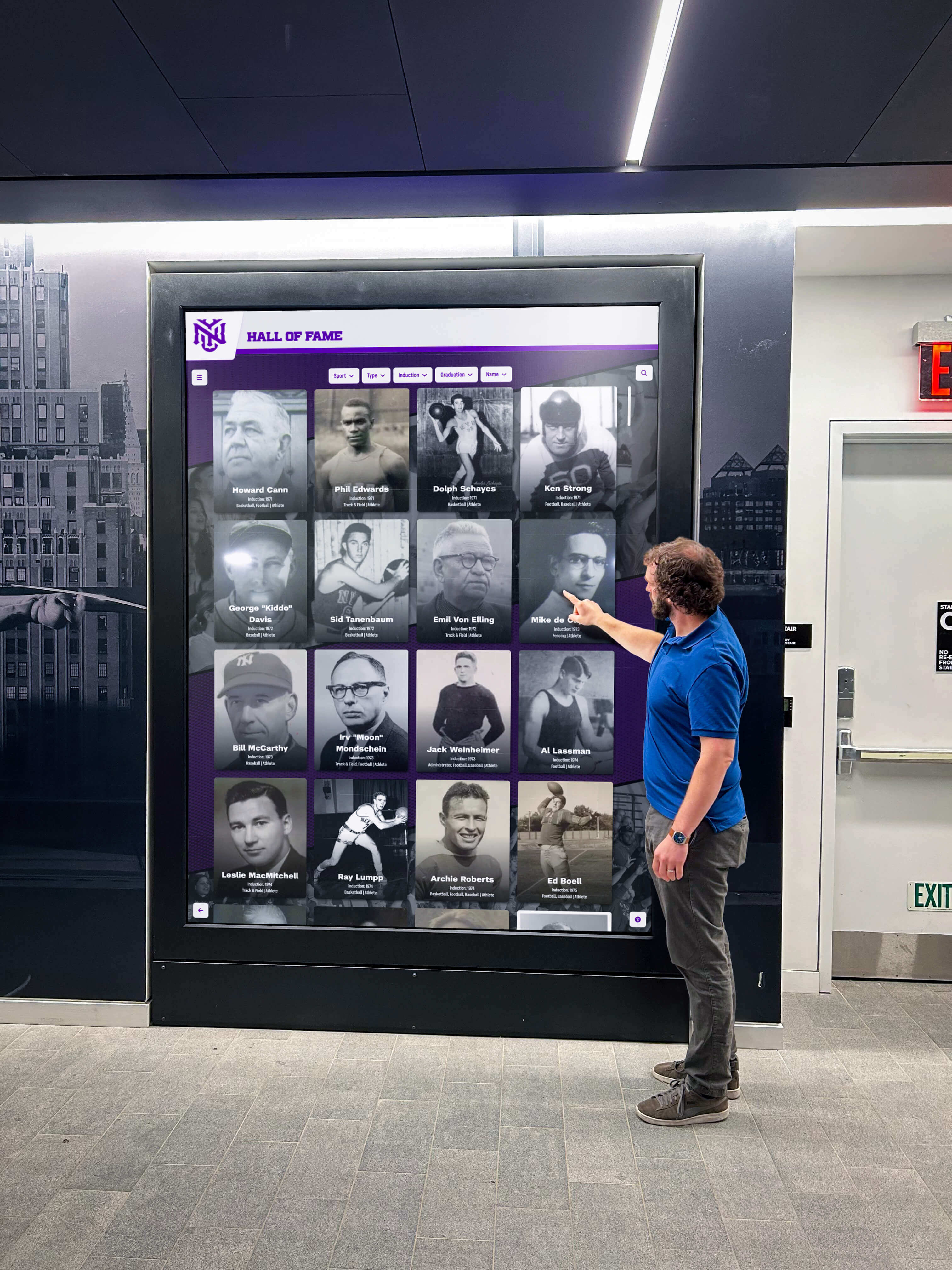
Thoughtful volunteer recognition creates welcoming environments that celebrate community contributions and inspire continued engagement
Understanding the Importance of Volunteer Recognition
School volunteers represent invaluable resources whose contributions extend far beyond what budgets and staffing alone can accomplish. Understanding why recognition matters helps schools design programs that maximize impact and sustain engagement.
The Essential Role of School Volunteers
Modern schools depend on volunteer support across virtually every aspect of educational programming and community connection:
Classroom and Academic Support
- Reading programs providing one-on-one literacy assistance
- STEM activity facilitation and enrichment programs
- Library organization and support services
- Tutoring and homework assistance
- Cultural heritage presentations and diverse perspective sharing
Event Organization and Program Support
- Fundraising events requiring extensive volunteer coordination
- School festivals, carnivals, and community celebrations
- Athletic event management and game-day operations
- Fine arts performances, concerts, and exhibitions
- Academic competitions and student showcases
Similar to how schools recognize student achievement through employee of the month programs, volunteer contributions deserve systematic acknowledgment.
Community Connection Building
- Parent-teacher organization leadership and participation
- Booster clubs supporting athletic and academic programs
- Alumni engagement initiatives connecting graduates to current students
- Business partnership coordination and career mentorship
- Community outreach programs extending educational mission beyond campus
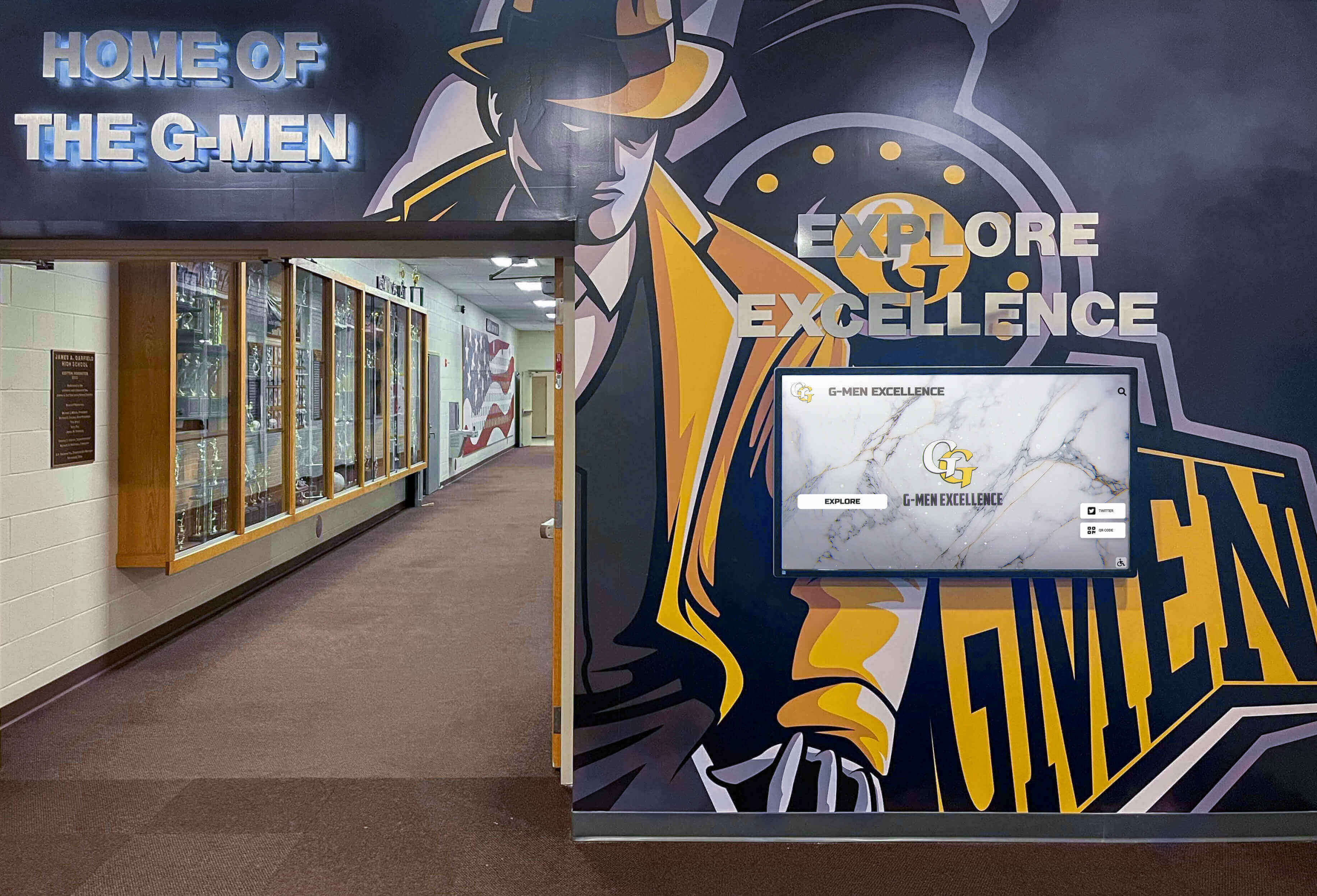
Volunteers strengthen connections between schools and communities while supporting programs that enhance student experiences
The Impact of Meaningful Recognition
Research consistently demonstrates that effective volunteer recognition generates benefits extending throughout school communities:
Volunteer Retention and Sustained Engagement
- Recognized volunteers show 60-70% higher retention rates year-over-year
- Acknowledgment increases average volunteer hours contributed
- Systematic recognition reduces volunteer recruitment challenges
- Appreciated volunteers become program ambassadors recruiting others
- Recognition builds emotional investment beyond transactional relationships
Community Culture Development
- Visible volunteer appreciation strengthens school-community bonds
- Recognition demonstrates institutional values regarding partnership
- Acknowledged contributions inspire others to volunteer
- Systematic appreciation reduces barriers to initial volunteer involvement
- Recognition creates positive reputation attracting new families and supporters
Student Impact and Modeling
- Students learn community responsibility through volunteer examples
- Visible recognition teaches appreciation and gratitude
- Strong volunteer culture enhances program quality benefiting students directly
- Community engagement creates mentorship and career exploration opportunities
- Volunteer diversity exposes students to varied perspectives and experiences
The Psychology Behind Recognition Effectiveness
Understanding why recognition motivates continued volunteer engagement helps schools design more impactful approaches:
Social Recognition Theory Humans seek validation from communities they value. When schools publicly acknowledge volunteer contributions, they satisfy fundamental needs for belonging and appreciation while reinforcing identity as valued community members.
Reciprocity Principle Recognition creates subtle reciprocal obligations. Volunteers who receive meaningful acknowledgment feel motivated to continue contributing to organizations that appreciate their efforts, creating positive engagement cycles.
Legacy and Meaning Creation Lasting recognition—particularly through permanent displays like digital donor walls—addresses human desires to create meaningful impact that persists beyond immediate service, providing profound psychological satisfaction.
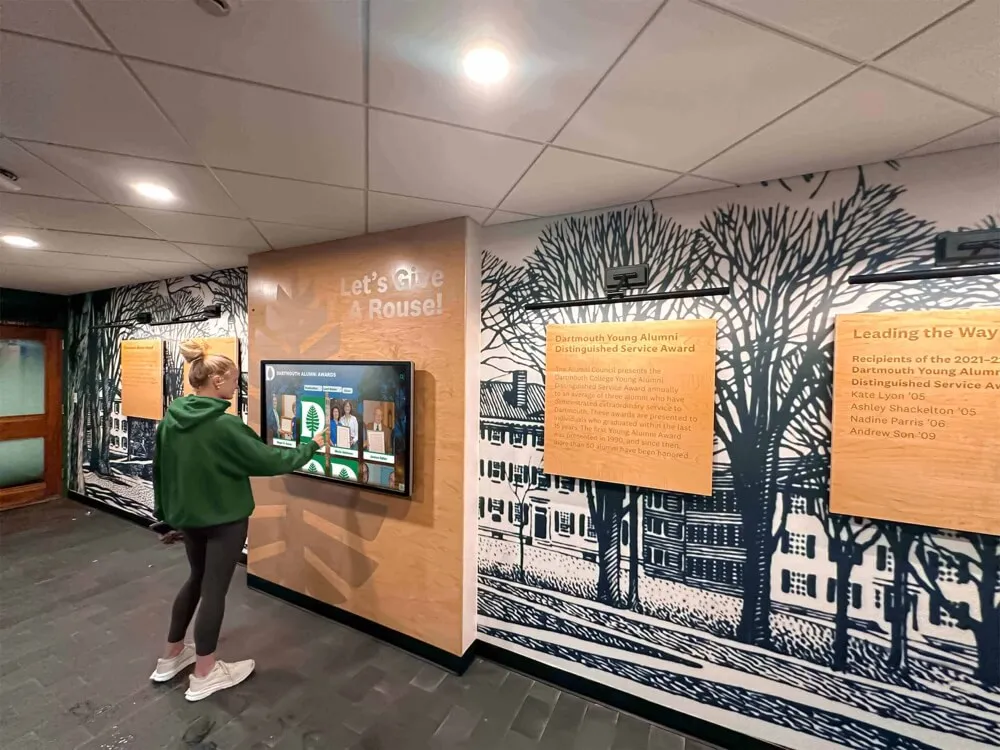
Recognition satisfies psychological needs for appreciation while strengthening volunteer commitment to school communities
Types of School Volunteers Deserving Recognition
Comprehensive volunteer recognition programs acknowledge diverse contributions across multiple volunteer roles and engagement levels.
Parent and Family Volunteers
Parents and guardians represent the largest volunteer population in most schools, contributing across countless areas:
Classroom Volunteers
- Regular weekly classroom assistance with learning activities
- Special project support for science fairs, cultural celebrations, or enrichment units
- Field trip chaperones ensuring student safety during off-campus experiences
- Guest speakers sharing career expertise or cultural perspectives
- Reading buddies providing individual literacy support
Administrative and Office Support
- Front office assistance managing visitor check-in and communications
- Material preparation including copying, collating, and organizing supplies
- Event coordination handling logistics for school-wide programs
- Communication support with multilingual families requiring translation assistance
- Technology support helping teachers and students with digital tools
Extracurricular Program Volunteers
- Athletic program coaches, assistant coaches, and team managers
- Fine arts production support for theater, concerts, and exhibitions
- Club advisors and activity sponsors for student organizations
- After-school program supervision and enrichment activity leadership
- Competition coordination for academic bowls, spelling bees, and tournaments
Much like staff appreciation programs honor employees, parent volunteers need systematic recognition reflecting their diverse contributions.
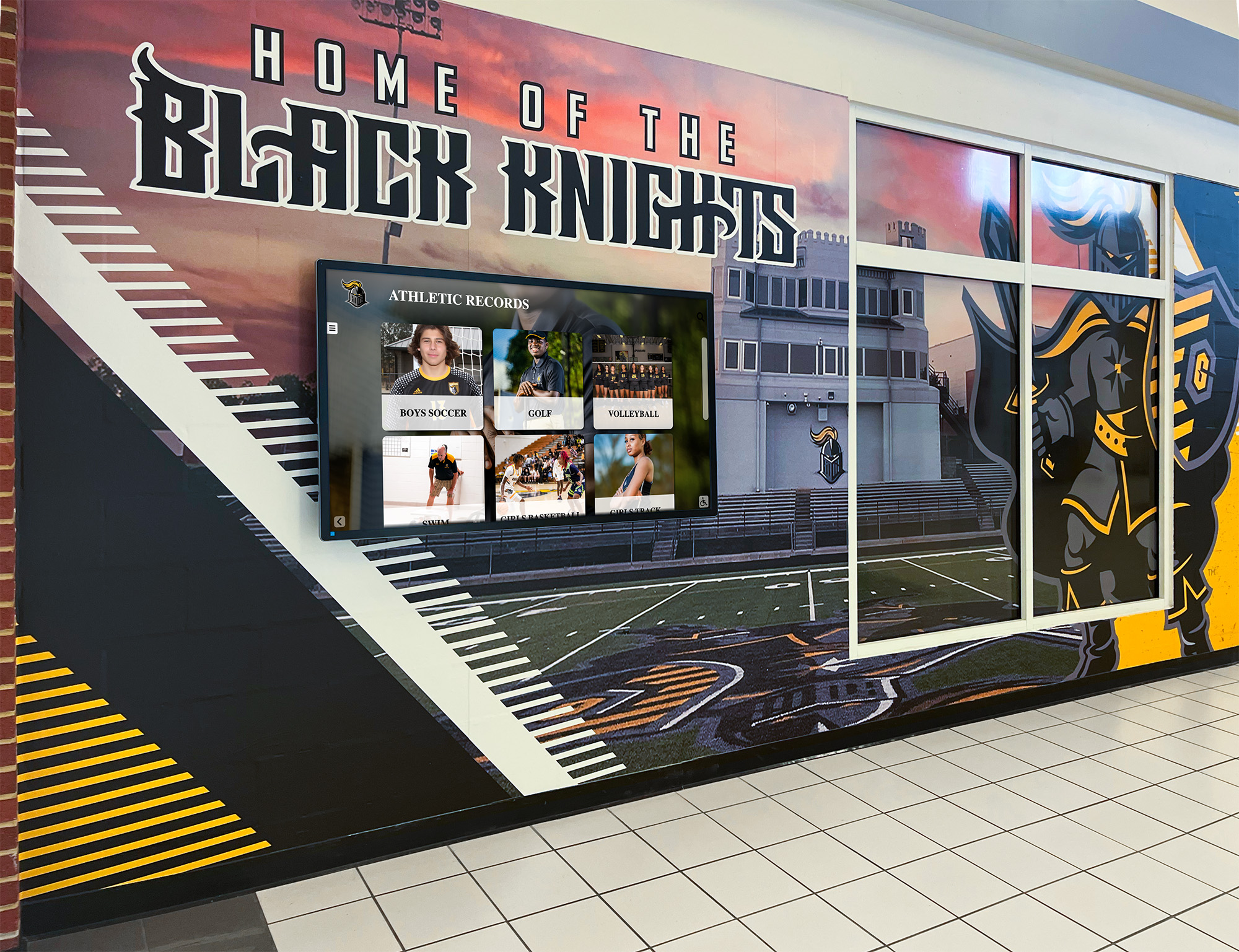
Parent volunteers contribute across countless school functions from classroom assistance to extracurricular program support
Community and Business Volunteers
Beyond parents, schools benefit from broader community volunteers bringing specialized expertise and resources:
Professional Mentors and Career Advisors
- Workplace tours and career exploration opportunities
- Resume review and interview preparation coaching
- Industry expertise supporting Career and Technical Education programs
- Internship and job shadowing coordination
- College application guidance and scholarship information sharing
Retired Educators and Community Seniors
- Historical perspective sharing and oral history projects
- Specialized subject tutoring in mathematics, languages, or sciences
- Reading programs and literacy mentorship
- Life skills workshops covering financial literacy, citizenship, and practical knowledge
- Intergenerational programming connecting students with community wisdom
Service Organization and Civic Group Volunteers
- Rotary, Lions, Kiwanis, and other service club program support
- Veterans organizations providing citizenship and history education
- Religious organizations offering service learning opportunities
- Professional associations supporting career exploration and student competitions
- Environmental groups facilitating outdoor education and conservation projects
Alumni Volunteers
Graduates who return to support current students represent particularly valuable volunteer populations demonstrating educational program effectiveness:
Alumni Mentor Programs
- Career guidance from professionals who navigated similar educational pathways
- College transition support from recent graduates sharing current insights
- Industry networking connecting students with alumni professional networks
- Scholarship programs funded and administered by alumni organizations
- Spirit and tradition preservation maintaining institutional culture and pride
Schools increasingly recognize alumni volunteers through dedicated programs similar to alumni of the month recognition that celebrate ongoing contributions to educational communities.
Guest Speaker and Workshop Leaders
- Specialized presentations sharing professional expertise and life experiences
- Skills workshops teaching practical capabilities relevant to student interests
- Motivational speaking inspiring students toward educational and career goals
- Panel discussions providing diverse perspectives on industries and pathways
- Demonstration presentations showcasing specialized technical skills or artistic talents
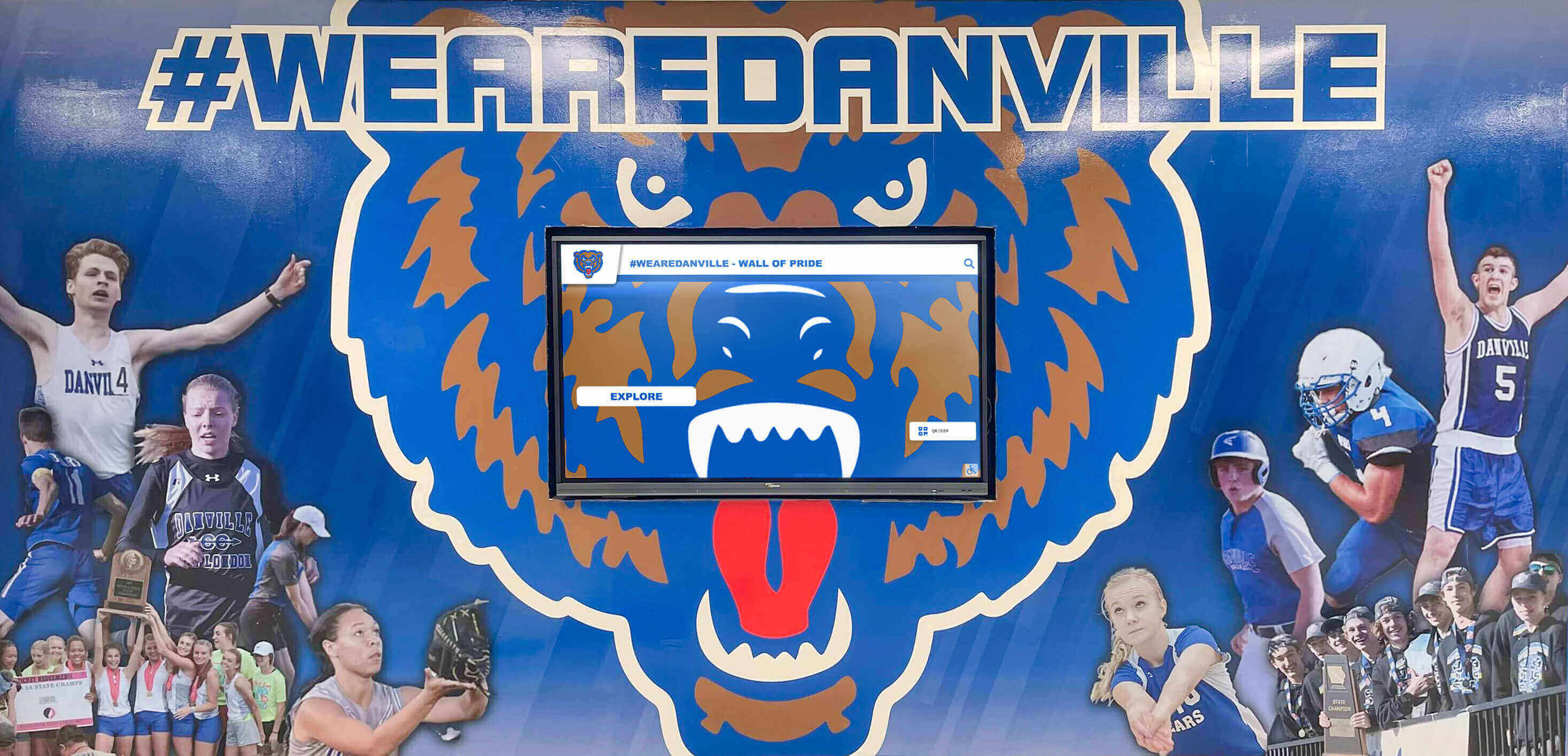
Alumni volunteers bridge educational past and present while providing authentic mentorship and career guidance
National Volunteer Recognition Opportunities
Schools can leverage national recognition days and observances to structure volunteer appreciation efforts while connecting local initiatives to broader cultural celebrations of service.
National Volunteer Week (April)
Established in 1974, National Volunteer Week occurs annually in April, providing focused time for acknowledging volunteer contributions across all sectors including education. Schools can maximize this recognition opportunity through strategic planning:
Week-Long Recognition Activities
- Daily themed appreciation activities celebrating different volunteer groups
- Social media campaigns highlighting individual volunteer stories throughout the week
- Special volunteer breakfast or luncheon honoring contributions
- Classroom activities where students create thank-you cards and appreciation projects
- Community recognition ceremonies acknowledging outstanding volunteer contributions
Media and Communications Integration
- Press releases to local media highlighting volunteer impact statistics
- School newsletter special editions featuring volunteer profiles and testimonials
- Website recognition pages showcasing volunteer programs and contributors
- Morning announcements acknowledging specific volunteers daily throughout the week
- Display board installations featuring volunteer photographs and appreciation messages
Points of Light National Day of Service (April 21)
This specific day during National Volunteer Week emphasizes the power of volunteers to create positive change, offering schools focused recognition opportunities:
Service Project Integration
- Collaborative service projects where students and volunteers work together
- Community partnership events strengthening school-community connections
- Recognition ceremonies highlighting volunteer impact on student success
- Awards presentations honoring volunteers with extraordinary contributions
- Launch of new volunteer programs expanding community engagement opportunities
Global Volunteer Month (April)
International in scope, Global Volunteer Month provides context for teaching students about worldwide volunteer traditions while celebrating local contributors:
Educational Integration Opportunities
- Curriculum units teaching students about volunteerism and civic responsibility
- Research projects where students investigate volunteer impact in their communities
- Cross-cultural explorations comparing volunteer traditions globally
- Service learning projects connecting classroom learning with community needs
- Reflection activities helping students understand volunteer contributions’ importance
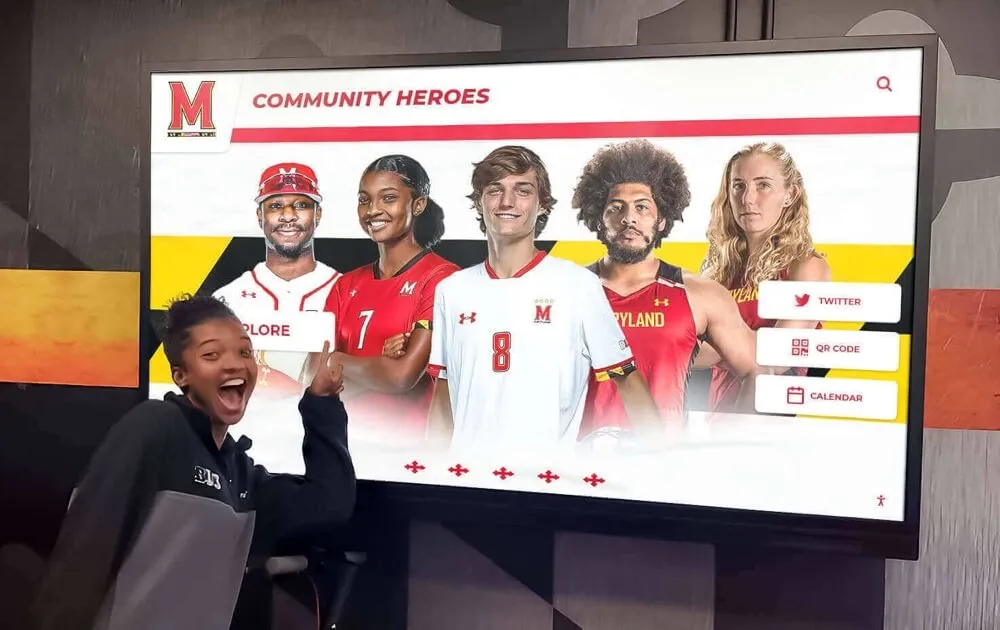
National recognition days provide frameworks for systematic volunteer appreciation while teaching students about service values
Traditional Volunteer Recognition Strategies
Established recognition approaches provide proven frameworks for acknowledging volunteer contributions meaningfully and memorably.
Volunteer Appreciation Events
Dedicated events create formal contexts for expressing gratitude while building community among volunteers who often work independently:
Annual Volunteer Recognition Receptions
- Spring appreciation events coinciding with National Volunteer Week
- Refreshments and social atmosphere enabling volunteer networking
- Brief program acknowledging volunteer impact with specific examples
- Certificate or small gift presentations recognizing participation and contributions
- Student performances or displays demonstrating program outcomes volunteers enabled
Volunteer Breakfast or Luncheon
- Catered meals honoring volunteers’ time and contributions
- Administrator and student speaker testimonials describing volunteer impact
- Photo displays showcasing volunteers in action throughout the school year
- Award presentations recognizing outstanding volunteer contributions
- Thank-you card distributions from students whose experiences volunteers enhanced
Family-Inclusive Celebration Events
- Evening programs allowing volunteers’ families to attend recognition
- Student presentations demonstrating skills volunteers helped develop
- Interactive displays showing volunteer program scope and impact
- Family-friendly refreshments and activities creating festive atmosphere
- Recognition enabling volunteers to share appreciation experience with loved ones
Award and Certificate Programs
Formalized recognition through awards and certificates provides tangible acknowledgment volunteers can display and treasure:
Tiered Recognition Categories
- Bronze, Silver, Gold levels based on total volunteer hours contributed
- Presidential Volunteer Service Awards for qualifying service levels
- Outstanding Volunteer of the Year recognizing exceptional contributions
- Category-specific awards honoring excellence in particular volunteer roles
- Milestone recognition for volunteers reaching 5, 10, or 15+ years of service
Certificate and Award Design
- Professional quality documents worthy of framing and display
- Specific language describing contributions and impact created
- School seal, signatures, and official formatting conveying importance
- Presentation during public ceremonies maximizing recognition visibility
- Digital versions suitable for sharing via social media or professional profiles
Programs can draw inspiration from similar recognition systems including student of the month displays that systematically honor contributions.

Formal awards and certificates provide tangible recognition volunteers display proudly while validating their service contributions
Written Recognition and Thank-You Communications
Personal written acknowledgment creates meaningful touchpoints expressing sincere gratitude:
Personalized Thank-You Letters
- Handwritten notes from administrators, teachers, or students receiving support
- Specific references to contributions and observable impact on students or programs
- Genuine expressions of appreciation avoiding generic templated language
- Delivery through mail creating unexpected positive surprise
- Preservation potential as keepsakes volunteers treasure long-term
Student-Created Appreciation Messages
- Classroom thank-you card projects where students express gratitude directly
- Video messages from students describing how volunteers enhanced their learning
- Art projects, posters, or displays celebrating volunteer contributions
- Published testimonials in school newsletters or yearbooks
- Performance dedications acknowledging volunteers during student showcases
Public Acknowledgment Communications
- Featured volunteer profiles in school newsletters describing contributions
- Social media posts highlighting individual volunteers and their impact
- Website recognition pages honoring current and past volunteers
- Marquee or digital signage messages acknowledging volunteer support
- Email campaigns from principals expressing institutional appreciation
Physical Recognition Displays
Traditional permanent installations provide ongoing visibility for volunteer contributions:
Recognition Plaques and Boards
- Entrance area installations visible to all school visitors
- Annual volunteer lists documenting community support over time
- Dedicated sections for major volunteer program contributors
- Memorial recognition for longtime volunteers who have passed
- Updating systems allowing annual additions without full replacement
Volunteer Hall of Fame Spaces
- Designated areas celebrating exceptional volunteer contributions
- Photographs and biographical information telling volunteer stories
- Display cases containing artifacts from volunteer-supported programs
- Historical documentation showing volunteer program evolution
- Integration with other recognition displays honoring community partners
While traditional plaques serve important functions, space limitations eventually constrain their capacity. Modern schools increasingly supplement or replace static displays with interactive digital recognition solutions offering unlimited recognition capacity.
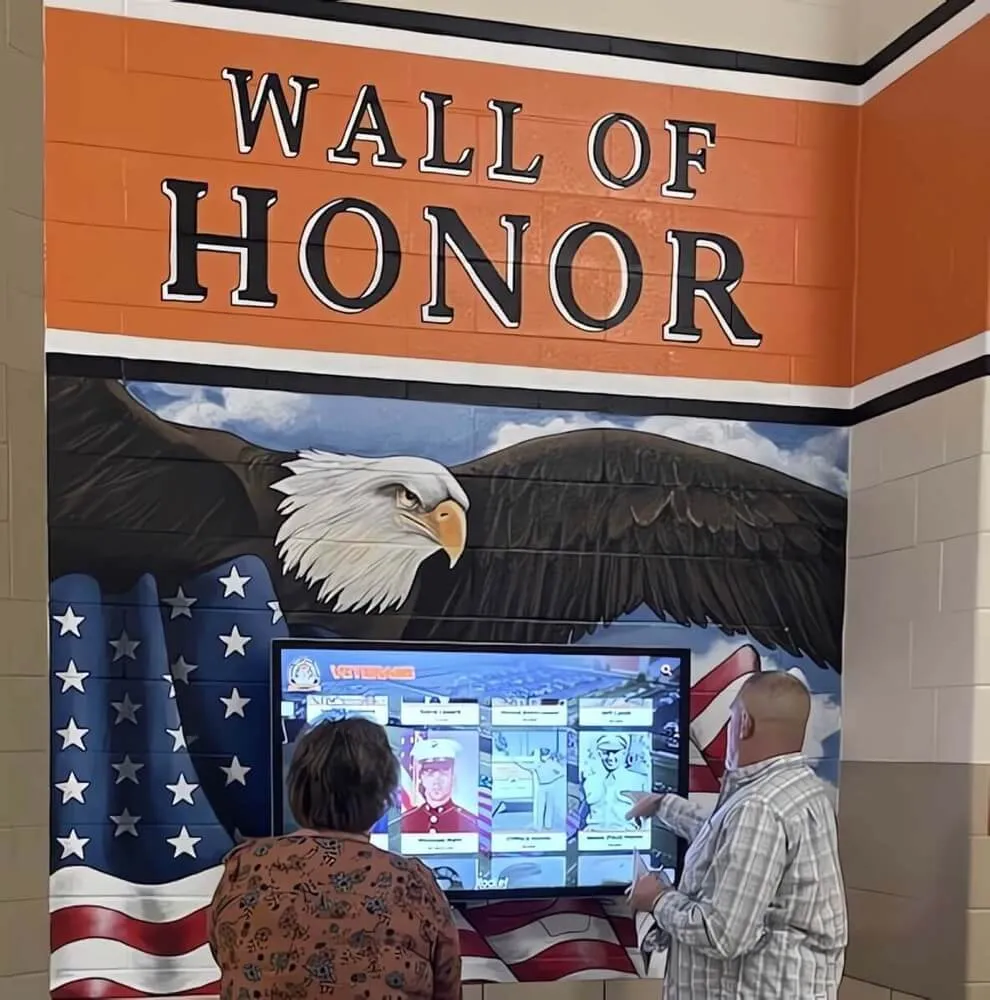
Physical recognition displays create permanent visibility for volunteer contributions while demonstrating institutional values around community partnership
Modern Digital Recognition Solutions for Volunteers
Technology transforms volunteer recognition by eliminating space constraints, enabling rich storytelling, and providing accessible ongoing acknowledgment that traditional methods cannot match.
Interactive Digital Recognition Displays
Contemporary schools increasingly implement touchscreen displays that revolutionize how they recognize and celebrate volunteer contributions:
Unlimited Recognition Capacity Digital platforms eliminate the primary limitation of traditional plaques—physical space constraints:
- Single display accommodates unlimited volunteer profiles across decades
- No need to remove historical volunteers to accommodate new recognition
- Comprehensive volunteer archives documenting institutional history
- Multiple volunteer categories displayed without separate physical installations
- Scalability ensuring recognition systems grow alongside programs
Rich Multimedia Storytelling Interactive displays enable compelling volunteer profiles impossible with static plaques:
- Professional photographs showing volunteers engaged in service activities
- Video interviews where volunteers share motivations and memorable experiences
- Detailed biographical narratives describing contributions and impact created
- Photo galleries documenting volunteer involvement across multiple years
- Integration of student testimonials expressing gratitude and describing influence
Intuitive Search and Exploration Modern touchscreen interfaces make volunteer recognition accessible and engaging:
- Search functionality enabling instant volunteer profile discovery
- Filtering by volunteer category, time period, program area, or recognition level
- Alphabetical browsing supporting comprehensive volunteer database exploration
- Featured volunteer rotations highlighting recent or exceptional contributors
- Random profile suggestions encouraging discovery of volunteer stories
Solutions like Rocket Alumni Solutions’ recognition platforms provide turnkey systems specifically designed for educational institution recognition needs, combining sophisticated functionality with user-friendly management.
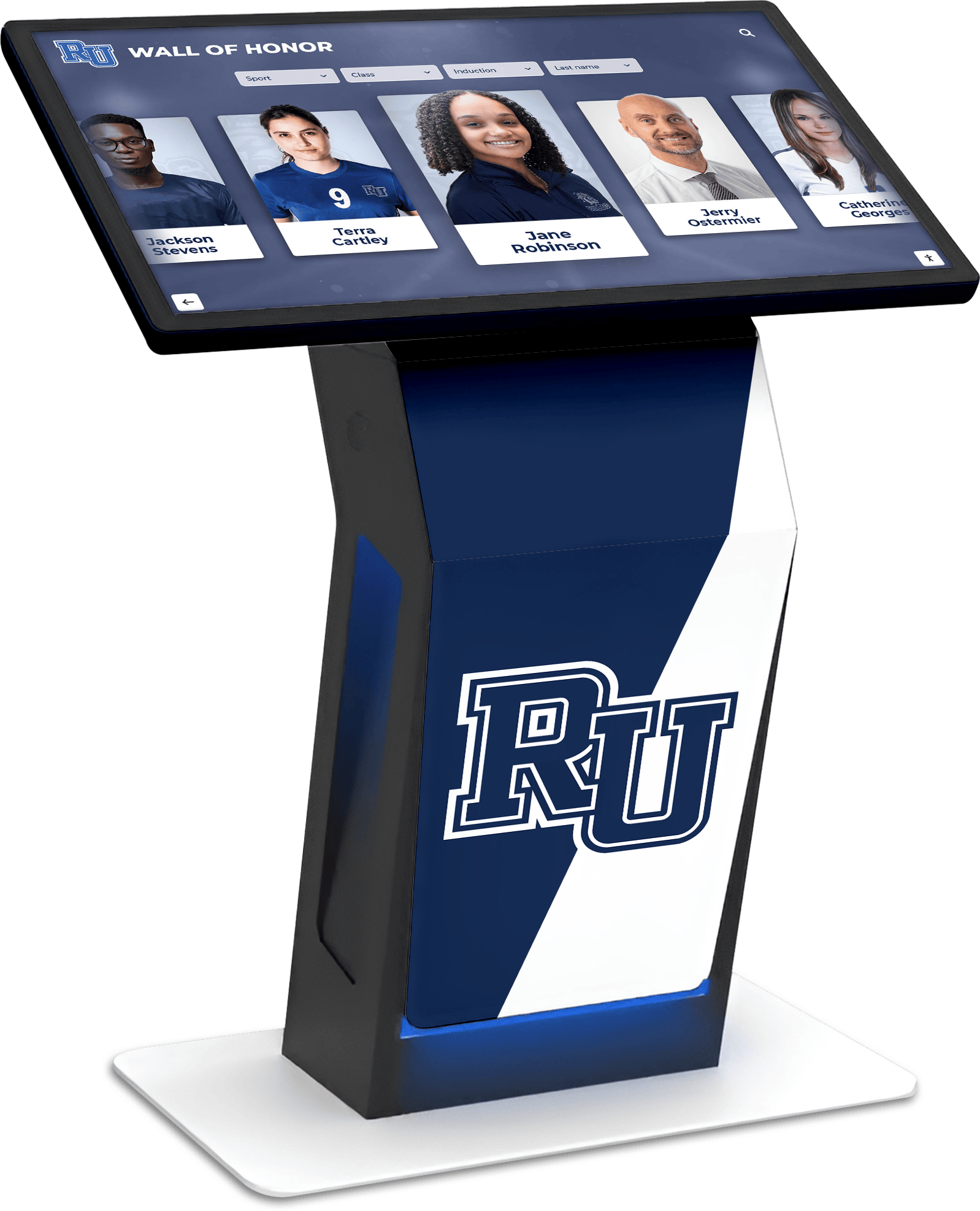
Digital recognition displays enable unlimited volunteer acknowledgment through interactive platforms visitors find engaging and intuitive
Cloud-Based Content Management
Modern digital recognition systems include intuitive management platforms eliminating technical barriers to maintaining comprehensive volunteer acknowledgment:
Non-Technical Administration
- Web-based interfaces accessible from any internet-connected device
- Drag-and-drop profile creation requiring no coding knowledge
- Template systems ensuring visual consistency across all volunteer profiles
- Bulk import capabilities for historical volunteer data migration
- Role-based permissions enabling appropriate staff access levels
Continuous Recognition Updates
- Real-time profile additions acknowledging volunteers immediately
- Ongoing profile enhancements adding photos, milestones, and updated contributions
- Scheduled publishing for coordinated recognition campaigns or events
- Remote management enabling updates without physical display access
- Version control and approval workflows maintaining quality standards
Integration Capabilities
- Connection with volunteer management systems reducing duplicate data entry
- Social media integration enabling one-click volunteer story sharing
- Email notification systems informing volunteers when profiles go live
- Analytics tracking engagement levels and popular volunteer profiles
- Mobile optimization ensuring display functionality across device types
Schools report 80-90% reduction in administrative time spent maintaining volunteer recognition after implementing cloud-based digital systems compared to updating traditional physical displays.
Web-Based Recognition Extensions
Digital volunteer recognition should extend beyond physical campus locations to reach volunteers, families, and broader communities:
Online Recognition Platforms
- Responsive websites allowing global volunteer profile access
- Search and filtering capabilities matching physical display functionality
- Social sharing features enabling volunteers to celebrate acknowledgment
- Community engagement through comments, stories, and volunteer connections
- SEO optimization ensuring volunteer recognition surfaces in relevant searches
Mobile-Accessible Recognition
- Smartphone-optimized interfaces for volunteer recognition on-the-go
- QR code integration connecting physical spaces to digital content
- Push notifications announcing new volunteer recognition additions
- Mobile apps extending recognition platform functionality when appropriate
- Offline functionality ensuring accessibility despite connectivity limitations
Social Media Integration
- Automated volunteer profile sharing across school social channels
- Hashtag campaigns connecting volunteer recognition posts across platforms
- Volunteer story features building awareness and inspiring additional participation
- Community engagement through likes, comments, and volunteer appreciation responses
- Analytics tracking recognition content reach and community response
Similar to how institutions showcase achievements through trophy display systems, volunteer recognition deserves comprehensive visibility both on campus and online.

Web-based recognition platforms extend volunteer acknowledgment beyond campus boundaries while enabling social sharing and community engagement
Implementing Comprehensive Volunteer Recognition Programs
Creating sustainable volunteer recognition requires strategic planning, systematic implementation, and ongoing program management ensuring acknowledgment remains consistent and meaningful.
Planning Phase Considerations
Needs Assessment Begin volunteer recognition program development by evaluating current state and stakeholder input:
- Inventory existing volunteer recognition practices and perceived effectiveness
- Survey volunteers about meaningful recognition preferences and suggestions
- Gather administrator and teacher input about volunteer contributions deserving acknowledgment
- Review volunteer data identifying recognition gaps or underacknowledged contributors
- Analyze budget availability and potential funding sources for recognition programs
Program Design Decisions Establish clear frameworks guiding volunteer recognition implementation:
- Define volunteer categories receiving recognition and criteria for acknowledgment
- Determine recognition levels distinguishing casual participants from sustained contributors
- Select recognition methods balancing tradition with innovation
- Create implementation timelines coordinating with school calendar and volunteer activities
- Assign responsibilities ensuring accountability for recognition program management
Technology Selection For schools implementing digital recognition solutions, careful platform evaluation ensures long-term satisfaction:
- Assess display hardware requirements including screen size, durability, and installation options
- Evaluate software capabilities comparing features, usability, and management complexity
- Consider content management systems matching staff technical expertise levels
- Review vendor support quality and responsiveness during evaluation process
- Compare total ownership costs including hardware, software, installation, and ongoing maintenance
Launch and Implementation Strategies
Phased Rollout Approaches Successfully launching volunteer recognition programs often benefits from staged implementation:
- Begin with most visible or extensive volunteer groups establishing program credibility
- Pilot recognition approaches with subset of volunteers before full-scale deployment
- Gather feedback during initial phases informing program refinement
- Expand recognition categories incrementally ensuring quality maintenance
- Build momentum through early successes generating enthusiasm for broader participation
Content Development Compelling volunteer profiles require systematic content creation processes:
- Develop standard profile templates ensuring consistency while allowing personalization
- Create volunteer information collection systems gathering biographical details and photos
- Establish content approval workflows maintaining quality and accuracy standards
- Produce initial profile cohort demonstrating recognition program scope and quality
- Plan ongoing content development schedules sustaining recognition momentum
Communication and Promotion Recognition programs only deliver value when volunteers and communities understand their existence:
- Announce recognition program launch through multiple channels reaching diverse audiences
- Invite volunteers to submit information for recognition profiles or nominations
- Promote recognition displays and platforms encouraging exploration and engagement
- Share volunteer stories through newsletters, social media, and school communications
- Create ribbon-cutting or unveiling events generating excitement and visibility
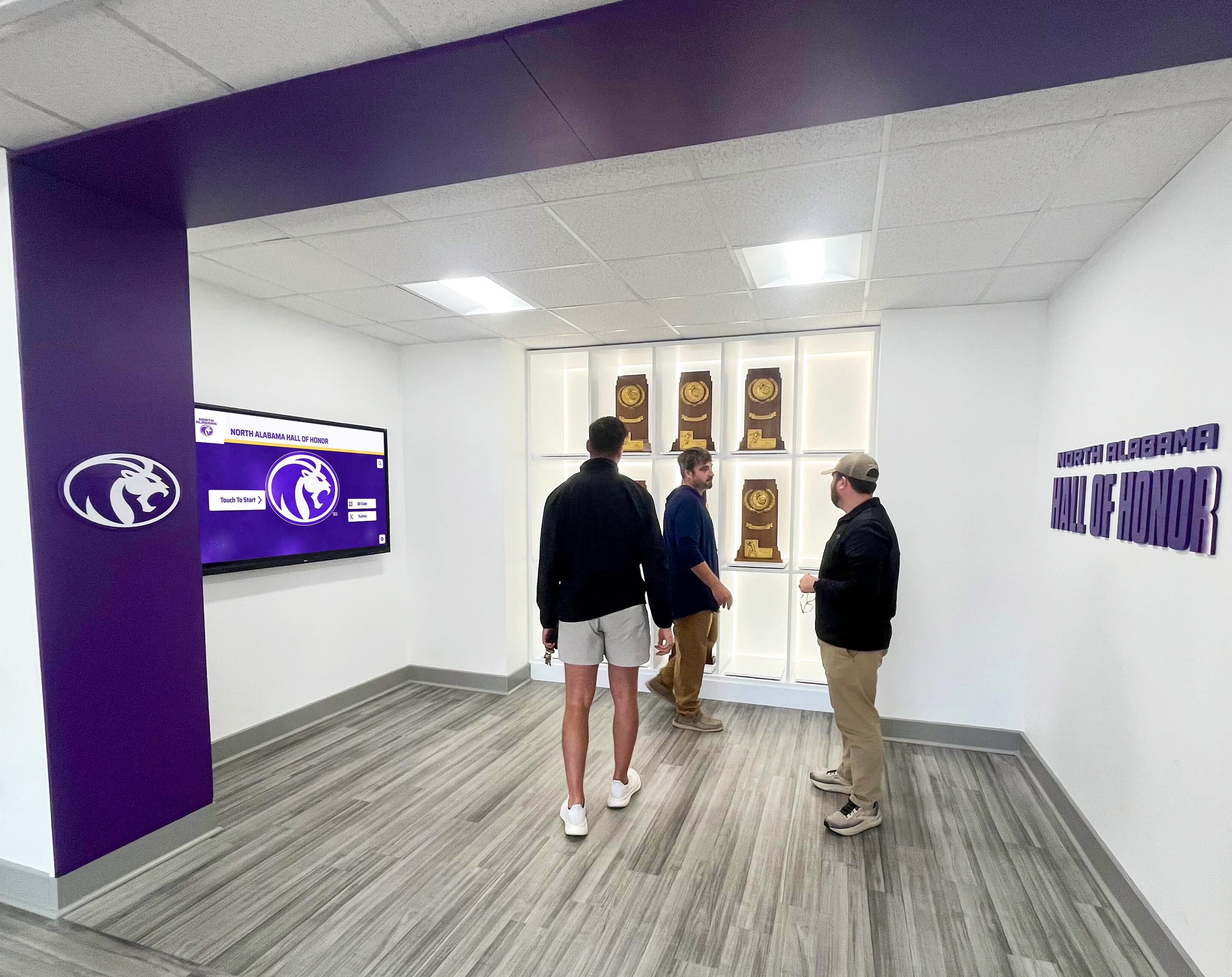
Successful recognition program implementation requires careful planning, phased rollout, and sustained communication ensuring visibility
Ongoing Program Management
Sustainable Recognition Practices Long-term program success requires manageable administrative processes:
- Establish quarterly or annual recognition cycles for systematic volunteer acknowledgment
- Create volunteer nomination processes enabling peer and staff recognition suggestions
- Assign specific staff responsibilities for recognition program coordination and maintenance
- Budget for ongoing recognition costs including materials, technology subscriptions, and events
- Document procedures ensuring program continuity despite staff transitions
Continuous Improvement Regular assessment and refinement keep recognition programs relevant and impactful:
- Track volunteer participation rates and retention comparing recognized versus unrecognized contributors
- Gather volunteer feedback about recognition meaningfulness and suggestions for enhancement
- Monitor recognition program engagement through display analytics and website metrics
- Analyze volunteer demographic representation ensuring inclusive recognition practices
- Adjust recognition criteria, methods, or communications based on assessment findings
Integration with Volunteer Management Connect recognition with broader volunteer coordination for maximum effectiveness:
- Synchronize recognition programs with volunteer recruitment and onboarding
- Use recognition as volunteer retention strategy highlighting appreciation for sustained service
- Incorporate recognition milestones into volunteer communication schedules
- Link recognition platforms with volunteer management databases reducing administrative burden
- Leverage recognition stories as recruitment tools attracting new volunteer participants
Creative Volunteer Recognition Ideas Across School Settings
Different educational contexts offer unique opportunities for volunteer recognition adapted to specific institutional characteristics and volunteer populations.
Elementary School Volunteer Recognition
Early education volunteer programs emphasize parent involvement and community connection:
Family-Friendly Recognition Approaches
- “Caught Being Helpful” certificates recognizing specific volunteer contributions
- Student-created volunteer appreciation artwork displayed throughout building
- Monthly volunteer spotlights in school newsletters with photos and family information
- Volunteer appreciation performances where students sing or present for helpers
- Classroom volunteer recognition corners featuring current volunteer photographs
Special Event Integration
- Volunteer recognition components within existing events like spring concerts or carnivals
- Grandparents and special friends day celebrations honoring volunteer community members
- End-of-year volunteer appreciation picnics with families and students
- Volunteer breakfast before school enabling early morning recognition without evening conflicts
- Holiday celebrations incorporating volunteer appreciation elements
Middle School Volunteer Recognition
Transitional education volunteer programs balance adult support with student independence:
Student-Led Recognition Initiatives
- Student government volunteer appreciation projects led by elected representatives
- Service learning integration where students research and implement volunteer recognition
- Video tribute productions featuring student testimonials about volunteer impact
- Social media campaigns managed by student digital citizenship programs
- Peer-to-peer coaching volunteer opportunities for students helping younger learners
Advisory and Homeroom Integration
- Volunteer spotlight presentations during advisory periods teaching gratitude
- Thank-you card creation projects integrated into advisory curriculum
- Volunteer interview assignments where students learn about community service
- Recognition bulletin boards maintained by advisory groups rotating throughout year
- Reflection activities helping students understand volunteer contribution importance

Middle school volunteer recognition balances adult appreciation with student learning about service and civic responsibility
High School Volunteer Recognition
Secondary education volunteer programs often involve specialized expertise and career connections:
Professional Recognition Approaches
- Career mentorship program appreciation honoring professional volunteers
- Alumni volunteer networking events connecting graduates with volunteer opportunities
- Industry partnership recognition acknowledging business community support
- College and scholarship volunteer appreciation for admissions representatives and sponsors
- Service organization liaison recognition honoring civic group educational partnerships
Student Organization Involvement
- National Honor Society volunteer appreciation projects fulfilling service requirements
- Club-sponsored volunteer recognition events related to organizational missions
- Athletic booster appreciation integrated with sports program recognition
- Fine arts patron recognition during performances and exhibitions
- Academic competition volunteer acknowledgment during tournament events
District-Wide Volunteer Recognition
System-level recognition provides coordinated acknowledgment across multiple schools:
Centralized Recognition Platforms
- District volunteer recognition website featuring contributors from all campuses
- System-wide volunteer awards recognizing outstanding contributors annually
- Superintendent volunteer appreciation letters to all registered volunteers
- District-level volunteer recognition event honoring exemplary service
- School board recognition of volunteers during public meetings
Cross-School Volunteer Programs
- District-wide mentor programs connecting volunteers with students across multiple schools
- Shared volunteer resources supporting specialized programs requiring expert knowledge
- Coordinated recognition standards ensuring equitable acknowledgment across all campuses
- District volunteer newsletter featuring stories from different schools
- System database enabling comprehensive volunteer tracking and recognition
Measuring Volunteer Recognition Program Success
Effective recognition programs demonstrate value through quantifiable metrics and qualitative feedback justifying ongoing investment and informing continuous improvement.
Quantitative Assessment Metrics
Volunteer Participation Indicators
- Total registered volunteers year-over-year tracking growth or decline
- Average volunteer hours contributed annually measuring engagement depth
- Volunteer retention rates comparing returning versus new volunteers
- Participation rates across different volunteer categories identifying strengths and gaps
- Volunteer diversity metrics ensuring inclusive recruitment and recognition
Recognition Program Engagement
- Digital display interaction rates measuring community interest in volunteer stories
- Web-based recognition platform traffic and profile views
- Social media engagement with volunteer recognition content
- Event attendance at volunteer appreciation programs
- Thank-you note return rates when volunteers acknowledge recognition
Correlation with School Outcomes
- Program quality improvements enabled by volunteer support
- Student achievement measures in volunteer-supported subject areas
- Event success metrics for volunteer-dependent programs
- Community satisfaction surveys regarding school-community relationships
- Volunteer recruitment effectiveness measuring whether recognition inspires participation
Qualitative Program Assessment
Volunteer Feedback Collection
- Post-recognition surveys gathering volunteer reactions to acknowledgment
- Focus groups exploring volunteer perspectives on recognition meaningfulness
- Testimonial collection documenting personal appreciation experiences
- Exit interviews with departing volunteers understanding recognition role in decisions
- Suggestion gathering for recognition program enhancement
Community Perception Analysis
- Administrator observations of recognition impact on school culture
- Teacher feedback about volunteer program effectiveness and engagement
- Student surveys about awareness and appreciation for volunteer contributions
- Parent perception of school-community connection strength
- Community partner input about institutional appreciation culture
Impact Stories and Examples
- Document specific cases where recognition inspired increased volunteer engagement
- Collect stories of volunteers who recruited others after receiving acknowledgment
- Gather examples of students inspired toward service by volunteer role models
- Identify recognition-related media coverage generating positive visibility
- Track volunteer legacy impacts where recognition motivated sustained multi-year service
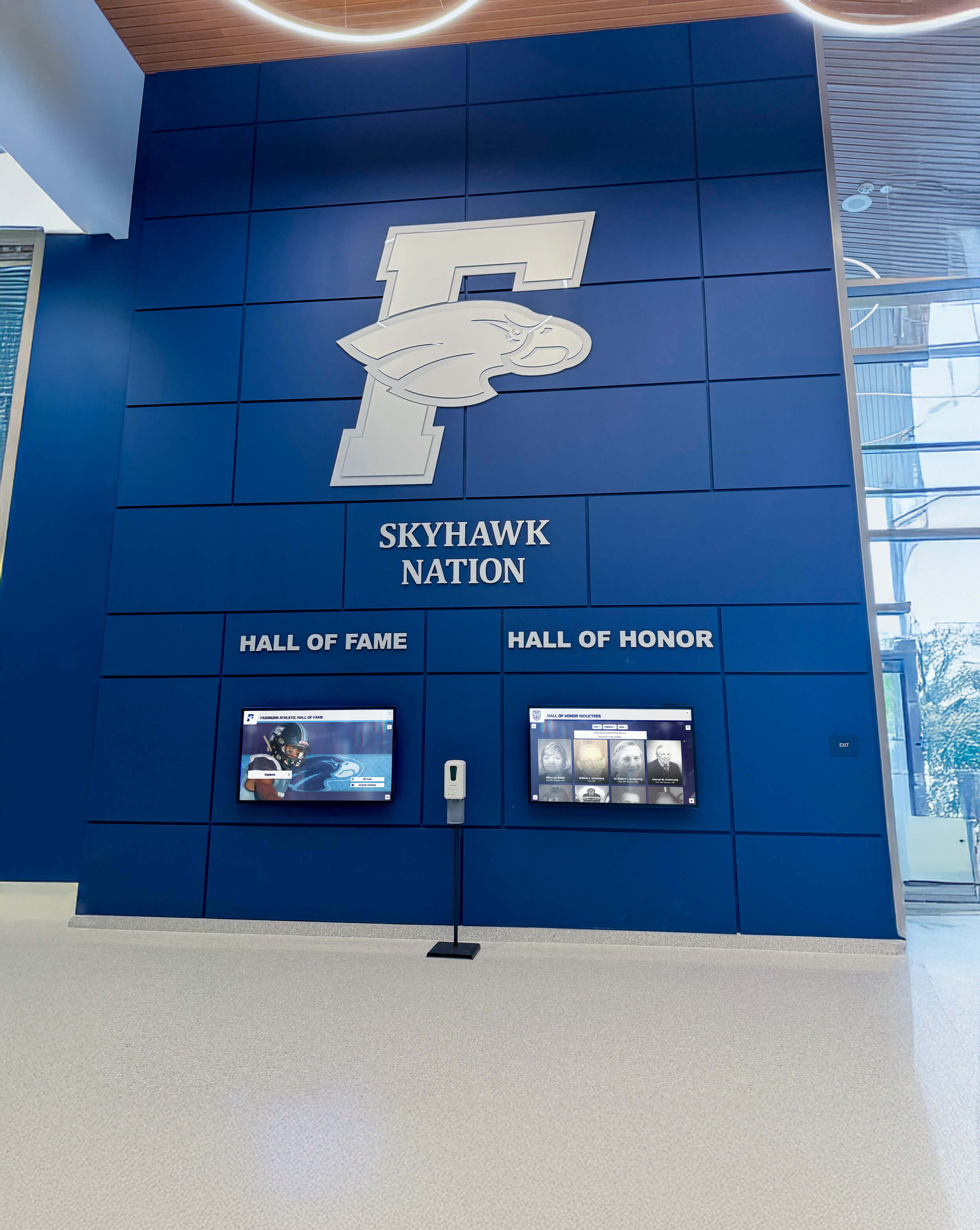
Comprehensive assessment ensures volunteer recognition programs achieve intended outcomes while justifying ongoing investment
Best Practices for Meaningful Volunteer Recognition
Schools achieving exceptional volunteer recognition results share common practices ensuring acknowledgment feels genuine, builds engagement, and sustains program participation.
Authenticity and Personalization
Specific Contribution Acknowledgment Move beyond generic appreciation toward recognition that honors unique contributions:
- Reference particular programs, events, or students volunteers supported
- Describe observable impact volunteers created through their service
- Acknowledge special skills, expertise, or perspectives volunteers brought
- Recognize both extensive hour commitments and focused specialized contributions
- Avoid template language that could apply to anyone
Timely Recognition Delivery Prompt acknowledgment maximizes recognition impact and meaning:
- Recognize volunteers close to contribution timing when impact feels immediate
- Avoid year-end-only recognition that delays appreciation for months
- Implement ongoing recognition systems providing regular acknowledgment touchpoints
- Celebrate milestone achievements as they occur rather than consolidating recognition
- Balance immediate informal appreciation with formal systematic recognition
Inclusivity and Equity
Diverse Volunteer Recognition Ensure recognition programs honor contributions across all volunteer populations:
- Acknowledge both high-visibility and behind-the-scenes volunteer roles
- Recognize volunteers contributing limited time alongside those providing extensive service
- Honor diverse volunteer motivations from career interest to community connection
- Celebrate volunteers from all demographic backgrounds ensuring representative recognition
- Include non-parent community volunteers who lack family connection to recognition events
Accessibility Considerations Make recognition programs accessible to all volunteers:
- Schedule recognition events at various times accommodating different work schedules
- Provide recognition in multiple formats serving different preferences and limitations
- Ensure physical recognition displays and digital platforms meet accessibility standards
- Offer translation services for multilingual volunteer populations
- Create participation pathways requiring no financial investment or special resources
Public and Private Recognition Balance
Varied Recognition Visibility Different volunteers prefer different recognition approaches:
- Offer public recognition opportunities for volunteers comfortable with visibility
- Provide private appreciation options for volunteers preferring discretion
- Use multiple recognition formats from public ceremonies to personal notes
- Give volunteers choice about recognition participation and public profile inclusion
- Respect volunteer preferences about photography, social media, and public acknowledgment
Appropriate Recognition Scale Match recognition significance to contribution magnitude:
- Reserve highest honors for truly exceptional sustained contributions
- Provide meaningful baseline recognition for all volunteer participants
- Create tiered recognition levels distinguishing engagement depth appropriately
- Avoid recognition inflation that diminishes acknowledgment meaningfulness
- Celebrate milestone achievements proportionally to their significance
Recognition programs can draw wisdom from approaches used for various constituencies, including memorial recognition practices that honor lasting contributions respectfully and meaningfully.
Conclusion: Building Cultures of Appreciation Through Volunteer Recognition
Effective volunteer recognition represents strategic investment in community engagement, program sustainability, and educational mission fulfillment. Schools that systematically celebrate volunteer contributions—from classroom helpers to event coordinators to professional mentors—create cultures where community support flourishes and strengthens across generations.
The strategies explored in this guide provide comprehensive frameworks for acknowledging volunteers in ways that feel meaningful, build stronger engagement, and ensure helpers understand their profound impact on student success and school excellence. From traditional appreciation events to innovative interactive digital displays, these approaches transform volunteer acknowledgment from occasional courtesy into systematic celebration woven throughout institutional culture.
Modern recognition technology eliminates traditional limitations while creating engaging experiences that honor volunteer legacies permanently. Digital platforms accommodate unlimited volunteers across decades without space constraints, enable rich multimedia storytelling impossible with static plaques, and provide accessible acknowledgment reaching volunteers globally rather than only those visiting campus.
Yet technology alone doesn’t create meaningful recognition—it requires authentic appreciation for specific contributions, inclusive practices ensuring diverse volunteers receive acknowledgment, timely recognition that honors service promptly, and sustainable systems that maintain consistency despite competing priorities. Most critically, effective volunteer recognition demands institutional commitment viewing community engagement as essential to educational mission rather than peripheral courtesy.
For schools ready to transform volunteer recognition, comprehensive solutions combining sophisticated recognition technology with intuitive management create powerful platforms that celebrate helpers while strengthening community bonds. Whether observing Volunteer Recognition Day, coordinating with National Volunteer Week, or establishing school-specific appreciation traditions, systematic acknowledgment ensures volunteers feel valued for their essential contributions to student achievement and school success.
Your volunteers deserve recognition equal to the profound value they bring to educational communities. With thoughtful planning, appropriate technology, and consistent implementation, you can create volunteer recognition systems that honor every contribution while building the supportive, engaged communities where students, educators, and volunteers thrive together.
Transform Your Volunteer Recognition Program
Discover how Rocket Alumni Solutions can help you create comprehensive volunteer recognition displays that celebrate community contributions through interactive digital technology designed specifically for educational institutions.
Explore Recognition Solutions






























