Every week during athletic season, extraordinary performances happen on fields, courts, tracks, and pools across your school. Student-athletes break personal records, lead their teams to victory, demonstrate exceptional sportsmanship, and showcase the dedication that defines championship programs. Yet in many schools, these remarkable achievements receive minimal recognition—perhaps a mention in Monday’s announcements or a social media post that disappears from feeds within hours. The athletes who poured countless hours into training, the families who supported their journey, and the teammates who celebrated their success deserve better.
Weekly top performers recognition transforms how schools celebrate athletic achievement by creating systematic, visible, and engaging acknowledgment of excellence that occurs throughout competitive seasons. Rather than waiting for end-of-season awards or annual banquets, effective weekly recognition programs honor achievement when it matters most—immediately following the performances that define seasons and shape student-athlete motivation.
Modern schools are discovering that strategic weekly recognition creates multiple benefits extending far beyond simple acknowledgment. Timely celebration of top performers builds team morale, increases student-athlete engagement, strengthens family connections to athletic programs, creates consistent content for communications channels, and establishes cultures where excellence receives the attention it deserves. When implemented thoughtfully, weekly recognition becomes a cornerstone of athletic program identity that recruits appreciate, athletes aspire toward, and communities celebrate.
This comprehensive guide explores how schools can implement effective weekly top performers recognition programs that celebrate achievement authentically while leveraging modern technology to amplify impact. Whether you’re establishing recognition practices for the first time or revitalizing existing programs that have lost momentum, you’ll discover actionable strategies for highlighting stats, showcasing wins, and creating sustainable recognition that honors every exceptional performance throughout your athletic seasons.
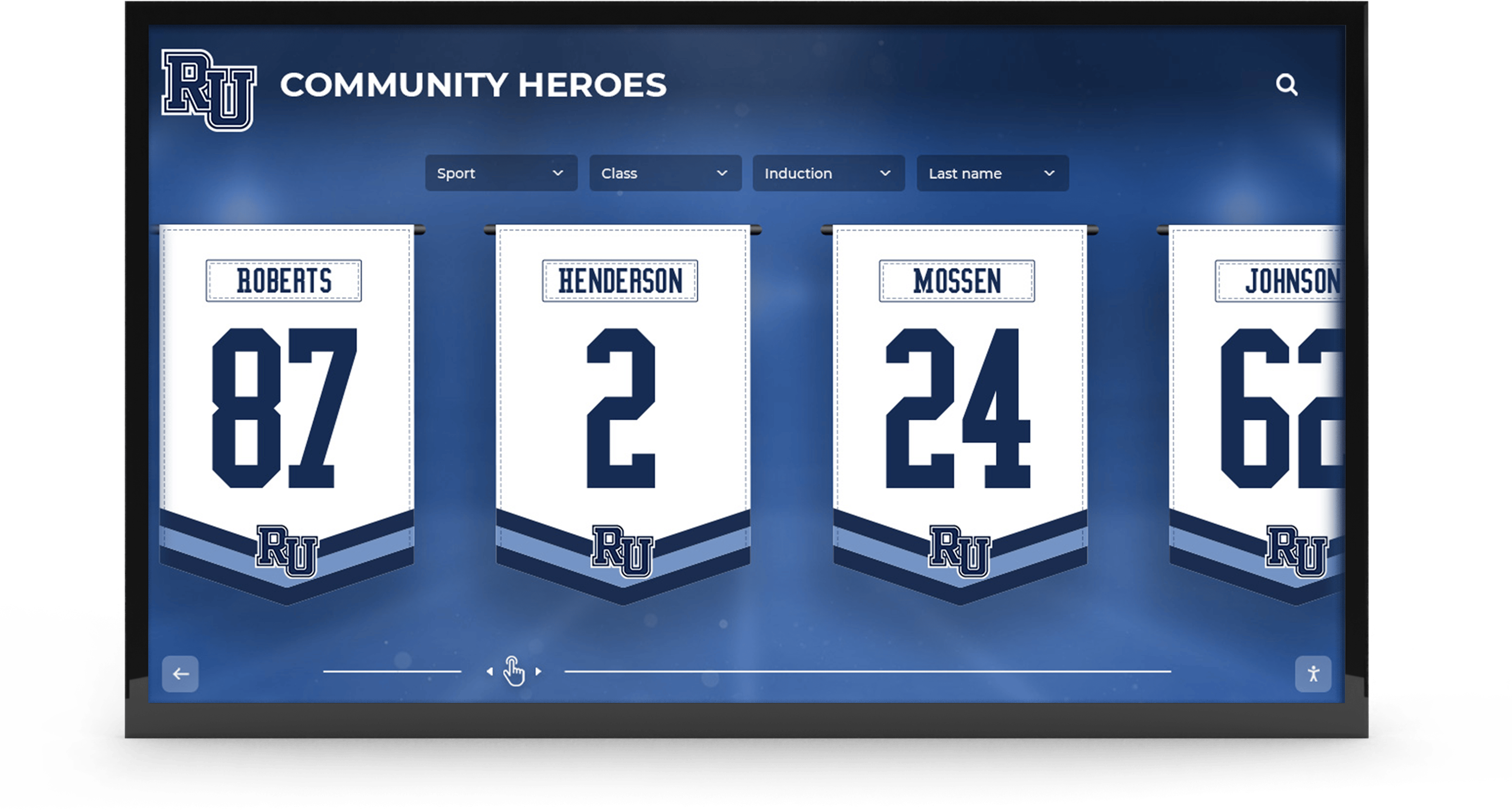
Modern recognition displays showcase weekly top performers with stats, highlights, and achievement details that inspire teams and engage fans
Understanding Weekly Top Performers Recognition
Weekly top performers recognition encompasses systematic programs that identify and celebrate exceptional athletic achievements on a recurring weekly basis throughout competitive seasons. These programs move beyond reactive acknowledgment to create proactive recognition frameworks ensuring consistent celebration of excellence across all sports, teams, and achievement categories.
Why Weekly Recognition Matters in Athletic Programs
Athletic achievement happens continually throughout seasons, not just during championship games or year-end ceremonies. Weekly recognition frameworks align acknowledgment timing with achievement occurrence, maximizing motivational impact while building sustained engagement among athletes, families, and broader school communities.
Motivation Through Timely Acknowledgment: Sports psychology research consistently demonstrates that immediate reinforcement following desired behaviors increases likelihood of behavior repetition. When athletes receive recognition within days of exceptional performances, the motivational impact far exceeds delayed acknowledgment weeks or months later. Weekly recognition provides this timely reinforcement, connecting achievement directly with celebration.
Comprehensive Rather Than Selective Recognition: Season-ending awards typically honor only the most exceptional performers—MVP awards, all-conference selections, or championship team members. Weekly recognition expands acknowledgment to include the strong game from a typically reserve player, the personal record in a non-championship meet, or the exceptional defensive performance in a mid-season contest. This comprehensive approach ensures diverse achievements receive appropriate attention.
Building Sustained Momentum Throughout Seasons: Athletic seasons feature natural energy peaks around opening games and championship competitions, with potential motivation valleys during mid-season stretches. Consistent weekly recognition maintains engagement throughout entire seasons by ensuring every week features celebration moments that remind student-athletes their efforts matter beyond major competitions.
Creating Family Connection Touchpoints: Parents and families eagerly follow student-athlete progress but may attend only some competitions due to schedules, distance, or multi-child households. Weekly recognition creates consistent touchpoints where families see their students acknowledged, strengthening family engagement with athletic programs and building appreciation for institutional support of student-athletes.
Supporting Communications and Marketing: Athletic directors, coaches, and school communicators constantly need content for newsletters, social media, websites, and community updates. Systematic weekly recognition programs generate consistent, compelling content showcasing program excellence and student achievement.
Weekly recognition creates moments where teammates celebrate each other's achievements, building team culture and morale
Key Components of Effective Weekly Recognition Programs
Successful weekly top performers programs share common structural elements that distinguish systematic recognition from ad-hoc acknowledgment.
Clear Selection Criteria: Effective programs establish transparent criteria for weekly recognition that athletes understand and coaches apply consistently. Criteria might include statistical thresholds for specific positions, comparative performance against season averages or personal bests, demonstrated improvement from previous performances, exceptional sportsmanship or leadership moments, or clutch performances in close competitions. Documented criteria prevent perceptions of favoritism while setting clear performance targets.
Multi-Sport Coverage: Comprehensive programs recognize achievements across all athletic offerings—varsity, junior varsity, and freshman teams in traditional sports alongside emerging programs in esports, cheer, dance, and club sports. Balanced coverage demonstrates institutional commitment to all student-athletes regardless of sport profile or competitive level.
Multiple Recognition Categories: Beyond game performance statistics, expanded categories ensure diverse contributions receive acknowledgment including most improved player recognizing development and growth, leadership moment awards for captaining, mentoring, or inspiring teammates, academic athlete honors for balancing athletic and scholarly excellence, sportsmanship recognition for exemplary conduct and character, and comeback performance celebrating resilience after injury or adversity.
Varied Achievement Levels: Recognition programs should celebrate both absolute excellence and relative improvement. The quarterback throwing for 400 yards deserves recognition alongside the typically reserve running back who scored their first varsity touchdown. Balancing these recognition types ensures all athletes see pathways to acknowledgment based on effort and improvement, not just natural talent.
Statistical Context: Raw statistics gain meaning through context. Recognition that explains “first 30-point game by a sophomore in program history” or “broke personal record by 15 seconds” provides significance that isolated numbers cannot convey. Effective programs include contextual information that helps audiences understand achievement magnitude.
The Psychology Behind Recognition Impact
Understanding why recognition drives athlete performance and program success requires examining psychological principles governing human motivation.
Achievement Motivation Theory: Athletes pursue competence and mastery through goal-directed behavior. Recognition validates competence attainment, satisfying intrinsic achievement motivation while encouraging continued pursuit of excellence. Weekly recognition provides frequent competence validation that sustains motivation across long competitive seasons.
Social Recognition and Identity: Student-athletes develop athletic identities partly through external acknowledgment from coaches, teammates, families, and communities. Public recognition affirms athletic identity while reinforcing that the community values athletic achievement. This social validation strengthens commitment to athletic endeavors and team membership.
Peer Comparison and Healthy Competition: Athletes naturally compare themselves to teammates and competitors. Recognition programs that celebrate diverse achievements prevent unhealthy comparison while channeling competitive instincts productively. When athletes see multiple pathways to recognition—statistics, improvement, leadership, sportsmanship—they pursue personal excellence rather than solely competing against teammates.
Reinforcement Learning: Behaviorally, recognition functions as positive reinforcement increasing probability of behaviors leading to acknowledgment. Athletes who receive recognition for exceptional effort, preparation, or performance increase similar behaviors in future competitions. Weekly recognition provides frequent reinforcement opportunities that shape desired behaviors throughout seasons.
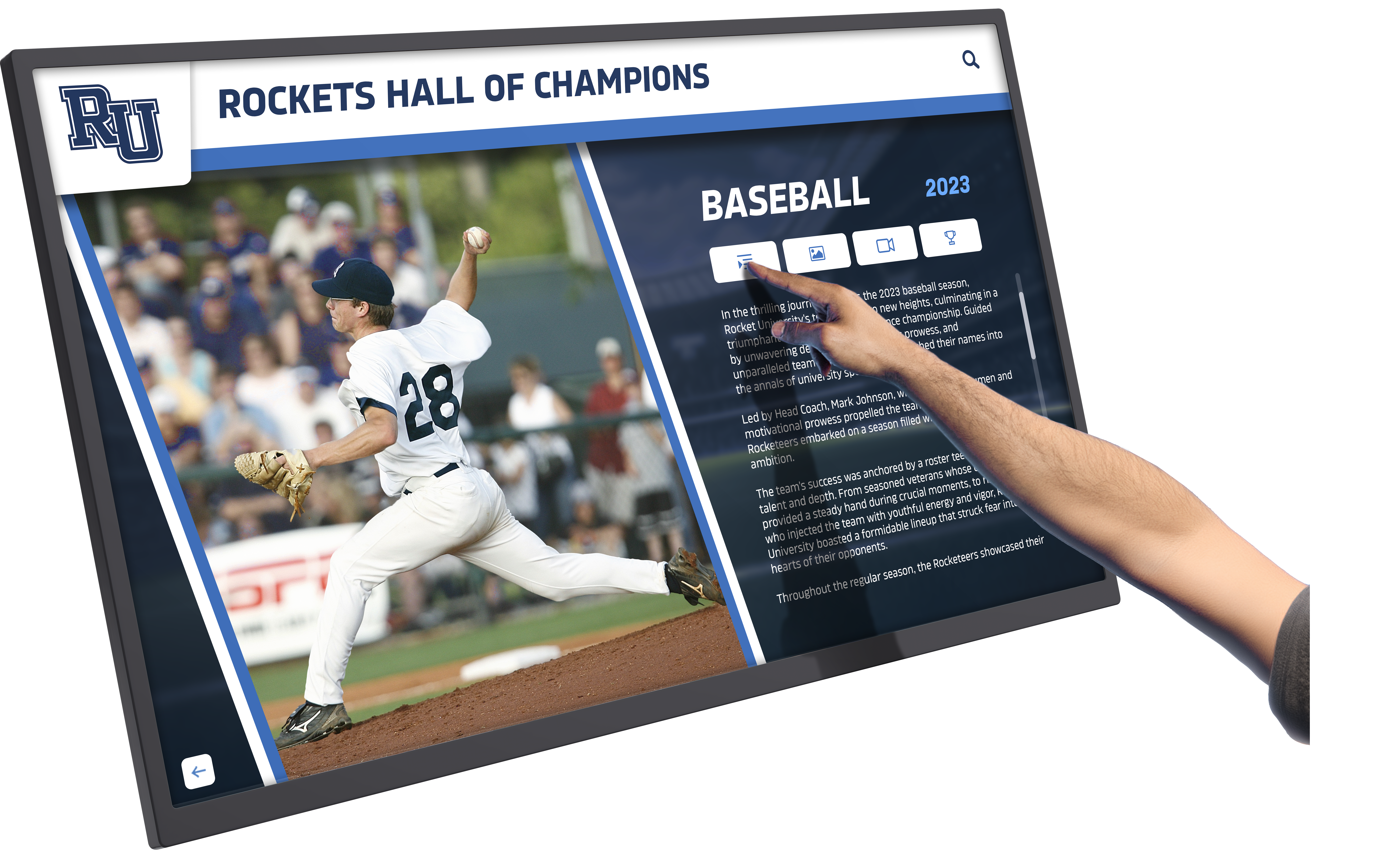
Interactive displays allow viewers to explore detailed statistics and performance context that brings achievements to life
Implementing Systematic Weekly Recognition Programs
Creating effective weekly top performers recognition requires operational frameworks that function sustainably throughout competitive seasons without becoming burdensome for already-busy athletic staff.
Establishing Selection Processes and Criteria
Transparent, consistent selection processes ensure recognition maintains credibility while remaining manageable for coaches and athletic administrators.
Coach Nomination Systems: Direct coach involvement ensures selection reflects both statistical performance and intangible contributions like leadership, effort, and team impact. Structured nomination forms prompt coaches to identify top performers within their programs each week, providing statistical justification and contextual explanation of achievement significance. Weekly deadlines (typically Sunday evening or Monday morning following competition weekends) maintain program consistency.
Statistical Threshold Frameworks: For statistics-heavy sports like football, basketball, baseball, and track, automated recognition can identify performances meeting predetermined thresholds including yards gained or points scored above seasonal averages, shooting percentages exceeding team norms, personal records in timed or measured events, and career milestone achievements like 1,000th point or 100th career win.
Balanced Category Systems: Recognition categories should ensure all position groups and contribution types receive appropriate attention including offensive performers based on scoring, yards, or advancement statistics, defensive standouts measured through tackles, stops, or prevented scores, special contributors in roles like special teams, relief pitching, or substitutes, team players recognized for assists, service, or facilitating roles, and non-statistical achievements like leadership moments, sportsmanship, or inspirational performances.
Multiple Honorees Per Week: Rather than single “athlete of the week” designations, effective programs recognize multiple performers across different categories or sports. This expanded approach might include 3-5 recognition spots per week during peak seasons, rotating category emphasis to ensure varied achievement types receive features, sport-specific recognition during single-sport seasons, and cross-sport recognition during multi-sport overlap periods.
Student and Fan Input Options: Some programs incorporate student voting or fan polls for “fan favorite” or “play of the week” categories. While selection should remain primarily coach-driven based on informed evaluation, limited community input increases engagement while creating buzz around athletic programs. Online voting through school websites or social media can generate significant participation and visibility.
Schools implementing comprehensive recognition often draw from frameworks used in athletic hall of fame programs but adapt criteria for weekly rather than career-long achievement evaluation.
Systematic selection processes ensure fair, consistent recognition that coaches and athletes trust
Creating Compelling Recognition Content
Recognition effectiveness depends significantly on content quality—how achievements are presented, described, and contextualized for audiences.
Statistical Presentation Best Practices: Numbers tell stories when presented thoughtfully including comparative context like season averages, career bests, or program records, visual elements such as charts showing improvement trends or percentile rankings, round-up summaries highlighting multiple achievement dimensions, and career progression showing how weekly performance fits within athlete development.
Narrative Storytelling Elements: Beyond statistics, compelling recognition includes athlete background information describing their journey to this achievement, challenge narratives explaining obstacles overcome or adversity faced, teammate and coach perspectives providing context about significance, future impact notes about how this performance affects team standings or playoff positioning, and personal reflection quotes where athletes describe preparation, feelings, or goals.
High-Quality Visual Content: Professional presentation elevates recognition impact through action photography capturing key performance moments, posed athlete portraits for consistent profile presentation, team celebration images showing peer recognition and support, statistical graphics visualizing achievement magnitude, and short video highlights of exceptional plays or performances.
Multi-Format Content Packages: Effective programs create content packages usable across multiple channels including detailed profiles for websites and digital displays with comprehensive statistics and narrative, social media versions optimized for Instagram, Twitter, or Facebook, print-suitable formats for newsletters or bulletin boards, presentation slides for use during assemblies or team meetings, and archive-ready content preserved for historical documentation.
Programs seeking guidance on creating engaging content might reference approaches used in interactive student achievement displays that combine statistics with rich storytelling.
Distribution Channels and Visibility Strategies
Recognition only impacts those who experience it. Multi-channel distribution ensures maximum visibility for weekly top performers.
School Communication Channels: Morning announcements during Monday assemblies or homerooms, weekly email newsletters to student and family lists, school website dedicated athletics recognition section, digital signage displays in hallways and athletic facilities, and physical bulletin boards in high-traffic locations like cafeterias and gyms.
Social Media Platforms: Instagram story highlights and feed posts with action photos, Twitter threads showcasing multiple weekly honorees, Facebook posts targeting family and alumni audiences, TikTok highlight reels for video-focused audiences, and LinkedIn recognition for graduating seniors or college-committed athletes.
Athletic-Specific Channels: Game program recognition in upcoming competition materials, pre-game announcements during athletic events, locker room displays celebrating teammates, team website dedicated recognition pages, and booster club newsletters and communications.
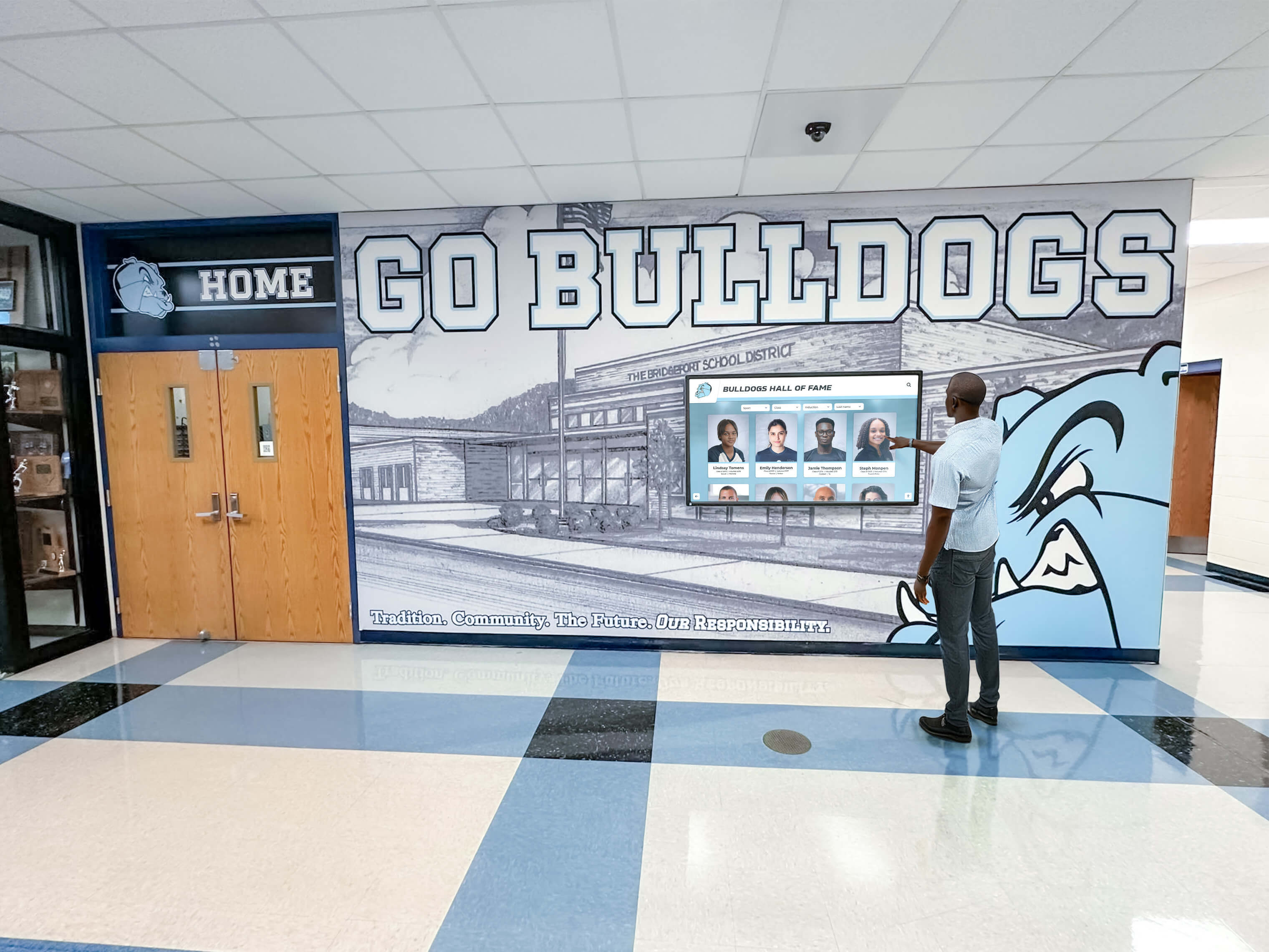
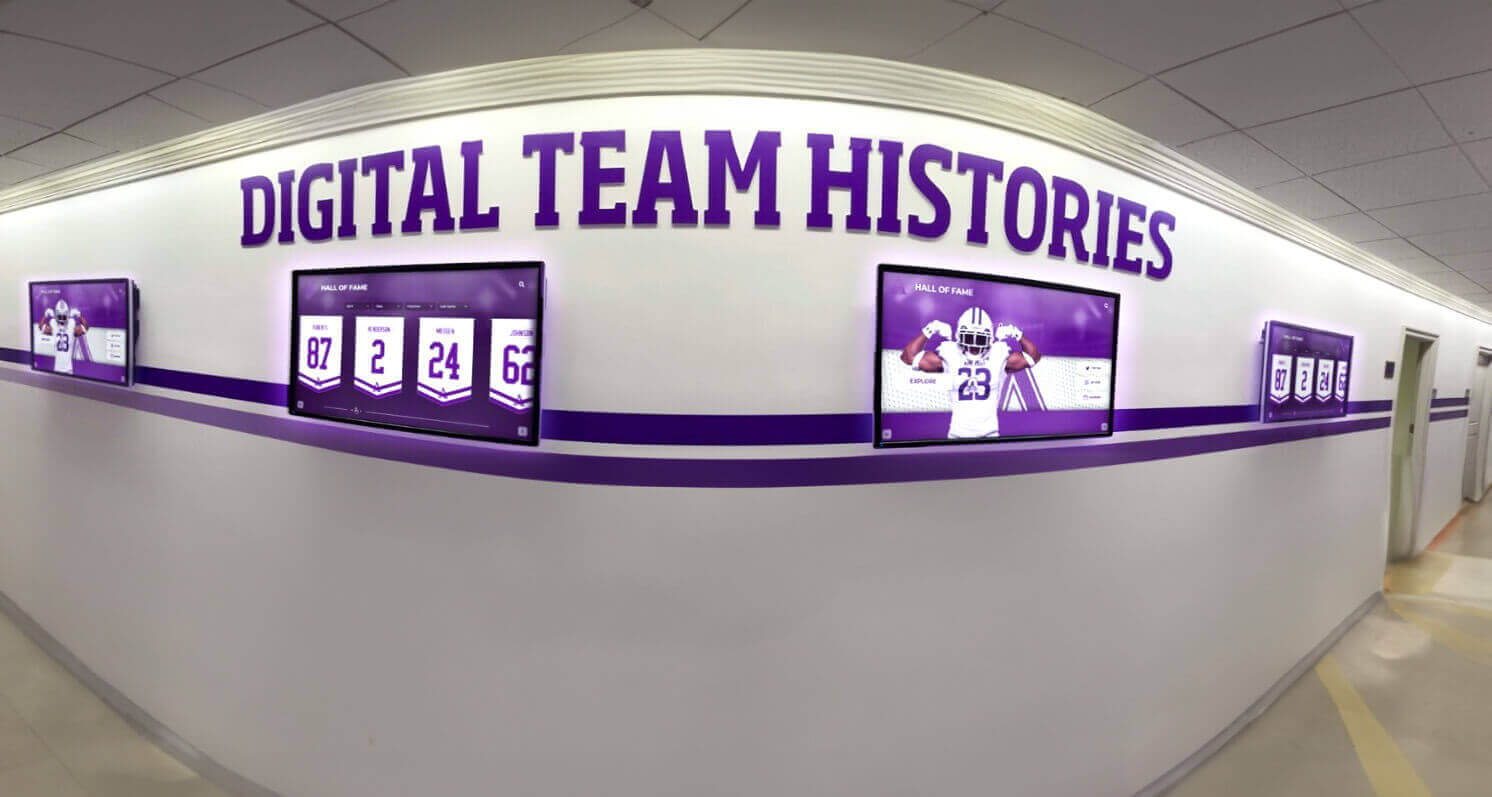
Digital Display Technology: Modern schools increasingly leverage digital recognition displays that showcase weekly top performers through interactive touchscreen systems in athletic facilities or main lobbies, cloud-updated displays that automatically refresh with new content, multi-screen installations covering multiple sports simultaneously, and web-accessible platforms allowing remote viewing by families and alumni.
Community Media Outreach: Local newspaper sports section submissions, community radio mentions during sports coverage, cable access television if available, and regional sports websites or blogs covering local athletics.
Multi-channel distribution ensures recognition reaches all stakeholder groups while creating regular touchpoints that build program visibility and community engagement.
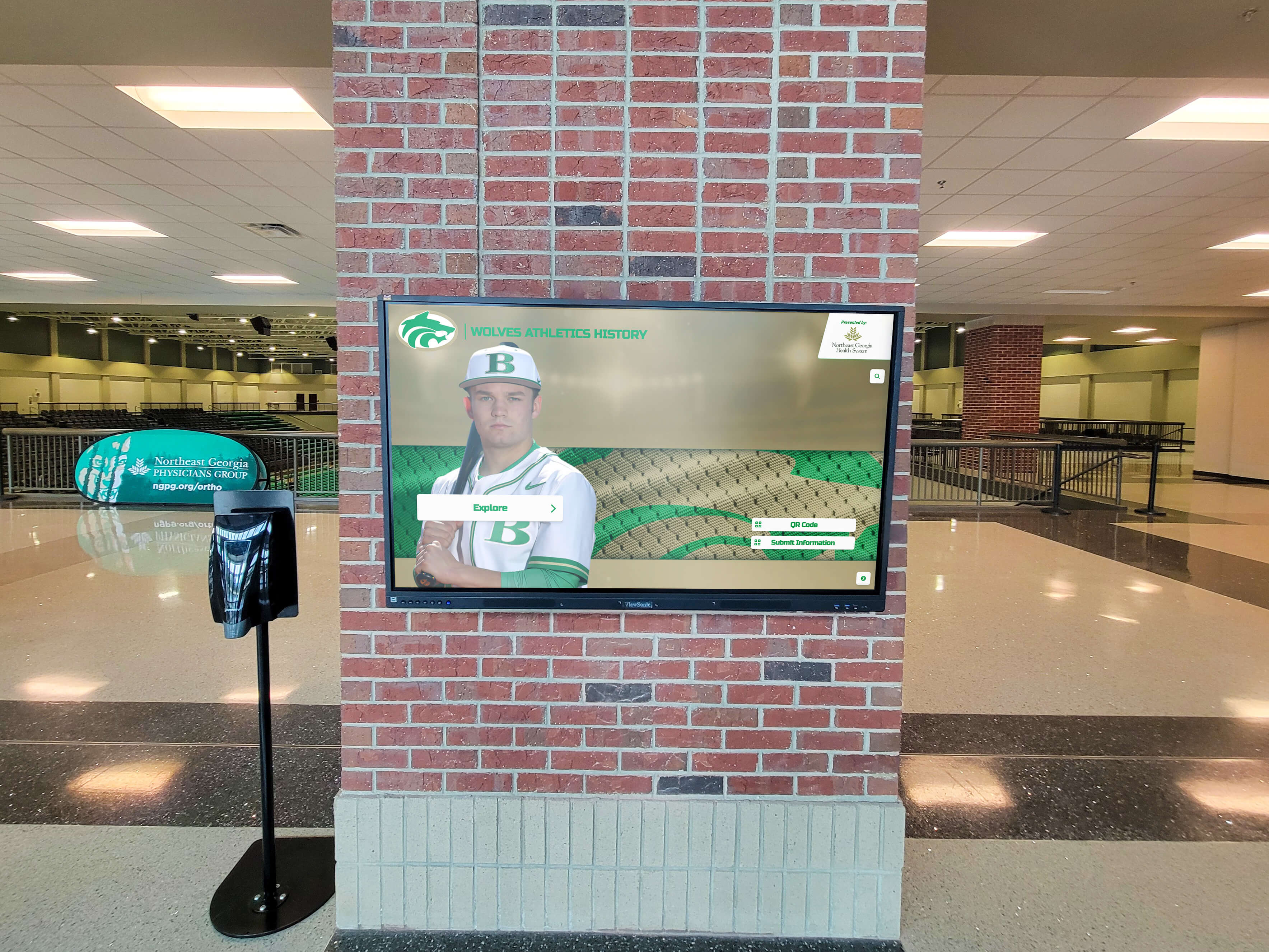
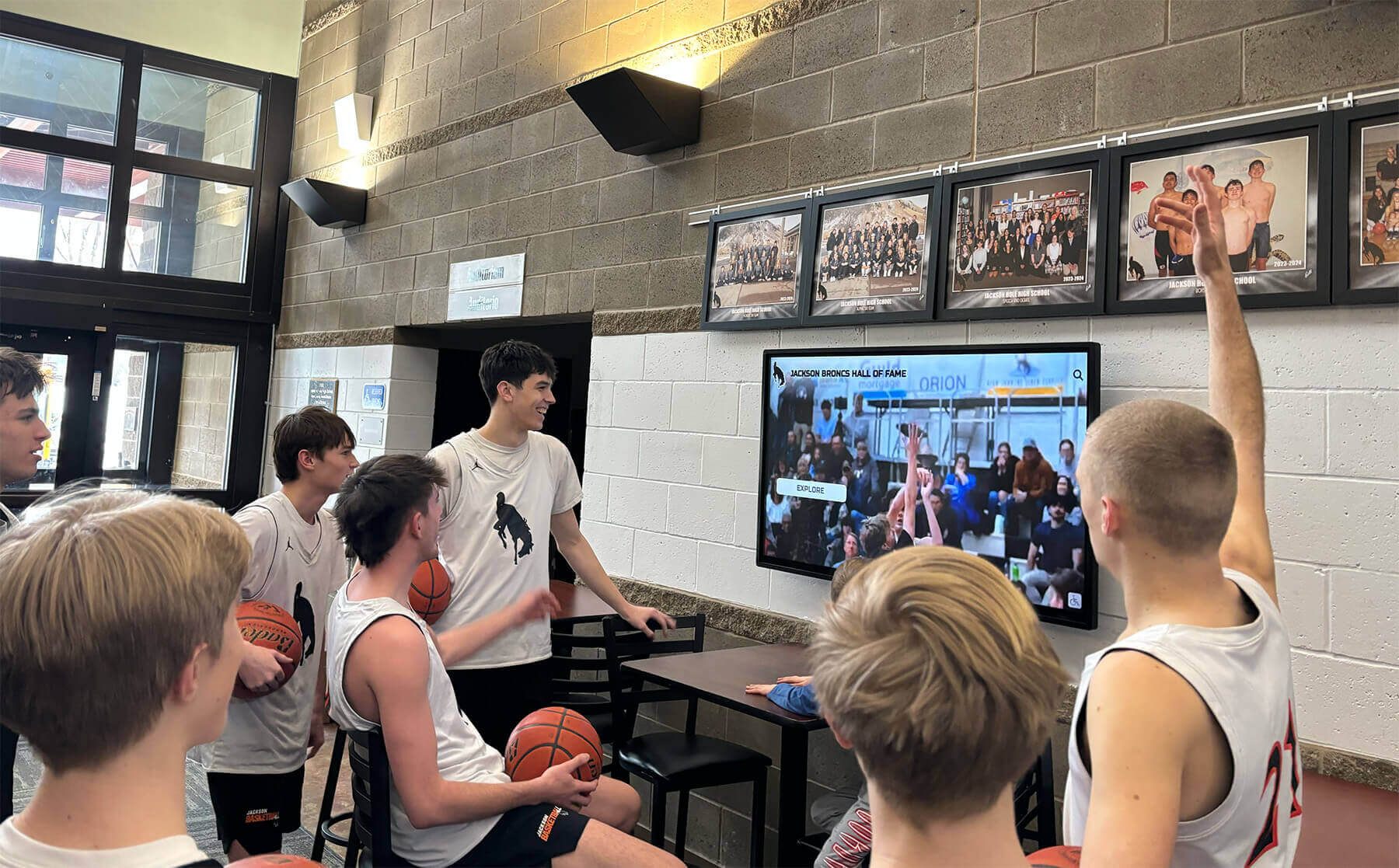
Strategic placement in high-traffic athletic facilities ensures recognition receives consistent visibility from teams, families, and visitors
Leveraging Technology for Enhanced Recognition
Digital platforms transform weekly recognition from static acknowledgment into engaging experiences that amplify impact while reducing administrative burden.
Interactive Digital Displays for Athletic Recognition
Modern touchscreen display systems provide dynamic platforms for showcasing weekly top performers with depth impossible through traditional methods.
Real-Time Content Updates: Cloud-based management systems enable athletic staff to update recognition content from any internet-connected device without technical expertise. New weekly performers can appear on displays within minutes of selection, ensuring timely acknowledgment. Scheduling features allow content preparation in advance with automatic publication on designated dates.
Rich Multimedia Integration: Digital displays showcase comprehensive athlete profiles including professional-quality action photography, video highlight clips of exceptional plays or performances, detailed statistical breakdowns with visual graphics, season progress tracking showing development, athlete quotes and personal statements, and links to full game footage or extended content.
Searchable Archive Access: Unlike static weekly recognition that disappears when new content replaces it, digital systems maintain searchable archives of all past weekly honorees. Athletes, families, and community members can explore historical recognition, track individual athletes across multiple weeks, compare performances across seasons, and discover complete program achievement history.
Interactive Engagement Features: Touchscreen interfaces encourage active exploration through intuitive search enabling quick athlete lookup by name, filtering options by sport, date, or achievement category, related content suggestions showing teammates or similar performances, social sharing capabilities for families to share recognition, and analytics tracking which athletes and achievements generate most interest.
Multi-Location Installation: Schools can install multiple displays in strategic locations including athletic facility lobbies for maximum athlete and fan exposure, main school entrances reaching broader student populations, weight rooms and training facilities motivating athletes during preparation, and outdoor kiosks at stadium or field house entrances.
Solutions like Rocket Alumni Solutions’ touchscreen systems provide purpose-built platforms designed specifically for educational athletic recognition with intuitive content management, engaging presentation formats, and reliable operation proven across hundreds of school implementations.
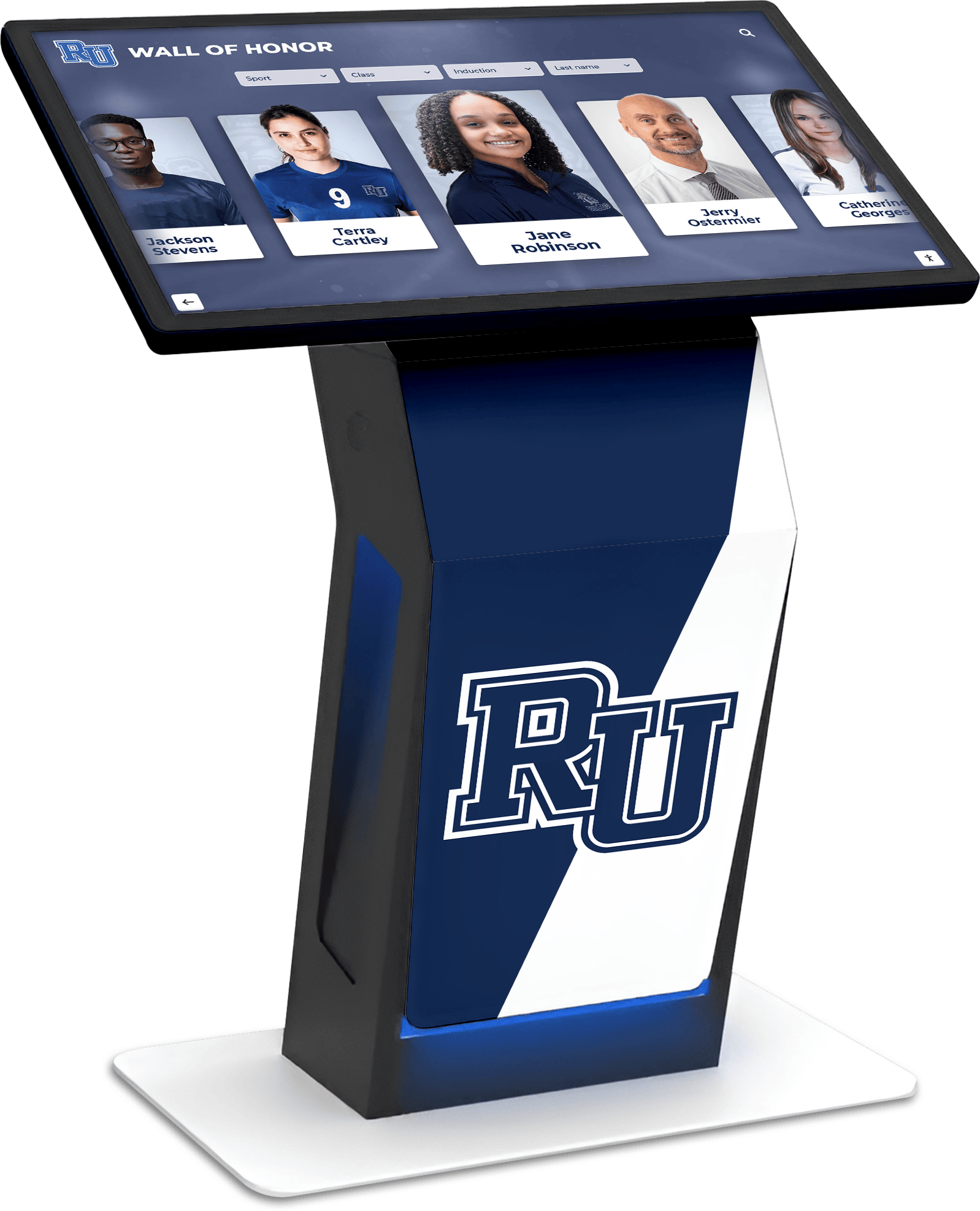
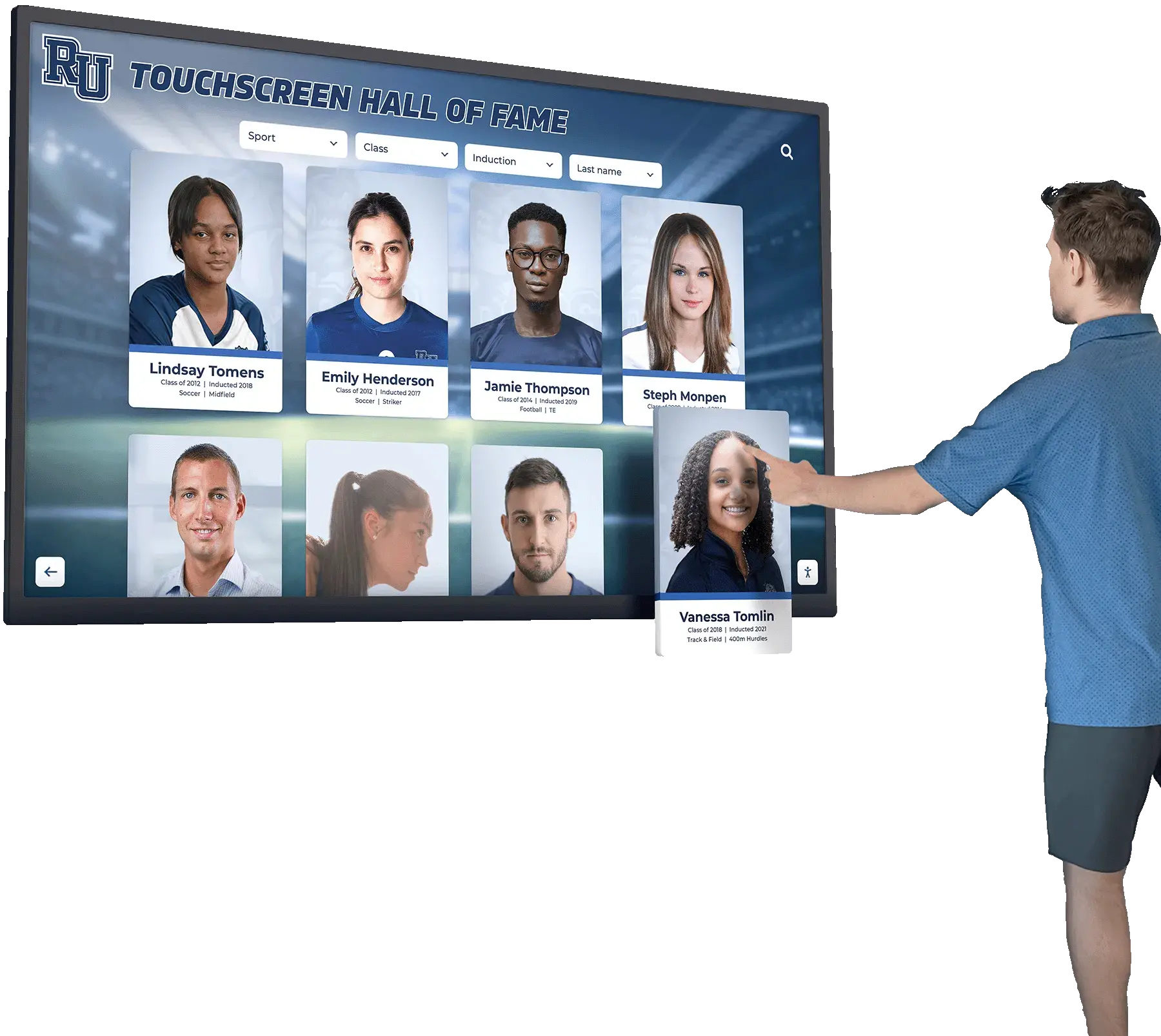
Interactive kiosks create engaging recognition experiences that visitors actively explore rather than passively view
Online Platforms and Mobile Accessibility
Weekly recognition extends beyond campus through web-based platforms that reach geographically dispersed family and community audiences.
Responsive Web Design: Recognition platforms must function excellently across all devices including desktop computers for detailed exploration, tablets for comfortable browsing during games or family viewing, and smartphones where most families consume school content. Responsive design automatically adapts presentation for optimal experience regardless of screen size.
Social Media Integration: Modern recognition systems integrate seamlessly with social platforms enabling one-click sharing to Instagram, Facebook, Twitter, or other networks, auto-generated graphics formatted for optimal social display, sharing tracking showing recognition reach and engagement, hashtag campaigns building program identity and community, and embedded social feeds displaying fan reactions and community celebration.
Email and Notification Systems: Automated notification capabilities can alert families when their student-athletes receive recognition through personalized emails with direct profile links, weekly digest emails summarizing all top performers, SMS notifications for time-sensitive announcements, and push notifications for mobile app users.
Analytics and Engagement Tracking: Web-based platforms provide valuable insights through unique visitor counts and geographic distribution, most-viewed athletes and achievement categories, peak engagement times informing optimal publication schedules, device usage patterns guiding design decisions, and conversion tracking for calls-to-action like game ticket sales or booster membership.
Schools seeking comprehensive digital recognition should explore how digital record boards can complement weekly recognition with historical achievement context.
Content Management Systems and Workflows
Technology only succeeds when people can use it efficiently. Purpose-built content management systems ensure sustainable weekly recognition programs.
Intuitive Publishing Interfaces: Effective platforms require minimal technical expertise featuring drag-and-drop content placement, form-based profile creation with clearly labeled fields, bulk upload capabilities for multiple athletes simultaneously, template systems ensuring consistent formatting, and preview functions showing appearance before publication.
Collaborative Workflows: Multi-user systems support distributed responsibilities through role-based permissions restricting access appropriately, assigned approval workflows requiring review before publication, commenting features for collaboration among athletic staff, version history tracking all changes, and draft modes allowing gradual content development.
Mobile Content Management: Recognition content often originates at competitions or training facilities. Mobile-friendly management enables coaches and athletic staff to submit nominations, upload photos from smartphones, record brief video quotes on-site, update statistics immediately following competitions, and publish content without returning to office computers.
Automated Data Integration: Advanced systems can integrate with existing school databases including student information systems providing athlete photos and details, athletic management platforms importing schedules and rosters, statistical software pulling performance data automatically, and content libraries accessing existing photos and media assets.
Archival and Historical Access: Long-term value requires systems that permanently preserve recognition history through unlimited storage capacity for profiles and media, organized archives by sport, season, and date, search functionality across all historical content, export capabilities for record-keeping or publications, and data portability preventing vendor lock-in.
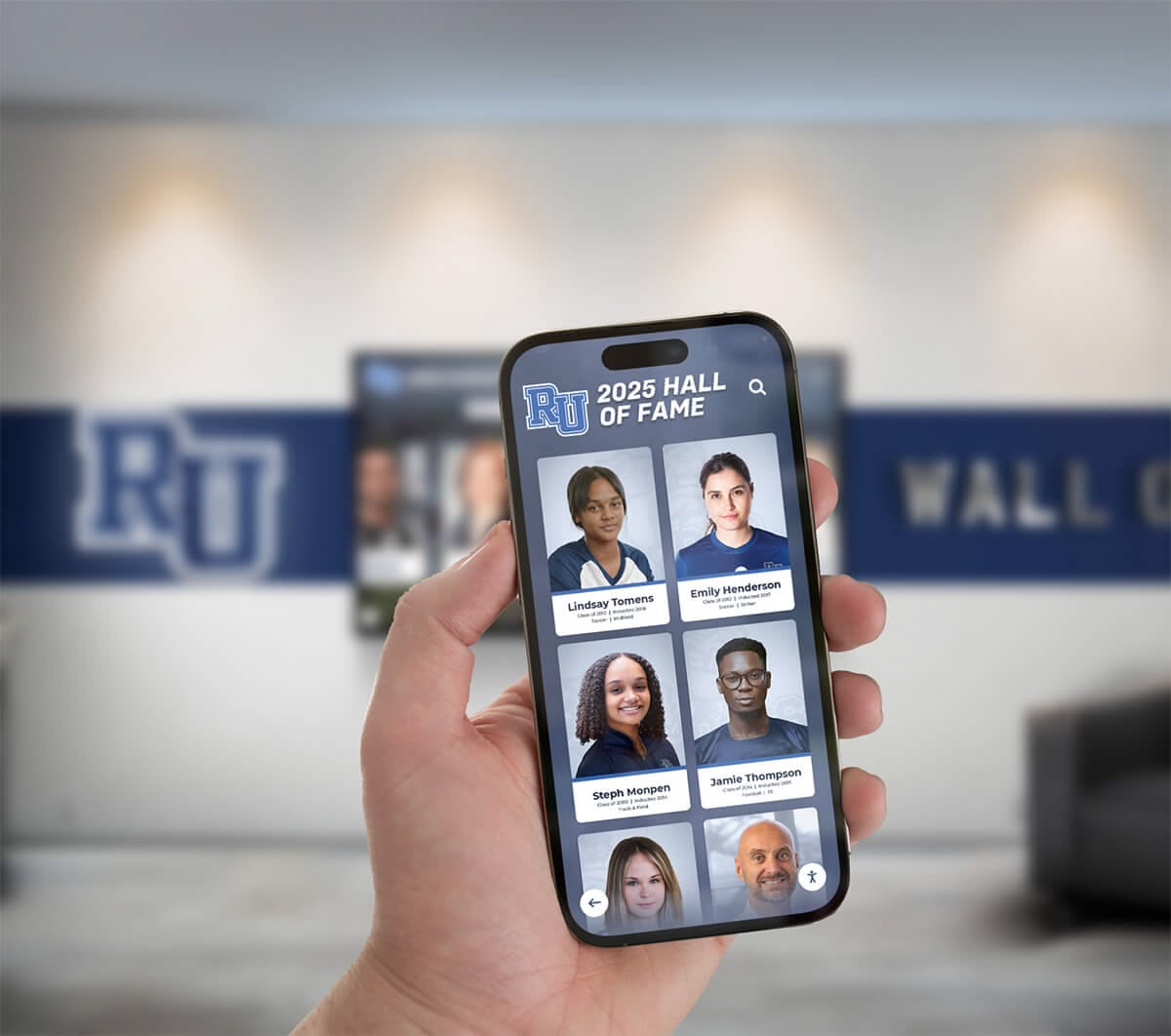
Cloud-based management enables athletic staff to update recognition content from any location using familiar web interfaces
Recognition Categories and Achievement Types
Comprehensive weekly recognition celebrates diverse athletic contributions beyond traditional statistical performance.
Traditional Performance Statistics
Statistical excellence provides clear, objective recognition criteria for many sports.
Offensive Statistical Achievement: Scoring performance including points, goals, or runs, yardage or distance covered in running, passing, or field sports, hitting statistics like batting average, on-base percentage, or slugging, shooting percentages and efficiency ratings, and assist totals demonstrating facilitation and teamwork.
Defensive Statistical Excellence: Tackles or defensive stops in contact sports, blocks, steals, or turnovers forced, saves by goalkeepers or defensive specialists, defensive innings or minutes played, and points or runs prevented through defensive play.
Position-Specific Metrics: Quarterback passing efficiency and completion percentage, rushing averages for running backs, rebounding for post players, serve aces for volleyball players, earned run averages for pitchers, and freestyle times for swimmers.
Career and Season Milestones: Reaching statistical thresholds like 1,000th career point, 100th career goal, or single-season records, breaking program records in specific statistical categories, achieving personal bests that rank competitively, and consistent performance maintaining excellence across multiple weeks.
Schools tracking comprehensive athletic statistics might reference approaches used for athletic record boards that preserve and contextualize statistical achievements.
Situational and Clutch Performance
Excellence in critical moments often defines competitions more than overall statistics.
Game-Winning Performances: Last-minute scores or defensive stops securing victories, overtime or tiebreaker performances under pressure, comeback performances after early deficits, championship game excellence when stakes are highest, and rivalry game performances in traditional matchups.
Pressure Situation Excellence: Fourth-quarter or late-inning performances, penalty kick or free throw success in close games, possession or ball control in closing minutes, defensive stands preventing opponent scoring opportunities, and performance consistency across high-pressure situations.
Weather or Adversity Performance: Exceptional play in difficult weather conditions, strong performances despite injury or illness, recovery from mistakes or early struggles, competing effectively against superior competition, and maintaining composure during adversity.
Leadership and Intangible Contributions
Athletic excellence extends beyond measurable statistics to include leadership that elevates entire teams.
Captaincy and Vocal Leadership: On-field communication organizing teammates, sideline motivation energizing bench, timeout and huddle leadership focusing effort, mentorship helping younger or struggling players, and pre-game or halftime speeches inspiring teams.
Leading by Example: Exceptional practice effort setting standards, first-to-arrive/last-to-leave commitment, positive attitude maintaining morale through adversity, sportsmanship demonstrating program values, and sacrifice of personal statistics for team benefit.
Cultural Building: Organizing team bonding activities, establishing team traditions, representing program positively in community, academic leadership modeling student-athlete balance, and recruitment ambassadorship attracting talented athletes.
Programs emphasizing holistic athlete development might reference comprehensive approaches in student recognition programs that celebrate diverse contributions.
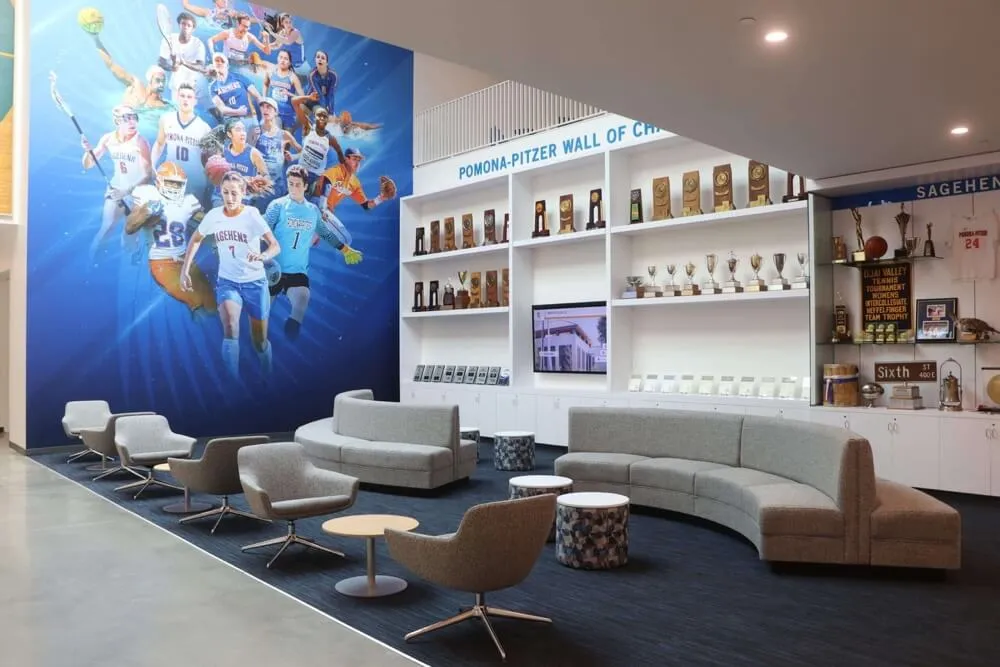
Recognition programs that celebrate leadership and team contributions acknowledge the intangible factors that create championship cultures
Improvement and Development Recognition
Acknowledging growth motivates continued development across all skill levels.
Most Improved Recognition: Significant statistical improvement from previous weeks or seasons, technique development showing skill refinement, playing time increases reflecting earned opportunities, competitive success against improving competition levels, and confidence growth demonstrated through performance.
Overcoming Setbacks: Return from injury performing at previous or improved levels, bouncing back from poor early-season performances, regaining starting positions through renewed effort, improving in specific skills that previously limited performance, and mental toughness development handling pressure better.
Position Transition Success: Learning and excelling in new positions, filling in competently during teammate injuries, mastering multiple positions providing versatility, transitioning successfully from lower to higher competitive levels, and adapting playing style to complement team needs.
Academic Athletic Balance: Maintaining academic excellence while competing at high levels, improvement in classroom performance alongside athletic development, qualifying for academic all-conference honors, successful college admission alongside athletic success, and serving as role model for balancing priorities.
Building Sustainable Recognition Programs
Long-term recognition program success requires operational frameworks that function consistently across seasons and staff changes.
Creating Manageable Workflows
Recognition programs fail when they become administratively burdensome. Sustainable workflows balance comprehensive recognition with realistic time commitments.
Defined Responsibility Assignment: Clear ownership prevents recognition from becoming everyone’s responsibility and therefore no one’s priority including designated coordinator overseeing program operation, coach responsibilities for weekly nominations, communications staff handling content formatting and distribution, athletic director approval for quality control, and student assistants supporting administrative tasks.
Realistic Time Requirements: Programs should require reasonable time investments including 15-30 minutes per coach for weekly nomination completion, 1-2 hours for coordinator compiling and formatting content, 30-60 minutes for distribution across various channels, and occasional deeper investment for feature profiles or special recognition.
Template and Process Documentation: Written procedures ensure consistency and ease transitions including nomination form templates standardizing information collection, content formatting guidelines maintaining quality, distribution checklists preventing missed channels, troubleshooting guides addressing common issues, and timeline calendars showing weekly deadlines and responsibilities.
Automated Systems Where Possible: Technology should minimize manual effort through auto-populated templates pulling athlete information from databases, scheduled publishing removing need for manual posting, automated notifications replacing individual reminder emails, batch processing handling multiple athletes simultaneously, and cloud synchronization updating multiple displays automatically.
Flexible During Intense Periods: Recognition programs should adapt to program demands including scaled recognition during playoff intensity when time is limited, advanced preparation during lower-demand periods, delegation allowing multiple people to manage during emergencies, simplified formats when comprehensive content isn’t feasible, and occasional weeks without recognition when necessary without program failure.
Successful programs often adapt frameworks from digital recognition maintenance guides that ensure long-term system sustainability.
Training and Staff Development
Program quality depends on staff capability and comfort with recognition processes and technology.
Initial Setup Training: Implementation should include comprehensive staff orientation on program goals, selection criteria, processes, and technology, hands-on practice with content creation and publishing, Q&A sessions addressing concerns and confusion, written reference materials supporting future use, and vendor support contacts for technical assistance.
Ongoing Professional Development: Seasonal refreshers before each athletic season, new staff onboarding as coaching changes occur, advanced feature training for experienced users, sharing best practices across sports and teams, and benchmarking against peer program innovations.
Coach Buy-In Strategies: Coaches must view recognition as program benefit rather than administrative burden through demonstrating recruitment advantages of visible athlete recognition, sharing family feedback about appreciation for acknowledgment, highlighting team morale improvements from consistent recognition, reducing other communication responsibilities through recognition content, and involving coaches in program design ensuring practical approaches.
Student Leadership Opportunities: Involving students can extend capacity while developing leadership including student athletic communications teams managing social media, photography students capturing action and portrait images, journalism students writing athlete profiles and stories, media production students creating highlight videos, and student managers assisting with statistical compilation.
Staff training ensures recognition programs function smoothly across seasons and team transitions
Measuring Program Impact and Success
Data-driven assessment demonstrates recognition value while identifying improvement opportunities.
Participation and Engagement Metrics: Recognition program reach through athlete participation counting unique honorees across seasons, demographic distribution ensuring equitable recognition across sports and groups, digital engagement measuring website views, display interactions, and social shares, family satisfaction gathered through surveys or informal feedback, and community awareness assessed through attendance or communication open rates.
Athletic Performance Indicators: While many factors influence outcomes, programs might monitor team morale indicators from athlete surveys, recruitment quality with increased applicant pools or talent levels, retention rates of athletes remaining in programs, practice attendance and engagement, and competitive results potentially correlating with program culture.
Operational Efficiency Measures: Program sustainability depends on manageable operations including time investment required for weekly recognition, staff satisfaction with processes and workload, technical reliability of digital systems, cost-effectiveness compared to recognition value, and consistency maintenance across seasons.
Content Quality Assessment: Regular content reviews should evaluate profile completeness and depth, visual content quality and consistency, narrative storytelling effectiveness, statistical accuracy and context, and professional presentation standards.
Continuous Improvement Process: Quarterly or seasonal program reviews should gather stakeholder feedback from coaches, athletes, and families, analyze engagement data identifying successful and struggling elements, benchmark against peer program practices, pilot innovations testing new approaches, and refine processes based on lessons learned.
Best Practices and Common Pitfalls
Learning from successful implementations and common challenges accelerates program development while avoiding predictable obstacles.
Recognition Program Best Practices
Start Narrow and Expand Gradually: Initial implementations should focus on core sports during peak seasons with straightforward statistical recognition, proving concept and building confidence before expanding to comprehensive year-round recognition across all athletic offerings.
Maintain Consistent Schedule: Weekly recognition creates expectations and habits. Establishing publication days (typically Monday or Tuesday following competition weekends) builds audience anticipation and ensures athletes know when to look for recognition.
Balance Breadth and Depth: Programs should recognize multiple athletes weekly while providing sufficient detail to honor achievement meaningfully. Better to acknowledge 5-8 athletes with solid profiles than superficially list 20 names.
Prioritize Visual Quality: Professional presentation elevates recognition impact. Investing in quality photography, graphic design, or outsourced content creation significantly improves program effectiveness compared to amateur snapshots or text-only recognition.
Connect to Broader Goals: Effective programs align with institutional objectives including school pride building through visible celebration of excellence, recruitment support showcasing program quality to prospective athletes and families, alumni engagement connecting graduates to current program success, and advancement opportunities building donor pride in athletic achievement.
Schools developing comprehensive athletic recognition often reference approaches used in interactive hall of fame systems adapted for weekly rather than career-long acknowledgment.
Avoiding Common Program Pitfalls
Inconsistent Recognition Patterns: Sporadic acknowledgment undermines program credibility. If recognition appears during successful seasons but disappears during struggles, athletes perceive conditional support rather than genuine celebration of effort and achievement regardless of results.
Limited Sport Representation: Programs dominated by major sports like football and basketball while ignoring cross country, tennis, swimming, or other programs create resentment and reduce overall athlete buy-in. Comprehensive coverage matters more than recognition volume in popular sports.
Statistical-Only Focus: Pure numbers fail to tell complete stories. The athlete returning from serious injury might not post impressive statistics but demonstrates remarkable resilience. Leadership contributions elevating entire teams merit recognition equivalent to scoring leaders.
Administrative Burden Leading to Abandonment: Overly ambitious programs requiring hours weekly inevitably fail when competing priorities emerge. Realistic scoping based on available time prevents enthusiasm-driven initial designs from becoming unsustainable burdens.
Technology Over-Complication: Sophisticated technology platforms only succeed if staff can operate them confidently. Simple, reliable systems beat feature-rich but confusing alternatives requiring constant technical support.
Lack of Coach Ownership: Recognition programs imposed top-down without coach involvement face resistance. Coaches must view recognition as beneficial tool they help shape rather than administrative requirement adding workload.
Neglecting Family Communication: Athletes appreciate recognition, but families treasure it. Programs that fail to reach parents miss significant engagement and support-building opportunities. Multi-channel distribution ensuring family visibility pays substantial dividends in community support.
Balanced recognition across all sports and achievement types creates inclusive programs that engage entire athletic communities
Integrating Weekly Recognition with Broader Athletic Programs
Weekly top performers recognition should connect with comprehensive athletic recognition ecosystems celebrating achievement across all timeframes.
End-of-Season Awards and Banquets
Weekly recognition complements rather than replaces traditional season-ending awards through creating detailed achievement archives informing all-conference and MVP selections, highlighting exceptional performances for banquet video presentations, building anticipation for end-of-season awards through season-long recognition, providing content for printed programs and recognition materials, and ensuring athletes beyond major award winners receive appropriate acknowledgment.
Athletic Hall of Fame and Historical Recognition
Weekly recognition feeds into long-term legacy documentation including comprehensive career achievement documentation through accumulated weekly honors, statistical databases supporting future hall of fame selection processes, photo and video archives preserving moments for historical displays, establishing traditions connecting current and historical excellence, and demonstrating program values consistently applied across eras.
Schools maintaining comprehensive recognition might reference approaches in athletic hall of fame programs that connect weekly acknowledgment with career-long achievement celebration.
College Recruitment Support
Consistent recognition creates valuable recruitment materials including highlight reel content from weekly featured performances, statistical documentation supporting scholarship applications, character evidence from leadership and sportsmanship recognition, visibility increasing recruiter awareness of talented athletes, and digital portfolios athletes can share with prospective programs.
Programs supporting recruitment often align with strategies used in college commitment recognition that celebrate athlete achievement throughout journeys.
Alumni Engagement and Connection
Recognition systems create touchpoints for graduated athletes through accessible archives allowing alumni to revisit their achievements, social sharing enabling graduates to celebrate current athlete success, reunion content showing historical program excellence, fundraising narratives demonstrating program impact and quality, and mentorship opportunities connecting successful alumni with current athletes.
Future Trends in Athletic Recognition Technology
Recognition capabilities continue evolving with emerging technologies promising enhanced engagement and reduced administrative burden.
Artificial Intelligence and Automation
AI technologies will increasingly support recognition programs through automated statistical analysis identifying notable performances, natural language generation drafting initial athlete profiles, image recognition tagging and categorizing photos automatically, predictive analytics identifying athletes trending toward recognition, and personalized content recommendations showing relevant achievements to individual viewers.
Video Highlight Integration
Streaming video technology enables richer recognition including automated highlight generation from full game footage, multi-angle replay for exceptional plays, athlete commentary on key performances, slow-motion analysis of technique excellence, and virtual reality immersive experiences of memorable moments.
Enhanced Mobile Experiences
Recognition will extend seamlessly to smartphones through progressive web apps providing app-like experiences without downloads, push notifications alerting families to new recognition, social platform integration enabling seamless sharing, mobile-first design optimizing for smartphone viewing, and augmented reality features overlaying additional content on physical displays.
Fan Engagement Platforms
Interactive technologies will increase community participation including live polling during games for fan-selected recognitions, gamification with achievement tracking and community challenges, comment and reaction features enabling appropriate audience engagement, crowdsourced content where fans submit photos and observations, and integration with ticketing and merchandise driving revenue alongside recognition.
Conclusion: Celebrating Every Achievement, Every Week
Athletic excellence happens not once per season but throughout competitive calendars as athletes push limits, overcome obstacles, lead teammates, and demonstrate the dedication that defines championship programs. Weekly top performers recognition ensures this ongoing excellence receives the timely, meaningful acknowledgment that motivates continued achievement while building program culture and community engagement.
Effective recognition programs balance comprehensiveness with sustainability, celebrating diverse achievements through manageable workflows that function consistently across seasons. Technology transforms acknowledgment from static announcements into engaging multimedia experiences accessible to athletes, families, and communities regardless of geographic distance. Purpose-built platforms like Rocket Alumni Solutions provide intuitive tools that make sophisticated weekly recognition programs realistic for schools of all sizes and resource levels.
The student-athletes competing for your school invest countless hours in training, practice, competition, and improvement. Their dedication deserves recognition that matches their commitment—consistent, visible, meaningful celebration of excellence that happens not just during championships but every week throughout seasons. When schools implement thoughtful weekly recognition programs, they create cultures where achievement matters, effort is acknowledged, and every athlete understands that their contributions to team success receive appropriate honor.
Start your weekly top performers recognition program today, and transform how your athletic program celebrates the excellence that defines your student-athletes and distinguishes your school.
Ready to Transform Your Athletic Recognition Program?
Discover how Rocket Alumni Solutions' interactive touchscreen displays can showcase your weekly top performers with engaging multimedia content, real-time updates, and professional presentation that celebrates achievement and builds program pride.
Schedule Your Free Demo






























