Athletic directors stand at the intersection of education, sports management, and community leadership. On any given day, they might negotiate a coaching contract, coordinate a championship celebration, resolve a Title IX compliance question, and manage a facility renovation project—all while ensuring hundreds of student-athletes have meaningful competitive and educational experiences.
For those considering a career in athletic administration or curious about what athletic directors actually do beyond Friday night football games, this role encompasses far more than scheduling contests and ordering equipment. Modern athletic directors function as educators, financial managers, facility coordinators, compliance officers, and community ambassadors who shape the athletic experience for entire institutions.
This comprehensive career guide explores what athletic directors do daily, the education and skills required to enter the field, career advancement pathways, compensation expectations, and the challenges and rewards that define this multifaceted profession.
Understanding the Athletic Director Role
Athletic directors serve as chief administrators for school and college athletic programs. They oversee all aspects of athletic operations, from strategic planning and budget management to coaching supervision and event coordination.
The scope of responsibilities varies considerably based on institution size and competitive level. A high school athletic director at a small rural school might directly manage all operational details while also teaching physical education classes. Meanwhile, an athletic director at a major university oversees a department of 100+ employees, manages budgets exceeding $100 million, and delegates operational responsibilities to specialized associate and assistant athletic directors.
Despite these differences, core functions remain consistent across settings: athletic directors ensure their programs operate safely, comply with governing regulations, serve educational missions, and provide quality competitive experiences for student-athletes.
Primary Responsibilities Overview
Athletic directors typically manage these key areas:
Program Management: Overseeing multiple sports programs with distinct competitive calendars, coaching staffs, facility needs, and budget requirements. Most athletic directors manage 12-30+ different sports simultaneously.
Budget Administration: Developing departmental budgets, allocating resources across programs, forecasting revenue, controlling costs, and providing financial accountability to institutional leadership and governing boards.
Staff Leadership: Hiring, supervising, evaluating, and developing coaching staffs. This includes establishing performance expectations, providing professional development opportunities, and addressing personnel issues when they arise.
Compliance and Risk Management: Ensuring programs adhere to state association rules, conference regulations, NCAA requirements (at collegiate level), Title IX mandates, and safety protocols including concussion management and emergency response procedures.
Facility Coordination: Managing athletic facilities from gymnasiums and playing fields to locker rooms and training facilities. Responsibilities include scheduling, maintenance oversight, renovation planning, and ensuring facilities meet safety and accessibility standards.
Community Relations: Serving as primary spokesperson for athletic programs, managing media relationships, coordinating with booster organizations, and maintaining connections with alumni, parents, and community supporters.
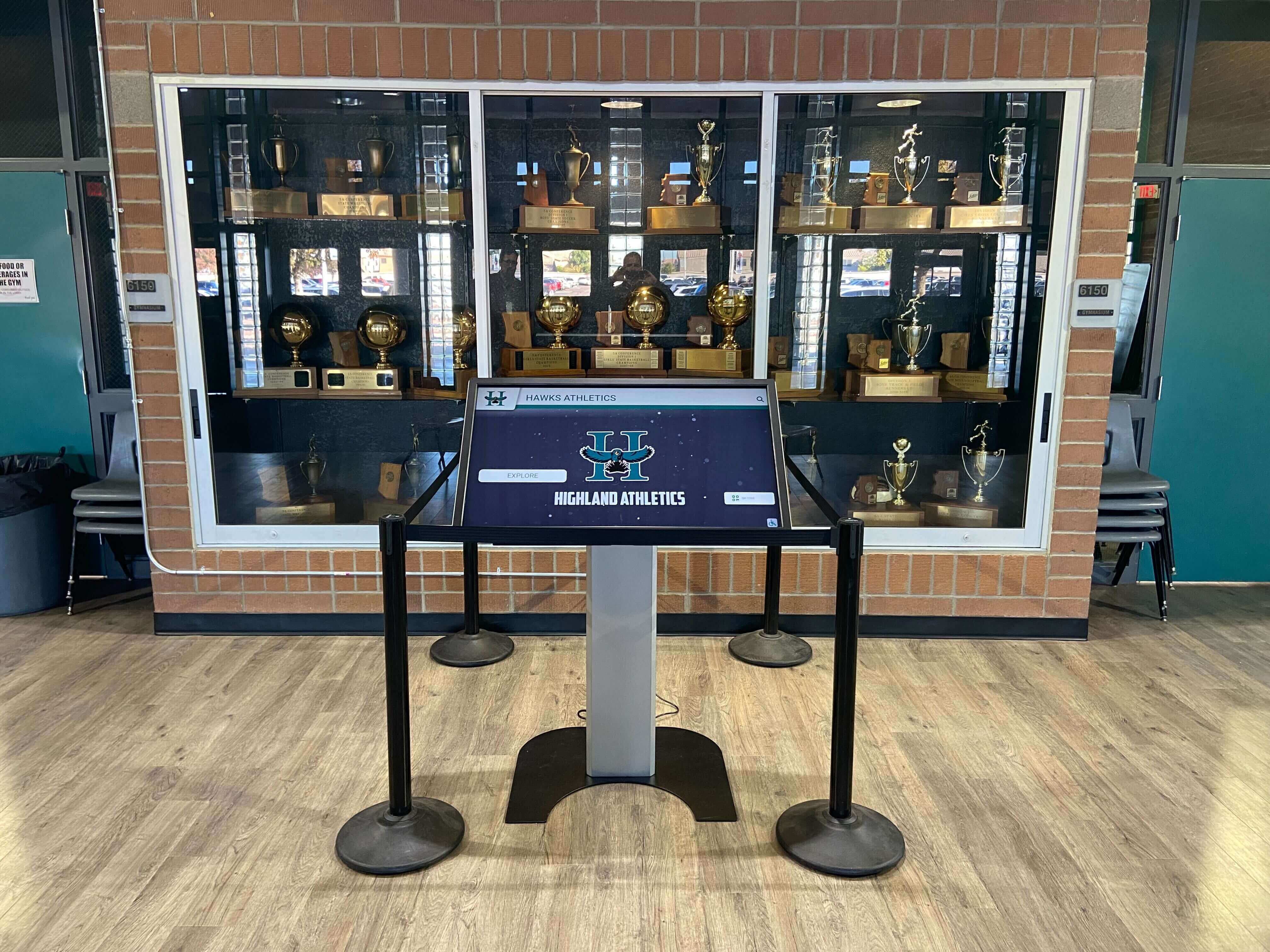
Many athletic directors implement digital recognition systems that showcase achievements while managing the ongoing responsibility of celebrating athletic accomplishments and maintaining program history.
Educational Pathways to Athletic Director Positions
Becoming an athletic director requires specific educational credentials combined with relevant experience in athletics and education.
Degree Requirements
Bachelor’s Degree: Entry into athletic administration typically begins with a bachelor’s degree. Common undergraduate majors include:
- Physical Education
- Kinesiology or Exercise Science
- Sport Management
- Education (with coaching endorsement)
- Business Administration (less common but accepted with athletic experience)
Successful candidates typically supplement academic credentials with extensive involvement in athletics during their undergraduate years—either as athletes, student managers, or coaching assistants.
Master’s Degree: Most athletic director positions require master’s degrees. Preferred graduate programs include:
- Educational Leadership or Administration
- Sport Administration or Sport Management
- Athletic Administration
- Business Administration (MBA) with sport focus
- Physical Education with administrative emphasis
Graduate coursework should cover school law and policy, organizational leadership, financial management, personnel supervision, facility planning, and athletic governance. Many programs include practicum experiences where graduate students complete supervised administrative work in athletic departments.

Certification and Licensing
Beyond formal degrees, athletic directors typically need additional certifications:
State Certification: Many states require athletic directors to complete specific professional development programs and earn state athletic administrator certification. These programs typically cover eligibility rules, legal compliance, risk management, Title IX requirements, and administrative best practices.
Administrative Licensure: High school athletic directors often need state administrative or supervisory licensure—the same credentials required for principals and other school administrators. Requirements vary by state but typically include specific graduate coursework and passing standardized examinations.
Ongoing Professional Development: Athletic directors maintain currency through continuing education. Organizations like the National Interscholastic Athletic Administrators Association (NIAAA) and National Association of Collegiate Directors of Athletics (NACDA) offer certification programs, workshops, and professional development opportunities.
Required Safety Certifications: Most positions require current CPR/First Aid certification, concussion management training, and completion of various safety protocols specific to athletic settings.
Career Path and Experience Requirements
Athletic directors rarely enter these positions immediately after graduate school. The typical career progression involves building experience through coaching and lower-level administrative roles.
Common Career Trajectories
Teaching and Coaching Foundation: Most athletic directors begin as teachers who coach one or more sports. This foundation provides:
- Sport-specific knowledge and credibility with coaching staffs
- Understanding of student-athlete development and educational priorities
- Experience managing schedules, budgets, equipment, and parent relationships
- Proven ability to lead, motivate, and supervise young people
Many athletic directors coach for 5-15 years before transitioning to full-time administration, often continuing to coach during their early administrative career.
Assistant Athletic Director Roles: Many candidates advance through assistant or associate athletic director positions where they assume responsibility for specific functions:
- Eligibility coordination and academic monitoring
- Scheduling and officials assignment
- Facility management and event operations
- Compliance and rules interpretation
- Equipment and uniform management
- Digital recognition and awards programs
These positions provide administrative experience while learning from experienced athletic directors who can provide mentorship and guidance.
Alternative Pathways: Some athletic directors enter through related positions:
- Activities directors managing broader co-curricular programs including athletics, fine arts, and student clubs
- Athletic trainers who develop interest in administrative leadership
- Former college or professional athletes who pursue graduate education in sport administration
- Business professionals with athletic backgrounds who transition into educational settings

Experience Expectations
Athletic director position announcements typically specify experience requirements:
High School Level: Entry-level athletic director positions at small high schools may require 3-5 years of teaching and coaching experience. Larger high schools typically seek candidates with 5-10 years of combined teaching, coaching, and administrative experience, often including prior assistant athletic director roles.
College Level: Small college athletic director positions typically require 5-10 years of experience in collegiate athletics, often including coaching and administrative roles. Division II and III schools frequently hire candidates with high school athletic director experience who seek to advance to collegiate administration.
Major Division I positions require extensive collegiate experience, typically 10-20+ years including progression through assistant athletic director, associate athletic director, and potentially athletic director roles at smaller institutions.
Essential Skills for Athletic Director Success
Effective athletic directors develop diverse skill sets combining leadership abilities, management competencies, technical knowledge, and interpersonal capabilities.
Leadership and Strategic Thinking
Visionary Leadership: Successful athletic directors see beyond daily operations to establish long-term strategic direction. They articulate compelling visions for what athletic programs should accomplish and mobilize stakeholders—coaches, athletes, administrators, community members—toward shared goals.
Decision-Making Under Pressure: Athletic directors regularly face decisions requiring quick judgment with incomplete information. Whether determining if weather conditions are safe for competition, deciding how to respond to an eligibility question minutes before game time, or addressing a personnel crisis, effective ADs make sound decisions under pressure.
Change Management: Programs continuously evolve—new coaching hires, facility renovations, program additions, policy changes, conference realignments. Athletic directors guide departments through transitions while maintaining stability and protecting program culture.
Management and Organizational Skills
Financial Management: Athletic directors develop and oversee complex budgets, forecast revenue from multiple sources, allocate limited resources across competing priorities, and provide transparent financial reporting to multiple stakeholders. They must understand financial statements, budget variance analysis, purchasing procedures, and cost-benefit analysis.
Project Management: From facility renovations to championship hosting to new program launches, athletic directors manage complex initiatives involving multiple stakeholders, sequential phases, strict timelines, and significant budgets. Strong project management skills keep initiatives on track while addressing inevitable obstacles.
Time Management and Prioritization: Athletic directors juggle numerous responsibilities simultaneously—supervising coaches, managing facilities, overseeing compliance, coordinating events, responding to parent concerns, and attending community functions. Effective time management and ruthless prioritization determine success in this demanding environment.
Interpersonal and Communication Skills
Relationship Building: Athletic directors succeed by developing trust with diverse stakeholders including coaches (who may have more tenure and community visibility), parents (who are passionate about their children’s experiences), administrators (who may not understand athletic culture), officials, media representatives, and community members with varying perspectives on athletic program priorities.
Conflict Resolution: Disputes inevitably arise—parents question playing time decisions, coaches disagree with budget allocations, community members challenge policy changes. Effective athletic directors mediate conflicts, find acceptable solutions, and preserve relationships even when making unpopular decisions.
Communication Excellence: Athletic directors must communicate effectively through multiple channels—writing clear policies and procedures, delivering persuasive presentations to boards requesting budget increases, speaking articulately to media about program developments, and explaining complex regulations to coaches and parents in accessible language.
Technical Knowledge and Expertise
Rules and Compliance Expertise: Athletic directors must understand eligibility requirements, recruiting regulations, practice limitations, competition rules, and administrative procedures established by state associations, conferences, and national governing bodies. Compliance violations create significant consequences, making rules knowledge essential.
Facilities and Operations Knowledge: Understanding playing surface standards, equipment specifications, facility maintenance requirements, accessibility regulations, and safety protocols ensures athletic directors can make informed decisions about facility investments, maintenance priorities, and risk management.
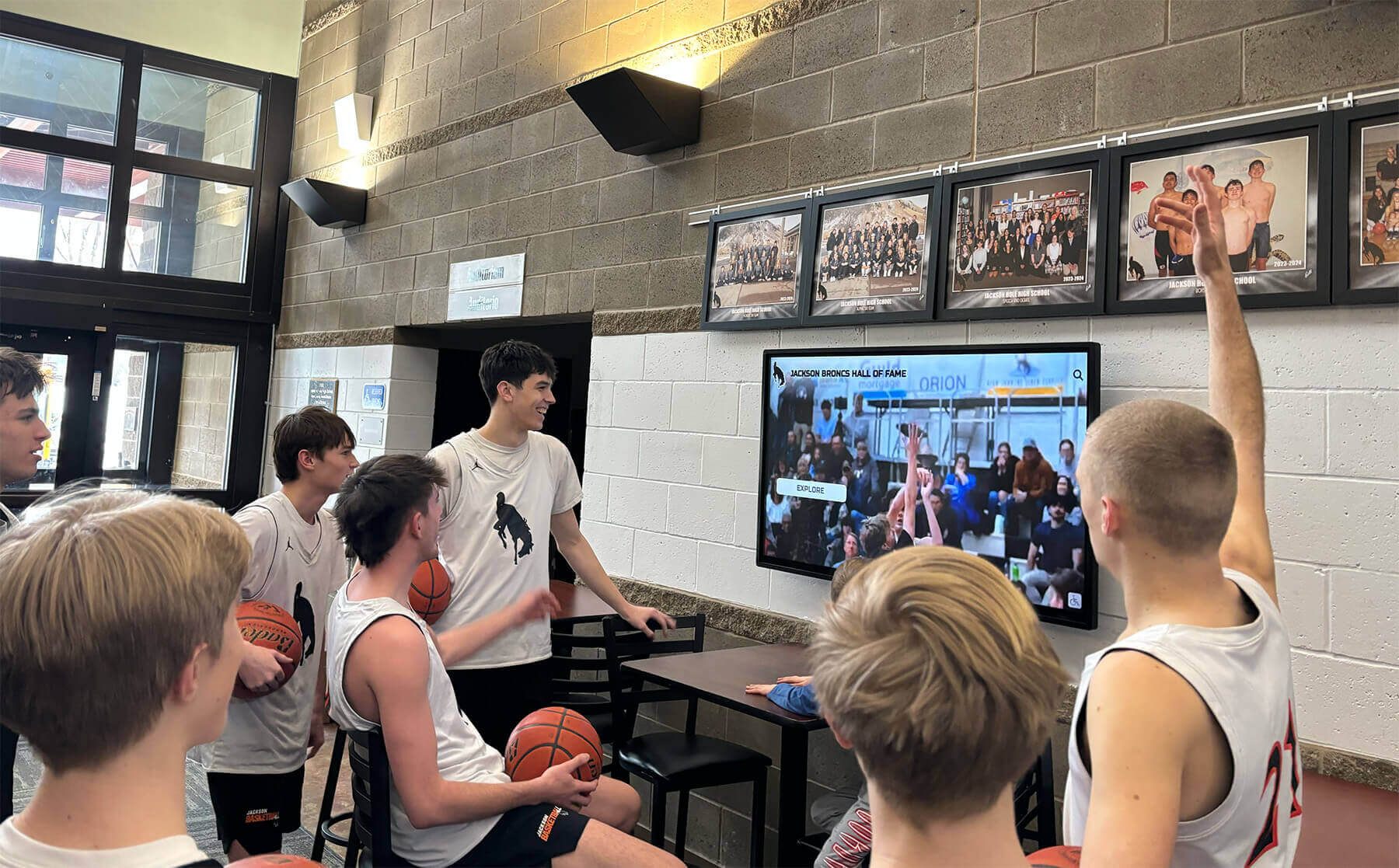
Technology Proficiency: Modern athletic directors leverage technology for scheduling coordination, communication management, eligibility tracking, financial reporting, and program promotion. Familiarity with athletic management software, digital communication platforms, and interactive recognition systems enhances operational efficiency.
Daily Life as an Athletic Director
Understanding athletic director responsibilities theoretically differs from experiencing daily operational reality. Typical days include tremendous variety punctuated by frequent interruptions requiring immediate attention.
Morning Responsibilities (6:30 AM - 12:00 PM)
Many athletic directors arrive early to manage responsibilities before student athletes and coaches require attention:
6:30-7:30 AM: Review overnight emails and messages, check weather forecasts for outdoor practices and events, verify no facility issues arose overnight, and prepare for meetings and appointments.
7:30-8:30 AM: Meet with coaches about immediate concerns—injuries affecting practice plans, eligibility questions, schedule conflicts, equipment needs, or parent communication issues.
8:30-10:00 AM: Administrative work including budget management, compliance reporting, eligibility verification, schedule coordination, vendor communication, and policy development. This focused work time addresses responsibilities requiring sustained concentration before daily interruptions intensify.
10:00-11:30 AM: Meetings with school administrators about athletic department needs, facility coordination with maintenance staff, conferences with parents addressing concerns, or vendor meetings about equipment purchases or facility services.
11:30 AM-12:00 PM: Field and facility inspections, ensuring playing surfaces and facilities are safe and prepared for afternoon practices and evening competitions.
Afternoon and Evening Responsibilities (12:00 PM - 9:00 PM)
Afternoons and evenings focus on supervision, event management, and community engagement:
12:00-2:00 PM: Additional administrative work, responding to coach and parent communications, addressing issues that arose during morning activities, coordination with athletic trainers and support staff, and preparation for evening events.
2:00-5:00 PM: Observing practices to supervise coaching methods and evaluate coaching performance, meeting with prospective coaches during hiring processes, conducting facility walk-throughs with contractors during renovation projects, or coordinating with officials and event staff for evening competitions.
5:00-7:00 PM: Managing home athletic events including overseeing ticket sales and gate operations, coordinating event staff, ensuring medical personnel are present, addressing spectator concerns, and handling any emergencies or issues that arise during competition.
7:00-9:00 PM: Attending community functions like booster club meetings, school board sessions, conference calls with other athletic directors, or recognition events celebrating athletic achievements. Many athletic directors implement modern recognition systems to streamline celebration of accomplishments.
This schedule excludes emergency responses that occur outside normal hours—facility damage requiring immediate attention, coaching emergencies, serious athlete injuries, or crisis situations demanding administrative presence regardless of time.

Seasonal Variations
Daily responsibilities shift with athletic seasons:
Fall: Football season dominates with Friday night events requiring extensive preparation and management. Fall sports include football, soccer, volleyball, cross country, and field hockey depending on region and school size.
Winter: Basketball season brings frequent home events, often multiple per week across boys’ and girls’ teams and various competitive levels. Additional winter sports may include wrestling, swimming, gymnastics, and ice hockey.
Spring: Baseball, softball, track and field, tennis, lacrosse, and golf create complex scheduling demands with outdoor sports vulnerable to weather disruptions requiring constant schedule adjustments.
Summer: While student athletes are not competing, athletic directors use summer for facility maintenance and renovations, equipment inventory and ordering, coaching evaluations, budget planning for the upcoming year, professional development, and strategic planning initiatives.
Athletic Director Salary and Compensation
Athletic director compensation varies significantly based on institution size, geographic location, competitive level, and experience.
High School Athletic Directors
Small High Schools (enrollment under 500): $50,000-$80,000 annually, often representing supplemental pay added to a teaching salary. These positions typically include teaching responsibilities in addition to athletic director duties.
Medium High Schools (enrollment 500-1,500): $70,000-$110,000 annually. Some positions remain combined teaching and administrative roles while others become full-time administrative positions.
Large High Schools (enrollment over 1,500): $90,000-$150,000+ annually for full-time athletic director positions. The largest programs in high-cost areas may exceed $150,000, particularly for candidates with extensive experience and proven success.
Additional Compensation: Many high school athletic directors receive supplemental pay for extended hours, summer work, and additional responsibilities. Health benefits, retirement contributions, and paid leave follow standard teacher or administrator schedules.
College Athletic Directors
College athletic director salaries vary even more dramatically:
Division III and NAIA (Small Colleges): $60,000-$120,000 annually. Many small college athletic directors also teach or coach, with total compensation reflecting combined responsibilities.
Division II and Division III (Larger Programs): $90,000-$180,000 annually for full-time athletic director positions managing comprehensive athletic programs.
Division I Mid-Major Programs: $150,000-$350,000 annually. Programs competing at higher levels but outside “Power Five” conferences typically offer compensation in this range.
Division I Major Programs: $300,000-$1,000,000+ annually. The most prominent Division I athletic directors at major universities earn compensation comparable to corporate executives, often including performance bonuses, speaking fees, media appearances, and other supplemental income.
Geographic and Cost-of-Living Factors
Location significantly impacts athletic director compensation. Positions in high cost-of-living areas—major metropolitan regions, West Coast, Northeast—typically offer higher salaries to offset housing and living expenses. Rural and lower cost areas offer lower absolute compensation but may provide equivalent or superior purchasing power.
Competitive labor markets also influence compensation. Regions with many candidates competing for limited positions tend to offer lower compensation than areas struggling to attract qualified candidates.
Career Advancement Opportunities
Athletic directors can advance through multiple pathways depending on career goals and opportunities.
Moving to Larger Institutions
The most common advancement involves moving from smaller to larger institutions:
High School Progression: Athletic directors at small high schools advance to medium or large high schools with more programs, larger budgets, additional staff to supervise, and higher compensation.
Transition to College Athletics: Successful high school athletic directors may transition to small college positions, particularly at Division II, Division III, or NAIA institutions. This typically requires additional graduate education in sport administration and willingness to relocate.
College Advancement: College athletic directors progress from smaller institutions to larger programs with greater resources, visibility, and compensation. This progression often requires geographic mobility and demonstrated success building programs, managing increasingly complex budgets, and leading larger staffs.
Expanding Responsibilities at Current Institution
Some athletic directors advance by assuming broader responsibilities:
Activities Director: Overseeing all co-curricular programs including athletics, fine arts, clubs, and student activities. This broader scope increases influence on overall student experience.
Associate Principal or Assistant Principal: Using administrative credentials and experience to transition into general school administration while potentially maintaining athletic department oversight.
District-Level Administration: Some athletic directors advance to district athletic coordinator positions overseeing athletic programs across multiple schools, particularly in larger school districts.
Specialized Career Paths
Athletic administration experience opens pathways to related careers:
Conference Administration: Managing athletic conferences that coordinate schedules, establish policies, oversee championships, and provide services to member institutions.
State Association Leadership: Working for state athletic associations that establish rules, coordinate state championships, and provide services and professional development to member schools.
NCAA or National Governing Body Positions: Opportunities in national organizations that establish policies, oversee compliance, and coordinate championships at the collegiate level.
Athletic Administration Consulting: Experienced athletic directors may consult with institutions on program development, facility planning, compliance reviews, or organizational restructuring.
Challenges Athletic Directors Face
While athletic director positions offer tremendous professional satisfaction, significant challenges accompany the role.
Budget Constraints and Resource Allocation
Few athletic directors feel they have adequate resources to fully support all programs. Deciding which programs receive limited funds creates difficult choices:
- Balancing competitive aspirations with fiscal reality
- Maintaining Title IX compliance while addressing budget limitations
- Explaining to coaches why their program cannot receive requested resources
- Managing expectations when neighboring schools have significantly greater resources
- Finding creative solutions to accomplish objectives without adequate funding
Stakeholder Management and Conflicting Expectations
Athletic directors serve multiple stakeholders with competing priorities:
Coaches want maximum resources for their specific programs, hiring of additional assistants, facility improvements, and equipment upgrades.
Parents expect their children to receive playing time, positive attention, quality coaching, and recognition for achievements.
Administrators prioritize academic schedules, budget discipline, risk reduction, and alignment with institutional mission.
Community members have varying expectations—some emphasize winning and championship pursuit while others prioritize broad participation and character development.
Athletes desire positive experiences, quality facilities, fair treatment, and support for their development.
Satisfying all stakeholders simultaneously proves impossible. Every decision disappoints someone, requiring diplomatic skill and thick skin to navigate competing demands.

Legal and Compliance Complexity
Athletic directors navigate increasingly complex legal and regulatory environments:
Title IX Compliance: Ensuring equitable treatment of male and female athletes across participation opportunities, scheduling, facilities, equipment, coaching, and support services. Compliance extends beyond minimum legal requirements to creating genuinely equitable experiences.
Concussion Management: Implementing return-to-play protocols that protect athlete safety while navigating parent pressure to clear athletes quickly and coaching concerns about losing players to extended recovery periods.
Background Screening: Ensuring all coaches and volunteers complete required screening while managing sensitive situations when concerns arise about individuals’ backgrounds.
Negligence and Liability: Protecting against legal liability for injuries, facility conditions, supervision failures, or other situations creating potential institutional responsibility.
Many athletic directors consult regularly with school attorneys, read professional publications covering legal developments, and attend training sessions to maintain current knowledge as regulations and legal interpretations evolve.
Work-Life Balance Challenges
Athletic director responsibilities extend far beyond typical work hours:
- Evening and weekend competitions requiring attendance and supervision
- 24/7 availability for emergencies, facility issues, coaching crises, or serious athlete injuries
- Summer work during family vacation periods
- Constant accessibility via email and phone
- Community obligations during personal time
Many athletic directors love athletics and genuinely enjoy attending competitions, but the relentless schedule strains family relationships, personal health, and overall well-being. Successful athletic directors establish boundaries where possible while accepting that some evening and weekend work is inherent to the role.
Making Difficult Personnel Decisions
Among the most challenging responsibilities athletic directors face are personnel decisions about coaches who are often also colleagues, community members, and friends:
- Deciding not to renew a contract for a struggling coach who has deep community connections
- Addressing performance issues with coaches who may have more experience or seniority
- Investigating misconduct allegations against respected coaches
- Balancing loyalty to current staff with recognition that program changes may be necessary
These decisions carry significant personal and professional costs, yet program quality depends on maintaining coaching staff excellence regardless of personal discomfort.
Rewards and Professional Satisfaction
Despite significant challenges, athletic directors consistently report high professional satisfaction from unique rewards inherent to the role.
Impact on Student Development
Athletic directors shape experiences for hundreds of student-athletes annually. They create environments where young people:
- Discover capabilities they didn’t know they possessed
- Develop resilience through adversity and disappointment
- Learn teamwork, discipline, and commitment to excellence
- Build confidence through achievement and recognition
- Create lifelong friendships and memories
- Develop leadership skills they’ll use throughout their lives
Watching students grow through athletic participation—and knowing you created systems and hired coaches that facilitated that growth—provides deep professional meaning.

Building and Leading Programs
Athletic directors serve as architects of athletic programs that represent their institutions and strengthen communities:
- Taking struggling programs and building them into competitive, respected operations
- Creating cultures of excellence where winning happens within the context of educational values
- Implementing recognition systems that celebrate diverse achievements beyond just winning
- Watching programs you’ve built continue thriving beyond your tenure
This tangible legacy—seeing programs you’ve shaped continue benefiting students years after you’ve moved on—creates lasting professional satisfaction.
Community Leadership and Visibility
Athletic directors occupy prominent community positions:
- Serving as spokespersons for programs that unite communities
- Building relationships across diverse community segments
- Leading initiatives that generate community pride and connection
- Receiving recognition and appreciation for program successes
For those who enjoy community engagement and public visibility, athletic director positions offer significant opportunities for meaningful community leadership.
Variety and Intellectual Challenge
Athletic directors never experience boring, repetitive work. Every day brings new challenges requiring creative problem-solving:
- Strategic planning requiring analysis of multiple variables and long-term thinking
- Financial management demanding disciplined resource allocation
- Personnel leadership involving motivation, development, and accountability
- Crisis management testing decision-making under pressure
- Facility coordination requiring practical problem-solving
For those who thrive on variety and intellectual challenge, athletic director positions provide constant stimulation and learning opportunities.
Steps to Becoming an Athletic Director
For those committed to pursuing athletic director careers, a strategic pathway increases success probability.
Step 1: Build Athletic Foundation (High School and College)
Athletic directors typically have personal athletic experience that provides credibility and understanding:
- Participate in high school and/or college athletics
- If not an athlete, become involved as team manager, student assistant, or statistician
- Develop sport knowledge and appreciation for athletic culture
- Build relationships with coaches who can provide mentorship and guidance
Step 2: Pursue Appropriate Education
Undergraduate Preparation:
- Major in physical education, sport management, kinesiology, or related field
- Maintain strong GPA for graduate school admission
- Complete coaching endorsement or certification programs
- Gain coaching experience through volunteer or part-time positions
Graduate Education:
- Pursue master’s degree in educational leadership, sport administration, or related field
- Select programs offering practicum experiences in athletic departments
- Complete coursework in school law, finance, personnel management, and leadership
- Build relationships with faculty who can provide career guidance and professional connections
Step 3: Gain Teaching and Coaching Experience
Most athletic directors begin as teachers who coach:
- Secure teaching position in subject you’re qualified to teach
- Accept coaching positions, starting as assistant coach if necessary
- Build successful coaching record demonstrating ability to develop athletes and build programs
- Take on additional responsibilities like equipment management, scheduling assistance, or facility coordination
- Develop relationships with athletic directors who can provide mentorship
Step 4: Pursue Administrative Opportunities
After establishing coaching credentials:
- Apply for assistant athletic director positions at your current school or other institutions
- Volunteer for administrative projects like recognition program implementation or facility renovation planning
- Complete state athletic administrator certification programs
- Attend professional conferences and workshops
- Network with athletic directors at conference meetings and professional events
Step 5: Develop Broader Leadership Competencies
Strengthen skills beyond sport expertise:
- Complete financial management training
- Develop written and oral communication skills
- Learn about legal compliance requirements
- Build technology proficiency
- Strengthen understanding of organizational leadership
Step 6: Apply Strategically for Athletic Director Positions
When ready to pursue athletic director positions:
- Target positions matching your experience level and qualifications
- Prepare comprehensive application materials highlighting relevant accomplishments
- Practice interviewing skills, particularly around budget questions, scenario responses, and philosophy statements
- Seek feedback from mentors who can review applications and provide interview preparation
- Be prepared for geographic mobility, as opportunities may require relocation

The Future of Athletic Administration
Athletic director roles continue evolving as athletics, education, and society change. Several trends shape the profession’s future:
Increased Emphasis on Student Welfare
Athletic administration increasingly emphasizes holistic student welfare beyond competitive success:
- Mental health awareness and support systems
- Comprehensive health and safety protocols
- Academic support services ensuring athletes succeed in classroom
- Life skills development preparing athletes for post-athletic careers
- Inclusive environments welcoming athletes of diverse backgrounds and identities
Athletic directors who prioritize student development alongside competitive excellence will align with evolving institutional and societal expectations.
Technology Integration
Technology transforms athletic administration through:
- Athletic management software streamlining eligibility, registration, scheduling, and communication
- Data analytics informing decisions about program management and resource allocation
- Social media creating new communication channels and marketing opportunities
- Digital platforms for live streaming competitions to expanded audiences
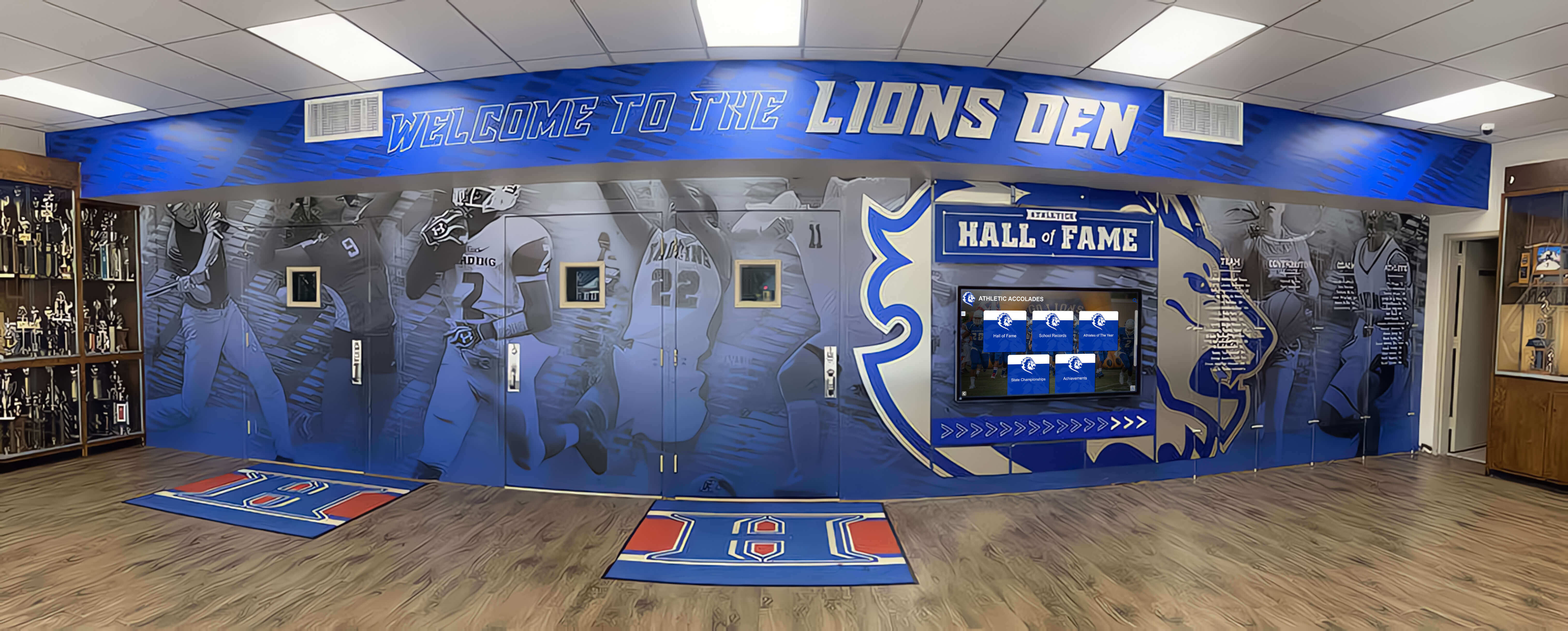
- Interactive recognition systems replacing static trophy cases with dynamic displays celebrating unlimited achievements
Athletic directors who embrace technology while maintaining focus on personal relationships will maximize operational efficiency without losing the human elements that make athletics meaningful.
Evolving Governance and Compliance
Athletic governance continues evolving with changing societal expectations:
- Name, Image, and Likeness (NIL) policies at collegiate level potentially affecting high school athletics
- Transfer portal systems changing athlete mobility at collegiate level
- Pay-to-play concerns as competitive athletics become increasingly expensive
- Gender identity and transgender athlete participation policies
- Social justice and athlete activism creating new dynamics athletic directors must navigate
Staying current with evolving regulations, policies, and best practices remains essential for athletic director success.
Revenue Pressures and Financial Sustainability
Economic pressures continue affecting athletic programs:
- Budget constraints requiring creative resource management
- Increased facility and equipment costs
- Rising coaching compensation expectations
- Safety equipment and medical support expenses
- Need for revenue generation through fundraising, sponsorships, and entrepreneurial initiatives
Athletic directors who develop financial acumen and entrepreneurial capabilities will position their programs for sustainability regardless of institutional budget pressures.
Conclusion: Is Athletic Director the Right Career for You?
Athletic directors occupy unique positions combining education, business management, community leadership, and sports passion. The role demands:
Diverse skill sets spanning financial management, personnel leadership, legal compliance, facility operations, and communication
Tremendous commitment including evening and weekend responsibilities, constant accessibility, and year-round obligations
Emotional resilience to handle criticism, make unpopular decisions, and navigate conflicts among stakeholders with competing expectations
Genuine care for students and commitment to using athletics as a vehicle for education and development rather than purely competitive outcomes
For those who embrace this complexity, athletic director positions offer extraordinary professional satisfaction. Few careers provide comparable opportunities to influence hundreds of young people’s development, build programs that strengthen communities, support dedicated coaches pursuing excellence, and create systems celebrating achievement while promoting growth beyond athletics.
If you’re passionate about athletics, energized by diverse challenges, committed to student development, and willing to dedicate yourself to demanding but meaningful work, athletic director careers deserve serious consideration. The pathway requires substantial education, experience building, and professional development, but for those who pursue it with dedication and strategic planning, athletic administration offers deeply rewarding professional opportunities.
Elevate Your Athletic Recognition Programs
Athletic directors need solutions that simplify rather than complicate their demanding responsibilities. Discover how digital recognition systems can help you celebrate achievements, engage your community, and maintain program history without adding administrative burden.
Explore Recognition Solutions for Your Athletic ProgramFrequently Asked Questions
What qualifications do you need to become an athletic director?
Most athletic director positions require a master’s degree in educational leadership, sport administration, or related field, combined with state administrative certification where applicable. Candidates typically need 5-10 years of teaching and coaching experience, with many having served in assistant athletic director roles before advancing to head athletic director positions. State-specific athletic administrator certification through professional development programs is often required. Additional certifications like CPR/First Aid, concussion management training, and various safety protocols are standard requirements. At the high school level, many states require the same administrative licensure needed for principals. College positions may have more flexible educational requirements but typically demand extensive experience in collegiate athletics and demonstrated success in progressively responsible roles.
How much do athletic directors make per year?
Athletic director salaries vary significantly based on institution size, competitive level, and geographic location. High school athletic directors typically earn $50,000-$80,000 at small schools (often combined with teaching responsibilities), $70,000-$110,000 at medium-sized schools, and $90,000-$150,000+ at large schools. Small college athletic directors (Division III, NAIA) earn $60,000-$120,000 annually. Division II and larger Division III programs offer $90,000-$180,000. Division I mid-major programs typically pay $150,000-$350,000, while major Division I athletic directors at prominent universities can earn $300,000-$1,000,000+ annually. Geographic cost-of-living significantly impacts compensation, with positions in high-cost areas offering higher salaries. Additional compensation may include performance bonuses, speaking fees, summer camp income, and other supplemental earnings, particularly at the collegiate level.
What does a typical day look like for an athletic director?
Athletic directors experience highly varied days balancing administrative work, supervisory responsibilities, and event management. Typical days start early (6:30-7:00 AM) with email management, facility checks, and meeting preparation. Mornings include coach meetings, administrative work (budget management, compliance reporting, eligibility verification), and meetings with school administrators, parents, or vendors. Afternoons involve facility inspections, practice observations, hiring processes, and event preparation. Evenings often include managing home competitions (overseeing ticket operations, coordinating staff, handling issues), attending community functions like booster club meetings, or participating in recognition events. The schedule varies by athletic season, with fall dominated by football, winter by basketball, and spring by multiple outdoor sports. Emergency situations requiring immediate attention can occur anytime, requiring 24/7 availability. Summer provides time for facility maintenance, budget planning, professional development, and strategic planning when student-athletes aren’t competing.
What are the biggest challenges athletic directors face?
Athletic directors consistently identify several particularly difficult aspects of their roles. Budget constraints force difficult decisions about resource allocation across programs while maintaining Title IX compliance, creating no-win situations where some programs inevitably receive less than desired. Managing stakeholders with competing expectations—coaches wanting more resources, parents advocating for their children, administrators prioritizing academics and fiscal discipline, community members emphasizing different values—requires constant diplomacy. Legal and compliance complexity from Title IX requirements to concussion protocols to background screening creates significant liability concerns and administrative burden. Work-life balance suffers due to evening and weekend events, 24/7 availability for emergencies, and year-round responsibilities. Personnel decisions about coaches who are also community members create personal stress. Perhaps most challenging is accepting that nearly every decision disappoints someone—someone always wanted the other candidate hired, disagrees with the budget allocation, or believes a disciplinary decision was inappropriate. Success requires developing emotional resilience while maintaining genuine care for all stakeholders.
Can you become an athletic director without coaching experience?
While theoretically possible, becoming an athletic director without coaching experience is exceptionally rare and significantly more difficult. Coaching experience provides essential credibility with coaching staffs, practical understanding of sport-specific challenges, knowledge of what coaches and athletes need for success, and demonstrated ability to manage budgets, schedules, equipment, and parent relationships at the team level. Most athletic directors coached for 5-15 years before transitioning to administration. Alternative pathways exist—some individuals advance through athletic training, facilities management, or business operations roles in athletics—but these remain uncommon. If pursuing athletic director positions without traditional coaching experience, candidates should compensate by gaining extensive administrative experience in athletic settings, completing relevant graduate education, developing strong relationships with coaching professionals who can provide credibility and mentorship, and targeting positions where non-traditional backgrounds might be valued. Small college divisions or specialized athletic director roles focusing on compliance, operations, or facilities might offer entry points for those with relevant skills but limited coaching backgrounds.
What is the difference between an athletic director and an athletic administrator?
The terms are sometimes used interchangeably, but generally “athletic director” refers to the chief administrator who oversees all athletic operations and reports directly to school or institutional leadership (principal, superintendent, university president). “Athletic administrator” is a broader term encompassing anyone working in athletic administration, including assistant athletic directors, associate athletic directors, compliance coordinators, business managers, facilities directors, and other administrative roles within athletic departments. At larger institutions, particularly Division I universities, multiple athletic administrators work under the athletic director’s leadership, each managing specialized areas like compliance, facilities, events, equipment, sports medicine, academic support, marketing, or fundraising. The athletic director establishes overall strategic direction and maintains ultimate responsibility while athletic administrators handle specific operational functions. At small schools, a single athletic director may perform all administrative functions without additional athletic administrators, while large programs might employ dozens of administrators specializing in different aspects of athletic operations.
How do athletic directors balance competitive success with educational priorities?
Successful athletic directors view competitive excellence and educational priorities as complementary rather than competing goals. They establish cultures emphasizing that athletics serve educational missions—teaching life lessons about discipline, teamwork, resilience, leadership, and character that extend far beyond sport. This philosophy shapes hiring decisions (selecting coaches who prioritize development alongside winning), policy implementation (academic eligibility standards, practice time limits, missed class policies), and recognition systems (celebrating academic achievement, sportsmanship, and improvement alongside championships). Athletic directors work with coaches to establish realistic competitive expectations based on available resources, talent, and competitive landscape rather than pursuing winning at any cost. They intervene when competitive pressures compromise educational values—coaches cutting corners on academics, athletes specializing too early, parents creating unhealthy pressure, or community expectations becoming unrealistic. Creating comprehensive recognition programs that honor diverse achievements beyond just competitive success reinforces that athletic programs value multiple forms of excellence, creating environments where winning matters but never eclipses the broader developmental mission athletics should serve.
Additional Resources for Aspiring Athletic Directors
For those pursuing athletic director careers or seeking to strengthen their administrative capabilities, these resources provide valuable guidance:
- Professional organizations like the National Interscholastic Athletic Administrators Association (NIAAA) and National Association of Collegiate Directors of Athletics (NACDA) offer certification programs, conferences, and networking opportunities
- State athletic director associations provide regional professional development, advocacy, and peer connections
- Graduate programs in sport administration and educational leadership provide foundational knowledge and credentials
- Athletic recognition and celebration programs that help athletic directors efficiently manage ongoing responsibility to acknowledge achievements
- Mentorship relationships with experienced athletic directors who can provide guidance specific to your career stage and context
Athletic administration offers deeply rewarding career opportunities for those committed to combining athletics passion with educational mission, willing to develop diverse skill sets, and ready to embrace the challenges inherent in this complex, demanding, yet profoundly meaningful profession.































