When athletes, coaches, and sports fans discuss elite performance, few honors carry more prestige than All-American recognition. This designation represents selection to the best team or roster of athletes across an entire nation for a particular sport. But the path to earning All-American status, the selection criteria, and the organizations that confer these honors vary significantly across athletic levels and sports.
Understanding what All-American recognition actually means—and how it differs from similar honors like All-State or All-Conference—helps athletes set realistic goals, assists coaches in recruiting, and enables athletic programs to properly celebrate this exceptional achievement.
Defining All-American Athletic Recognition
All-American status represents selection to a national team recognizing the top performers in a particular sport during a specific season or competitive period. Unlike All-State honors that recognize excellence within a single state, or All-Conference awards limited to a competitive conference, All-American recognition spans the entire country.
The designation carries weight precisely because it represents such selective recognition. With thousands of high schools and hundreds of colleges competing nationally, earning All-American status places an athlete among the absolute elite performers in their sport.
Historical Origins of All-American Recognition
The All-American concept originated in college football during the late 1800s. Caspar Whitney, a sportswriter for The Week’s Sport magazine, created the first All-America football team in 1889, selecting what he considered the best players across all college football programs. Walter Camp, known as the “Father of American Football,” popularized these selections through annual teams published in major newspapers.
The concept proved so compelling that it expanded to other sports and eventually to high school athletics. Today, All-American teams exist for virtually every competitive sport at both high school and college levels, though the organizations making selections and the prestige associated with different All-American designations vary considerably.

How All-American Selection Works
All-American selection processes differ dramatically across sports, competitive levels, and the organizations making selections. Understanding these variations helps contextualize the achievement.
College All-American Selection
At the collegiate level, multiple organizations publish All-American teams for most sports. These organizations typically include sports media outlets, coaching associations, and sport-specific governing bodies. The process generally involves:
Nomination phase: Coaches, sports information directors, or conference officials nominate outstanding performers based on statistical achievements, team success, and competitive impact.
Voting or selection committees: Panels of coaches, journalists, or selection committee members evaluate nominees. Some organizations use democratic voting; others rely on selection committees with defined evaluation criteria.
Team structures: Most sports recognize multiple All-American teams (First Team, Second Team, Third Team) and often Honorable Mention selections. First Team All-American represents the highest distinction.
The NCAA recognizes certain organizations’ All-American selections as “consensus” All-Americans. Athletes named to multiple prominent All-American teams earn consensus recognition, which carries additional prestige because it indicates agreement across different selection bodies.
High School All-American Selection
High school All-American recognition is less standardized than collegiate selections. Various national organizations and media outlets publish All-American teams for high school athletes:
National Federation of State High School Associations (NFHS): Recognizes outstanding high school athletes across multiple sports through state association nominations.
USA Today Sports: Publishes All-USA teams in major sports, selecting top high school performers nationally.
MaxPreps: Creates All-American teams based on performance data and nominations.
Sport-specific organizations: Many sports have specialized organizations that select high school All-Americans (USA Basketball, USA Baseball, etc.).
Regional and national showcase events: Some All-American honors come through selection to prestigious all-star games or showcase tournaments (Under Armour All-America Game, McDonald’s All-American Game, etc.).
High school All-American selections typically require exceptional statistical performance, state-level recognition, national competitive exposure, team success at high levels, and verification through established selection processes.
All-American Recognition Across Different Sports
Selection criteria and processes vary significantly across different sports based on their competitive structures and measurable performance indicators.
Team Sports All-American Selection
Football: Multiple organizations select college football All-Americans, including the Associated Press, American Football Coaches Association, Football Writers Association of America, and Sporting News. High school football All-Americans are selected by organizations including USA Today, MaxPreps, and the Army All-American Bowl selection committee. Football All-American selection emphasizes both statistical performance and position-specific excellence, with separate recognition for offensive, defensive, and special teams positions.
Basketball: College basketball All-Americans are selected by the Associated Press, NABC (National Association of Basketball Coaches), Sporting News, and USBWA (U.S. Basketball Writers Association). High school basketball features prestigious All-American games including the McDonald’s All-American Game and Jordan Brand Classic. Basketball selection heavily weighs scoring statistics, efficiency metrics, and performance against top competition.
Baseball/Softball: Collegiate All-Americans are selected by organizations including the American Baseball Coaches Association, Collegiate Baseball, and Baseball America. Similar processes exist for softball through organizations like the National Fastpitch Coaches Association. Selection criteria include batting statistics, pitching performance metrics, defensive excellence, and impact on team success.
Soccer: The United Soccer Coaches (formerly NSCAA) selects All-Americans in college soccer, with separate recognition for men’s and women’s programs. High school soccer All-Americans are recognized through various state and regional selection processes, plus national showcase events. Soccer selection emphasizes goals, assists, defensive statistics, and contributions to team championships.
Volleyball: The American Volleyball Coaches Association (AVCA) selects collegiate All-Americans with comprehensive criteria covering kills, blocks, digs, assists, and overall impact. High school volleyball All-Americans emerge through similar statistical evaluation combined with postseason performance.
Individual Sports All-American Selection
Track and Field/Cross Country: All-American status in running sports typically requires finishing among the top performers at national championship meets. The NCAA automatically grants All-American recognition to top finishers at national championships—generally top 8 in individual events and top 4 in relays. High school track and field All-Americans are selected through national meet performance and seasonal rankings.
Swimming and Diving: Similar to track and field, swimming All-American recognition often depends on championship meet performance. The NISCA (National Interscholastic Swimming Coaches Association) recognizes high school All-Americans based on qualifying time standards. Collegiate swimming All-Americans are determined by NCAA championship meet finishes.
Wrestling: Wrestling All-Americans are typically determined by placing among the top finishers at national championship tournaments. NCAA Division I wrestling grants All-American status to wrestlers placing in the top eight at the national championships. High school wrestling All-Americans may be selected through national tournament performance or selection committees.
Golf and Tennis: Individual sports like golf and tennis recognize All-Americans through season-long performance rankings, tournament victories, and selection committee evaluation. Collegiate All-Americans in these sports are selected by coaching associations using comprehensive performance data.
Academic All-American Recognition
Beyond purely athletic performance, Academic All-American recognition honors student-athletes who combine athletic excellence with outstanding academic achievement. These programs emphasize the student-athlete ideal and recognize well-rounded individuals.
CoSIDA Academic All-America Program
The College Sports Communicators (formerly CoSIDA) administers the most prestigious Academic All-America program. Their selection process requires:
Academic standards: Minimum 3.30 cumulative GPA (on a 4.0 scale)
Athletic achievement: Starting position or key reserve role on team
Nomination: Official nomination from the institution’s sports information director
Selection: Evaluation by voting panel considering both academic and athletic credentials
Academic All-Americans are recognized in three teams (First Team, Second Team, Third Team) across all collegiate sports and divisions. First Team Academic All-American represents the pinnacle of combined academic and athletic achievement.
Benefits of Academic All-American Status
Academic All-American recognition provides tangible benefits beyond prestige. These include scholarship opportunities from organizations supporting scholar-athletes, graduate school application advantages demonstrating commitment to academics alongside athletics, career advantages showing dedication and time management to potential employers, and recognition that extends beyond playing careers since academic achievement remains relevant throughout life.
Many schools prominently feature Academic All-Americans alongside athletic All-Americans in their recognition displays, reinforcing the importance of academic excellence within athletic programs.
Differences Between All-American, All-State, and All-Conference
Understanding the hierarchy of athletic recognition helps contextualize All-American achievement.
All-Conference Recognition
All-Conference teams recognize top performers within a specific athletic conference. These are typically the most common forms of recognition since they require excellence only within a defined group of competing schools. All-Conference selection indicates strong performance but within a limited competitive pool.
All-State Recognition
All-State teams recognize the top performers across an entire state. This represents more selective recognition than All-Conference since it encompasses all competitive levels and conferences within state boundaries. All-State athlete recognition carries significant prestige and often influences college recruiting.
All-Region Recognition
Some organizations recognize All-Region teams covering multi-state areas. This recognition falls between All-State and All-American in selectivity, acknowledging top performers across larger geographic areas without requiring national-level achievement.
All-American Recognition
All-American status represents the highest level of recognition, selecting top performers from across the entire country. The selectivity and prestige exceed all other recognition levels. Earning All-American honors places an athlete among the absolute elite national performers in their sport.
The progression from All-Conference to All-State to All-Region to All-American represents increasing levels of achievement and selectivity. Many athletes peak at All-Conference or All-State level—achieving All-American status requires truly exceptional performance.

Why All-American Recognition Matters
All-American status delivers tangible and intangible benefits that extend throughout an athlete’s career and beyond.
College Recruitment and Scholarship Implications
For high school athletes, All-American recognition significantly impacts college recruitment. College coaches actively monitor All-American selections when identifying scholarship candidates. All-American status provides verified third-party validation of athletic ability, signals competitive experience against top opponents, demonstrates consistent high-level performance, and indicates potential to contribute immediately at the collegiate level.
High school All-Americans receive substantially more recruiting attention than athletes without such recognition. While All-American status doesn’t guarantee scholarship offers, it opens doors and creates opportunities that might otherwise remain unavailable.
Professional Sports Consideration
Collegiate All-Americans gain advantages in professional sports recruitment and draft processes. Professional scouts use All-American recognition as a baseline indicator of elite college performance. Multiple years of All-American recognition demonstrate sustained excellence rather than single-season flukes.
Many professional athletes cite All-American recognition as career milestones that validated their abilities and created pathways to professional opportunities. While not every All-American reaches professional sports, the recognition indicates the level of performance necessary for such aspirations.
Long-Term Career and Networking Benefits
All-American status creates lifetime benefits beyond athletic careers. The designation appears on resumes and professional biographies, demonstrating achievement, dedication, and the ability to perform at elite levels. Employers value these qualities even in non-athletic careers.
All-American recognition also creates networking opportunities. Fellow All-Americans often form connections through recognition events, all-star games, and shared identity as elite performers. These networks can provide professional opportunities, mentorship, and career advantages throughout life.
Personal Achievement and Identity
Beyond tangible benefits, All-American recognition provides deep personal satisfaction. It represents validation of years of training, sacrifice, and dedication. For many athletes, earning All-American status represents the achievement of a lifelong goal and creates lasting pride in their athletic accomplishments.
Athletes consistently report that All-American recognition ranks among their proudest achievements. The distinction becomes part of personal identity and provides confidence that extends into other life pursuits.

Path to Becoming an All-American Athlete
While natural talent plays a role, the path to All-American recognition requires systematic development and dedicated effort.
Foundational Skill Development
All-American-level performance begins with comprehensive skill development. Athletes must master fundamental techniques specific to their sport, develop sport-specific physical attributes (speed, strength, agility, endurance), understand strategic and tactical aspects of competition, build mental toughness and competitive mindset, and learn to perform consistently under pressure.
This foundational development typically begins in youth sports and continues through high school. Athletes pursuing All-American goals need structured training programs, quality coaching, and competitive opportunities that develop these skills systematically.
Competitive Exposure and Performance
Earning All-American recognition requires performing at elite levels when it matters most. This means excelling in championship competitions and high-stakes games, performing consistently throughout entire seasons, competing successfully against the strongest opponents, and demonstrating excellence in ways that selectors notice and measure.
Athletes serious about All-American recognition must seek competitive situations that provide visibility and opportunity to demonstrate abilities. This often means participating in national tournaments, showcase events, and competitions where performance gets evaluated against national standards.
Statistical Excellence and Measurable Impact
Most All-American selections heavily weigh statistical performance. Athletes need to produce measurable results that rank among national leaders. This requires understanding which statistics matter most for selection in your sport, tracking performance metrics throughout seasons, consistently producing statistics that exceed average levels, and performing well in advanced analytics and efficiency metrics.
Coaches and athletes should monitor statistical performance relative to All-American benchmarks throughout seasons. Understanding where an athlete ranks helps set realistic goals and identifies areas needing improvement.
Team Success and Championships
While individual statistics matter, All-American selection often considers team success. Athletes on championship teams receive additional recognition for contributing to collective excellence. Leading teams deep into playoff competitions, winning conference or state championships, demonstrating leadership in team success, and performing best in the most important games all enhance All-American credentials.
This team success component means All-American recognition often requires being in the right program with strong teammates and coaching. Individual excellence within successful teams receives greater recognition than similar performance on struggling teams.

Recognizing and Celebrating All-American Athletes
Schools and athletic programs should prominently recognize All-American achievements. This recognition honors the athlete, motivates younger athletes, and demonstrates program quality.
Permanent Recognition Displays
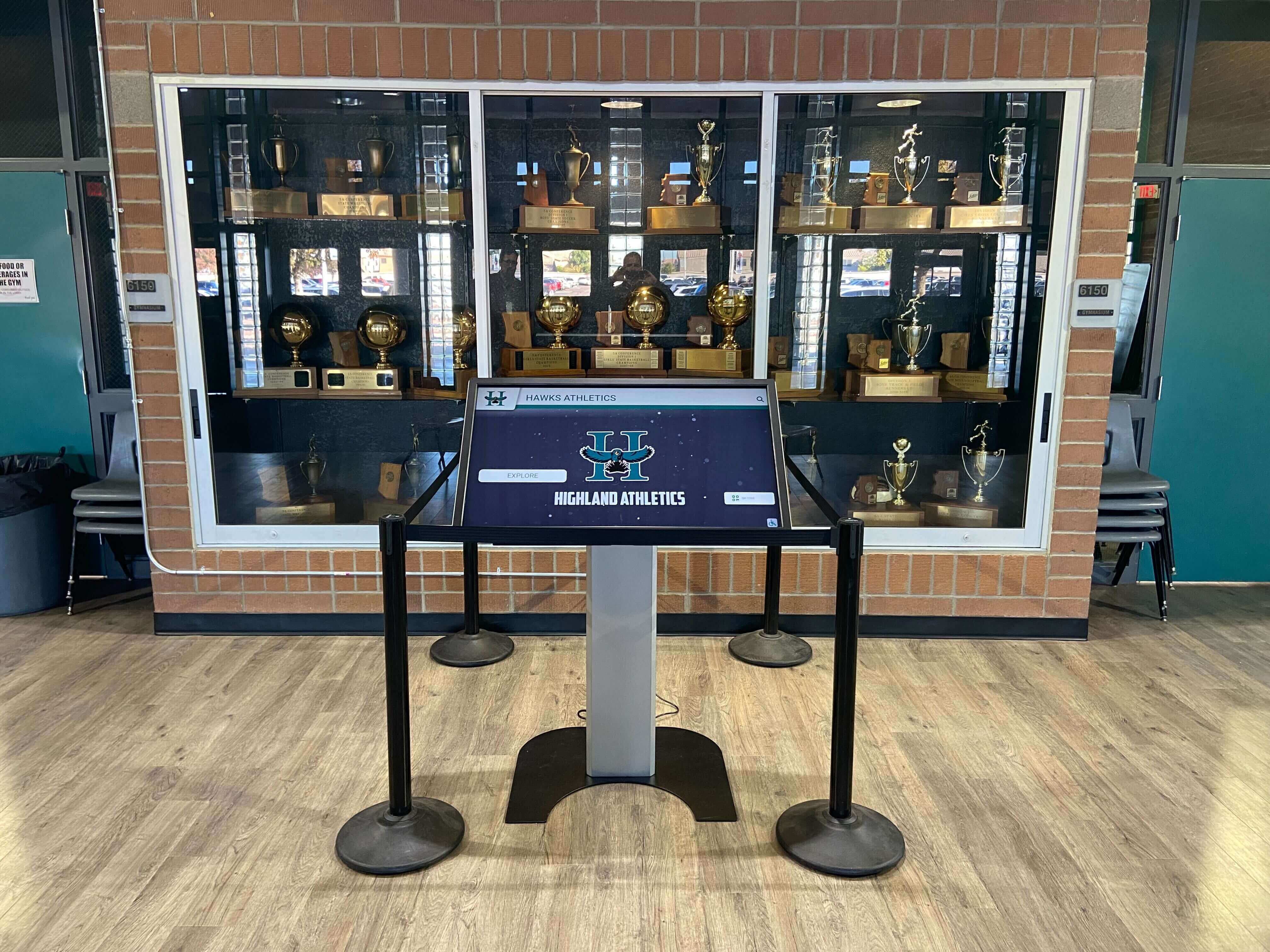
All-American achievements deserve permanent recognition within athletic facilities. Traditional approaches include engraved plaques in trophy cases, painted names on gymnasium walls, banners hanging in competition venues, and dedicated All-American recognition boards.
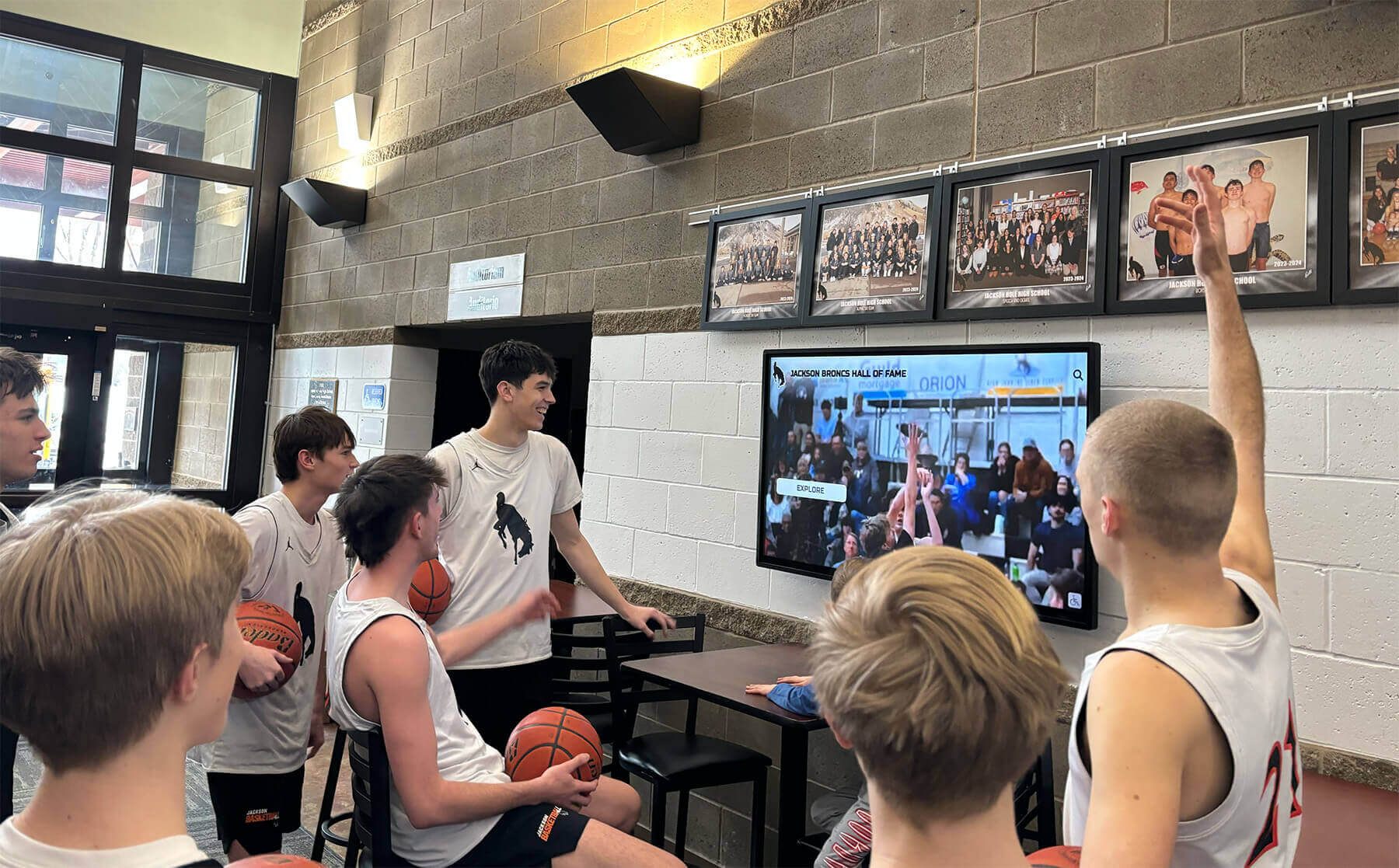
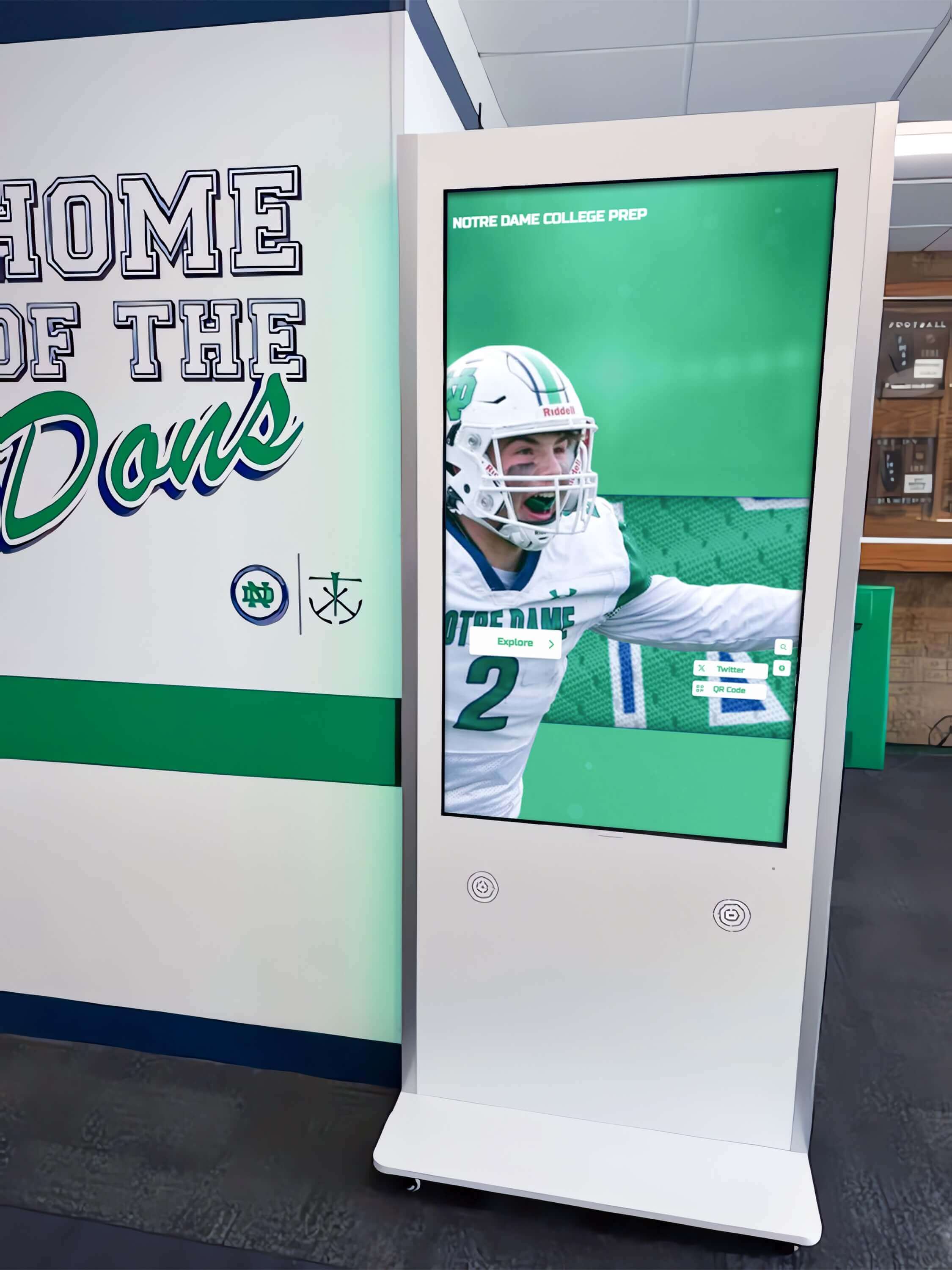
Modern schools increasingly implement digital recognition displays that provide unlimited capacity for recognizing All-American athletes across multiple sports and years. These systems can include photos, statistics, achievement details, and biographical information that physical plaques cannot accommodate.
Public Celebration and Announcement
When athletes earn All-American recognition, schools should celebrate publicly through assembly announcements, social media recognition, press releases to local media, features on school websites and newsletters, and recognition at athletic events.
This public celebration amplifies the achievement’s impact and communicates the significance of All-American status to the broader school community.
Integration into Athletic Program Culture
All-American recognition should become part of athletic program culture and tradition. Display All-American honorees prominently in training facilities where current athletes see them daily, incorporate All-American history into team meetings and motivational talks, invite All-American alumni back to speak with current athletes, track and publicize All-American achievements as program success metrics, and establish All-American achievement as an explicit program goal.
When All-American recognition becomes embedded in program culture, it motivates current athletes while building long-term traditions that strengthen program identity.
Solutions like Rocket Alumni Solutions help schools create comprehensive recognition systems that showcase All-American athletes alongside other achievements, creating hall of fame displays that inspire future generations while honoring past excellence.

Common Misconceptions About All-American Status
Several misconceptions about All-American recognition create confusion among athletes, families, and fans.
Misconception: All All-American Selections Are Equal
Not all All-American teams carry equivalent prestige. Some organizations have rigorous selection processes with respected committees, while others may use less selective criteria. “Consensus All-American” status—earning recognition from multiple prominent organizations—carries significantly more weight than single-organization selection.
Athletes and families should understand which All-American selections are most prestigious in their sport. Research the selection organization, understand their criteria and process, and recognize that not all All-American designations provide equal recognition or recruiting value.
Misconception: All-American Status Guarantees Professional Opportunities
While All-American recognition indicates elite collegiate performance, it doesn’t guarantee professional sports careers. Many All-Americans don’t reach professional levels due to the extreme selectivity of professional sports. Conversely, some professional athletes never earned All-American recognition during college careers.
All-American status increases chances of professional opportunities but represents neither a guarantee nor a requirement. Athletes should pursue All-American recognition for its intrinsic value while maintaining realistic expectations about professional sports prospects.
Misconception: Only Offensive Stars Earn All-American Recognition
All-American teams recognize excellence across all positions and roles. Defensive specialists, goalkeepers, offensive linemen, and athletes in non-scoring positions regularly earn All-American honors. Selection committees evaluate position-specific contributions rather than focusing exclusively on traditional statistics.
Athletes in any position can pursue All-American recognition by excelling in their specific role and understanding which metrics matter most for their position.
Misconception: All-American Selection Only Considers Athletic Performance
Particularly for Academic All-American recognition, selection criteria extend beyond athletic statistics. Character, leadership, sportsmanship, and academic achievement factor into many All-American selection processes. Some organizations explicitly consider community service and citizenship alongside athletic performance.
Well-rounded student-athletes who excel in multiple areas may have advantages over athletes with superior statistics but limited development in other dimensions.

Technology and Modern All-American Recognition
Technology has transformed how All-American athletes are identified, selected, and recognized.
Data Analytics in Selection Processes
Advanced statistics and analytics increasingly influence All-American selections. Selection committees access comprehensive performance data that goes far beyond traditional statistics. Efficiency metrics, advanced analytics, and comparative data help identify truly elite performers who might be overlooked using traditional evaluation methods.
Athletes competing for All-American recognition should understand which analytics matter most in their sport. Coaches can help athletes focus on metrics that selection committees value, potentially improving All-American prospects.
Digital Recognition and Sharing
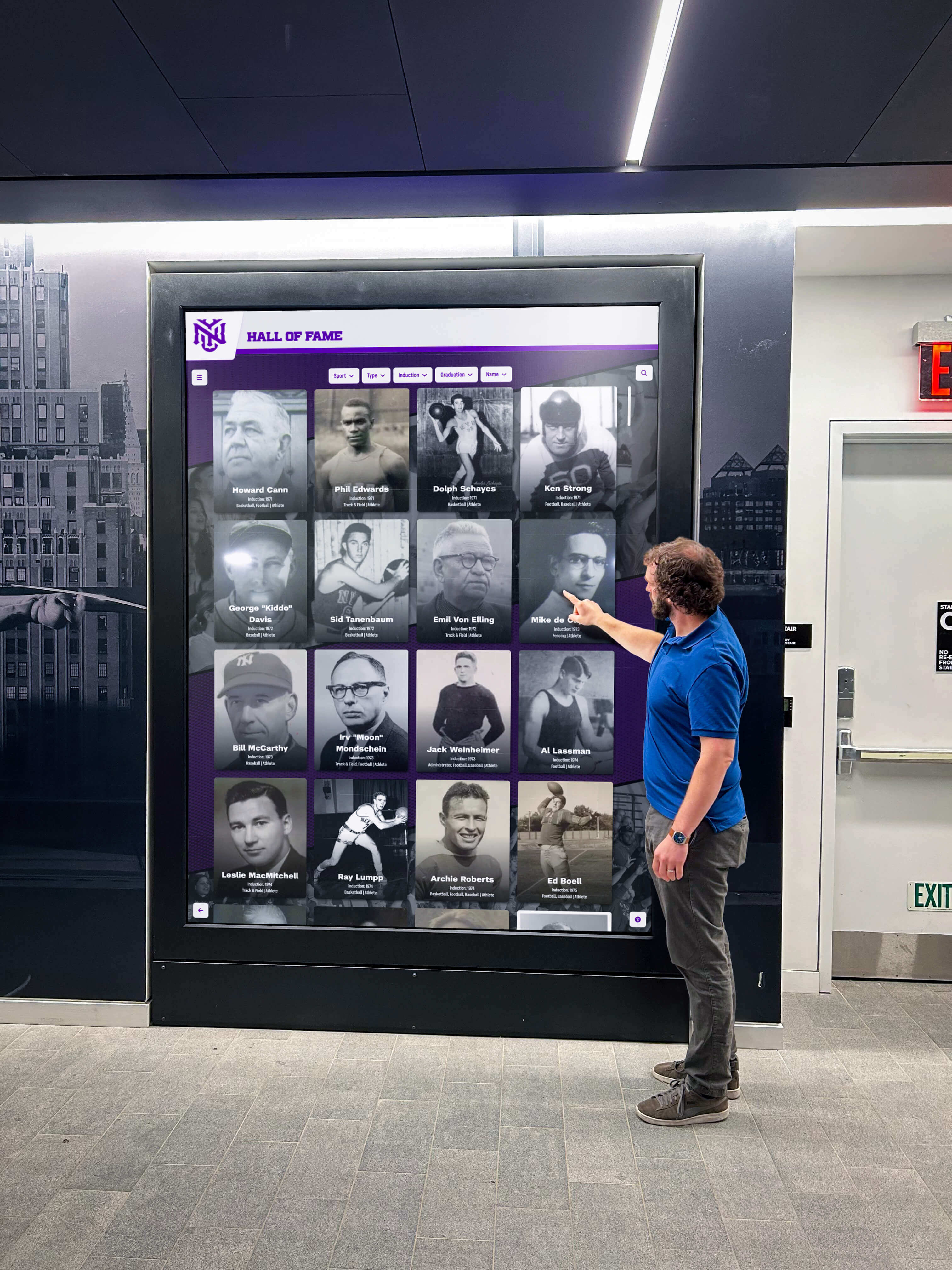
Modern recognition platforms extend All-American honors beyond physical trophies and plaques. Interactive touchscreen displays can showcase comprehensive All-American athlete profiles including photos, videos, statistics, and detailed achievement information.
These digital platforms allow schools to recognize unlimited All-American athletes without physical space constraints, enable remote access for alumni and families, facilitate social media sharing and broader recognition, and provide searchable databases of historical All-American honorees.
Video Evidence and Showcase Opportunities
Video technology enables athletes to showcase abilities to selection committees who might never see them compete in person. Highlight videos, game footage, and performance evidence help athletes from smaller programs gain All-American consideration that would have been impossible in previous eras.
Many All-American selection processes now incorporate video evaluation as part of nomination and selection procedures, expanding opportunities for athletes across all geographic areas and competitive levels.
All-American Recognition Across Competitive Divisions
The meaning and process of All-American recognition varies across different competitive divisions and levels.
NCAA Division I All-Americans
Division I represents the highest level of collegiate athletic competition. All-American recognition at this level indicates performance among the elite of college athletics. Selection processes are rigorous, with multiple established organizations publishing All-American teams in most sports.
Division I All-Americans receive the most media attention and professional scouting interest. These athletes compete with scholarship support at institutions with extensive athletic resources.
NCAA Division II and III All-Americans
Division II and III institutions recognize All-Americans through their respective athletic governance structures. While competing at different resource and scholarship levels than Division I, these All-Americans demonstrate equivalent excellence within their competitive divisions.
Division II and III All-American recognition holds significant value and should not be dismissed as “lesser” achievement. These athletes excel within their competitive context, often while balancing athletics with more demanding academic or financial requirements than scholarship athletes.
NAIA and Junior College All-Americans
NAIA (National Association of Intercollegiate Athletics) institutions and junior colleges maintain separate All-American selection processes. These selections recognize top performers within their respective competitive structures.
NAIA and junior college All-Americans often transfer to NCAA programs or pursue professional opportunities. Recognition at these levels provides validation and visibility that creates opportunities for athletic career advancement.
High School All-American Recognition
High school All-American status lacks the standardization of collegiate selections. Multiple organizations publish high school All-American teams, and the prestige associated with different selections varies considerably.
The most prestigious high school All-American recognitions typically involve selection to national all-star games (McDonald’s All-American Game, Under Armour All-America Game, etc.) or selection by established national media outlets (USA Today All-USA teams). These selections carry significant weight in college recruiting.

Future of All-American Recognition
All-American recognition continues evolving as sports, media, and selection processes change.
Expanded Recognition Categories
Trend toward recognizing more athletes through additional All-American teams and categories. Some sports now publish Third Team All-Americans or multiple Honorable Mention categories beyond traditional First and Second Team selections. This expansion recognizes more athletes while potentially diluting the exclusivity that makes All-American status prestigious.
Increased Transparency in Selection
Selection organizations face pressure to make All-American selection processes more transparent. Publishing clear criteria, disclosing committee members, and explaining selection rationale helps legitimize recognition and addresses concerns about fairness and consistency.
Women’s Sports Recognition Equity
Ongoing efforts to ensure women’s sports receive equivalent All-American recognition to men’s sports. Historically, some sports received more attention and prestigious selection processes based on gender. Continuing work toward equity means ensuring women athletes receive recognition comparable to male athletes in equivalent sports.
NIL and All-American Status
Name, Image, and Likeness (NIL) rules allowing college athletes to profit from recognition create new dimensions for All-American status. All-American recognition can now translate more directly to financial opportunities through enhanced NIL marketability. This additional benefit may increase All-American significance and competitive pressure.
Resources for Aspiring All-Americans
Athletes pursuing All-American recognition can access various resources supporting their development.
Sport-Specific Development Programs
Most sports have elite development programs helping talented athletes progress toward All-American levels. USA Basketball, USA Soccer, USA Hockey, and similar organizations run identification and development programs for top youth athletes. Participation in these programs provides coaching, competition, and exposure valuable for All-American aspirations.
Statistical Tracking and Evaluation Services
Various services track athletic statistics and rankings that influence All-American selection. MaxPreps, Athletic.net, and sport-specific ranking systems help athletes understand where they stand nationally. Monitoring these rankings throughout seasons helps gauge All-American prospects and identify improvement areas.
Showcase Events and National Competitions
Attending national tournaments, showcase events, and elite competitions provides visibility crucial for All-American consideration. These events allow athletes to compete against top national competition while performing in front of selection committee members, coaches, and media who influence All-American decisions.
Coaching and Training Resources
Working with coaches experienced in developing All-American-level athletes provides significant advantages. Seek coaches who understand the specific requirements for All-American recognition in your sport, have track records developing elite athletes, and can provide realistic assessment of All-American potential and development needs.
Conclusion: The Enduring Value of All-American Recognition
All-American status represents the pinnacle of athletic achievement at both high school and collegiate levels. The recognition validates years of dedication, opens doors to opportunities, and creates lasting pride that extends throughout an athlete’s life.
Understanding what All-American recognition means—how selection works, why it matters, and how it differs across sports and competitive levels—helps athletes set realistic goals while providing context for celebrating these extraordinary achievements.
For athletes pursuing All-American dreams, the journey requires comprehensive skill development, competitive exposure, statistical excellence, team success, and often favorable timing and circumstances. Not every talented athlete achieves All-American status, but pursuing this goal drives athletes toward excellence that benefits them regardless of whether the specific honor is achieved.
For schools and athletic programs, properly recognizing All-American athletes honors individual achievement while inspiring future generations. Whether through traditional plaques or modern digital recognition displays, making All-American achievements visible creates program cultures that value and pursue excellence.
All-American recognition will continue evolving as sports and selection processes change. The core meaning—identifying and celebrating the absolute best performers nationally—remains constant. This recognition endures as one of athletics’ highest honors, motivating athletes to reach levels they might never have believed possible.
Celebrate Your All-American Athletes with Permanent Recognition
Rocket Alumni Solutions provides comprehensive digital recognition systems designed specifically for showcasing athletic excellence. Our interactive displays allow you to honor All-American athletes alongside other achievements, creating engaging recognition experiences that inspire current and future athletes.
Our cloud-based platform supports unlimited athlete profiles with photos, statistics, and achievement details. Update displays remotely when new athletes earn All-American recognition. Create searchable databases that allow visitors to explore your program's complete history of excellence. Build recognition systems that grow with your program while maintaining professional presentation quality.
Frequently Asked Questions
What’s the difference between First Team, Second Team, and Honorable Mention All-American?
First Team All-American represents the highest distinction, recognizing the absolute best performers nationally in each position or category. Second Team All-Americans are also exceptional performers who narrowly missed First Team selection. Third Team (where offered) and Honorable Mention provide recognition to additional outstanding athletes who demonstrated All-American-caliber performance. Think of it as similar to Olympic medals—First Team is gold, Second Team is silver, and Third Team/Honorable Mention is bronze. All levels represent significant achievement, but First Team carries the most prestige.
Can athletes earn All-American recognition in multiple sports?
Yes, multi-sport athletes can earn All-American honors in multiple sports, though this is relatively rare given the time commitment required for All-American-level performance. Multi-sport All-Americans demonstrate exceptional athletic versatility. Some athletes have earned All-American recognition in different sports during different seasons of the same year. These achievements receive special recognition since they indicate extraordinary athletic ability across different skill sets.
Do All-American athletes receive any tangible benefits or prizes?
Benefits vary by organization and level. Some All-American selections include invitations to all-star games, participation in national showcase events, commemorative awards or trophies, apparel and merchandise, and media recognition and publicity. Academic All-Americans may receive scholarship opportunities from organizations supporting scholar-athletes. The primary benefits are enhanced recognition for recruiting or professional opportunities, resume and biographical distinction, and personal accomplishment and pride. The intangible benefits of All-American status—enhanced opportunities and lifelong recognition—typically exceed any tangible prizes.
How do schools verify All-American claims?
Schools should verify All-American recognition through official sources: check the selecting organization’s published lists, confirm the specific organization and year of selection, verify the team level (First Team, Second Team, etc.), and document the recognition through official certificates or publications. Legitimate All-American recognition comes from established organizations with transparent selection processes. Schools should be cautious about unverified claims or selections from obscure organizations without clear selection criteria. When recognizing All-Americans in hall of fame displays, verification ensures accuracy and maintains credibility.
Can athletes be All-American without playing on championship teams?
Absolutely. While team success sometimes factors into All-American selection, individual excellence is the primary criterion. Many All-Americans come from teams that didn’t win championships. Selection committees evaluate individual performance and contribution even when team results are disappointing. In some sports, individual All-American recognition is completely independent of team success—track and field, swimming, and wrestling All-Americans earn recognition through individual performance regardless of team standings. That said, championship team members often receive additional recognition when All-American selection includes team success considerations.
What’s the most prestigious All-American recognition in each sport?
Prestige varies by sport. In college football, consensus All-American status (named to multiple prominent teams including AP, AFCA, FWAA) represents the highest honor. In college basketball, consensus selections combining AP, NABC, Sporting News, and USBWA carry most prestige. In track and field and swimming, All-American status earned through top-8 finishes at NCAA championships represents clear-cut recognition. For high school athletes, selections to prestigious all-star games (McDonald’s All-American, Under Armour All-America, etc.) typically carry more weight than other All-American designations. Athletes and families should research which All-American selections are most respected in their specific sport.
Additional Resources for All-American Recognition
Schools implementing or expanding recognition programs for All-American athletes may find value in these related implementation guides:
- Athletic Hall of Fame Complete Guide - Comprehensive framework for creating athletic recognition displays
- Sports End of Year Awards Guide - Award ceremony planning and recognition ideas
- Digital Trophy Case Traditional vs Digital - Comparing recognition display options
- Academic Recognition Programs - Honoring scholar-athletes alongside athletic achievement
- Senior Night Ideas - Celebrating athletes as they complete their careers
These resources provide complementary frameworks that schools can adapt when building comprehensive recognition programs that honor All-American athletes alongside other significant achievements.































