Every high school educator knows the challenge: finding programs that genuinely prepare students for career success while building practical skills employers actually value. While most student organizations focus on specific activities or social causes, FBLA takes a different approach—systematically developing business acumen, leadership capabilities, and professional competencies that translate directly into college and career readiness.
If you’ve heard the acronym FBLA but aren’t quite sure what it involves, how it benefits students, or why FBLA achievements deserve recognition alongside athletic and academic honors, this guide provides comprehensive answers. Whether you’re an educator considering starting a chapter, a parent whose student just joined, or an administrator evaluating recognition priorities, understanding FBLA’s structure, benefits, and impact helps you support student participation effectively.
Future Business Leaders of America (FBLA) represents the largest business career and technical student organization in the United States, serving over 200,000 members across middle schools, high schools, colleges, and professional divisions. Through competitive events, leadership development programs, community service projects, and systematic recognition systems, FBLA prepares students for success in business careers while building transferable skills valuable across any profession.
This comprehensive guide explores what FBLA is, how the organization functions, what opportunities it provides students, why FBLA achievements matter for college and career success, and how schools can effectively recognize business leadership excellence to inspire broader participation and celebrate accomplishment appropriately.
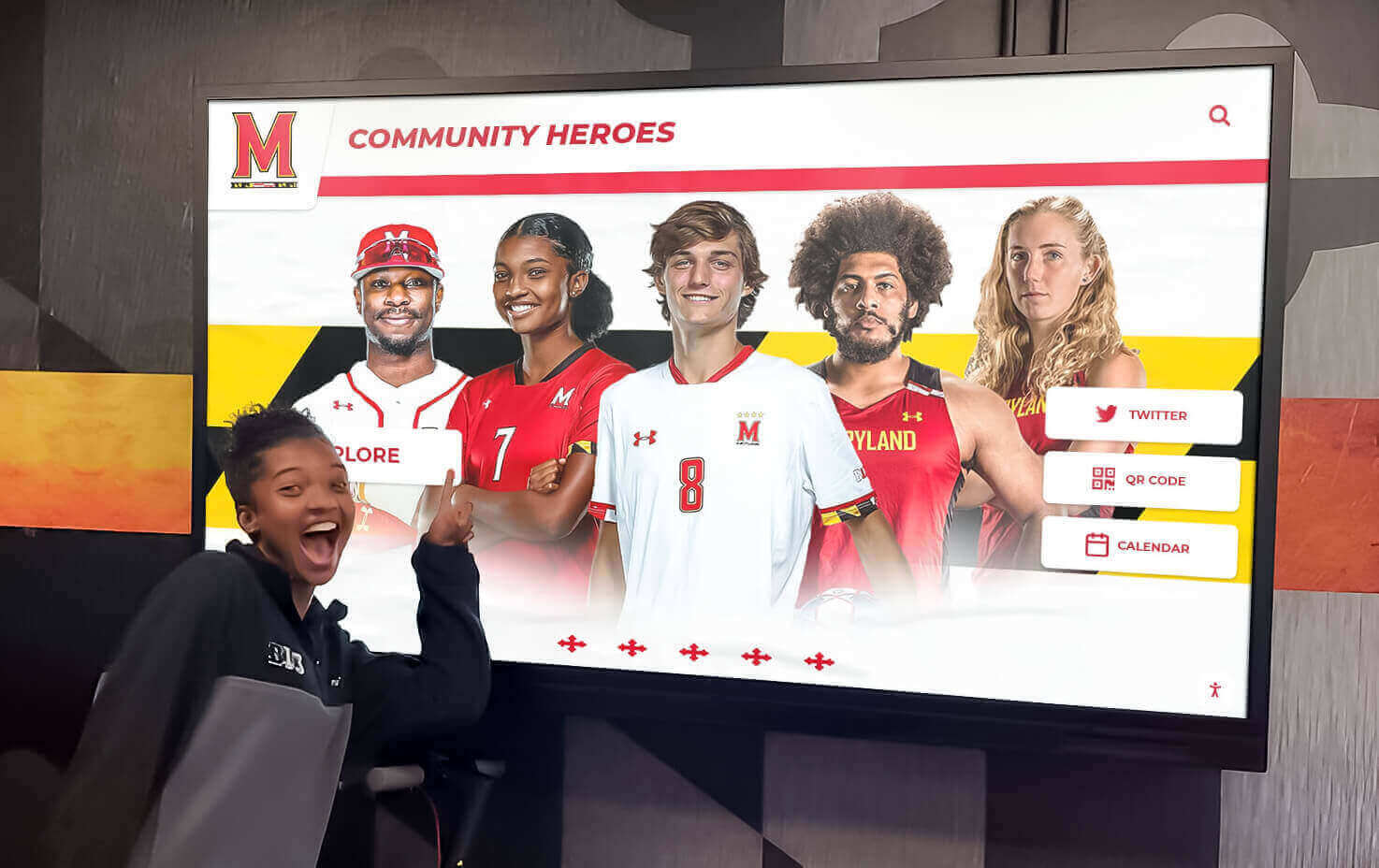
FBLA achievements deserve prominent recognition displays that celebrate business leadership alongside athletic and academic excellence
Understanding FBLA: Organization Structure and Mission
Future Business Leaders of America provides structured pathways for students to develop business knowledge and leadership skills through progressive programs spanning middle school through professional careers.
FBLA-PBL Divisions Explained
The organization operates four distinct divisions serving members at different educational and career stages:
Future Business Leaders of America-Middle Level (FBLA-ML) Designed for students in grades 5-9, the Middle Level division introduces young students to business concepts through age-appropriate activities, competitions, and leadership opportunities. Middle Level membership establishes early foundations that students build throughout high school and beyond, creating long-term engagement trajectories.
Future Business Leaders of America (FBLA) The high school division serves grades 9-12, representing the organization’s largest membership segment. High school FBLA provides the most comprehensive competitive event offerings, leadership development programs, and recognition opportunities. Students in this division compete at regional, state, and national levels while building skills directly applicable to college applications and early career success.
Phi Beta Lambda (PBL) The collegiate division extends FBLA opportunities to community college and university students majoring in business or related fields. PBL competitive events become more advanced, covering sophisticated business topics while networking opportunities connect student members with business professionals and potential employers.
Professional Division (FBLA Alumni) For business professionals and former FBLA members, the Professional Division provides networking, mentoring opportunities, and continued connection to FBLA’s mission. Professional members often serve as judges, mentors, and industry connections for current student members.
This cradle-to-career structure enables students to begin business education in middle school and maintain connection through college and professional careers, creating sustained development impossible through programs limited to single educational stages.
FBLA’s Educational Mission
According to the national organization, FBLA’s mission focuses on bringing business and education together in positive working relationships through innovative leadership and career development programs. This mission translates into several core objectives:
Business Education Enhancement FBLA complements classroom instruction by providing practical application opportunities for business concepts taught in courses like marketing, accounting, management, entrepreneurship, and economics. Competitive events require students to apply theoretical knowledge to realistic business scenarios, reinforcing learning through active application.
Leadership Development Through chapter officer positions, committee leadership, project management, and conference participation, FBLA systematically develops leadership capabilities applicable far beyond business contexts. Students learn to motivate teams, manage resources, communicate effectively, and navigate organizational dynamics—competencies valuable across any career path.
Career Preparation Professional dress codes, business etiquette expectations, networking events, employer interactions, and workplace simulations prepare students for career environments they’ll encounter after graduation. This practical preparation distinguishes FBLA from academic organizations focused primarily on intellectual development without professional context.
Character Development FBLA emphasizes ethical business practices, social responsibility, and community service alongside competitive achievement and career preparation. This holistic approach develops well-rounded individuals rather than narrowly focused on financial success alone.
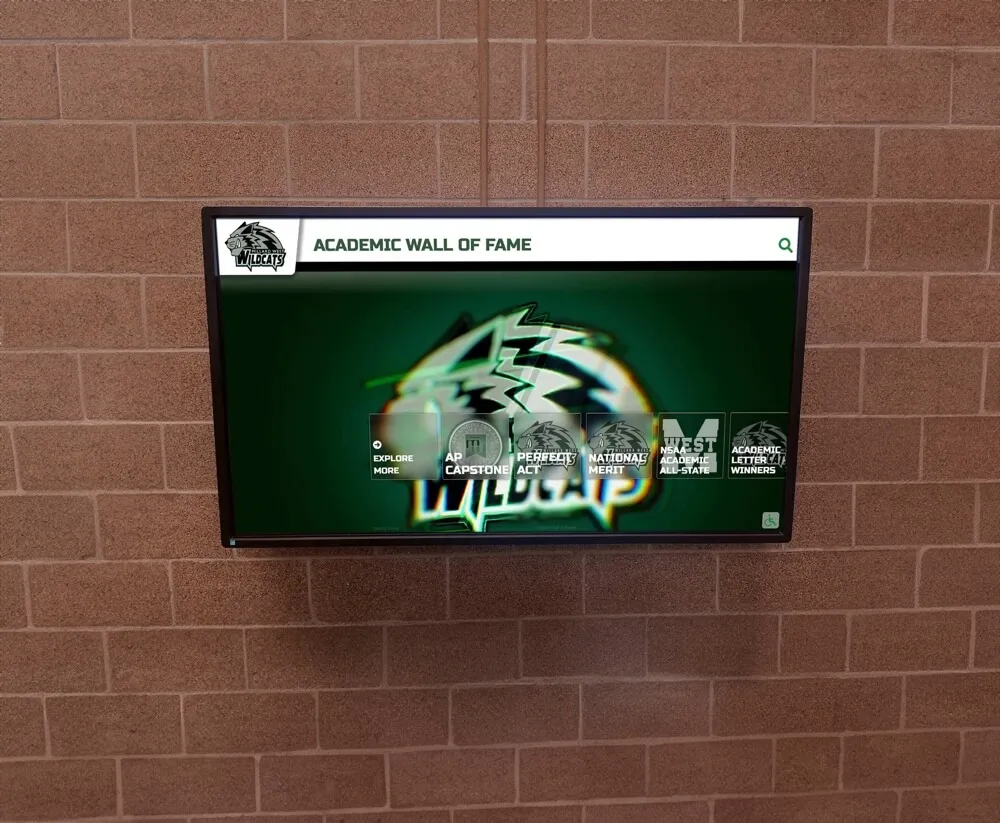
Digital recognition systems effectively showcase FBLA achievements alongside other academic and leadership accomplishments
How FBLA Membership Works: Chapters, Participation, and Benefits
Understanding FBLA’s operational structure helps schools establish effective chapters while ensuring students maximize available opportunities.
Starting and Managing School Chapters
Schools interested in FBLA must establish official chapters through the state FBLA organization. This process typically involves identifying a faculty advisor (usually a business education teacher), recruiting founding members, paying chapter dues, and completing registration paperwork through state leadership.
Chapter advisors coordinate activities including organizing meetings, arranging transportation to competitions, managing finances, recruiting members, communicating with parents, and connecting with state leadership. Effective advisors balance providing structure with allowing student leadership to develop through meaningful responsibility.
Chapter size varies dramatically—from fewer than ten members at small rural schools to hundreds at large high schools with robust business education programs. Size matters less than engagement quality; small chapters with active participation often outperform large chapters where membership remains passive.
Student Membership Requirements
Individual students join FBLA by paying dues (typically $20-35 annually at the local and state levels) and participating in chapter activities. Most chapters welcome any interested student regardless of whether they’re enrolled in business courses, though business class students often form the core membership base.
Active membership involves attending meetings (typically monthly), participating in competitive events or chapter projects, and engaging with state and national opportunities like leadership conferences. Membership benefits include:
Competitive Event Access Over 60 competitive event categories spanning individual, team, and chapter-level competitions provide opportunities for students across diverse interest areas and skill levels. Events range from objective tests measuring business knowledge to performance-based competitions requiring presentations, case study analysis, or project development.
Leadership Development Programs State and national conferences offer workshops, keynote speakers, networking sessions, and intensive leadership training unavailable through typical school programming. These experiences expose students to business professionals, career pathways, and perspectives beyond their local communities.
Recognition Opportunities Progressive achievement awards, competitive event placement, chapter excellence designations, and scholarship opportunities create systematic recognition pathways motivating student engagement while building impressive credentials for college applications and resumes. Many schools find that creating academic recognition programs that include FBLA achievements increases participation and program visibility.
Scholarship Access FBLA offers substantial scholarship funding exclusively available to members, providing financial incentive alongside educational benefits. National scholarships, state awards, and local chapter scholarships collectively distribute significant funding supporting members’ post-secondary education.
Networking Connections Interactions with peers from other schools, business professionals serving as judges or speakers, and alumni now working in business fields create networking relationships that often prove valuable for internship opportunities, recommendation letters, and early career connections.
Chapter Activity Calendar
Successful FBLA chapters follow annual rhythms aligned with competitive event cycles and conference schedules:
Fall Semester (August-December) Chapters focus on recruitment, officer transition, goal setting, and early competition preparation. Fall activities typically include membership drives, first meetings establishing annual plans, initial fundraising for conference travel, and beginning competitive event preparation.
Winter (January-February) Regional competitions occur during winter months in most states, providing first competitive experiences and determining which members advance to state conferences. Chapters intensify preparation through practice competitions, coaching sessions, and skill development workshops.
Spring (March-May) State leadership conferences represent the pinnacle of state-level FBLA activity, combining competitive events with leadership workshops, business tours, keynote speakers, and recognition ceremonies. National qualifiers emerge from state competitions, earning the right to represent their states at the National Leadership Conference.
Summer (June-July) The National Leadership Conference brings together top competitors, chapter officers, and engaged members from across the country for the year’s most significant event. This week-long conference includes national-level competition, intensive leadership development, networking opportunities, and celebration of excellence across all FBLA programs.
This structured calendar creates consistent engagement rhythms while building toward increasingly prestigious opportunities that maintain student motivation throughout multiple years of participation.
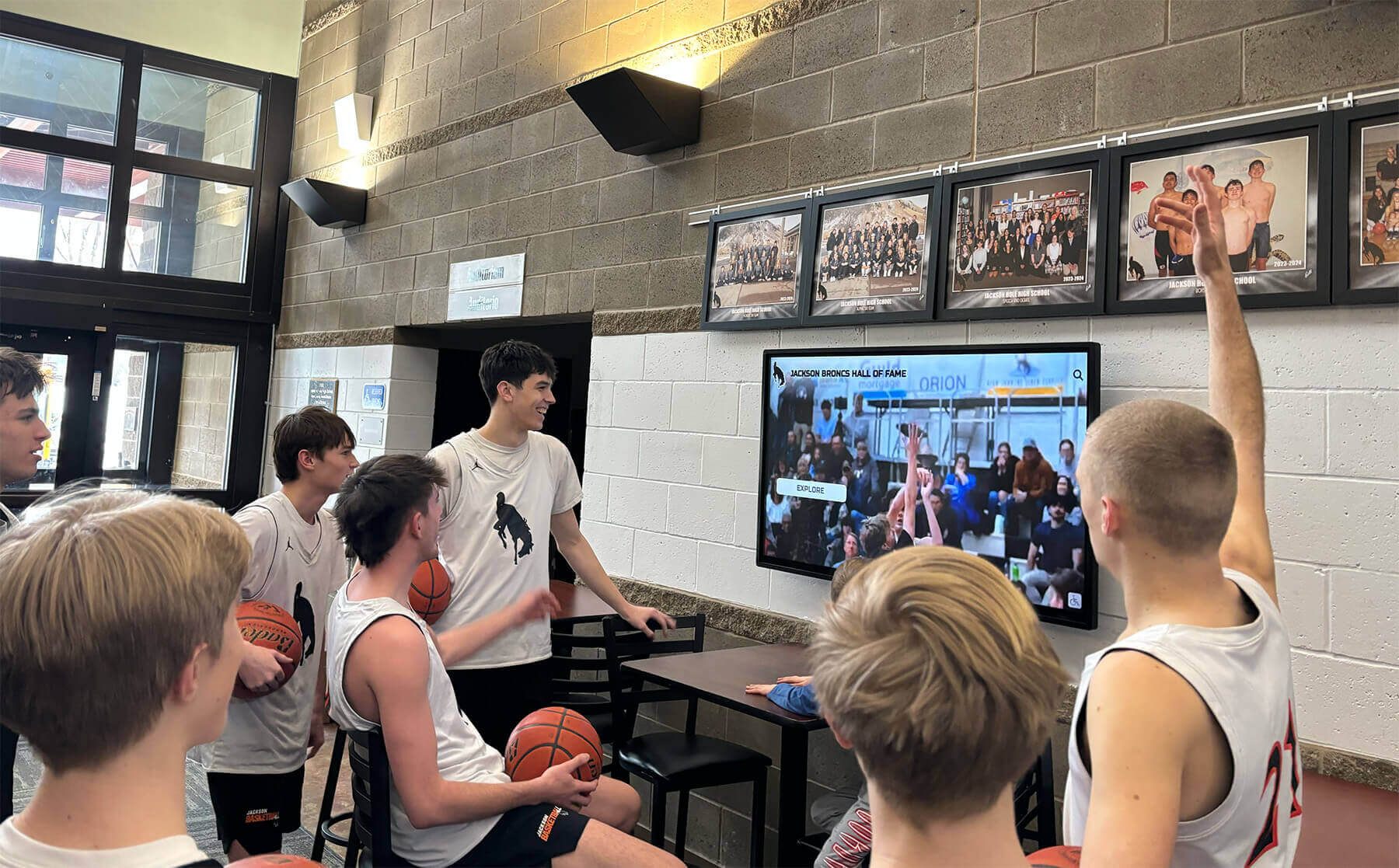
Interactive displays enable students to explore FBLA achievements and learn about business leadership opportunities through engaging interfaces
FBLA Competitive Events: Testing Skills Across Business Disciplines
Competitive events represent FBLA’s most visible component, providing structured frameworks for students to demonstrate business knowledge and practical skills while earning recognition at regional, state, and national levels.
Understanding Event Categories and Formats
FBLA organizes competitive events into several broad categories reflecting different business disciplines and skill applications:
Objective Tests Events like Accounting I & II, Business Law, Economics, Marketing, Management Information Systems, and others assess business knowledge through comprehensive exams. These events require deep content mastery rather than performance skills, appealing to students who excel at written assessment while building expertise in specific business domains.
Test-based events typically occur during conference windows where students complete exams under standardized conditions. Top scorers advance from regional to state to national levels, with recognition awarded to top performers at each stage. Schools often leverage recognition best practices to celebrate these academic-style achievements effectively.
Performance Events These competitions require students to demonstrate applied skills through presentations, role-plays, or interactive simulations. Events like Business Presentation, Impromptu Speaking, Public Speaking, Client Service, and Sales Presentation test communication abilities, professional presence, and thinking on feet—skills directly transferable to business careers.
Performance events typically involve preliminary rounds judging initial presentations, with top performers advancing to final rounds before larger audiences. This tournament structure creates increasingly high-stakes environments that simulate business presentation contexts while providing multiple performance opportunities throughout the day.
Production Events Categories like Digital Video Production, Website Development, Desktop Publishing, Computer Game Design, and Mobile Application Development require students to create tangible business products or marketing materials judged on technical quality, creativity, business relevance, and professional execution.
Production events typically involve pre-conference work where students develop projects meeting detailed specifications, then present their work to judges at conferences. These events appeal to students with technical skills while building portfolio-worthy accomplishments demonstrating practical capabilities to college admissions and employers.
Case Study Events Advanced competitions like Business Ethics, Business Financial Plan, Management Decision Making, and Organizational Leadership present students with complex business scenarios requiring analysis, strategic recommendation development, and persuasive presentation of solutions.
Case studies mirror real business consulting projects, developing analytical capabilities and strategic thinking while requiring integration of knowledge across multiple business disciplines. These sophisticated events particularly appeal to advanced students preparing for business school or consulting careers.
Team vs. Individual Competition Structures
FBLA balances individual recognition with team-based competitions, providing participation options for students with different preferences:
Individual Events enable students to earn recognition based entirely on personal performance without depending on teammates. These events work well for self-directed students who prefer independent work while building personal credentials for college applications highlighting individual achievement.
Team Events (typically 2-3 members) require collaboration, coordination, and collective effort. Team competitions develop interpersonal skills, collaborative problem-solving, and shared accountability while enabling students who work better in groups to participate comfortably. Team events often prove more accessible to students intimidated by solo performance while building cooperation skills valuable in business environments emphasizing teamwork.
Chapter Events involve larger groups or entire chapters working toward collective goals like chapter reports documenting annual activities or community service projects demonstrating chapter impact. These broad participation events ensure that all members can contribute regardless of competitive interest while building chapter unity around shared objectives.
This multi-format structure ensures that FBLA offers appropriate participation pathways for diverse student preferences and capabilities rather than limiting engagement to students comfortable with specific competition types.
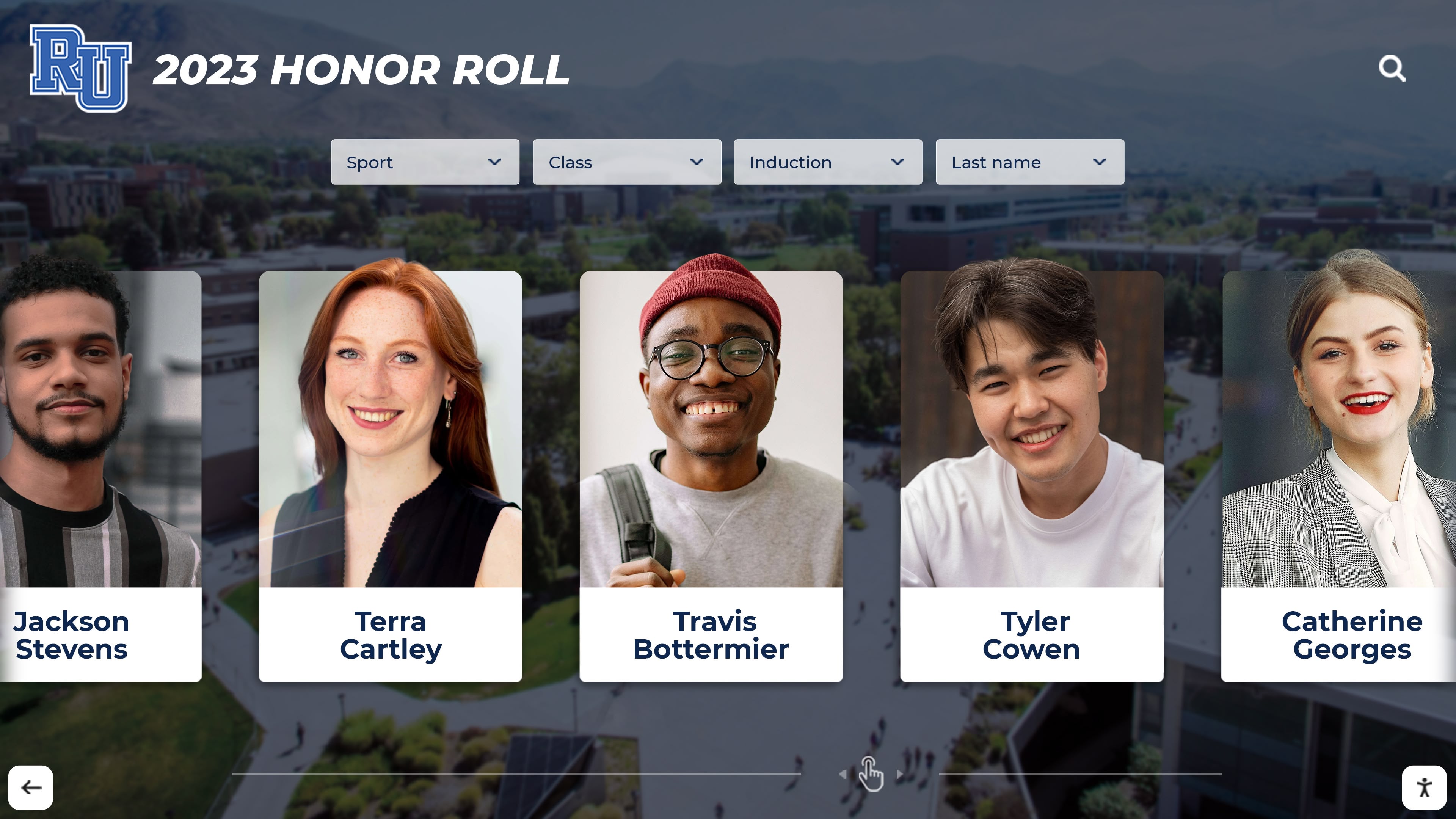
Individual recognition profiles showcase specific FBLA achievements and competitive event success alongside other academic honors
Beyond Competition: FBLA Leadership and Service Programs
While competitive events generate visibility, FBLA’s comprehensive programming extends far beyond competitions through leadership development, community engagement, and personal growth initiatives.
Officer Leadership Opportunities
Chapter officer positions provide hands-on leadership experience impossible to replicate through classroom instruction alone. Typical officer roles include:
Chapter President Presidents provide overall leadership, run meetings, represent chapters to school administration and community, coordinate activities with advisors, and serve as primary spokesperson. This executive role develops decision-making authority, public speaking skills, and organizational vision while building leadership credentials impressive on college applications.
Vice Presidents VPs typically oversee specific functions—membership recruitment, competitive event coordination, community service projects, or fundraising—developing specialized leadership within focused domains. These roles teach delegation, project management, and accountability while providing leadership experience without overwhelming responsibility of presidency.
Secretary and Treasurer Administrative officers manage essential chapter functions including meeting minutes, correspondence, financial records, budget management, and documentation. These positions teach organizational skills, attention to detail, and professional business practices while demonstrating responsibility handling chapter resources.
Committee Chairs Many chapters establish committees for specific initiatives—conference planning, recognition programs, public relations, or community service—each led by appointed chairs. Committee leadership provides entry-level experience ideal for developing members not yet ready for officer positions while distributing chapter workload broadly.
These structured leadership roles create clear advancement pathways where members progress from general participants to committee members to officers, building capabilities progressively rather than thrusting inexperienced students into complex leadership positions.
Community Service and Social Responsibility
FBLA emphasizes that business success includes social responsibility and community contribution beyond profit generation. The organization encourages chapters to engage in service projects like organizing fundraisers for local charities, partnering with community organizations addressing local needs, participating in financial literacy education for younger students, conducting business drives collecting supplies for those in need, and supporting national service initiatives coordinated by FBLA leadership.
These service projects develop civic engagement and social consciousness while demonstrating that business skills create value for communities beyond commercial contexts. Schools implementing student achievement tracking often find that documenting service alongside competitive success creates more holistic recognition of member contributions.
Networking and Professional Development
FBLA creates structured opportunities for students to interact with business professionals through industry tours visiting local businesses and learning about operations firsthand, guest speakers from diverse business sectors sharing career journeys and industry insights, mentorship programs connecting students with professional mentors for sustained guidance, career fairs introducing students to potential employers and internship opportunities, and business etiquette training preparing students for professional environments through structured instruction.
These professional connections often prove invaluable for internship placements, recommendation letters, and early career opportunities while exposing students to career possibilities they might never consider through classroom instruction alone. The networking dimension distinguishes FBLA from purely academic organizations by explicitly connecting education to career pathways.
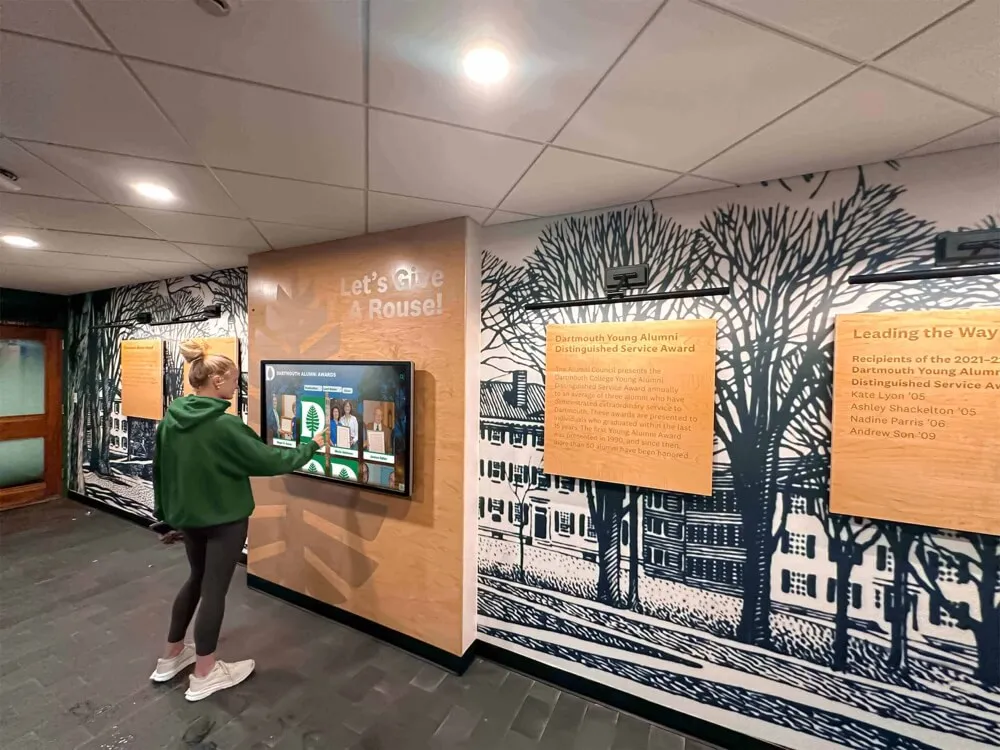
Strategic placement of recognition displays in high-traffic areas ensures FBLA achievements receive visibility comparable to athletic honors
Why FBLA Achievements Deserve Prominent Recognition
Despite FBLA’s comprehensive benefits and significant time investment required for competitive success and leadership development, business education achievements often receive less recognition than athletic or fine arts accomplishments. This recognition gap undermines recruitment, diminishes member motivation, and sends implicit messages that business leadership matters less than other pursuits.
The College Admissions Advantage
College admissions officers consistently cite leadership experience, competitive achievement beyond the classroom, and sustained commitment to meaningful activities as factors distinguishing accepted applicants from denied candidates with similar grades and test scores.
FBLA participation provides exactly these differentiators. Students who progress through Business Achievement Awards demonstrate systematic skill development. Competitive event success—particularly state and national placement—proves expertise in specific business domains. Multi-year participation culminating in officer positions shows sustained commitment and leadership progression. Community service projects document social responsibility and initiative beyond self-interest.
Yet these impressive credentials often get buried in college applications because schools don’t celebrate FBLA achievements with prominence that ensures admissions counselors and students themselves recognize their significance. Prominent recognition through digital displays and integrated recognition systems ensures FBLA success receives appropriate emphasis in application materials while inspiring younger students to pursue similar achievements.
Career Readiness and Early Employment Success
Employers consistently report difficulty finding entry-level candidates with basic professional skills—effective communication, appropriate workplace behavior, collaborative problem-solving, and business literacy. FBLA specifically develops these exact competencies through structured programming requiring professional dress, clear communication expectations, team collaboration, and applied business knowledge.
Students with FBLA experience enter college business programs and early career positions with foundational understanding that peers lacking similar preparation must develop from scratch. This advantage manifests in internship success, part-time employment performance, and early career advancement—outcomes that begin with high school FBLA participation but depend partly on students recognizing their preparation’s value.
Recognition systems that celebrate FBLA achievement help members understand that their participation developed marketable skills rather than merely providing enjoyable high school activities. This awareness influences how students present their experience to employers while encouraging younger members to engage seriously knowing their effort builds career-relevant capabilities.
Motivating Broader Participation
When FBLA achievements receive prominent recognition comparable to athletic championships or academic honors, participation increases dramatically. Students observe peers earning visible recognition for business leadership, realize FBLA offers similar prestige pathways, and consider joining when they might otherwise dismiss business education as less prestigious than athletics or traditional academics.
Recognition visibility matters particularly for recruiting students who might excel in FBLA but haven’t considered business education appealing. Athletes discover that FBLA offers comparable competitive thrill and recognition without physical requirements. Academic achievers realize business competitions test intellectual capabilities as rigorously as traditional academic contests. Students seeking leadership development observe that FBLA provides structured advancement pathways developing capabilities valuable across any career.
Schools implementing prominent FBLA recognition through dedicated displays consistently report membership increases of 20-40% within two years, demonstrating that visibility directly drives participation growth.
Equity and Inclusion Considerations
FBLA provides unique opportunities for students who may not excel in or access other prominent recognition pathways. Business competitions don’t require physical attributes limiting athletic participation or expensive private instruction common in fine arts. Geographic location and socioeconomic background matter less in FBLA than many alternative activities where success correlates strongly with family resources.
This accessibility makes FBLA particularly valuable for rural schools, under-resourced districts, and students from families without business backgrounds—precisely the populations where business education can dramatically impact generational mobility and economic opportunity.
Yet these students benefit from FBLA only if they know the organization exists and perceive it as prestigious worth pursuing. Recognition visibility becomes not just motivational but an equity issue—ensuring that all students recognize business leadership as a valid, celebrated pathway to success rather than an afterthought receiving minimal institutional support.
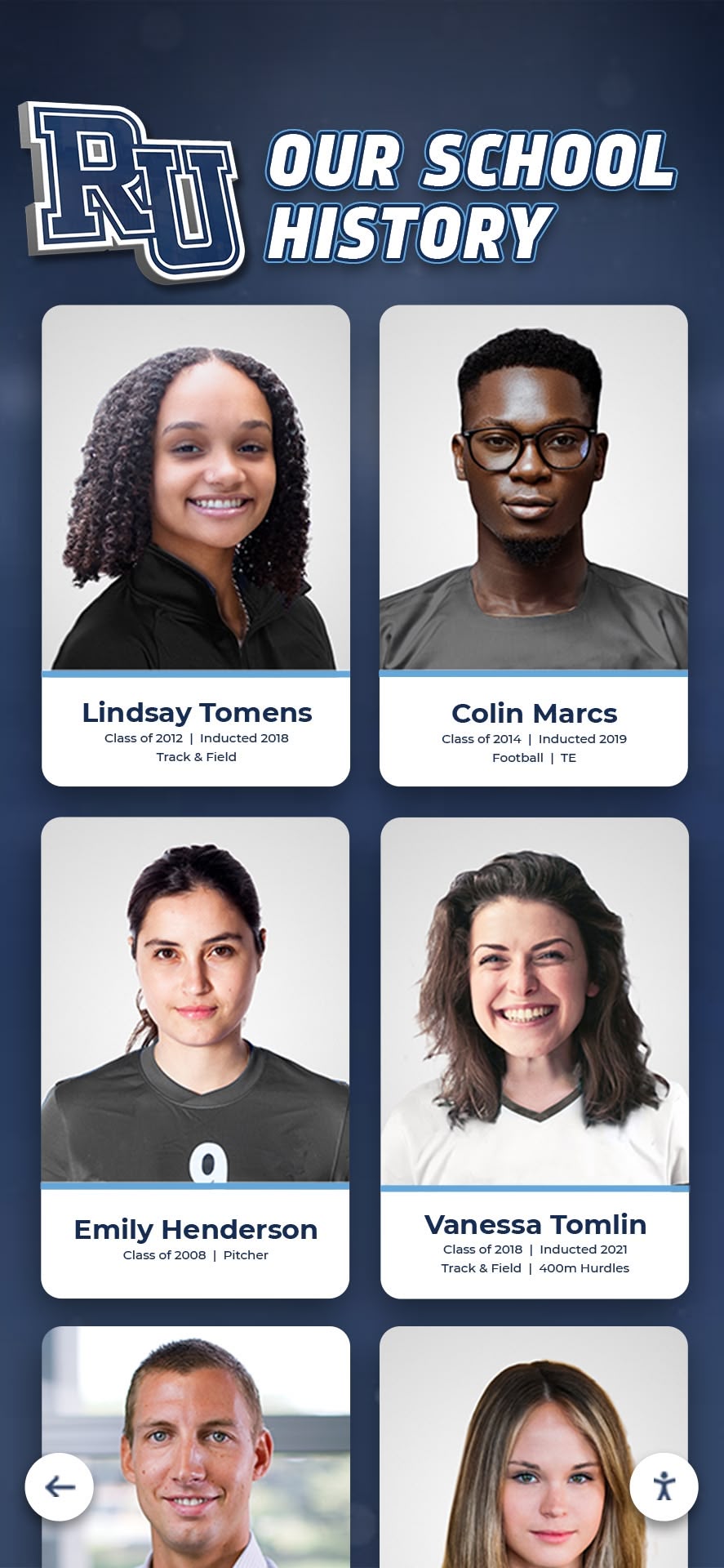
Comprehensive recognition systems document FBLA achievements alongside other student accomplishments, ensuring business leadership receives equal visibility
Implementing Effective FBLA Recognition Programs
Schools serious about supporting FBLA should establish recognition systems ensuring business leadership achievements receive visibility, celebration, and institutional support comparable to other student accomplishments.
Creating Multi-Tiered Recognition Frameworks
Effective FBLA recognition acknowledges achievement across multiple dimensions rather than limiting visibility to top national competitors:
Participation Recognition Acknowledge all members completing required activities and attending conferences, validating engagement even without competitive placement. This foundational recognition ensures that every participant feels valued while establishing that FBLA involvement itself merits acknowledgment.
Competitive Achievement Levels Create distinct recognition tiers for regional placement, state qualification, state awards, and national competition achievement. This graduated approach ensures that students competing at any level receive appropriate recognition rather than reserving all visibility for national finalists who represent tiny fractions of total membership.
Business Achievement Award Progression Prominently celebrate students completing each of the four BAA levels—Contributor, Leader, Advocate, and Visionary Awards. These systematic milestones demonstrate sustained engagement and progressive skill development deserving recognition comparable to academic honor roll or athletic letter awards.
Leadership Position Service Recognize officers completing terms in chapter leadership positions, acknowledging the significant time investment and responsibility these roles demand. Officer recognition validates leadership development while encouraging member advancement through chapter positions.
Community Service Impact Celebrate chapters and individual members contributing substantial community service hours or leading impactful projects. This recognition dimension emphasizes FBLA’s service commitment while acknowledging that excellence extends beyond competitive achievement alone.
This multi-dimensional approach ensures recognition opportunities exist for diverse members rather than concentrating all visibility on narrow competitive success alone.
Digital Recognition Display Solutions
Traditional recognition methods—certificates, plaques, banquet programs—limit visibility to brief moments or restricted audiences. Modern digital recognition systems transform how schools celebrate FBLA achievement while addressing space constraints that force difficult choices about whose accomplishments receive display prominence.
Unlimited Recognition Capacity Digital platforms like those from Rocket Alumni Solutions accommodate every FBLA achievement across all members and years without physical space limitations. Schools can recognize national competitors alongside regional participants, current members with historical chapter alumni, and competitive achievements with leadership service—creating comprehensive recognition impossible through traditional trophy cases with finite capacity.
Rich Storytelling Capabilities Digital recognition moves beyond listing names and awards to sharing complete stories through member photos, achievement descriptions with context, competitive event details explaining what each accomplishment involved, leadership position responsibilities, and community service project impacts. These narrative profiles honor individual journeys while helping non-FBLA students understand what achievements actually entail.
Interactive Exploration Features Touchscreen interfaces enable visitors to search by member name, filter by achievement type, browse chronologically, or explore by competitive event category. This self-directed discovery creates engagement impossible with static displays while accommodating diverse visitor interests—some seeking specific individuals, others exploring event types, and many browsing to learn about FBLA generally.
Web Accessibility Extensions Beyond physical displays, web-based recognition platforms enable families, employers, college admissions officers, and geographically distant alumni to explore FBLA achievements remotely. This extended reach amplifies recognition impact while supporting college application materials and employment verification.
Efficient Content Management Cloud-based systems enable chapter advisors or designated students to update recognition immediately after competitions or achievement completion without requiring physical fabrication or installation. This rapid update capability ensures timely recognition while excitement remains fresh rather than waiting months for plaques or engraving.
Schools implementing digital FBLA recognition alongside traditional athletic and academic displays send clear institutional messages that business leadership achievement matters equally. The integrated recognition environment creates cultures where diverse excellence pathways receive comparable celebration and visibility.
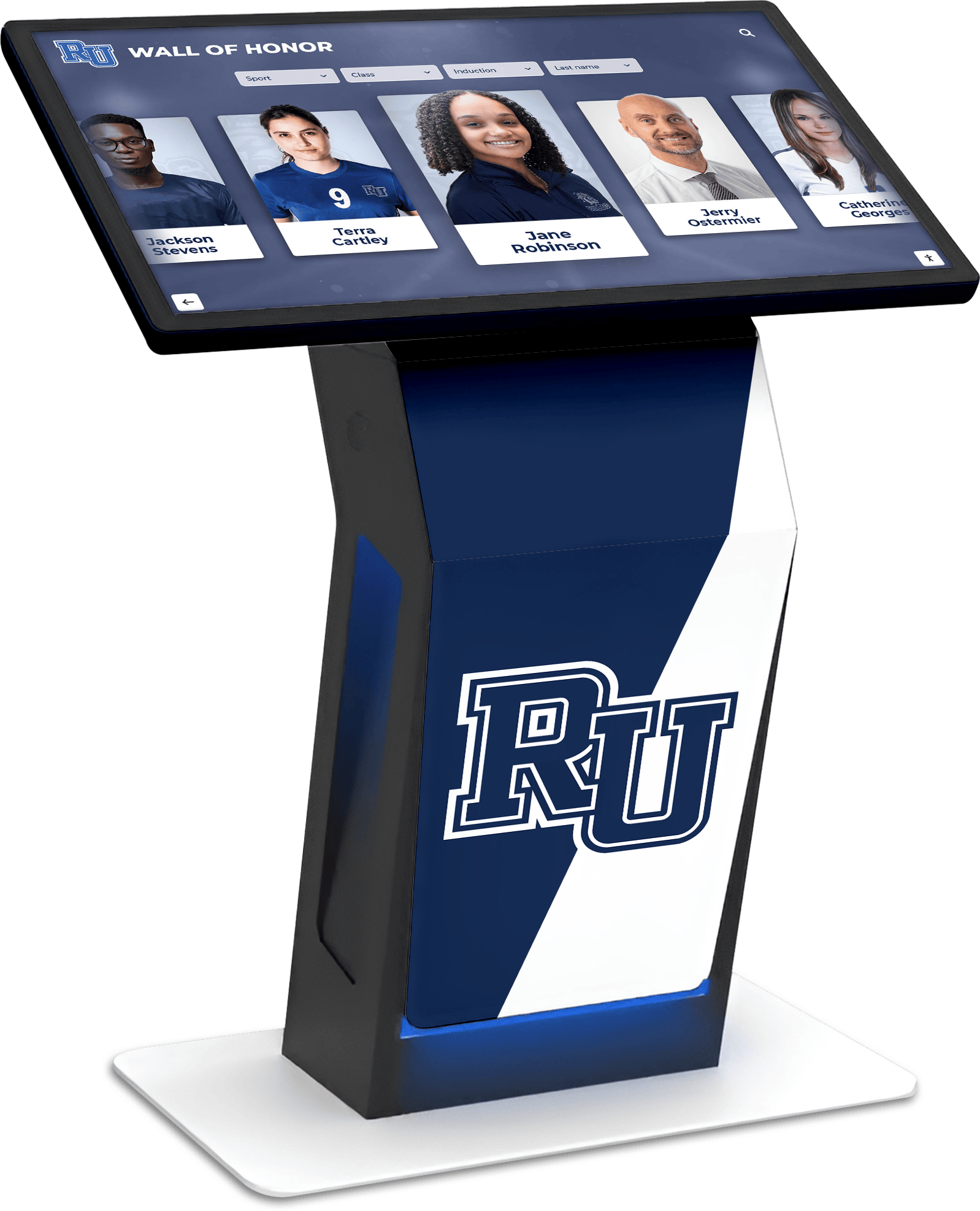
Modern touchscreen recognition systems provide intuitive interfaces enabling easy exploration of FBLA achievements by students, families, and visitors
Best Practices for FBLA Advisors and Chapter Leaders
Effective FBLA chapters combine strong faculty advisement with authentic student leadership, creating programs that develop capabilities while achieving impressive results.
Building Sustainable Chapter Operations
Recruit Diverse Membership Active chapters deliberately recruit beyond business class enrollment, inviting students with complementary skills like graphic design for production events, strong writers for speaking events, analytical thinkers for case studies, and organizationally talented students for leadership positions. This diversity strengthens competitive capabilities while broadening FBLA’s visibility across different student populations.
Establish Clear Leadership Pipelines Create explicit pathways where freshmen and sophomores participate in events and committees, juniors take on committee chair and lower officer positions, and seniors assume chapter presidency and top leadership roles. These progressive structures develop leadership gradually while ensuring sustainable chapter continuity as senior members graduate.
Integrate with Academic Programming Coordinate FBLA activities with business course curricula, using class time for competition preparation when appropriate and aligning coursework with competitive events. This integration reduces time demands on students while reinforcing classroom learning through FBLA application, creating synergistic relationships benefiting both academic and competitive outcomes.
Maintain Consistent Meeting Rhythms Regular monthly meetings with consistent scheduling build participation habits while keeping members engaged between major events. Effective meetings balance necessary business with engaging activities like guest speakers, competition practice, or social components maintaining energy and connection.
Communicate Proactively with Parents Keep families informed about opportunities, upcoming events, costs, and time commitments through regular email updates, social media, and information nights. Parent understanding and support dramatically increases student participation while generating valuable volunteer assistance for transportation, chaperones, and fundraising.
Many successful chapters develop recognition programs specifically designed to celebrate local achievements beyond what state and national FBLA provides, creating additional motivation and visibility at school level.
Competitive Event Preparation Strategies
Match Students to Appropriate Events Rather than assigning events arbitrarily, help students identify categories aligning with interests, strengths, and career aspirations. Students compete more successfully in events they find genuinely interesting while building relevant expertise for intended career paths.
Start Preparation Early Begin preparing for spring state conferences immediately in fall rather than cramming shortly before competitions. This extended timeline reduces stress while enabling deeper skill development and more sophisticated preparation producing stronger competitive results.
Utilize Alumni and Business Professional Mentors Recruit former FBLA members and local business professionals to coach specific events, provide practice audiences for presentations, or offer technical guidance for production events. These mentors supplement advisor expertise while building valuable networking connections for current members.
Create Internal Chapter Competitions Organize practice competitions where members present to each other or complete mock tests under timed conditions. Internal competition builds skills while providing low-stakes practice opportunities before formal regional and state events.
Celebrate All Participation Recognize students competing at any level regardless of placement, acknowledging that participation itself develops valuable capabilities. This inclusive celebration maintains engagement among members who don’t place highly while building chapter culture where competitive experience matters more than winning alone.
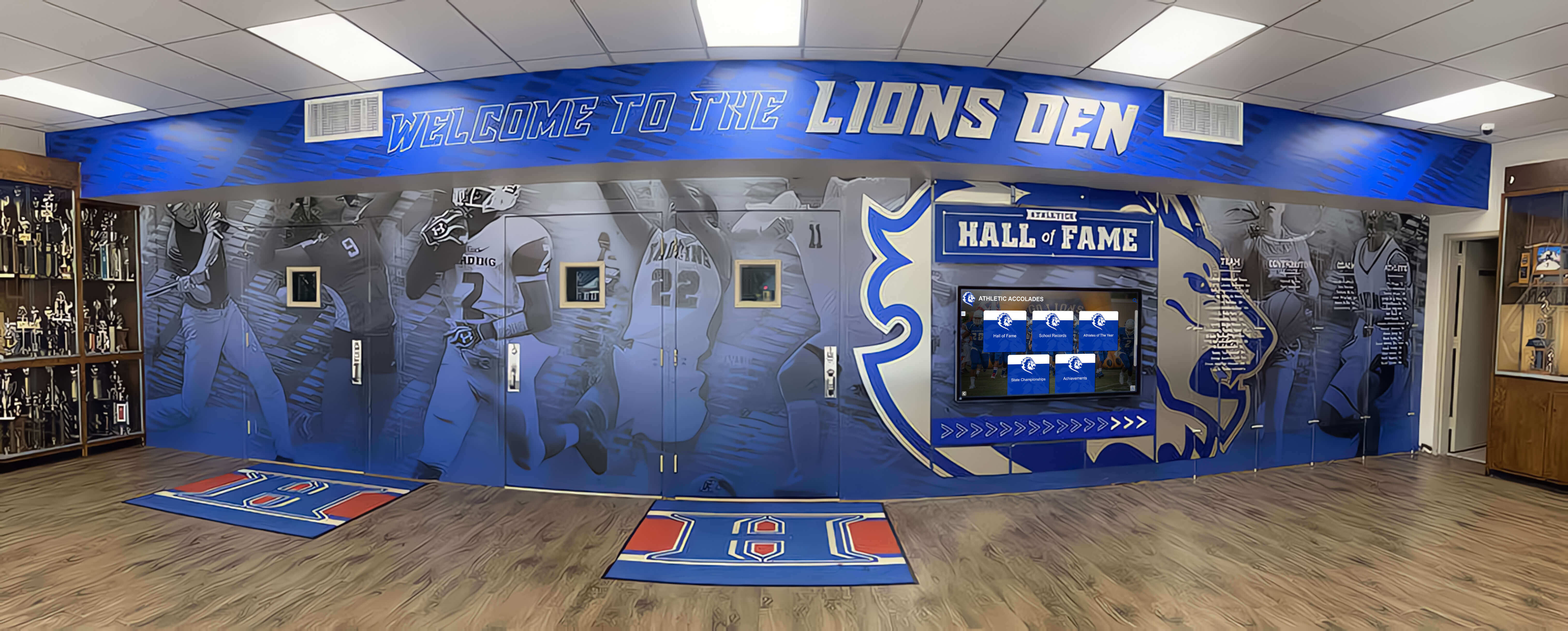
Integrated recognition environments position FBLA achievements alongside athletic honors, ensuring business leadership receives equal institutional support
Addressing Common FBLA Misconceptions
Several persistent misunderstandings prevent students from fully appreciating FBLA opportunities and discourage participation among students who would benefit significantly from membership.
“FBLA Is Only for Students Planning Business Careers”
Reality: While business-focused students naturally gravitate toward FBLA, the organization develops universally valuable skills applicable across any career path. Communication abilities, leadership experience, teamwork capabilities, problem-solving skills, and professional presence benefit future teachers, doctors, engineers, artists, and public servants as much as businesspeople.
Competitive events span diverse topics including healthcare administration, sports management, nonprofit leadership, government policy, and technology development—demonstrating business application across every professional field. Students uncertain about career directions often discover interests through FBLA exposure to diverse business domains they never previously considered.
“You Must Excel at Math for FBLA”
Reality: While some competitive events involve quantitative skills—accounting, finance, economics—many others focus on communication, creativity, strategic thinking, or technical capabilities having nothing to do with advanced mathematics. Public speaking, marketing, graphic design, digital video production, parliamentary procedure, and entrepreneurship events succeed based on entirely different competencies.
FBLA’s event diversity ensures that students across varied strength profiles find appropriate participation pathways regardless of mathematical confidence or capability. Schools should actively recruit students with strong verbal, artistic, or interpersonal skills rather than limiting recruitment to mathematically-inclined business students.
“FBLA Is Just Competition—Not Really Educational”
Reality: Competitive events provide learning vehicles requiring substantial knowledge acquisition, skill development, and practical application. Students preparing for accounting tests master complex financial concepts. Those competing in case studies analyze sophisticated business scenarios. Marketing competitors develop comprehensive campaign strategies. Production event participants learn advanced technical tools.
The competitive element motivates engagement and provides assessment opportunities, but learning remains the fundamental purpose. Business Achievement Awards further demonstrate FBLA’s systematic educational approach through progressive skill development frameworks independent of competitive success.
“FBLA Doesn’t Matter for College Admissions”
Reality: Admissions officers consistently cite leadership experience, competitive achievement, and sustained meaningful activity involvement as important application factors. FBLA provides exactly these elements through officer positions, competitive placements, and multi-year participation trajectories.
Many highly selective universities specifically recruit FBLA national competitors and officers, recognizing that these students demonstrated exceptional capabilities. The misconception that business education matters less than traditional academics for selective college admission actively harms students who would benefit from highlighting FBLA achievements prominently in applications. Creating student recognition systems that place FBLA achievements alongside National Merit recognition and academic honors helps students understand their accomplishments’ actual significance.
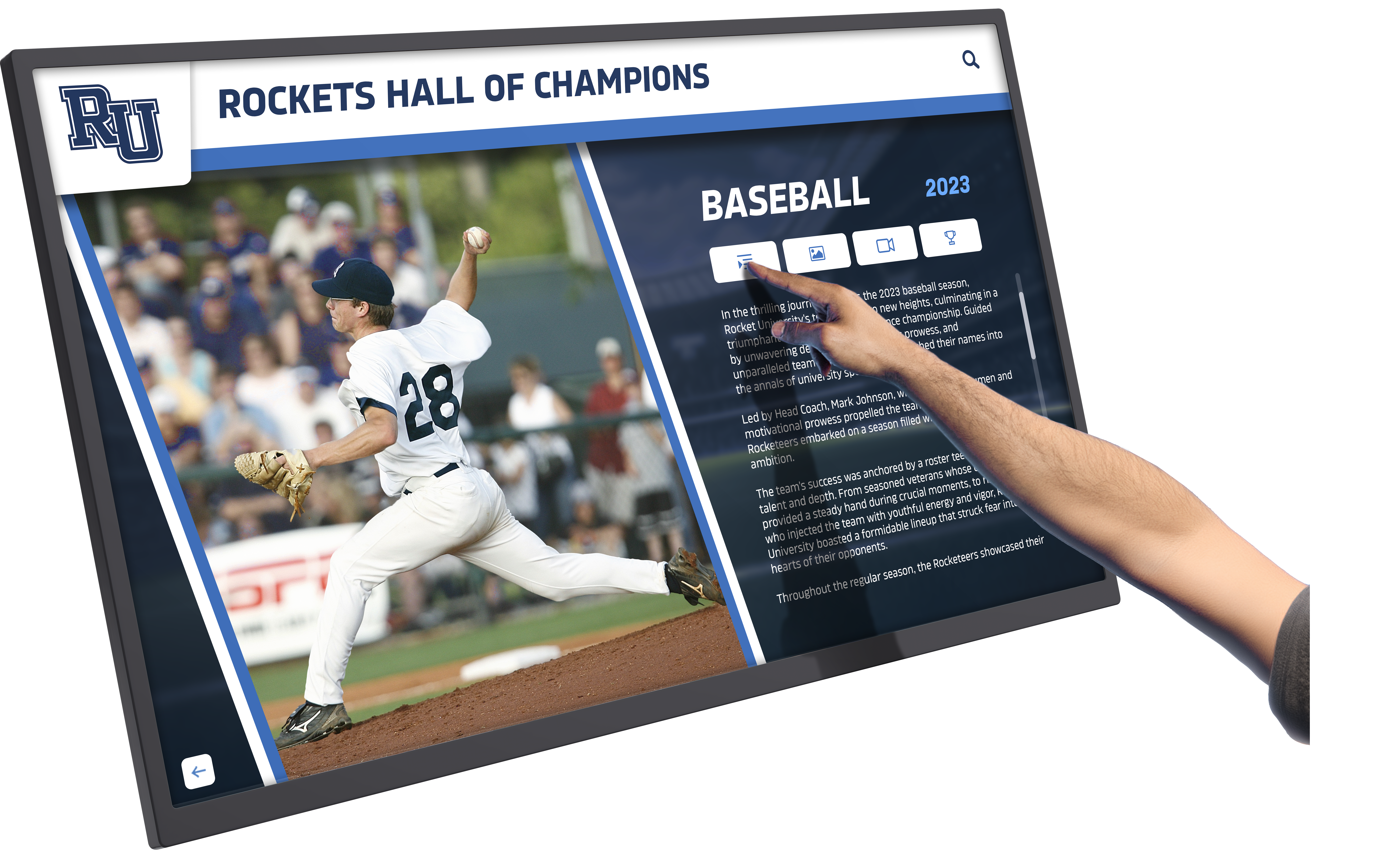
Interactive recognition systems enable detailed exploration of individual FBLA achievements and competition results through engaging touchscreen interfaces
The Long-Term Impact of FBLA Participation
Understanding FBLA’s extended benefits helps students, parents, and educators recognize why the organization merits sustained support and prominent institutional recognition.
College Success and Scholarship Opportunities
FBLA members enter college with distinct advantages that manifest throughout undergraduate experiences:
Business Program Preparation Students majoring in business fields arrive with foundational knowledge that non-FBLA peers lack, enabling stronger performance in introductory courses while providing context for advanced material. This preparation particularly benefits students from schools without extensive business course offerings where FBLA provides primary business education exposure.
Leadership Role Readiness FBLA officer experience transfers directly to collegiate organizations where students with prior leadership training quickly assume prominent roles that peers without comparable preparation take years to achieve. This early collegiate leadership involvement creates opportunities for networking, skill development, and resume building that compound throughout undergraduate years.
Competitive Experience Translation FBLA members continuing involvement through Phi Beta Lambda already understand competitive event preparation, conference dynamics, and organization culture enabling immediate high-level participation rather than learning organizational norms as newcomers. Many FBLA national competitors become PBL national champions, demonstrating clear skill progression continuity.
Scholarship Access FBLA-specific scholarships provide funding exclusively available to members, while non-FBLA scholarships often prioritize applicants demonstrating business interest, leadership experience, and competitive achievement—exactly what FBLA participation provides. These financial benefits directly reduce college costs for many members while recognizing their high school involvement.
Career Advantages and Professional Networks
FBLA benefits extend beyond college into professional careers through multiple pathways:
Enhanced Employability Entry-level job applicants with FBLA experience demonstrate business literacy, professional behavior understanding, and communication capabilities that distinguish them from candidates lacking comparable preparation. Employers consistently report that FBLA alumni require less fundamental training and adapt faster to professional environments than employees without similar preparation.
Industry Connections Business professionals serving as FBLA judges, speakers, and mentors often maintain relationships with impressive students, creating networking connections that lead to internships, references, and early career opportunities. These connections—established during high school—sometimes prove valuable years later when students seek career advancement or professional advice.
Credential Recognition Business Achievement Awards, competitive placements, and officer positions remain on resumes throughout early careers, providing talking points during interviews while demonstrating long-term commitment to professional development. Many young professionals report that interview conversations about high school FBLA experience revealed shared connections or experiences creating rapport with interviewers who were also FBLA alumni.
Leadership Capability Foundation The leadership skills developed through FBLA officer positions—communication, delegation, strategic planning, team motivation, conflict resolution—provide foundations that professionals continue building throughout careers. Multiple studies demonstrate that students holding leadership positions in structured youth organizations advance professionally faster than peers without comparable early leadership development.
Effective recognition of these long-term benefits requires comprehensive systems documenting FBLA alumni career progression alongside their high school achievements, demonstrating tangible connections between competitive success and professional accomplishment.
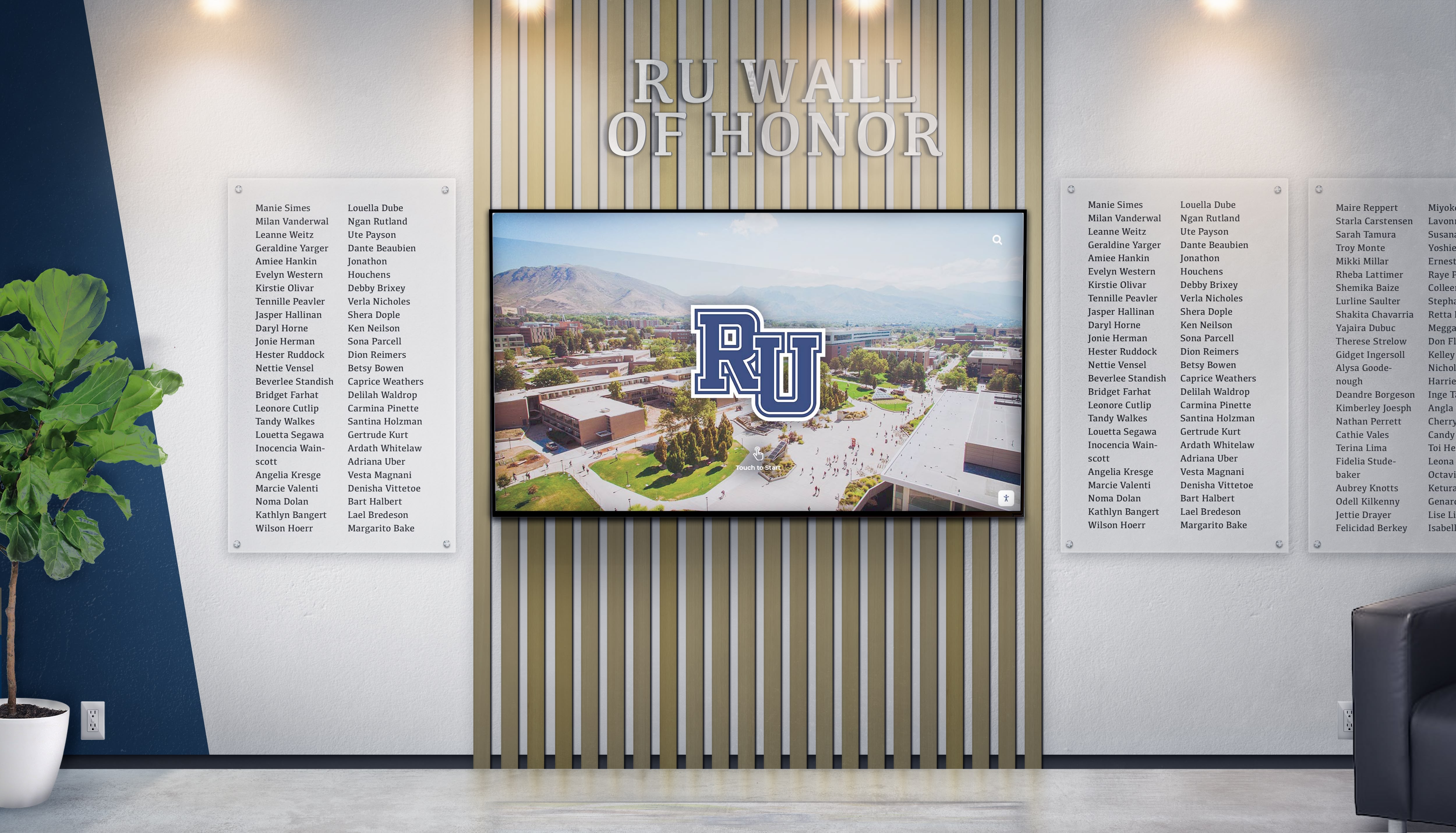
Comprehensive recognition systems preserve FBLA achievement histories while inspiring current students through role model examples
Integrating FBLA Recognition with Broader School Culture
The most effective FBLA programs don’t exist in isolation but integrate systematically with broader school recognition, academic programs, and institutional culture.
Coordinating Academic and Business Recognition
Schools should position FBLA achievement alongside traditional academic honors rather than segregating business recognition into separate systems suggesting secondary importance:
Include FBLA in Academic Award Ceremonies Rather than limiting recognition to FBLA-specific banquets, incorporate competitive placements and Business Achievement Awards into broader academic recognition events that honor National Merit Scholars, AP high scorers, and honor roll students. This integration signals that business achievement merits equal celebration.
Feature FBLA in School Publications Ensure that student newspapers, yearbooks, school websites, and social media channels cover FBLA success with prominence comparable to academic team victories or subject-specific honors. Consistent media visibility builds program prestige while educating non-members about opportunities.
Create Unified Recognition Displays Rather than separate FBLA recognition from other academic honors, implement systems showcasing business leadership alongside National Honor Society inductees, subject-specific award winners, and college scholarship recipients. Unified displays demonstrate that schools value diverse excellence pathways equally.
Integrate into Graduation Recognition Ensure that graduating seniors receive recognition for FBLA accomplishments during commencement ceremonies alongside other honors typically acknowledged. State and national competitors, Business Achievement Award completers, and multi-year officers deserve ceremonial recognition comparable to valedictorians and salutatorians.
Supporting CTE Program Integration
FBLA naturally aligns with Career and Technical Education initiatives, providing recognition frameworks that elevate CTE program visibility while demonstrating academic rigor:
Document Industry Certification Alongside FBLA Achievement Many business CTE programs lead to industry certifications in areas like accounting, marketing, information technology, or entrepreneurship. Recognition systems should coordinate these credentials with FBLA competitive success, showing comprehensive business education outcomes.
Highlight Career Pathway Progression Create recognition narratives documenting how students progress from introductory business courses through FBLA competition to industry certification, workplace-based learning, and eventually college business programs or direct career entry. This storytelling demonstrates CTE program effectiveness while helping younger students understand progression pathways.
Connect FBLA Success to School Performance Metrics Many states include CTE performance measures in school accountability systems. FBLA competitive success and certification completion directly support these metrics, deserving recognition not just for individual student benefit but institutional performance they enhance.
Building Community and Business Partnership Support
Effective FBLA programs cultivate community relationships that benefit students while strengthening chapters:
Recruit Business Professionals as Mentors and Judges Local business leaders often welcome opportunities to support education through mentoring students, judging internal competitions, speaking at meetings, or hosting workplace tours. These partnerships provide students authentic business exposure while building community connections supporting chapters financially and programmatically.
Showcase FBLA Impact to School Boards and Administrators Regularly communicate FBLA achievements and program outcomes to school leadership through recognition reports, competition result announcements, and systematic documentation. This visibility ensures that administrators understand FBLA’s value while supporting program resources and recognition priorities.
Leverage Alumni Networks for Current Student Support FBLA alumni often maintain strong organization connections and willingly support current chapters through mentoring, financial contributions, speaking engagements, or networking opportunities. Systematic alumni engagement creates sustainable support systems while demonstrating long-term program impact through graduate success stories.
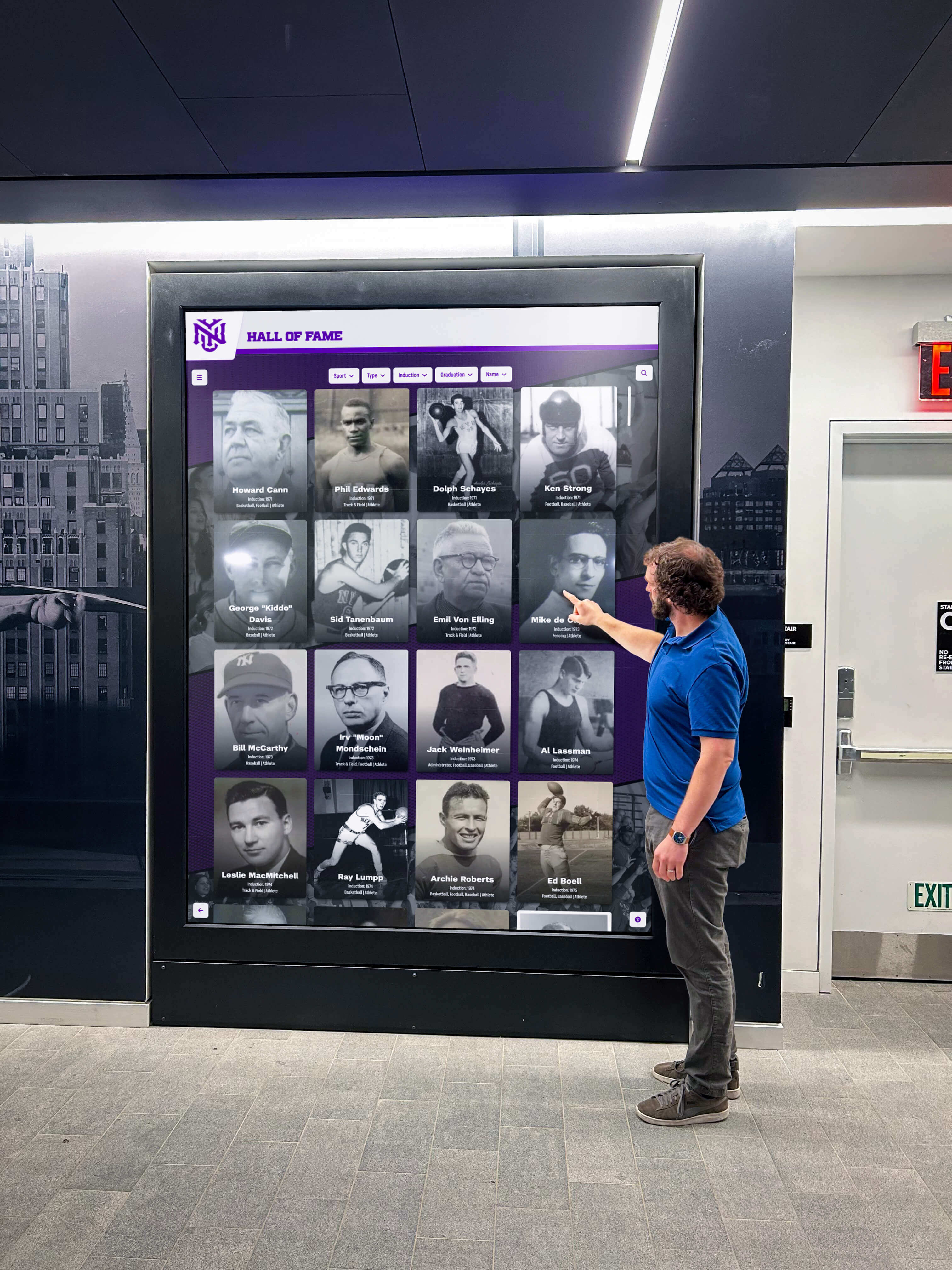
Community members exploring FBLA achievements through interactive displays build program understanding and support while celebrating student success
Conclusion: Elevating Business Leadership Recognition
FBLA provides exceptional opportunities for students to develop business acumen, leadership capabilities, and professional competencies that prepare them for college and career success. Through competitive events spanning diverse business disciplines, systematic leadership development programs, community service initiatives, and progressive recognition frameworks, FBLA creates comprehensive pathways for skill building that benefit participants regardless of ultimate career directions.
Yet FBLA’s potential remains unrealized when business leadership achievements receive less institutional recognition than athletic or traditional academic accomplishments. Students who invest hundreds of hours preparing for competitions, progressing through Business Achievement Awards, serving in officer positions, and contributing to communities deserve celebration equal to any other student accomplishment.
Effective FBLA recognition requires moving beyond certificates presented at chapter banquets toward comprehensive systems ensuring business leadership visibility throughout school communities. Digital recognition platforms that accommodate unlimited achievements, provide rich storytelling capabilities, enable interactive exploration, extend access through web availability, and facilitate efficient content management transform how schools celebrate FBLA while addressing space constraints limiting traditional recognition methods.
Solutions like Rocket Alumni Solutions provide integrated recognition systems specifically designed for schools seeking to honor diverse student achievements—from athletics and academics to business leadership and fine arts—through unified platforms ensuring equal visibility and celebration across all excellence pathways.
Celebrate FBLA Excellence with Modern Recognition
Discover how digital recognition solutions can help your school honor FBLA achievements with the prominence they deserve while inspiring broader participation in business leadership programs.
Explore Recognition SolutionsWhen schools recognize FBLA achievement prominently alongside other honors, participation increases, member motivation strengthens, college admissions officers better appreciate business leadership accomplishments, employers recognize valuable preparation, and educational communities benefit from cultures celebrating diverse excellence pathways rather than privileging limited definition of student success.
Your FBLA members’ achievements—competitive placements earned through dedicated preparation, leadership developed through officer service, business knowledge built through systematic study, and community impact created through service projects—deserve recognition systems equal to their significance. Modern recognition technology makes comprehensive celebration achievable while eliminating space constraints that historically forced difficult exclusion decisions.
Building prominent FBLA recognition demonstrates institutional commitment to business education, career preparation, and leadership development while inspiring younger students to pursue business leadership pathways that may transform their educational experiences and career trajectories. The investment in professional recognition honors past achievement while motivating future excellence, creating positive cycles where visibility drives participation driving achievement driving recognition driving further participation.
Start by evaluating current FBLA recognition approaches, identifying gaps between business leadership celebration and recognition provided for other achievements, and implementing systems ensuring equal institutional support. Whether through digital displays, integrated academic recognition programs, or comprehensive documentation systems, effective FBLA recognition requires deliberate planning and sustained commitment to celebrating business leadership excellence appropriately.
Your FBLA members invest tremendous effort developing capabilities that benefit them throughout lives. They deserve recognition equal to their dedication—acknowledgment that validates their work, inspires continued excellence, and signals that your institution genuinely values the business leadership competencies preparing students for success in whatever careers they ultimately pursue.































