Competitive swimmers face unique nutritional challenges. Unlike sports with halftime breaks or single-event competitions, swim meets involve multiple races over several hours, sometimes spanning entire days. Each race demands explosive power, sustained endurance, and rapid recovery—all while maintaining optimal body temperature in water that constantly saps energy reserves.
Nutrition strategy directly impacts performance in the pool. The right pre-meet meal provides sustained energy without causing digestive distress. Proper timing ensures glycogen stores are maximized when you hit the blocks. Smart food choices between events maintain performance across multiple races. Poor nutrition choices, conversely, lead to premature fatigue, cramping, slower times, and disappointing results.
This comprehensive guide provides evidence-based nutrition strategies specifically designed for competitive swimmers. You’ll learn what to eat before a swim meet, when to eat it, how to fuel between events, and how to avoid common dietary mistakes that compromise performance. Whether you’re swimming your first meet or competing at elite levels, these practical nutrition protocols will help you perform at your best.
Swimmers preparing for competition must balance multiple nutritional objectives simultaneously: maximizing glycogen storage for energy availability, maintaining stable blood sugar throughout extended competition periods, minimizing digestive load to prevent GI distress, supporting hydration despite immersion in water, and providing adequate protein for muscle function and recovery between events.
Modern swimming programs use digital recognition systems to celebrate athlete achievements and maintain performance records
Understanding Swimmer Energy Demands
Before developing specific meal plans, swimmers need to understand the unique metabolic demands their sport places on their bodies. This knowledge informs why certain foods work better than others for swim meet fueling.
Energy Systems in Competitive Swimming
Swimming competitions utilize multiple energy pathways depending on race distance and intensity:
Sprint Events (50-100m): Primarily rely on the phosphocreatine system and anaerobic glycolysis. These races last 20-60 seconds and demand maximal power output. The body burns carbohydrates stored as muscle glycogen at extremely high rates. Pre-meet nutrition must ensure glycogen stores are fully saturated.
Middle Distance (200-400m): Blend anaerobic and aerobic metabolism. These races lasting 1.5-4.5 minutes require sustained high-intensity effort with significant lactate accumulation. Adequate glycogen storage remains critical, and blood glucose stability becomes increasingly important.
Distance Events (800m-1500m): Predominantly aerobic metabolism with sustained moderate-high intensity over 8-20 minutes. These events deplete muscle glycogen significantly and increasingly rely on blood glucose. Carbohydrate availability throughout the race becomes essential.
Relay and Multiple Event Schedules: Most competitive swimmers race multiple events during meets, sometimes with minimal recovery time between swims. This pattern requires both adequate initial glycogen storage and strategic refueling between events to maintain performance across all races.
Understanding these energy demands explains why carbohydrates form the foundation of pre-meet nutrition—they’re the primary fuel source for all swimming distances.
Caloric Demands During Competition
Competitive swimming burns calories at remarkable rates. While precise values vary by stroke, speed, and individual metabolism, research provides useful estimates:
During races:
- Sprint efforts: 15-20 calories per minute
- Middle distance: 12-16 calories per minute
- Distance swimming: 10-14 calories per minute
During warm-up/cool-down: 8-12 calories per minute depending on intensity
Throughout an entire meet day: Many swimmers expend 2,000-4,000 calories total between warm-ups, multiple races, cool-downs, and basal metabolic needs.
These substantial energy demands explain why meet-day nutrition focuses heavily on carbohydrate-dense foods that efficiently replace burned calories without causing digestive distress.
Championship swimming programs recognize team achievements prominently, celebrating the dedication and training that produces exceptional performance
Pre-Meet Nutrition Timeline
Timing matters as much as food selection when fueling for swim meets. This timeline approach ensures optimal energy availability when races begin while minimizing digestive issues.
3-4 Days Before Competition: Carbohydrate Loading Phase
Elite swimmers often implement modified carbohydrate loading protocols beginning several days before major competitions. This strategy maximizes muscle glycogen stores above normal levels.
Approach:
- Increase carbohydrate intake to 7-10 grams per kilogram body weight daily
- Reduce training volume to allow glycogen supercompensation
- Maintain adequate protein intake (1.4-1.8g per kg body weight)
- Stay well hydrated throughout this period
Practical application:
- 150-pound (68kg) swimmer: 475-680 grams of carbohydrates daily
- 200-pound (91kg) swimmer: 640-910 grams of carbohydrates daily
Food examples meeting carb-loading needs:
- Pasta with marinara sauce
- Rice bowls with lean protein
- Bagels with jam or honey
- Pancakes with fruit
- Oatmeal with bananas
- Sports drinks and energy bars
Note: Full carbohydrate loading protocols are typically reserved for championship meets or final competitions. Regular season dual meets don’t usually warrant multi-day loading strategies.
Night Before Competition: The Foundation Meal
The evening before a swim meet establishes your nutritional foundation. This meal should be substantial, familiar, and carbohydrate-focused while avoiding foods that might cause digestive issues overnight.
Optimal evening meal characteristics:
- High in complex carbohydrates (60-70% of calories)
- Moderate protein (20-25% of calories)
- Lower in fat and fiber than typical meals (to reduce overnight digestive load)
- Familiar foods you’ve eaten successfully before training
- Adequate but not excessive portion sizes
Example evening meals:
Option 1: Pasta-Based
- 2 cups cooked pasta
- 4-6 oz grilled chicken breast
- 1 cup marinara sauce (low-fat variety)
- Side salad with light dressing
- Dinner roll
- Fresh fruit
- Water throughout meal
Option 2: Rice Bowl
- 2 cups white or brown rice
- 4-6 oz teriyaki salmon
- 1 cup steamed vegetables (well-cooked, low-fiber varieties)
- Fruit smoothie made with banana, berries, yogurt
Option 3: American Traditional
- Grilled chicken sandwich on white bun
- Baked sweet potato with minimal butter
- Steamed green beans
- Applesauce
- Sports drink or juice
Foods to avoid the night before:
- High-fat foods that slow digestion (fried foods, heavy cream sauces)
- Excessive fiber that can cause GI distress (large amounts of raw vegetables, beans)
- Unfamiliar foods or restaurants
- Spicy foods that might cause reflux
- Excessive protein that doesn’t contribute to glycogen storage
Swimmers with morning meets should finish this meal by 7-8 PM to allow adequate digestion time before sleeping.
Morning of Competition: 3-4 Hours Before Warm-Up
For meets with morning start times, this pre-competition breakfast requires waking early enough to eat 3-4 hours before your scheduled warm-up time. This timing allows digestion while providing sustained energy.
Ideal breakfast characteristics:
- Primarily carbohydrates with moderate protein
- Low fat and low fiber to minimize GI issues
- Familiar foods from training days
- Adequate fluid intake
- 300-500 calories depending on body size
Tested breakfast options:
Option 1: Classic Carb Focus
- 2 slices white toast with jam or honey
- 1 banana
- 8 oz Greek yogurt
- 16 oz sports drink or water
Option 2: Pancake-Based
- 2-3 small pancakes with maple syrup
- 1 scrambled egg
- Small serving of fruit
- 12 oz orange juice diluted with water
Option 3: Oatmeal Bowl
- 1 cup cooked oatmeal
- 2 tbsp honey or brown sugar
- 1/2 cup berries
- Small handful of granola
- 16 oz fluid
Option 4: Bagel and Smoothie
- 1 bagel with 2 tbsp peanut butter
- Fruit smoothie (banana, berries, milk, small amount of protein powder)
Foods to minimize at breakfast:
- High-fiber cereals (may cause cramping)
- Large amounts of milk (lactose can cause GI distress in some swimmers)
- High-fat breakfast meats
- Large portion sizes that feel heavy
Swimmers who cannot eat full meals early in the morning should focus on easily digestible carbohydrate sources and consider liquid options like smoothies or sports drinks.
Swimming programs increasingly use [digital recognition displays](https://digitalrecordboard.com/blog/swimming-record-boards/?utm_source=organic&utm_medium=seo-auto&utm_content=touchwall&utm_campaign=what-to-eat-before-a-swim-meet&utm_term=seo) to showcase record holders and athlete profiles at natatoriums
60-90 Minutes Before Warm-Up: Light Fuel Top-Off
As your warm-up approaches, many swimmers benefit from a small carbohydrate-rich snack that tops off energy stores without causing digestive issues.
Ideal pre-warm-up snack characteristics:
- Primarily simple carbohydrates for quick digestion
- 100-200 calories
- Minimal fat, protein, and fiber
- Easily portable to pool facility
Effective snack options:
- Sports drink (12-16 oz)
- Energy bar (look for high carb, low fat/fiber varieties)
- Banana with small amount of nut butter
- Applesauce pouch
- White bagel half with jam
- Graham crackers
- Pretzels
- Dry cereal
Some swimmers skip this timing window entirely, preferring to rely on the 3-4 hour meal. Others find this light snack helps them feel energized. Experiment during training and less important meets to discover your optimal approach.
15-30 Minutes Before Racing: Final Energy Boost (Optional)
Some competitive swimmers consume a final small carbohydrate dose immediately before their race blocks. This strategy provides readily available glucose during competition.
Approach:
- 25-50 grams fast-digesting carbohydrates
- Consumed 15-30 minutes before race
- Primarily simple sugars for immediate availability
Common choices:
- Sports gel or chews
- Gummy candy
- Sports drink (8-12 oz)
- Honey packet
- Dried fruit
Important considerations:
This pre-race fueling works well for many swimmers but causes GI distress in others. Test this approach during training first. It’s particularly beneficial for swimmers racing later in multi-day meets when glycogen depletion becomes more significant.
Morning preliminary sessions typically don’t require this immediate pre-race fueling if you’ve followed earlier nutrition protocols. It’s more relevant for finals, championship sessions, or when racing multiple events with short recovery periods.
Between-Event Nutrition Strategy
Most swim meets involve multiple races for each swimmer, sometimes with only 30-60 minutes between events. Strategic refueling maintains performance across all races.
Immediate Post-Race Recovery Window
After completing a race, your muscles are primed for glycogen replenishment. Taking advantage of this physiological window supports faster recovery before subsequent events.
Timing: Within 15-30 minutes after your race
Target: 0.5-0.7 grams of carbohydrate per kilogram of body weight
For a 150-pound swimmer: Approximately 35-50 grams of carbohydrates
Practical options:
- 16-20 oz sports drink
- Energy bar + piece of fruit
- Banana + sports drink
- Bagel half with jam
- Chocolate milk (8-12 oz)
- Recovery shake (carb-focused)
This between-event nutrition becomes increasingly important as meets progress. Your first race might rely primarily on the foundation built through pre-meet meals. By your third or fourth event, between-race fueling significantly impacts performance maintenance.
Managing Long Breaks Between Events
When 2-3 hours separate your races, you need more substantial refueling while still avoiding foods that might cause digestive issues.
Approach for 2+ hour breaks:
Small meal option (60-90 minutes after previous race):
- Sandwich on white bread (turkey, chicken, or peanut butter/jam)
- Pretzels or crackers
- Fresh fruit
- Sports drink
Snack-based approach:
- Consume 150-300 calories every 60-90 minutes
- Focus on easily digestible carbohydrates
- Include small amounts of protein for satiety
- Maintain consistent hydration
Practical foods for long meet days:
- Bagels with various toppings
- White rice with soy sauce
- Plain pasta (can be eaten cold)
- Graham crackers
- Animal crackers
- Granola bars
- Fruit (bananas, applesauce, canned fruit)
- String cheese (if dairy is tolerated)
- Turkey or ham roll-ups
- Pretzels
- Saltine crackers
Foods to avoid between events:
- Heavy, high-fat meals (burgers, pizza, fried foods)
- Large portions that feel uncomfortably full
- High-fiber foods that might cause cramping
- Carbonated beverages that cause bloating
- Unfamiliar foods from concession stands
Many successful swim teams establish team nutrition stations at meets, providing familiar foods that athletes have trained with. This approach prevents swimmers from making poor choices from unfamiliar concession stands when hungry and tired.
Swimming programs use prominent displays to celebrate team achievements and inspire current athletes through visible recognition of past successes
Hydration Strategies for Swimmers
Swimmers often underestimate hydration needs because immersion in water masks sweat losses. Despite being surrounded by water, swimmers can become significantly dehydrated during training and competition.
Why Swimmers Get Dehydrated
Sweat losses in water: Research shows swimmers sweat substantially during pool training, with rates ranging from 300-1,000 mL per hour depending on water temperature and intensity. This sweat is invisible because water immediately washes it away, creating the false impression that swimmers don’t sweat like land-based athletes.
Increased respiratory water loss: Swimming involves elevated breathing rates, particularly during races and high-intensity efforts. Respiratory water vapor losses contribute to overall dehydration.
Reduced drinking frequency: Swimmers can’t drink during races and often minimize drinking during warm-ups to avoid needing bathroom breaks. This naturally reduces fluid intake compared to land-based sports where drinking opportunities are more frequent.
Warm pool temperatures: Many competition pools maintain temperatures around 78-82°F (26-28°C). While cooler than body temperature, exercise intensity generates substantial internal heat that must be dissipated through sweating.
Pre-Meet Hydration Protocol
Optimal hydration begins well before arriving at the pool facility.
48 hours before competition:
- Maintain normal hydration habits
- Monitor urine color (should be pale yellow)
- Consume 0.5 oz of fluid per pound of body weight daily as a baseline
- 150-pound swimmer: 75 oz (approximately 2.2 liters) daily
- 200-pound swimmer: 100 oz (approximately 3 liters) daily
Morning of competition:
- Drink 16-20 oz of fluid upon waking
- Continue hydrating throughout morning at rate of 5-7 mL per kg body weight in the 2-4 hours before warm-up
- 150-pound swimmer: 340-480 mL (11-16 oz)
- 200-pound swimmer: 450-640 mL (15-22 oz)
- Stop aggressive hydration 30-60 minutes before warm-up to allow bladder emptying
Hydration assessment:
Check urine color before leaving for the meet. Pale yellow or clear indicates adequate hydration. Dark yellow suggests you need to increase fluid intake.
During Competition Hydration
Once the meet begins, focus on maintaining hydration status through strategic fluid intake.
During warm-up: Take 2-3 drinking breaks during the warm-up period, consuming 4-8 oz of fluid each time. Total warm-up fluid intake should approximate 8-16 oz depending on duration and intensity.
Between events: Drink 8-12 oz of fluid for every 30-60 minutes of meet time, adjusting based on:
- Ambient pool deck temperature
- Number and intensity of races completed
- Time between your events
- Individual sweat rates
Immediate post-race: Drink 8-12 oz within 15 minutes of completing each race. This fluid replaces sweat losses and supports the carbohydrate-rich recovery snacks consumed in this window.
Optimal Hydration Beverages
Different fluids serve different purposes throughout the meet day:
Water: Best for general hydration during warm-up periods and when not racing for extended periods. Adequate for meets lasting under 3-4 hours with only 1-2 races per swimmer.
Sports drinks: Provide both hydration and carbohydrate replenishment. Best for:
- Between events when you need both fluid and energy
- During extended meet days (4+ hours)
- When racing 3+ events
- In hot pool deck environments
Sports drinks containing 6-8% carbohydrate concentration (14-19 grams of carbs per 8 oz) are optimal. Higher concentrations may slow gastric emptying.
Chocolate milk: Excellent post-meet recovery beverage combining fluid, carbohydrates, protein, and electrolytes. Less ideal during meets due to dairy content that some swimmers find difficult to digest before subsequent races.
Coconut water: Provides natural electrolytes and carbohydrates with lower sugar content than traditional sports drinks. Good alternative for swimmers who find sports drinks too sweet.
Beverages to avoid during competition:
- Caffeinated beverages in excess (small amounts may be acceptable for some swimmers)
- Carbonated beverages that cause bloating
- High-sugar fruit juices that may cause GI distress
- Energy drinks with excessive caffeine
- Alcohol (obviously, but stated for completeness)
Post-Meet Rehydration
After competition concludes, focus on full rehydration before leaving the facility:
Immediate post-meet (within 30 minutes): Consume 16-24 oz of fluid
Continued rehydration: Drink 150% of weight lost during the meet
- If you lost 2 pounds during the meet, drink 48 oz (2 lbs × 16 oz per lb × 1.5)
- Weigh yourself before warm-up and after the meet to calculate losses
This 150% replacement accounts for ongoing urinary losses during the rehydration period.

Modern aquatic facilities incorporate [interactive displays](https://best-touchscreen.com/blog/sports-banquet-ideas/?utm_source=organic&utm_medium=seo-auto&utm_content=touchwall&utm_campaign=what-to-eat-before-a-swim-meet&utm_term=seo) that allow swimmers to track records and celebrate achievements throughout the competitive season
Special Considerations for Different Types of Meets
Not all swim meets are identical. Nutrition strategies should adapt to the specific demands of different competition formats.
Single-Session Dual Meets (2-3 Hours)
These shorter meets with 1-2 events per swimmer require less aggressive fueling strategies.
Approach:
- Rely primarily on the pre-meet meal consumed 3-4 hours before warm-up
- Light snack 60-90 minutes before warm-up
- Sports drink during warm-up and between events
- Simple carbohydrate snack after first event if racing twice
- Focus more on hydration than between-event feeding
Pitfalls to avoid: Overeating at these shorter meets can cause GI distress without providing performance benefits.
Preliminary/Finals Format (Two Sessions Daily)
Championship meets with morning prelims and evening finals require split nutrition strategy.
Morning prelims approach:
- Full pre-meet breakfast 3-4 hours before morning warm-up
- Race morning events using standard nutrition protocol
- Significant carbohydrate-focused meal after prelims conclude (lunch)
- Rest period with adequate hydration
Between sessions (afternoon):
- Substantial lunch 4-5 hours before evening warm-up
- Large sandwich or wrap
- Fruit
- Pretzels or chips
- Sports drink
- Estimated 500-800 calories
- Light snack 90 minutes before evening warm-up
- Return to standard pre-race fueling for finals
Recovery focus: Swimmers making finals must balance same-day recovery with evening preparation. Prioritize carbohydrate and fluid replenishment during the afternoon break.
Multi-Day Championship Meets
Extended competitions lasting 3-5 days require careful attention to cumulative nutrition across the entire meet.
Daily approach:
- Consistent breakfast routine every morning
- Aggressive between-event fueling each session
- Substantial dinner each evening focusing on glycogen replenishment
- Adequate sleep supporting recovery between days
- Increased total caloric intake (500-1,000 calories above training days)
Progressive fatigue management:
As meets extend across multiple days, cumulative fatigue impacts performance. Nutrition becomes increasingly important:
Days 1-2: Follow standard meet nutrition protocols
Days 3-4: Increase between-event and evening carbohydrate intake by 15-20% to combat glycogen depletion
Final day: Maintain aggressive fueling but avoid overeating if afternoon/evening finals are scheduled
Recovery each evening:
Post-meet recovery nutrition supports next-day performance:
- Within 30 minutes of final race: Recovery shake or chocolate milk
- Dinner within 90 minutes: Carb-focused meal with adequate protein
- Evening snack before bed: Light carbohydrates to support overnight glycogen synthesis
Open Water and Distance Events
Long-duration open water races or pool events over 5km require modified nutrition approaches:
Pre-race fueling: Higher carbohydrate loading in preceding days, with emphasis on easily digestible foods due to higher risk of GI distress during sustained effort.
During-race nutrition: Events lasting over 60-90 minutes may benefit from mid-race fueling:
- Sports drinks at feeding stations
- Energy gels
- Quickly consumed solid foods if permitted
Post-race priority: These events deplete glycogen more substantially, making immediate recovery nutrition even more critical.
Common Nutrition Mistakes Swimmers Make
Learning what NOT to do is as important as understanding optimal strategies. These common errors compromise performance.
Mistake #1: Trying New Foods at Competition
The problem: Digestive responses to unfamiliar foods are unpredictable. What works perfectly for your teammate might cause cramping, nausea, or worse for you.
Why swimmers do this: Concession stand foods look appealing when hungry. Teammates recommend their favorite pre-race meals. Nutrition advice from internet sources seems authoritative.
The solution: Test all meet-day nutrition during training first. Eat the same pre-race breakfast before challenging workout sets. Consume identical between-event snacks during practice meets or time trials. Build confidence in YOUR specific nutrition protocol through repeated experience.
Implementation: Create a written meet-day nutrition plan listing specific foods, portions, and timing. Pack these foods for competition rather than relying on unfamiliar options at the facility.
Mistake #2: Insufficient Carbohydrate Intake
The problem: Many swimmers, particularly those focused on body composition, restrict carbohydrates leading up to meets. This depletes glycogen stores, the primary fuel for swimming performance.
Why swimmers do this: Misconceptions about “eating clean” or following general diet advice not specific to athletes. Fear of weight gain before important meets. Following nutritional approaches designed for non-athletes or endurance sports with different demands.
The solution: Competitive swimming is a power sport requiring high glycogen availability. Carbohydrates should constitute 60-70% of meet-day calories. This isn’t “unhealthy”—it’s performance-essential fueling.
Practical application:
- Track carbohydrate intake in the 2-3 days before major meets
- Ensure you’re meeting 6-8 grams per kg body weight minimum
- Recognize that meet-day nutrition differs from daily training nutrition or off-season eating
Mistake #3: Overeating at Meets
The problem: The opposite error—consuming excessive food between events, leading to sluggish feeling, GI distress, and impaired performance.
Why swimmers do this: Anxiety-driven eating. Boredom during long meets. Social eating with teammates. Misunderstanding of actual caloric needs between events.
The solution: Eat strategically, not continuously. Calculate approximate caloric expenditure for your specific races and fuel accordingly rather than eating whenever food is available.
Guidelines:
- Sprint-focused meet (50s and 100s): 150-300 calories between events
- Middle-distance emphasis: 250-400 calories between events
- Distance events: 300-500 calories between events
- Adjust based on time between races
Mistake #4: Poor Hydration Timing
The problem: Either showing up dehydrated or drinking excessively immediately before racing, necessitating bathroom breaks at inopportune times.
Why swimmers do this: Forgetting to hydrate steadily throughout the day. Panic-drinking when noticing thirst. Underestimating cumulative fluid needs during extended meets.
The solution: Begin hydration days before competition. Maintain steady intake throughout meet day. Stop aggressive drinking 30-60 minutes before warm-up, allowing bladder emptying before competition begins. Continue moderate hydration between events.
Assessment: Check urine color throughout the meet day. Pale yellow indicates good hydration status.
Mistake #5: Ignoring Individual Tolerance
The problem: Following generic nutrition advice without accounting for personal digestive sensitivity, food preferences, or physiological responses.
Why swimmers do this: Assuming successful nutrition protocols are universal. Following teammate or coach recommendations without personal testing. Lacking knowledge about individual digestion timing.
The solution: Systematic experimentation during training periods to identify:
- Which carbohydrate sources you digest easily vs. those causing issues
- Your optimal timing window for pre-race meals (some swimmers need 4+ hours, others function well with 2-3 hours)
- Foods that sit well vs. those causing discomfort
- Whether you perform better with more liquid vs. solid food approaches
- Your specific hydration needs (some athletes are “heavy sweaters,” others less so)
Implementation: Keep a training and competition nutrition log noting what you ate, when, and how you felt during subsequent workouts or races. Patterns will emerge revealing your optimal personal protocol.

Solutions like [Rocket Alumni Solutions](https://rocketalumnisolutions.com/?utm_source=organic&utm_medium=seo-auto&utm_content=touchwall&utm_campaign=what-to-eat-before-a-swim-meet&utm_term=seo) help swimming programs showcase records and honor champions in natatoriums, creating environments that celebrate the dedication required for peak performance
Sample Meet-Day Nutrition Plans
These complete examples demonstrate how to implement the principles outlined throughout this guide for different meet formats.
Plan A: Morning Prelim/Evening Finals Championship Meet
Athlete profile: 16-year-old female, 140 pounds (64 kg), racing 100 butterfly (prelims 9:30 AM, finals 6:45 PM) and 200 IM (prelims 11:00 AM, finals 7:30 PM)
Day before meet:
- Dinner (6:00 PM): Large pasta bowl (2.5 cups pasta, marinara sauce, 4 oz grilled chicken), dinner roll, small side salad, fruit salad, 20 oz water
- Evening snack (8:30 PM): Bagel with jam, 12 oz sports drink
Morning of prelims:
- 5:30 AM: Wake up, drink 16 oz water
- 6:00 AM: Breakfast—2 slices toast with jam, banana, 8 oz Greek yogurt with granola, 16 oz diluted sports drink (approx 450 calories, 80g carbs)
- 8:00 AM: Arrive at pool, drink 8 oz sports drink
- 8:30 AM: Begin warm-up, drink 6 oz during warm-up
- 9:15 AM: Banana, 8 oz sports drink
- 9:30 AM: Race 100 butterfly prelim
- 9:45 AM: 12 oz sports drink, energy bar (200 calories, 35g carbs)
- 10:45 AM: Bagel half with peanut butter, applesauce pouch, 12 oz sports drink
- 11:00 AM: Race 200 IM prelim
- 11:20 AM: Chocolate milk (12 oz), pretzels
- 11:45 AM: Leave pool facility
Afternoon between sessions:
- 12:30 PM: Lunch—Turkey sandwich on white bread, pretzels, banana, orange juice, water (approx 600 calories)
- 1:00-4:00 PM: Rest at hotel
- 2:30 PM: Light snack—granola bar, fruit, 12 oz sports drink
- 4:00 PM: Light meal—Plain bagel with jam, apple, 16 oz sports drink (approx 400 calories)
Evening finals session:
- 5:15 PM: Arrive at pool, drink 8 oz sports drink
- 5:45 PM: Begin warm-up, drink 6 oz during warm-up
- 6:30 PM: Sports gel, 8 oz sports drink
- 6:45 PM: Race 100 butterfly final
- 7:00 PM: 12 oz sports drink, banana
- 7:20 PM: Energy bar, 8 oz sports drink
- 7:30 PM: Race 200 IM final
- 7:50 PM: Recovery shake (20g protein, 40g carbs), water
Post-meet dinner:
- 8:45 PM: Large carb-focused meal—rice bowl with chicken, vegetables, fruit, 20 oz fluid (approx 800 calories)
Plan B: Single-Session Dual Meet (Evening)
Athlete profile: 14-year-old male, 120 pounds (54 kg), racing 200 free (7:10 PM) and 100 back (8:15 PM)
Day before:
- Dinner (6:30 PM): Chicken teriyaki with white rice (2 cups rice), steamed broccoli, fruit, water
Day of meet:
- Breakfast (8:00 AM): Normal training-day breakfast—oatmeal with berries, toast, orange juice
- Lunch (12:00 PM): Normal training-day lunch—ham sandwich, apple, pretzels, water
- Afternoon snack (3:00 PM): Bagel with jam, banana, 16 oz sports drink
- 5:00 PM: Arrive at pool, drink 12 oz sports drink
- 5:30 PM: Begin warm-up, drink 6 oz during warm-up
- 6:45 PM: Banana, 8 oz sports drink
- 7:10 PM: Race 200 free
- 7:25 PM: Sports drink (12 oz), granola bar
- 8:00 PM: Energy chews, 8 oz sports drink
- 8:15 PM: Race 100 back
- 8:30 PM: Chocolate milk, pretzels, water
Post-meet:
- 9:00 PM: Dinner—Pasta with meat sauce, garlic bread, salad, water (substantial carb repletion for next practice)
Plan C: Multi-Day Distance Meet (Day 3)
Athlete profile: 18-year-old male, 175 pounds (80 kg), distance specialist racing 500 free, 400 IM, and 1650 free across three-day meet, showing plan for Day 3
Previous evening:
- Dinner (6:30 PM): Extra-large serving pasta (3 cups), breadsticks, salad, fruit, 24 oz fluid
- Evening snack (9:00 PM): PB&J sandwich, 16 oz sports drink
- Note: Increased carbohydrate intake on Day 3 to combat cumulative glycogen depletion
Morning Day 3:
- 6:00 AM: 16 oz water immediately upon waking
- 6:30 AM: Larger breakfast—3 pancakes with syrup, 2 eggs, fruit, 20 oz diluted OJ (approx 650 calories, 110g carbs)
- 8:00 AM: Arrive at pool, 12 oz sports drink
- 8:30 AM: Begin warm-up, 8 oz during warm-up
- 9:15 AM: Bagel with peanut butter, banana, 12 oz sports drink
- 10:00 AM: Race 500 free
- 10:20 AM: Recovery shake, pretzels
- 11:00 AM: Turkey sandwich (light, on white bread), applesauce, 12 oz sports drink
- 12:30 PM: Energy bar, fruit, 12 oz sports drink
- 1:15 PM: Race 400 IM
- 1:40 PM: Chocolate milk, bagel half with jam
- 2:30 PM: Pasta (cold, eaten with spork from container brought from hotel), 16 oz sports drink
- 3:45 PM: Banana, sports gel, 8 oz sports drink
- 4:15 PM: Race 1650 free
- 4:45 PM: Large recovery shake (30g protein, 60g carbs), water, pretzels
Post-meet:
- 5:30 PM: Extensive post-meet meal—Double serving pasta, protein, vegetables, bread, fruit, large fluid intake
Note: This athlete’s Day 3 shows significantly higher caloric intake than earlier meet days due to cumulative demands and multiple distance events.
Supplements and Ergogenic Aids: What Works for Swimmers
While whole foods form the foundation of swim meet nutrition, certain supplements have research support for competitive swimming applications.
Evidence-Supported Supplements
Caffeine:
- Mechanism: Enhances alertness, reduces perceived exertion, may improve power output
- Dosing: 3-6 mg per kilogram body weight, consumed 45-60 minutes before competition
- Application: Most beneficial for finals or championship sessions, less necessary for routine dual meets
- Forms: Coffee, caffeine pills, energy gels with caffeine
- Cautions: Can cause jitteriness, anxiety, or GI distress in sensitive individuals; test during training first; may affect sleep if consumed late in day
Creatine:
- Mechanism: Enhances phosphocreatine stores supporting ATP regeneration during high-intensity efforts
- Dosing: 3-5 grams daily (not specifically before meets—works through chronic loading)
- Application: Particularly relevant for sprint and middle-distance swimmers
- Evidence: Substantial research supports efficacy for repeated sprint performance
- Considerations: Causes 1-3 pound water weight gain, which some swimmers find undesirable; NCAA legal
Beta-Alanine:
- Mechanism: Increases muscle carnosine, buffering hydrogen ions and delaying fatigue during high-intensity efforts
- Dosing: 3-6 grams daily in divided doses (chronic supplementation required, not acute pre-race)
- Application: Most beneficial for events lasting 1-4 minutes (100-400 yard/meter races)
- Side effects: Harmless tingling sensation (paresthesia) common
- Timeline: Requires 4-6 weeks of consistent use to see benefits
Beetroot Juice/Nitrate Supplements:
- Mechanism: Dietary nitrates improve oxygen efficiency and blood flow
- Dosing: 300-600 mg nitrates (approximately 500mL beetroot juice) consumed 2-3 hours before racing
- Application: Potentially beneficial for middle-distance and distance events
- Evidence: More established in endurance sports, emerging research in swimming
- Considerations: Some athletes experience GI distress; test before training, not first at meets
Supplements With Limited or No Evidence
Branched-Chain Amino Acids (BCAAs): Unnecessary if adequate protein intake is maintained through whole foods. Swimming doesn’t deplete BCAAs to the extent that supplementation provides benefits beyond normal dietary protein.
L-Carnitine: Lacks strong evidence for swimming performance enhancement. Adequate carnitine is obtained through normal diet.
Glutamine: No performance benefits for healthy athletes with adequate nutrition.
“Pre-workout” formulas: Usually expensive combinations of caffeine, beta-alanine, and other ingredients that can be obtained more economically individually. Often contain proprietary blends with undisclosed amounts of active ingredients.
Important Supplement Considerations for Competitive Swimmers
Banned substance risk: Swimmers subject to drug testing (USA Swimming, NCAA, FINA, WADA) must verify supplements are third-party tested and certified (NSF Certified for Sport, Informed Sport, etc.). Contaminated supplements cause inadvertent positive tests resulting in competition bans.
Age-appropriateness: Many supplements have limited research in adolescent populations. Young swimmers (under 18) should focus on optimizing whole food nutrition before considering supplementation.
Individual response variability: Supplements showing population-level effects don’t work equally for all individuals. Personal testing during training determines whether specific supplements benefit YOUR performance.
Cost-benefit analysis: Many supplements are expensive. Prioritize optimizing readily available, affordable whole foods before investing in supplements with marginal benefits.
What About Recovery Supplements?
Protein powder: Convenient and effective for meeting protein needs, particularly immediately post-meet when whole food protein might not be readily available or appealing. Whey protein is rapidly absorbed, making it ideal for the immediate post-competition window.
Recovery formulas: Products with 3:1 or 4:1 carb-to-protein ratios effectively support glycogen replenishment and protein synthesis. Chocolate milk provides similar benefits at lower cost for swimmers without dairy intolerance.
Electrolyte supplements: Generally unnecessary if consuming adequate sports drinks and salting foods normally. Relevant for swimmers who are heavy sweaters or competing in very hot environments.
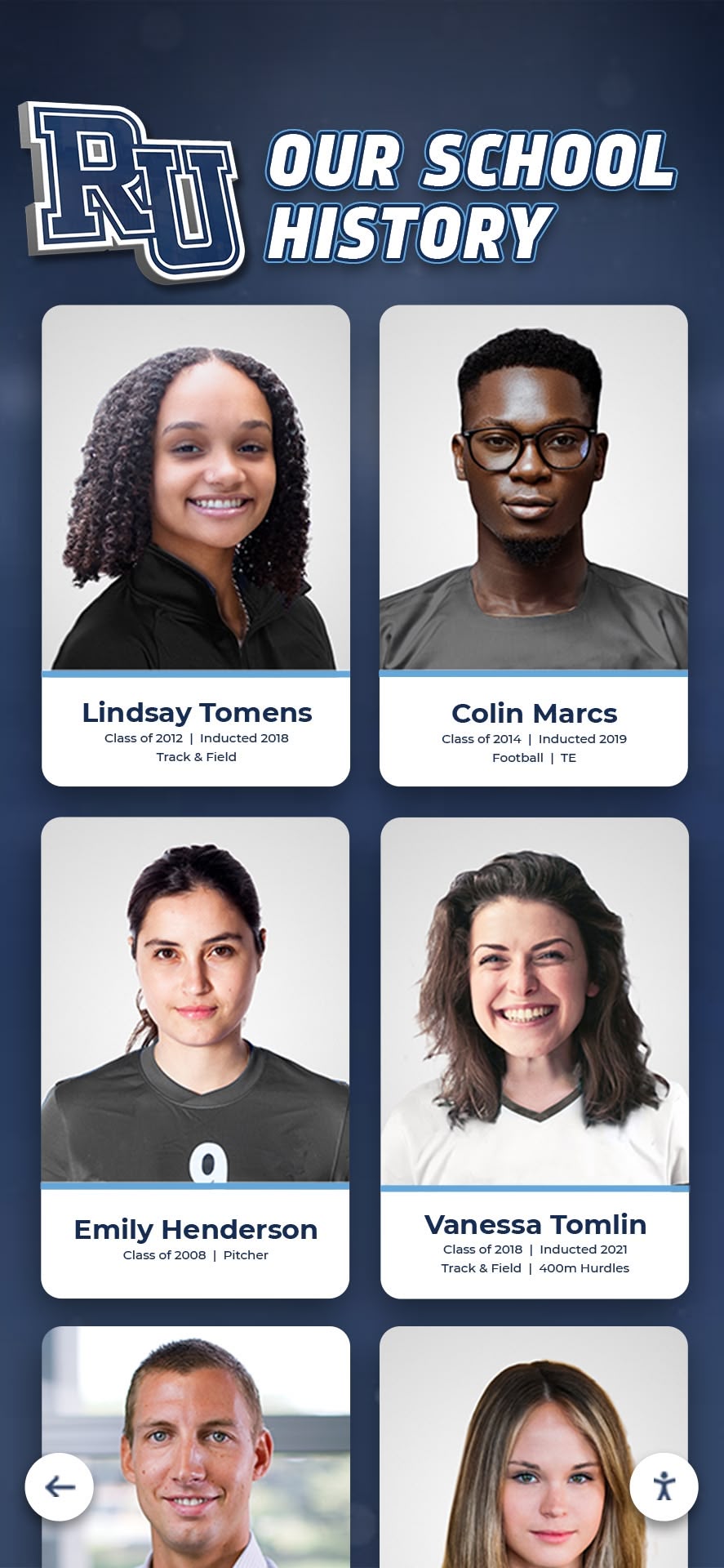
High school and collegiate swimming programs increasingly utilize [digital displays](https://halloffame-online.com/blog/academic-recognition-programs-guide/?utm_source=organic&utm_medium=seo-auto&utm_content=touchwall&utm_campaign=what-to-eat-before-a-swim-meet&utm_term=seo) to celebrate both athletic and academic achievements of student-athletes
Special Dietary Considerations
Swimmers with specific dietary patterns or restrictions require modified approaches to meet-day nutrition while still supporting optimal performance.
Vegetarian and Vegan Swimmers
Plant-based athletes can absolutely meet nutritional needs for competitive swimming through careful planning.
Protein considerations:
- Ensure adequate total protein intake (1.6-1.8g per kg body weight)
- Combine complementary proteins throughout the day
- Consider plant-based protein powder for convenience
- Pre-meet protein sources: nut butters, tofu, tempeh, legumes (if tolerated without GI issues), plant-based protein shakes
Carbohydrate sources: Generally abundant in plant-based diets—grains, fruits, vegetables, legumes
Micronutrient attention:
- Iron: Plant-based iron (non-heme) is less bioavailable; consume vitamin C with iron sources; consider supplementation if blood tests show deficiency
- Vitamin B12: Supplementation essential for vegans (not found in plant foods)
- Omega-3 fatty acids: Algae-based supplements provide EPA/DHA if not consuming fish
- Zinc: Adequate intake from legumes, nuts, seeds, fortified foods
Meet-day challenges and solutions:
Finding suitable pre-meet foods at facilities or restaurants can be challenging. Pack substantial portions of portable plant-based foods:
- Nut butter and jam sandwiches
- Trail mix
- Energy bars (verify plant-based status)
- Fresh and dried fruit
- Pretzels, crackers
- Plant-based protein shakes
Gluten-Free Swimmers
Competitive swimmers with celiac disease or gluten sensitivity need to identify gluten-free carbohydrate sources providing equivalent energy.
Gluten-free carbohydrate alternatives:
- Rice (white or brown)
- Potatoes (white, sweet)
- Corn-based products (tortillas, grits)
- Gluten-free oats (verify certified GF)
- Gluten-free bread, bagels, pasta (widely available now)
- Rice cakes, corn-based cereals
- Fruits (all naturally GF)
- Quinoa
Meet-day strategy:
Pack comprehensive gluten-free foods since facility concession stands rarely offer suitable options:
- GF bagels and bread products
- GF energy bars and gels
- GF pretzels and crackers
- Rice-based snacks
- Fresh fruit
Cross-contamination awareness: Swimmers with celiac disease must avoid cross-contamination at shared team food areas. Bring clearly labeled personal food containers.
Lactose Intolerance
Dairy intolerance is common but manageable with appropriate substitutions.
Dairy-free alternatives:
- Plant-based milk (soy, almond, oat) for smoothies and cereal
- Lactose-free milk products if vegetarian
- Coconut or almond yogurt alternatives
- Non-dairy protein shakes
Meet-day considerations:
Avoid chocolate milk for recovery if lactose intolerant (though lactose-free chocolate milk works well). Use:
- Plant-based protein shake with carbohydrates
- Sports drink + plant-based protein bar
- Rice milk or coconut milk-based recovery drink
Calcium adequacy: Ensure sufficient calcium intake through fortified plant milks, leafy greens, fortified OJ, or supplements if necessary.
Food Allergies
Swimmers with true food allergies (peanuts, tree nuts, shellfish, etc.) must vigilantly avoid allergens while finding equivalent alternatives.
Nut allergy considerations:
- Replace nut butters with seed butters (sunflower, pumpkin) for similar fat/protein profile
- Verify energy bars and granola products are nut-free (many contain nuts or are processed in facilities with nuts)
- Read all labels carefully—nuts appear in unexpected products
Safety protocols:
- Carry emergency epinephrine if prescribed
- Inform coaches and teammates of allergies
- Bring all food from home rather than relying on facility concessions
- Clearly label personal food containers
Troubleshooting Common Meet-Day Nutrition Problems
Even with careful planning, issues sometimes arise. These solutions address common problems swimmers encounter.
Problem: Nervous Stomach Before Competition
Symptoms: Nausea, lack of appetite, inability to eat normal portions, GI discomfort
Solutions:
- Shift to more liquid-based nutrition—smoothies, shakes, sports drinks
- Consume smaller, more frequent portions rather than large meals
- Focus on bland, easily digestible carbohydrates—white toast, plain bagels, rice
- Practice relaxation techniques to reduce anxiety
- Begin eating earlier (5+ hours before warm-up) if anxiety worsens closer to competition
- Ginger products (ginger ale, ginger chews) may help settle stomach
Long-term strategy: Work with sports psychologist on performance anxiety if pre-meet nausea is severe or chronic.
Problem: Mid-Meet Energy Crash
Symptoms: Significant fatigue, declining performance across sequential races, difficulty maintaining normal pace
Solutions:
- Increase between-event carbohydrate intake by 50-100 calories
- Ensure adequate hydration (energy dips often relate to dehydration)
- Consume faster-acting carbohydrates—sports drinks, gels, simple sugars
- Review pre-meet carbohydrate loading—may have been insufficient
- Consider whether psychological fatigue is being misidentified as energy depletion
Prevention: Track nutrition intake during meets where you experienced crashes. Identify whether total calories, carbohydrate timing, or hydration was inadequate.
Problem: Digestive Distress During Competition
Symptoms: Cramping, urgent need for bathroom, nausea, bloating
Solutions:
- Immediate: Reduce food intake, shift to clear fluids only until distress passes
- Future prevention: Identify the trigger food/drink
- Was it high in fat? (slow digestion)
- High in fiber? (GI irritation)
- Dairy-based? (potential lactose issue)
- Too large a portion? (overwhelmed digestive system)
- Consumed too close to racing? (insufficient digestion time)
- Experiment with longer time windows between eating and racing
- Switch to lower-fiber, lower-fat carbohydrate sources
- Consider FODMAP sensitivity if problems persist
Pattern identification: Keep detailed log of what you ate, when, and when symptoms occurred. Patterns reveal trigger foods.
Problem: Unexpected Race Schedule Changes
Symptoms: Races moved earlier or later than expected, disrupting planned nutrition timing
Solutions:
- Races moved earlier: Consume rapidly digestible carbohydrates—sports gel, sports drink, banana—immediately upon learning of schedule change
- Races moved later: Add small carbohydrate snack to maintain blood sugar, approximately 25-40g carbs per additional hour of delay
- Maintain fluid intake regardless of schedule changes
- Don’t panic-eat large amounts if races are delayed—this often causes problems
Prevention: Always bring more food than you expect to need. Schedule changes are common; excess food provides flexibility.
Problem: Loss of Appetite During Extended Meets
Symptoms: Decreasing desire to eat despite knowing nutrition is necessary, especially during multi-day championships
Solutions:
- Prioritize drinking calories when appetite for solid food diminishes—smoothies, shakes, sports drinks
- Choose highly palatable foods you genuinely enjoy rather than “ideal” options you force down
- Use liquid meal replacements if appetite is severely suppressed
- Eat smaller amounts more frequently rather than attempting large meals
- Focus on minimum adequate intake to support performance rather than optimal intake
- Cold foods (smoothies, frozen fruit) are sometimes more appealing than room-temperature options
Recovery: Appetite typically returns after competition concludes. Focus on repletion at that point.
Post-Meet Nutrition for Recovery
While this guide emphasizes pre-meet and during-meet nutrition, proper post-competition fueling impacts subsequent training quality and next competition performance.
Immediate Post-Meet Window (0-30 Minutes)
Priority: Begin glycogen replenishment and protein synthesis while muscles are maximally receptive.
Target intake:
- 1.0-1.2 grams carbohydrate per kilogram body weight
- 0.25-0.4 grams protein per kilogram body weight
For a 150-pound (68kg) swimmer:
- 68-82 grams carbohydrates
- 17-27 grams protein
Practical options:
- Chocolate milk (16 oz) + banana
- Recovery shake (commercial or homemade with protein powder, fruit, milk)
- Large smoothie with protein
- Turkey sandwich + sports drink
Extended Recovery Phase (30 Minutes to 4 Hours)
Goal: Continue glycogen replenishment, support muscle repair, restore hydration
Approach:
- Substantial meal within 90-120 minutes of competition
- Carbohydrate-focused with adequate protein
- 600-1000 calories depending on body size and meet duration
- Reintroduce higher fiber, more varied foods that were avoided pre-meet
Example post-meet dinners:
- Large pasta bowl with meat sauce, vegetables, bread, fruit
- Rice bowl with chicken or fish, vegetables, avocado
- Burger (not pre-meet appropriate but fine post-competition) with sweet potato fries, side salad
- Pizza (reasonable post-meet choice) with salad and fruit
Multi-Day Meet Recovery
Between days of multi-day championships, recovery nutrition between sessions is critical:
Evening after Day 1:
- Aggressive carbohydrate repletion (8-10g per kg body weight)
- Adequate protein (1.6-1.8g per kg)
- Extensive rehydration
- Quality sleep
Morning of Day 2:
- Return to standard pre-meet breakfast routine
- Resume competition nutrition protocol
Cumulative fatigue management:
- Slightly increase total daily calories on Days 2-3
- Prioritize sleep and rest between sessions
- Maintain exemplary hydration throughout entire meet period
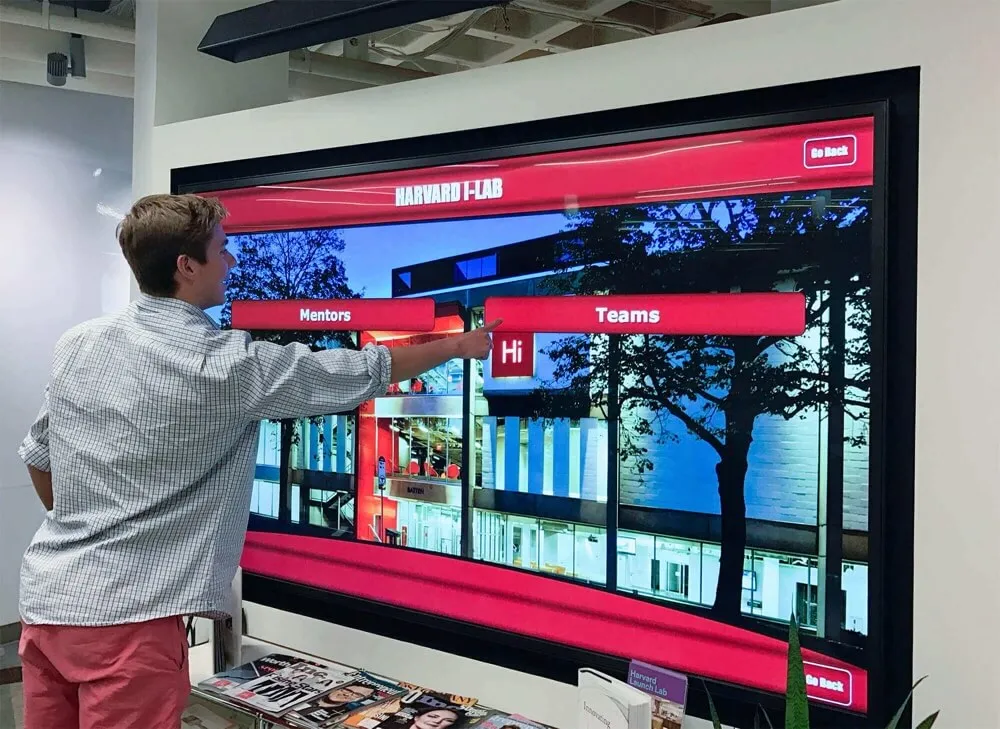
Competitive swimming programs create cultures of excellence by prominently celebrating achievements through [modern recognition systems](https://digitalyearbook.org/blog/best-ways-showcase-athletic-achievement-awards-digitally/?utm_source=organic&utm_medium=seo-auto&utm_content=touchwall&utm_campaign=what-to-eat-before-a-swim-meet&utm_term=seo), inspiring current athletes to pursue their personal best performances
Building Your Personal Nutrition Protocol
Generic advice provides useful frameworks, but optimal meet-day nutrition is ultimately individual. Build your personal protocol through systematic experimentation.
Step 1: Create Baseline Protocol
Start with these evidence-based defaults:
Timing:
- Main pre-meet meal: 3-4 hours before warm-up
- Light snack: 60-90 minutes before warm-up
- Optional pre-race boost: 15-30 minutes before race
Composition:
- Pre-meet meal: 60-70% carbs, 20-25% protein, 10-15% fat
- Between-event snacks: 80-90% carbs, minimal fat/fiber
Hydration:
- 16-20 oz upon waking
- 12-16 oz with breakfast
- 8-12 oz per hour during meet
Step 2: Test During Training
Before implementing at competitions, test your protocol during:
- Hard training sets simulating race intensity
- Time trials
- Intrasquad meets
- Low-stakes early-season competitions
Testing questions:
- Did you feel energized or sluggish?
- Any GI discomfort, nausea, or cramping?
- Did you maintain performance across multiple hard efforts?
- Did hunger or thirst distract you?
Step 3: Refine Based on Results
Adjust variables systematically:
If experiencing GI distress:
- Extend time window between eating and swimming
- Reduce fat and fiber content
- Decrease portion sizes
- Switch to more liquid-based options
If experiencing energy deficits:
- Increase total carbohydrate intake
- Add between-event snacks or increase their size
- Start carbohydrate loading earlier before major meets
If feeling uncomfortably full:
- Reduce portion sizes
- Shift toward more energy-dense, smaller-volume foods
- Adjust timing to allow more digestion
Step 4: Document Your Winning Protocol
Once you’ve identified what works consistently:
Create written meet-day nutrition plan including:
- Specific foods (not just categories)
- Exact portions
- Precise timing
- Hydration schedule
- Alternative options for each meal/snack
Prepare meet-day nutrition checklist:
- Shopping list of required foods
- Food prep instructions
- Packing list ensuring nothing is forgotten
- Backup options if preferred foods unavailable
Share with support team:
- Give parents/guardians the plan so they can support execution
- Inform coaches so they understand your needs
- Share with teammates who might bring team food
This systematic approach transforms nutrition from an overlooked variable into a controllable performance advantage you can rely on consistently.
The Competitive Advantage of Proper Nutrition
Swim meets are decided by fractions of a second. Proper nutrition won’t transform a mediocre swimmer into a champion, but it ensures you perform at YOUR maximum capability when it matters most.
Glycogen depletion slows you down. Research shows partially depleted glycogen stores impair high-intensity performance by 10-40%. In a close race, this is the difference between touching first and fifth.
Dehydration of just 2% body weight measurably impairs performance. For a 150-pound swimmer, that’s only 3 pounds—easily lost during a long meet day without proper hydration.
GI distress from poor food choices ruins races regardless of physical preparation. The athlete who consumed the wrong foods at the wrong time can’t compete effectively, no matter how well trained.
Blood sugar crashes from insufficient between-event fueling progressively impair performance throughout meets. Your third race suffers when earlier races depleted stores that weren’t replenished.
Conversely, swimmers who master meet-day nutrition:
- Maintain consistent performance across multiple events
- Recover more quickly between races
- Execute race strategies effectively without energy-driven strategic compromises
- Perform optimally at championship meets when preparation matters most
- Build confidence knowing they’ve controlled every controllable variable
Swimming programs that emphasize nutrition education alongside physical training produce better results. Teams that establish nutrition protocols and support structures give their athletes every possible advantage.
Modern swimming programs also recognize that celebrating achievements through prominent displays—whether highlighting record holders at natatoriums or honoring championship teams—reinforces the culture of excellence that makes optimal preparation, including nutrition, a team standard rather than an individual exception.
Moving Forward: Implementing Your Nutrition Strategy
Reading about meet-day nutrition provides knowledge. Implementing consistently produces results. These action steps translate information into performance improvement:
Before your next meet:
Create your personal meet-day nutrition plan using the timing frameworks and food examples in this guide, customized to your schedule, preferences, and past experiences.
Purchase and prepare required foods at least the day before competition. Don’t wait until meet morning to discover you’re missing key items.
Test the plan during training at least once before using at competition. Treat a hard training day exactly like meet day nutritionally.
Pack all food you’ll need in clearly labeled containers. Bring excess rather than running short. Include backup options.
Communicate with support team so parents, coaches, and teammates understand your plan and can help you execute it.
During the meet:
Follow your plan systematically rather than making reactive decisions based on how you feel or what others are eating.
Track what you actually consume if executing the plan for the first time. This creates data for refinement.
Make notes about results—energy levels, GI comfort, performance—while fresh rather than relying on memory later.
After the meet:
Review what worked and what didn’t. Identify specific adjustments needed for next competition.
Update your written plan incorporating lessons learned. The plan should evolve as you gather more personal data.
Long-term:
Maintain a nutrition log for important meets documenting what you ate, timing, and performance results. Patterns emerge over multiple competitions.
Educate yourself continuously through reputable sources—sports dietitians, evidence-based sports nutrition resources, quality coaching.
Share knowledge with teammates. Team nutrition culture improves when knowledgeable athletes help educate others.
Optimal meet-day nutrition isn’t complicated, but it does require planning, preparation, and consistent execution. Swimmers who treat nutrition as seriously as their physical training gain competitive advantages over equally talented athletes who overlook this critical performance variable.
Celebrate Swimming Excellence with Modern Recognition
Championship swimming programs create cultures that value excellence in all dimensions—including the preparation and dedication required to compete at peak levels. Modern digital recognition systems help programs honor record holders, celebrate team achievements, and inspire current athletes through visible tributes to those who excelled before them.
Rocket Alumni Solutions provides comprehensive digital display solutions designed specifically for aquatic facilities and swimming programs. Our systems showcase individual records, championship teams, academic achievements, and career statistics in natatoriums where they inspire daily training. Unlike traditional record boards limited by physical space, digital displays accommodate unlimited content, update remotely without facility visits, and integrate photos, videos, and detailed athlete profiles that tell complete stories of success.
Frequently Asked Questions
Should I eat the same foods before morning vs. evening meets?
The timing changes but food choices should remain largely consistent. Morning meets require earlier waking to consume breakfast 3-4 hours before warm-up, which means lighter, more easily digestible options may work better. Evening meets allow normal breakfast and lunch, with the pre-meet meal coming mid-afternoon. The key is maintaining the same 3-4 hour window between substantial food intake and warm-up, regardless of time of day. Test both scenarios during training to identify if you need different food choices for different meet times.
How much water is too much before a race?
Hyponatremia (dangerously low blood sodium from excessive water intake) is rare in swimmers but possible if consuming massive amounts of plain water without electrolytes over extended periods. More commonly, excessive drinking immediately before racing causes uncomfortable fullness and urgent need for bathroom breaks. Stop aggressive hydration 30-60 minutes before your first race. During the meet, drink 8-12 oz every 30-60 minutes—enough to maintain hydration without overloading. If you’re urinating frequently with very clear urine, you may be drinking too much. Pale yellow urine indicates optimal hydration status.
Can I eat candy or sweets between events?
Simple sugars from candy, gummy bears, or similar sources provide quick carbohydrates for between-event fueling. Many elite swimmers successfully use these during competitions. However, they should supplement rather than replace more substantial carbohydrate sources. A strategy of candy only, without also consuming some complex carbohydrates, sports drinks, and small amounts of protein/fat, often leads to blood sugar fluctuations and insufficient total calories. Candy can be part of your between-event strategy, but shouldn’t be the entire strategy.
What if I forget to bring food to the meet?
First, prevent this by creating a packing checklist used before every meet. If it happens, make the best choices available from concession stands or nearby stores: white bagels, bananas, pretzels, crackers, sports drinks, and energy bars are usually accessible. Avoid high-fat, high-fiber, or unfamiliar foods even if hungry. Eat smaller portions than you normally would since these aren’t your tested foods. In a pinch, sports drinks alone can provide adequate carbohydrates for a few hours if solid food options are all poor. Learn from the mistake and implement systems (packed cooler kept stocked, backup food bag stored in team area) preventing future occurrences.
Do I need to carb-load before every meet?
Full carbohydrate loading protocols (significantly increasing carb intake for 3-4 days) are typically reserved for championship meets or most important competitions. Regular dual meets or early-season invitationals don’t require multi-day loading. For these routine meets, focus on the evening-before meal and race-day nutrition using the guidelines in this article. Save intensive carb-loading for meets where you’re tapering training and aiming for best performances. Overusing carb-loading protocols for less important meets may lead to unwanted weight gain or psychological habituation that reduces effectiveness when you actually need it for championships.
Should swimmers avoid dairy products before racing?
Dairy tolerance is highly individual. Many swimmers consume dairy products successfully before and during meets without issues. Others experience GI distress, mucus production, or discomfort from dairy, particularly during exercise. The science doesn’t support blanket “no dairy before racing” recommendations. Instead, test dairy products during training to determine YOUR tolerance. If you’ve successfully consumed yogurt at breakfast before hard practice sets without problems, it’s likely fine before meets. If dairy causes issues during training, eliminate it on meet days. Don’t avoid dairy simply because someone said all swimmers should—base decisions on your personal response.
Additional Resources
Swimmers seeking to optimize meet performance through nutrition may benefit from these related resources:
- Sports Nutrition for Student Athletes - Comprehensive guidance on year-round athletic nutrition
- Digital Recognition for Swimming Programs - How aquatic facilities showcase achievements
- Youth Sports Awards and Recognition - Celebrating diverse athletic accomplishments
- Athletic Achievement Displays - Modern approaches to recognizing athletic excellence
- Sports Banquet Planning - Celebrating team and individual achievements
These resources provide complementary information helping swimming programs build comprehensive excellence across training, competition, and recognition dimensions.































