Every high school athletic program has a story to tell about where their graduates continued their athletic careers at the collegiate level. These stories represent years of dedication, countless hours of practice, and the culmination of student-athlete dreams. Yet many schools struggle to effectively track, document, and showcase these remarkable achievements in ways that honor past athletes while inspiring current students.
When a school can definitively answer “where our graduates went to play in college,” they create powerful narratives that serve multiple purposes: celebrating individual achievement, validating program quality, inspiring younger athletes, strengthening alumni connections, and building institutional pride. This comprehensive guide explores systematic approaches to tracking college athletic commitments and creating recognition systems that preserve these accomplishments for generations to come.
Whether your program sends three athletes to college annually or thirty, implementing effective tracking and display systems transforms fleeting signing day ceremonies into permanent inspiration that motivates future student-athletes to pursue their own collegiate opportunities.
The question “where did our graduates go to play in college?” should have a clear, comprehensive answer at every high school. According to NCAA research, fewer than 7% of high school athletes continue their athletic careers at the collegiate level, making each commitment an exceptional achievement worth documenting and celebrating. When schools systematically track and showcase these accomplishments, they create lasting value that extends far beyond the athletes initially recognized.
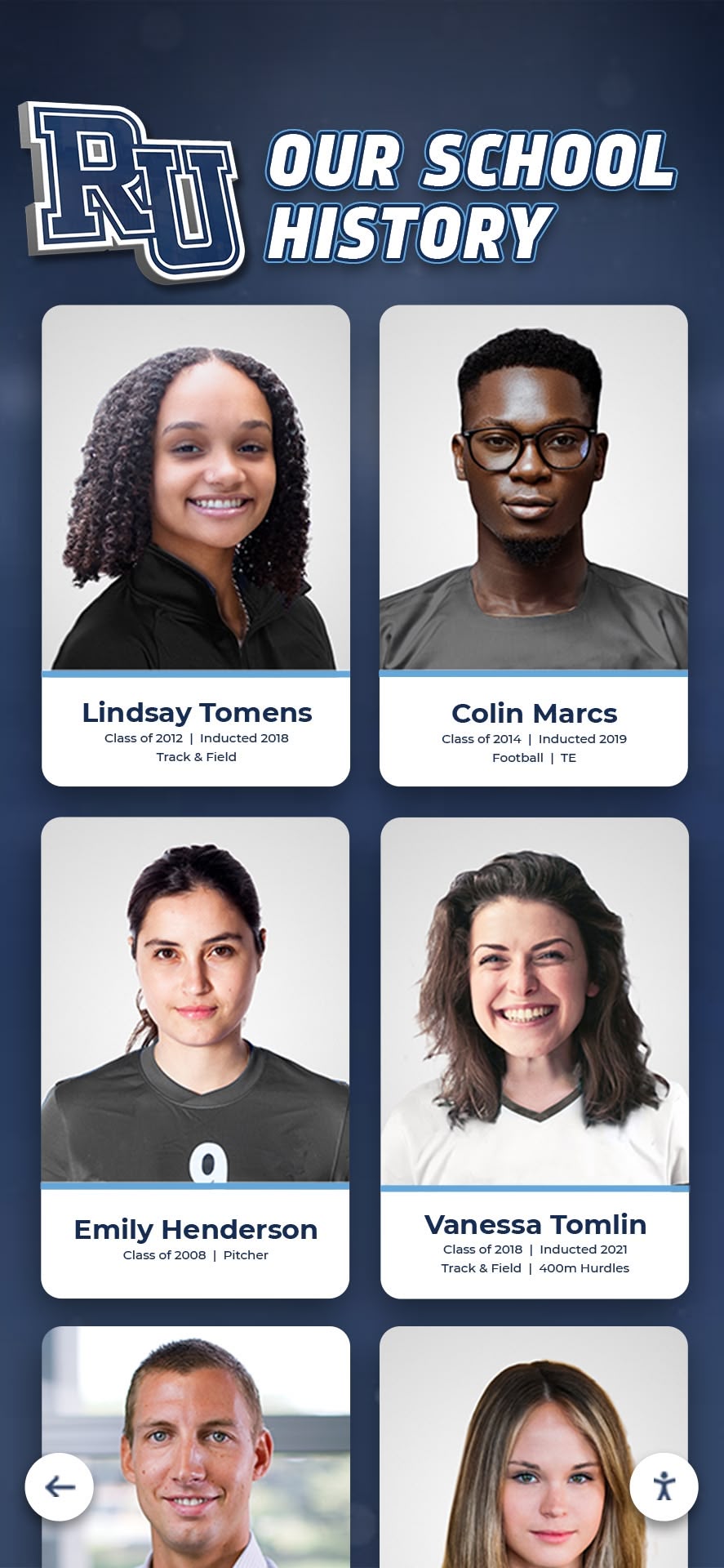
Systematic tracking creates comprehensive records of where graduates continued their athletic careers
Why Tracking College Athletic Commitments Matters
Before exploring implementation strategies, it’s essential to understand why systematically tracking where graduates went to play in college delivers value across multiple dimensions of athletic program development and school culture.
Creating Inspiration Through Documented Pathways
The primary purpose of tracking and displaying college commitments involves inspiring younger athletes by showing them concrete pathways from their current programs to collegiate competition. When a freshman basketball player can review a display showing that fifteen athletes from her school have played college basketball over the past decade, college athletics transforms from an abstract possibility into an achievable goal with documented precedent.
Comprehensive tracking enables schools to demonstrate multiple pathways to college athletics—Division I scholarships to major conference programs, Division II and III opportunities at excellent academic institutions, NAIA schools providing quality competition and education, and junior college programs offering developmental pathways. This diversity communicates that multiple routes exist for athletes at different competitive and academic levels.
Validating Program Quality and Development Capabilities
When prospective families evaluate high school athletic programs, they specifically research college placement rates and opportunities. Comprehensive answers to “where do your graduates go to play in college?” provide immediate evidence of program quality that verbal claims cannot match.
Schools that systematically track commitments can quantify their college placement success, demonstrate coaching effectiveness through documented athlete development, showcase recruiting relationships with specific colleges and conferences, and provide concrete evidence during facility tours and recruiting presentations. This documentation creates recruiting advantages in competitive athletic environments where families choose between multiple school options.
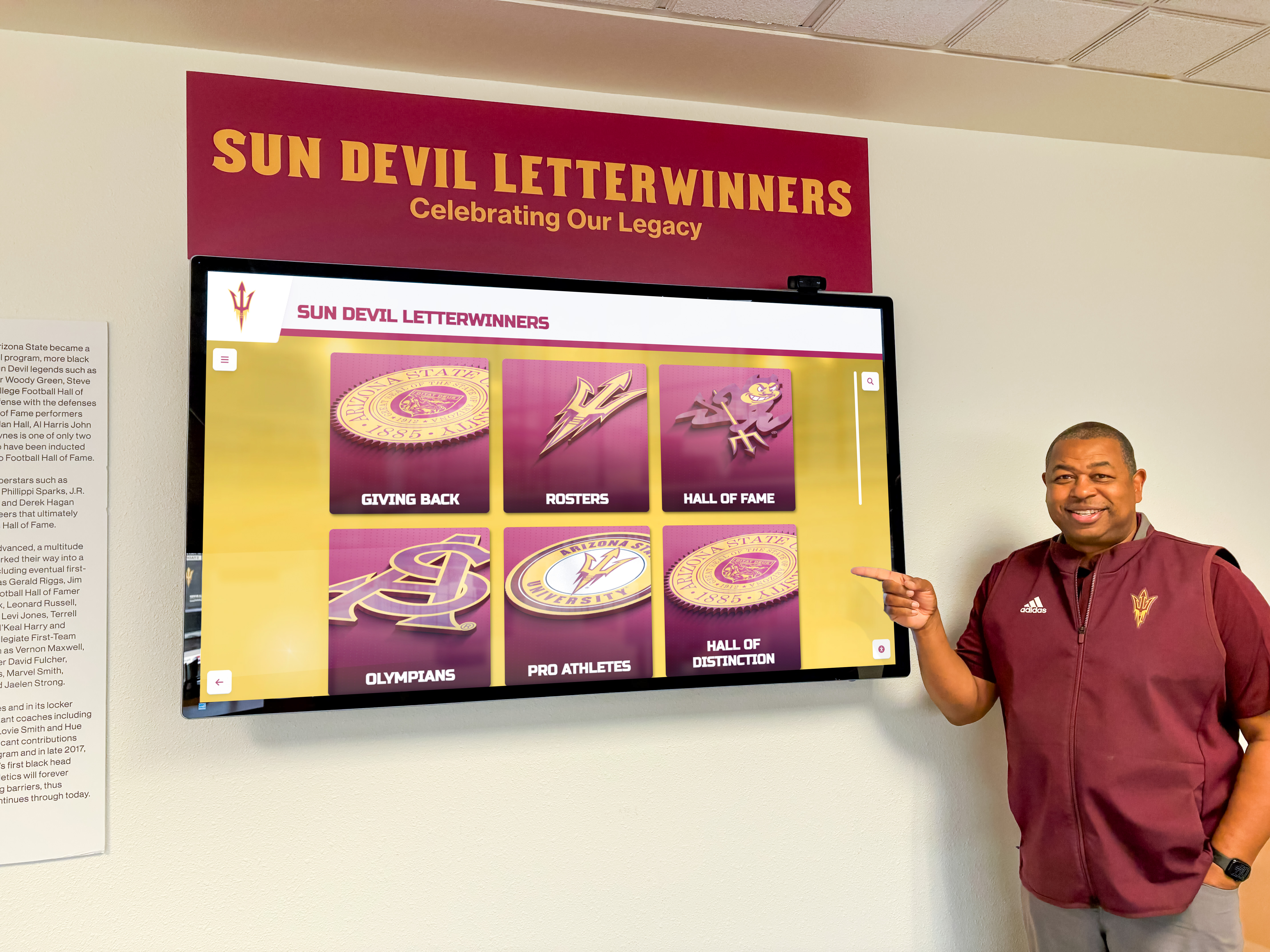
Documented college placements validate program development capabilities
Building Institutional Memory and Program Legacy
Athletic programs evolve over decades, with coaching changes, facility improvements, and shifting competitive landscapes. Systematic tracking of college commitments creates institutional memory that survives these transitions, documenting program excellence across generations.
This historical record connects current athletes to program traditions, provides continuity during coaching transitions, celebrates long-term program development, and creates opportunities for intergenerational alumni connections. When recognition systems show fifty years of college commitments, they demonstrate sustained program quality rather than isolated success periods.
Supporting Alumni Engagement and Development
Tracking where graduates went to play in college creates natural touchpoints for ongoing alumni engagement. Schools can maintain connections with former athletes through college career updates, recognition of collegiate achievements, mentorship program facilitation, and reunion event organization around specific commitment cohorts.
These connections strengthen overall alumni engagement while providing valuable resources for current athletes navigating the college recruiting process and transition to collegiate competition.
Establishing Systematic Tracking Systems
Effective tracking begins with organized systems for collecting, verifying, and maintaining college commitment information across all sports and graduating classes.
Creating Information Collection Workflows
Schools need standardized processes for gathering comprehensive information from athletes and families immediately upon commitment rather than waiting until graduation approaches.
Initial Commitment Notification
Establish clear channels for athletes or coaches to report commitments including online submission forms capturing all essential profile elements, permission structures for using images and biographical information, verification processes confirming commitments with college programs, and timeline requirements ensuring timely data collection.
Request information immediately when verbal commitments occur, even if official signing periods are months away. This approach prevents information loss and ensures families provide details while excitement remains high.
Essential Information Fields
Comprehensive tracking requires standardized data elements for every commitment including full student-athlete name and graduation year, high school sport(s) and specific positions played, college or university name and location, collegiate sport(s) and division level, athletic conference affiliation, commitment date and signing period, scholarship status when publicly shared, intended academic major and career interests, high school career statistics and achievements, and contact information for ongoing updates.
Consistent data structure enables effective searching, filtering, and display creation while ensuring no critical information gets overlooked during collection.

Structured data enables powerful search and filtering capabilities
Verification and Quality Control Processes
Maintaining accurate records requires systematic verification before publishing commitment information publicly.
Multi-Level Verification Protocol
Implement review processes including coaching staff confirmation of athletic achievements and statistics, athletic director approval of commitment authenticity, verification with college coaching staffs when possible, family review and approval of biographical content, and documentation retention for institutional records.
This verification prevents embarrassing errors while ensuring all published information meets accuracy standards and respects family privacy preferences.
Ongoing Update Management
College plans change—athletes transfer, career paths shift, and keeping information current requires sustained effort. Establish processes for annual alumni surveys requesting college career updates, social media monitoring of former athletes’ collegiate careers, direct communication channels for submitting updates, regular review cycles for comprehensive verification, and clear dating of all information acknowledging currency limitations.
Solutions like Rocket Alumni Solutions provide cloud-based platforms enabling instant updates from any internet-connected device, eliminating the need to physically access displays while maintaining current, accurate recognition content.
Historical Digitization Projects
Don’t limit tracking to current athletes—comprehensive recognition includes historical commitments from program archives.
Research Methodologies
Identify past college athletes through yearbook review and media guide research, newspaper archives and local media coverage, coaching staff and athletic department records, alumni interviews and surveys, and reunion event information gathering.
Dedicate time to systematic historical research, potentially engaging student workers, volunteer alumni, or parent organizations in digitization efforts. This investment creates comprehensive archives demonstrating sustained program excellence across decades.
Content Development for Maximum Impact
Collecting data represents only the first step—transforming information into compelling content creates recognition that genuinely engages and inspires viewers.
Creating Rich Athlete Profiles
Modern digital platforms enable comprehensive storytelling far beyond basic name-and-college listings.
Biographical and Achievement Content
Develop profiles including high-quality action and portrait photography, high school career statistical summaries, championship and individual award documentation, academic achievements and honors, personal statements about their journey and college choice, coach testimonials about development and character, and family acknowledgments when appropriate.
This rich content creates emotional connections that make recognition memorable rather than just informational. Showcasing college commitments through comprehensive profiles demonstrates the complete student-athlete journey.
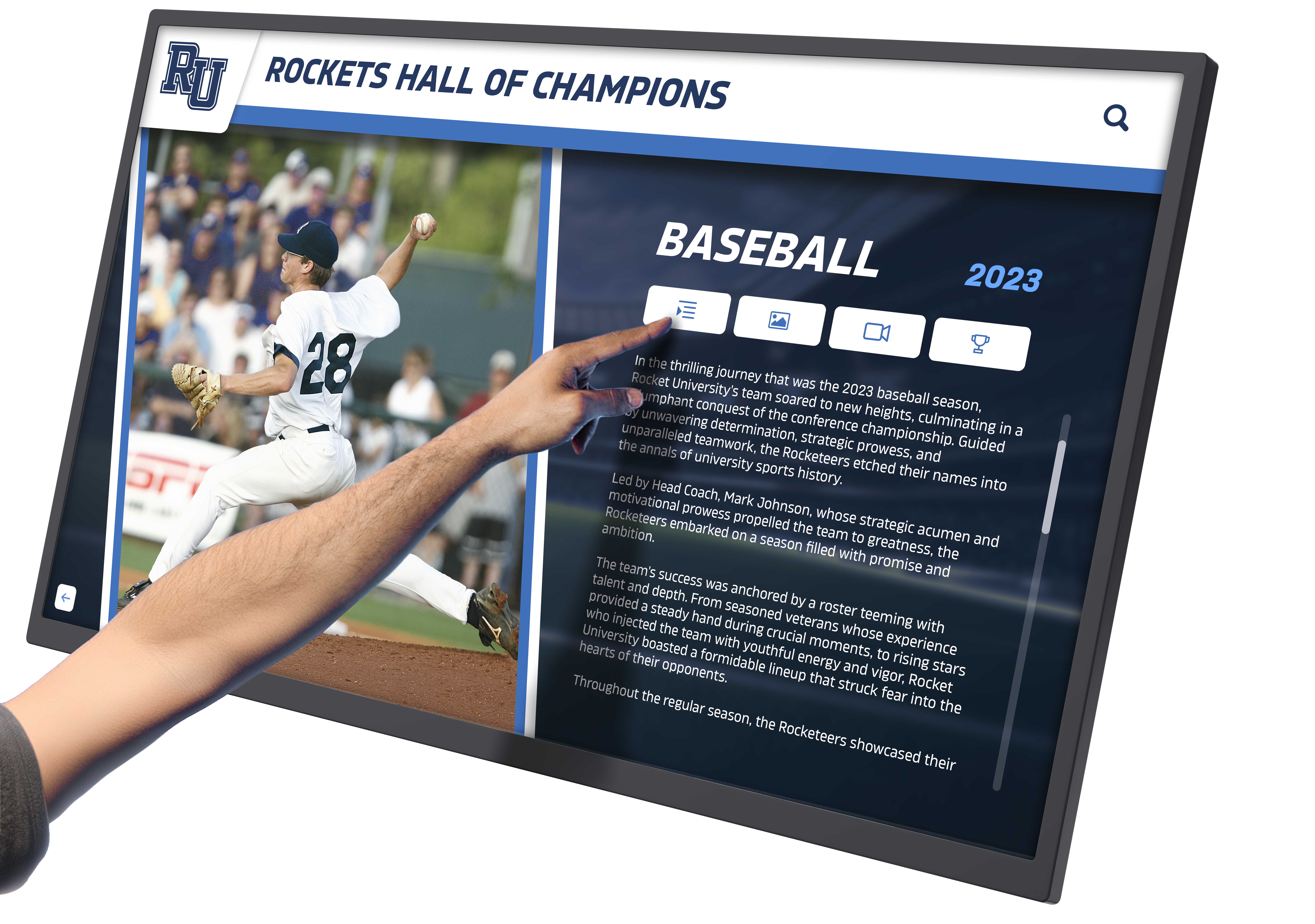
Rich multimedia profiles tell complete achievement stories
Multimedia Content Integration
Digital recognition systems enable video commitment announcements and signing day footage, athletic highlight reels showcasing performance, interview content where athletes discuss their college choice, coach congratulation videos, and photo galleries showing career progression.
This multimedia approach engages modern audiences who expect visual storytelling and interactive content rather than static text displays.
Organizing Information for Easy Exploration
Effective organization enables visitors to find specific information quickly while discovering interesting patterns and connections.
Multiple Organization Schemes
Implement filtering and search capabilities by graduation year showing commitment evolution over time, sport-specific views for targeted exploration, college and university groupings showing placement patterns, division level and conference categories, geographic organization by college location, and chronological timelines showing program history.
Modern platforms provide simultaneous access to multiple organizational schemes, enabling different audiences to explore content based on their specific interests and questions.
Statistical Summaries and Trend Analysis
Beyond individual profiles, provide aggregate data including total commitments by sport and year, college placement distribution across division levels, most common destination colleges and conferences, geographic distribution of college placements, and historical trends showing program development.
These summaries answer questions from prospective families evaluating program quality while providing interesting context for community members following program success.
Implementation: From Traditional to Digital Recognition
Schools face important decisions about how to display college commitment information, with options ranging from traditional physical displays to modern interactive digital systems.
Traditional Physical Display Approaches
Conventional recognition methods have served schools for decades, creating permanent physical tributes to college-bound athletes.
Physical Display Options and Limitations
Traditional approaches include individual engraved plaques mounted on hallway or gymnasium walls, composite boards listing multiple commitments organized by year or sport, photo displays in trophy cases or dedicated recognition areas, and shadow boxes containing signed letters of intent and memorabilia.
While these approaches provide immediate recognition, they face significant limitations including finite physical space constraining how many commitments receive recognition, deterioration over time requiring maintenance and eventual replacement, difficulty updating when information changes or errors are discovered, and minimal information capacity beyond basic facts.
Most problematically, space constraints eventually force difficult decisions about which achievements maintain visibility and which get archived or removed entirely.

Traditional displays provide physical presence but face space and maintenance limitations
Modern Digital Recognition Solutions
Digital platforms transform college commitment recognition by eliminating traditional display limitations while creating engaging, comprehensive celebration impossible with physical approaches.
Digital System Advantages
Modern interactive displays provide unlimited recognition capacity accommodating hundreds of profiles spanning decades, rich multimedia integration including photos, videos, and detailed biographies, intuitive search and filtering enabling visitors to find specific information, real-time updates maintaining current information without production delays, remote accessibility extending recognition beyond physical locations, and analytical insights documenting engagement and impact.
Schools implementing digital recognition displays report significantly increased engagement compared to traditional static displays, with interactive elements encouraging extended viewing and exploration.
Hardware and Software Considerations
Successful digital implementations require commercial-grade touchscreen displays rated for continuous operation, cloud-based content management systems enabling remote administration, intuitive administrative interfaces allowing non-technical staff to add content, mobile-responsive design providing access across devices, and robust search functionality enabling quick information discovery.
Purpose-built platforms designed specifically for educational athletic recognition, like those from Rocket Alumni Solutions, understand unique school needs and provide templates optimized for athletic recognition scenarios rather than requiring customization of generic digital signage systems.
Strategic Placement for Maximum Visibility
Position digital displays in athletic facility main entrances where athletes, families, and visitors naturally congregate, main building lobbies reaching broader student populations beyond athletes, college and career counseling areas connecting athletics to educational advancement, and recruiting tour routes ensuring prospective families encounter program achievement displays.
Effective placement ensures every student-athlete, prospective family, and community member encounters visible evidence of where graduates continued their athletic careers.
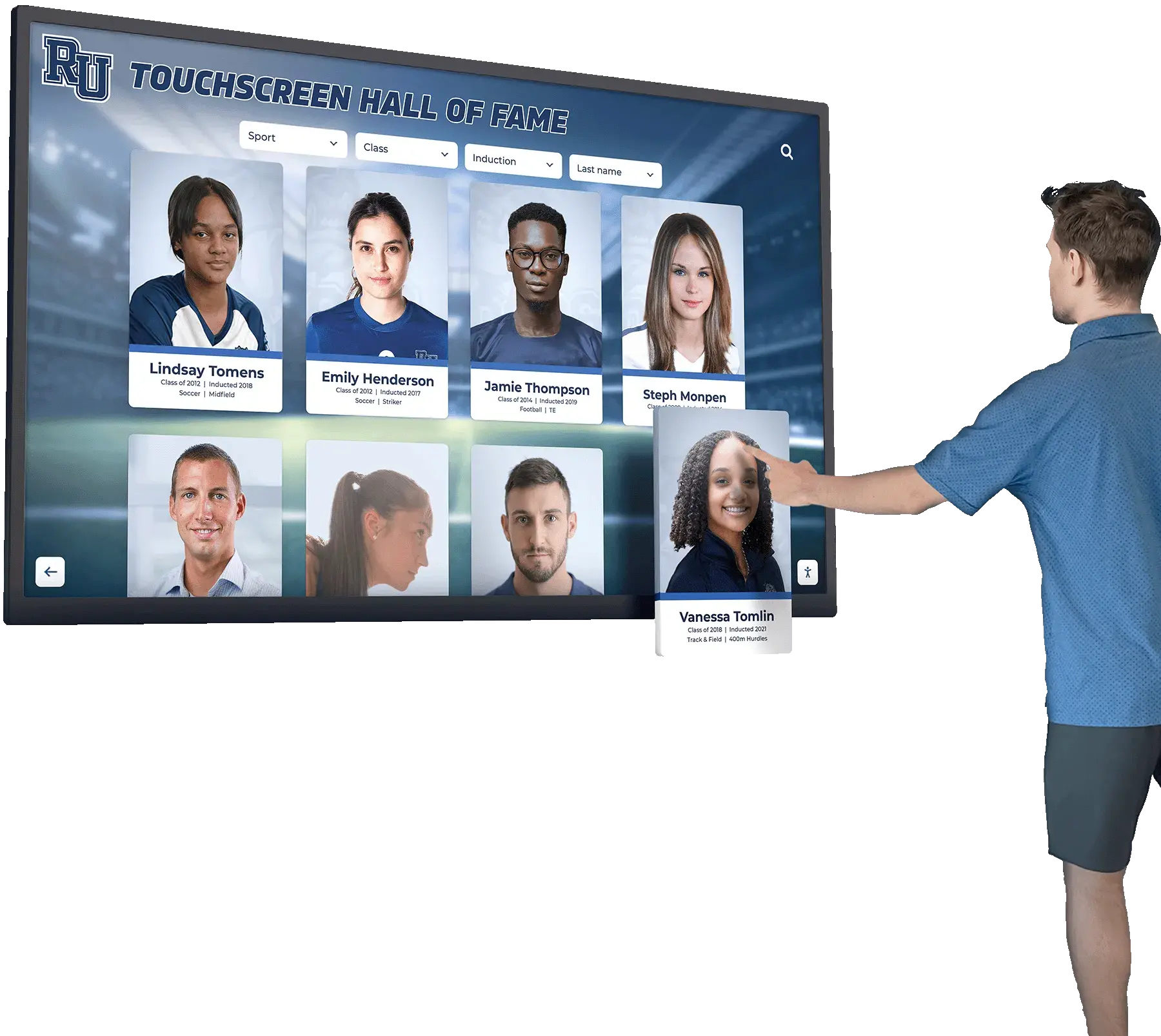
Interactive touchscreens invite exploration and extended engagement
Integrating Recognition with Recruiting and Program Development
College commitment tracking delivers maximum value when integrated with comprehensive athletic program strategies rather than existing as isolated recognition displays.
Supporting Athletic Recruiting Efforts
College commitment displays become powerful recruiting tools during campus visits and recruiting periods across all sports.
Prospective Family Impressions
During campus tours, open houses, and athletic events, recognition displays showcasing consistent college placement provide immediate evidence of program quality that verbal claims cannot match. When prospective athletes see fifteen baseball players from the past decade playing collegiate baseball, they recognize genuine development pathways rather than marketing promises.
Displays documenting where graduates went to play in college answer the most important question prospective families ask when evaluating programs: “What happens to athletes after they leave your program?” Comprehensive visual answers create confidence in program quality and developmental capabilities.
College Coach Visibility
When college coaches visit facilities for recruiting or competitions, comprehensive commitment displays demonstrate program history of developing college-ready athletes, established recruiting relationships with competing colleges and conferences, quality of coaching and athlete development, and institutional commitment to celebrating achievement appropriately.
Research on college recruiting campus visits demonstrates how recognition displays enhance facility presentations and influence college coach perceptions of program quality.
Building Community Pride and Support
College athletic commitments generate positive attention for entire school communities, and comprehensive recognition amplifies this impact.
Community Engagement Opportunities
Recognition systems create local media coverage opportunities about program success, enhanced reputation among school-choice families considering enrollment, strengthened connections with youth feeder programs seeing progression pathways, increased community engagement at athletic events celebrating recognized athletes, and visible evidence of student achievement benefiting all stakeholders.
When schools recognize athletes continuing their careers at all competitive levels—from elite Division I programs to competitive Division III institutions to NAIA schools and junior colleges—they communicate that multiple pathways to success exist and deserve celebration.
Booster and Donor Support
Visible recognition of program success often generates increased philanthropic support. Boosters see tangible results from their investments, alumni athletes feel honored through permanent recognition, local businesses associate with program excellence through sponsorship opportunities, and donors receive naming opportunities for recognition displays and programs.
Implementing recognition systems can strengthen advancement efforts while celebrating the student-athletes who define program excellence.
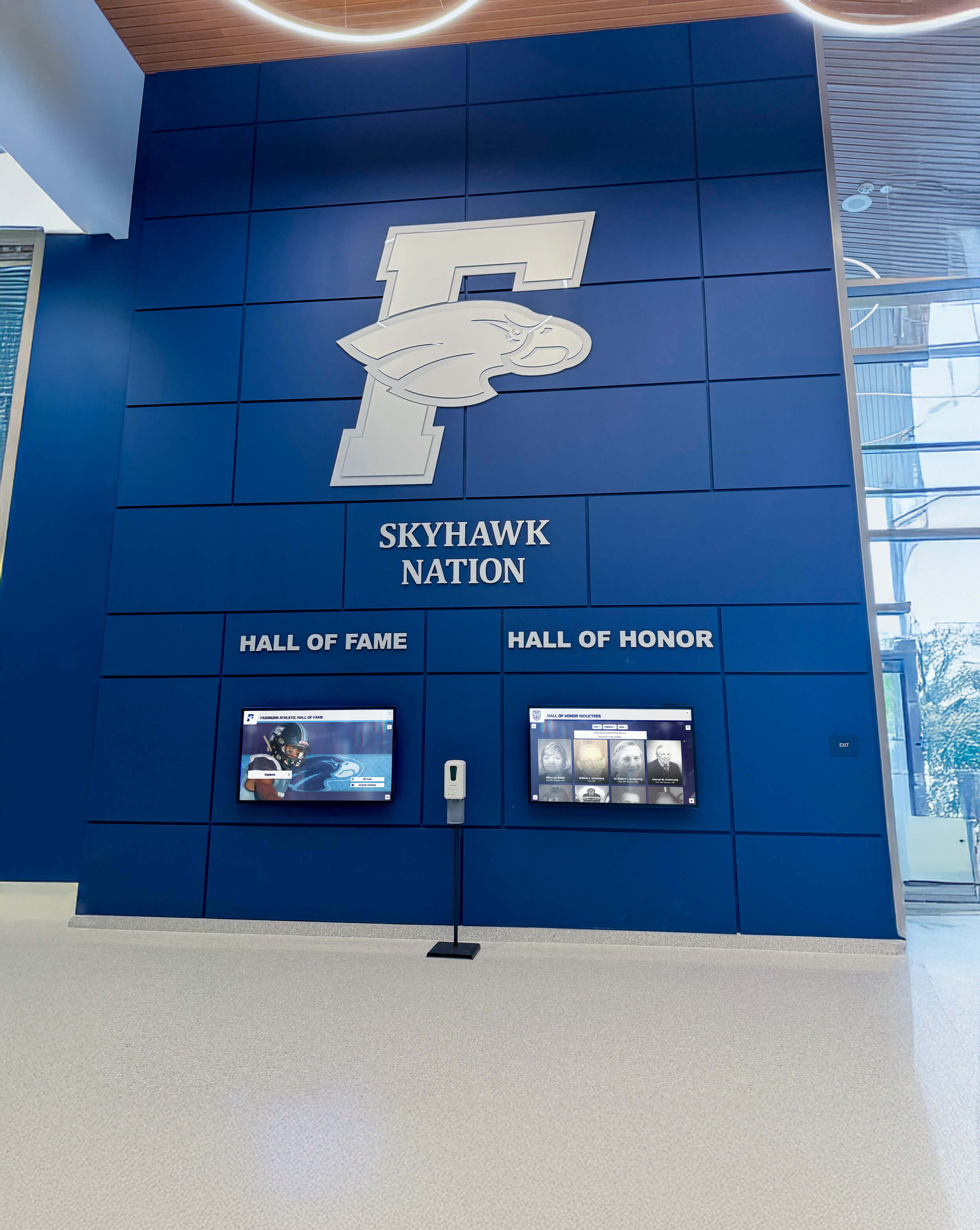
Prominent recognition builds community pride and institutional identity
Maintaining Currency and Ensuring Long-Term Success
Successful tracking systems require sustainable maintenance practices ensuring displays remain current, accurate, and engaging over years of use.
Establishing Update Workflows
Long-term success depends on systematic processes rather than ad-hoc efforts when someone remembers to update displays.
Designated Responsibilities
Assign specific individuals responsible for managing tracking systems, collecting commitment information from coaches and athletes, verifying information accuracy before publication, adding new profiles to recognition displays, and maintaining historical accuracy as circumstances change.
Explicit job responsibilities prevent recognition from becoming “someone should do this” tasks that fall through the cracks during busy athletic seasons.
Seasonal Update Cycles
Establish predictable patterns including immediate updates following early signing period in November, regular signing period additions in February through April, summer commitment updates as late offers and decisions occur, college career progress updates as alumni advance through collegiate careers, and annual comprehensive audits ensuring accuracy across all profiles.
Cloud-based systems from providers like Rocket Alumni Solutions enable instant updates from any device, ensuring recognition remains current throughout recruiting cycles without waiting for plaque production or physical installation.
Engaging Students in Content Development
Student involvement in recognition systems creates valuable learning opportunities while distributing workload.
Student Participation Opportunities
Engage students through sports journalism classes documenting commitment stories, photography courses capturing signing ceremonies and action shots, video production programs creating highlight reels and interview content, graphic design students developing profile templates and visual elements, and data management students maintaining databases and verification processes.
This engagement provides real-world learning experiences while building comprehensive recognition content that professional production might not be able to sustain.
Measuring Impact and Demonstrating Value
Assess recognition system effectiveness through both quantitative metrics and qualitative feedback.
Engagement Analytics
For digital systems, track total interactions with commitment content, average viewing session duration, most-viewed athlete profiles indicating engagement patterns, search queries revealing what visitors seek, social media sharing rates amplifying recognition reach, and website traffic to online recognition pages.
These analytics reveal what content resonates most powerfully, informing future development priorities and helping demonstrate system value during budget discussions.
Stakeholder Feedback Collection
Gather perspectives from committed athletes about recognition meaningfulness, current students about awareness and inspiration, prospective families about recruiting influence, alumni about connection to current programs, and community members about school pride and support.
Regular feedback ensures recognition systems evolve to meet stakeholder needs while documenting impact beyond simple usage statistics.
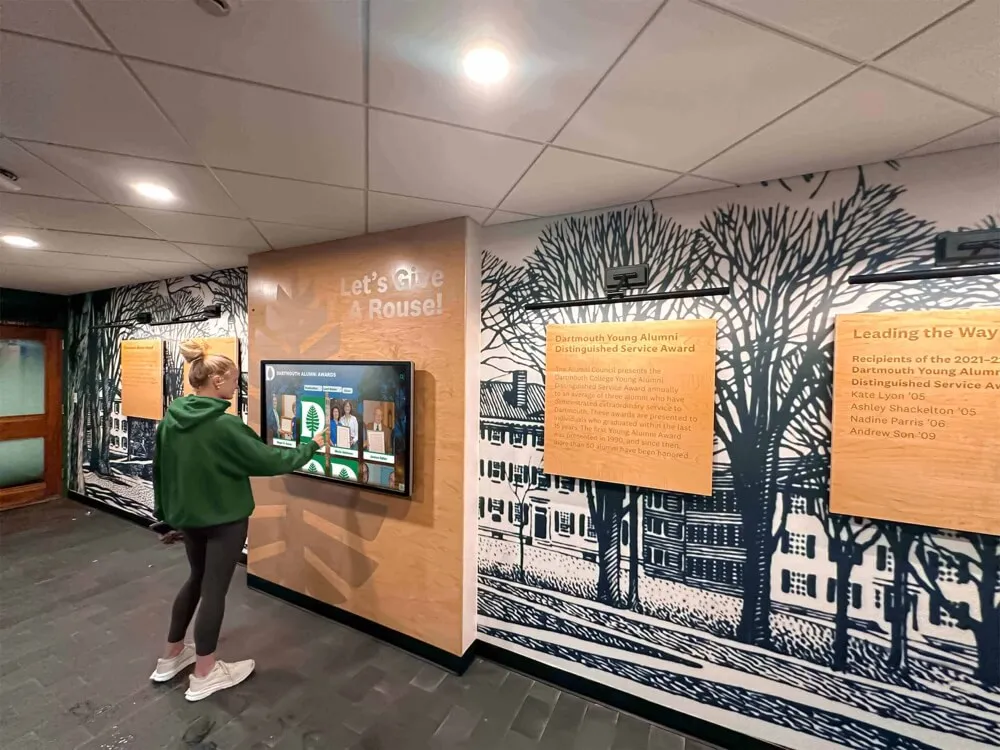
Effective recognition systems engage multiple stakeholder groups over time
Best Practices for Comprehensive College Commitment Tracking
Schools implementing or enhancing tracking systems should follow evidence-based practices ensuring maximum impact and sustainable operations.
Inclusive Recognition Criteria
Establish clear, inclusive standards for which commitments receive recognition.
Recommended Inclusion Standards
Recognize all NCAA commitments across Division I, II, and III levels, NAIA institution commitments, NJCAA junior college signings, and verified roster commitments regardless of scholarship status. Inclusive criteria honor all pathways to collegiate athletics rather than creating artificial hierarchies that undervalue certain achievement types.
Walk-on athletes often demonstrate exceptional dedication, and all college athletes contribute to program legacy. Clear, documented standards prevent awkward situations where similar achievements receive different treatment.
Balancing Individual and Team Recognition
Effective systems celebrate both individual accomplishments and collective program success.
Individual Achievement Celebration
Honor each athlete’s unique journey through detailed personal profiles, comprehensive achievement documentation, family and support system acknowledgment, and personal reflections about their experience. Individual recognition validates personal dedication while providing role models for younger athletes.
Collective Program Narratives
Simultaneously tell broader program stories through year-by-year commitment summaries showing program trends, sport-specific displays demonstrating program strength across activities, decade retrospectives celebrating sustained excellence, and coach tenure summaries documenting leadership impact.
This balance ensures recognition serves both individual athletes and collective program development objectives.
Connecting Athletic and Academic Achievement
Today’s college recruiting emphasizes academic excellence alongside athletic performance, and recognition should reflect this integrated development.
Academic Integration Strategies
Include academic information in athletic profiles showing GPA and class ranking, academic honors and awards, scholar-athlete recognitions, intended college major and academic interests, post-graduation career plans, and graduate school acceptances.
This comprehensive approach, similar to psychology of athletic recognition principles, communicates that programs value complete student-athlete development rather than athletics alone.
Families evaluating programs want assurance that athletic participation won’t compromise educational quality—balanced recognition addressing both dimensions provides this reassurance while inspiring younger students to excel academically and athletically.
Transform How You Track and Showcase College Commitments
Discover how Rocket Alumni Solutions can help you create comprehensive digital displays that track where your graduates went to play in college, inspire current students, and honor athletic achievement with recognition designed specifically for schools.
Schedule Your Free ConsultationOvercoming Common Implementation Challenges
Schools implementing college commitment tracking encounter predictable obstacles that strategic planning can address effectively.
Limited Staff Time and Resources
Recognition system maintenance competes with numerous other athletic department priorities.
Efficiency Solutions
Streamline operations through template-based profile creation requiring minimal design work, bulk upload capabilities for multiple commitments simultaneously, delegation to student workers or parent volunteers when appropriate, and cloud-based systems enabling remote updates during travel or evening hours.
Start with essential information and enhance profiles over time rather than delaying recognition until perfect content exists. Published recognition inspires immediately even when additional details could eventually be added.
Managing Privacy and Permission Concerns
Not all athletes and families want public recognition, and permission requirements require careful navigation.
Permission Management
Establish clear permission policies during information collection, provide opt-out mechanisms for privacy-concerned families, obtain specific permissions for different information types, implement responsive processes for update or removal requests, and document all permissions for institutional protection.
Respect privacy preferences while encouraging participation by showing examples of how recognition honors achievement appropriately without creating unwanted exposure.
Maintaining Historical Accuracy Over Time
College plans change, athletes transfer, and keeping historical information accurate requires ongoing attention.
Accuracy Maintenance Strategies
Implement annual alumni verification cycles confirming current information, establish update submission channels for athletes and families, clearly date all information acknowledging currency limitations, maintain archives of superseded information for historical record, and regularly review older content for continued accuracy.
Accept that perfect accuracy becomes increasingly difficult as time passes—clearly dated information (“as of 2020,” “based on initial commitment”) manages expectations while preserving valuable historical records.
Budget Constraints and Funding Challenges
Comprehensive recognition systems require financial investment that may challenge athletic budgets.
Funding Approaches
Pursue booster club support specifically for recognition projects celebrating program success, seek donor opportunities offering naming rights for major recognition installations, apply for education technology grants available to schools, implement phased approaches starting with current commitments before adding historical recognition, and partner across multiple sports programs to share costs equitably.
Frame recognition as investment in program culture, recruiting advantage, and student inspiration rather than purely expense. Benefits to program development often justify initial costs through improved recruiting, enhanced community support, and sustained athletic excellence.
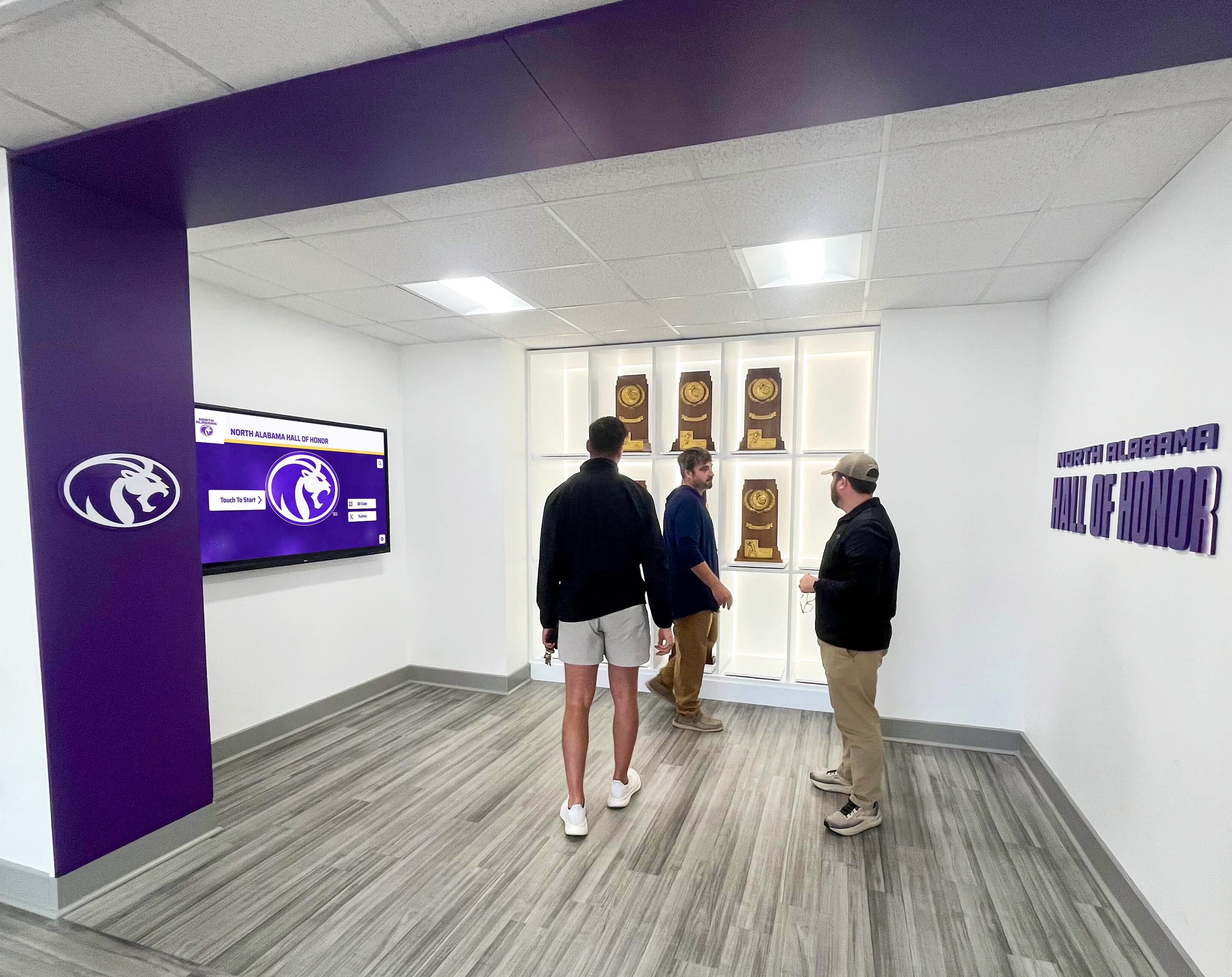
Strategic investment in recognition infrastructure creates lasting program value
The Future of College Commitment Recognition
Technology continues evolving, creating new opportunities for enhancing how schools track and showcase where graduates went to play in college.
Emerging Capabilities
Several advancing technologies will likely influence commitment recognition in coming years including artificial intelligence enabling automated content creation from structured data, natural language search allowing conversational queries about athletes and programs, augmented reality experiences overlaying digital content on physical spaces, social media integration facilitating broader sharing and engagement, and predictive analytics identifying patterns in college placement and recruiting success.
Schools investing in modern digital platforms now position themselves to adopt these capabilities as they become available without requiring complete system replacements.
Enhanced Alumni Engagement
Future systems will likely offer deeper alumni connection features including mentorship matching between current athletes and alumni competing at specific colleges, career networking connecting former athletes in professional fields, reunion coordination around commitment cohorts and teams, and fundraising integration supporting program development through alumni giving.
These enhanced features multiply recognition investment value by supporting broader program objectives beyond immediate student-athlete celebration.
Conclusion: Preserving Program Legacy While Inspiring Future Excellence
The question “where did our graduates go to play in college?” deserves comprehensive answers that honor individual achievement while building collective program narratives inspiring future generations. Systematic tracking and professional recognition transform fleeting signing day celebrations into permanent testaments to program excellence and student-athlete dedication.
Schools implementing effective tracking systems gain multiple benefits including inspiration for younger athletes seeing achievable pathways, validation of program quality for prospective families, documentation of coaching effectiveness and athlete development, strengthened alumni connections through ongoing recognition, and enhanced community pride in school athletic excellence.
The choice between traditional physical displays and modern digital systems depends on specific circumstances, budgets, and priorities. Physical recognition provides tangible presence and traditional appeal but faces space limitations and maintenance challenges. Digital platforms offer unlimited capacity, rich multimedia content, and extended accessibility but require technology investment and ongoing management.
Many schools find that starting with digital systems or implementing hybrid approaches provides the best balance—honoring tradition while leveraging modern technology’s advantages to create comprehensive recognition serving current and future program needs.
Ready to create comprehensive tracking and recognition for where your graduates went to play in college? Modern solutions provide the platforms, expertise, and support needed to build recognition systems that honor past achievement while inspiring future excellence. Your student-athletes demonstrate exceptional dedication—ensure their accomplishments receive the lasting recognition they deserve.
For additional guidance on comprehensive athletic recognition strategies, explore resources about athletic walls of honor, recognizing famous alumni, and best school hall of fame walls that celebrate achievement while building lasting program traditions connecting generations of student-athletes through shared pride in where graduates continued their athletic journeys.































