Graduation stoles serve as powerful visual markers of academic achievement, leadership excellence, and honor society membership—instantly communicating student accomplishments to ceremony attendees and photo viewers for years to come. For school administrators managing National Honor Society inductions, valedictorian recognition, athletic honors, or departmental awards, finding the right supplier for custom graduation stoles represents a critical procurement decision that directly impacts the quality and meaning of your recognition programs.
The challenge extends beyond simply finding “graduation stoles near me”—effective honor recognition requires balancing budget constraints with quality expectations, navigating customization options that align with your school’s brand standards, managing procurement timelines around ceremony deadlines, and creating recognition experiences that genuinely resonate with today’s students and families.
This comprehensive buying guide addresses the complete procurement process for school administrators responsible for graduation stole programs. From evaluating national suppliers and local vendors to understanding customization options, pricing structures, quality indicators, and emerging digital recognition alternatives that complement or enhance traditional stole programs, discover how to build honor recognition systems that celebrate achievement while meeting institutional requirements.
Graduation recognition has evolved significantly beyond one-size-fits-all approaches. Modern school administrators now manage diverse recognition categories—each potentially requiring distinct stole designs—while simultaneously exploring how digital recognition platforms can extend the visibility and impact of honor programs beyond the brief moments of commencement ceremonies.

Understanding Graduation Stole Categories and Purposes
Before evaluating suppliers, clarify the specific recognition categories your school needs to address through graduation stole programs.
Academic Honor Recognition
Schools most commonly utilize graduation stoles for academic achievement recognition across multiple performance tiers.
National Honor Society and Academic Societies
National Honor Society stoles represent the most widely recognized academic honor designation, typically featuring the organization’s official colors (gold for NHS, specific colors for subject-specific honor societies like National English Honor Society or Mu Alpha Theta). Many schools purchase stoles meeting national organization specifications while adding school-specific elements like logos or establishment dates.
Honor society stoles serve recognition purposes including visual identification of inductees during ceremonies, photographic documentation of achievement, alignment with national organization standards, demonstration of institutional commitment to academic excellence, and differentiation of various honor society memberships when students qualify for multiple organizations.
Grade Point Average Distinctions
Beyond honor society membership, many schools implement GPA-based recognition through color-coded stole systems. Common approaches include single honor designation (typically 3.5+ GPA), dual-tier systems (honors at 3.5+, high honors at 3.75+), or triple-tier recognition (honors, high honors, highest honors). These academic recognition programs require careful color selection ensuring instant visual differentiation.
Departmental and Subject Area Excellence
Subject-specific departments often recognize outstanding achievement through discipline-identified stoles. Science departments might award forest green stoles, mathematics departments royal blue, English departments burgundy, and so forth. This approach celebrates academic strength in particular areas while allowing students to display their specific talents and interests.
Leadership and Service Recognition
Beyond pure academics, stoles acknowledge leadership roles and service contributions that shape school communities.
Student government officers, class presidents, club leaders, volunteer service hour achievement, peer mentoring program completion, and special initiative leadership all warrant consideration for stole-based recognition. These categories require distinct visual identification preventing confusion with academic honors.
Service-based stoles often utilize colors associated with community engagement—frequently incorporating school colors with service-indicating accents. Clear differentiation ensures that both academic and character-based achievements receive appropriate acknowledgment.
Athletic and Activity Recognition
Athletic achievements and extracurricular excellence represent additional recognition categories many schools address through graduation stole programs.
Varsity letter recipients, state championship participants, regional competition qualifiers, all-conference selections, and career statistical achievement milestones often receive athletic stoles—typically incorporating team colors or sport-specific design elements. Similarly, band, choir, theater, debate, and other activity programs may implement recognition stoles for sustained participation or competitive success.
Schools managing multiple recognition categories face complex procurement decisions—whether to consolidate orders with single suppliers, maintain relationships with specialized vendors for different categories, or explore alternative recognition formats that accommodate diverse achievement types within unified systems.
Where to Buy Graduation Stoles: Supplier Category Overview
School administrators can source graduation stoles through several distinct supplier categories, each offering different advantages and limitations.
National Academic Regalia Suppliers
Large academic regalia companies represent the most common source for graduation stoles, offering comprehensive catalog options and established quality standards.
| Supplier Type | Advantages | Considerations |
|---|---|---|
| National Regalia Companies | Extensive catalog options, established quality, bulk pricing, coordinated cap/gown/stole packages | Less customization flexibility, longer lead times, minimum order quantities |
| Custom Embroidery Specialists | Maximum customization, unique designs, local relationships, flexible quantities | Higher per-unit costs, variable quality, limited regalia expertise |
| Online Direct Manufacturers | Competitive pricing, quick turnaround, digital design tools, no minimums | Quality uncertainty, limited physical samples, shipping variables |
| Honor Society Direct | Official organization compliance, pre-approved designs, member pricing | Limited to specific societies, restricted customization, higher costs |
| Local Trophy/Awards Shops | Personal service, immediate consultation, quick problem-solving | Limited inventory, higher pricing, ordering through distributors |
Evaluating Supplier Credentials
Regardless of supplier category, assess potential vendors against consistent criteria ensuring quality and reliability.
Quality Indicators and Certifications
Professional graduation stole suppliers should demonstrate fabric quality specifications (satin, bridal satin, or premium tricot), color consistency guarantees across production runs, thread quality for embroidery and edging, sizing standards ensuring proper length and width, and quality control processes preventing defects.
Request physical samples before placing large orders—evaluating fabric hand-feel, color accuracy under different lighting, embroidery density and precision, construction durability, and overall presentation quality. Many administrators discover that lowest-cost options deliver disappointing results affecting the gravitas of recognition ceremonies.
Production Capabilities and Customization Options
Understand each supplier’s customization capabilities including embroidery complexity (single-color, multi-color, detailed logos), printing options (screen printing, heat transfer, direct-to-garment), trim and fringe variations, size availability beyond standard dimensions, and design consultation services.
Schools with specific branding requirements need suppliers capable of precise color matching (PMS color system), complex logo reproduction, text formatting flexibility, and design iteration support ensuring final products accurately represent institutional identity.
Understanding Pricing Structures
Graduation stole pricing varies dramatically based on customization level, order quantity, production method, and supplier positioning.
Base Price Factors
Standard stoles without customization typically range from $5-15 per unit depending on fabric quality and supplier. Basic single-color embroidery adds $3-8 per stole, while complex multi-color designs or large logo reproductions can add $10-20+ per unit. Minimum order quantities significantly affect pricing—suppliers often offer volume discounts at 25, 50, 100, and 250+ unit thresholds.
Rush production for orders placed close to ceremony dates typically incurs 20-50% premium charges. Plan stole procurement well in advance of graduation deadlines, ideally 8-12 weeks minimum for custom designs.
Total Cost Considerations
Beyond per-unit stole costs, factor comprehensive program expenses including initial design and setup fees (often $50-150 one-time charges), shipping and handling costs, potential storage for reusable stoles, replacement costs for lost or damaged items, and administrative time coordinating orders and distribution.
Schools implementing multiple recognition tiers might reduce total costs by consolidating all stole orders with single suppliers, negotiating volume pricing across categories, or establishing multi-year supplier relationships with pre-approved designs reducing annual setup charges.
Customization Options and Design Considerations
Effective graduation stole design balances institutional branding, recognition category clarity, aesthetic quality, and budget realities.
Visual Design Elements
Several customization elements combine to create distinctive recognition stoles that appropriately honor achievement.
Color Selection
Color represents the most immediate visual identifier of recognition category. Effective color strategies include:
- Alignment with national honor society standard colors
- Incorporation of school brand colors for institutional connection
- Distinct colors for each recognition tier preventing confusion
- Color psychology considerations (gold for achievement, blue for academics, green for growth)
- Coordination with graduation gown colors ensuring visual compatibility
Text and Typography
Text elements communicate specific achievement details and institutional affiliation:
- Honor designation (National Honor Society, Summa Cum Laude, etc.)
- School name or abbreviated identifier
- Graduation year for dated recognition
- Specific achievement (4.0 GPA, Perfect Attendance, etc.)
- Font selection balancing readability with aesthetic appeal
Logo and Emblem Integration
Visual symbols enhance recognition prestige and institutional connection:
- School mascot or institutional seal reproduction
- Honor society official emblems and symbols
- Department-specific iconography for subject area recognition
- Size and placement optimization for visual balance
- Embroidery vs. printing method selection for logo quality
Trim and Finishing Details
Edge treatments and construction details affect overall presentation:
- Fringe styles (traditional chainette, tassel, or clean-edge)
- Contrasting trim colors adding visual interest
- Satin vs. matte fabric finishes
- Construction quality (double-stitching, reinforced stress points)
- Width and length standards ensuring proper ceremonial draping
Design Approval and Iteration Process
Professional stole procurement includes structured design review ensuring satisfaction before production.
Reputable suppliers provide digital mockups or physical samples for approval, allow revision rounds addressing color, text, or logo concerns, confirm PMS color matching for brand consistency, verify text accuracy preventing embarrassing errors, and document final approved designs for future reference and reorders.
Build design review time into procurement schedules—rushed approvals frequently result in costly reprints or disappointing final products that undermine recognition program prestige.
Procurement Process and Timeline Management
Successful graduation stole programs require systematic procurement approaches aligned with academic calendars and ceremony schedules.
Recommended Procurement Timeline
Working backward from ceremony dates, establish procurement milestones ensuring adequate time for each phase:
Graduation Stole Procurement Schedule
16-20 Weeks Before Ceremony
- Define recognition categories and criteria
- Establish budget and approval authority
- Research supplier options and request information
- Review physical samples from potential vendors
12-16 Weeks Before Ceremony
- Select supplier and finalize contract terms
- Submit design requirements and institutional branding
- Review initial design mockups
- Request revisions and approve final designs
8-12 Weeks Before Ceremony
- Finalize student qualification and order quantities
- Submit purchase orders and payment
- Confirm production schedule and delivery dates
- Establish quality inspection process upon receipt
4-8 Weeks Before Ceremony
- Receive stoles and conduct quality inspection
- Address any defects or errors with supplier
- Organize storage and distribution logistics
- Communicate stole pickup/distribution to students
Managing Multiple Recognition Categories
Schools honoring diverse achievement types face complex coordination managing multiple stole designs and distribution logistics.
Effective multi-category management requires clear documentation systems tracking which students qualify for which recognition tiers, preventing duplicate distribution of the same stole to individual students, coordinating students qualifying for multiple recognition types, managing stole distribution at different points (honor society inductions vs. graduation day), and maintaining inventory for late additions or replacements.
Digital tracking systems—simple spreadsheets or more sophisticated student information system integration—prevent distribution errors that undermine program credibility and student satisfaction.
Quality Assurance and Vendor Management
Protecting your school’s investment and recognition program reputation requires proactive quality management.
Inspection and Acceptance Procedures
Upon stole delivery, implement systematic inspection before accepting orders and distributing to students:
Physical Quality Assessment
Examine fabric quality and consistency across all units, embroidery or printing clarity and accuracy, color matching to approved samples, construction integrity (stitching, edging, fringe attachment), and size consistency meeting specifications.
Document any defects immediately with photographs and written description, notify suppliers within contractually specified timeframes (often 5-10 business days), and negotiate replacements or refunds for substandard items.
Accuracy Verification
Confirm text spelling and accuracy (school name, achievement designation, dates), logo reproduction quality and correct orientation, color accuracy matching approved designs, quantity accuracy against purchase order, and inclusion of all ordered variations (if multiple designs).
Single text errors or color mismatches affecting entire orders represent supplier responsibility requiring full replacement at vendor expense—accept nothing less than complete correction for production errors.
Long-Term Vendor Relationships
Schools benefit from establishing ongoing supplier partnerships rather than annual vendor shopping:
Consistent vendor relationships provide pricing stability and preferred customer status, simplified reordering using established designs, institutional knowledge of your specific requirements, priority production scheduling during peak graduation season, and streamlined approval processes eliminating repeated design iteration.
Evaluate supplier performance annually across quality delivery, timeline adherence, responsiveness to concerns, pricing competitiveness, and design consultation value—maintaining relationships with vendors demonstrating consistent excellence while remaining open to alternatives if performance declines.
Beyond Physical Stoles: Complementary Digital Recognition
While graduation stoles provide important ceremonial recognition, their visibility and impact remains limited to commencement day and subsequent photographs. Forward-thinking schools increasingly complement physical stole programs with digital recognition platforms extending achievement visibility and engagement.
Limitations of Stole-Only Recognition
Traditional graduation stole programs face inherent constraints including limited visibility (primarily ceremony attendees and photo viewers), brief impact window (single day or event), minimal context (stoles identify category but don’t tell achievement stories), storage and preservation challenges for students, and difficulty showcasing diverse achievement types equally.
Many administrators recognize that hours of student effort, years of dedication, and significant accomplishments deserve recognition extending beyond fabric draped during a two-hour ceremony. Digital recognition platforms address these limitations while complementing rather than replacing traditional ceremonial elements.

Digital Recognition Platform Benefits
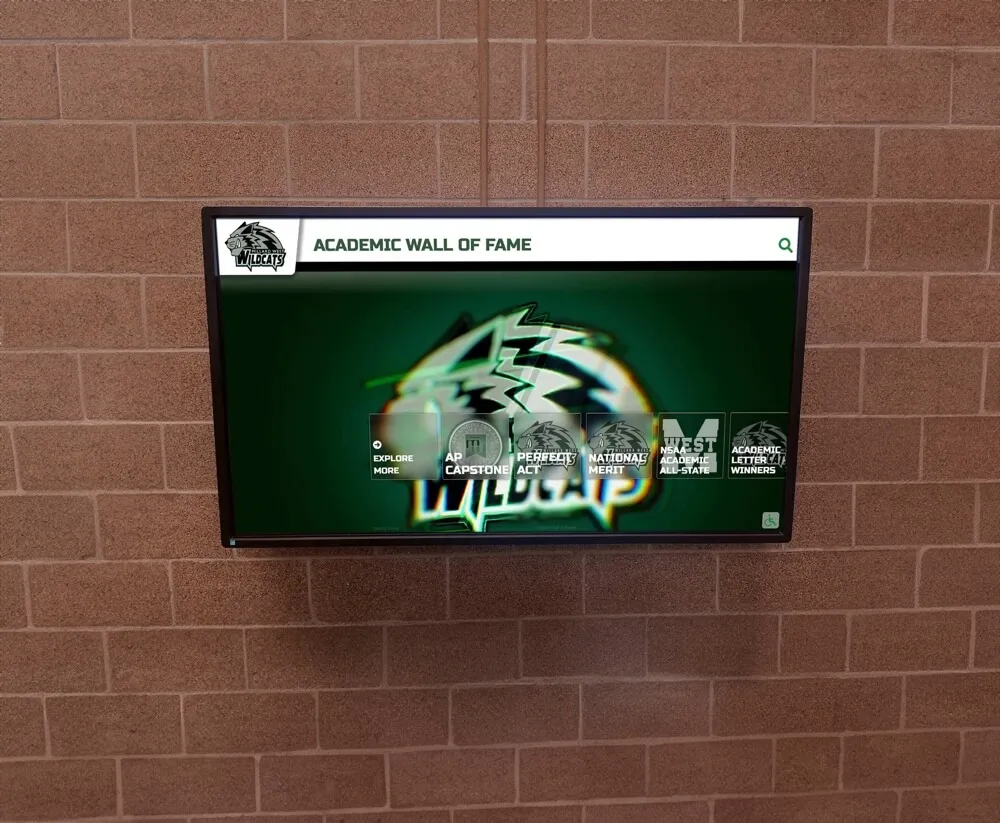
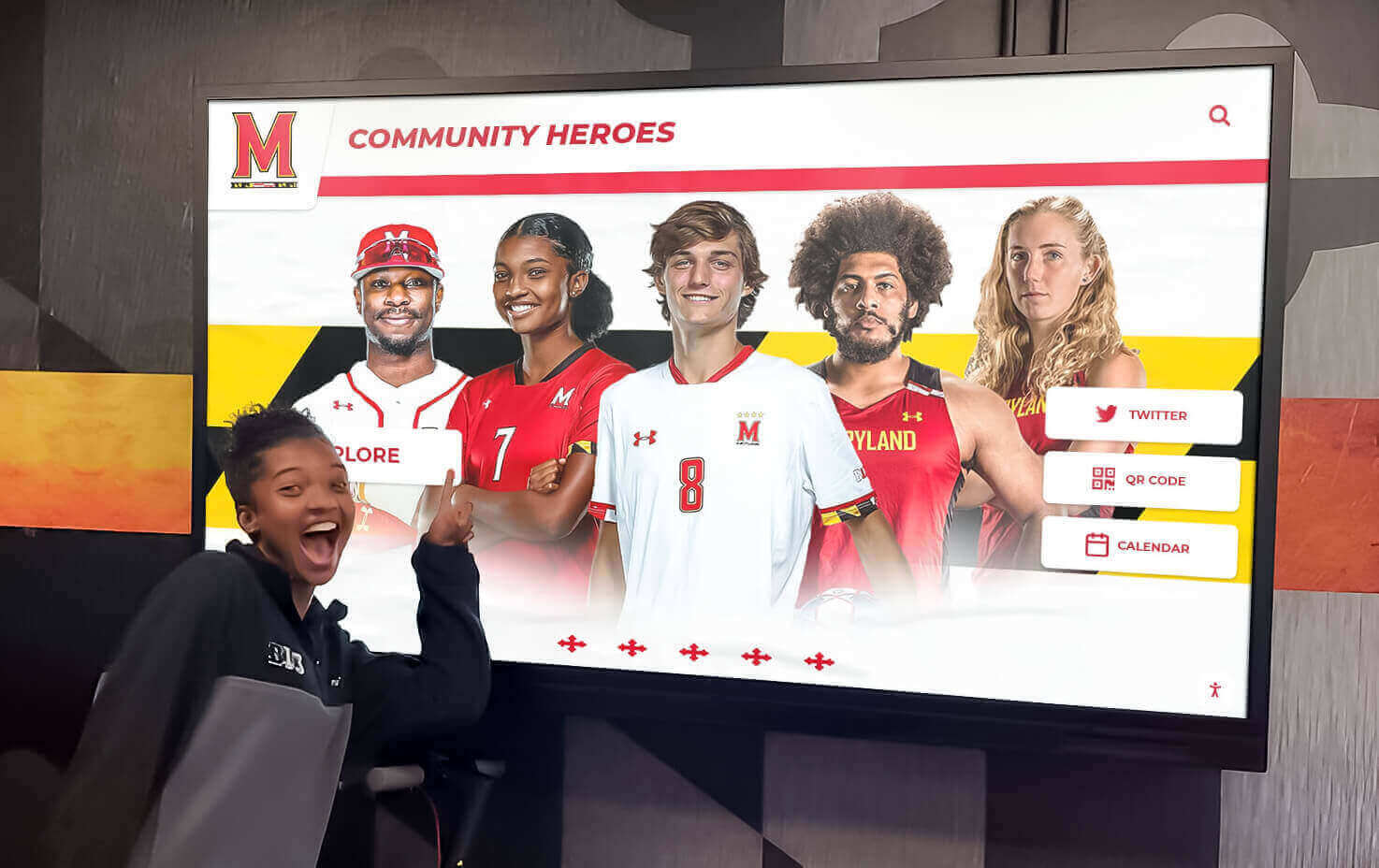
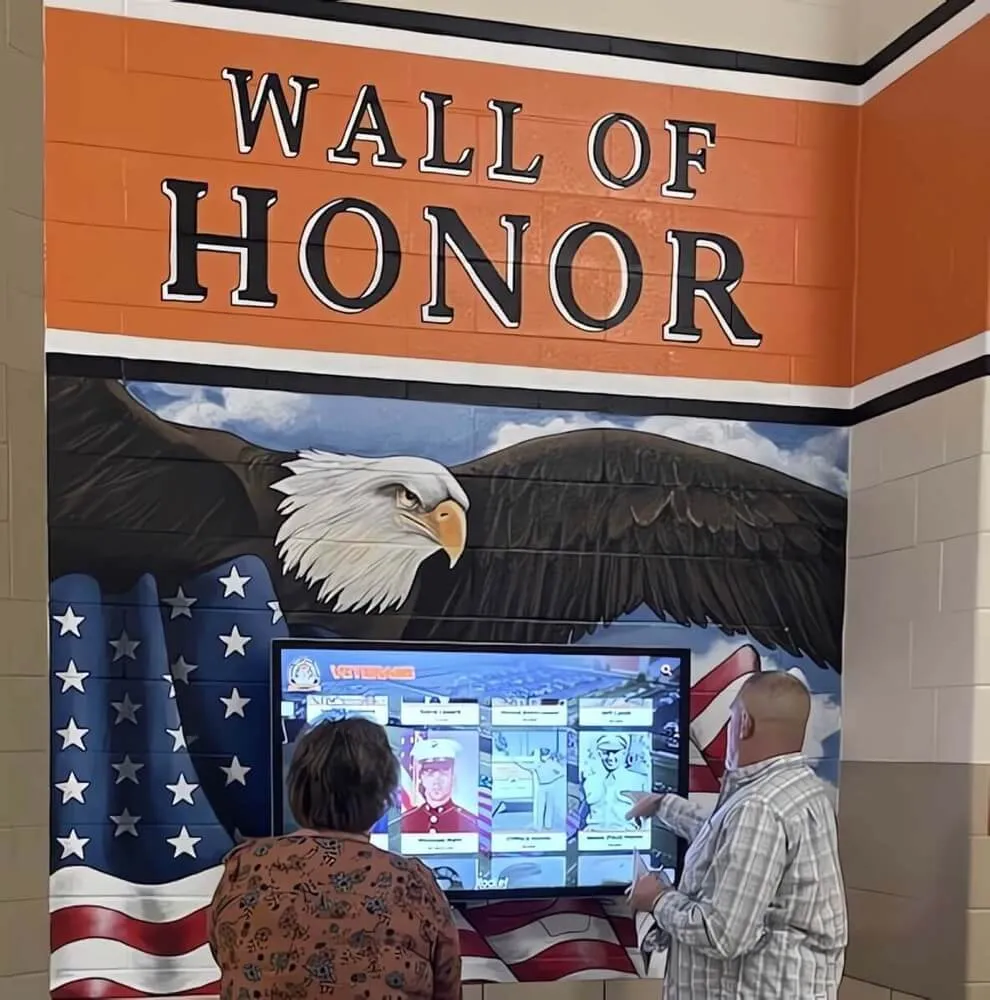
Modern high school graduate recognition displays offer capabilities that graduation stoles cannot provide, including permanent year-round visibility maintaining recognition beyond single ceremony, detailed achievement context explaining specific accomplishments and their significance, multimedia integration with photos, videos, and comprehensive profiles, searchable databases allowing families and students to explore honors, and scalable systems accommodating unlimited recipients and categories.
Schools implementing digital recognition alongside traditional stole programs create comprehensive honor systems where stoles provide important ceremonial recognition at graduation ceremonies, while digital platforms extend that recognition throughout the year and preserve achievement stories permanently. This hybrid approach maximizes both the ceremonial gravitas of traditional recognition and the accessibility advantages of digital platforms.
Integration Opportunities
Strategic integration creates recognition ecosystems rather than isolated programs:
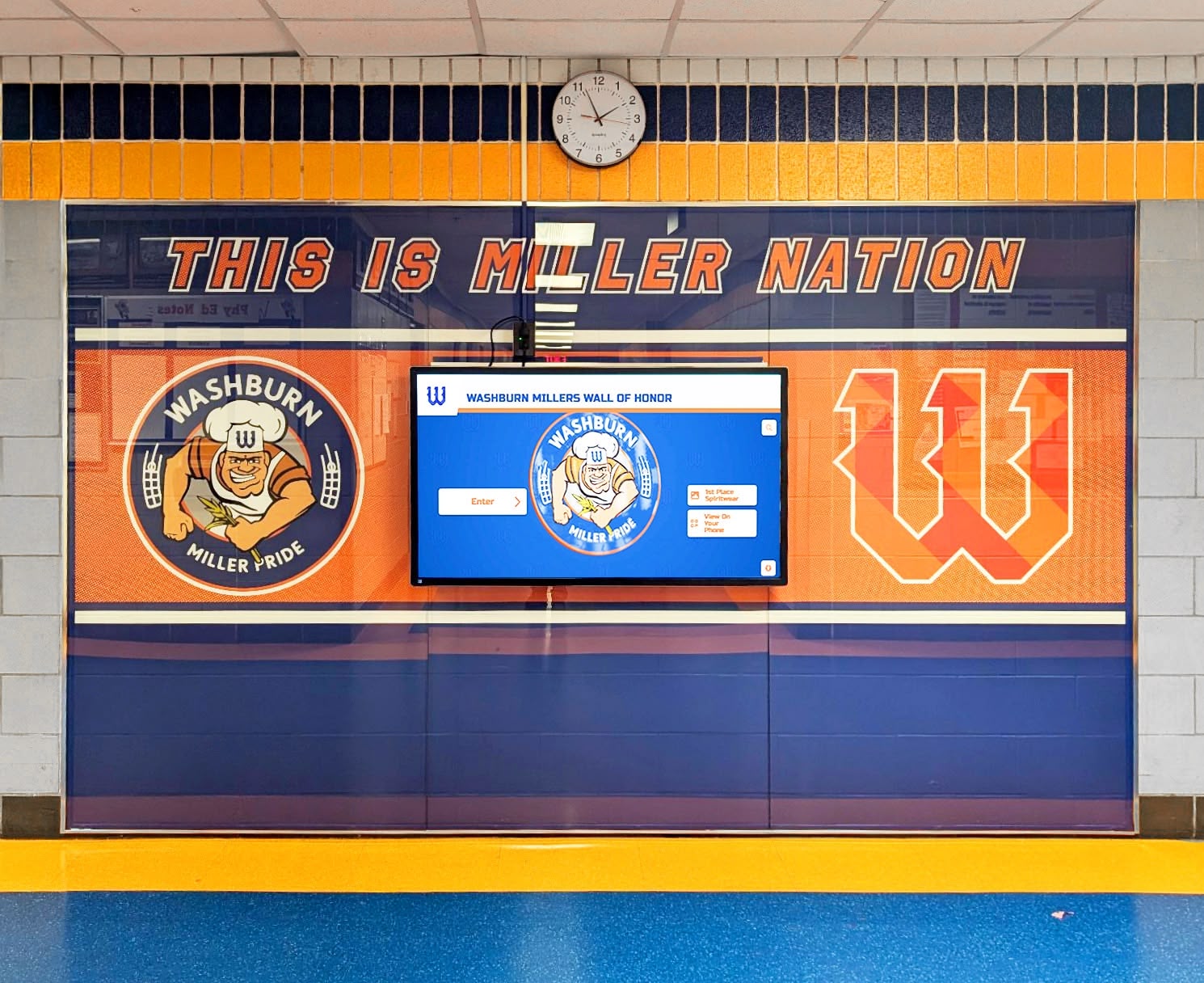
Digital displays in main hallways or ceremony venues showcase stole recipients with detailed achievement profiles, QR codes on graduation programs link to digital recognition pages providing recipient context, social media integration extends recognition to broader communities, awards ceremony presentations incorporate digital displays alongside physical stole distribution, and alumni networks maintain searchable archives of graduating class honors.
This comprehensive approach ensures that investments in identifying, selecting, and honoring student achievement generate maximum recognition value—both the immediate ceremonial impact schools desire and the enduring visibility that truly celebrates accomplishment.
Considering Modern Recognition Alternatives
Some schools reassess whether traditional stole programs represent optimal recognition investments or if alternative approaches better serve institutional goals and student preferences.
Questions driving this evaluation include whether stole costs ($20-35+ per student after customization) deliver sufficient recognition value, if ceremony-limited visibility justifies program investment, whether students value stoles as meaningful keepsakes or view them as temporary ceremony accessories, and if budget allocated to stoles might generate greater impact through comprehensive recognition systems with year-round visibility.
These questions don’t necessarily suggest eliminating stole programs—many schools appropriately value the ceremonial tradition and visual symbolism stoles provide. Rather, they encourage thoughtful evaluation ensuring recognition investments align with institutional priorities and genuinely resonate with honored students and their families.
Special Considerations for Specific Recognition Programs
Different honor categories present unique procurement considerations affecting supplier selection and design approaches.
National Honor Society and Affiliated Organizations
Schools implementing NHS or subject-specific honor society recognition must navigate organizational standards and guidelines:
Honor Society Stole Requirements
National Honor Society
- Traditional gold color standard (specific PMS gold recommended)
- NHS emblem placement and size specifications
- Text standards ("National Honor Society" vs. abbreviations)
- Optional school name or chapter number inclusion
- Compliance with national organization branding guidelines
Subject-Specific Honor Societies
- Organization-specific colors (varies by society)
- Official emblems and symbol requirements
- Charter approval for customized designs in some cases
- Coordination with national organization chapters
- Documentation of official supplier approval where required
Confirm supplier familiarity with honor society requirements—experienced vendors maintain compliant design templates simplifying the customization process and ensuring organizational standards are met. Similar to National Merit Scholar recognition programs, proper stole design demonstrates respect for achievement standards and organizational affiliations.
Athletic and Activity Recognition
Athletic department stole programs face different design considerations emphasizing team identity and competitive achievement:
Sport-specific color schemes reflecting team uniforms and branding, achievement level differentiation (varsity letter, all-conference, state championship), multi-sport athlete accommodation when students qualify across programs, coordination with athletic hall of fame or broader recognition initiatives, and balance between sport-specific and unified athletic department designs all require consideration.
Some schools maintain separate recognition approaches for academics and athletics—allowing athletic directors to manage stole procurement independently while ensuring visual differentiation from academic honor stoles prevents confusion during ceremonies.
Valedictorian and Ranking-Based Recognition
Top academic performers often receive special stole designation distinct from general honor recognition:
Traditional approaches include specific colors for valedictorian and salutatorian (often white or gold with distinctive trim), numerical rank display for top 10 students, Latin honors designation (summa cum laude, magna cum laude, cum laude), or GPA threshold-based color coding. These highest-achievement designations require particularly careful quality standards—prominent visibility during ceremonies demands premium materials and construction.
Budgeting and Cost Management Strategies
Graduation stole programs represent recurring annual expenses requiring strategic budget planning and cost optimization.
Program Cost Analysis
Comprehensive budget development accounts for all program components:
| Cost Category | Typical Range | Optimization Strategies |
|---|---|---|
| Base stoles (quantity 50-100) | $500-$1,500 | Volume pricing negotiations, multi-year contracts, simplified designs |
| Custom embroidery/printing | $150-$800 | Single-color designs, limited text, standardized logos |
| Design and setup fees | $50-$200 | Reusable designs, established vendor relationships, template utilization |
| Shipping and handling | $50-$150 | Consolidated shipments, early ordering avoiding rush fees, local pickup |
| Administrative time | Variable | Streamlined processes, vendor design support, simplified qualification criteria |
| Storage and distribution | $0-$100 | Efficient packaging, clear labeling systems, organized distribution events |
Funding Approaches
Schools utilize various funding models for graduation stole programs:
Institutional Budget Allocation: School general funds or student activities budgets cover all stole costs as part of recognition program support. This approach ensures universal access regardless of student financial circumstances and simplifies logistics by eliminating individual payment collection.
Student Purchase Model: Qualifying students purchase their own stoles, either through direct supplier ordering or school-coordinated group purchases. While this shifts costs from institutional budgets, it can create equity concerns if financial barriers prevent deserving students from participating in recognition programs.
Honor Society Dues Integration: Honor society membership dues include stole costs, bundling recognition materials with organizational participation fees. This works well for NHS and similar organizations but doesn’t address non-society recognition categories.
Hybrid Approaches: Schools cover basic stole costs while students pay for optional upgrades (premium materials, additional customization, commemorative features). This balances accessibility with personalization options.
Many administrators find that institutional funding of recognition programs—including stoles—represents important investment in school culture and student motivation, justifying budget allocation as core educational support rather than optional expenditure.
Emerging Trends in Graduation Recognition
Graduation stole programs continue evolving as schools balance tradition with innovation and changing student preferences.
Sustainability and Reusability Initiatives
Environmental consciousness drives interest in sustainable recognition approaches:
Some schools implement reusable stole programs where graduates return stoles after ceremonies for cleaning and future use (similar to graduation cap and gown rental programs), eco-friendly materials using recycled fabrics or sustainable production methods, or digital-first recognition reducing physical item production while maintaining ceremonial elements through alternative means.
While tradition-focused communities may resist reducing tangible ceremony elements, forward-thinking schools explore how to honor achievement meaningfully while aligning with institutional sustainability commitments.
Personalization and Individualization
Technology enables unprecedented personalization in graduation recognition:
Individual name embroidery on stoles, QR codes linking to digital achievement portfolios, unique designs for each recognition category and subcategory, student choice in color or design elements (within approved options), and integration with comprehensive student achievement tracking create more meaningful recognition than generic category identification alone.
These personalization options typically increase costs—requiring careful evaluation of whether enhanced individual recognition justifies higher per-student investment.
Hybrid Physical-Digital Recognition
The most innovative schools create integrated recognition ecosystems combining traditional ceremony elements with expanded digital engagement:
Physical stoles provide ceremonial recognition and photographic documentation, digital platforms offer detailed achievement stories and permanent accessibility, QR integration connects physical and digital recognition seamlessly, social sharing extends recognition reach to broader communities, and alumni networks maintain searchable achievement archives preserving recognition indefinitely.
This hybrid approach maximizes the strengths of both recognition modalities—ceremonial gravitas and digital accessibility—creating comprehensive systems that serve diverse stakeholder needs and preferences.
Modernize Your Honor Recognition Program
While graduation stoles provide important ceremonial recognition, discover how digital recognition displays can extend the visibility and impact of your honor programs year-round. Rocket Alumni Solutions offers comprehensive platforms that complement traditional recognition ceremonies with permanent, accessible, multimedia-rich achievement celebrations.
Explore Recognition SolutionsConclusion: Strategic Procurement for Meaningful Recognition
Sourcing graduation stoles for your school’s honor recognition programs requires navigating supplier options, customization decisions, quality standards, budget constraints, and timeline management—all while maintaining focus on the ultimate purpose: meaningfully celebrating student achievement and creating memorable recognition experiences.
Effective procurement begins with clearly defining recognition categories and criteria, understanding the specific requirements for honor society, academic, athletic, and service-based stoles, and establishing realistic budgets accounting for total program costs beyond simple per-unit stole pricing. Supplier selection should prioritize quality, reliability, and design support over lowest-cost options that may disappoint with substandard results affecting recognition program credibility.
The most strategic administrators recognize that graduation stoles represent one element of comprehensive recognition systems. While stoles provide important ceremonial visibility during commencement events, their impact remains limited to brief windows and restricted audiences. Complementing stole programs with year-round digital recognition platforms creates more comprehensive systems that honor achievement through both ceremonial tradition and accessible, detailed, permanent celebration.
Whether your school maintains established stole programs requiring reliable suppliers, explores recognition program enhancement through improved quality or design, or considers how digital platforms might extend recognition impact beyond ceremony days, the fundamental goal remains constant: ensuring that student achievements receive acknowledgment that genuinely communicates institutional pride and appreciation while motivating continued excellence throughout your school community.
For schools ready to explore how modern recognition technology can complement or enhance traditional honor programs, platforms like Rocket Alumni Solutions provide comprehensive systems integrating physical ceremony elements with digital accessibility, multimedia storytelling, and permanent visibility that transform recognition from momentary acknowledgment into enduring celebration.































