Women’s rugby has experienced remarkable growth in recent years, evolving from a niche sport into one of the fastest-growing team sports worldwide. With more than 2.7 million women and girls now playing rugby globally—from professional leagues and Olympic competition to universities and grade schools—the sport’s expansion has created unprecedented opportunities for recognition and celebration. The 2025 Women’s Rugby World Cup demonstrated this momentum, generating 1.1 billion social impressions and creating a host of new stars who captured global attention.
As women’s rugby participation surges at the high school and collegiate levels, schools and athletic programs face an important challenge: how to appropriately recognize and celebrate championship achievements, record-breaking performances, and the dedicated athletes who excel in this dynamic sport. Traditional trophy cases and static displays quickly overflow as programs accumulate accomplishments, forcing difficult decisions about which championships receive prominent recognition and which languish in storage.
Digital display technology offers a transformative solution for women’s rugby championship recognition, providing unlimited capacity, rich multimedia storytelling, and interactive experiences that traditional methods simply cannot match. This comprehensive guide explores how schools, universities, and rugby programs can leverage modern digital displays to honor women’s rugby excellence comprehensively while inspiring current and future generations of players.
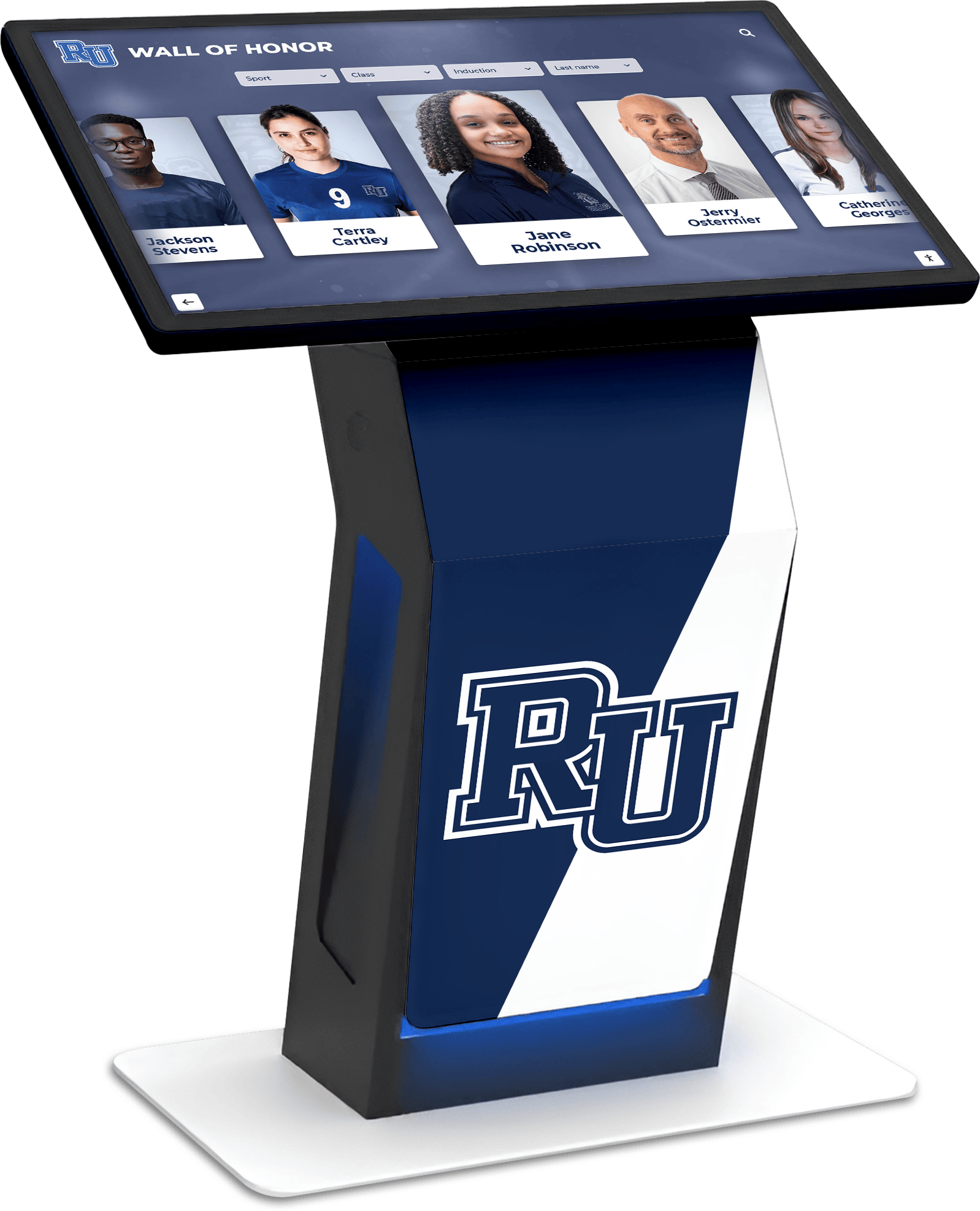
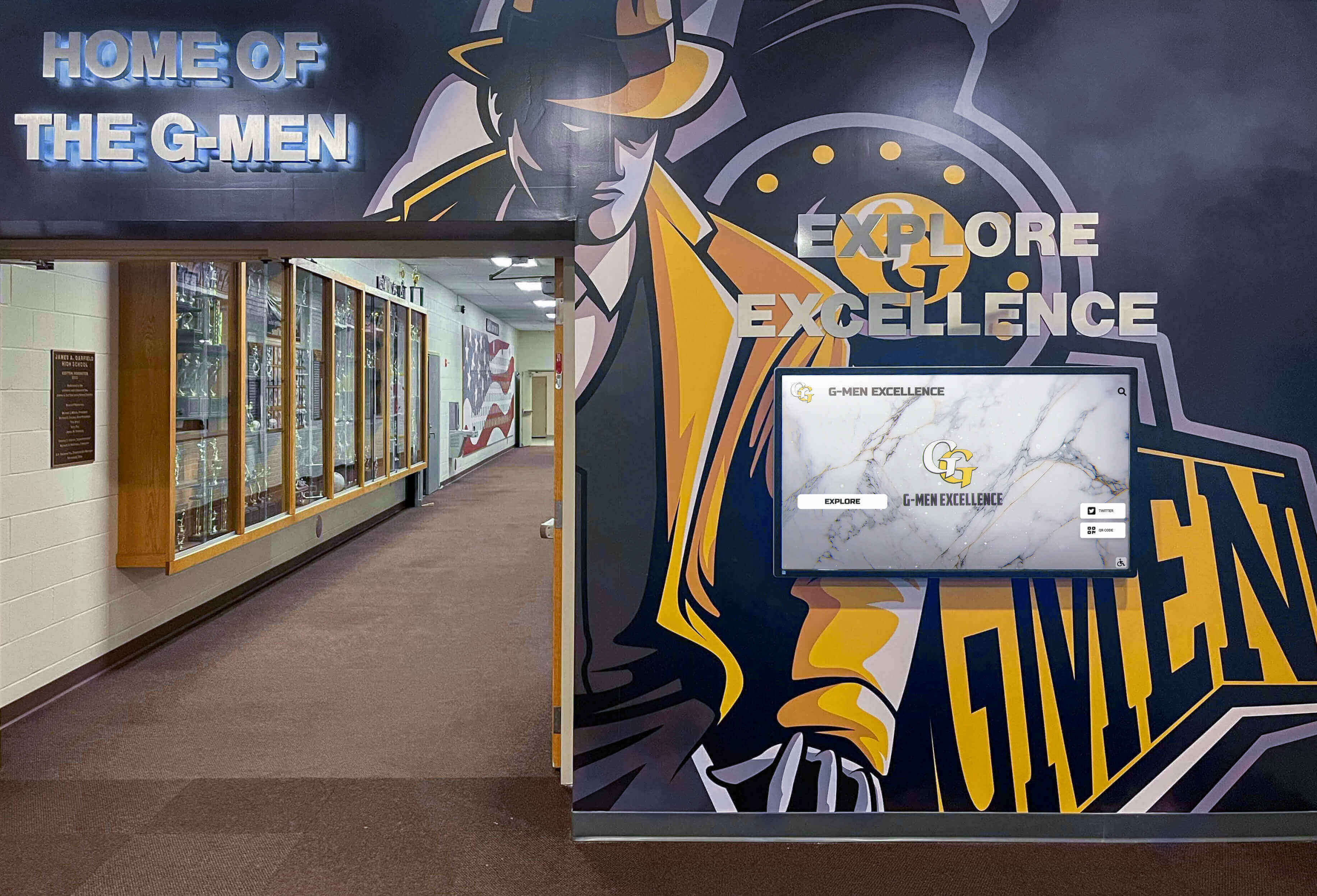
Solutions like Rocket Alumni Solutions provide purpose-built platforms specifically designed for athletic recognition, enabling rugby programs to showcase unlimited achievements through photos, videos, statistics, and compelling narratives that traditional displays cannot accommodate. When programs implement comprehensive digital recognition systems, they create dynamic celebration experiences that honor past excellence while motivating current athletes to pursue their own championship legacies.
The Growth of Women’s Rugby and Recognition Needs
Understanding the explosive growth trajectory of women’s rugby provides essential context for why modern recognition approaches have become critically important for programs committed to celebrating excellence appropriately.
Women’s Rugby Participation Growth Statistics
The numbers tell a remarkable story about women’s rugby expansion across all competitive levels. In the 2024/25 season, there are currently more registered girls than boys in high school rugby during the fall season—a remarkable achievement representing dramatic demographic shifts in the sport. Year-over-year growth from the 2022/23 to 2023/24 season demonstrated a 19% increase in female registrations, according to USA Youth & High School Rugby data.
This growth extends well beyond American high schools. Women’s rugby has become one of the fastest growing team sports globally, with participation expanding rapidly across professional leagues, Olympic competition, universities, and youth programs worldwide. World Rugby’s comprehensive fan, data, and commercial analysis emphasizes the sport’s tremendous growth potential while highlighting the importance of building diverse competition structures from schools to social play.
Championship Competition Expansion
As participation grows, competitive opportunities have multiplied dramatically. High school state championships now exist in numerous American states where women’s rugby programs barely existed a decade ago. Collegiate competition has expanded through multiple divisions with national championship tournaments determining champions across varsity, Division I, Division II, and Division III levels. International competition through World Cups, Olympic Sevens, and regional championships has elevated the sport’s global profile while providing aspirational pathways for developing players.
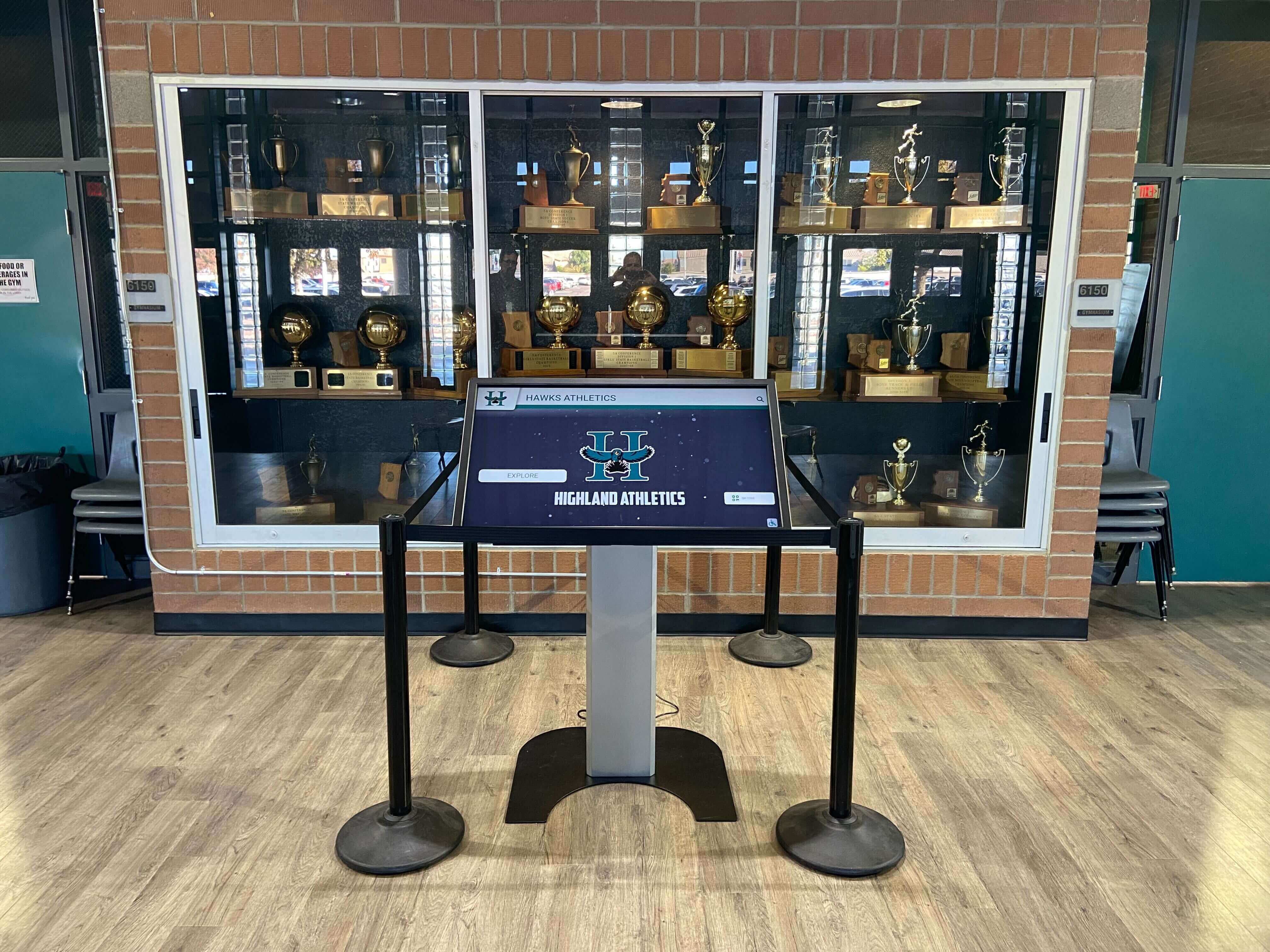
This championship expansion creates significant recognition challenges. Programs accumulating multiple conference championships, state titles, national tournament appearances, and individual player achievements quickly overwhelm traditional trophy case capacity. Digital displays solve this capacity problem while enabling recognition depth that appropriately celebrates the achievements defining successful women’s rugby programs.
Why Women’s Rugby Deserves Dedicated Recognition
Despite impressive growth, women’s rugby programs sometimes struggle for recognition parity with more established sports. Dedicated recognition displays serve multiple essential purposes that extend far beyond ceremonial acknowledgment.
Validating Program Importance and Institutional Commitment
Prominent recognition demonstrates institutional commitment to women’s rugby as a valued program deserving celebration equivalent to traditional sports. When schools invest in quality recognition displays for women’s rugby championships and athlete achievements, they send powerful messages about program importance and long-term institutional support. This validation matters enormously for athlete recruitment, parent engagement, and community perception of program legitimacy and quality.
Programs implementing comprehensive recognition often report improved recruitment as prospective athletes and families see tangible evidence that institutions value women’s rugby excellence. Physical and digital displays demonstrating decades of championship tradition and athlete development create compelling recruitment narratives impossible to convey through verbal descriptions alone.
Creating Championship Culture and Performance Expectations
Visible recognition establishes excellence standards while creating championship culture where winning becomes expected rather than exceptional. When current players train in facilities surrounded by championship displays celebrating past team successes and individual achievements, they develop immediate understanding that championships represent realistic, achievable goals rather than distant impossibilities.
Research in sports psychology demonstrates that environmental cues significantly influence athlete goal-setting and self-efficacy beliefs. Championship displays serve as constant reminders that “people like me, from this program, have achieved rugby excellence before.” This tangible evidence makes championship pursuit feel attainable, creating powerful motivation during challenging practice sessions and difficult competitive seasons.
Inspiring Youth Development and Participation Pipeline
Quality recognition programs inspire younger players by showcasing achievable excellence pathways. When elementary and middle school athletes visit high school facilities displaying championship achievements, they visualize their own potential futures. When high school players see collegiate and professional achievements from program alumni, they understand how rugby skills can create opportunities extending far beyond secondary school competition.
This inspirational pipeline proves essential for sustaining program growth. Today’s youth players become tomorrow’s championship athletes, but only when they can envision realistic pathways from current participation to future excellence. Comprehensive recognition displays make these pathways visible and compelling.
Advantages of Digital Displays Over Traditional Recognition
Understanding why digital technology fundamentally transforms women’s rugby championship recognition helps programs make informed decisions about recognition investments that serve athletes and institutions effectively.
Unlimited Recognition Capacity
Perhaps the most transformative advantage digital displays provide is unlimited capacity for recognizing championships and achievements without physical space constraints that force difficult prioritization decisions.
Eliminating Space Limitations
Traditional trophy cases typically accommodate 20-40 trophies depending on size and arrangement. Championship banners require dedicated wall or ceiling space that quickly fills as programs accumulate success. Static record boards display limited categories determined by physical dimensions rather than comprehensive achievement documentation.
A single 55-inch touchscreen can showcase detailed profiles for hundreds of championships, thousands of athlete profiles, and unlimited record categories—comprehensive content requiring 15-20 traditional glass cases to display physically. This unlimited capacity means schools can recognize every conference championship, state title, national tournament appearance, and individual achievement throughout program history without forced prioritization based on available wall space.
Comprehensive Multi-Sport Integration
Digital platforms enable integrated recognition across multiple women’s programs, creating cohesive celebrations of female athletic excellence. Programs can maintain dedicated women’s rugby content while connecting to broader women’s athletics recognition including soccer, basketball, volleyball, lacrosse, and other sports. This integrated approach demonstrates institutional commitment to comprehensive women’s athletics rather than isolated program support.
Rich Multimedia Storytelling Capabilities
Digital platforms enable championship recognition far exceeding what physical trophies and static plaques can communicate, creating emotional connections that inspire and engage.
Video Highlights and Game Footage
Championship victories deserve celebration through actual game footage capturing defining moments. Digital displays can feature championship match highlights showing winning tries and defensive stands, season recap videos documenting complete championship journeys from opening matches through final victories, individual player highlight reels demonstrating skill excellence and athletic ability, post-match celebrations capturing team emotion and championship joy, and coach and player interviews providing personal perspectives on championship significance.
These video elements create emotional engagement that static trophies cannot generate. Visitors spend significantly more time exploring digital displays featuring video content compared to traditional text-only recognition. Engagement analytics from schools using digital storytelling for athletic programs show average session durations of 5-8 minutes versus 30-second glances at physical trophy cases.
Comprehensive Statistical Documentation
Rugby statistics tell important stories about team and individual excellence. Digital platforms accommodate comprehensive statistical presentation including career try-scoring records across positions, points-scoring achievements through various scoring methods, defensive excellence through tackle statistics and turnovers forced, forward play contributions through lineout success and scrum dominance, season-by-season statistical progression showing player development, and historical comparisons contextualizing current achievements against program tradition.
This statistical depth provides recognition nuance impossible through simple trophy displays. Athletes who excel defensively or through forward play receive appropriate celebration rather than recognition limited to try-scorers whose statistics naturally draw attention.
Player Profile Integration
Complete player profiles transform recognition from simple name listings into comprehensive celebration of individual journeys including multiple action photographs from playing careers, complete biographical information and personal background, career statistics across all categories, academic achievements and honors, post-graduation updates about college selection and career paths, and personal narratives describing rugby experiences and program impact.
These holistic profiles demonstrate that rugby programs develop complete individuals rather than just skilled competitors, resonating powerfully with families evaluating schools based on values extending beyond winning percentages. Resources on finding school sports records provide additional guidance for comprehensive athlete documentation.
Interactive Engagement and Exploration
Digital displays transform recognition from passive viewing into active exploration where visitors engage meaningfully with championship history and athlete stories.
Intuitive Touchscreen Navigation

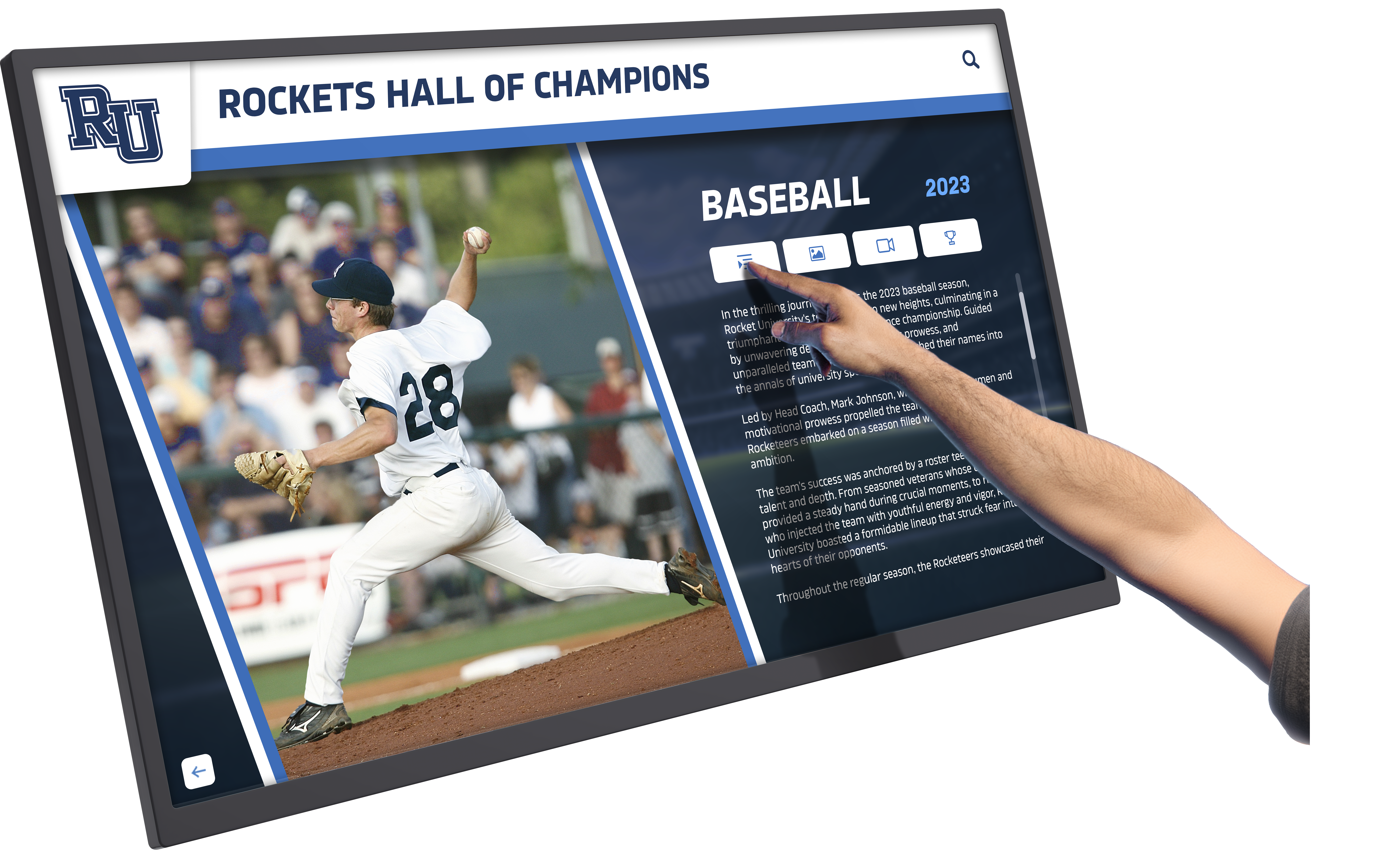
Modern touchscreen interfaces enable intuitive content exploration that feels natural to audiences accustomed to smartphones and tablets. Visitors can browse championships chronologically by season, filter achievements by specific categories like state championships versus conference titles, search for individual athletes by name, explore team rosters and complete squad information, and discover related content through intelligent recommendations.
This interactivity dramatically increases engagement while making championship history accessible in ways physical displays cannot match. Alumni visiting campus years after graduation can find their own championships, view teammates and coaches, and relive championship memories through preserved photos and videos.
Customized Exploration Paths
Unlike static displays forcing all viewers through identical content sequences, interactive platforms enable personalized exploration based on individual interests. Current team members might focus on recent championships and current records they’re pursuing. Prospective recruits might explore post-graduation athlete success and program development quality. Alumni might search for their own playing era and teammates. Parents might examine comprehensive program values including academic achievement alongside athletic excellence.
This personalization creates more meaningful engagement than one-size-fits-all displays, ensuring diverse audiences all find personally relevant content that resonates.
Searchable Athlete Database
Digital platforms provide searchable athlete databases impossible with physical displays. Finding specific individuals requires simple name searches rather than scanning dozens of trophy plaques hoping names appear. This searchability proves especially valuable during events when alumni return seeking recognition of their achievements, or when current players research program legends they’ve heard coaches reference.
Advanced platforms like those examining state championship trophy case displays demonstrate how searchable databases enhance recognition accessibility while preserving comprehensive program history efficiently.
Essential Content for Women’s Rugby Championship Displays
Creating effective digital recognition requires developing diverse content types that work together telling comprehensive stories celebrating team and individual excellence.
Championship Team Recognition
Championship victories represent pinnacle rugby achievements deserving comprehensive documentation capturing complete team excellence rather than simplified trophy acknowledgment.
Championship Season Narratives
Beyond final scores, complete championship stories provide context helping audiences understand what made victories significant. Effective championship recognition includes pre-season expectations and team goals, key victories and turning points throughout the season, competitive challenges and how teams responded to adversity, championship tournament progression match-by-match, final match details including opponent, score, and defining moments, and post-championship impact on program culture and tradition.
Season narratives might describe unexpected championship runs exceeding all predictions, sustained excellence through multiple consecutive titles, or breakthrough championships representing first-time program success. This contextual storytelling transforms simple dates and scores into compelling narratives that inspire current athletes while honoring past excellence appropriately.
Complete Roster Documentation
Championship teams succeed through contributions from entire rosters, not just statistical leaders or starting players. Comprehensive recognition documents complete squad composition including starting fifteen and regular position players, reserve players and squad depth contributors, team captains and leadership groups, coaching staff and support personnel, and season statistics for all players regardless of playing time.
This inclusive approach ensures all team members receive appropriate recognition for championship contributions. Role players understand their efforts mattered, specialists gain acknowledgment matching statistical leaders, and complete rosters preserve accurate historical records documenting who actually contributed to championships.
Championship Match Details and Highlights
Championship matches deserve detailed documentation preserving defining moments including match date, location, and opponent information, final score and scoring progression, try scorers and key performance contributors, defensive stands and game-changing plays, championship trophy presentation and celebration photos, and video highlights capturing most memorable match moments.
When possible, preserve complete match footage enabling future audiences to experience championships through actual game viewing rather than just reading descriptions. This multimedia documentation creates lasting records more valuable as years pass and championship moments fade from living memory.
Individual Athlete Achievement Recognition
While team championships rightfully receive prominent celebration, individual athlete excellence deserves recognition honoring personal accomplishments and development journeys.
Career Statistical Leaders
Rugby excellence manifests through various statistical categories deserving recognition including career try-scoring records across player careers, total points scored through all methods, defensive statistics like career tackles, position-specific achievements for forwards and backs, single-season record performances, and single-match exceptional performances.
Maintain separate recognition for different statistical categories ensuring forwards receive appropriate celebration for contributions that differ from backs’ typical scoring statistics. This balanced approach prevents perception that programs only value try-scoring ability while ignoring complete play that championship teams require.
Position-Specific Excellence
Rugby’s diverse position requirements demand recognition categories celebrating all contributions including forward pack excellence in scrums and lineouts, back row defensive and breakdown effectiveness, halfback leadership and game management, center defensive organization and attacking creativity, wing finishing ability and try-scoring prowess, and fullback reliability in defense and attack.
Position-specific recognition demonstrates understanding that rugby excellence encompasses diverse skills rather than reducing value to single statistical measures. Programs implementing comprehensive athletic recognition programs effectively demonstrate balanced approaches celebrating all achievement types.
Academic and Character Recognition
Complete athlete recognition extends beyond rugby statistics to celebrate holistic development including academic all-conference selections and honors, academic achievement and scholarship awards, leadership positions and team captaincy, community service and volunteer contributions, character awards and sportsmanship recognition, and post-graduation success in collegiate athletics and careers.
This comprehensive approach demonstrates that rugby programs develop complete individuals rather than exclusively athletic performance, resonating powerfully with families evaluating schools based on values extending beyond competitive success. Understanding how digital displays inspire alumni to give back provides insights into long-term recognition impact.
Historical Program Documentation
Preserving program history creates context for current achievements while building institutional pride and tradition that strengthen program identity.
Timeline of Program Development
Comprehensive historical documentation organizes program evolution chronologically including program founding and early development years, first championship victories establishing winning traditions, coaching eras and philosophical evolution, facility improvements and resource development, competitive level advancement over decades, and notable alumni who achieved post-program success.
Historical timelines help current participants understand they contribute to stories spanning generations rather than existing isolated from historical context. This long-term perspective builds deeper program connection while demonstrating sustained institutional commitment to women’s rugby excellence.
Coaching Legacy Recognition
Coaches who build championship programs deserve recognition acknowledging their contributions including career victory totals and winning percentages, championship victories across various competitions, player development and college placement success, program culture development and values establishment, and lasting impact extending beyond coaching tenure.
Coach profiles might include video interviews explaining coaching philosophy and approach, testimonials from former players describing coaching impact, and documented program transformation showing before-and-after competitive success under coaching leadership.
Notable Alumni Achievements
Tracking program alumni success demonstrates development quality while inspiring current players through achievable excellence pathways including collegiate rugby participation and achievements, professional rugby careers domestically and internationally, national team selection and international competition, coaching and rugby administration careers, and professional success in various career fields.
Alumni success stories validate program quality for prospective families evaluating rugby participation while maintaining valuable connections between current programs and successful graduates. Resources on rugby team championships and records archives provide comprehensive guidance for historical documentation.
Implementing Digital Displays for Women’s Rugby Recognition
Successfully showcasing women’s rugby championships requires systematic planning addressing technology selection, content development, installation, and ongoing maintenance.
Planning and Goal Setting
Implementation begins with clear understanding of recognition objectives and stakeholder needs driving display development.
Defining Recognition Scope
Determine which achievements merit recognition including which teams receive coverage (varsity, junior varsity, alumni), what time period receives comprehensive documentation, which championship levels deserve celebration, what individual achievements warrant recognition, and how rugby recognition integrates with broader athletic recognition programs.
Clear scope prevents unrealistic expectations while ensuring important achievements receive appropriate inclusion. Programs with limited historical documentation might start with recent years while committing to gradual historical expansion as research uncovers additional information.
Stakeholder Input and Buy-In
Engage key stakeholders in planning ensuring recognition serves intended audiences effectively including current athletes and coaching staff, prospective recruits and families, program alumni and supporters, school administrators and athletic directors, and booster organizations and financial supporters.
Input from diverse perspectives prevents overlooking important recognition elements while building support for implementation investment and ongoing maintenance commitment.
Technology Selection and Vendor Evaluation
Choosing appropriate display technology determines long-term satisfaction, usability, and recognition effectiveness.
Hardware Specifications
Evaluate commercial-grade displays meeting rugby facility requirements including appropriate screen sizes for viewing distances (43-55 inch for intimate spaces, 55-75 inch for standard installations), touchscreen interactivity enabling hands-on exploration, commercial specifications rated for continuous operation, environmental protection for semi-outdoor or challenging locations, and reliable network connectivity for content updates.
Consumer televisions prove inadequate for continuous commercial operation despite lower upfront costs. Commercial displays designed for 16-24 hour daily operation provide reliability essential for recognition installations requiring consistent performance over many years.
Software Platform Requirements
Essential software capabilities include intuitive content management accessible to non-technical athletic staff, cloud-based access enabling remote updates from any device, comprehensive multimedia support for photos, videos, and narratives, interactive features including search and filtering, mobile and web accessibility extending recognition beyond physical displays, and analytics tracking engagement patterns and popular content.
Purpose-built platforms like Rocket Alumni Solutions provide specialized features designed specifically for athletic championship recognition, offering superior results compared to generic digital signage software adapted for trophy display purposes.
Installation Location and Placement
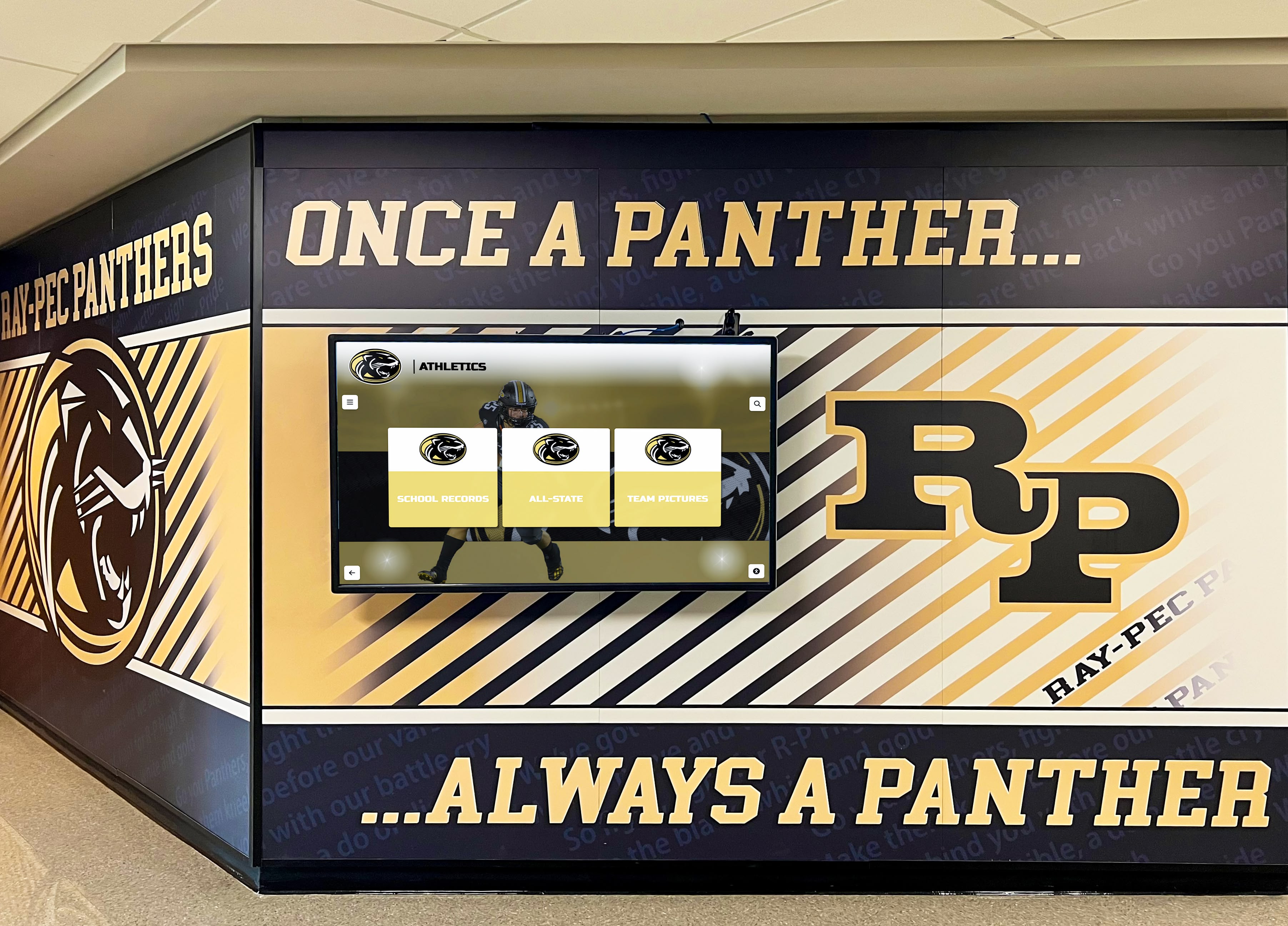
Strategic display placement ensures maximum visibility and engagement including athletic facility lobbies at main entrances, training facility areas where athletes spend significant time, hallways connecting locker rooms to competition spaces, main school building entrances integrating athletics into academic environment, and alumni gathering areas during events and reunions.
Position displays where foot traffic naturally flows, ensuring championship recognition becomes impossible to miss for anyone entering athletic spaces. Consider sightlines, lighting conditions, and accessibility when determining optimal placement.
Content Development and Migration
Creating comprehensive content requires systematic research, writing, and media compilation transforming raw information into engaging recognition experiences.
Historical Research and Data Compilation
Comprehensive recognition requires extensive documentation including championship results and tournament records, complete roster information from all championship teams, individual statistical records across all categories, coaching records and tenure information, historical photographs from various eras, and video footage when available.
Sources might include athletic department archives and records, yearbooks and school newspapers, local newspaper archives, alumni interviews and memory collection, and state athletic association records. This research proves time-consuming but essential for accuracy and completeness.
Professional Content Creation
Transform compiled information into engaging presentation through well-written player and team narratives, professional photography editing and presentation, video highlight compilation and editing, statistical presentation with appropriate context, and cohesive design maintaining brand consistency.
Many schools work with recognition platform providers offering content development support, leveraging professional expertise while maintaining final approval control ensuring appropriate tone and accuracy.
Phased Content Launch
Rather than delaying launch until all historical content is complete, implement phased approaches including initial launch with recent championships and current athletes, phase two adding recent decade historical content, phase three expanding to complete program history, and ongoing updates adding new achievements and alumni information.
Phased implementation demonstrates value quickly while managing content development workload sustainably. Understanding approaches to digital storytelling for athletic programs provides additional implementation guidance.
Launch and Ongoing Management
Successful recognition extends beyond installation to include memorable launch events and sustainable long-term content management.
Unveiling Event and Promotion
Create memorable launch experiences through formal ceremonies with team and family attendance, current player participation connecting generations, community open house welcoming all program supporters, media coverage generating awareness, and demonstration sessions showcasing display capabilities and features.
Meaningful launches generate excitement and engagement while communicating institutional commitment to recognition investment. Social media promotion, email announcements, and local media coverage extend awareness beyond those physically attending launch events.
Sustainable Content Management
Establish ongoing maintenance processes including designated staff responsible for content updates, season-ending reviews adding new championships and records, periodic historical content enhancement, featured content rotation maintaining freshness, and error correction responding to community feedback.
Train multiple staff members on content management systems preventing single-point dependency on individuals who might leave positions. Document processes clearly enabling consistent maintenance across staff transitions.
Measuring Success and Impact
Track recognition program effectiveness through display interaction analytics showing usage patterns, community feedback from athletes, families, and alumni, recruitment impact mentioned by prospective families, social media engagement with recognition content, and fundraising correlation with recognition visibility.
These metrics demonstrate program value while informing continuous improvement and enhancement investments. Successful programs regularly assess recognition effectiveness ensuring systems continue serving intended purposes effectively.
Best Practices for Women’s Rugby Recognition Excellence
Learning from successful implementations helps programs avoid common pitfalls while maximizing recognition impact and long-term sustainability.
Maintain Recognition Currency and Accuracy
Outdated or inaccurate recognition undermines credibility and diminishes value regardless of how impressive displays initially appeared.
Immediate Championship Updates
Add new championships promptly following victories while excitement remains high. Digital platforms enable immediate recognition updates that physical displays cannot match. Upload championship information, photos, statistics, and celebration content within days of victories rather than waiting weeks or months for traditional display modifications.
This responsiveness demonstrates that recognition remains living program element rather than static historical documentation, creating powerful motivation as athletes see immediate celebration of current achievements.
Accuracy Verification and Error Correction
Implement review processes ensuring statistical accuracy and complete information including multiple source verification for historical records, alumni review opportunities correcting errors, documented correction processes when mistakes are identified, and transparent communication about accuracy standards and limitations.
Mistakes inevitably occur in comprehensive historical documentation. Established correction processes demonstrate commitment to accuracy while maintaining community trust in recognition credibility.
Create Balanced and Inclusive Recognition
Comprehensive recognition celebrates all contributions ensuring all athletes feel appropriately valued regardless of position, playing time, or statistical prominence.
Position-Balanced Categories
Maintain recognition categories celebrating diverse contributions including try-scoring excellence, points-scoring achievements, defensive leadership and tackles, forward pack dominance, breakdown effectiveness, and leadership and character awards.
This balanced approach prevents perception that programs only value try-scorers while ignoring forwards, defenders, and role players whose contributions prove equally essential to championship success.
Complete Roster Recognition
Championship team documentation includes all squad members regardless of playing time or statistical contribution. Reserve players, developmental squad members, and support personnel all contributed to championship cultures deserving recognition for their roles.
Complete roster preservation ensures accurate historical documentation while demonstrating that championships require full team commitment beyond just starting players.
Integrate Broader Women’s Athletics Context
Women’s rugby recognition proves most effective when integrated within comprehensive women’s athletics celebration rather than existing isolated from other programs.
Multi-Sport Recognition Integration
Digital platforms enable cohesive women’s athletics recognition spanning multiple sports including rugby, soccer, basketball, volleyball, lacrosse, and other programs. Integrated recognition demonstrates institutional commitment to comprehensive women’s athletics excellence rather than isolated program support.
Visitors exploring rugby championships might discover women’s soccer achievements or basketball excellence, creating comprehensive understanding of school women’s athletics tradition and quality. Resources examining women’s soccer all-star recognition provide additional implementation insights.
Title IX Compliance and Equity
Ensure recognition investment and prominence demonstrates gender equity commitments. Women’s rugby displays should receive comparable quality, visibility, and institutional support as male athletic recognition. This equity matters enormously for athlete perception of program value while demonstrating authentic institutional commitment to women’s athletics rather than token gestures.
Cost Considerations and Funding Strategies
Understanding recognition investment requirements enables realistic budgeting while identifying funding sources making projects financially feasible.
Digital Display Investment Components
Comprehensive digital recognition involves several cost elements including commercial display hardware ($3,000-$6,000 per screen), content management platform setup and licensing ($2,000-$5,000 initially, $1,200-$3,000 annually), professional installation and configuration ($1,000-$3,000), initial content development and migration ($1,500-$4,000), and staff training and documentation ($500-$1,500).
While digital systems involve higher initial investment than simple painted record boards, they provide unlimited capacity, comprehensive multimedia recognition, interactive engagement, and remote accessibility impossible with physical displays—delivering substantially greater value despite higher absolute costs. Long-term operational costs typically prove lower than repeatedly updating traditional displays as new championships accumulate.
Funding Source Identification
Athletic recognition projects often require creative funding since operating budgets rarely accommodate major capital investments. Potential funding sources include athletic booster clubs supporting team programs, alumni donations from championship teams and successful graduates, capital campaign inclusion within broader fundraising initiatives, corporate sponsorships providing visibility and community goodwill, and memorial gifts honoring specific coaches or legendary players.
Present recognition projects emphasizing how displays celebrate achievements, honor program history, strengthen current athlete motivation, enhance recruitment, and demonstrate institutional commitment to women’s athletics excellence. These compelling benefits often generate enthusiastic support from various funding sources.

Conclusion: Honoring Women’s Rugby Excellence Through Modern Recognition
Women’s rugby’s remarkable growth trajectory demands recognition approaches matching the sport’s expanding prominence and celebrating athlete excellence appropriately. Digital display technology provides transformative capabilities that traditional trophy cases and static displays simply cannot match—unlimited capacity accommodating comprehensive championship documentation, rich multimedia content telling complete achievement stories, interactive exploration engaging visitors meaningfully, and sustainable long-term operation proving cost-effective across typical 10-15 year system lifespans.
Effective women’s rugby championship recognition accomplishes multiple essential objectives simultaneously. It validates program importance through visible institutional investment demonstrating authentic commitment to women’s athletics. It creates championship culture where excellence becomes expected through constant environmental reminders of past success. It inspires youth development by showcasing achievable pathways from current participation to future excellence. It strengthens recruitment by demonstrating program tradition and development quality. It engages alumni by preserving shared heritage and celebrating their contributions to program history.
Programs implementing comprehensive digital recognition systems report numerous benefits including improved athlete motivation and goal-setting, enhanced recruitment effectiveness with prospective families, strengthened alumni engagement and giving, increased community awareness and support, and sustainable recognition approaches maintaining currency as programs continue accumulating achievements.
Ready to Transform Your Women's Rugby Recognition?
Discover how Rocket Alumni Solutions provides comprehensive digital display platforms specifically designed for women's rugby championship celebration, enabling unlimited recognition capacity, engaging multimedia presentation, and intuitive content management that non-technical staff can confidently maintain. Honor your program's excellence while inspiring future champions through recognition that matches their achievements.
Schedule Your Free ConsultationWhether celebrating conference championships, documenting state title victories, honoring individual record-holders, or preserving complete program history, digital recognition systems enable women’s rugby programs to celebrate excellence comprehensively while building championship cultures where dedication receives lasting acknowledgment. Your women’s rugby champions—past achievements, present pursuits, and future possibilities—deserve recognition matching their contributions to program tradition, and modern digital solutions make this comprehensive celebration both practical and affordable.
Start transforming women’s rugby recognition today. Your athletes, coaches, alumni, and community deserve displays honoring excellence appropriately while demonstrating institutional commitment to women’s athletics through visible, meaningful celebration. Explore how solutions like Rocket Alumni Solutions can help you create recognition systems that inspire, engage, and celebrate women’s rugby excellence for generations to come.
For additional insights on related recognition topics, explore resources on digital record boards for high schools, comprehensive athletic recognition approaches, and state championship display strategies demonstrating how digital platforms elevate athletic celebration while honoring traditions that make programs special.































