Women's soccer all-star recognition celebrates the exceptional athletes who elevate their programs through outstanding performance, leadership, and dedication. From all-conference selections to all-state honors and national recognition, these achievements represent the pinnacle of success in high school and college women's soccer. Schools and programs that properly honor these accomplishments create cultures of excellence while inspiring future generations of female athletes to pursue their soccer dreams.
The landscape of women’s soccer has transformed dramatically over recent decades. What was once considered a niche sport now commands respect as one of the most competitive and widely played athletic activities for female students. According to participation data, millions of girls compete in high school soccer programs nationwide, with thousands earning recognition for exceptional achievement at conference, state, and national levels.
When schools properly recognize women’s soccer all-stars, they accomplish multiple objectives simultaneously: validating the countless hours athletes dedicate to skill development and competition, motivating younger players to set ambitious goals and work toward all-star recognition themselves, demonstrating institutional commitment to women’s athletics and gender equity, building school pride around concrete evidence of athletic excellence, and preserving program history for future generations of players and fans.
This comprehensive guide explores everything schools and programs need to know about women’s soccer all-star recognition—from understanding selection processes and competitive structures to implementing modern recognition systems that properly honor athletic achievement.
Understanding Women’s Soccer All-Star Recognition
Women’s soccer all-star designations encompass various levels of recognition, each signifying exceptional performance within specific competitive contexts. Understanding these different recognition tiers helps schools celebrate achievements appropriately while providing athletes with clear goals to pursue.
Conference and League All-Star Teams
Conference all-star selections represent the most common form of recognition for high school and college soccer players. Coaches within athletic conferences typically vote to select the best players across all member schools, creating all-conference teams that honor exceptional performers.
First Team All-Conference: The highest conference honor, typically limited to approximately 11 players representing the best at each position across the entire conference. First team selections indicate that coaches throughout the conference recognized the athlete as one of the absolute elite performers.
Second Team All-Conference: Additional recognition for outstanding players who narrowly missed first team selection. These athletes demonstrated exceptional skill but competed against slightly stronger performers at their positions.
Honorable Mention All-Conference: Recognition for consistently strong players who contributed significantly to their teams throughout the season. While not reaching the elite performance levels of first and second team selections, honorable mention athletes earned respect from opposing coaches.
Conference all-star processes vary across athletic associations, but most rely on coaches voting for opponents they faced during the season. This peer recognition from competing coaches carries particular significance, as these coaches witnessed the athlete’s performance firsthand through direct competition.
State All-Star Recognition
State-level all-star selections elevate recognition beyond conference competition to acknowledge the best players across entire states. These selections typically occur after state tournament or playoff competition concludes, allowing selectors to evaluate player performance at the highest competitive levels.
All-State First Team: The most prestigious state-level honor, recognizing the absolute best players in the state across all competitive classifications. All-state first team selections often come from state championship contenders and consistently outstanding performers who demonstrated excellence throughout the season.
All-State Second Team: Recognition for elite players who performed at exceptional levels but faced competition from slightly stronger performers at their positions. Second team all-state remains a distinguished honor achieved by very few players.
All-State Honorable Mention: Acknowledgment of consistently excellent players across the state who deserve recognition beyond conference honors. These athletes demonstrated state-level performance quality throughout their seasons.
State athletic associations typically coordinate all-state selection processes, sometimes involving coach voting, media input, or selection committees that review nominations and performance data. The specific processes vary significantly across states, with some maintaining long-standing traditions and others implementing newer evaluation systems.
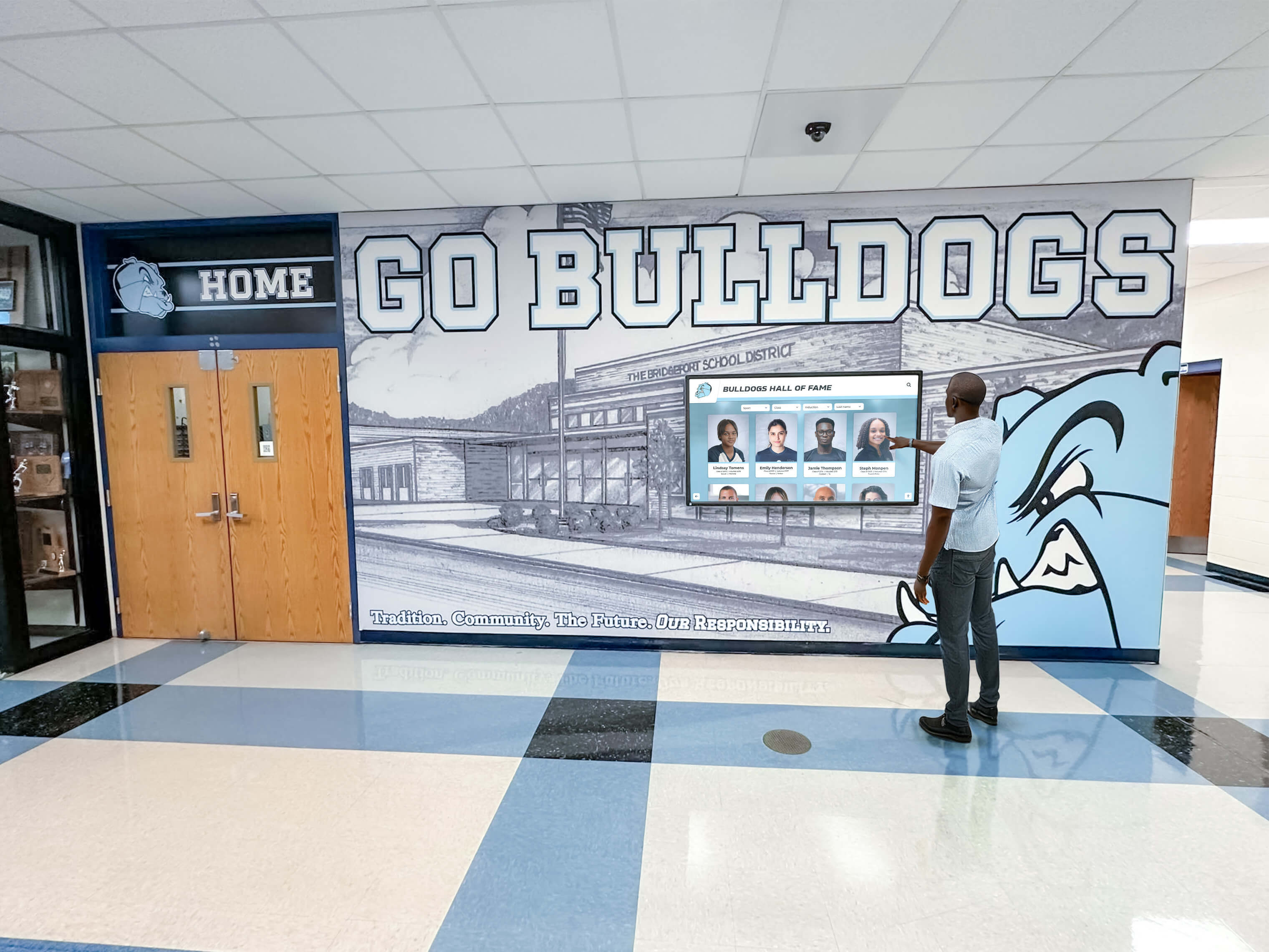
Schools implementing all-state athlete recognition programs find that comprehensive digital displays provide ideal platforms for celebrating these prestigious achievements while maintaining complete historical records.
Regional and National Recognition
The most prestigious women’s soccer recognition extends to regional and national levels, acknowledging truly exceptional athletes who rank among the best in the country.
Regional All-American Recognition:
- Multi-state region selections by national organizations
- Recognition from national soccer publications and media
- Consideration for national tournament all-star teams
- Acknowledgment in recruiting services and rankings
- Invitation to regional showcase events and camps
National All-American Honors:
- High School All-American teams recognized nationally
- NCAA All-American recognition for college athletes
- United Soccer Coaches All-American selections
- National player of the year award recognition
- International youth national team selections
National recognition carries tremendous prestige and often influences college recruitment, scholarship opportunities, and future playing careers. Schools that produce national-level all-stars rightfully celebrate these achievements prominently, as they validate program quality and coaching excellence at the highest levels.
Why Women’s Soccer All-Star Recognition Matters
Properly recognizing women’s soccer all-stars serves purposes that extend far beyond individual athlete acknowledgment. Comprehensive recognition programs create cultural impact throughout athletic departments and broader school communities.
Validating Athletic Excellence and Dedication
Women’s soccer all-stars earn their recognition through years of dedication extending well beyond team practices and games. The path to all-star recognition typically includes:
Year-round training and conditioning programs maintaining fitness and skill, club soccer participation beyond school seasons providing additional competition and development, individual skill work refining technical abilities, tactical study learning positional responsibilities and team systems, strength and conditioning programs building athletic capacity, recovery and injury prevention protocols, and sacrifice of social time and other activities to prioritize soccer excellence.
When schools prominently recognize all-star achievements, they validate this tremendous dedication while communicating that sustained effort and excellence receive appropriate acknowledgment. This validation matters profoundly to athletes who invested thousands of hours pursuing competitive excellence.
Motivating Future Generations of Female Athletes
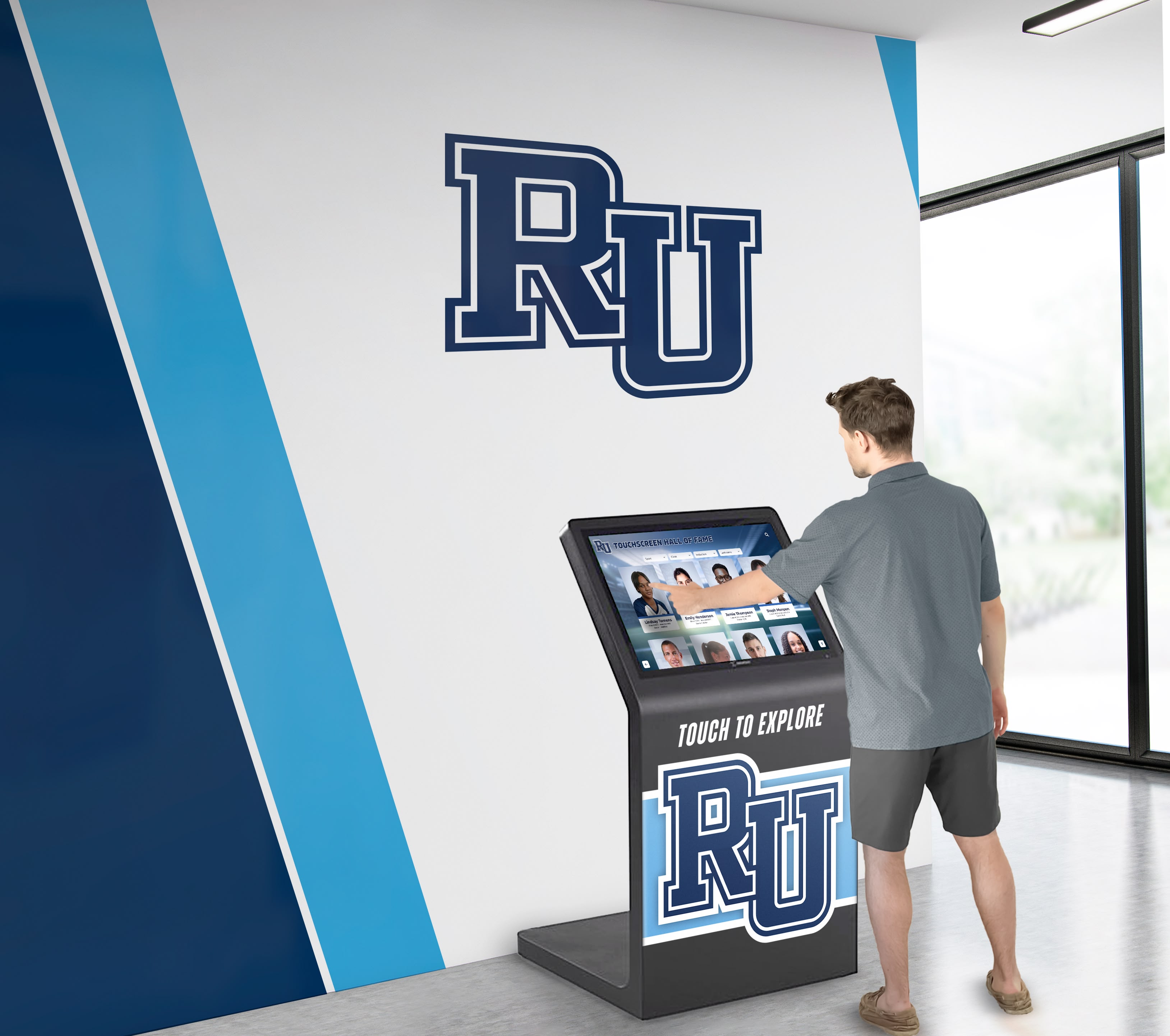
Visible recognition of women’s soccer all-stars creates powerful motivation for younger players developing within programs. When freshman and sophomore players see juniors and seniors earning all-conference and all-state recognition, they gain concrete evidence that excellence is achievable through dedicated effort.
Recognition systems that include detailed information about all-star athletes—their development paths, training approaches, statistical achievements, and personal reflections—transform abstract concepts about “working hard” into specific, actionable examples that younger athletes can emulate.
Research on student athlete recognition programs consistently demonstrates that visible achievement displays significantly increase younger students’ goal-setting behaviors and motivation to pursue excellence.
Demonstrating Gender Equity in Athletics
In an era of heightened focus on Title IX compliance and gender equity in scholastic athletics, how schools recognize women’s soccer achievements sends powerful messages about institutional values. Programs that provide women’s soccer all-stars with recognition equal to male athletes in other sports demonstrate genuine commitment to equity.
Recognition equity involves matching resources, visibility, and celebration across gender lines:
- Physical display space comparable to men’s athletic recognition
- Digital presence equal to other sports programs
- Ceremony and celebration opportunities during school assemblies
- Media coverage and public acknowledgment
- Alumni engagement and historical preservation
- Facility naming opportunities and legacy recognition
Schools implementing athletic recognition programs should audit recognition approaches across all sports to ensure equitable treatment of female athletes and women’s programs.
Building Program Culture and Tradition
All-star recognition helps build program cultures where excellence becomes expected rather than exceptional. When walls, displays, and digital systems showcase decades of all-conference and all-state athletes, they communicate that the program consistently develops players to elite competitive levels.
This tradition becomes self-reinforcing—players join programs with established all-star traditions expecting to reach similar heights, and the cultural expectation of excellence elevates performance across entire rosters. Comprehensive recognition documenting program history creates tangible tradition that distinguishes strong programs from mediocre ones.
Selection Processes for Women’s Soccer All-Stars
Understanding how all-star selections occur helps schools prepare athletes for consideration while ensuring recognition processes maintain fairness and credibility.
Conference All-Star Selection Methods
Conference all-star selection typically follows end-of-season timelines coordinated by conference administrators or commissioner offices. Most conferences employ coach voting systems with specific protocols:
Typical Conference Selection Process:
- Conference sends nomination forms to all head coaches after regular season concludes
- Coaches nominate their own players for consideration across positions
- Coaches receive complete nomination lists from all conference teams
- Coaches vote for players from opposing teams (cannot vote for own players)
- Position-by-position voting creates all-conference teams
- Vote totals determine first team, second team, and honorable mention designations
- Conference office tabulates votes and announces all-conference teams
Some conferences implement additional considerations beyond pure coach voting:
- Statistical performance minimums (goals, assists, minutes played)
- Academic achievement requirements for recognition eligibility
- Sportsmanship and disciplinary history considerations
- Tie-breaking procedures when vote totals match
- Position flexibility allowing players who excel at multiple positions
Schools should familiarize themselves with their specific conference procedures, ensuring coaches understand nomination requirements, voting deadlines, and eligibility criteria that could affect player recognition.
State All-Star Selection Approaches
State-level all-star selections typically involve more complex processes than conference recognition, often including multiple stakeholder groups and evaluation criteria.
Coach Associations: Many states delegate all-state selection to coaching associations, with coaches voting for the best players they observed throughout the season and playoffs. These systems often require coaches to have directly competed against nominated players.
Media Selection Committees: Some states empower sports media organizations to select all-state teams, with sportswriters and broadcasters who covered games throughout the season voting on the best performers they observed.
Combined Processes: Increasingly common approaches involve both coaches and media voting, with combined results determining all-state teams. These hybrid systems attempt to balance insider coach knowledge with objective media observation.
Athletic Association Oversight: State athletic associations may coordinate selection processes while delegating actual voting to designated groups, ensuring consistency and maintaining selection integrity.
State-level selections often occur after state tournament or playoff competition concludes, allowing selectors to evaluate player performance during championship-level competition when stakes are highest and competition most intense.
Preparing Athletes for All-Star Consideration
While coaches cannot control all-star voting outcomes, they can ensure their players receive appropriate consideration through several strategies:
Maintaining detailed statistics and performance records throughout seasons provides objective evidence supporting nominations. Communicating player achievements to conference opponents through game programs and media releases increases visibility. Encouraging players to demonstrate sportsmanship and character builds positive reputations with opposing coaches. Highlighting player achievements in post-game communications with opponents ensures recognition of exceptional performances.
Schools implementing academic recognition programs alongside athletic recognition should emphasize student-athlete achievements that demonstrate both competitive excellence and academic success, as many all-star programs include academic criteria.
Traditional vs. Modern Recognition Approaches
Women’s soccer all-star recognition has evolved significantly as technology has transformed how schools celebrate athletic achievement. Understanding both traditional approaches and modern alternatives helps programs make informed decisions about recognition investments.
Traditional Recognition Methods
For decades, schools relied primarily on physical recognition approaches that remain familiar and valued:
Printed Programs and Publications: Game programs, yearbooks, and season recap publications typically acknowledged all-conference and all-state selections through printed text and photographs. While these documents provide important historical records, they reach limited audiences and become inaccessible quickly after publication.
Physical Plaques and Trophy Cases: Individual engraved plaques mounted in athletic facility hallways or trophy cases provided permanent recognition for all-star athletes. This approach offers tangible, permanent acknowledgment but faces significant limitations.
Championship Banners: Some programs included all-conference or all-state athlete names on season banners hung in gymnasiums, creating visual recognition during games. However, text size limitations and mounting height often make individual names difficult to read.
Wall of Fame Displays: Dedicated walls featuring photos and brief biographical information about distinguished athletes provided more comprehensive recognition than simple plaques. These displays require significant wall space and become expensive to maintain as programs accumulate all-stars across decades.
Advantages of Traditional Recognition:
- Permanent physical presence requiring no technology
- Familiar format easily understood by all audiences
- No ongoing technical maintenance required
- Creates atmosphere of tradition and history
- Tangible connection to achievements
Limitations of Traditional Recognition:
- Constrained by available physical space
- Limited information capacity per athlete
- Expensive to update annually with new honorees
- Cannot include video or multimedia content
- Difficult to search or filter by criteria
- Inaccessible to remote audiences and alumni
While traditional methods maintain value for their permanence and visibility, many schools discover that physical space constraints and limited information capacity create challenges as programs accumulate more all-star athletes across the years.
Digital Recognition Displays
Modern digital recognition systems address traditional approach limitations while introducing capabilities that fundamentally transform how schools celebrate women’s soccer all-stars.
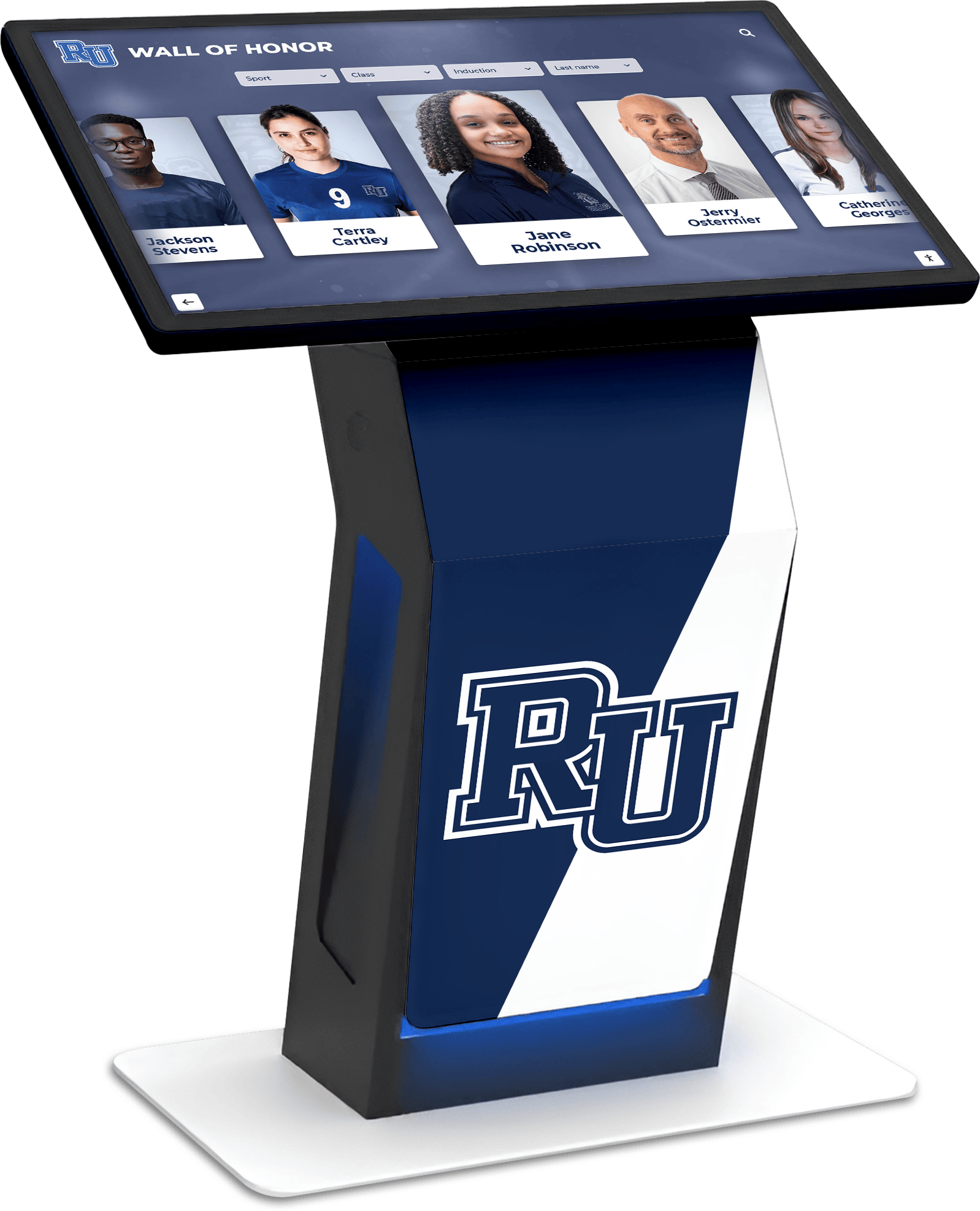
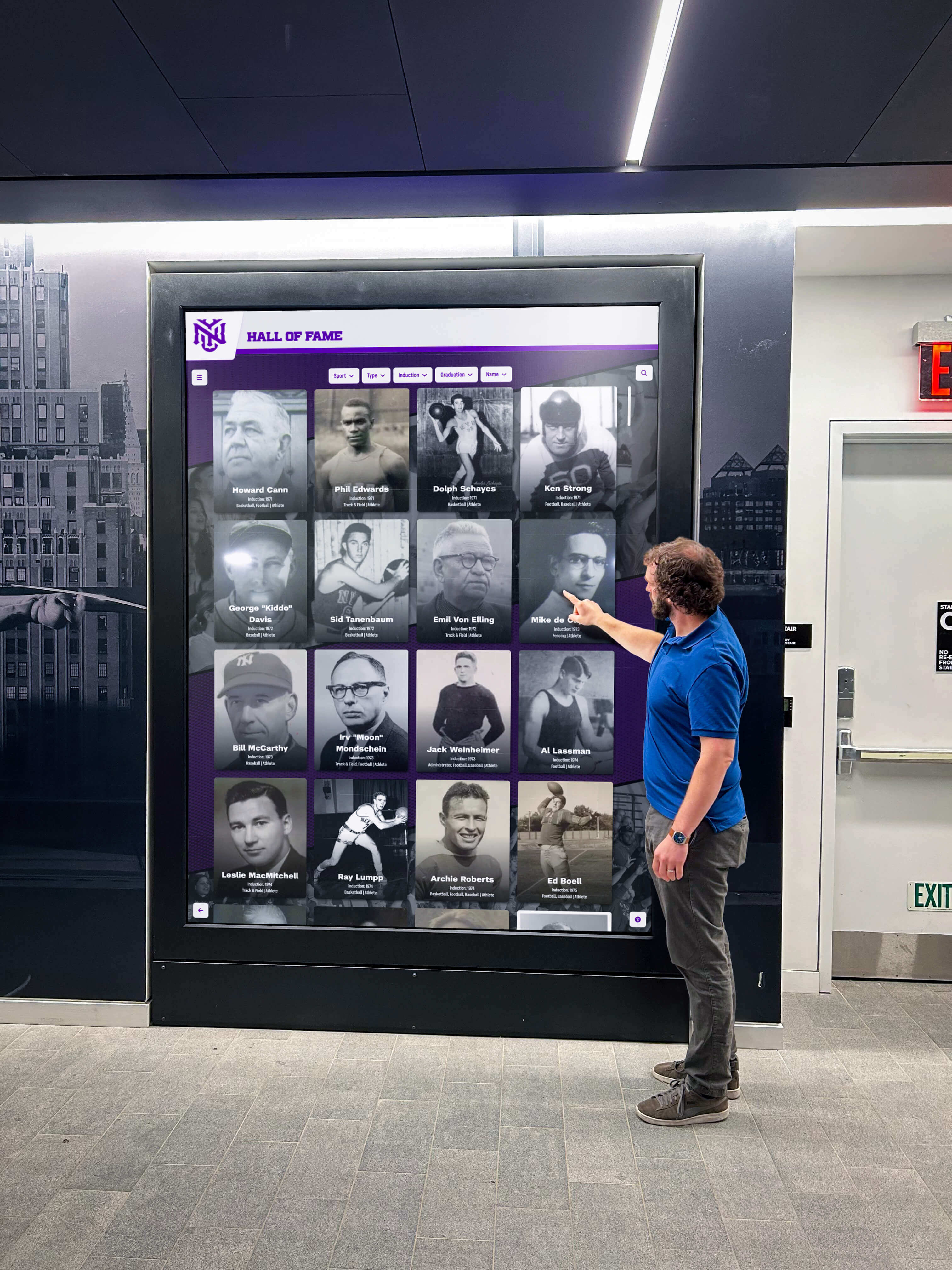
Unlimited Recognition Capacity: Digital displays accommodate unlimited numbers of athletes without space constraints. Schools can recognize every all-conference, all-state, and national-level honoree from program history without worrying about wall space limitations or difficult decisions about whose achievements to display.
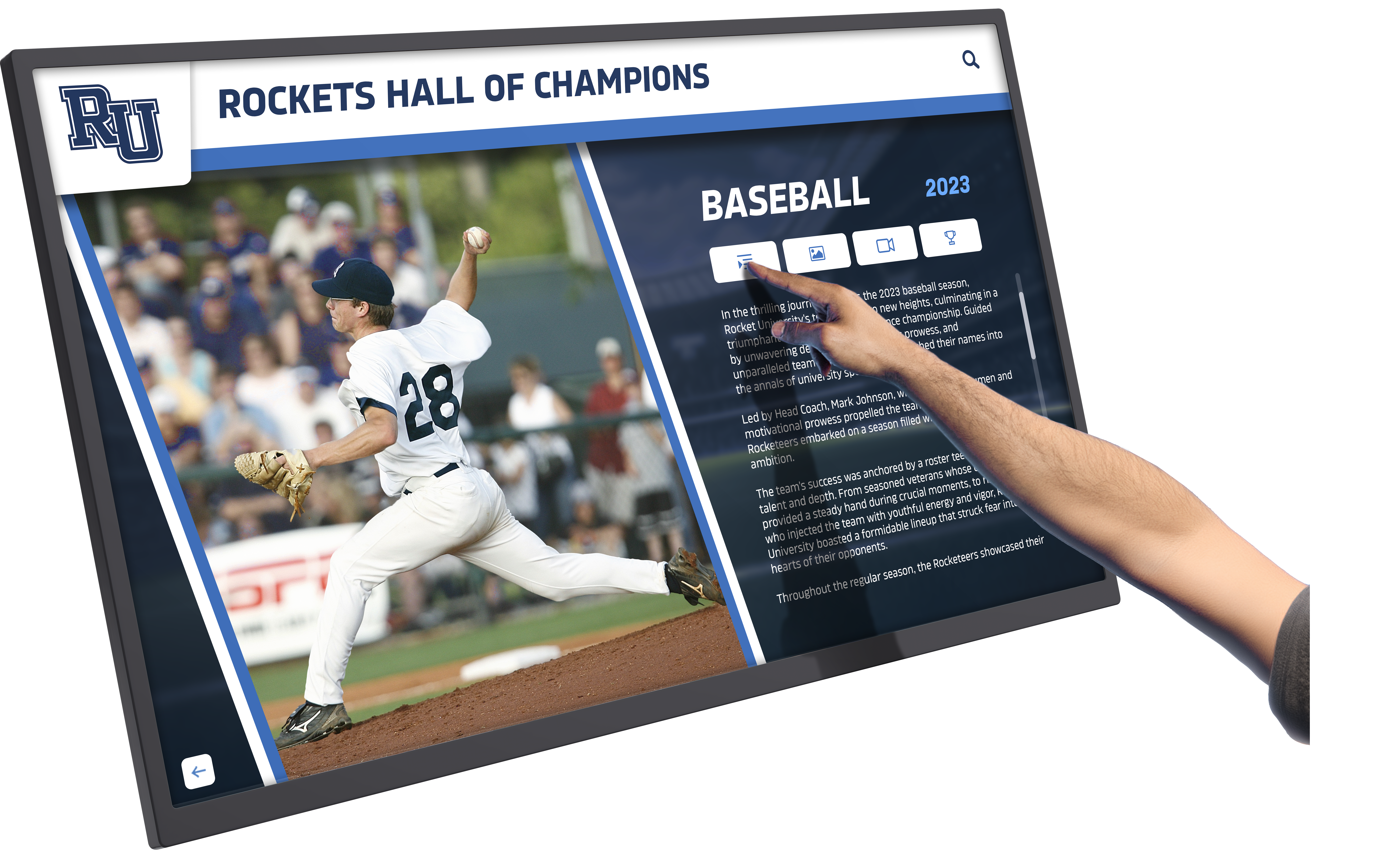
Comprehensive Profile Content: Unlike physical plaques limited to names and basic information, digital profiles include extensive content: high-resolution action photographs from games, career statistics and performance records, written biographies and achievement descriptions, video highlights showing goals and key plays, personal reflections from athletes about their experiences, coach testimonials about player contributions, college recruitment information and commitments, and post-graduation updates tracking continued success.
Interactive Search and Exploration: Digital systems enable visitors to actively engage with content through intuitive search functionality. Users can locate specific athletes instantly by name, filter displays by achievement level (all-conference vs. all-state), browse by graduation year or era, search by position played, and discover related content through linked information.
Easy Updates and Maintenance: Adding newly recognized all-stars to digital systems takes minutes rather than weeks required for physical plaque production and installation. Cloud-based content management allows athletic directors or coaches to update displays from any internet-connected device, ensuring recognition remains current throughout seasons.
Remote Access and Alumni Engagement: Web-based versions of recognition displays extend access beyond physical school locations. Alumni living anywhere in the world can explore program history, search for themselves and former teammates, and share achievements through social media—maintaining engagement long after graduation.
Digital recognition platforms like those from Rocket Alumni Solutions provide purpose-built solutions designed specifically for athletic recognition needs, offering intuitive content management, comprehensive multimedia support, and reliable performance for schools of all sizes.
Implementing Women’s Soccer All-Star Recognition Programs
Creating effective recognition programs requires systematic planning, appropriate technology selection, and sustainable processes that ensure recognition remains current and meaningful.
Establishing Clear Recognition Criteria
Before implementing recognition systems, schools should clearly define which achievements will be recognized and how:
Achievement Levels to Include: Will recognition encompass only first-team all-conference, or also second team and honorable mention? Will state honorable mention receive equal treatment to all-state teams? Should national recognition receive special acknowledgment? Clear criteria prevent confusion and ensure consistent treatment across graduating classes.
Verification Processes: Who verifies that athletes actually received claimed recognitions? Many schools require coaches to provide official documentation—conference announcements, state association notifications, published all-state team lists—before adding recognition to permanent displays.
Historical Completeness: Will recognition systems include only recent graduates, or extend to program history? Many schools discover significant value in researching and recognizing historical all-stars, even from decades past, creating comprehensive program documentation.
Equity Across Gender and Sports: How does women’s soccer recognition compare to recognition for male athletes and other sports? Auditing recognition approaches across athletic departments ensures equitable treatment and avoids inadvertent bias toward certain sports or genders.
Schools implementing student recognition programs should establish parallel processes across academic and athletic domains, demonstrating that institutional recognition values diverse forms of excellence.
Content Development for All-Star Profiles
Comprehensive all-star profiles require systematic content collection from multiple sources:
Essential Profile Content Elements:
- Full name and graduation year
- Years of varsity participation
- Position(s) played
- All-star honors earned (conference, state, national)
- Career statistics (goals, assists, games played)
- Team achievements during player’s career (championships, tournament results)
- High-resolution action photographs
- College recruitment and commitment information
- Personal reflections or memorable moments
- Coach testimonials or quotes about the player
Content collection should begin when athletes earn recognition rather than waiting until after graduation. Coaches should systematically document achievements, gather photos, request player reflections, and compile statistics while information remains readily accessible.
Some schools engage alumni in content development by creating submission portals where graduated players can update their profiles with college achievements, career information, and current photographs. This ongoing engagement maintains recognition currency while strengthening alumni connections.
Technology Selection Considerations
Schools evaluating digital recognition platforms should assess multiple factors:
Intuitive Content Management: Can non-technical athletic staff easily add new all-stars, upload photos, and update existing profiles? Systems requiring extensive technical knowledge create maintenance barriers that undermine long-term sustainability.
Responsive Design: Does the platform display properly on all devices—touchscreen displays, desktop computers, tablets, smartphones? Recognition should be accessible regardless of how users access content.
Search and Filter Functionality: Can users quickly find specific athletes, filter by achievement level, browse by position, and discover related content? Advanced search transforms static directories into dynamic, engaging experiences.
Multimedia Integration: Does the platform support high-resolution photos, video content, and document archives? Comprehensive multimedia capability enables rich storytelling beyond basic text.
Reliable Technical Support: What assistance does the platform provider offer for setup, training, troubleshooting, and ongoing optimization? Quality support ensures schools maximize their recognition investments.
Security and Privacy: How does the platform protect student information and control public access? Clear privacy controls and secure systems protect athletes while enabling appropriate recognition.
Resources on digital recognition displays help schools evaluate options and select platforms aligned with their specific needs, budgets, and long-term goals.
Creating Sustainable Recognition Processes
Long-term recognition program success requires establishing clear processes that survive staff transitions and remain viable across years:
Assign specific responsibility for recognition program management—typically athletic directors or assistant athletic directors—ensuring clear ownership. Create annual calendars with deadlines for adding newly recognized all-stars, updating existing profiles, verifying historical information, and conducting program audits. Establish documentation standards specifying required information, photo specifications, statistical formats, and approval processes. Develop training materials enabling new staff to quickly understand recognition systems and responsibilities. Build stakeholder communication ensuring coaches, athletes, families, and alumni understand recognition processes and how to contribute content.
Schools implementing athletic recognition programs report that systematic processes prove essential for maintaining recognition quality across leadership transitions and organizational changes.
Best Practices for Women’s Soccer Recognition
Programs achieving greatest success with all-star recognition follow practices that maximize impact while ensuring recognition remains meaningful and sustainable.
Prompt Recognition of New All-Stars
Timely recognition demonstrates that schools value all-star achievements and consider recognition a priority rather than an afterthought. Best practices include:
Announcing all-conference and all-state selections through school communications—assemblies, social media, newsletters—immediately upon official notification. Updating digital recognition displays within days of official announcements, ensuring current players see new honorees recognized promptly. Hosting recognition ceremonies during the season immediately following achievements, perhaps at a home game or school assembly. Providing physical recognition items to athletes—certificates, medals, special jerseys—for personal keeping alongside permanent school displays.
Research on recognition program effectiveness demonstrates that prompt acknowledgment significantly increases recognition’s motivational impact on current and future athletes.
Comprehensive Historical Documentation
While recognizing recent all-stars matters tremendously, comprehensive programs also document historical achievements. Creating complete historical records:
- Validates that current recognition represents longstanding program excellence
- Honors alumni who may feel overlooked if only recent athletes receive recognition
- Demonstrates program tradition and competitive heritage
- Provides context showing how current teams build upon past success
- Creates engagement opportunities with alumni who appreciate historical acknowledgment
Historical research requires systematic effort—reviewing yearbooks, consulting newspaper archives, interviewing long-tenured coaches, engaging alumni for information—but creates valuable institutional knowledge preserving program heritage.
Many schools designate historical research projects to student volunteers, managers, or boosters, distributing workload while building deeper connections between community members and program history.
Balancing Individual and Team Recognition
While all-star recognition honors individual achievement, effective programs contextualize individual excellence within team success frameworks. Recognition that acknowledges team contributions alongside individual honors:
- Reinforces that soccer success depends upon complete team performance
- Prevents perception that programs focus exclusively on star players
- Motivates players in all roles, not just offensive standouts
- Demonstrates values around teamwork and collective achievement
- Creates more inclusive recognition culture
Profile content should mention team achievements during athletes’ careers—conference championships, state tournament appearances, playoff victories—showing how individual excellence contributed to collective success. Some schools include team photos and roster information alongside individual all-star profiles, providing fuller context about the teams these athletes played on.

Integration with Other Recognition Programs
Women’s soccer all-star recognition should integrate with broader athletic and academic recognition, creating comprehensive systems celebrating diverse achievement:
Including academic all-conference and scholar-athlete designations alongside athletic all-star recognition demonstrates that programs value complete student-athlete development. Coordinating with academic recognition programs ensures that student-athletes who excel both academically and athletically receive appropriate comprehensive acknowledgment.
Some schools create unified athlete profiles documenting athletic achievements, academic honors, leadership roles, community service, and post-graduation success—comprehensive recognition celebrating complete student development rather than isolated achievement in single domains.
Leveraging Recognition for Alumni Engagement
All-star recognition creates natural engagement opportunities with program alumni. Effective approaches include:
Reaching out to recognized alumni requesting updated information—college experiences, career achievements, current involvement in soccer—for profile updates. Inviting distinguished all-stars to serve as mentors for current players, creating connections across generations. Featuring historical all-stars in alumni newsletters and social media content, maintaining visibility and engagement. Hosting alumni events centered on recognition program launches or facility dedication, creating celebration opportunities. Developing donor engagement strategies around recognition—funding display installations, sponsoring athlete profiles, supporting historical research.
Resources on alumni recognition programs explore comprehensive engagement strategies that leverage recognition as a foundation for building lasting alumni relationships.
Measuring Recognition Program Impact
Effective recognition programs track success through various metrics demonstrating value and informing continuous improvement.
Quantitative Impact Metrics
Measurable indicators help justify recognition program investments:
Digital Engagement Metrics: For recognition displays with analytics capabilities, track display interactions, session duration, searches performed, and content most frequently viewed. These metrics reveal which content engages audiences and how thoroughly visitors explore recognition systems.
Social Media Performance: Monitor shares, comments, and engagement when schools post recognition content. High engagement indicates recognition resonates with communities.
Website Traffic: Track visits to online recognition pages, time spent on recognition content, and return visitor rates. Growing traffic demonstrates sustained interest.
Alumni Participation: Measure how many alumni update profiles, submit photos, attend recognition events, or donate in response to recognition campaigns. Increased alumni engagement validates recognition’s relationship-building value.
Recruiting Inquiries: Survey prospective athletes about factors influencing school choice, assessing whether recognition of program excellence affects recruitment. Quality recognition can differentiate programs in competitive recruiting environments.
Qualitative Impact Assessment
Beyond numbers, recognition programs create cultural impacts best assessed through qualitative methods:
Conducting focus groups with current players exploring whether recognition motivates goal-setting and effort. Surveying alumni about how recognition affects their connection to programs. Interviewing coaches about recognition’s impact on program culture and recruiting conversations. Gathering parent feedback about recognition’s role in demonstrating program quality. Collecting community perspectives on how recognition contributes to school pride.
Regular assessment creates opportunities for continuous improvement while building understanding of recognition’s multi-dimensional value beyond simple cost calculations.
Future of Women’s Soccer All-Star Recognition
Recognition programs continue evolving as technology advances and cultural expectations around women’s athletics change. Forward-thinking programs should anticipate several trends:
Enhanced Multimedia Integration: Advancing technology makes video content increasingly accessible and affordable. Future recognition will likely feature extensive video highlights, game footage, and athlete interviews that weren’t feasible in earlier digital systems.
Social Media Integration: Deeper connections between recognition displays and social platforms will enable seamless content sharing, automatic post generation when new all-stars are added, and interactive features encouraging community engagement with recognition content.
Augmented Reality Experiences: Emerging AR technology may enable enhanced recognition experiences—pointing smartphones at physical displays to access additional digital content, virtual tours of historical program achievements, and interactive features engaging younger audiences.
Artificial Intelligence Applications: AI may help with content creation—automatic highlight compilation from game footage, statistical analysis identifying notable achievements, and content recommendations personalizing recognition experiences for different visitors.
Enhanced Analytics: More sophisticated tracking of recognition engagement will provide deeper insights into which content resonates, how recognition influences program culture, and what approaches maximize return on recognition investments.
Schools making recognition platform decisions today should select solutions offering upgrade paths to emerging capabilities rather than locked into static approaches.
Taking Action on Women’s Soccer Recognition
Schools ready to implement or enhance women’s soccer all-star recognition should follow systematic approaches:
Implementation Roadmap:
Assessment Phase: Inventory current recognition approaches, identify gaps and limitations, survey stakeholders about recognition priorities, and establish budget parameters
Planning Phase: Define recognition criteria and standards, research technology platform options, create implementation timelines, assign responsibilities, and develop content collection workflows
Platform Selection: Evaluate multiple recognition platform providers, request demonstrations and proposals, check references from current clients, and select solution aligned with needs and budget
Content Development: Conduct historical research for retrospective recognition, collect information about recent all-stars, gather photos and multimedia content, create profile templates and standards, and develop initial content in new system
Launch and Promotion: Unveil recognition system at appropriate event, communicate availability to all stakeholders, train staff on system maintenance, establish ongoing update procedures, and measure initial engagement and impact
Continuous Improvement: Regularly add newly recognized all-stars, update existing profiles with new information, expand historical coverage systematically, assess engagement and gather feedback, and optimize content and features based on learning
Many schools benefit from working with specialized providers like Rocket Alumni Solutions who understand educational athletic recognition needs and provide comprehensive implementation support, training, and ongoing optimization assistance.
Conclusion
Women’s soccer all-star recognition matters profoundly—to the exceptional athletes whose dedication earned these honors, to younger players inspired by visible excellence, to programs building cultures around competitive achievement, and to communities taking pride in the success of their female athletes. As women’s soccer continues growing in visibility, competitiveness, and cultural importance, recognition approaches must keep pace with the sport’s evolution.
Modern digital recognition displays provide schools and programs with powerful platforms for celebrating all-star achievements comprehensively. Unlike traditional plaques constrained by space and information capacity, digital systems enable unlimited recognition of all conference, state, and national honorees across program history. Rich multimedia content—action photographs, video highlights, detailed biographies, statistical records—creates engaging experiences that honor achievements properly while motivating current and future athletes.
The investment in comprehensive women’s soccer all-star recognition generates returns across multiple dimensions: enhanced athlete motivation and goal-setting, stronger program culture and tradition, improved recruiting of talented players, increased alumni engagement and support, demonstrated commitment to gender equity, and preserved institutional memory for future generations.
Whether implementing first recognition systems, upgrading from traditional plaques to digital displays, or enhancing existing platforms with additional content and features, schools should approach recognition as strategic investment in program excellence rather than optional acknowledgment. Women’s soccer all-stars earned their recognition through extraordinary dedication—they deserve celebration that matches their achievement and inspires future excellence for years to come.
For schools ready to transform women’s soccer recognition, exploring solutions like Rocket Alumni Solutions provides access to purpose-built platforms designed specifically for athletic recognition needs, combining intuitive management, comprehensive multimedia support, and reliable performance that properly honors all-star excellence.































