The World Chess Hall of Fame in St. Louis, Missouri stands as the premier institution celebrating chess excellence, preserving the game’s rich heritage, and honoring the grandmasters, champions, innovators, and contributors who have elevated chess to an art form recognized globally. From its comprehensive exhibitions documenting chess history to its prestigious hall of fame inductees representing the pinnacle of strategic mastery, this institution demonstrates how thoughtful recognition programs preserve cultural traditions while inspiring future generations.
Whether you’re exploring the legendary inductees enshrined in chess history or considering how to implement recognition programs celebrating chess achievements at your school, club, or organization, this comprehensive guide covers everything from the World Chess Hall of Fame’s fascinating history to modern digital recognition solutions that bring chess accomplishments to life through interactive displays and multimedia storytelling.
Chess represents far more than a board game—it’s a discipline that develops critical thinking, strategic planning, patience, and intellectual rigor. Educational institutions and chess organizations increasingly recognize the value of celebrating chess achievements through formal recognition programs that honor players, coaches, organizers, and contributors who have advanced the game within their communities. Understanding how the World Chess Hall of Fame operates provides valuable insights for organizations at any level seeking to honor chess excellence appropriately.
The World Chess Hall of Fame: Chess’s Premier Recognition Institution
Located in the Central West End neighborhood of St. Louis, Missouri, the World Chess Hall of Fame serves as the definitive institution preserving chess heritage, celebrating legendary players, and educating visitors about the game’s cultural significance.
History and Evolution
The World Chess Hall of Fame traces its origins to 1984, when it was founded with the mission of celebrating chess achievements and preserving the game’s history. Originally established by the United States Chess Federation in 1986 as the U.S. Chess Hall of Fame, the institution moved through several locations including New Windsor, New York, Washington, D.C., and Miami, Florida before finding its permanent home in St. Louis.
The transformation occurred on September 9, 2011, when the institution relocated to St. Louis through the vision and generosity of billionaire Rex Sinquefield. A passionate chess enthusiast and co-founder of the Saint Louis Chess Club, Sinquefield funded the museum’s move and the complete renovation of the building across the street from the chess club. This relocation positioned St. Louis as America’s chess capital while providing the Hall of Fame with modern facilities and resources enabling expanded programming and enhanced visitor experiences.
The institution now maintains both the World Chess Hall of Fame, which honors international chess legends, and the U.S. Chess Hall of Fame, which specifically recognizes American contributors to the game. This dual recognition structure ensures comprehensive acknowledgment of chess excellence at both national and global levels.
Mission and Cultural Significance
The World Chess Hall of Fame operates as a nonprofit collecting institution with multiple complementary missions including preserving chess history through comprehensive archives and artifact collections, honoring chess excellence by maintaining prestigious halls of fame recognizing the game’s greatest contributors, educating the public about chess history, strategy, and cultural impact through engaging exhibitions, and promoting chess as an intellectual discipline and cultural activity accessible to all.
Beyond simply displaying trophies and listing names, the institution creates immersive experiences that contextualize chess achievements within broader cultural and historical narratives. Exhibitions explore chess’s connections to art, technology, history, and social movements, demonstrating the game’s remarkable cultural reach extending far beyond competitive play.
Hall of Fame Inductees: Chess Legends
The prestige of any hall of fame rests on the caliber of those it honors. The World Chess Hall of Fame maintains rigorous selection standards ensuring induction represents the highest achievement in chess.
World Chess Hall of Fame
As of recent counts, the World Chess Hall of Fame includes 53 members representing the absolute pinnacle of international chess achievement. Inductees are nominated by representatives of the World Chess Federation (FIDE), ensuring global perspective in recognition decisions.
Recent World Chess Hall of Fame inductees exemplify the institution’s commitment to honoring diverse forms of chess excellence:
2021 Inductees:
Judit Polgar: Universally recognized as the strongest woman chess player of all time, Polgar broke Bobby Fischer’s record as the world’s youngest grandmaster at age 15. She achieved the remarkable feat of competing successfully against the world’s best male players, proving that chess excellence transcends gender boundaries.
Miguel Najdorf: An Argentine grandmaster whose name remains synonymous with one of chess’s most famous and aggressive openings—the Najdorf Variation of the Sicilian Defense. Najdorf’s contributions to chess theory continue influencing players worldwide decades after his career.
Eugene Torre: The first Asian to earn the grandmaster title, Torre pioneered chess excellence in the Philippines and broader Asia for half a century. His achievements opened pathways for generations of Asian chess players who followed.
U.S. Chess Hall of Fame
The U.S. Chess Hall of Fame includes 74 members honoring American chess excellence across multiple categories. The US Chess Federation Hall of Fame Committee considers candidates annually, sending nominations to the US Chess Trust, whose trustees vote on induction.
2020 U.S. Inductees:
Rex Sinquefield: Co-founder of the Saint Louis Chess Club, Sinquefield transformed St. Louis into America’s chess capital through unprecedented philanthropic support. His vision enabled the World Chess Hall of Fame’s relocation to St. Louis while establishing premier chess programming accessible to players of all skill levels.
Dr. Jeanne Cairns Sinquefield: Co-founder of the Saint Louis Chess Club, Dr. Sinquefield spearheaded innovative educational initiatives including launching the Scouts BSA chess merit badge, making chess instruction available to thousands of young scouts nationwide.
These inductees represent the institution’s holistic approach to recognition—honoring not just playing excellence but also those who advance chess through education, organization, philanthropy, and cultural promotion.
Inside the World Chess Hall of Fame Experience
The St. Louis facility offers visitors comprehensive immersion in chess history and culture through thoughtfully designed exhibitions and programming.
Permanent and Rotating Exhibitions
The museum features both permanent exhibitions documenting chess history and rotating special exhibitions exploring specific themes, players, periods, or connections between chess and broader cultural topics.
Visitors explore comprehensive displays showcasing chess history from ancient origins through contemporary championship competitions, examine artifacts including historic chess sets, tournament trophies, personal items from legendary players, and significant documents, interact with educational exhibits teaching chess strategy, famous games, and the thinking processes of grandmaster play, and discover connections between chess and art, literature, politics, science, and popular culture through interdisciplinary exhibitions.
The facility’s exhibitions change regularly, encouraging repeat visitation and ensuring content remains fresh and engaging for both chess enthusiasts and general audiences interested in cultural history.
Educational Programming and Community Engagement
Beyond static displays, the World Chess Hall of Fame offers robust programming including lectures and presentations by grandmasters, historians, and chess experts, educational programs designed for school groups and learners of all ages, chess tournaments and competitive events hosted at the facility and in partnership with the Saint Louis Chess Club, special events coordinating with chess championships and cultural occasions, and archival access for researchers studying chess history and culture.
This active programming transforms the institution from a passive museum into a dynamic community hub where chess culture thrives and evolves continually.
Visitor Information and Accessibility
The World Chess Hall of Fame operates at 4652 Maryland Avenue in St. Louis’s Central West End neighborhood. The facility typically maintains visiting hours accommodating both local residents and tourists, though specific schedules should be confirmed through the institution’s official website before planning visits.
The location in St. Louis’s vibrant Central West End places the Hall of Fame within a walkable neighborhood featuring restaurants, shops, and cultural attractions. The proximity to the Saint Louis Chess Club creates a chess-focused district where visitors can experience both recognition of historical excellence and contemporary competitive play.
Chess Recognition in Educational Settings
While the World Chess Hall of Fame represents the pinnacle of international recognition, schools and organizations at all levels benefit from implementing chess recognition programs celebrating achievements within their communities.
Why Schools Should Celebrate Chess Excellence
Chess programs in educational settings provide significant benefits extending far beyond the game itself. Formal recognition of chess achievements strengthens these benefits while creating additional value.
Developing Critical Thinking Skills:
Chess requires players to analyze complex positions, evaluate multiple strategic options, anticipate opponent responses, and make decisions under time pressure. These cognitive skills transfer directly to academic success and professional problem-solving. When schools recognize chess excellence, they signal that intellectual achievement and strategic thinking receive the same celebration as athletic or artistic accomplishments.
Creating Inclusive Excellence Opportunities:
Unlike many activities requiring specific physical abilities or expensive equipment, chess provides accessible excellence opportunities for students across diverse backgrounds. A student using a wheelchair can compete equally with able-bodied peers. Students from families with limited resources can excel with nothing more than a board, pieces, and dedicated practice. Recognition programs celebrating chess achievement ensure that schools honor diverse forms of excellence rather than focusing narrowly on traditional sports or activities.
Building Character Through Competition:
Chess teaches patience, perseverance, grace in both victory and defeat, and the value of continuous improvement. Players learn that success comes through preparation, analysis, and learning from mistakes rather than luck or innate talent. Student recognition programs celebrating these character qualities reinforce values that educational institutions aim to develop across all students.
Connecting Students Across Demographics:
Chess clubs often unite students across grade levels, social groups, and traditional demographic divisions. A freshman competing in a chess tournament relates to a senior based on skill and strategy rather than social hierarchies. Recognition programs celebrating chess achievement strengthen these community-building aspects by acknowledging shared excellence across diverse student populations.
Implementing School Chess Recognition Programs
Schools considering chess recognition programs should follow strategic approaches ensuring meaningful celebration of achievement.
Establishing Recognition Categories:
Comprehensive programs honor multiple dimensions of chess involvement including tournament success at school, regional, state, or national levels, rating achievement reaching specific USCF (United States Chess Federation) rating milestones, team contributions helping school teams succeed in competitive events, improvement and dedication recognizing students who demonstrate exceptional growth, program leadership honoring students who organize clubs, teach beginners, or promote chess, and sportsmanship acknowledging players who exemplify chess values and conduct.
Multi-category recognition ensures that students pursuing different aspects of chess excellence all see pathways to acknowledgment and celebration.
Integration with Broader Recognition Systems:
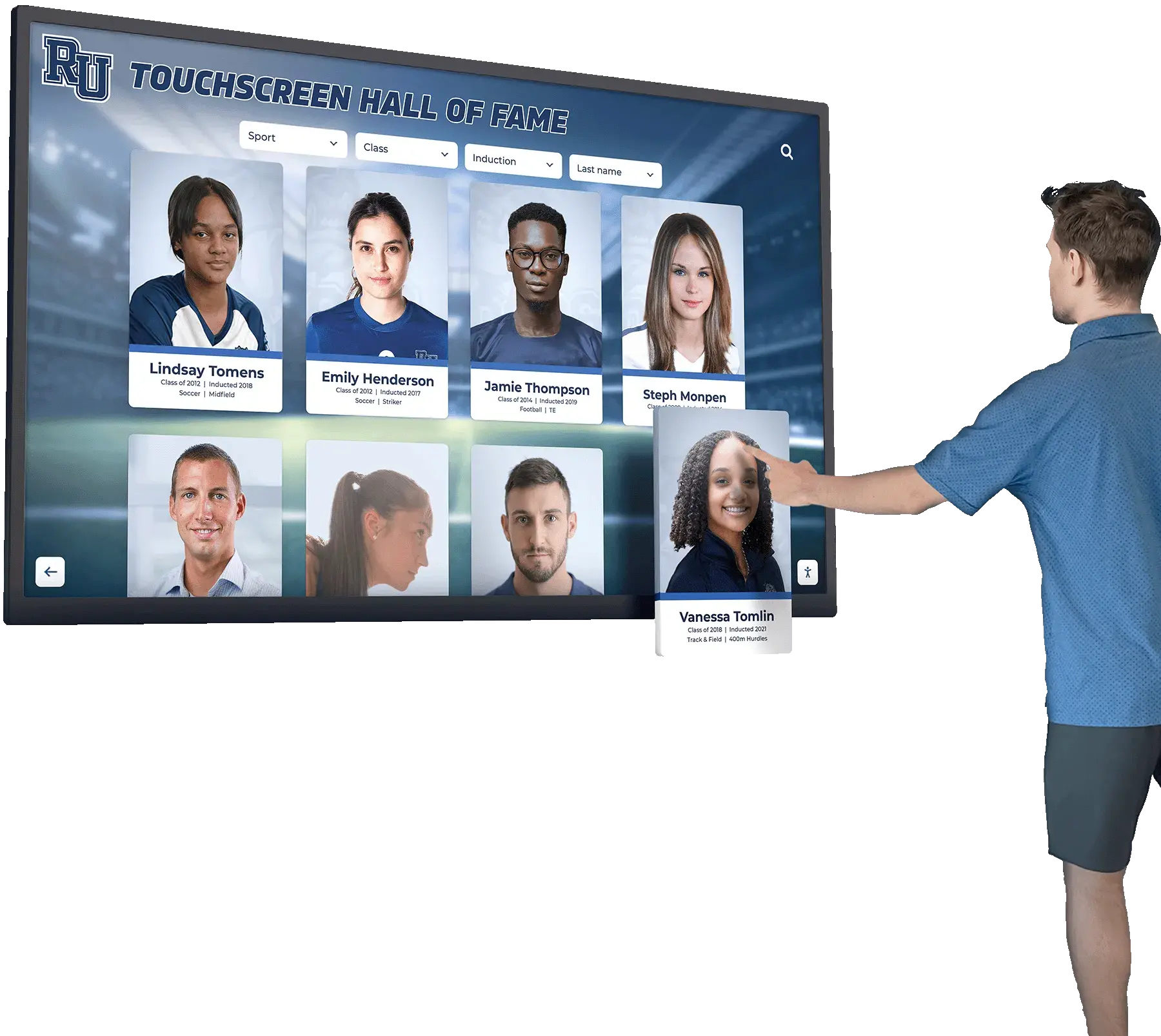
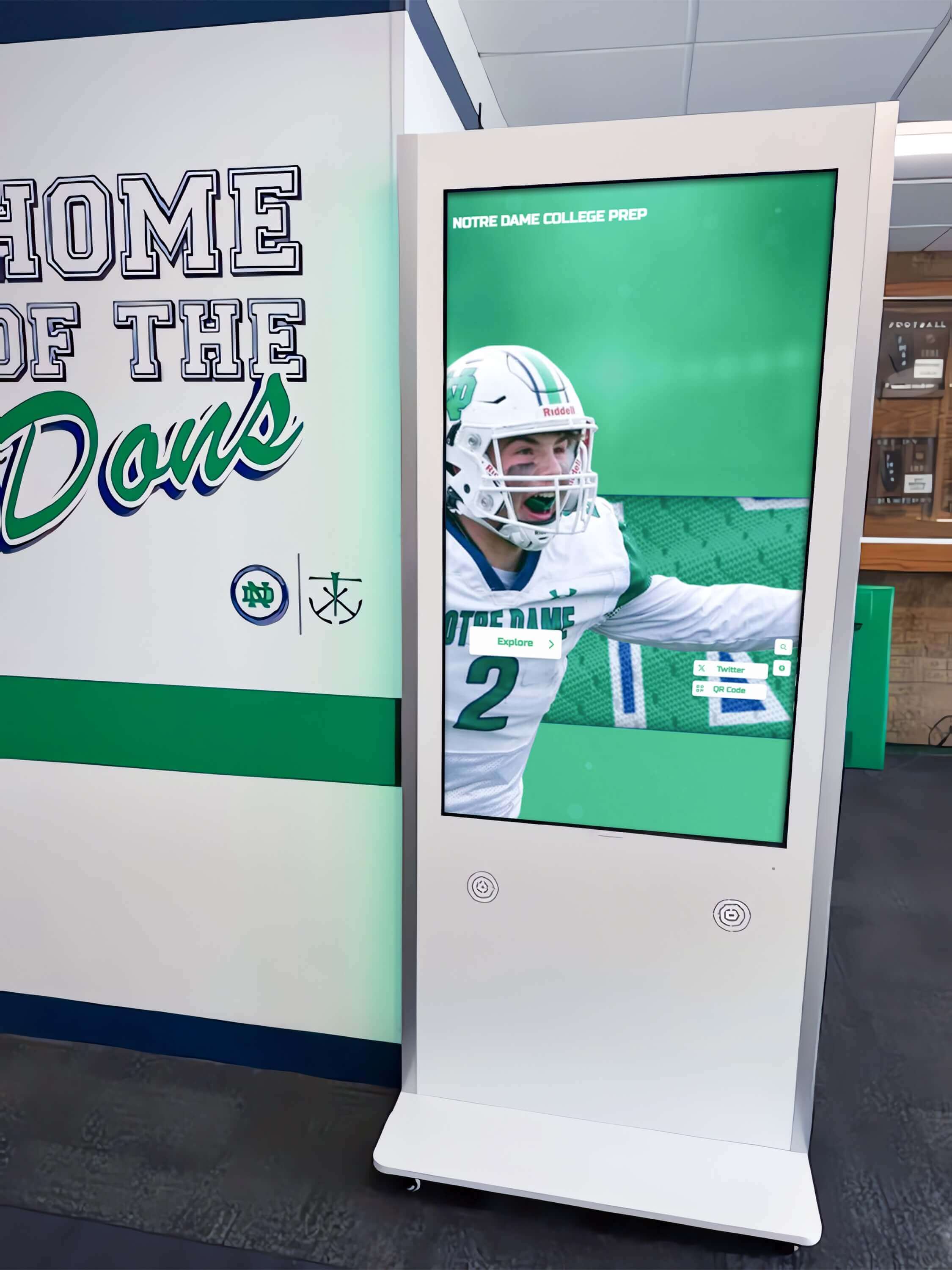
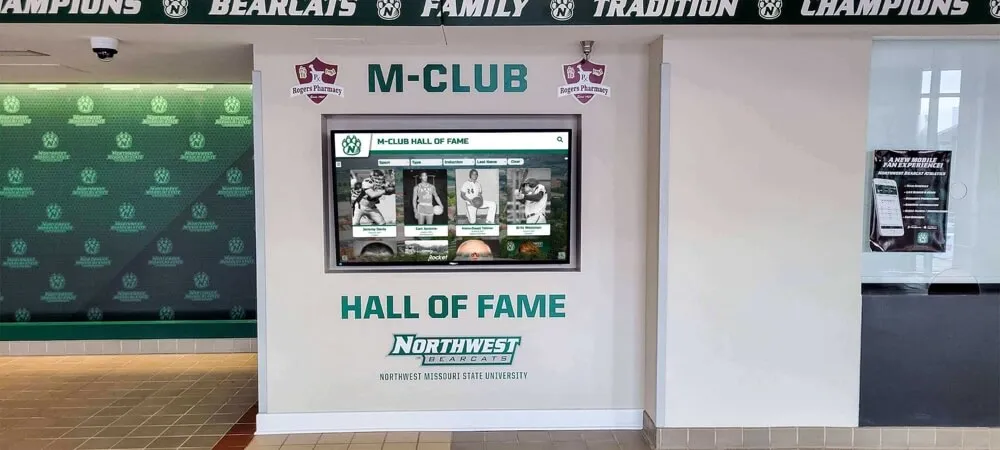
Rather than creating isolated chess recognition, schools benefit from integrating chess into comprehensive achievement programs. Solutions like Rocket Alumni Solutions enable schools to celebrate chess excellence alongside athletic achievements, academic honors, arts accomplishments, and service recognition through unified digital platforms that present balanced celebration of diverse excellence.
This integrated approach prevents chess from being marginalized as a niche activity while demonstrating institutional commitment to valuing intellectual pursuits equally with other achievement domains.
Creating Visible Recognition Displays:
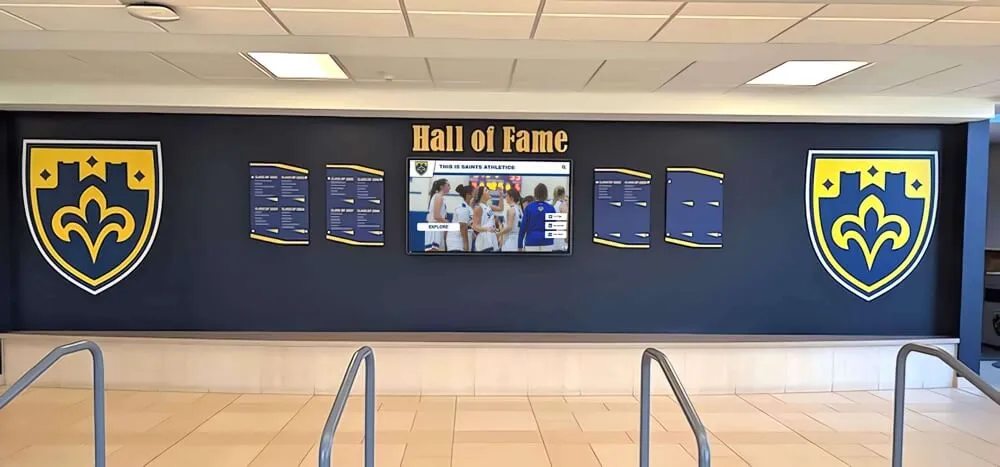
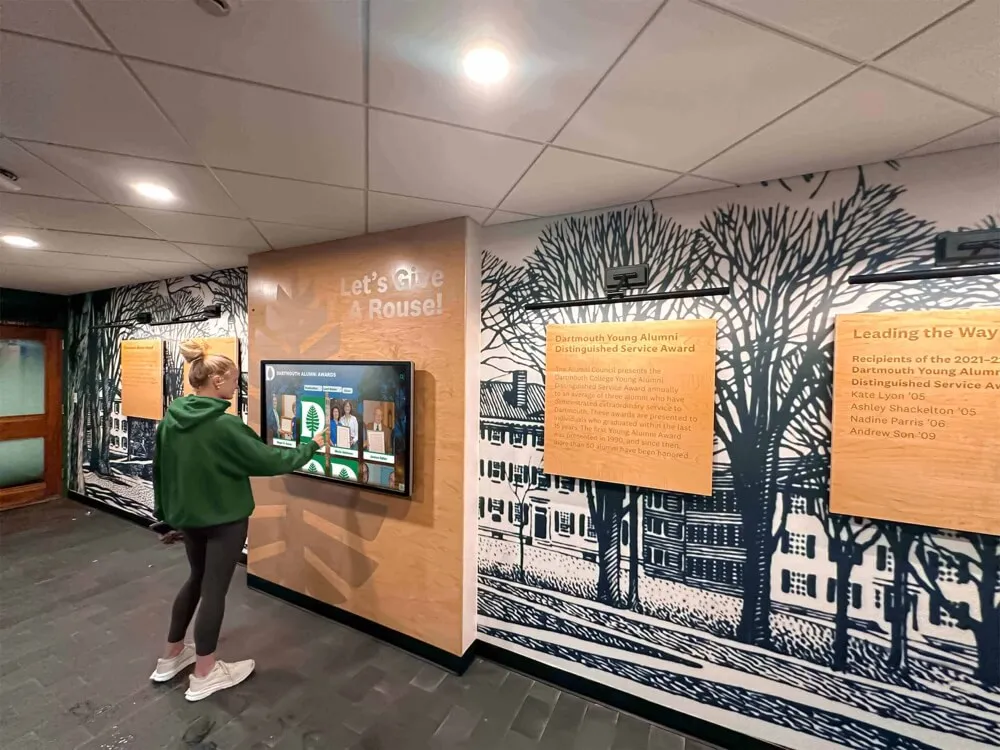
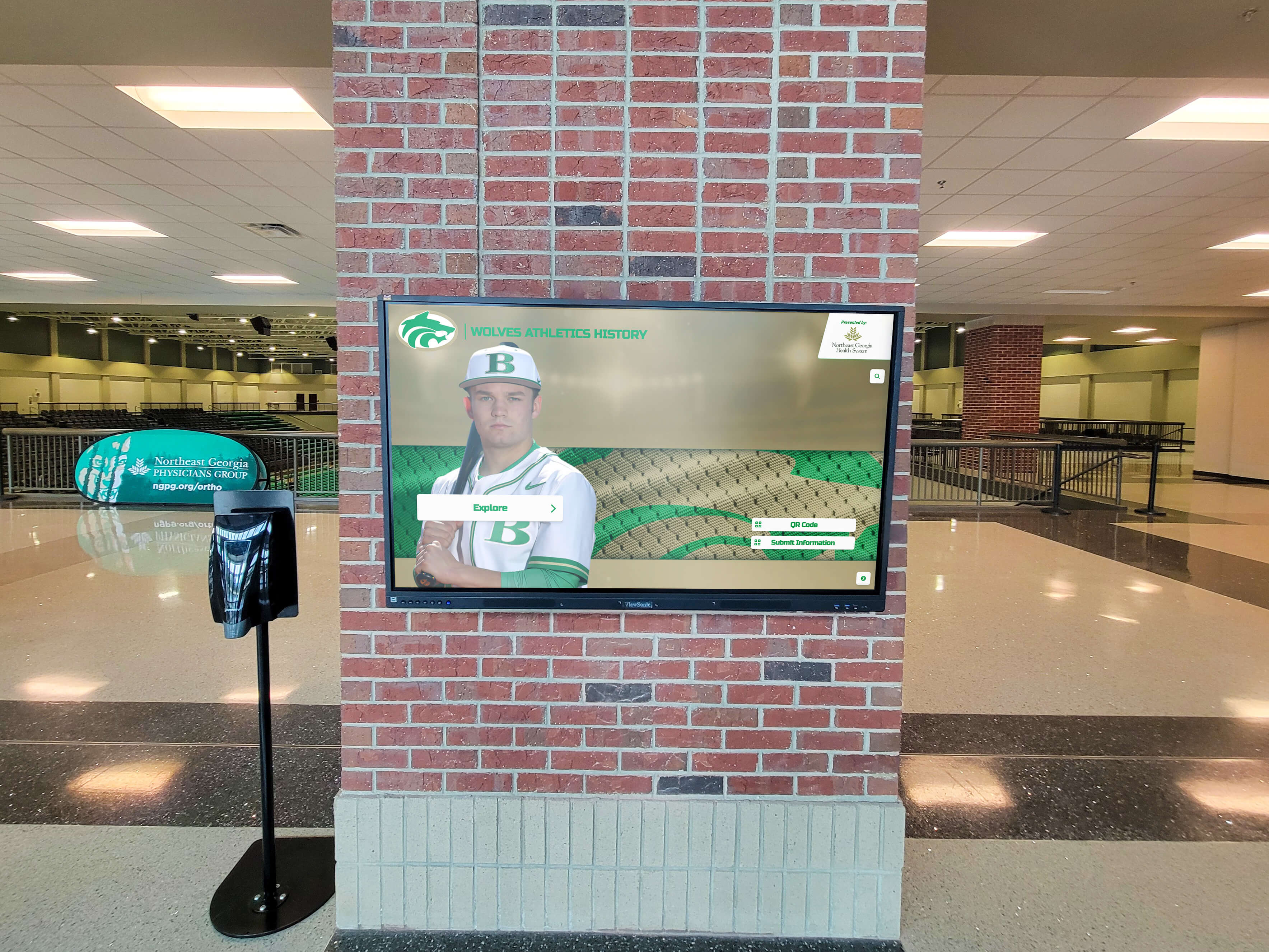
Physical visibility matters significantly for recognition impact. Schools should position chess recognition prominently in high-traffic locations, incorporate chess achievement into existing trophy cases or digital displays, feature chess accomplishments in school communications and social media, and create ceremonial opportunities recognizing chess excellence publicly.
When chess achievements receive visibility comparable to football championships or drama productions, students understand that their school genuinely values diverse forms of excellence rather than paying lip service while actually prioritizing only certain activities.

Modern Digital Recognition for Chess Programs
Traditional recognition approaches—plaques listing names or trophies in cases—face inherent limitations that modern technology addresses effectively.
Limitations of Traditional Chess Recognition
Physical recognition formats struggle to accommodate the unique characteristics of chess achievement including extensive statistical data documenting ratings, tournament results, and game records, archival game records preserving notable games and brilliant moves, tournament brackets showing paths to championships, and historical context explaining rating systems and tournament structures.
Traditional plaques might list a state champion’s name but cannot show the brilliant endgame that clinched the title, explain how that player’s rating compares to historical achievers, or preserve the complete tournament bracket documenting their path to victory. These limitations mean that conventional recognition formats fail to tell complete achievement stories.
Digital Display Advantages for Chess Recognition
Digital recognition displays transform chess recognition by addressing every limitation of physical formats while creating engaging experiences impossible with static displays.
Comprehensive Statistical Documentation:
Digital systems accommodate complete chess records including USCF ratings and rating histories showing improvement over time, tournament results with complete brackets and game-by-game performance, head-to-head records against specific opponents, opening repertoire preferences and statistical success rates, and endgame proficiency demonstrated across competitive play.
This comprehensive documentation honors chess achievement appropriately by recognizing the depth and complexity of competitive success rather than reducing accomplishments to simple trophy counting.
Preserved Game Archives:
Perhaps most powerfully, digital recognition systems can preserve actual games through embedded chess notation displaying games move-by-move on virtual boards, annotated analysis explaining brilliant tactics or strategic concepts, video commentary from coaches or players explaining key moments, and comparison tools showing how games relate to master-level play.
Imagine a school’s chess display where visitors can replay the game that won the state championship, see annotations explaining the decisive tactical blow, and hear the player reflecting on their thought process. This rich storytelling honors achievement while educating viewers about what made the accomplishment significant.
Dynamic Content Updates:
Chess recognition requires regular updating as students compete in new tournaments, achieve rating milestones, or advance to higher competitive levels. Cloud-based systems enable immediate updates from any internet-connected device, ensuring that recognition remains current throughout competitive seasons rather than waiting months or years for physical plaque updates.
Interactive Exploration:
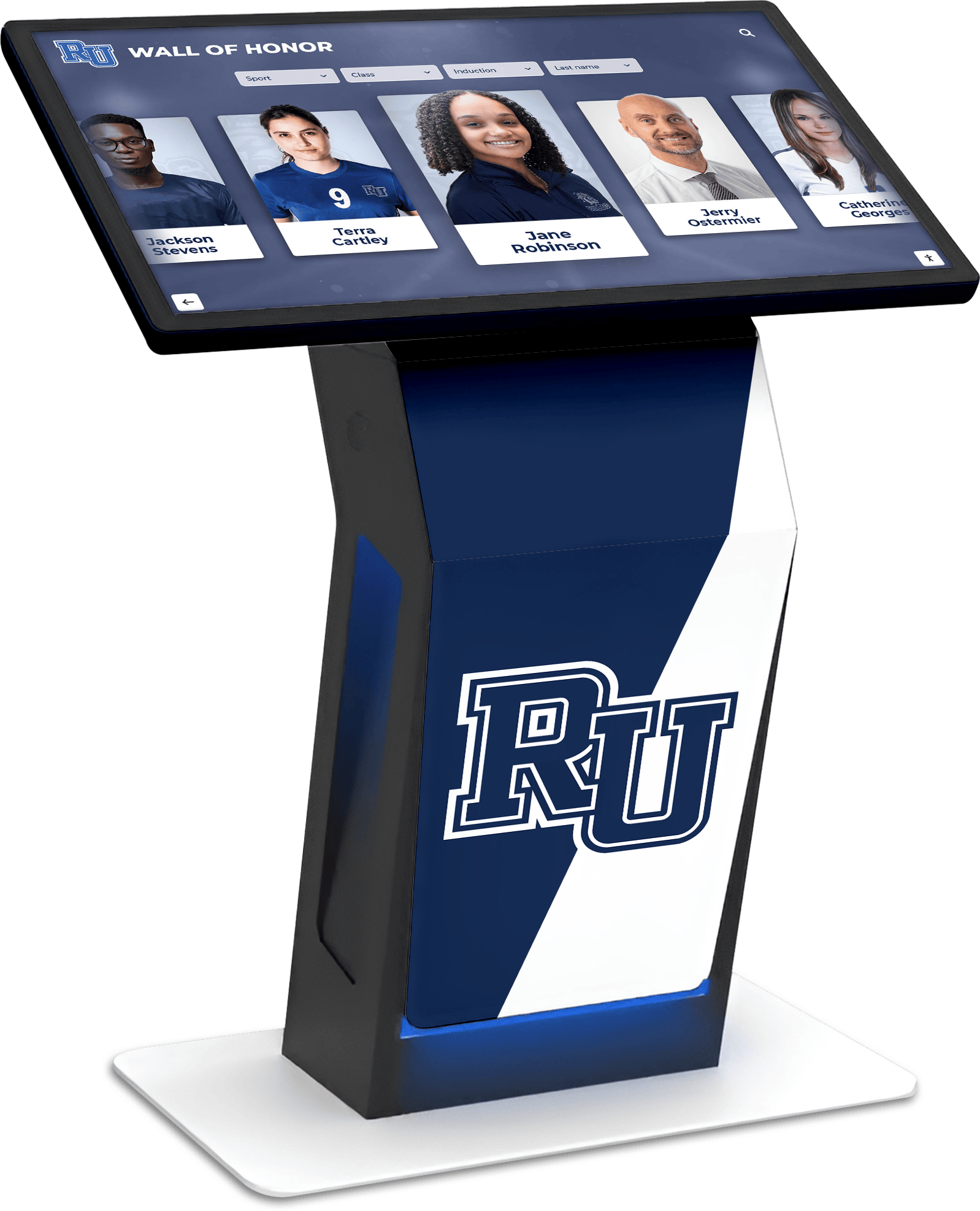
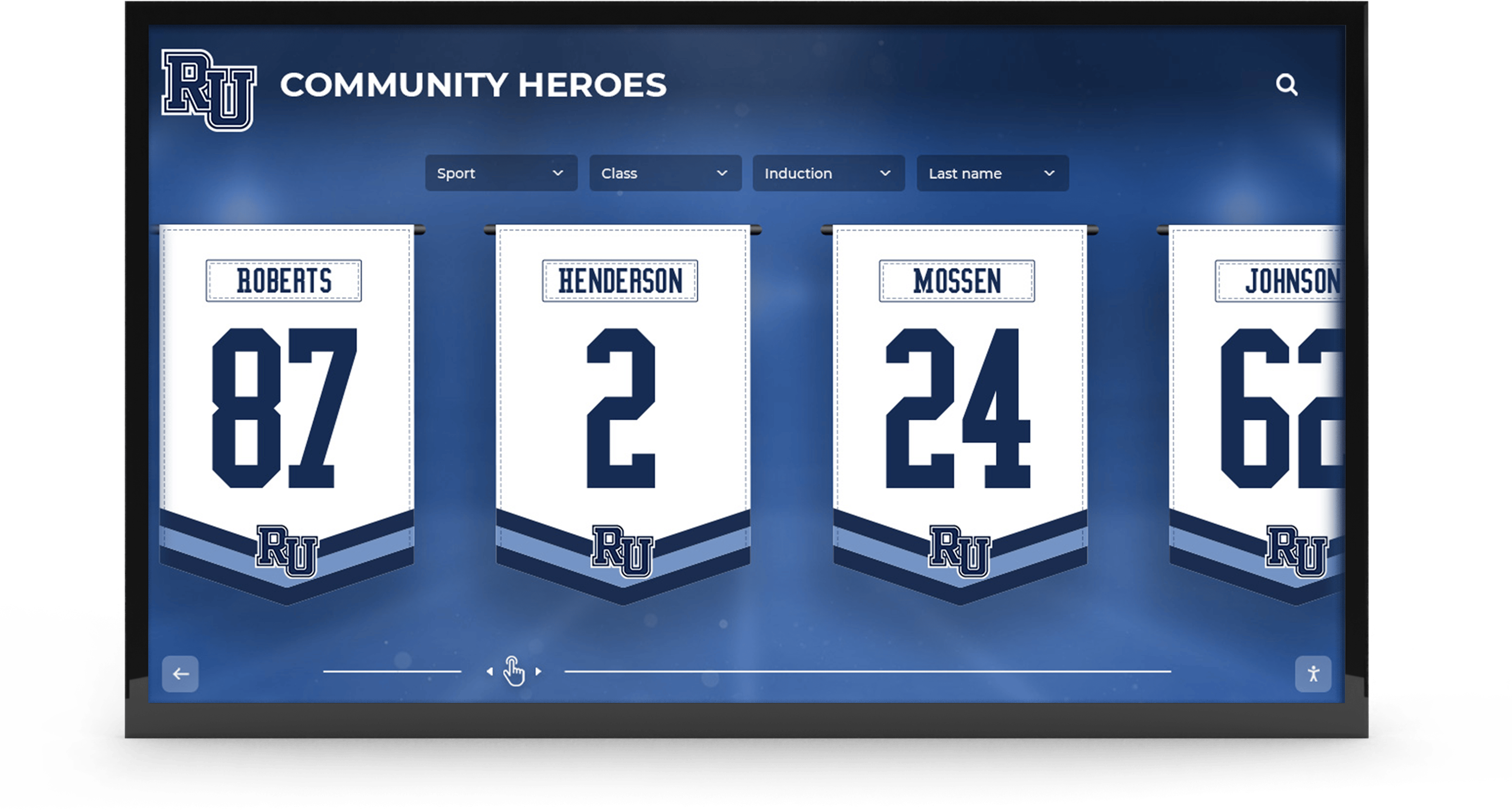
Touchscreen interfaces invite active engagement with chess recognition through search functionality finding specific players or time periods, filtering by tournament type, rating level, or achievement category, comparison tools analyzing performance across different players or eras, and educational content teaching chess concepts through actual examples from recognized players.
This interactivity transforms passive viewing into active learning, with visitors spending significantly more time engaging with digital chess recognition compared to traditional static displays.
Chess Clubs and Community Organizations: Recognition Best Practices
Beyond educational institutions, chess clubs and community organizations benefit from formal recognition programs celebrating member achievements and contributions.
Chess Club Recognition Programs
Local chess clubs serve vital functions providing playing opportunities, organizing tournaments, offering instruction, and building chess communities. Recognition programs strengthen these organizations by honoring playing achievement at club tournaments and rated events, rating milestone accomplishments as members improve, organizational contributions by tournament directors and volunteers, instructional excellence by coaches and teachers, and longevity recognizing long-term members who sustain club culture.
Visible recognition demonstrates that club leadership values member achievements, creating cultures where excellence receives appropriate celebration and members feel connected to broader chess traditions.
Tournament Organization and Recognition
Chess tournaments provide natural recognition opportunities through traditional awards celebrating winners and top finishers, special recognition for specific achievements like best game or biggest upset, age-group awards ensuring players compete against appropriate competition, and rating-based prizes acknowledging excellence within skill levels.
Many tournament directors now incorporate digital displays showing live tournament standings, featured games, and player profiles. These real-time recognition elements enhance tournament atmosphere while providing immediate acknowledgment of ongoing achievements.
Building Chess Communities Through Recognition
Effective recognition programs strengthen chess communities by creating shared history and tradition around clubs and organizations, inspiring current members by showcasing what previous players achieved, attracting new members through visible celebration of chess culture, and strengthening member retention by demonstrating that contributions receive lasting acknowledgment.
Digital donor recognition systems adapted for chess contexts enable clubs to honor both competitive achievers and financial supporters or volunteers whose contributions enable programming that serves entire communities.
Connecting School Chess Programs to Broader Recognition Ecosystems
Individual school and club programs gain additional meaning when connected to broader regional, state, and national recognition ecosystems.
State Chess Hall of Fame Programs
While less common than state athletic halls of fame, some states have established statewide recognition programs specifically celebrating chess excellence. These state-level programs honor players who represented their states in national competition, coaches who developed championship programs, organizers who advanced chess throughout states, and pioneers who established foundations for chess culture in their regions.
Schools and clubs participating in state chess activities should make students aware of these ultimate recognition opportunities, creating aspirational goals that motivate sustained excellence and long-term chess involvement.
National Recognition Pathways
For exceptional young players, recognition pathways extend to national levels including All-America Teams recognizing top scholastic players nationally, National Championship titles in various age categories and formats, and National Master, International Master, and Grandmaster title achievement.
School recognition programs that explicitly connect local achievements to these broader recognition pathways help students understand how their current accomplishments fit within larger chess landscapes. Digital displays can highlight which former students went on to earn national titles or master certifications, demonstrating that excellence at school level can lead to recognition at higher competitive tiers.
Learning from the World Chess Hall of Fame Model
School and organizational programs benefit from studying how premier institutions like the World Chess Hall of Fame approach recognition including comprehensive documentation of achievements rather than simple lists, rich storytelling that contextualizes accomplishments and explains significance, multimedia presentation combining artifacts, photos, video, and interactive elements, educational mission that uses recognition as teaching tool for broader audiences, and inclusive selection recognizing diverse contributions rather than narrow definitions of excellence.
While school programs operate at different scales than international halls of fame, these principles apply at any level. Even small chess clubs can honor achievements comprehensively, tell compelling stories, and create recognition experiences that educate and inspire.
Implementing Digital Chess Recognition: Practical Considerations
Schools and organizations ready to implement modern chess recognition should consider several practical factors ensuring successful outcomes.
Platform Selection and Features
Effective digital recognition platforms for chess should provide chess-specific templates accommodating ratings, game records, and tournament data, flexible content management enabling non-technical staff to make updates, multimedia support for displaying games, photos, videos, and documents, searchable databases allowing visitors to find specific players or achievements, and web accessibility extending recognition beyond physical displays.
Purpose-built recognition platforms like those from Rocket Alumni Solutions offer advantages over generic digital signage solutions by providing structures specifically designed for biographical recognition with achievement documentation rather than requiring custom development for each implementation.
Content Development Strategies
Successful chess recognition requires systematic content creation including player profile development with biographical information, photos, and achievement summaries, game preservation capturing notation for significant games with annotations, statistical compilation documenting ratings, tournament results, and performance metrics, historical documentation researching program evolution and significant milestones, and multimedia creation producing videos, interviews, or documentary content when resources allow.
Many schools find success by assigning chess club members responsibility for documenting their own achievements and those of teammates, teaching research and documentation skills while distributing content development workload.
Launch and Promotion
Recognition programs generate maximum impact through strategic launches and sustained promotion including unveiling ceremonies celebrating initial implementation with club members and school community, communication campaigns announcing recognition through newsletters, social media, and school channels, integration with existing events featuring recognition displays at tournaments and school gatherings, and ongoing content updates maintaining freshness and demonstrating active program management.
The most effective programs make recognition visible and central to chess culture rather than treating displays as afterthoughts that receive attention only during initial installation.
Measuring Impact and Success
Well-managed programs track meaningful metrics demonstrating value including engagement data showing how often displays are viewed or interacted with, participation effects measuring whether recognition correlates with increased chess club membership or tournament participation, community feedback gathering perspectives from students, parents, and chess enthusiasts, and achievement trends analyzing whether recognition culture correlates with competitive improvement.
These metrics help justify continued investment in recognition programs while identifying optimization opportunities that enhance impact and effectiveness.

Chess Recognition Beyond Competitive Achievement
Comprehensive recognition programs extend beyond tournament winners to celebrate diverse chess contributions.
Honoring Chess Coaches and Mentors
Chess coaches who develop successful programs, teach strategy and tactics effectively, inspire lifelong chess passion, and exemplify sportsmanship and character deserve recognition comparable to successful athletic coaches. Many schools include coaching recognition categories within broader chess programs, documenting coaching records, player development, and program building contributions.
Famous alumni recognition approaches can be adapted to honor distinguished chess coaches whose influence extended across decades and shaped countless student lives through chess instruction and mentorship.
Recognizing Chess Program Builders
Behind every successful chess program stand volunteers, organizers, and supporters who provide the infrastructure enabling competitive success including tournament directors who organize events, club officers who manage administrative functions, fundraisers who secure resources for equipment and travel, and advocates who promote chess within schools and communities.
Recognition categories honoring these essential contributions ensure that programs celebrate not just those who capture the glory but also those whose work makes glory possible.
Celebrating Chess as Cultural Activity
Progressive recognition programs acknowledge chess’s cultural dimensions beyond competition including chess journalism and content creation by students who document program activities, chess education and tutoring by experienced players who teach beginners, chess art and creativity through artistic expression inspired by chess, and chess promotion introducing the game to new audiences and communities.
This comprehensive approach positions chess recognition as celebrating intellectual and cultural activity with many valid forms of contribution rather than narrowly focusing only on tournament success.
The Future of Chess Recognition
Recognition practices continue evolving alongside technological capabilities and cultural changes.
Emerging Recognition Technologies
Forward-thinking chess programs experiment with innovative approaches including augmented reality displays overlaying digital content onto physical spaces, artificial intelligence analysis providing automated game analysis and performance evaluation, streaming integration featuring games and recognition during live tournament broadcasts, mobile applications extending recognition access through smartphone apps, and blockchain verification authenticating achievement records and memorabilia.
While some technologies remain experimental, they demonstrate possibilities for future recognition innovations that today’s young players may implement when they become program leaders.
Growing Recognition of Scholastic Chess
Competitive scholastic chess has grown dramatically in recent decades, with national championships attracting thousands of players and extensive media coverage. This growth increases the importance of school-level recognition programs that connect students to broader chess ecosystems while celebrating achievements that might otherwise receive insufficient acknowledgment.
Schools implementing robust chess recognition today position themselves as leaders in a cultural shift toward greater appreciation for intellectual competition and strategic thinking as domains worthy of celebration comparable to traditional athletics.
Connecting Recognition to Educational Outcomes
Emerging research increasingly documents connections between chess participation and improved academic performance, enhanced problem-solving abilities, and stronger executive functioning skills. As this evidence base grows, recognition programs gain additional justification beyond simply honoring competitive success—they celebrate participation in activities that demonstrably improve educational outcomes.
Progressive schools explicitly connect chess recognition to broader educational missions, positioning chess celebration as part of comprehensive efforts developing well-rounded students with diverse skills and capabilities.
Conclusion: Honoring Chess Excellence at Every Level
From the World Chess Hall of Fame’s celebration of legendary grandmasters to school programs honoring students who learn chess fundamentals and compete in their first tournaments, recognition serves essential functions preserving achievements for future generations, inspiring current players by demonstrating that excellence receives lasting acknowledgment, building communities around shared love of chess and intellectual competition, and validating chess as cultural activity worthy of celebration comparable to other pursuits.
The World Chess Hall of Fame in St. Louis provides a model for how thoughtful recognition programs preserve cultural heritage, educate diverse audiences, and honor excellence across multiple dimensions. While schools and community organizations operate at different scales, the fundamental principles apply universally: comprehensive documentation, rich storytelling, inclusive selection, and sustained commitment to celebrating achievements appropriately.
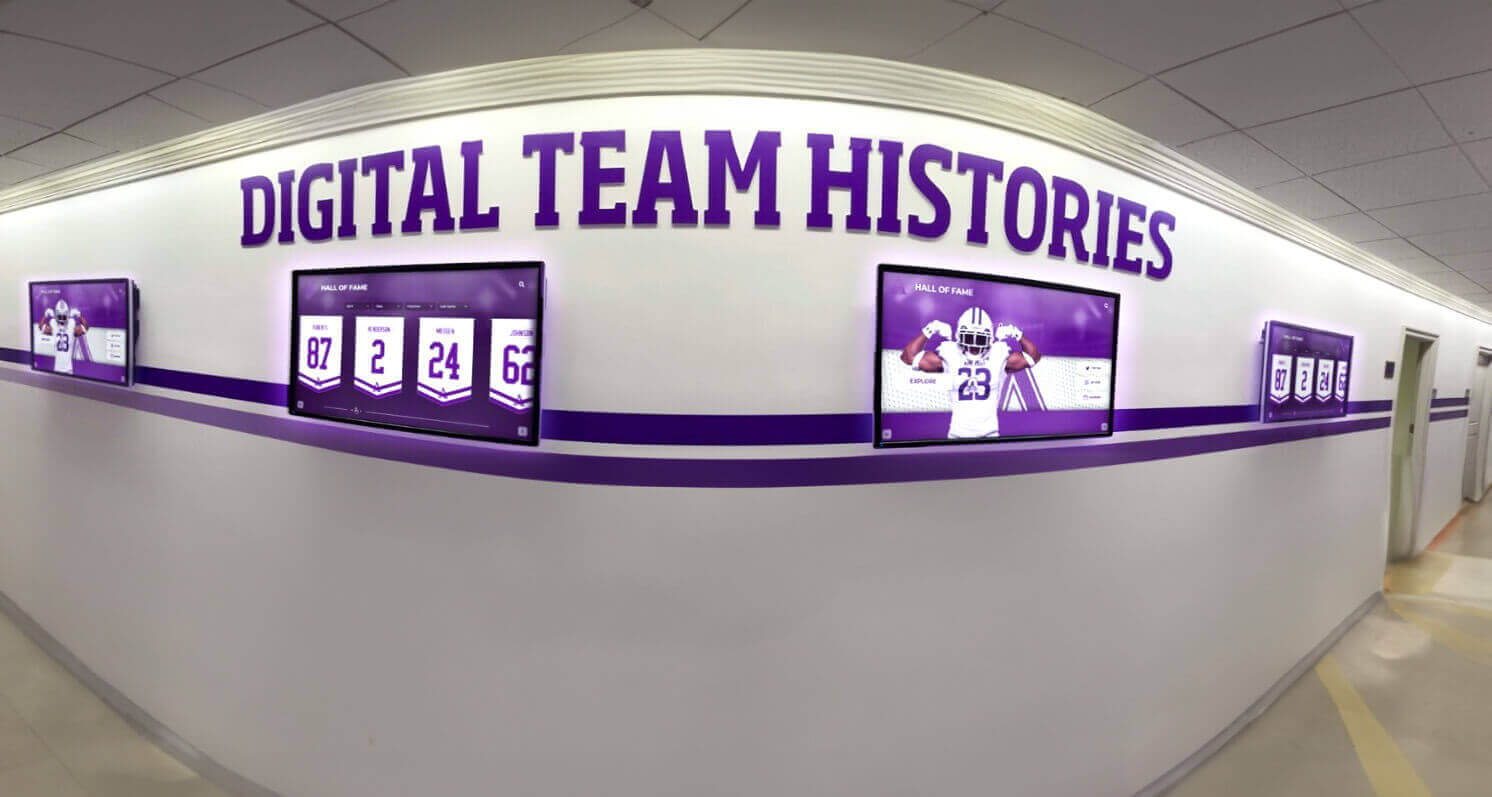
Modern digital recognition technology has transformed what’s possible in honoring chess excellence. Interactive displays provide unlimited capacity for comprehensive recognition, rich multimedia content bringing games and achievements to life, instant updates celebrating accomplishments in real-time, web accessibility extending recognition globally, and engaging experiences that educate while honoring achievement.
Schools and organizations implementing chess recognition programs benefit from partnerships with experienced providers like Rocket Alumni Solutions offering proven technology specifically designed for recognition applications, chess-optimized features accommodating unique documentation needs, intuitive management systems requiring no technical expertise, responsive support familiar with educational contexts, and continuous platform improvements based on user feedback.
Celebrate Your Chess Excellence
Discover how Rocket Alumni Solutions can help you create a chess recognition program that honors your players, coaches, and program builders while inspiring future generations of strategic thinkers.
Schedule Your Free ConsultationWhether exploring the legendary inductees at the World Chess Hall of Fame in St. Louis or implementing recognition at your school chess club, the principles remain constant: meaningful acknowledgment of achievement, preservation of accomplishments for future generations, and inspiration for current players pursuing excellence. Chess recognition demonstrates that schools and organizations value intellectual pursuits, strategic thinking, and the distinctive form of excellence that chess represents.
Ready to honor your chess achievers? Explore how modern recognition platforms can transform how you celebrate the players, coaches, and contributors who build chess culture and inspire strategic mastery in your community.































