Yearbook dedications represent one of the most personal forms of recognition students receive during their educational journey. These messages from parents, grandparents, and family members capture pride, love, and acknowledgment of accomplishments in ways that transcend traditional awards or certificates. When a student opens their yearbook years later and reads the dedication their family wrote, those words often carry more emotional weight than any academic honor listed on the same pages.
Yet many parents struggle when faced with the yearbook dedication opportunity. The blank space feels simultaneously too small to capture everything worth saying and too public for the most intimate sentiments. How do you distill years of pride into a few sentences? What tone strikes the right balance between celebrating achievement and expressing love? Which accomplishments deserve mention when space is limited?
This comprehensive guide explores how to craft meaningful yearbook dedications that honor student achievements while creating keepsakes students will treasure throughout their lives. Whether you’re writing for a high school senior, middle school graduate, or elementary milestone, you’ll find strategies, examples, and creative approaches for transforming this recognition opportunity into a lasting expression of pride and support.
Yearbook dedications serve as permanent tributes embedded in publications students keep for decades. Unlike verbal praise that fades from memory or awards that get packed away in storage, yearbook messages remain accessible whenever graduates flip through pages revisiting their school years. This permanence makes dedications particularly meaningful forms of recognition that deserve thoughtful consideration and genuine emotion.
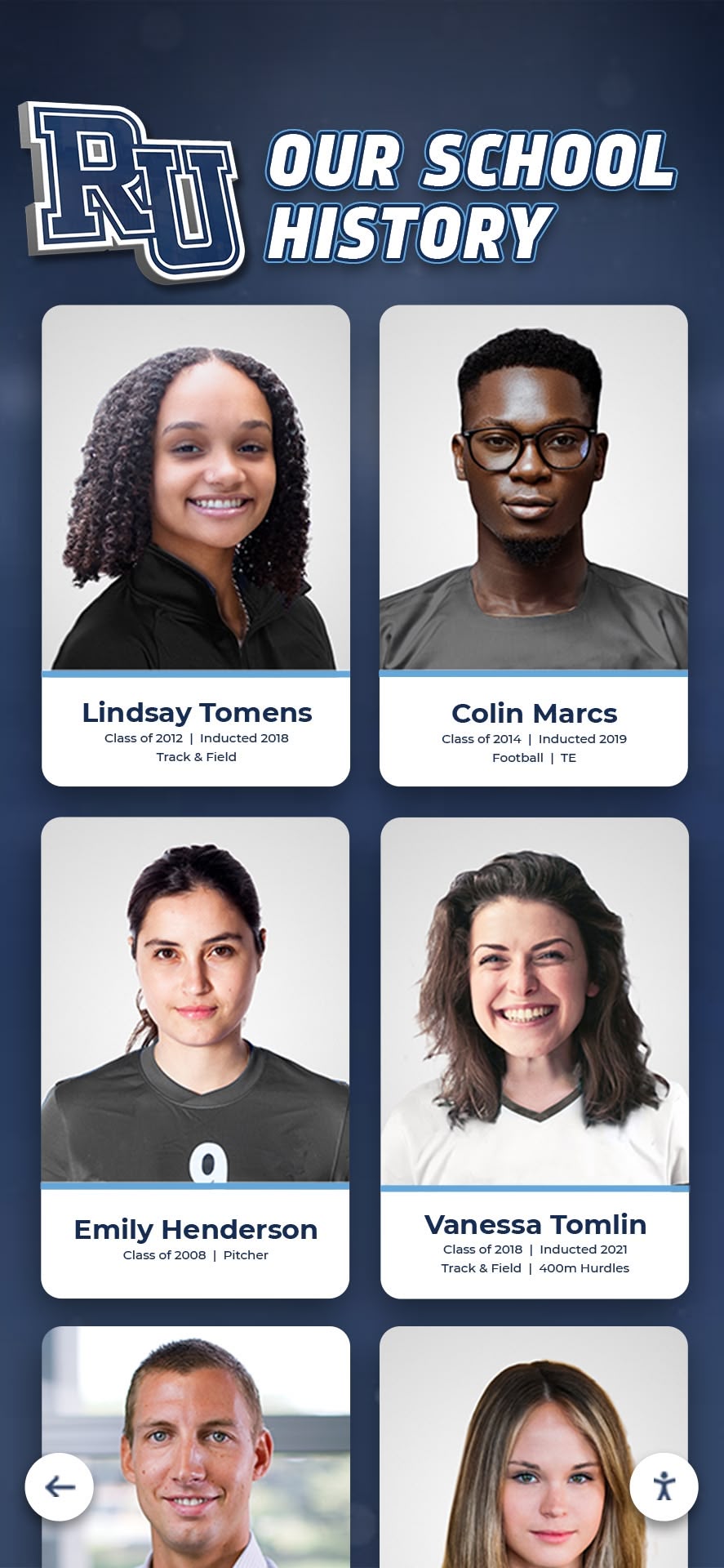
Yearbook dedications complement formal recognition by adding personal family perspectives to students' documented achievements
Understanding Yearbook Dedications: Purpose and Impact
Before crafting your dedication, understanding its purpose and potential impact helps shape more effective messages that resonate with students both immediately and years later.
Why Yearbook Dedications Matter
Yearbook dedications fulfill several important functions beyond simple acknowledgment:
Permanent Family Record: Unlike social media posts that get buried in feeds or text messages that disappear when phones are replaced, yearbook dedications create permanent family records. Decades from now, your student can revisit your words and remember how their family viewed their high school or middle school self.
Public Recognition of Private Moments: Most student achievements happen outside public view. Parents witness daily effort, late-night studying, practice dedication, and perseverance through challenges that teachers and peers might never see. Dedications acknowledge this behind-the-scenes work that made visible accomplishments possible.
Emotional Validation: During adolescence and young adulthood, students often question their worth and capabilities. Reading that their family recognizes their growth, values their character, and feels proud of who they’re becoming provides emotional validation during developmentally vulnerable periods.
Bridge Between Past and Future: Effective dedications honor past achievements while expressing confidence in future potential. This temporal bridge helps students view their educational journey as one chapter in longer life stories rather than isolated events.
The Student Perspective: What Makes Dedications Meaningful
Understanding how students experience yearbook dedications shapes more impactful messages:
Authenticity Over Perfection: Students recognize genuine emotion even when imperfectly expressed. A heartfelt, slightly awkward dedication resonates more powerfully than polished phrases that feel generic or borrowed from templates.
Specific Over Generic: Vague praise like “we’re proud of everything you’ve accomplished” carries less impact than specific acknowledgment of particular moments, growth areas, or achievements that demonstrate you’ve paid attention to their unique journey.
Balance Achievement and Character: While celebrating academic, athletic, or artistic accomplishments feels natural, students often cherish dedications that also acknowledge their character development, kindness, humor, resilience, or other qualities beyond performance metrics.
Appropriate Length and Tone: The most effective dedications match publication space limitations while maintaining authenticity. Overly brief messages can feel perfunctory; excessively long ones risk seeming self-indulgent. Similarly, tone should reflect your actual parent-child relationship rather than adopting voices that feel foreign.
Schools increasingly complement traditional yearbooks with digital recognition displays that showcase student achievements year-round, extending celebration beyond yearbook publication dates.

Modern schools combine traditional yearbook dedications with digital platforms that provide expanded recognition opportunities
Types of Yearbook Dedications: Matching Message to Milestone
Different educational milestones and student situations call for varied dedication approaches. Understanding these contexts helps craft messages that appropriately honor specific circumstances.
High School Senior Dedications
Senior year dedications carry particular emotional weight as students prepare to leave home for college, careers, or other pursuits. These messages often acknowledge the entire 13-year educational journey while looking forward to adult life.
Reflection on Growth: Senior dedications frequently highlight transformation from kindergarten through graduation—physical, emotional, academic, and social development that parents witnessed firsthand. These retrospectives help students appreciate how far they’ve come.
Acknowledgment of Challenges Overcome: By senior year, most students have faced significant obstacles—academic struggles in difficult subjects, social challenges, health issues, family changes, or other difficulties. Acknowledging these challenges and the resilience demonstrated overcoming them validates experiences that shaped their character.
Expression of Future Confidence: As students transition to independent adult life, parental confidence in their readiness provides reassuring support during uncertain times. Dedications can express trust in their decision-making, belief in their capabilities, and assurance that they’re prepared for next chapters.
Gratitude for Shared Experiences: Many senior dedications include parent appreciation for the privilege of raising this particular young person—acknowledging that the parent-child relationship benefited both parties and that parenting this student brought unique joy.
Middle School Graduation Dedications
Middle school dedications acknowledge important developmental milestones while recognizing that students face significant transitions ahead. These messages balance celebration of accomplishments with encouragement for high school challenges.
Validation of Identity Development: Middle school coincides with intense identity formation. Dedications that acknowledge students’ emerging personalities, interests, and values validate their self-discovery journey while communicating that families accept and celebrate who they’re becoming.
Recognition of Social Growth: The social dimension of middle school often overshadows academics in students’ experiences. Dedications acknowledging friendship development, social navigation skills, or kindness toward peers resonate powerfully with students for whom relationships are central concerns.
Bridge to High School: Middle school graduation dedications often address upcoming high school transitions, offering encouragement about increased independence, harder coursework, and expanded opportunities while expressing confidence in students’ readiness.
Many schools create dedicated spaces to honor graduates from all levels. Learn how high school walls of fame celebrate student achievements alongside traditional yearbook recognition.
Elementary School Memory Book Messages
While less common than high school yearbooks, some elementary schools offer parent message opportunities in memory books or end-of-year publications. These dedications celebrate early educational foundations while maintaining age-appropriate tone.
Celebration of Foundational Learning: Elementary dedications might acknowledge mastering reading, developing math skills, discovering passions, or building confidence in academic capabilities that establish foundations for future learning.
Character Development Recognition: Elementary years establish character patterns that persist throughout life. Dedications highlighting kindness, curiosity, perseverance, or creativity acknowledge qualities that matter as much as academic skills.
Looking Forward with Excitement: Elementary messages typically emphasize excitement about future educational adventures rather than nostalgia about ending chapters, maintaining forward momentum appropriate for younger students.
Special Circumstance Dedications
Some dedications address unique situations requiring thoughtful approaches:
Transfer Students: Students who joined schools partway through may need dedications acknowledging their courage adapting to new environments, maintaining friendships across distances, or thriving despite disruptions.
Students Who Struggled: When students faced significant academic, social, or personal challenges, dedications can acknowledge their perseverance without dwelling on difficulties in ways that feel embarrassing or defining.
Students With Disabilities: Dedications should celebrate authentic achievements and character qualities rather than reducing students to their disabilities or implying that accomplishments are surprising given their challenges.

Digital recognition systems provide additional venues for celebrating student achievements alongside traditional yearbook dedications
Crafting Your Message: Essential Elements of Meaningful Dedications
Regardless of which type of dedication you’re writing, certain elements consistently appear in the most impactful messages. Understanding these components helps structure your thoughts and create dedications that balance emotion with appropriateness.
Opening Strong: Setting the Tone Immediately
Your dedication’s first sentence establishes tone and captures attention. Effective openings include:
Direct Address: Beginning with your student’s name creates immediate personal connection. “Sarah,” or “To our amazing Matthew,” signals that this message speaks directly to your student rather than broadcasting to yearbook readers.
Memorable Moment Reference: Opening with a specific memory—“Remember when you insisted on conducting that science experiment in the kitchen?"—immediately grounds your dedication in shared experiences that only you and your student fully understand.
Character Quality Acknowledgment: Starting with a defining characteristic—“Your compassion has touched everyone around you,” or “From your first day of kindergarten, your curiosity drove your learning”—frames your dedication around who your student is rather than just what they’ve accomplished.
Emotion Declaration: Simply stating your feelings—“We are so incredibly proud of you,” or “Watching you grow into the person you are today has been our greatest privilege”—establishes the dedication’s emotional core immediately.
The Middle: Specific Recognition and Acknowledgment
The dedication’s body should include specific, meaningful recognition:
Particular Achievements: Rather than listing every award and honor, select 2-3 accomplishments that best represent your student’s dedication, growth, or values. Explain why these achievements matter beyond their surface recognition.
Character Qualities: Identify 2-3 character traits you particularly admire—resilience, kindness, humor, integrity, curiosity, determination—and provide brief examples demonstrating these qualities in action.
Growth Acknowledgment: Highlight specific areas where you’ve witnessed significant development. Maybe your shy elementary student became a confident public speaker, or your disorganized middle schooler developed impressive time management skills. These transformations often mean more than static accomplishments.
Challenge Recognition: If your student overcame significant obstacles, briefly acknowledge this without making the dedication entirely about struggles. Frame challenges as evidence of resilience and strength rather than defining limitations.
Closing Strong: Looking Forward with Confidence
Effective conclusions balance emotional closure with forward momentum:
Future Confidence: Express genuine belief in your student’s readiness for whatever comes next—college, career training, military service, gap year adventures, or other paths. This confidence provides reassurance during transitions filled with uncertainty.
Continued Support Assurance: Students need to know that parental love and support persist beyond high school regardless of future successes or challenges. Brief assurances that you’ll always be there matter deeply, even to students who act independent.
Final Emotion: Conclude with a clear emotional statement—“We love you,” “We couldn’t be prouder,” “You’ve exceeded every dream we had for you”—that provides satisfying emotional closure.
Signature: Sign with whatever name your student calls you—Mom and Dad, Mama, the Peterson Family, or other identifiers that reflect your actual relationship.
Many families extend recognition beyond yearbook dedications through homecoming celebrations and other milestone events that honor students throughout their educational journeys.
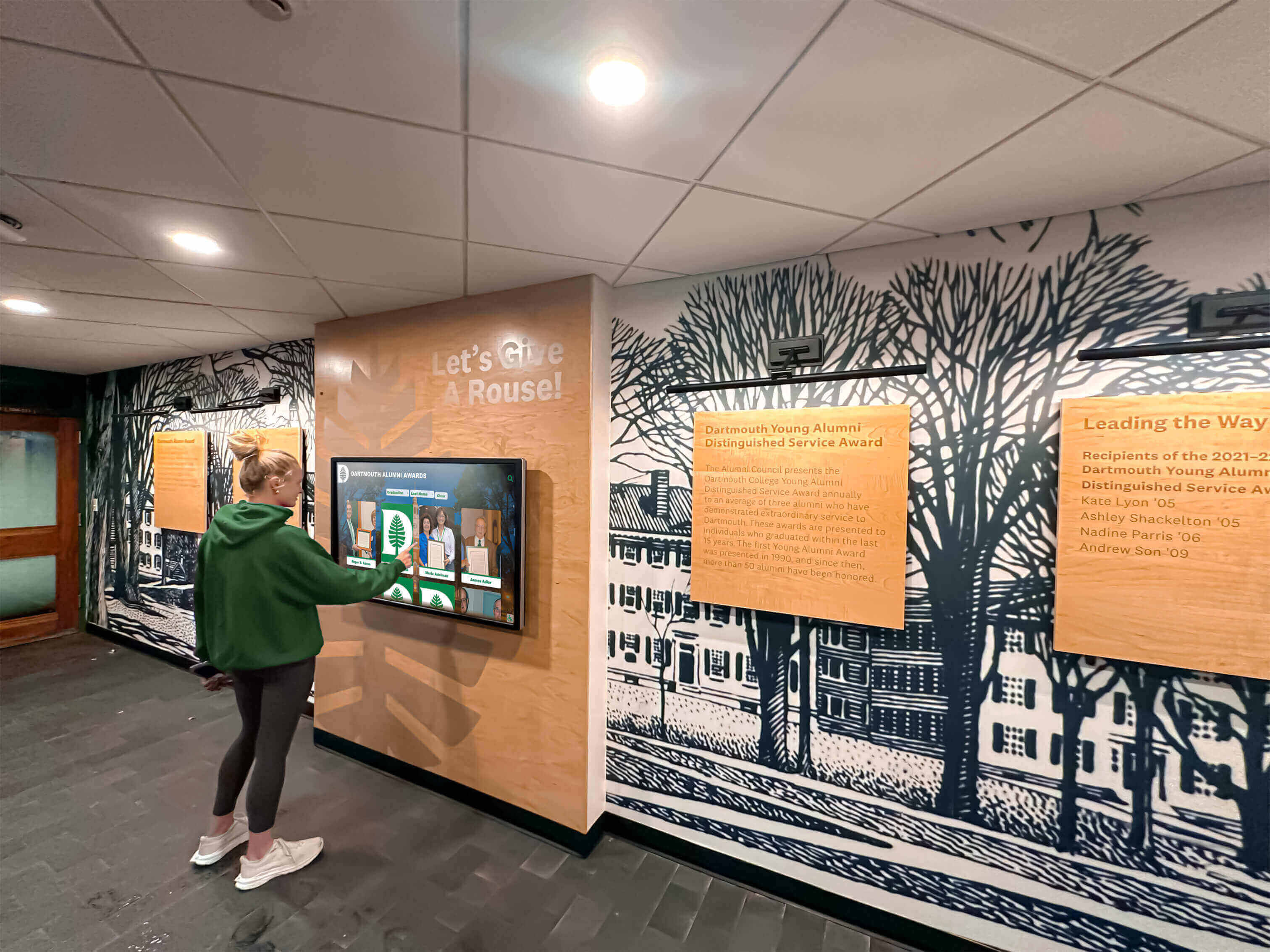
Interactive recognition platforms allow students to explore their achievements and read family messages in engaging digital formats
Yearbook Dedication Examples: Templates and Real-World Models
Examining concrete examples helps translate theoretical guidance into practical messages. The following dedications demonstrate various approaches you can adapt for your student and situation.
Example 1: Achievement-Focused High School Senior Dedication
To our brilliant daughter Emma,
From your first science fair project in 4th grade to captain of the robotics team senior year, your passion for engineering has inspired everyone around you. Your National Merit recognition reflects countless hours of dedicated studying, your state STEM competition wins demonstrate your creative problem-solving, and your volunteer work teaching coding to elementary students shows your generous spirit. But what makes us most proud isn’t the impressive list of accomplishments—it’s the kindness, curiosity, and determination you’ve shown every single day. As you head to college to pursue your dreams, know that we couldn’t be more confident in your abilities or more grateful to have been part of your journey. We love you endlessly.
Mom, Dad, and Jacob
Example 2: Character-Focused Middle School Dedication
Matthew,
Eighth grade graduation feels like it arrived in the blink of an eye, yet when we look at the person you’ve become, we see three years of remarkable growth. You’ve developed into someone your friends trust with their secrets, your teachers rely on for leadership, and your family treasures for your humor and heart. Middle school brought challenges—that math class that didn’t come easily, the friend conflicts you navigated with maturity, the sports tryout that didn’t go as hoped—but you handled each obstacle with grace and resilience. As you head to high school, remember that your character matters more than any test score or trophy. We’re incredibly proud of who you are.
With love, Mom and Dad
Example 3: Transformation-Focused Dedication
Dear Sophia,
If someone told us during your shy, quiet freshman year that you’d graduate as student body president who confidently delivers speeches to hundreds of people, we might not have believed them. But we would have believed in YOU—because we’ve always seen the capable, compassionate leader you’ve become. Watching you find your voice, build your confidence, and use your platform to advocate for causes you believe in has been one of our greatest joys as parents. Your transformation reminds us daily that growth isn’t always linear, that courage can be developed, and that our quiet, thoughtful daughter was always this amazing person waiting to step into her power. Whatever comes next, we know you’re ready.
Forever proud, Mom and Dad
Example 4: Overcoming Challenges Dedication
To our warrior, Jacob,
When you were diagnosed during sophomore year, we worried how illness would impact your education, activities, and dreams. We shouldn’t have doubted your determination. Despite hospital stays, treatment schedules, and challenges that would overwhelm many adults, you maintained honor roll status, stayed involved with theater, and never lost your positive spirit that lifts everyone around you. Your resilience taught us about courage, your attitude taught us about perspective, and your perseverance taught us about strength. The diploma you’re receiving represents far more than academic requirements met—it’s evidence of extraordinary determination, character, and grit. We’re in awe of you.
Love always, Your Family
Example 5: Multi-Child Family Dedication
To our third graduate, Ryan,
As our youngest crosses the stage, we find ourselves reflecting on 12 years of raising three very different kids through this school. Your brothers blazed trails you sometimes followed and other times deliberately avoided, finding your own path that’s uniquely yours. Your musical talent, your computational skills, your dry humor that keeps us laughing—these gifts belong to you alone. We’ve loved watching you figure out who you are rather than who you think you should be. As you head to college, know that our pride doesn’t come from comparing you to anyone else. You’re exactly who you’re meant to be, and that person is pretty spectacular.
Love, Mom and Dad
Example 6: Brief but Meaningful Dedication
Ava—
Four years flew by. We’ve watched you grow from uncertain freshman to confident graduate ready to change the world. Your kindness matters as much as your achievements. Your character impresses us as much as your GPA. We’re beyond proud and can’t wait to see what you do next.
Love you always, Your Family
These examples demonstrate various lengths, tones, and focus areas. Use them as inspiration rather than templates, adapting elements that resonate with your student’s unique story and your family’s communication style.
Schools complement yearbook recognition through various programs. Explore how all-state musicians receive recognition that extends beyond yearbook pages.
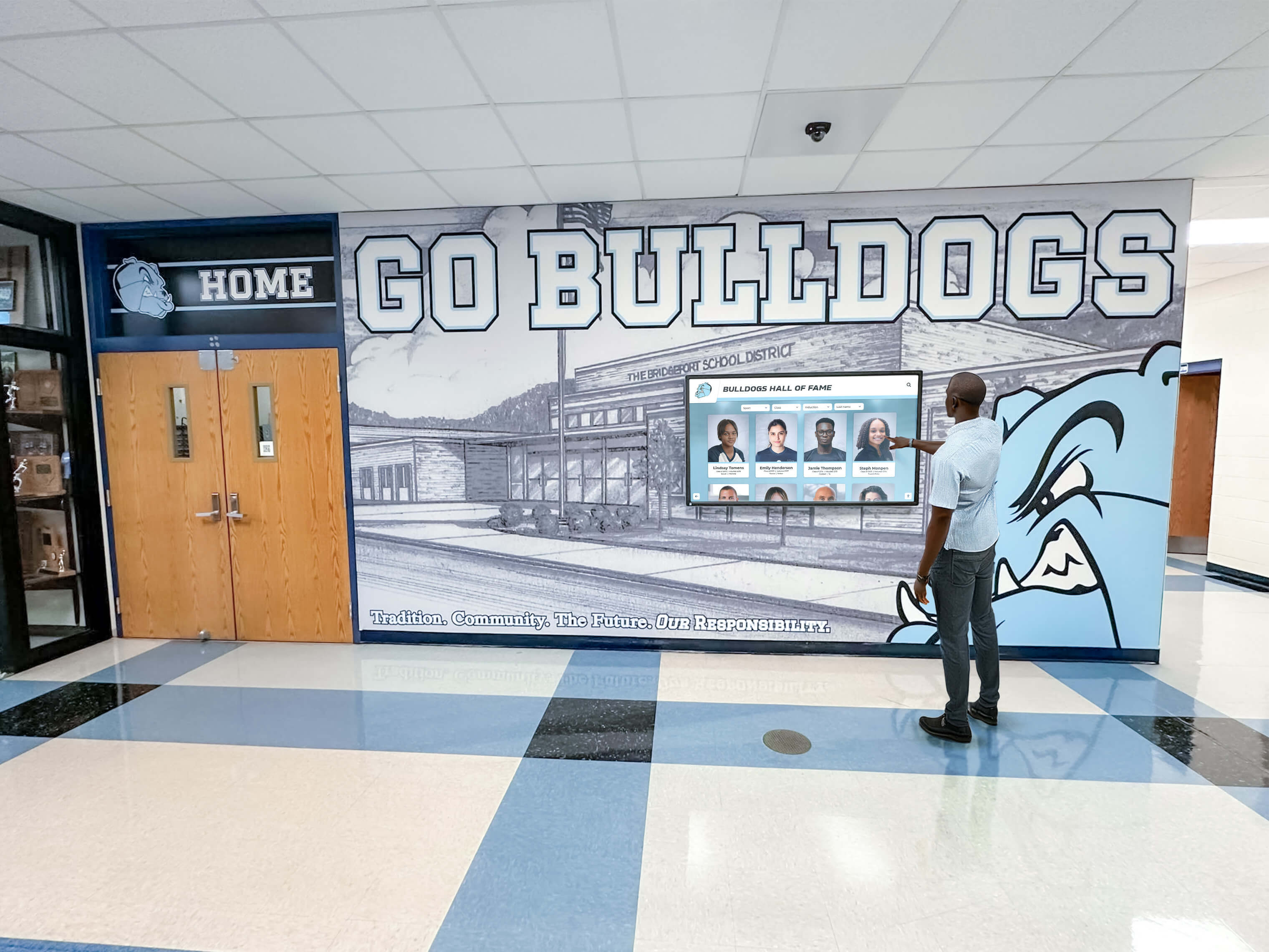
Modern schools provide multiple recognition venues where parents' pride can be expressed alongside students' documented achievements
Writing Tips: From First Draft to Final Message
Understanding what makes dedications effective is important, but actually writing your message requires practical strategies for moving from blank page to polished submission.
Pre-Writing: Gathering Your Thoughts
Brainstorm Freely: Before drafting your dedication, spend 15-20 minutes brainstorming without editing. List achievements, character qualities, memorable moments, challenges overcome, funny stories, and emotions you want to convey. This raw material provides content you’ll refine later.
Review Their Journey: Look through old photos, report cards, awards, programs from performances, and other artifacts from your student’s educational journey. This review often surfaces forgotten accomplishments and moments that deserve inclusion.
Ask Others for Input: Check with your spouse, your student’s siblings, grandparents, or other close family members for their perspectives on your student’s growth and achievements. They might identify qualities or accomplishments you’ve overlooked.
Consider Your Audience: While your dedication primarily addresses your student, remember that classmates, teachers, and extended family will also read it. Avoid inside jokes that might embarrass your student, overly intimate details, or information your student considers private.
Drafting: Getting Words on Paper
Write Long First: Initial drafts should capture everything you want to say without worrying about space limitations. You can always cut content, but it’s harder to expand messages that start too abbreviated.
Use Your Natural Voice: Write as you actually speak to your student rather than adopting formal voices that feel foreign. Authenticity matters more than sophisticated vocabulary or complex sentence structures.
Include Specific Details: Replace generic statements with concrete examples. Instead of “you’ve always been kind,” write “you’ve always been kind—like when you befriended the new student everyone else ignored.” Specifics demonstrate genuine attention and create more memorable messages.
Read Aloud: As you draft, read your dedication aloud. This helps identify awkward phrasing, sentences that run too long, or sections that don’t flow smoothly. If something sounds clunky when spoken, it will read clunky on paper.
Revising: Refining Your Message
Cut to Fit: Most yearbook dedications range from 50-150 words depending on publication space. If your draft runs long, prioritize content that’s most meaningful and specific to your student. Generic praise cuts more easily than unique acknowledgments.
Check Tone Consistency: Ensure your dedication maintains consistent tone throughout. Abrupt shifts from humorous to serious or formal to casual can feel jarring. Decide whether your message is primarily celebratory, emotional, inspiring, or reflective, then maintain that tone.
Verify Accuracy: Double-check names, specific achievements, dates, or other factual details you’ve included. Errors undermine your dedication’s impact and can embarrass your student.
Get Student Input (Maybe): Some families show dedications to students before submission for feedback; others prefer keeping them surprises. Consider your student’s personality and your relationship when deciding whether to involve them in the revision process.
Proofread Carefully: Grammar errors, typos, or punctuation mistakes distract from your message. Have someone else proofread your final draft with fresh eyes to catch errors you’ve missed after reading it multiple times.
Avoiding Common Pitfalls
Don’t Make It About You: While parenting this student matters to you deeply, keep focus on your student rather than your experience raising them. “We’re so proud” works better than extended paragraphs about your feelings.
Avoid Comparisons: Don’t compare your student to siblings, peers, or idealized versions of themselves. Celebrate who they are rather than who they aren’t or who you wished they’d be.
Skip the Life Advice: Dedications aren’t the place for extensive guidance about college, careers, relationships, or adult life. Save extended advice for graduation cards, letters, or conversations. Focus dedications on recognition and emotion.
Don’t Dwell on Negatives: If acknowledging challenges, do so briefly while emphasizing resilience and growth rather than making difficulties the dedication’s central focus. Frame struggles as evidence of strength rather than defining limitations.
Respect Privacy: Avoid sharing information your student considers private—medical details, romantic relationships, family conflicts, or other sensitive topics that could embarrass them when read by their entire class.
Recognition extends beyond graduation. Learn about employee recognition programs that apply similar acknowledgment principles in professional contexts.

Recognition principles from yearbook dedications extend to alumni engagement, donor acknowledgment, and lifelong community building
Beyond the Yearbook: Extending Recognition Throughout Educational Journeys
While yearbook dedications provide important milestone recognition, the most impactful family support involves consistent acknowledgment throughout students’ educational journeys rather than single-moment tributes.
Creating Recognition Patterns at Home
Regular Affirmation: Don’t wait for yearbook opportunities to acknowledge your student’s growth, character, and achievements. Regular verbal recognition, notes in lunch boxes, texts acknowledging small victories, or dinner table celebrations of daily successes create patterns of affirmation that matter as much as formal dedications.
Documentation Beyond School: Keep personal family records of achievements, growth milestones, memorable moments, and character demonstrations that schools might not formally recognize. These become treasured family history that complements official academic records.
Celebration of Effort Over Outcomes: While yearbook dedications often focus on achieved accomplishments, home recognition should consistently celebrate effort, improvement, and character regardless of whether they produce measurable results. This balanced approach develops intrinsic motivation and resilient self-worth.
School Recognition Systems Beyond Yearbooks
Many schools now implement comprehensive recognition systems that complement traditional yearbooks:
Digital Halls of Fame: Interactive displays showcasing student achievements across academics, athletics, arts, service, and character provide year-round visibility that extends beyond yearbook publication dates. These systems ensure recognition isn’t limited to graduates but honors students throughout their educational careers.
Recognition Walls: Physical displays in high-traffic school areas—main entrances, cafeterias, athletic facilities—create daily visibility for student accomplishments that yearbooks acknowledge only annually.
Online Platforms: Web-based recognition systems enable schools to share student achievements with extended family, alumni, and broader communities while preserving these records indefinitely as searchable archives.
Solutions like those provided by Rocket Alumni Solutions help schools implement comprehensive recognition approaches combining physical displays, digital platforms, and mobile accessibility that extend celebration far beyond traditional yearbook limitations.
Milestone Recognition Opportunities
Beyond yearbook dedications, families can create meaningful recognition moments:
Graduation Parties: Personal celebrations provide opportunities for extended family and friends to share their own recognition messages through speeches, memory books, or video compilations that complement yearbook dedications.
Senior Tribute Videos: Many families create video montages featuring photos, home videos, and messages from important people in students’ lives. These multimedia tributes capture dimensions of students’ journeys that text-based dedications can’t fully convey.
Memory Books: Some families create private memory books separate from school yearbooks featuring extended family messages, childhood photos, memorabilia, and reflections that provide more intimate, comprehensive recognition than public yearbook space allows.
Legacy Projects: Families might establish scholarships, make donations, or create other lasting tributes in students’ names that honor their achievements while contributing to communities that supported their growth.
Schools can connect graduation recognition to broader celebrations. Discover graduation program design ideas that complement yearbook tributes.
Special Considerations: Adapting Dedications for Unique Situations
Some family circumstances require thoughtful adaptation of standard dedication approaches to ensure messages remain meaningful and appropriate.
Blended Families and Co-Parenting Situations
When multiple parents or step-parents are involved, dedication decisions require coordination:
Unified Messages: Some blended families choose to submit single dedications signed by all parents, presenting unified family support even when relationships are complex. This approach works best when co-parenting relationships are cooperative and collaborative.
Separate Dedications: Other situations call for separate dedications from different parental households. Schools typically allow multiple submissions, enabling each family unit to express their unique perspective and relationship with the student.
Inclusive Language: When submitting unified messages, use language acknowledging all involved parents—“your family,” “we all,” or specific naming that includes step-parents when appropriate to family dynamics and student preferences.
Student Preference: Consider asking your student how they’d prefer dedications handled. Their comfort matters most, and their input ensures recognition approaches reflect their understanding of family structure.
Single-Parent Families
Single parents writing dedications might feel pressure to compensate for absent co-parents or worry about drawing attention to family structure. Remember:
You Are Enough: Your dedication doesn’t need to be twice as long or twice as emotional to “make up” for single-parent status. Your individual perspective and love are inherently sufficient.
Focus on Your Relationship: Write about your actual relationship and shared experiences rather than trying to represent absent parents’ hypothetical perspectives. Authenticity matters more than attempting to fill perceived gaps.
Include Extended Family: If grandparents, siblings, aunts, uncles, or other extended family members play significant roles in your student’s life, consider including them in your dedication or signature, acknowledging the broader support system.
Adoptive and Foster Families
Families formed through adoption or foster care might navigate additional considerations:
Own Your Parent Identity: If you’ve raised this student, you’re their parent regardless of biological connections. Sign dedications with whatever names your student calls you—Mom, Dad, or other identifiers reflecting your actual relationship.
Respect Student Preferences: Some adopted students embrace their adoption stories publicly; others consider this information private. Follow your student’s lead about whether adoption factors into your public dedication.
Acknowledge the Journey: If appropriate to your situation and student’s preferences, dedications can acknowledge the unique aspects of your family’s formation—“From the moment you joined our family” or “We’ve been blessed to raise you”—in ways that celebrate rather than minimize your family’s story.
Families With Complicated Dynamics
Not all parent-child relationships are unconditionally supportive, and some families navigate significant conflicts. If you’re writing a dedication during difficult periods:
Focus on Authentic Positives: Identify genuine qualities, achievements, or moments you can honestly celebrate even if your relationship is strained. Insincere gushing rings false, but most parents can find authentic positives even during conflicts.
Keep It Brief: Shorter dedications reduce pressure to fill space with content you don’t authentically feel. A brief, genuine message often works better than extended tributes that feel forced.
Consider the Long View: Your dedication becomes part of permanent records your student revisits throughout life. Write messages your future self and your student’s future self can look back on without regret, even if current relationships are difficult.
Seek Support If Needed: If you’re truly struggling to write anything positive, consider whether family counseling or other support might help address underlying relationship challenges that extend beyond dedication writing.
Many schools create memorial walls and recognition displays that honor all students while respecting diverse family circumstances and situations.

Comprehensive recognition systems ensure all students receive acknowledgment regardless of family circumstances or submission capabilities
The Long-Term Impact: Why These Messages Matter Decades Later
While yearbook dedications might seem like momentary gestures, their impact often extends far beyond graduation day, providing emotional touchstones students return to throughout their lives.
Dedications as Adult Comfort
Many adults report rereading their yearbook dedications during challenging life moments—career setbacks, relationship struggles, health crises, or periods of self-doubt. The recognition and confidence their parents expressed decades earlier provides reassurance that persists long after childhood ends.
Perspective on Growth: Adult graduates reading their high school dedications often gain new perspective on their own development—recognizing that the person their parents described existed before they fully understood themselves, validating their current identity as authentic rather than recently invented.
Parental Understanding: Many adults report that rereading dedications helps them understand their parents differently. Messages they dismissed as embarrassing or overly emotional as teenagers often resonate with deep meaning once they’ve experienced adult challenges and perhaps become parents themselves.
Connection Across Time: For graduates whose parents have passed away, yearbook dedications become treasured artifacts—permanent records of parental love, pride, and confidence preserved in their parents’ own words.
Dedications in Alumni Engagement
Schools increasingly recognize that alumni connections often trace back to recognition and belonging experienced during their student years. Yearbook dedications contribute to these foundations:
Memory Triggers: When schools reference specific graduating classes in alumni reunion planning or engagement campaigns, graduates often revisit their yearbooks, remembering not just their own experiences but family messages that honored their journey.
Family Legacy: Alumni whose children attend their alma maters often share their own yearbooks—including parental dedications—with their kids, creating cross-generational connections to school communities and modeling recognition practices with their own children.
Philanthropic Motivation: Alumni giving sometimes correlates with positive school memories including feeling recognized and celebrated. While yearbook dedications alone don’t drive donations, they contribute to broader recognition cultures that foster lifelong school connections.
Dedications as Parenting Models
Students who receive meaningful yearbook dedications often replicate similar recognition practices with their own children:
Recognition Value: Parents who experienced acknowledgment through yearbook dedications better understand recognition’s emotional impact and prioritize similar practices with their own children.
Expression of Emotion: Families that normalize expressing pride, love, and confidence through written tributes often develop communication patterns where emotional expression feels natural rather than awkward or reserved for crisis moments.
Documentation of Growth: The practice of documenting children’s growth, achievements, and character development through dedications often extends into broader family patterns of preserving memories, taking photos, and creating records that children treasure throughout their lives.
Conclusion: The Lasting Gift of Recognition
Yearbook dedications represent more than annual school traditions or perfunctory exercises in parental obligation. These messages provide opportunities to capture fleeting moments, acknowledge growth that happens too gradually to notice daily, and express emotions that busy family life sometimes crowds out. The few minutes you invest crafting your dedication create permanent records that matter far more than the brief time required might suggest.
Whether your student is graduating from elementary school, middle school, or high school, whether they’ve collected every academic honor or struggled to maintain passing grades, whether your relationship is uncomplicated or navigates significant challenges—your recognition matters. Your words acknowledging their journey, celebrating their character, and expressing confidence in their future provide emotional validation that persists long after diplomas are framed and stored away.
The most effective yearbook dedications balance specific acknowledgment with genuine emotion, honor past achievements while looking confidently toward futures, and express pride not just in what students have accomplished but in who they’ve become. These messages don’t require perfect prose or sophisticated vocabulary—they require authenticity, attention, and heart.
As you craft your dedication, remember that you’re creating not just a yearbook entry but a keepsake your student will revisit throughout their life during moments when they need reminding of their worth, capabilities, and the unwavering support of people who’ve watched them grow since their earliest days. That’s a gift worth giving thoughtfully.
Celebrate Student Achievements Year-Round
Discover how modern digital recognition solutions help schools honor student accomplishments beyond yearbook pages, creating comprehensive celebration systems that inspire current students while building lasting community pride and engagement.
Explore Recognition SolutionsSchools looking to extend recognition beyond traditional yearbooks can implement comprehensive systems that showcase student achievements throughout educational journeys rather than only at graduation. Rocket Alumni Solutions provides interactive touchscreen displays, cloud-based platforms, and mobile-accessible solutions specifically designed for educational institutions. These systems enable unlimited student recognition across academics, athletics, arts, service, and character while preserving achievements as permanent digital archives that students, families, and alumni access for decades.
Whether you’re a parent preparing to write your first yearbook dedication or a school administrator looking to enhance recognition systems beyond traditional publications, remember that acknowledgment matters deeply to students navigating challenging developmental periods. Thoughtful recognition—whether through yearbook messages, digital displays, or daily affirmations—communicates that students’ growth, effort, and character are seen, valued, and celebrated by the communities supporting their journeys.































