When employees celebrate significant tenure milestones—five years, ten years, twenty-five years with your organization—how you recognize these achievements speaks volumes about what you value. Years of service awards represent more than plaques gathering dust in home offices. Done well, they become powerful retention tools, culture builders, and tangible demonstrations that loyalty and commitment matter in your workplace.
Yet many organizations treat service recognition as an administrative checkbox—standard plaques ordered from catalogs, brief mentions at department meetings, or impersonal certificates mailed to remote employees. This perfunctory approach wastes opportunities to strengthen employee engagement during moments when recognition carries maximum emotional weight and motivational impact.
This comprehensive guide provides administrators, HR professionals, and organizational leaders with frameworks for building years of service awards programs that employees genuinely value. You’ll discover how to select meaningful milestones, choose recognition methods that resonate across generations, implement scalable tracking systems, and leverage modern technology to create permanent recognition that extends impact far beyond individual ceremony moments.
Why Years of Service Awards Matter More Than Ever
Employee tenure has declined across most industries over the past two decades. The average worker now changes employers every 4.1 years according to recent Bureau of Labor Statistics data, with millennials and Gen Z workers changing jobs even more frequently. In this environment, employees who remain with organizations for five, ten, or twenty years represent exceptional loyalty deserving meaningful recognition.
Retention Economics: Replacing employees costs 50-200% of their annual salaries when accounting for recruiting expenses, onboarding time, productivity losses, and institutional knowledge gaps. Organizations that retain employees save dramatically compared to those experiencing constant turnover.
Institutional Knowledge Preservation: Long-tenured employees develop deep expertise about organizational systems, client relationships, historical context, and informal processes impossible to document in manuals. When experienced employees leave, organizations lose years of accumulated wisdom that new hires require years to rebuild.
Culture Modeling: Public recognition of long-serving employees sends clear messages about organizational values. When newcomers see colleagues celebrated for loyalty and commitment, they understand that tenure matters and receives appreciation. This modeling influences retention decisions years before employees reach milestone anniversaries.
Engagement Correlation: Employees who feel recognized demonstrate 60% higher engagement scores than those who don’t, according to workplace research studies. Recognition programs directly correlate with discretionary effort, productivity, and willingness to recommend employers to talented professionals in their networks.
Competitive Differentiation: In tight labor markets, robust recognition programs differentiate employers from competitors offering similar compensation but lacking appreciation culture. Many job candidates specifically ask about recognition practices during interviews, using these insights to evaluate cultural fit and organizational values.
Years of service awards programs deliver measurable returns when designed thoughtfully. Organizations treating them as strategic investments rather than obligatory expenses see quantifiable improvements in retention rates, engagement scores, and employer reputation metrics that translate directly into recruiting advantages and operational performance.
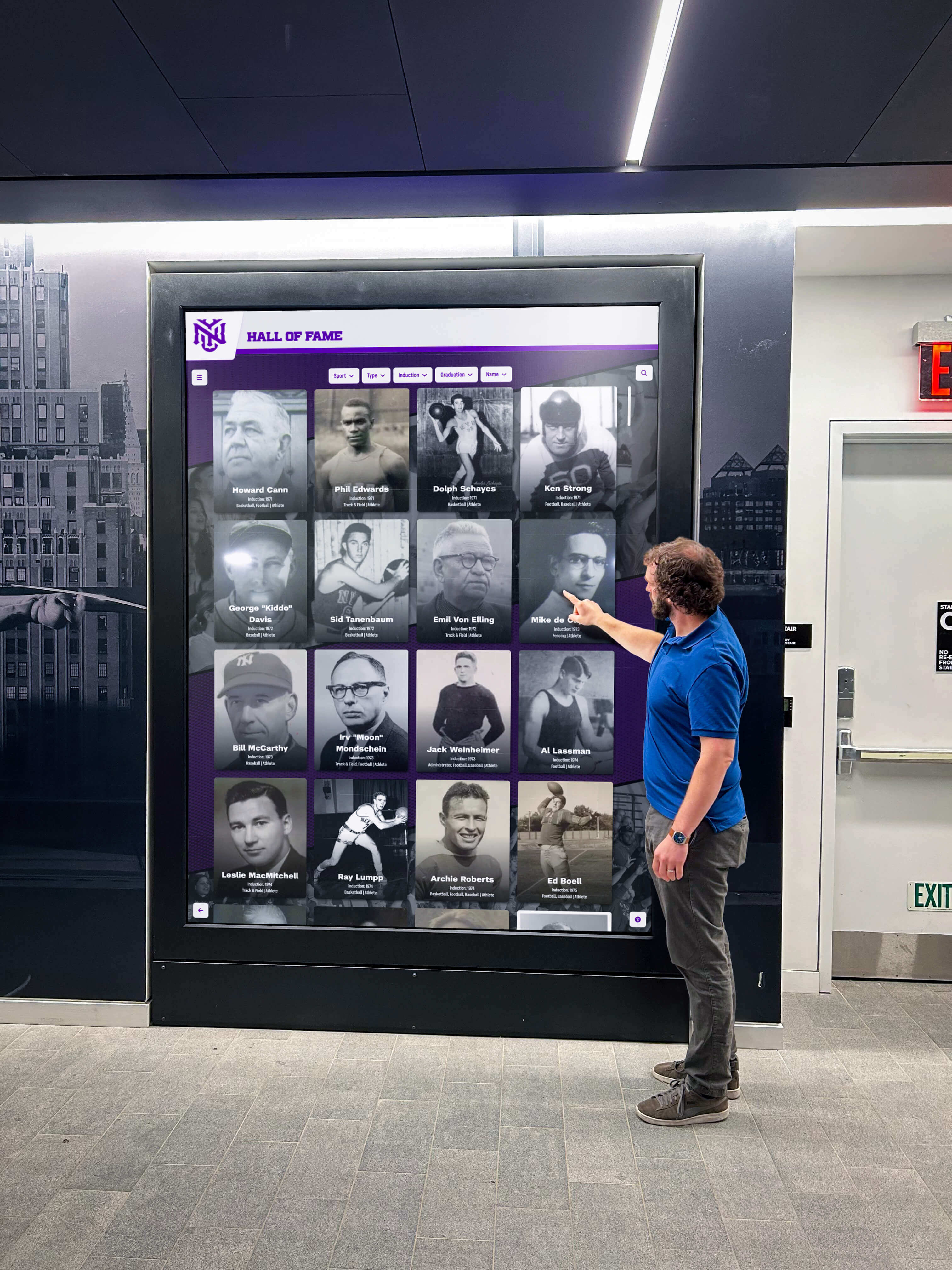
Modern recognition displays transform milestone celebrations from one-time events into permanent, accessible acknowledgment visible to employees and visitors year-round
Establishing Your Milestone Framework
Effective service recognition programs require clear frameworks defining which anniversaries receive recognition, what forms that recognition takes, and how celebration scales with tenure length.
Standard Milestone Intervals
Most organizations recognize service at these common intervals:
One-Year Anniversaries: While debated by some HR professionals, first-year recognition acknowledges successful completion of probationary periods and integration into organizational culture. Recognition at this milestone reinforces that new employees made correct career choices while demonstrating that appreciation begins early.
Five-Year Milestones: Five years represents the first significant loyalty threshold. Employees reaching this milestone have typically survived initial career exploration phases and made conscious decisions to build tenure. Recognition should feel substantial enough to validate this commitment.
Ten-Year Achievements: Decade milestones warrant special celebration. Employees with ten-year tenure have invested significant career portions with your organization, declined numerous external opportunities, and developed deep institutional knowledge. Recognition should reflect this exceptional loyalty.
Fifteen and Twenty-Year Marks: These intermediate milestones bridge the gap to quarter-century celebrations. While perhaps less emphasized than decade anniversaries, acknowledging them maintains recognition momentum and prevents fifteen-year gaps between celebrations.
Twenty-Five Year Recognition: Quarter-century service represents extraordinary loyalty deserving premier recognition. Employees reaching this milestone have dedicated majority career portions to your organization through economic cycles, leadership changes, and industry transformations.
Thirty, Thirty-Five, and Forty-Year Celebrations: Organizations with stable, long-tenured workforces should establish protocols for recognizing service beyond twenty-five years. These rare achievements deserve individualized celebration reflecting their exceptional nature.
Balancing Recognition Frequency and Meaningfulness
More frequent recognition maintains engagement momentum but risks diluting significance. Consider these approaches:
Annual Recognition with Milestone Emphasis: Acknowledge all employees at each anniversary through personalized messages, certificates, or small tokens while reserving significant celebrations for five-year increments. This approach balances consistent appreciation with milestone emphasis.
Five-Year Exclusive Recognition: Limit formal recognition to five-year increments only, ensuring celebrations feel substantial and special. This concentrated approach works well for large organizations where annual recognition becomes logistically unwieldy.
Hybrid Models: Combine consistent annual acknowledgment for all tenure milestones with progressively elaborate recognition at five-year marks. For example, annual digital recognition plus physical awards and ceremonies at five, ten, fifteen, and twenty-five years.
The appropriate model depends on organizational size, budget realities, workforce demographics, and cultural norms. Small organizations with fifty employees can manage annual recognition for everyone; enterprises with thousands of employees require more selective approaches preventing recognition fatigue.
Customizing Milestones for Your Industry
Certain industries require modified frameworks reflecting typical tenure patterns:
High-Turnover Industries: Retail, hospitality, and food service sectors experiencing average tenure under three years might celebrate one, three, and five-year milestones more prominently than longer intervals few employees reach.
Professional Services: Consulting firms, law practices, and accounting firms with up-or-out advancement models might emphasize early career milestones before natural transition points while still celebrating exceptional partner tenure.
Healthcare Organizations: Hospitals and medical facilities with stable nursing and support staff might emphasize traditional five-year increments while adding special recognition for employees who remain through challenging periods like pandemic responses.
Education Institutions: Schools and universities might align service recognition with academic calendar milestones—multiples of semesters or academic years—while celebrating faculty who span multiple student generations.
Government Agencies: Public sector organizations with high average tenure might extend recognition intervals beyond traditional private sector norms, emphasizing decades of public service with special acknowledgment at twenty, thirty, and forty-year marks.
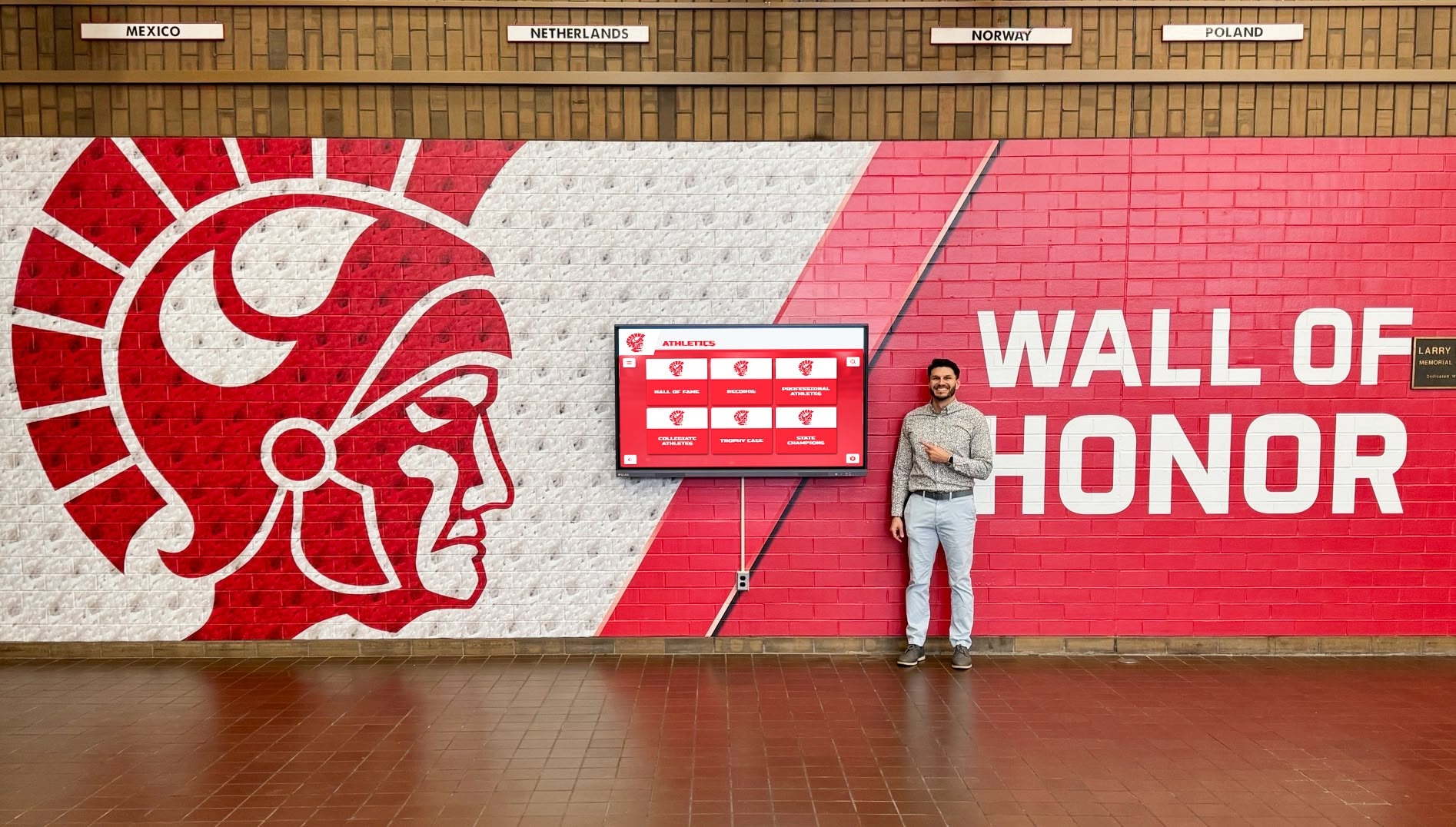
Prominent recognition displays in high-traffic areas ensure employee achievements receive ongoing visibility rather than momentary acknowledgment during ceremonies
Forms of Service Recognition: Traditional and Modern Approaches
Years of service awards take numerous forms, each carrying different symbolic meaning, practical value, and cultural resonance depending on organizational context and recipient preferences.
Physical Awards and Commemorative Items
Traditional tangible recognition remains popular despite digital alternatives:
Engraved Plaques: Classic plaques featuring employee names, service dates, and appreciation messages provide formal recognition suitable for office or home display. Quality materials—wood, metal, crystal—signal importance while personalized engraving creates unique keepsakes.
Desk Accessories and Display Items: Crystal paperweights, desk clocks, pen sets, or bookends provide functional items employees use daily while remembering organizational appreciation. These practical objects maintain visibility without requiring wall space.
Jewelry and Wearable Recognition: Pins, watches, rings, or custom jewelry create personal keepsakes employees wear during professional and social occasions. Quality jewelry particularly resonates with employees celebrating major milestones like twenty-five or thirty years.
Trophy and Award Sculptures: Artistic awards featuring organizational branding, milestone-specific designs, or inspirational themes create distinctive recognition transcending generic catalog plaques. Custom sculptures signal that recognition received individual thought and investment.
Certificate Programs: Formal certificates signed by executives provide official documentation appropriate for employee files and professional portfolios. High-quality printing, custom designs, and executive signatures elevate certificates beyond generic templates.
The key to effective physical recognition lies in quality and personalization. Mass-produced catalog awards feel perfunctory; thoughtfully designed, individually personalized items demonstrate genuine appreciation. Organizations should budget appropriately to ensure physical recognition quality matches milestone significance.
Experiential Rewards and Choice-Based Recognition
Many organizations supplement or replace physical awards with experiences or choice-based options:
Travel and Vacation Packages: Gift certificates toward travel, hotel stays, or experience packages enable employees to create memories with families while celebrating service milestones. Travel rewards particularly appeal to employees valuing experiences over possessions.
Gift Cards and Monetary Awards: Flexible options like gift cards to popular retailers, restaurants, or online marketplaces let employees choose personally meaningful rewards. While less formal than custom awards, choice-based recognition ensures recipients receive something they actually want.
Additional Paid Time Off: Extra vacation days, sabbatical opportunities, or flexible scheduling arrangements provide time-based recognition many employees value above physical items. This approach works particularly well for employees with demanding schedules or family responsibilities.
Professional Development Opportunities: Conference attendance, course enrollment, certification programs, or executive coaching sessions combine recognition with career advancement support. This investment communicates that organizations value continued employee growth beyond celebrating past service.
Charity Donations in Employee Names: Contributions to causes employees support demonstrate that organizations recognize their values while creating positive community impact. This approach resonates with socially conscious employees who prefer meaningful gestures over material items.
VIP Experiences: Access to normally unavailable experiences—executive lunches, board meeting participation, company facility tours, leadership shadowing—provides unique recognition impossible to purchase while creating memorable moments and strengthening organizational connection.
Experiential recognition offers advantages over traditional physical awards for employees who value flexibility, experiences, or professional development more than commemorative items. However, tangible awards provide lasting physical reminders that experiences lack. Many effective programs combine both approaches—physical recognition plus experiential options—maximizing appeal across diverse employee preferences.
Public Recognition and Ceremonial Acknowledgment
How organizations publicly acknowledge service significantly impacts recognition meaningfulness:
Department Celebrations: Immediate team recognition creates intimate celebration opportunities where colleagues share personal appreciation and specific impact examples. Department-level events feel more personal than large organizational ceremonies.
Organization-Wide Ceremonies: Annual recognition events celebrating all service milestones create company-wide culture moments emphasizing organizational values. These ceremonies work best when kept concise, professionally produced, and genuinely celebratory rather than perfunctory.
Executive Recognition Meetings: Private meetings with senior leadership provide individualized appreciation and strategic conversation about employee contributions, career aspirations, and organizational direction. This personal touch particularly resonates with high-performing employees.
Communication Features: Highlighting service milestones in company newsletters, intranet spotlights, social media posts, or internal communication platforms extends recognition visibility beyond ceremony moments. Written features create shareable content employees distribute within professional and personal networks.
Recognition Displays: Permanent installations in organizational lobbies, break rooms, or common areas provide ongoing visibility for service milestone achievements. Solutions like digital recognition walls from providers such as Rocket Alumni Solutions transform one-time recognition into permanent, searchable archives accessible to employees, visitors, and stakeholders year-round.
Public recognition amplifies private appreciation while modeling organizational values for broader audiences. However, individual preferences vary—some employees cherish public acknowledgment while others prefer private appreciation. Effective programs accommodate these differences through optional public features and guaranteed private recognition.
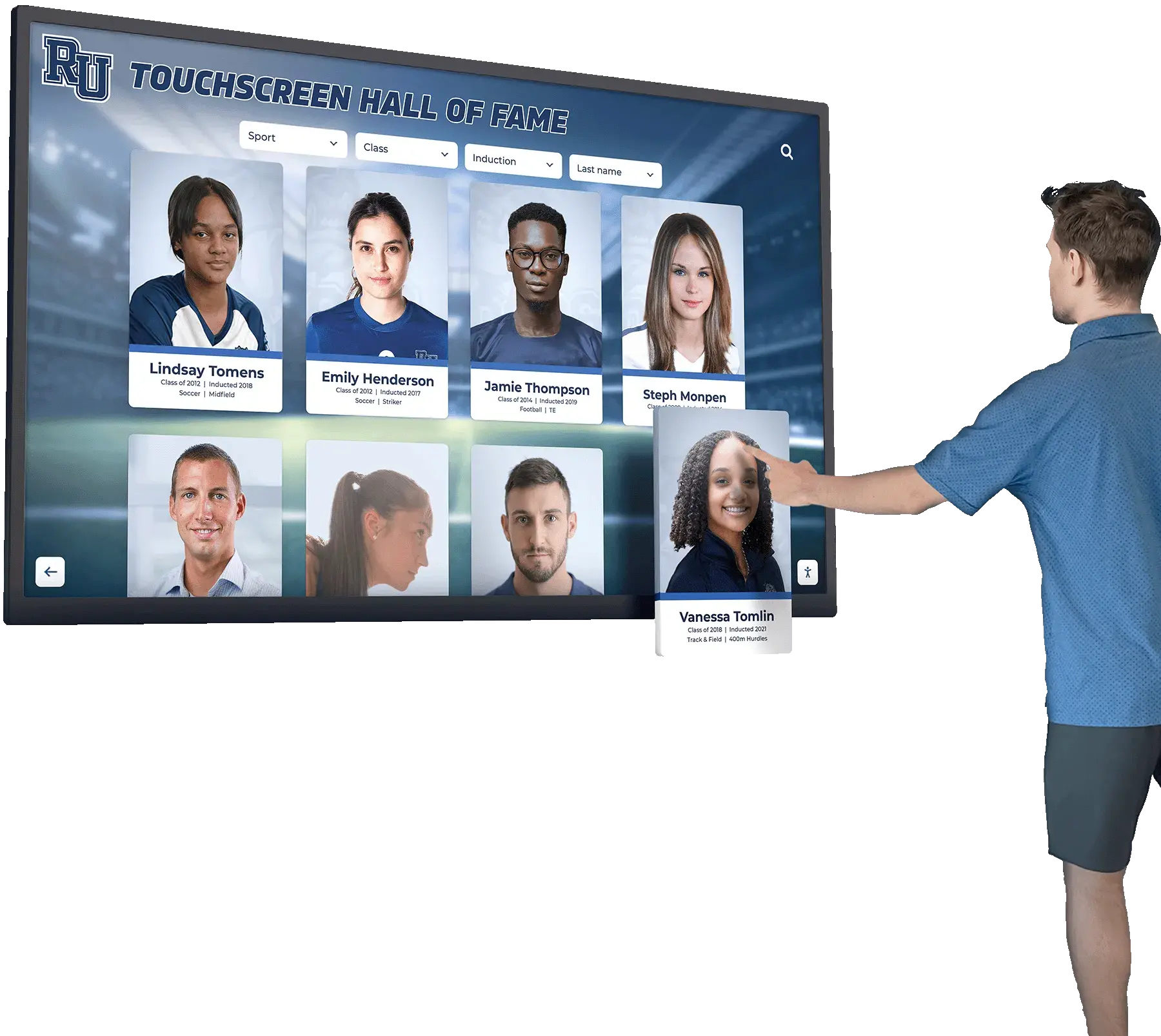
Interactive displays enable employees to explore organizational history, discover colleague milestones, and see how their service contributes to larger institutional narratives
Implementing Scalable Tracking and Administration Systems
Service recognition programs fail when administrative burden becomes overwhelming or inconsistent implementation creates fairness concerns. Effective systems require thoughtful infrastructure.
Automated Tracking Solutions
Manual anniversary tracking through spreadsheets or calendar reminders proves unsustainable at scale:
HRIS Integration: Modern human resources information systems include service anniversary tracking modules generating automatic alerts when employees approach milestone dates. Integration with existing HR platforms eliminates duplicate data entry while ensuring accuracy.
Recognition Platform Software: Dedicated employee recognition platforms provide specialized anniversary tracking, automated reminder workflows, approval processes, and reporting capabilities purpose-built for recognition program management. These systems typically integrate with HRIS databases for seamless data flow.
Calendar and Email Automation: Even organizations without sophisticated software can implement basic automation through shared calendar systems triggering automatic email reminders to HR staff and managers weeks before milestone dates. This low-tech approach prevents missed anniversaries while minimizing administrative burden.
Manager Notification Systems: Automated notifications to direct supervisors weeks before employee anniversaries enable personal preparation—drafting appreciation messages, gathering team signatures for cards, planning small celebrations—ensuring recognition feels personal rather than bureaucratic.
Establishing Clear Process Workflows
Documented processes prevent inconsistencies and ensure smooth program operation:
Responsibility Assignment: Clearly define who manages each recognition program component—who tracks anniversaries, orders awards, plans ceremonies, updates recognition displays, manages budgets, and handles communications. Ambiguous responsibility creates gaps where recognition falls through cracks.
Timeline Templates: Develop standard timelines specifying when actions must occur relative to milestone dates—notification triggers four weeks prior, award ordering three weeks ahead, certificate signing two weeks before, ceremony scheduling at milestone month, display updates within one week following. Templates prevent last-minute scrambling.
Budget Protocols: Establish spending guidelines for each milestone level—perhaps $50 for five years, $150 for ten years, $500 for twenty-five years—with clear approval processes for exceptions. Budget clarity prevents inequitable recognition and simplifies decision-making.
Communication Scripts: Create templates for anniversary announcement emails, social media posts, newsletter features, and executive messages ensuring consistent tone, appropriate detail, and professional presentation. Templates save time while maintaining quality.
Exception Handling: Define processes for addressing special circumstances—employees with multiple service periods due to breaks in employment, transfers between divisions, part-time versus full-time status changes, or early retirement situations requiring adjusted timelines.
Maintaining Program Equity and Consistency
Nothing undermines recognition programs faster than perceptions of favoritism or inconsistency:
Written Criteria: Document eligibility requirements, milestone definitions, and recognition components in official policy manuals accessible to all employees. Transparency prevents confusion and reduces dispute potential.
Regular Audits: Periodically review recent milestone recognition ensuring consistent application across departments, locations, and employee levels. Audits identify inadvertent gaps or deviations from established protocols requiring correction.
Manager Training: Train supervisors on recognition program details, their specific responsibilities, timeline requirements, and importance of equitable application. Manager understanding determines frontline program effectiveness.
Employee Communication: Clearly communicate recognition program details through employee handbooks, orientation materials, and internal communication channels ensuring everyone understands what milestones receive recognition and what forms that recognition takes.
Feedback Mechanisms: Provide channels where employees can confidentially report missed recognition, inequitable treatment, or program improvement suggestions. Responsive feedback loops demonstrate commitment to fair, effective recognition.
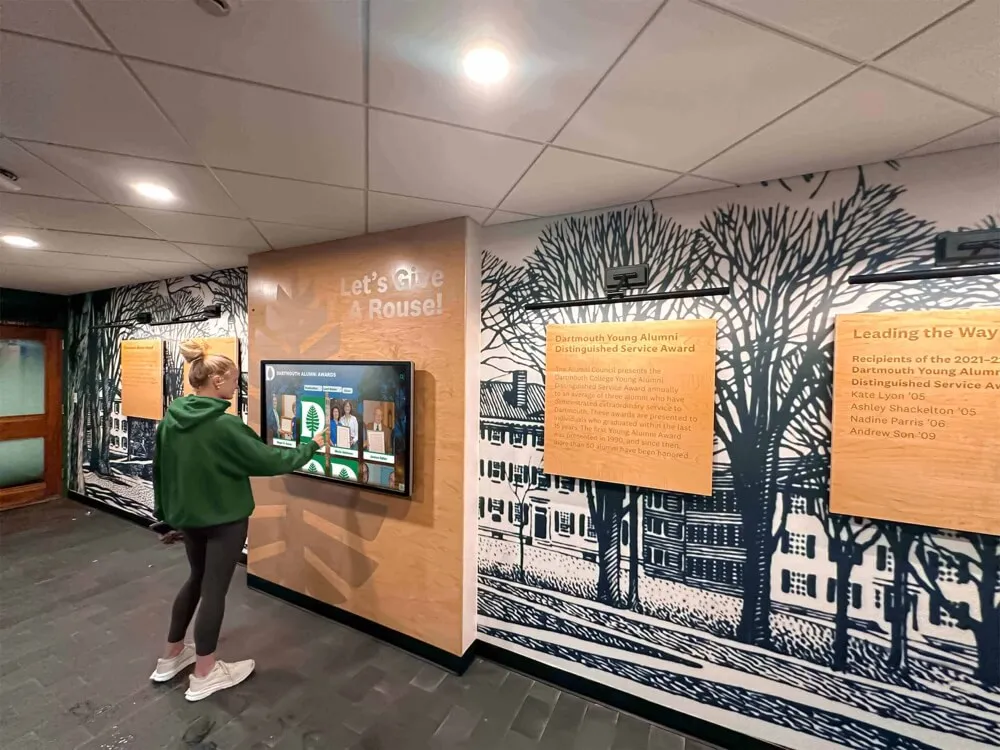
User-friendly recognition systems encourage organic exploration and engagement beyond formal ceremony occasions
Modern Digital Recognition: Extending Impact Beyond Ceremony Moments
Traditional recognition approaches—brief ceremony presentations, plaques hung in private offices, certificates filed in personnel folders—limit acknowledgment to fleeting moments and private spaces. Digital recognition systems transform service awards from transient events into permanent, visible, and accessible celebrations that continue delivering engagement value long after initial presentations.
Advantages of Digital Recognition Platforms
Digital approaches offer several compelling benefits over purely traditional methods:
Permanent Visibility: Physical plaques displayed in private offices provide recognition only to small audiences. Digital displays in common areas, lobbies, break rooms, or organizational intranets create ongoing visibility ensuring employee achievements receive continuous acknowledgment rather than momentary attention during ceremonies.
Unlimited Capacity: Physical trophy cases and wall displays face space constraints forcing difficult decisions about which achievements receive prominence. Digital platforms accommodate unlimited employee profiles without space limitations, enabling comprehensive recognition across entire organizational histories.
Rich Multimedia Content: Traditional plaques display names and dates. Digital profiles can include employee photos showing tenure progression, career narrative descriptions, notable project contributions, mentor relationships, and even video testimonials from colleagues or executives celebrating specific impact. This depth creates emotional resonance impossible through static plaques.
Searchable Databases: Employees can search digital recognition systems by name, department, milestone year, or career path, discovering colleagues’ service achievements and exploring organizational tenure patterns. This explorability creates engagement beyond passive viewing.
Remote Accessibility: Organizations with distributed workforces, remote employees, or multiple locations struggle providing equitable recognition visibility through physical displays at single headquarters locations. Web-based recognition platforms provide universal access regardless of physical location, ensuring remote employees receive equal visibility.
Cost Effectiveness Over Time: While digital systems require upfront investment, they eliminate ongoing per-employee costs associated with traditional approaches—plaque engraving, frame purchasing, installation labor. Organizations recognizing hundreds of employees annually recover implementation costs within several years while gaining enhanced functionality.
Easy Updates and Accuracy: Correcting errors, updating employee information, or adding new milestones requires simple content management rather than physical plaque replacement or re-engraving. This flexibility ensures recognition remains current and accurate with minimal administrative burden.
Implementing Digital Recognition Systems
Organizations interested in modernizing recognition approaches should consider several factors when evaluating digital solutions:
Display Options: Digital recognition can be delivered through multiple channels—large touchscreen displays in physical spaces, web-based platforms accessible through organizational intranets, mobile applications, or hybrid approaches combining physical and digital access. The appropriate mix depends on organizational structure, employee work patterns, and budget realities.
Content Management Requirements: Who will maintain digital recognition systems—adding new milestone recipients, updating employee information, uploading photos, and managing content accuracy? Effective platforms provide intuitive content management interfaces enabling HR staff to manage updates without technical expertise or IT department dependencies.
Integration Capabilities: Can recognition platforms integrate with existing HR information systems, organizational directories, or communication platforms? Seamless integration reduces administrative burden while ensuring data consistency across systems.
Customization and Branding: Generic recognition displays lack emotional resonance. Effective platforms enable extensive customization reflecting organizational branding, cultural values, visual identity, and unique recognition program structures. Custom designs ensure recognition feels authentically aligned with organizational character.
Employee Experience Design: Recognition platforms should provide engaging experiences that employees voluntarily explore rather than ignore. Intuitive interfaces, compelling visual design, rich content, smooth performance, and mobile optimization determine whether systems become valued organizational assets or neglected implementations.
Solutions like Rocket Alumni Solutions’ digital recognition platforms provide comprehensive ecosystems combining physical touchscreen installations for high-traffic areas, responsive web platforms for universal access, intuitive content management systems enabling non-technical staff to maintain content, and dedicated support ensuring successful implementation and ongoing operation. These integrated approaches transform years of service recognition from isolated events into permanent institutional narratives celebrating employee contributions across organizational history.
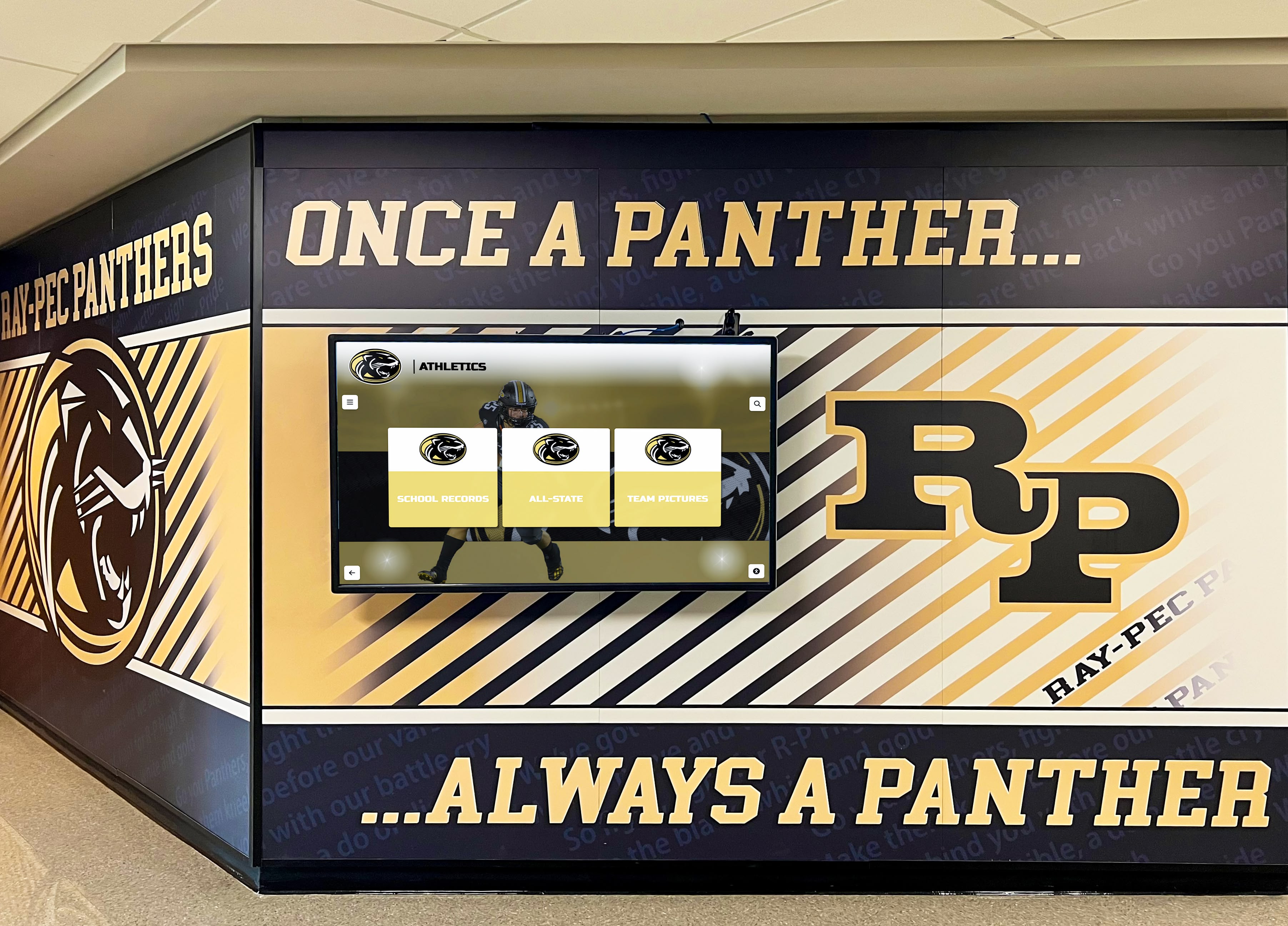
Prominent installations in high-traffic areas ensure recognition receives ongoing attention from employees, visitors, and stakeholders
Personalizing Recognition for Maximum Impact
Generic, one-size-fits-all recognition feels perfunctory regardless of award quality or ceremony production value. Meaningful recognition reflects individual employees’ contributions, preferences, and unique organizational impact.
Customized Recognition Components
Several strategies increase personalization:
Specific Contribution Highlights: Rather than generic “thank you for your service” messages, reference specific projects, initiatives, relationships, or accomplishments that defined each employee’s tenure. This specificity demonstrates genuine awareness and appreciation rather than formulaic acknowledgment.
Career Timeline Narratives: For significant milestones like twenty-five years, create narrative descriptions of employee career progressions—positions held, major accomplishments, challenging projects navigated, mentorship relationships, and organizational contributions spanning their tenure. These stories provide context that generic plaques cannot convey.
Colleague Testimonials: Collect appreciation messages from supervisors, peers, direct reports, and cross-functional partners who can speak to specific impacts individual employees created. Multi-perspective testimonials demonstrate broad appreciation while providing authentic recognition more powerful than executive form letters.
Photo Collections: Compile photos documenting employees throughout their tenure—early career images, project team photos, event participation, award presentations, and current portraits. Visual progressions create emotional connections while documenting organizational history through individual experiences.
Preference-Based Award Selection: Offer milestone recipients choice in recognition forms—selecting preferred physical awards from curated options, choosing between experiential rewards, or indicating whether they prefer public or private recognition. Respecting individual preferences ensures recognition feels personally meaningful rather than organizationally convenient.
Generational Considerations in Recognition Design
Workforce age diversity requires recognition approaches resonating across generational cohorts with different preferences and values:
Baby Boomers (Born 1946-1964): Employees in this cohort typically value traditional recognition symbols—formal plaques, executive acknowledgment, public ceremonies, and tangible awards commemorating achievement. Recognition emphasizing loyalty, dedication, and organizational contribution resonates strongly.
Generation X (Born 1965-1980): This generation often prefers practical recognition over ceremonial approaches. Flexible rewards, work-life balance enhancements, professional development opportunities, and autonomy-based recognition appeal more than elaborate ceremonies they might find uncomfortable or time-wasting.
Millennials (Born 1981-1996): Younger employees value authentic, personalized recognition over generic awards. They appreciate public acknowledgment through social platforms, opportunities to share accomplishments within professional networks, experiences over possessions, and recognition connecting to larger purpose or impact beyond individual achievement.
Generation Z (Born 1997-2012): Early-career Gen Z employees expect digital-first experiences with seamless mobile access, social sharing integration, visual appeal, and recognition demonstrating organizational values alignment. They value growth opportunities and skill development as recognition forms alongside traditional appreciation.
Effective programs accommodate generational diversity through flexible options rather than assuming uniform preferences. Surveys assessing employee recognition preferences provide valuable data informing program design decisions.
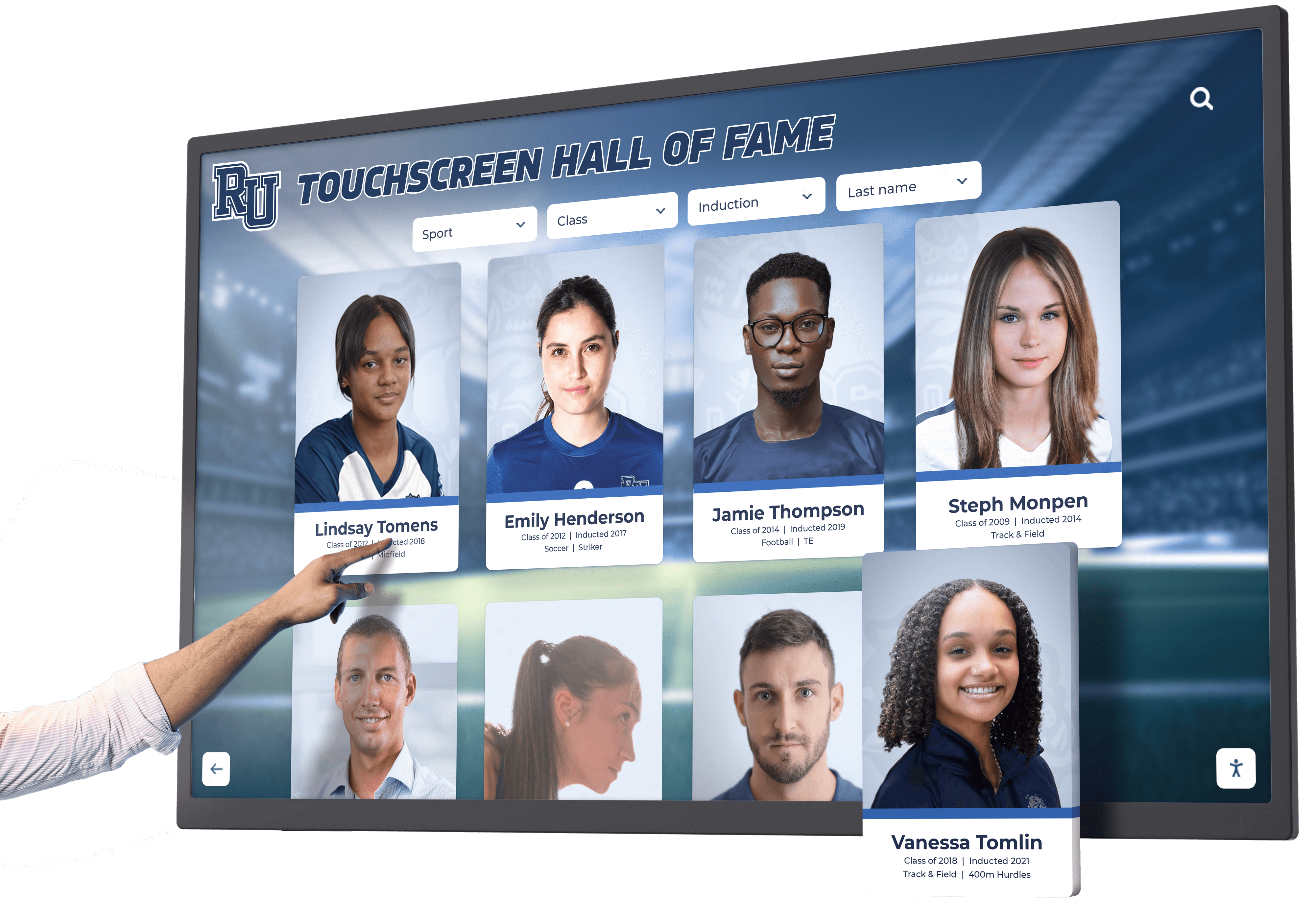
Touchscreen interfaces enable intuitive exploration encouraging employees to discover colleagues' achievements and organizational service history
Integrating Service Recognition with Broader Engagement Strategies
Years of service awards programs deliver maximum value when integrated with comprehensive employee engagement and retention strategies rather than operating as isolated initiatives.
Connection to Career Development Programs
Service recognition naturally connects to career advancement and professional growth:
Milestone Career Conversations: Use service anniversaries as structured opportunities for career development discussions—reflecting on accomplishments, identifying future aspirations, addressing skill development needs, and exploring advancement possibilities. Anniversary-triggered conversations ensure regular career planning touchpoints rather than ad-hoc scheduling.
Tenure-Based Development Opportunities: Offer professional development benefits tied to service milestones—increased training budgets at five years, leadership program eligibility at ten years, executive coaching access at fifteen years, or conference attendance sponsorship at twenty years. Connecting recognition to growth opportunities reinforces that organizations value continued employee development.
Mentorship Role Transitions: Encourage experienced employees celebrating major milestones to formalize mentorship relationships with less-tenured staff, creating structured knowledge transfer while providing leadership opportunities that senior employees find rewarding.
Recognition Program Evolution and Assessment
Effective recognition programs require ongoing evaluation and refinement:
Employee Feedback Mechanisms: Regularly survey employees about recognition program effectiveness, preferred recognition forms, ceremony satisfaction, and improvement suggestions. Responsive programs evolve based on employee input rather than administrator assumptions about what employees value.
Participation Metric Tracking: Monitor ceremony attendance rates, recognition social media engagement, digital display interaction patterns, and employee participation in choice-based award selection. Declining engagement signals needed program adjustments.
Retention Correlation Analysis: Analyze whether service recognition correlates with improved retention rates among milestone recipients. While causation proves difficult to isolate, tracking retention patterns among recognized employees versus comparable non-milestone peers provides program effectiveness signals.
Manager Satisfaction Assessment: Recognition program administrative burden affects manager satisfaction and program sustainability. Regular assessment of manager experience, time investment, and perceived program value informs process improvements reducing burden while maintaining impact.
Budget Effectiveness Review: Periodically assess whether recognition spending aligns with program objectives and delivers proportional engagement value. Budget analysis might reveal that increasing personalization delivers better results than expanding award costs, or that shifting resources from physical items to experiences improves satisfaction.
Building Recognition Culture Beyond Formal Programs
Years of service milestones represent important recognition moments but shouldn’t comprise entire appreciation strategies:
Regular Informal Appreciation: Encourage managers to provide frequent, specific appreciation for daily contributions rather than reserving recognition exclusively for annual milestone events. Ongoing appreciation creates cultures where employees feel consistently valued rather than occasionally acknowledged.
Peer Recognition Systems: Implement platforms enabling employees to recognize colleagues for helpful collaboration, exceptional work, or positive cultural contributions. Peer acknowledgment often carries more emotional weight than top-down recognition from executives removed from daily work.
Project-Based Recognition: Celebrate major project completions, successful launches, crisis navigations, or significant client wins through specific recognition acknowledging teams and individuals who contributed. Achievement-based recognition complements tenure recognition while emphasizing performance excellence.
Values-Aligned Recognition: Connect recognition to organizational values by specifically acknowledging employees who exemplify cultural principles through their work approach, collaboration style, problem-solving methods, or client interactions. Values-based recognition reinforces desired behaviors while celebrating individuals modeling cultural expectations.
Comprehensive recognition strategies combine service milestone celebration with ongoing appreciation creating cultures where employees feel consistently valued rather than periodically acknowledged.
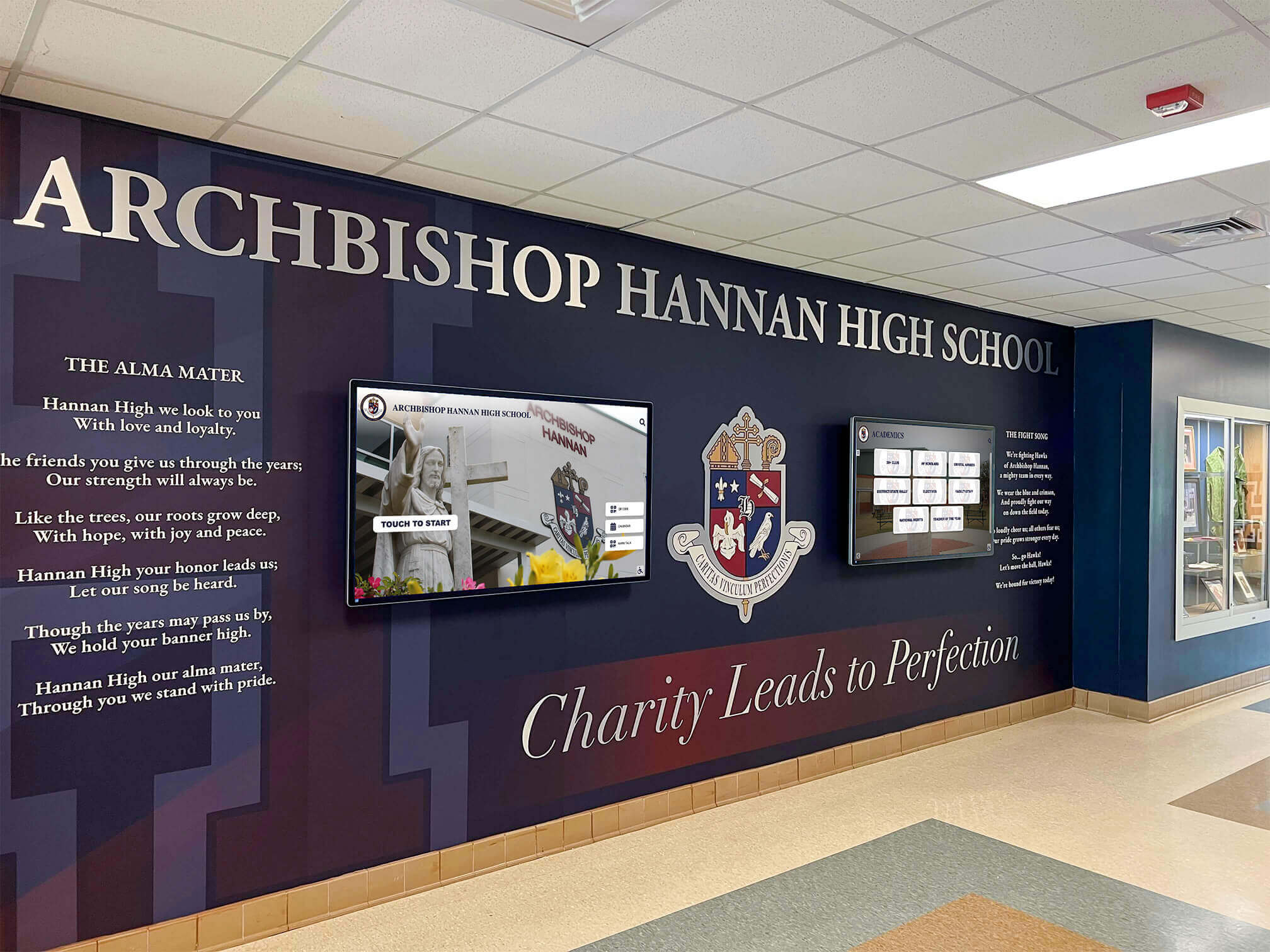
Professionally designed recognition installations create impressive focal points demonstrating organizational commitment to employee appreciation
Budget Planning and Resource Allocation
Effective service recognition requires thoughtful budget planning balancing meaningful recognition with fiscal responsibility.
Establishing Per-Milestone Budget Guidelines
Organizations typically allocate recognition budgets based on milestone significance:
One-Year Recognition: $25-50 per employee for certificates, small tokens, or digital recognition entries.
Five-Year Milestones: $100-250 per employee for quality plaques, gift cards, or choice-based awards demonstrating substantial appreciation.
Ten-Year Recognition: $300-600 per employee for premium awards, significant experiential rewards, or combined physical and monetary recognition.
Fifteen-Year Milestones: $400-700 per employee maintaining momentum between decade milestones with meaningful recognition.
Twenty-Year Recognition: $600-1,000 per employee for exceptional milestone requiring substantial acknowledgment.
Twenty-Five Year Recognition: $1,500-3,000 per employee for premium recognition befitting extraordinary loyalty—fine jewelry, elaborate plaques, substantial travel awards, or custom experiences.
Thirty-Plus Years: Custom recognition at premium levels appropriate to exceptional achievement circumstances.
These ranges vary significantly based on organizational size, industry norms, geographic cost of living, and overall compensation structures. Budget guidelines should reflect organizational context while ensuring recognition feels meaningful relative to milestone significance.
Resource Allocation Considerations
Beyond per-employee award costs, effective programs require broader resource investment:
Administrative Time: HR staff, managers, and support personnel invest time tracking anniversaries, ordering awards, planning celebrations, and executing recognition. Organizations should budget for this administrative burden through adequate staffing or process automation reducing manual work.
Digital System Investment: Organizations implementing modern recognition platforms face upfront costs for software licensing, hardware purchases, installation, customization, content migration, and training. While initial investment feels substantial, annual per-employee costs decline dramatically compared to traditional approaches once systems operate at scale.
Ceremony Production: Organizations hosting recognition events incur costs for venue rental, catering, audio-visual equipment, invitations, programs, photography, and decorations. These costs scale with event sophistication and attendance but create memorable experiences justifying investment.
Communication Materials: Recognition visibility requires investment in internal communication—newsletter features, social media content, display updates, and printed materials. Quality communication extends recognition impact beyond initial presentation moments.
Program Management: Effective recognition programs benefit from dedicated coordination—whether full-time recognition program manager roles in large organizations or partial role assignments in smaller institutions. Clear ownership ensures consistent execution and continuous improvement.
Cost-Effective Recognition Strategies
Budget constraints needn’t prevent meaningful recognition. Several strategies maximize impact within resource limitations:
Digital-First Recognition: Prioritize investment in comprehensive digital recognition platforms providing unlimited scalability rather than expensive per-employee physical awards. Digital approaches reduce long-term costs while enabling richer recognition experiences.
Tiered Recognition Emphasis: Concentrate celebration emphasis on five-year intervals while providing simpler recognition for intermediate years. This concentration ensures major milestones feel truly special without overwhelming annual budgets.
Experience Over Expense: Many employees value meaningful experiences—executive lunches, special access, unique opportunities—that cost organizations little but deliver significant perceived value. Creative experiential recognition stretches budgets while creating memorable moments.
Peer Recognition Integration: Leverage low-cost peer appreciation platforms enabling regular informal recognition supplementing formal milestone programs. Frequent low-cost appreciation often delivers more cumulative engagement than occasional expensive awards.
Volunteer Recognition Committees: Engage employee volunteers in recognition planning, celebration coordination, and program improvement rather than relying exclusively on paid staff. Volunteer involvement distributes workload while building recognition culture through peer participation.
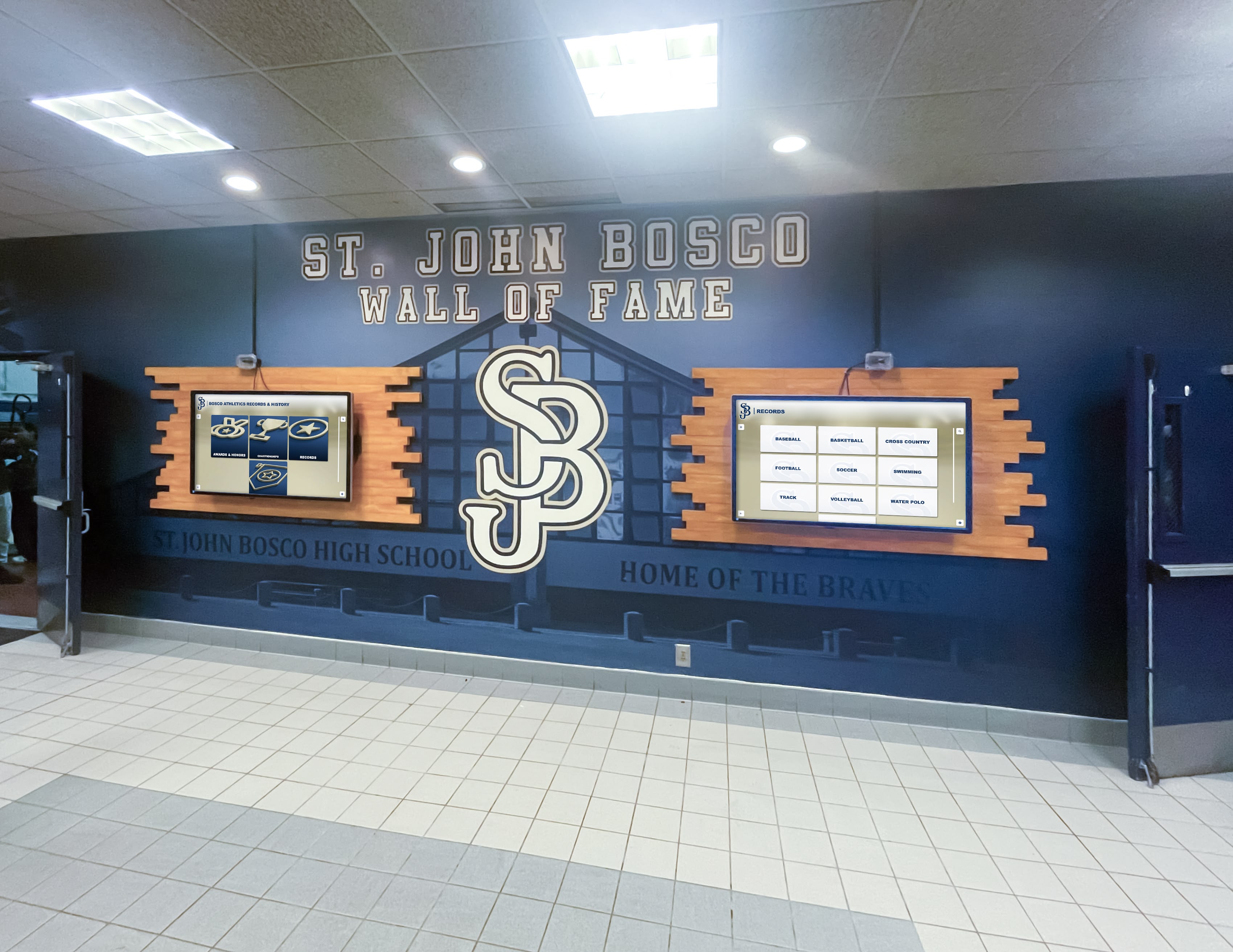
Dual-display installations accommodate comprehensive recognition content while creating visually impressive organizational centerpieces
Special Considerations for Diverse Organizations
Organizations with unique workforce characteristics require recognition program adaptations addressing specific circumstances.
Remote and Distributed Workforce Recognition
Geographically dispersed teams face particular recognition challenges:
Virtual Ceremony Options: Host recognition events through video conferencing platforms enabling remote participation. High-production virtual events with professional facilitation, multimedia presentations, and interactive elements create engaging experiences despite physical distance.
Shipped Recognition Packages: Send milestone awards, celebration boxes, or personalized gift packages directly to remote employees’ homes with coordinated delivery timing creating shared celebration moments across locations.
Regional Celebration Hubs: For organizations with multiple office locations, coordinate simultaneous recognition events across sites creating unified celebration experiences while accommodating geographic distribution.
Digital Recognition Emphasis: Web-based recognition platforms prove particularly valuable for distributed workforces ensuring all employees receive equal recognition visibility regardless of physical location. Digital recognition systems accessible from any location eliminate the headquarters-centric bias inherent in physical display approaches.
Union and Collective Bargaining Environments
Unionized workplaces require special recognition program considerations:
Contract Language Review: Ensure recognition programs comply with collective bargaining agreement provisions regarding employee recognition, awards, and non-monetary compensation. Some contracts specify recognition protocols requiring adherence.
Equitable Application: Union environments demand scrupulous equity ensuring all employees at equivalent tenure receive identical recognition regardless of performance variations, supervisory relationships, or departmental differences. Consistency prevents grievances and maintains labor relations.
Union Partnership: Involve union representatives in recognition program design, milestone criteria establishment, and celebration planning. Partnership creates buy-in while ensuring programs respect collective bargaining relationships and honor organized labor values.
Multi-Generational and Culturally Diverse Workforces
Diverse employee populations require recognition approaches accommodating varied preferences:
Flexible Recognition Options: Offer choice-based recognition enabling employees to select preferred award forms, ceremony participation levels, and public visibility options respecting individual cultural norms and personal preferences.
Inclusive Ceremony Design: Structure celebrations accommodating diverse dietary restrictions, religious observances, family structures, and accessibility needs. Inclusive design ensures all employees feel welcomed and valued during recognition events.
Culturally Sensitive Messaging: Recognition communications should avoid assumptions about family structures, religious practices, cultural norms, or lifestyle choices. Inclusive language ensures all employees feel recognized without inadvertently excluding or offending through cultural insensitivity.
Translation and Multilingual Support: Organizations with non-English-speaking employees should provide recognition materials, ceremony content, and digital platform interfaces in employees’ preferred languages ensuring full access regardless of English fluency.
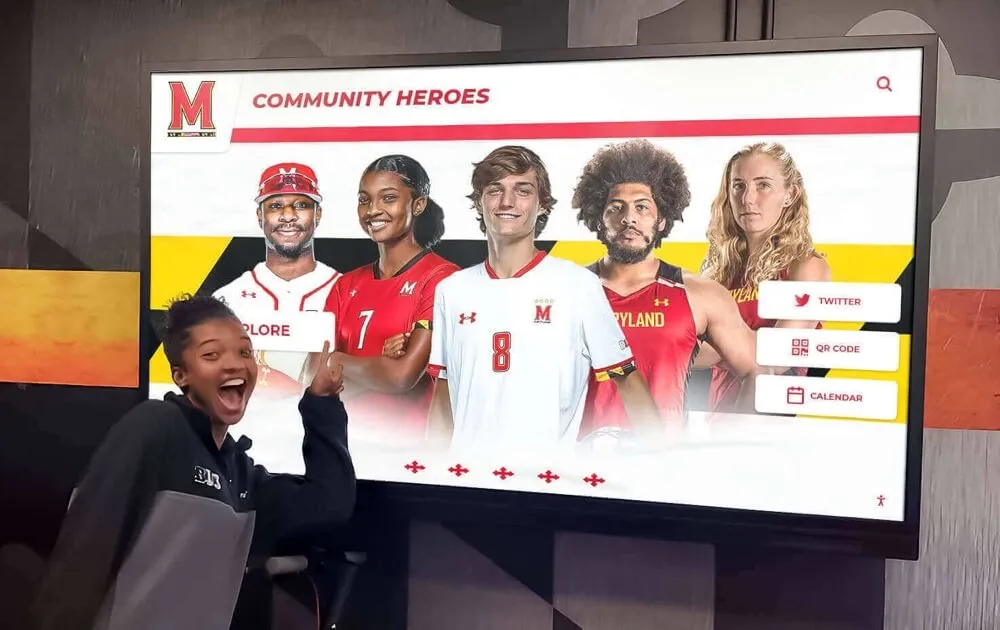
Accessible interfaces accommodate diverse users ensuring all employees can explore and engage with recognition content comfortably
Measuring Program Effectiveness and ROI
Service recognition programs represent significant organizational investments warranting rigorous effectiveness assessment and return-on-investment analysis.
Key Performance Indicators
Track these metrics to assess program health and impact:
Recognition Completion Rate: What percentage of eligible milestone anniversaries actually receive planned recognition? Gaps indicate administrative failures requiring process improvements.
Ceremony Participation: How many eligible employees attend recognition ceremonies relative to those invited? Declining attendance signals needed programming adjustments or scheduling modifications.
Employee Satisfaction Scores: Survey milestone recipients about recognition program satisfaction, personalization quality, ceremony experiences, and award meaningfulness. Direct feedback provides invaluable improvement insights.
Digital Engagement Metrics: For organizations implementing digital recognition platforms, track page views, search queries, time-on-site, return visits, and social sharing rates indicating whether systems deliver engaging experiences employees voluntarily explore.
Retention Correlation: Compare retention rates between milestone recipients and tenure-matched peers who haven’t yet reached recognition thresholds. While isolating causation proves difficult, correlation patterns suggest recognition impact on departure decisions.
Manager Program Assessment: Survey managers about administrative burden, program value perception, implementation consistency, and improvement suggestions. Manager satisfaction affects program sustainability and execution quality.
Budget Adherence: Monitor actual recognition spending against budgeted amounts, tracking cost-per-employee across milestone levels ensuring fiscal sustainability while delivering intended impact.
Return on Investment Analysis
Quantifying recognition program ROI requires connecting program costs to measurable business outcomes:
Retention Impact Calculation: If service recognition correlates with even modest retention improvements—perhaps 5-10% among milestone recipients—calculate avoided replacement costs. Retaining just a handful of experienced employees often generates returns exceeding total program costs.
Engagement Score Correlation: Organizations measuring employee engagement should analyze whether recognized employees demonstrate higher engagement scores than comparable peers. Engagement improvements correlate with productivity gains, customer satisfaction, and reduced absenteeism creating quantifiable value.
Employer Brand Enhancement: Recognition programs contribute to employer reputation through employee testimonials, social media content, and word-of-mouth recommendations. While difficult to quantify precisely, brand improvements influence recruiting efficiency and candidate quality.
Internal Promotion Rates: Track whether long-tenured employees receiving recognition demonstrate higher internal advancement rates than peers. Recognition programs supporting retention of promotable employees create succession pipeline value.
Cultural Assessment Impact: Include recognition program satisfaction in broader culture surveys tracking whether employees perceive authentic appreciation. Cultural health correlates with numerous performance outcomes justifying recognition investment.
While perfect ROI calculation proves elusive given multiple confounding variables, directional evidence of retention impact, engagement correlation, and cultural contribution demonstrates that thoughtfully designed recognition programs deliver returns justifying ongoing investment.
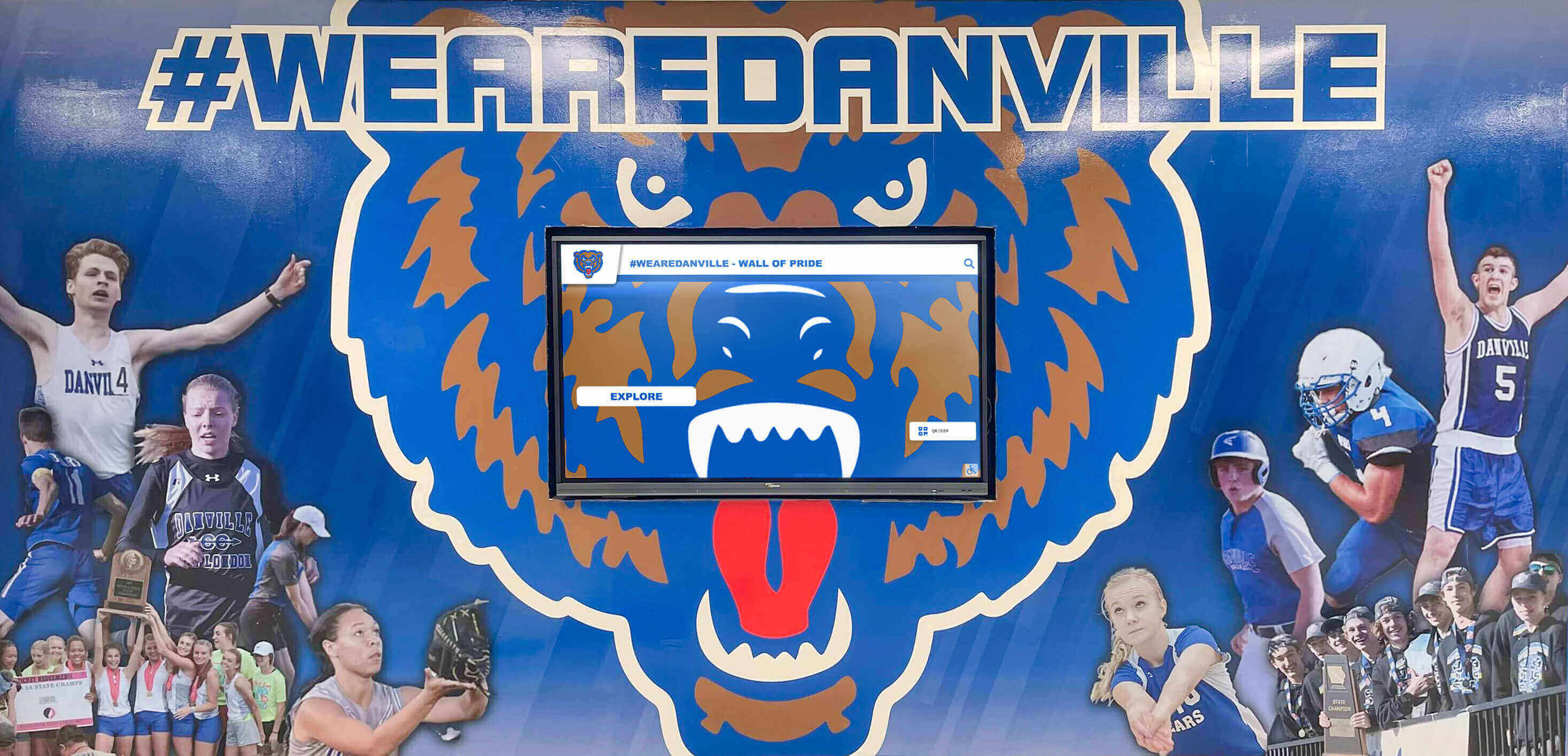
Recognition displays integrated into branded environments create cohesive visual experiences reinforcing organizational identity
Implementation Roadmap: Launching or Revitalizing Your Program
Organizations building new recognition programs or revitalizing underperforming existing initiatives should follow structured implementation approaches:
Phase 1: Assessment and Planning (Months 1-2)
Current State Analysis: Document existing recognition practices, budget allocation, administrative processes, employee satisfaction, and program gaps requiring attention.
Stakeholder Input: Survey employees, interview managers, consult executives, and gather representative feedback about recognition preferences, valued milestone intervals, and desired program characteristics.
Benchmark Research: Investigate recognition practices at comparable organizations, industry standards, and best practice examples informing program design decisions.
Budget Establishment: Define total available recognition budget, per-employee allocation frameworks, milestone-specific spending ranges, and ceremony investment parameters.
Policy Development: Draft formal recognition program policies documenting eligibility criteria, milestone definitions, recognition components, process workflows, and administrative responsibilities.
Phase 2: Design and Communication (Months 3-4)
Award Selection: Choose physical recognition options, experiential reward catalogs, monetary award amounts, and choice-based selection mechanisms offering appropriate variety while maintaining administrative simplicity.
Ceremony Planning: Design celebration formats, venue selection, attendance expectations, program elements, and production requirements creating meaningful experiences without excessive complexity.
Technology Evaluation: If implementing digital recognition, evaluate platform options, schedule vendor demonstrations, compare capabilities and costs, and select solutions meeting organizational needs. Providers like Rocket Alumni Solutions offer specialized recognition platforms designed specifically for comprehensive employee and stakeholder appreciation programs.
Process Documentation: Create detailed process manuals, timeline templates, communication scripts, tracking spreadsheets, and administrative guides enabling consistent program execution.
Launch Communication: Develop multi-channel communication campaigns announcing new or revised programs, explaining eligibility and benefits, showcasing examples, and generating enthusiasm for upcoming recognition.
Phase 3: Implementation (Months 5-6)
System Setup: Configure tracking systems, implement automated reminders, establish award ordering workflows, and prepare administrative infrastructure supporting program operation.
Staff Training: Train HR personnel, managers, and administrative staff on program details, process expectations, timeline requirements, and their specific responsibilities.
Initial Recognition Cycle: Execute first milestone recognition batch under new program provisions, carefully monitoring execution quality, timing adherence, and process effectiveness.
Digital System Launch: If implementing technology platforms, complete installation, content migration, staff training, and public launch with supporting communication campaigns.
Feedback Collection: Gather early feedback from initial recognition recipients, participating managers, and administrative staff identifying immediate adjustment needs.
Phase 4: Optimization and Scaling (Months 7-12)
Process Refinement: Adjust workflows, communication timing, budget allocation, or recognition components based on early implementation experience and stakeholder feedback.
Manager Coaching: Provide additional support to managers struggling with responsibilities, timeline adherence, or personalization expectations ensuring consistent program execution.
Recognition Backlog Management: For existing employees at milestone anniversaries during program launch, develop catch-up recognition plans ensuring retroactive acknowledgment preventing perception gaps.
Impact Assessment: Begin tracking retention correlation, engagement improvements, participation rates, and satisfaction scores establishing baseline metrics for ongoing program evaluation.
Continuous Improvement: Establish regular program review cadences—quarterly assessment meetings, annual comprehensive evaluations, stakeholder feedback sessions—ensuring systematic refinement and sustained effectiveness.
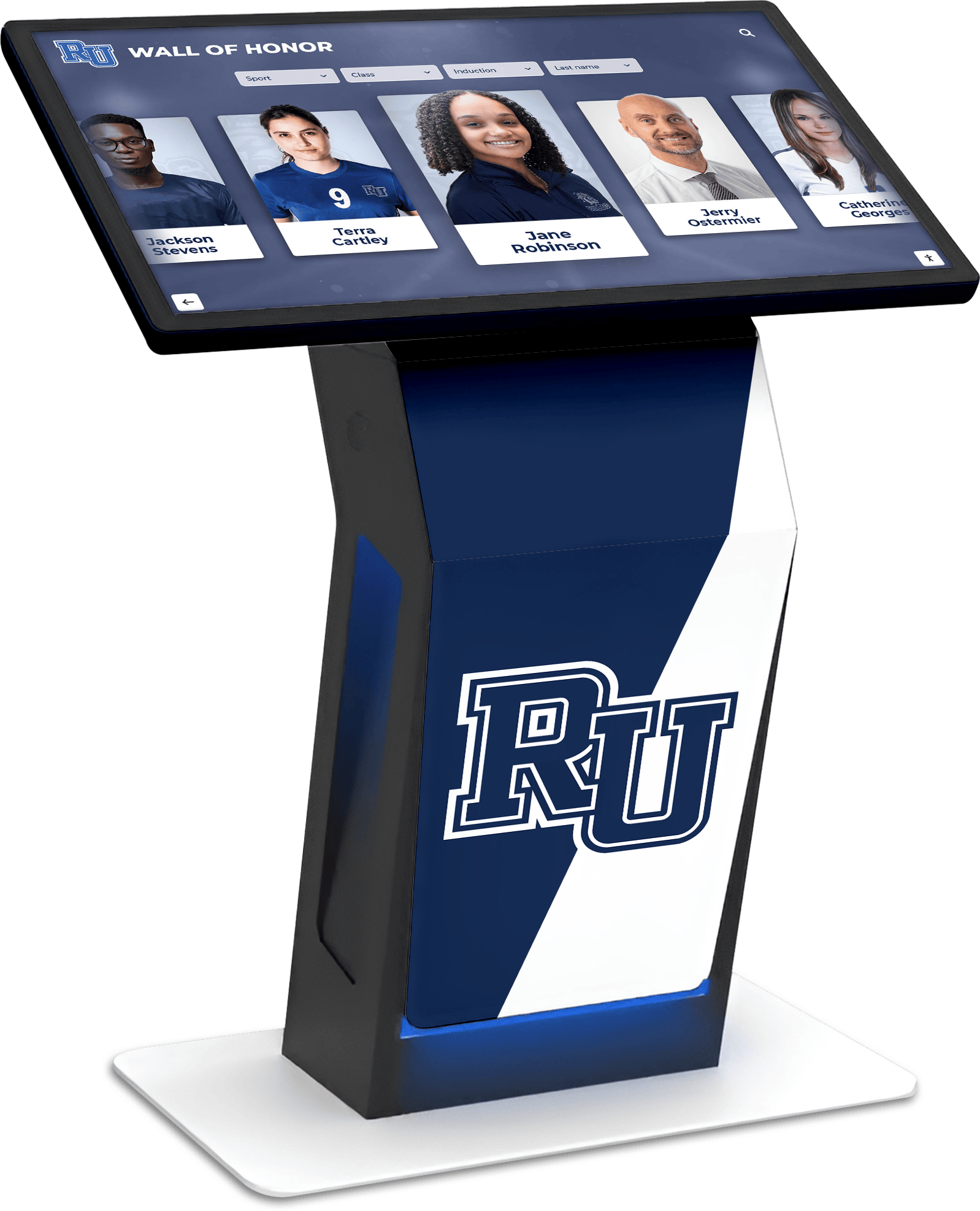
Comprehensive recognition systems combine intuitive user experiences with robust content management enabling sustainable long-term operation
Conclusion: Building Recognition Culture Through Service Celebration
Years of service awards represent more than administrative obligations or occasional gestures toward long-tenured employees. When designed thoughtfully and executed consistently, these programs become powerful retention tools, culture builders, and tangible demonstrations that loyalty, commitment, and contribution receive genuine organizational appreciation.
The most effective recognition programs share several characteristics—clear milestone frameworks balancing recognition frequency with celebration meaningfulness, diverse recognition forms accommodating individual preferences across generational and cultural diversity, scalable administrative systems enabling consistent execution without overwhelming operational burden, meaningful personalization reflecting individual contributions and impact, and permanent visibility extending acknowledgment beyond fleeting ceremony moments.
Modern digital recognition platforms fundamentally enhance service award programs by transforming milestone celebrations from isolated events into permanent institutional narratives accessible to employees, stakeholders, and visitors year-round. Solutions like those provided by Rocket Alumni Solutions combine physical touchscreen installations for high-traffic areas, responsive web platforms for universal access, intuitive content management systems, and dedicated implementation support enabling organizations to create comprehensive recognition ecosystems without specialized technical expertise or ongoing IT dependencies.
Yet technology alone doesn’t guarantee program success. Effective recognition requires authentic organizational commitment to employee appreciation, leadership modeling emphasizing tenure value, budget allocation reflecting milestone importance, administrative discipline ensuring consistent execution, and cultural integration connecting service recognition to broader engagement strategies creating workplaces where people feel consistently valued rather than occasionally acknowledged.
Organizations investing in thoughtful service recognition programs see measurable returns—improved retention rates among high-performing employees, enhanced employer brand attracting quality candidates, strengthened culture supporting engagement and discretionary effort, and preserved institutional knowledge preventing costly expertise losses when experienced employees depart.
Whether implementing new programs or revitalizing underperforming existing initiatives, the frameworks, strategies, and implementation roadmaps outlined in this guide provide practical foundations for building years of service awards that employees genuinely value and organizations can execute sustainably over time.
Recognition done well creates lasting value—for individual employees who feel appreciated, for teams who witness colleagues celebrated, for organizations that retain talent and preserve knowledge, and for cultures where commitment receives acknowledgment worthy of the dedication employees demonstrate through decades of service.
Transform Your Service Recognition Program with Digital Innovation
Discover how digital recognition displays can celebrate unlimited employee milestones while eliminating the space and cost limitations of traditional plaque approaches. Rocket Alumni Solutions provides comprehensive platforms combining physical touchscreens, web accessibility, and intuitive content management designed specifically for organizations building lasting recognition cultures.
Explore Digital Recognition Solutions






























