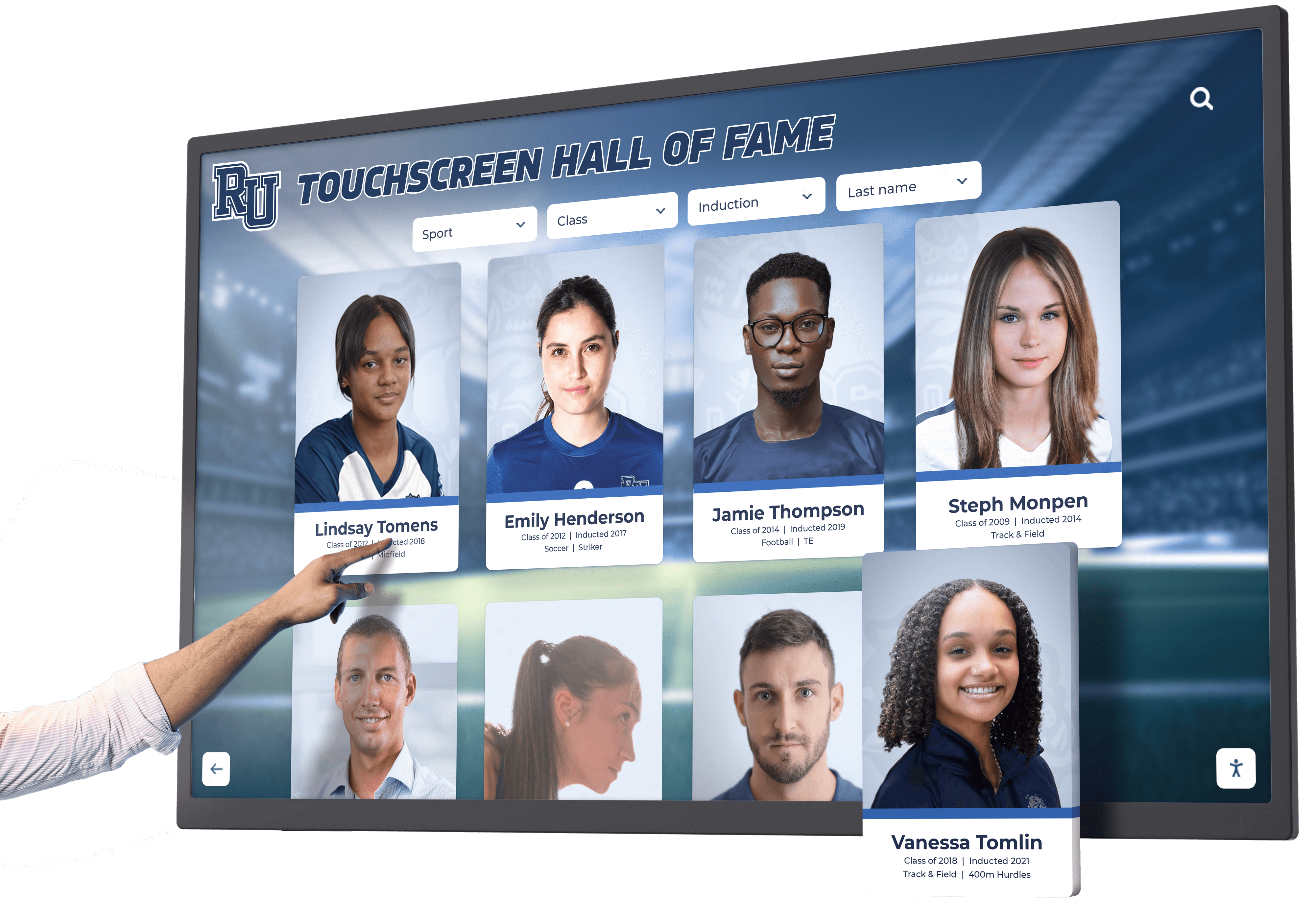
Touchscreen Recognition Display Touch-Latency Test: Measure Response Before Installation Sign-Off
A touchscreen recognition display that passes every network and power test can still fail its audience on the day of a hall of fame induction ceremony — not because the screen is dark or the content is missing, but because it feels sluggish. A visitor taps an athlete’s portrait and waits. They tap again. The panel responds half a second later to the first tap, then immediately to the second, now registering a double action. That half-second gap is touch latency: the time between a finger contacting the screen and the display registering the event in software. In a lobby kiosk or hallway recognition wall, perceived lag at that level is enough to make users stop interacting and walk away.
Read More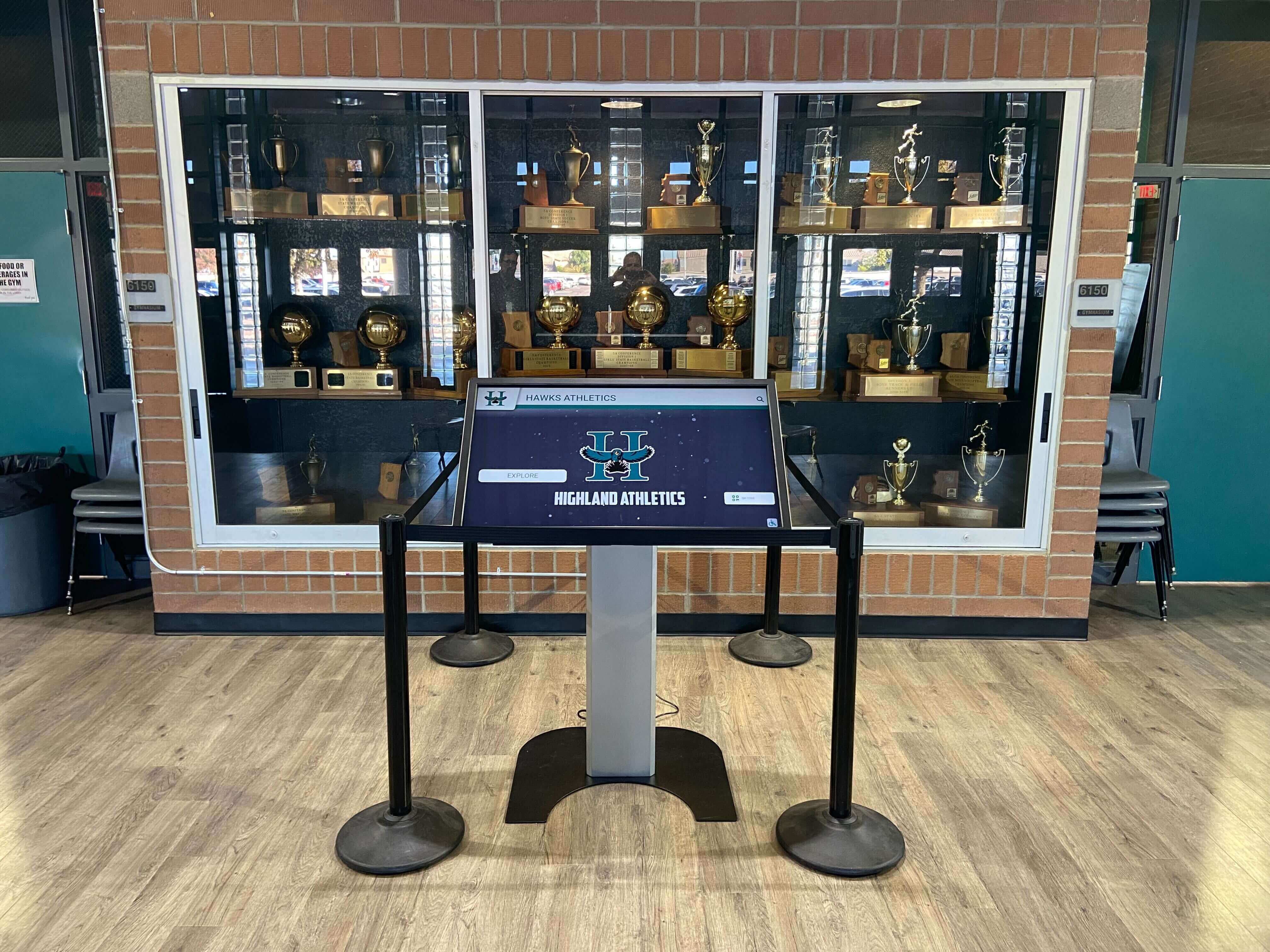
Recognition Display Electrostatic Discharge Protection Checklist for School Installations
A school’s touchscreen recognition display can survive years of daily public interaction—fingerprints, casual bumps, humidity swings—and then fail silently because a technician grabbed the wrong edge of the controller board while swapping a USB cable. Electrostatic discharge is invisible, fast, and cumulative: a single discharge event may not destroy a component outright but can weaken it enough to cause intermittent failures weeks later during a championship ceremony or alumni induction event. In carpeted school hallways where students shuffle past lobby kiosks all day, static voltage buildup is a persistent and underestimated threat.
Read More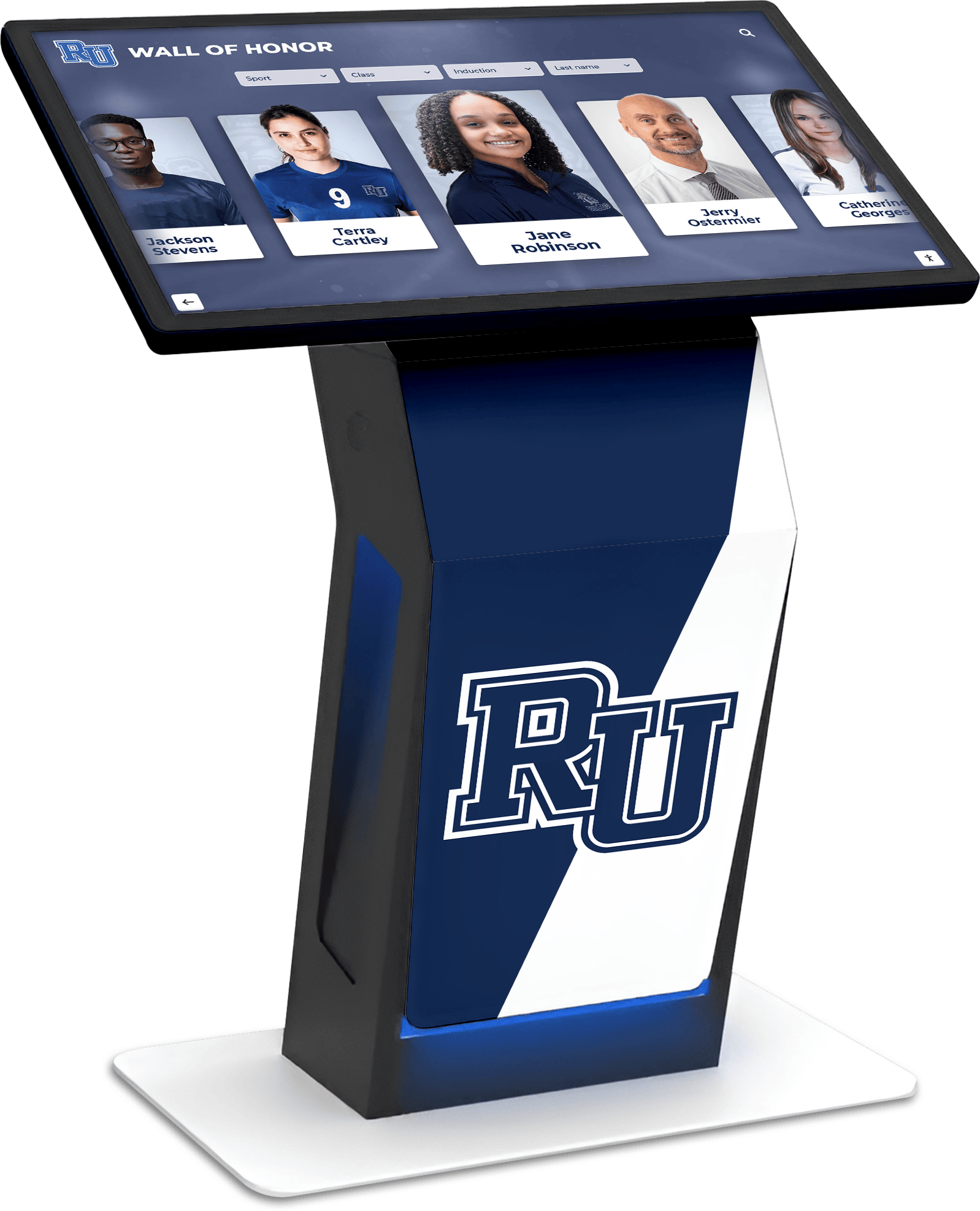
Touchscreen Recognition Display PoE Power Budget Checklist for Schools
A touchscreen recognition display rarely arrives alone. Cameras, occupancy sensors, access-control readers, media players, and wireless access points often travel with it—each one expecting a Power over Ethernet port, each one drawing watts from a switch that has a finite total budget. Schools that skip the PoE power budget calculation discover the problem at the worst possible moment: a camera drops offline the day of a championship ceremony, or a lobby sensor stops responding and the display blanks during an open house. Running the numbers beforehand costs under an hour and prevents all of it.
Read MoreTouchscreen Recognition Display IT Asset Inventory Policy: What Schools Should Track
A touchscreen recognition display is not a flat-screen TV bolted to a wall—it is a networked computer, a licensed software platform, a warranted hardware assembly, and a piece of ADA-regulated public infrastructure. Schools that treat it like a piece of furniture end up in predictable trouble: the vendor needs a serial number for a warranty claim and nobody can find it, a network port is reassigned because IT did not know the display depended on it, or a software subscription lapses silently because the purchasing contact left two years ago.
Read More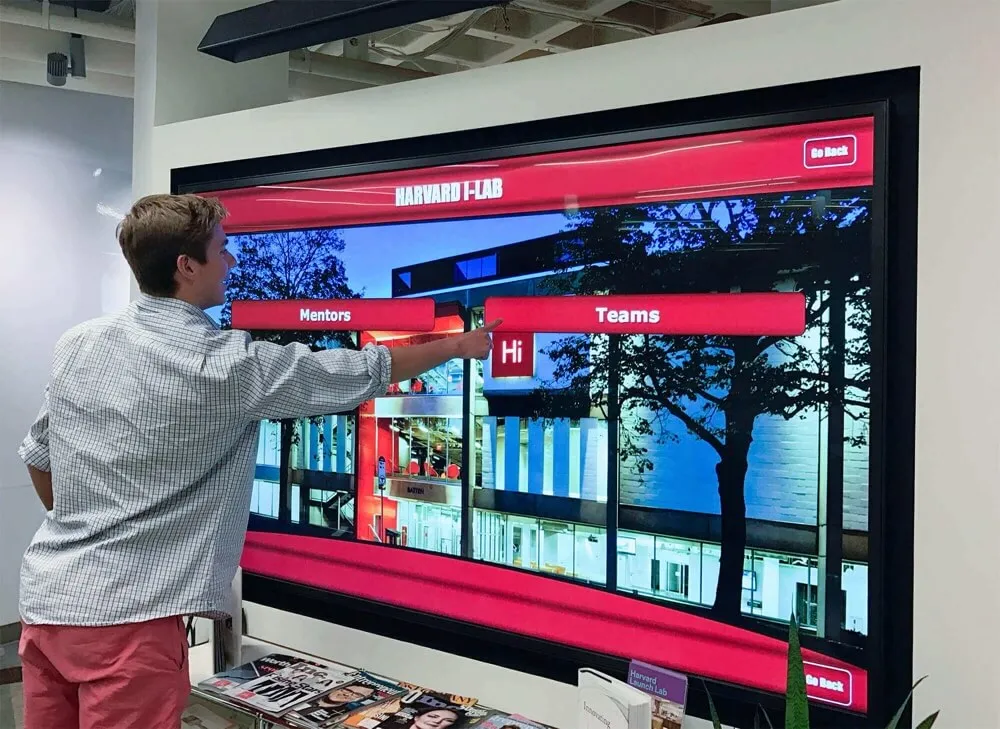
How to Clean and Maintain a School Touchscreen Kiosk (Without Damaging the Screen)
A lobby touchscreen kiosk takes hundreds of taps each day from students, parents, coaches, and visitors—without anyone formally in charge of keeping it clean. Fingerprints, hand lotion, cafeteria residue, and the occasional water-bottle splash all reach the screen before the end of first period. Yet the wrong cleaning product applied by a well-meaning custodian can strip the anti-glare coating in a single pass, void the manufacturer warranty, or leave permanent haze on a commercial-grade panel that cost several thousand dollars to install. This guide gives facilities staff, IT coordinators, and athletic directors a clear, step-by-step playbook for how to clean a touchscreen kiosk safely—and how to keep it running reliably for years through software upkeep and preventive habits.
Read More






























