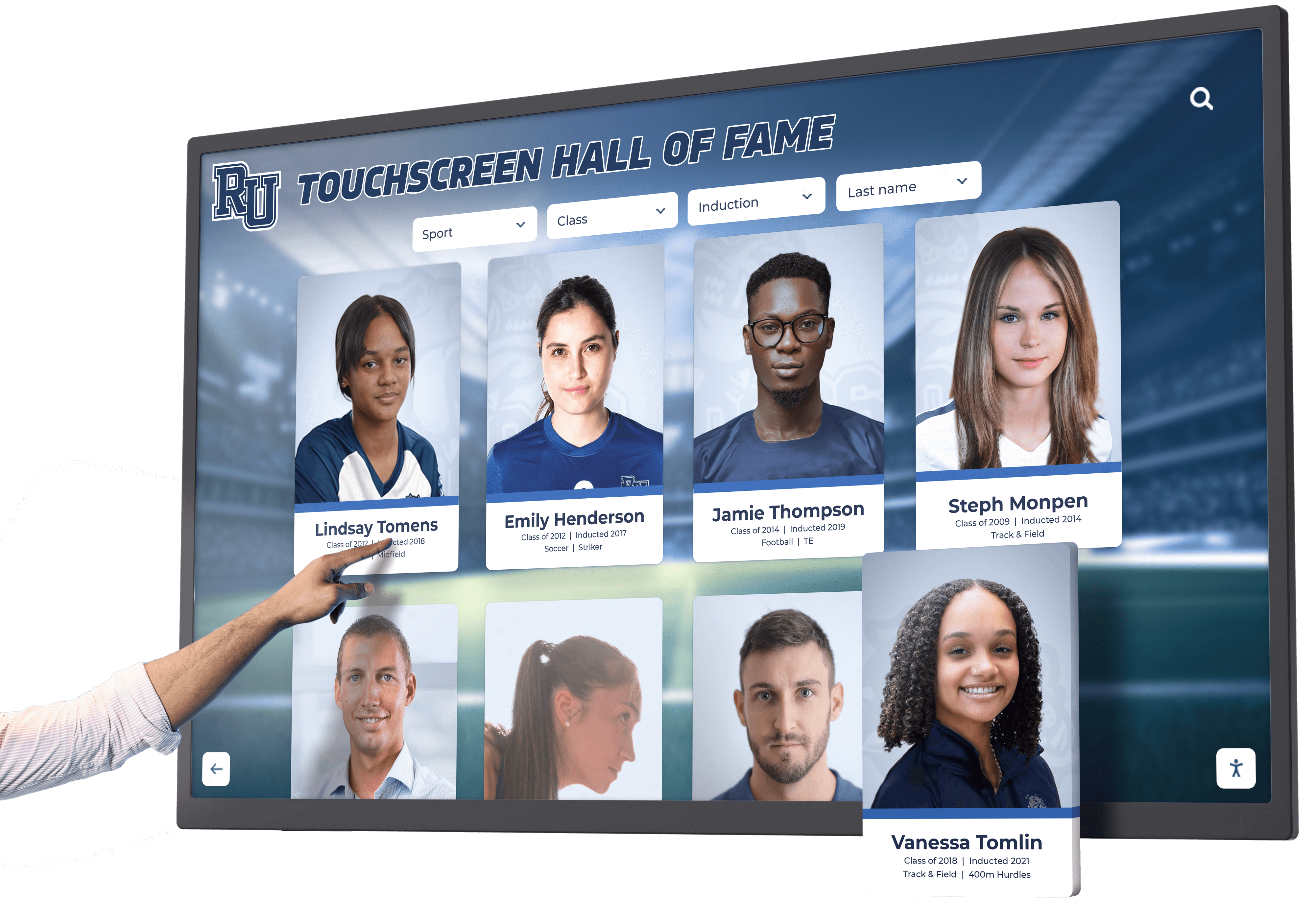
Touchscreen Recognition Display Touch-Latency Test: Measure Response Before Installation Sign-Off
A touchscreen recognition display that passes every network and power test can still fail its audience on the day of a hall of fame induction ceremony — not because the screen is dark or the content is missing, but because it feels sluggish. A visitor taps an athlete’s portrait and waits. They tap again. The panel responds half a second later to the first tap, then immediately to the second, now registering a double action. That half-second gap is touch latency: the time between a finger contacting the screen and the display registering the event in software. In a lobby kiosk or hallway recognition wall, perceived lag at that level is enough to make users stop interacting and walk away.
Read More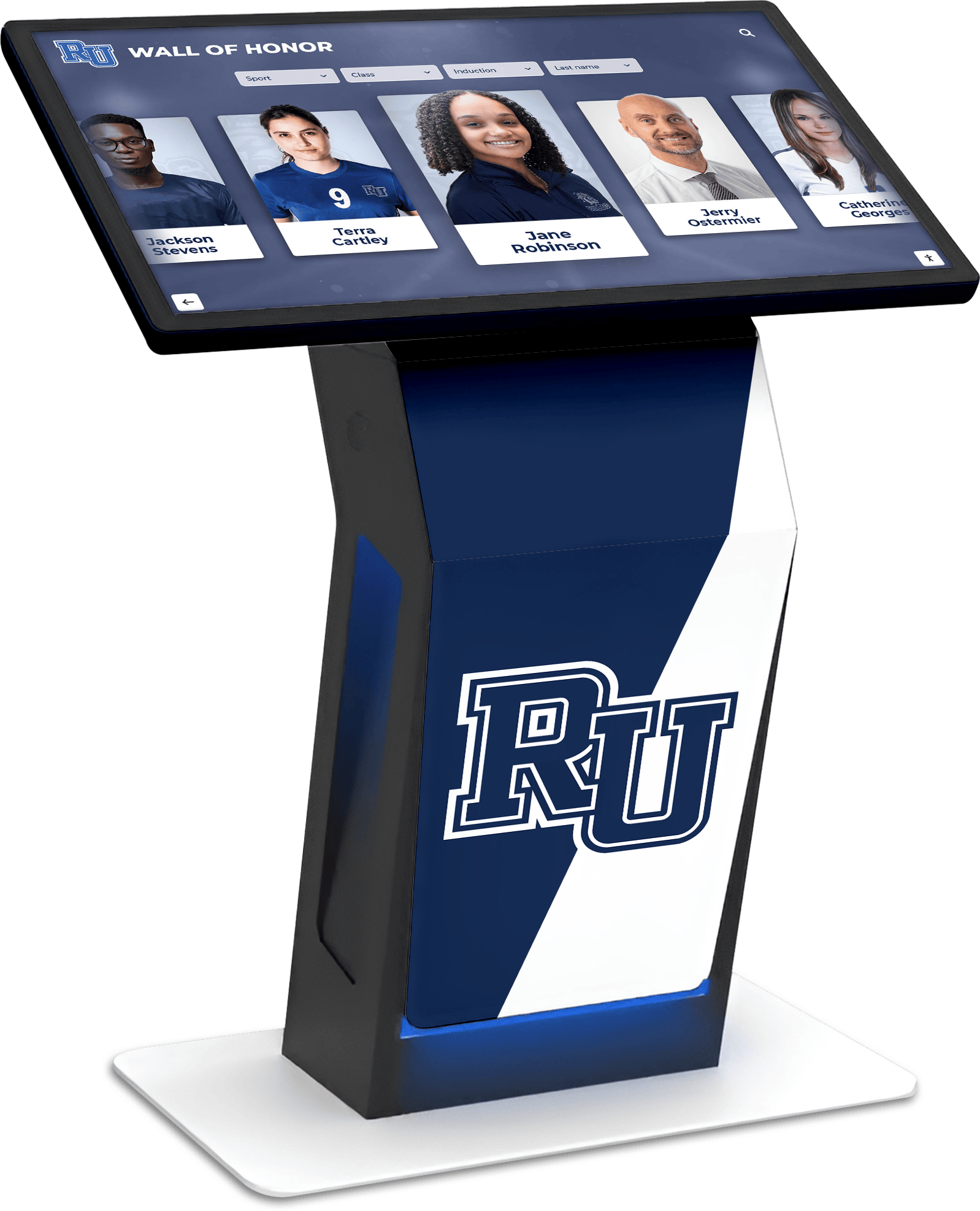
Touchscreen Recognition Display PoE Power Budget Checklist for Schools
A touchscreen recognition display rarely arrives alone. Cameras, occupancy sensors, access-control readers, media players, and wireless access points often travel with it—each one expecting a Power over Ethernet port, each one drawing watts from a switch that has a finite total budget. Schools that skip the PoE power budget calculation discover the problem at the worst possible moment: a camera drops offline the day of a championship ceremony, or a lobby sensor stops responding and the display blanks during an open house. Running the numbers beforehand costs under an hour and prevents all of it.
Read More






























