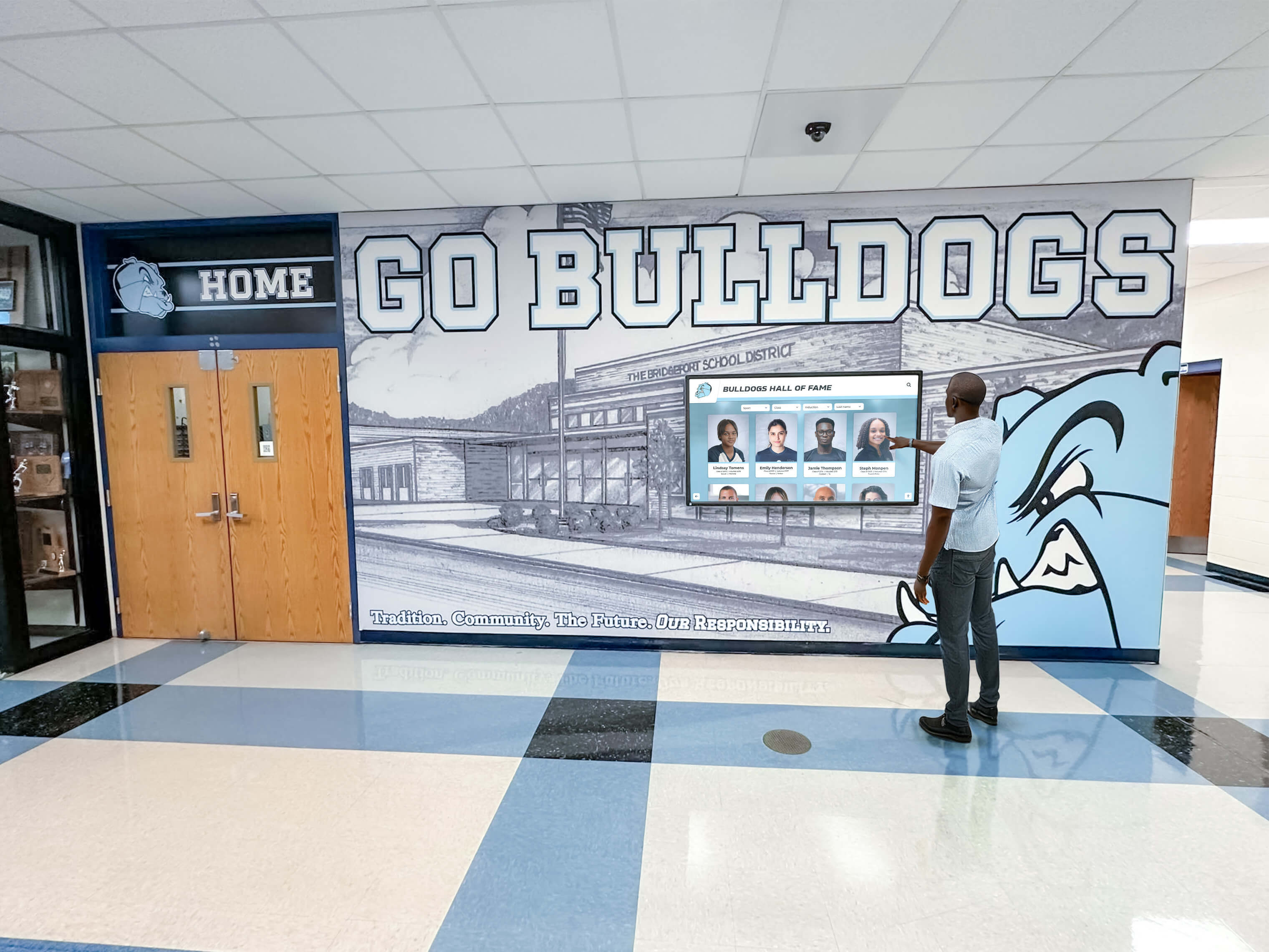
Touchscreen Recognition Display DNS Filtering Checklist: Safe Access Without Breaking Content
A school’s DNS filter does exactly what it is supposed to do when it blocks the recognition display’s CMS from loading: it enforces a deny-by-default policy and the display’s cloud platform is not on the allowlist. The result is a touchscreen kiosk in your lobby that shows a blank screen or an error page during an alumni event, an induction ceremony, or a donor tour. For school IT teams rolling out or tightening content filtering across a network that includes public-facing recognition hardware, the gap between a secure filter and a working display is almost always a missing set of documented allowlist entries.
Read More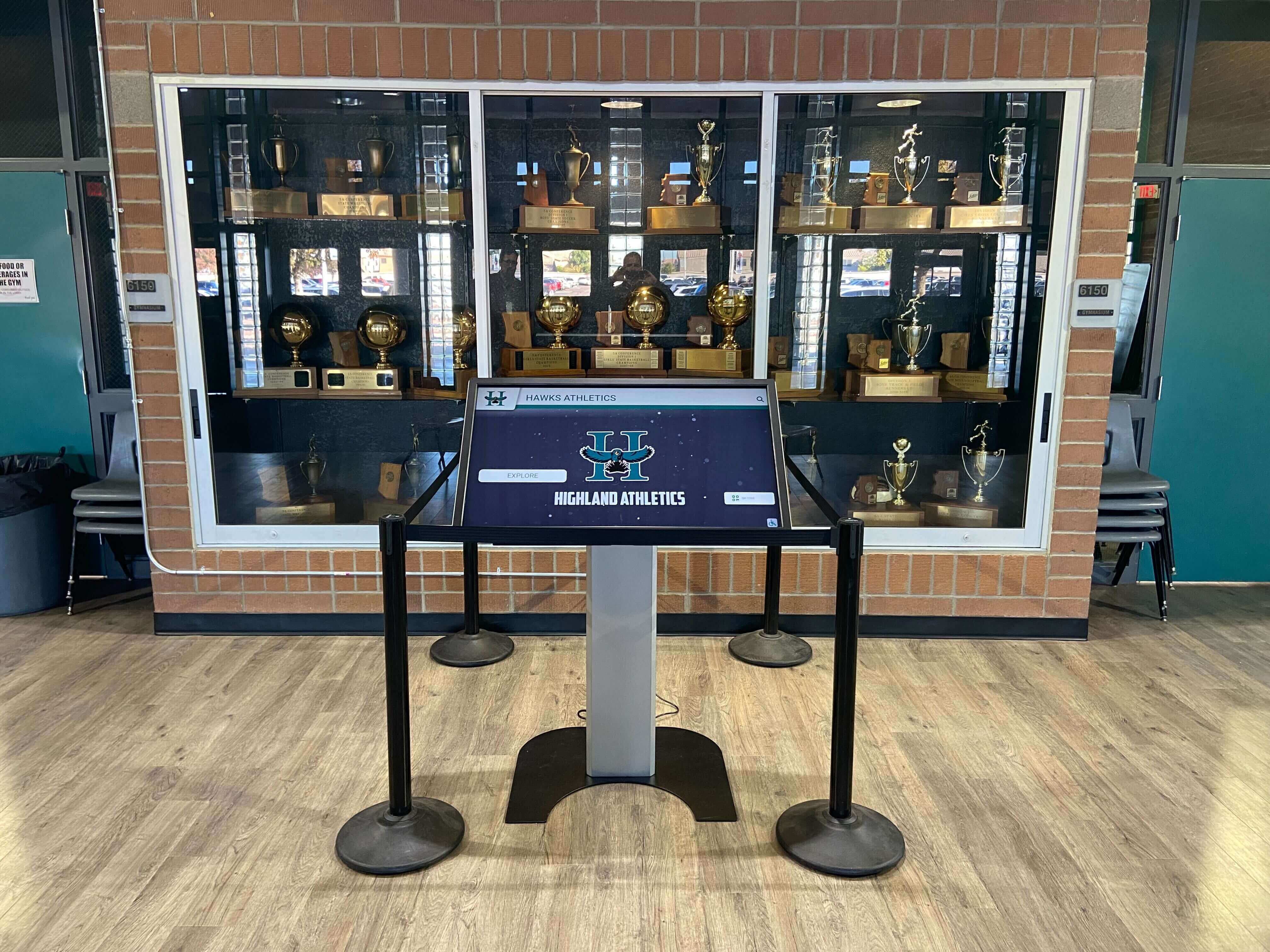
Touchscreen Recognition Display USB Device Control Policy for School IT
A touchscreen recognition display in a school trophy case or athletics hallway is a public-facing endpoint. It runs an operating system, connects to the building network, and—unless policy says otherwise—accepts whatever a visitor plugs into any exposed USB port. An open USB port on an unattended kiosk is a physical vulnerability: anyone who walks past can insert a storage device loaded with autorun malware, attempt a live-boot attack from a bootable drive, quietly copy locally cached content, or connect a USB-based hardware implant that persists between reboots. None of these threats require an internet connection or a sophisticated attacker.
Read More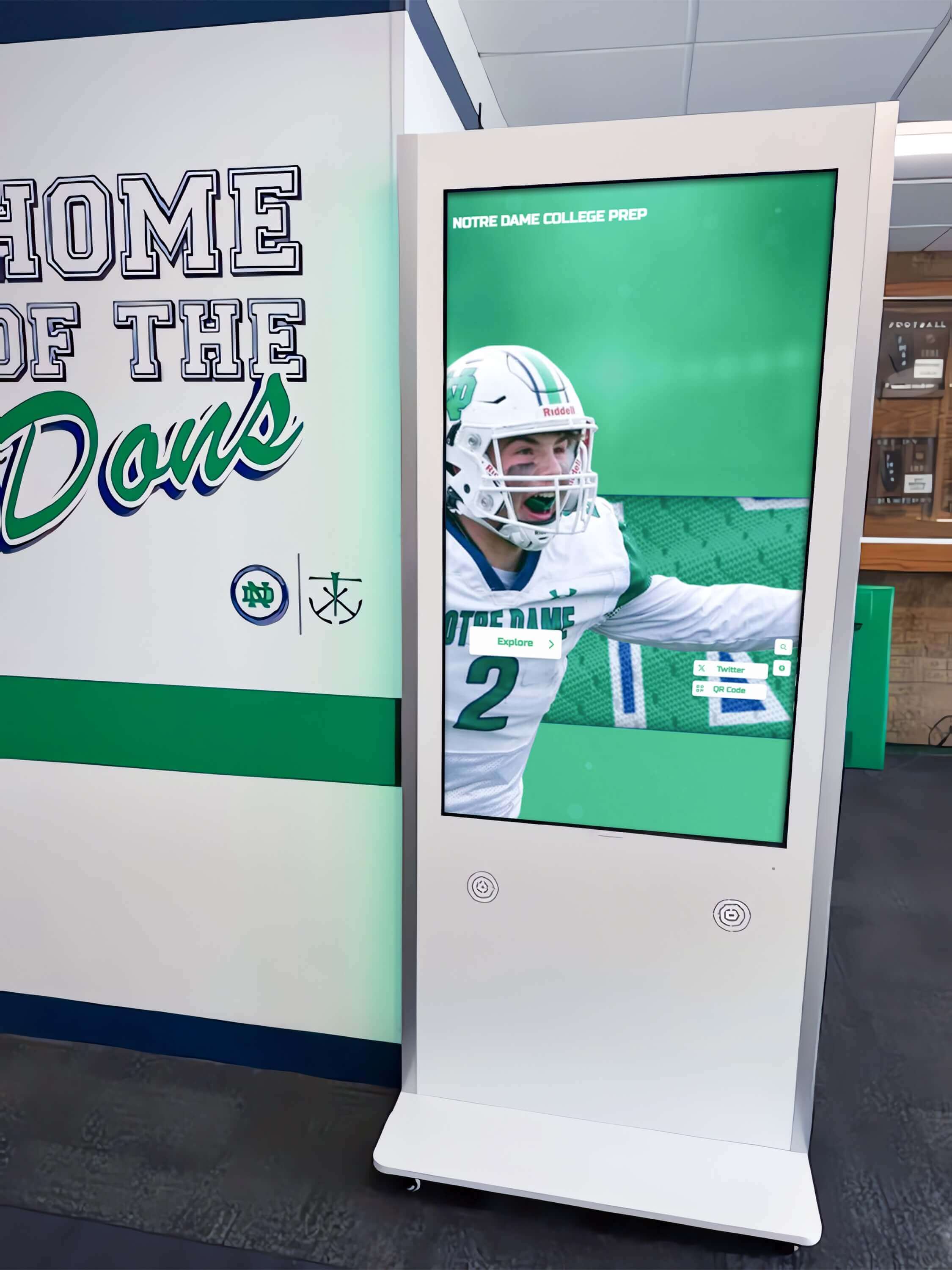
Touchscreen Recognition Display Endpoint Hardening Checklist for School IT Teams
A touchscreen recognition display in a school lobby is not a desktop computer, a classroom device, or a managed workstation. It sits in a high-traffic corridor, it is connected to the same building network that hosts student records and staff email, and it operates unattended for hours at a time with no IT staff in sight. Default out-of-box settings — open USB ports, broad outbound firewall rules, remote desktop enabled, administrator passwords unchanged from the vendor’s staging configuration — are tuned for rapid deployment, not sustained public operation in an educational environment. The same kiosk that scrolls athlete hall of fame profiles during a Friday playoff game is also an endpoint that can be physically prodded, network-probed, and targeted by opportunistic scripts scanning for open services.
Read More






























