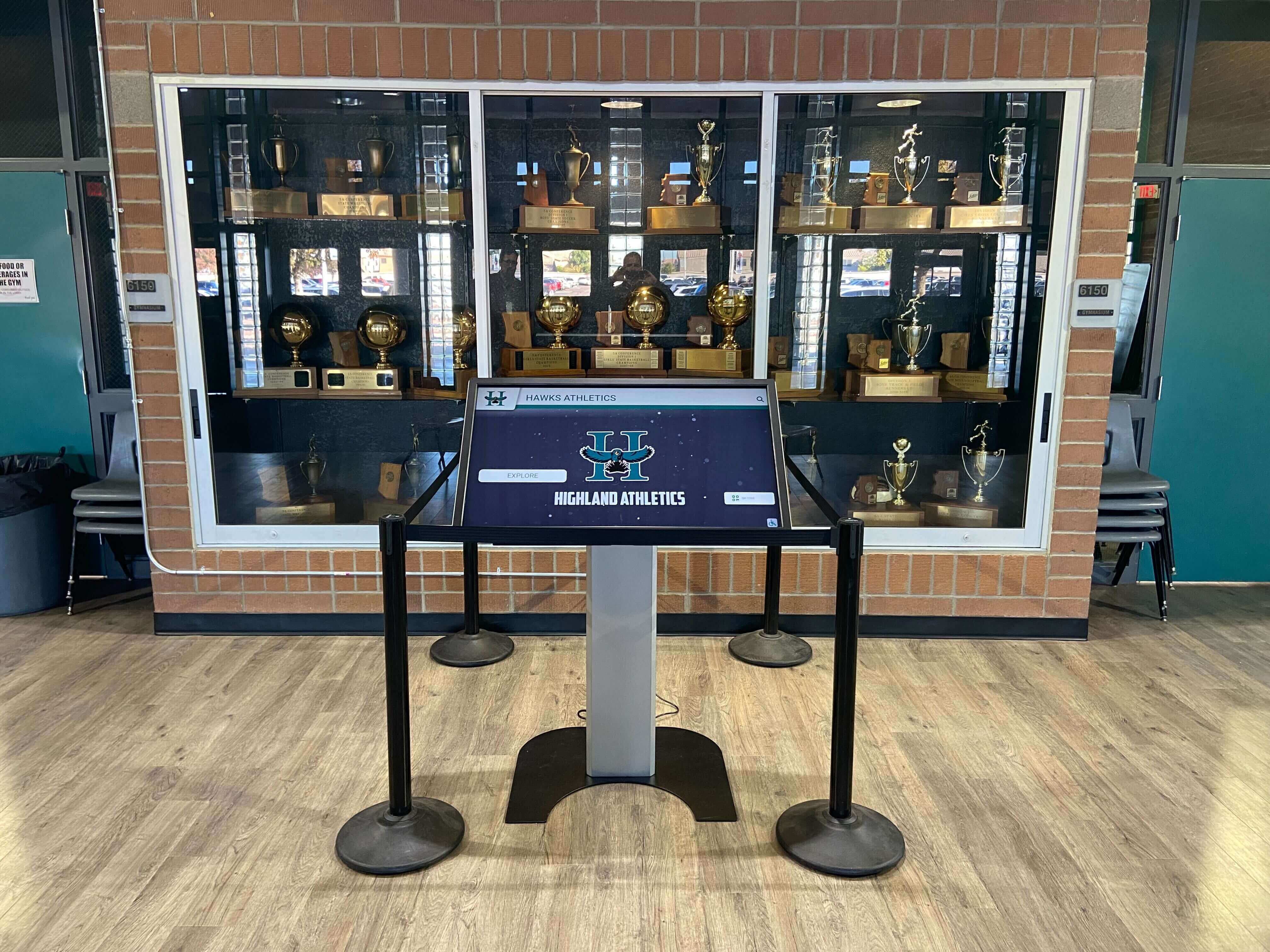
Touchscreen Recognition Display DHCP Reservation Checklist for School Networks
A school’s recognition display reboots during an overnight firmware update and comes back up with a different IP address. Remote monitoring stops alerting. The IT ticket to re-add the display to the remote access tool sits in the queue for three days. A content update scheduled before the athlete-of-the-year ceremony never syncs because the CMS cannot reach the device at its expected address. The kiosk works perfectly in the lobby—it just isn’t reachable from anywhere that matters. The root cause in nearly every case like this is the same: the recognition display was assigned a dynamic lease rather than a DHCP reservation.
Read More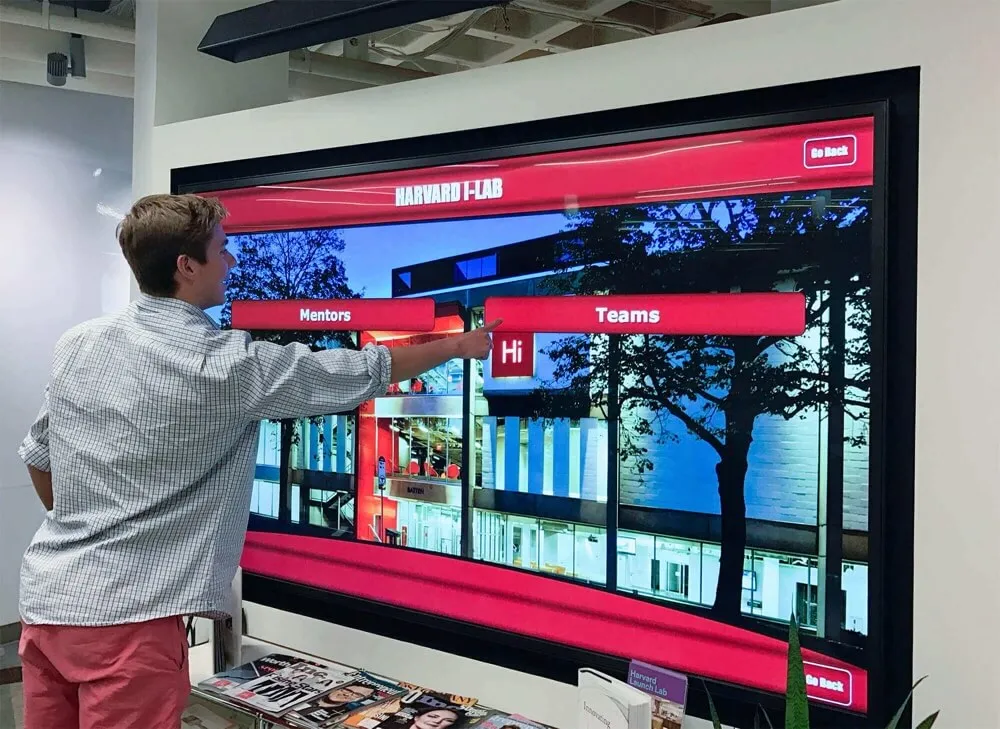
Touchscreen Recognition Display Configuration Baseline Checklist for School IT
A recognition display that ships from a vendor with default administrator credentials, an open remote desktop port, and a publicly routed IP address is not configured for your school’s security posture—it is configured for a warehouse staging bench. Default settings simplify first-time setup; they do not reflect your district’s network segmentation rules, your IT department’s account policies, or your facilities team’s recovery requirements. Without a written document that records every approved setting layer by layer, any technician who touches the display—for a firmware update, a layout change, or a vendor service call—has no reference point for what “correct” looks like. The result is configuration drift: a display whose live settings gradually diverge from what was originally approved, with no record of when, how, or why.
Read More






























