Recognition Display Pixel-Mapping Checklist for Crisp School Graphics and Video
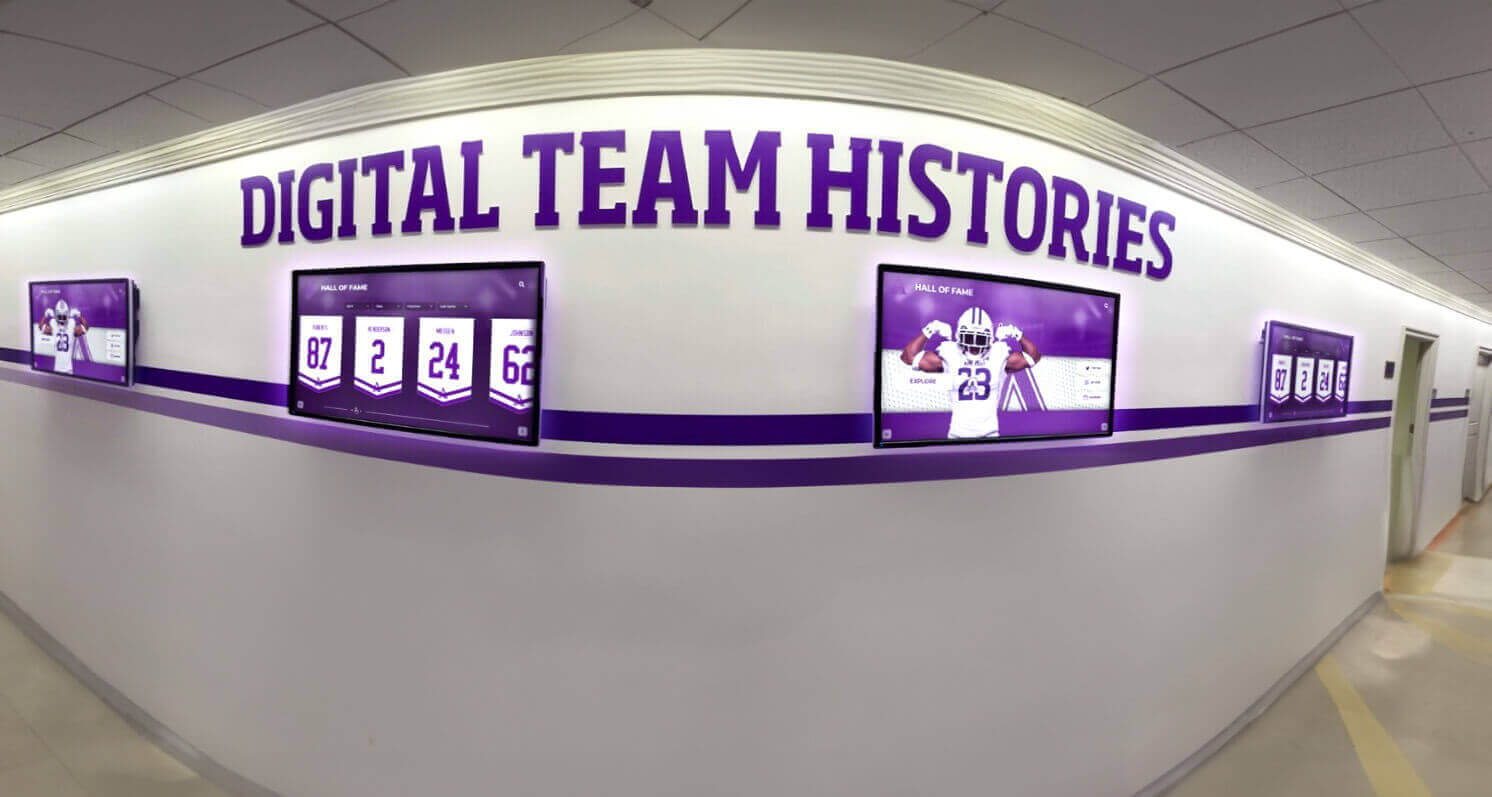
A school’s new 4K recognition display arrives, the hall of fame content is loaded—and the athlete photos look soft, the championship text is slightly blurry, and the historic video frames appear smeared compared to how they look on the editing workstation. The display is on and connected. The resolution reads correctly in Windows. But one thing has gone unchecked: whether the source output and the display panel are operating at a true 1:1 pixel mapping, or whether scaling, overscan, or an intermediate device is silently degrading every image before it reaches the screen.
Read More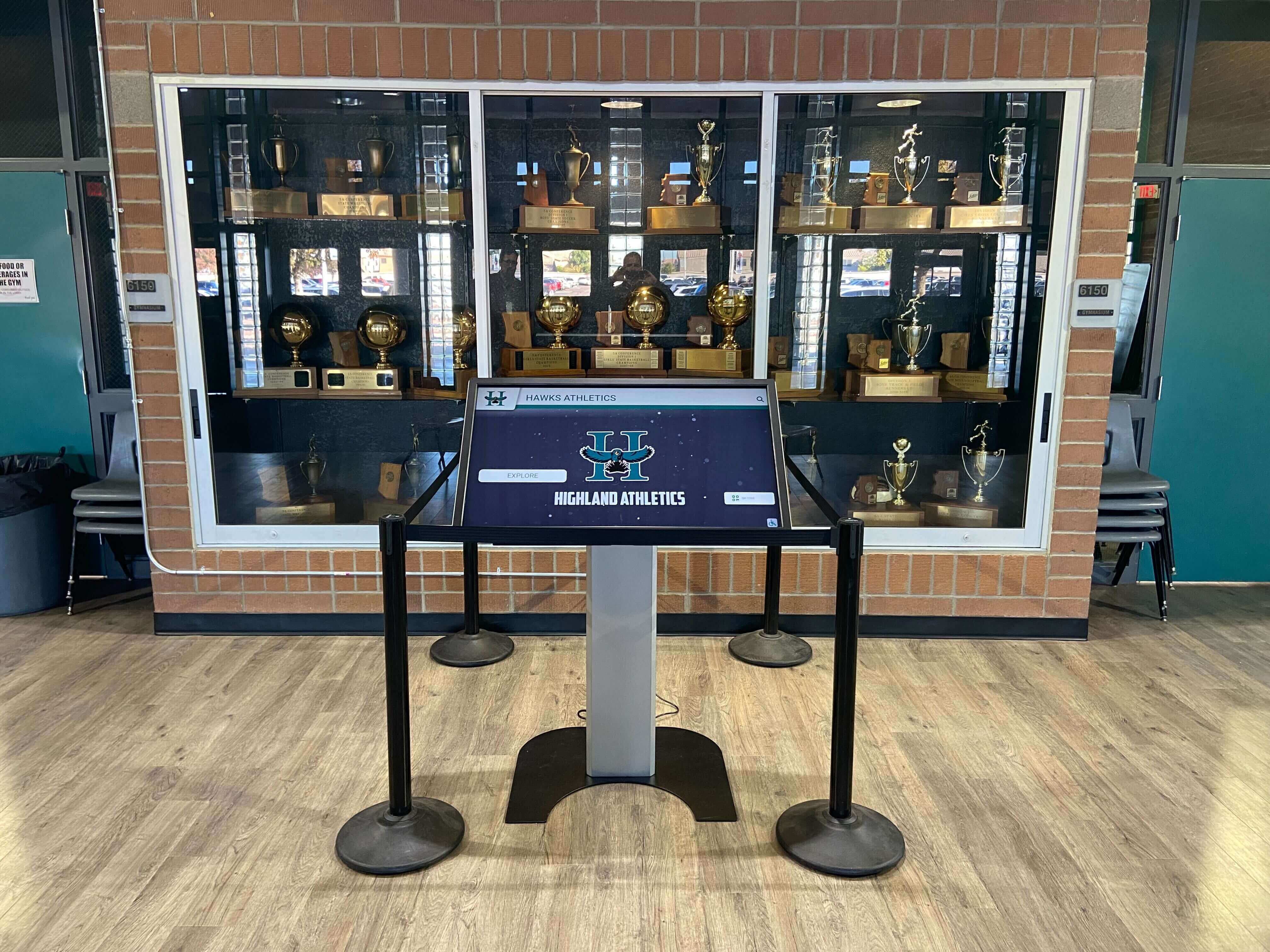
Recognition Display Electrostatic Discharge Protection Checklist for School Installations
A school’s touchscreen recognition display can survive years of daily public interaction—fingerprints, casual bumps, humidity swings—and then fail silently because a technician grabbed the wrong edge of the controller board while swapping a USB cable. Electrostatic discharge is invisible, fast, and cumulative: a single discharge event may not destroy a component outright but can weaken it enough to cause intermittent failures weeks later during a championship ceremony or alumni induction event. In carpeted school hallways where students shuffle past lobby kiosks all day, static voltage buildup is a persistent and underestimated threat.
Read More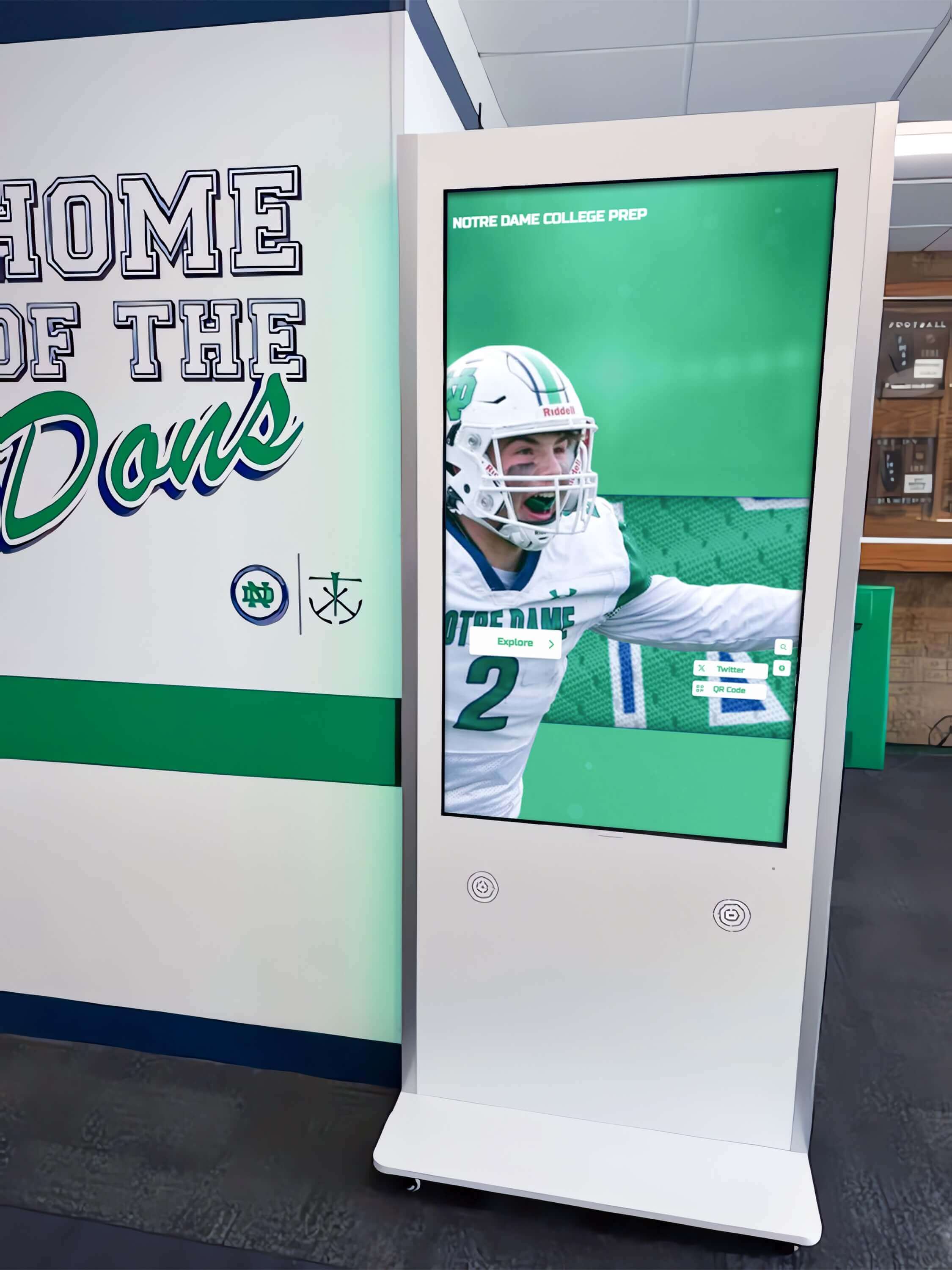
Recognition Display EDID Troubleshooting Checklist for School AV Teams
A school’s touchscreen recognition display is working perfectly on Monday. By Friday—before the athletic banquet—it is showing a scrambled resolution, a black screen, or a “No Signal” message that no cable swap seems to fix. The source device is on. The display is powered. The HDMI cable looks fine. The culprit in most of these cases is not hardware failure: it is an EDID handshake breakdown that happened silently during a routine power cycle, a firmware update, an AV extender restart, or a switch port change.
Read More






























