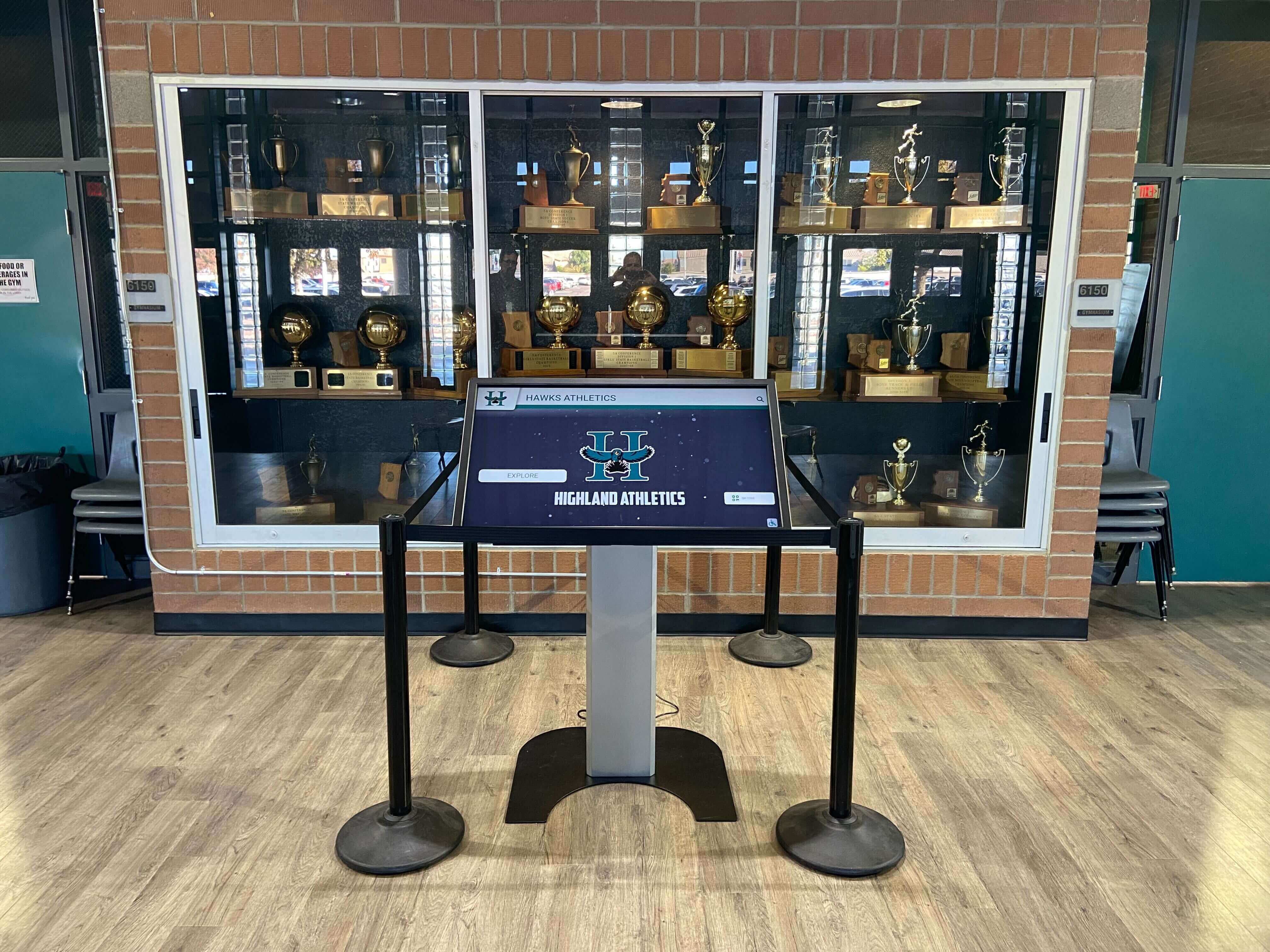
Recognition Display Electrostatic Discharge Protection Checklist for School Installations
A school’s touchscreen recognition display can survive years of daily public interaction—fingerprints, casual bumps, humidity swings—and then fail silently because a technician grabbed the wrong edge of the controller board while swapping a USB cable. Electrostatic discharge is invisible, fast, and cumulative: a single discharge event may not destroy a component outright but can weaken it enough to cause intermittent failures weeks later during a championship ceremony or alumni induction event. In carpeted school hallways where students shuffle past lobby kiosks all day, static voltage buildup is a persistent and underestimated threat.
Read MoreWall-Mounted Touchscreen Display Guide: Sizes, Mounts, and Wiring for Schools
When your facilities team receives approval for a wall-mounted touchscreen display, the real work begins: determining the right screen size for your space, selecting mounting hardware that meets safety and accessibility standards, planning electrical and network connectivity, and ensuring compliance with building codes. These technical decisions directly impact both installation costs and long-term functionality, yet many schools approach them without systematic guidance.
Read More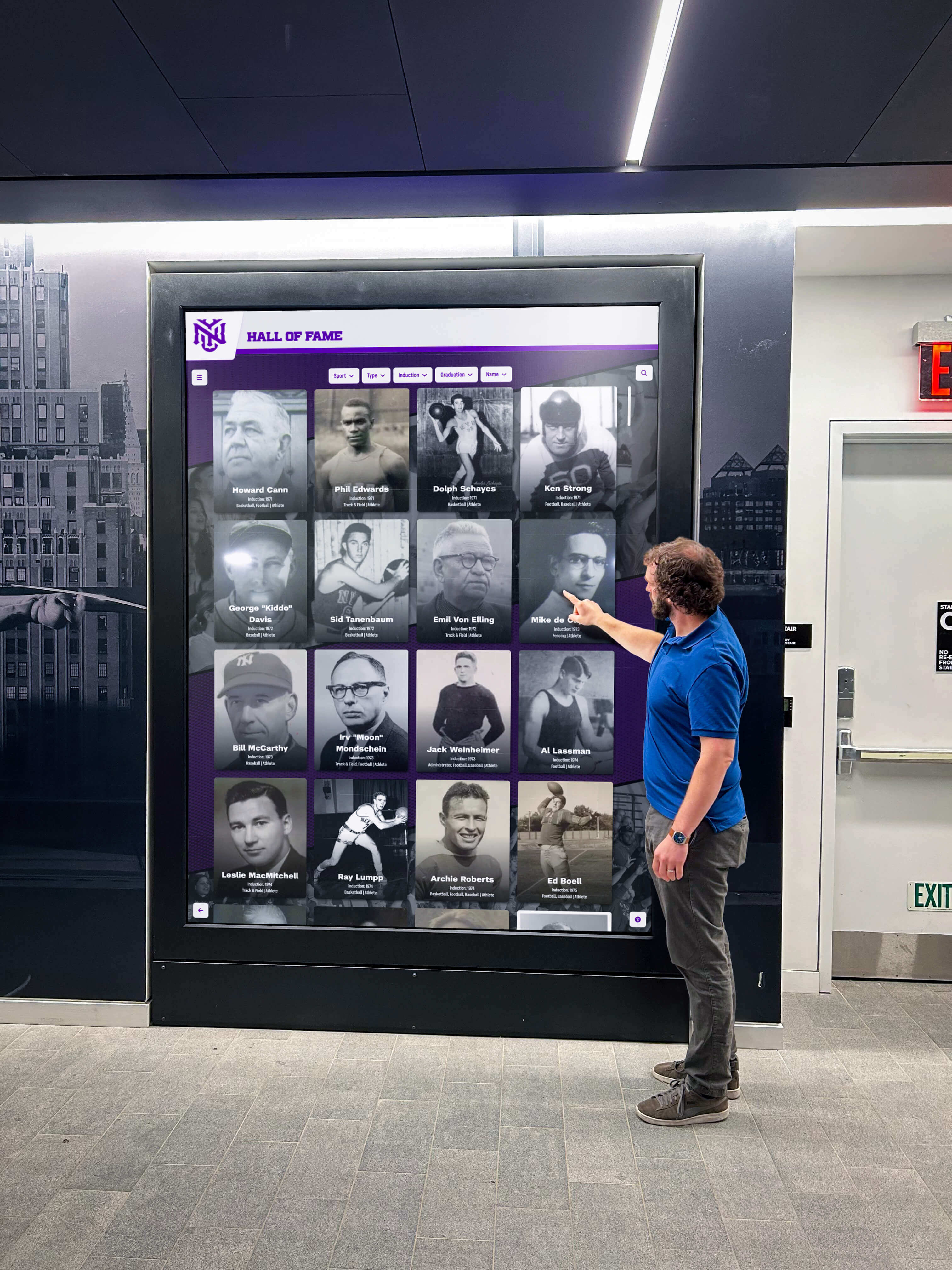
Touchscreen Display Mounting Height for Schools: ADA, Wall of Fame, and Lobby Install Guide
Installing a touchscreen display mounting height for schools incorrectly creates accessibility barriers, forces uncomfortable user postures, and can even violate ADA compliance requirements. Facilities directors and IT coordinators face a surprisingly complex decision: mount too high and wheelchair users cannot reach; mount too low and standing users must crouch awkwardly; ignore federal accessibility guidelines and risk compliance violations.
Read More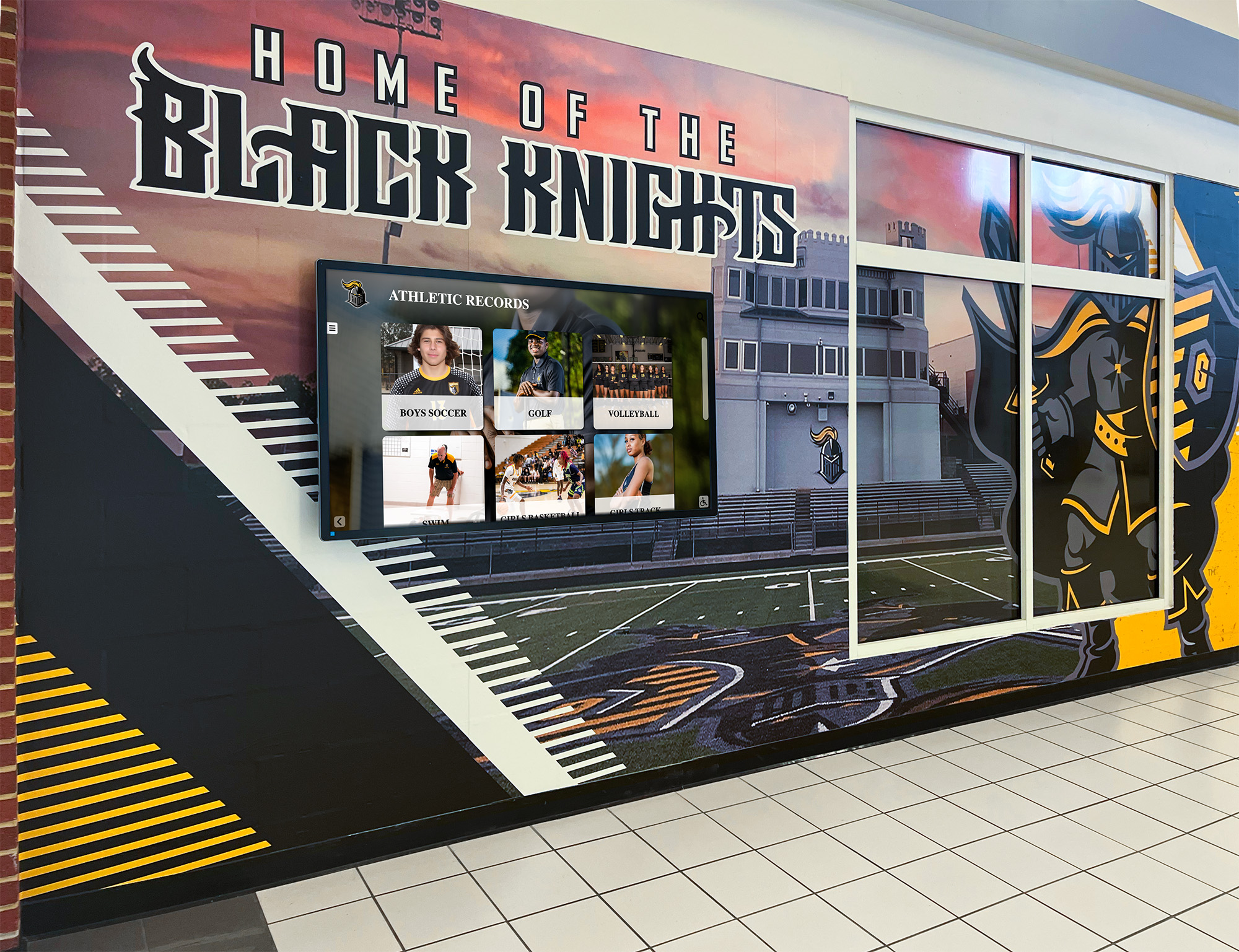
How to Mount a Touchscreen Display in a School: Step-by-Step Installation Guide
Installing a touchscreen display in your school transforms how you celebrate student achievement, communicate with families, and showcase institutional pride. Yet the difference between a professional installation that serves your community for decades and a problematic one requiring expensive corrections often comes down to attention to detail during the mounting process.
Read More






























